

Entertainment
Netflix’s Romance Spin-off Is Still Making the Same Mistakes

When XO, Kitty first released, fans were excited to watch one of the most bubbly and chaotic characters from To All the Boys I’ve Loved Before set off on her own romantic journey halfway across the world. But the spin-off was plagued with issues and disappointment, dulling the charm of Kitty Song Covey (Anna Cathcart), to no fault of Cathcart herself. Season 2, however, subtly branched away from contrived storylines and romantic tropes, fleshing out its characters and tone so much that it seemed to finally be paving its own identity. Season 3, however, has fallen right back into all the show’s old traps.
Kitty is embarking on her final adventure at KISS: senior year. She’s dealt with the heartache of losing her first love (over miscommunication, no less), navigated the nuances of her sexuality, fallen for the cold, rich, secretly-sweet boy, and has reconnected with her heritage in the most heartwarming ways. In Season 3, the show’s focus shifts to the future, where Kitty is adamant about savoring senior year but is forced to think about college plans or whether she and Min-ho (Sang Heon Lee) could become a real couple. But with Kitty, nothing is straightforward.
‘XO, Kitty’ Season 3’s Central Romance Hits the Same Old Roadblocks
Gone are the days of love triangles (for Kitty, at least), as this season’s central romance is between her and Min-ho, giving the show plenty of space and potential to do something exciting, sweet, or complex with the arc. However, XO, Kitty can’t seem to let go of the poorly-used miscommunication trope, where any of the pair’s problems could be cleared up with a single conversation, one that is constantly delayed by phone calls or interruptions. It makes the first half of the season drag along at a dull pace, and the finale feels far less satisfying than it could’ve been. There are a couple of episodes in the middle of the season that capture interest, but that’s because they focus less on the problems between Kitty and Min-ho, and more on their individual insecurities.
Apart from the fact that XO, Kitty is supposed to be a romance show, the real crime in failing the central couple is how Min-ho is written. The show gives him the same treatment as Dae (Choi Min-yeong) in Season 1, where, in shaping the perfect love interest, any character flaws that made Min-ho interesting and beloved are smoothed out into a blank slate. Where Dae was passive, Min-ho is now a mannequin. This is no slight to Lee’s performance, who does what he can under the constraints of the newly bland character, but Min-ho goes from a scene-stealer in Season 1 to a mere accessory in Season 3.
‘XO, Kitty’ Season 3 Is Strongest as a Coming-of-Age Tale
Where XO, Kitty Season 3 finds its wins are on the sidelines, among the supporting cast who tend to have storylines that outshine the central character. In particular, Yuri (Gia Kim) is navigating the fallout from the lawsuit against her family, and Kim portrays the complexity of finding one’s new identity without the crutch of wealth in a wonderfully compelling way. Meanwhile, Q (Anthony Keyvan) is wrapped up in his own messy situation that becomes the beacon in the first half of the season, the reason we stick with the show until the more well-rounded episodes come along. This season also introduces us to Gigi (Christine Heesun Hwang), a character who adds some much-needed spark to the show.
Although the chemistry between Kitty and Min-ho is diminished this season, by the halfway mark, their individual stories actually garner some interest. One thing we can applaud XO, Kitty for is how Cathcart represents turning points in Kitty’s character development. There are scenes after Episode 4 that quickly elicit sympathy thanks to Cathcart’s performance, as Kitty is always ready to admit mistakes on her part and welcomes growth. On the other hand, Min-ho has a handful of scenes of interest when he is worried about his relationship with his father. Hints of his former self emerge here, but in a more vulnerable form that rounds off his personal character arc.

As a coming-of-age tale between friends, XO, Kitty is a feel-good show, even if the romance is contrived, and the storylines are repetitive and nonsensical at times. Teenagers are supposed to be messy, dramatic, and have room to grow, which is where the show succeeds — there just needs to be an internal logic to the chaos. It’s also a pity that Season 3 didn’t involve more of the adults who delivered some of the stronger storylines in Season 2. There was only one of substance this season that involved Kitty’s cousin Jiwon (Hojo Shin), which develops into something beautifully moving in the later episodes.
‘XO, Kitty’ Season 3 Once Again Relies Heavily on ‘To All the Boys’ Nostalgia

Like always, XO, Kitty never quite lets go of its roots to To All the Boys I’ve Loved Before and heavily relies on nostalgia at times. Last season, Peter (Noah Centineo) made a special appearance, and this time, Lara Jean (Lana Condor) returns to the story. On the surface, inviting Condor to the show seems like an easy way to play on fans’ nostalgia, but it arguably works better this season than it did before. Family and sisterhood have always been an endearing undercurrent in the franchise, and XO, Kitty Season 3 is no exception. That being said, these scenes make it a tad more glaring that the aspects of the show without nostalgia are losing the identity it managed to form in Season 2.
It’s a shame that XO, Kitty didn’t manage to maintain the momentum created in Season 2, and instead returns to the formulaic, forced nature of Season 1. The comparatively strongest parts of the show are rarely the romances or the chemistry, and instead live between the friendships and the personal growth of the supporting cast. As Kitty finishes off her senior year at KISS, it’s a bittersweet moment that leaves us longing for a more memorable final year in Seoul.
XO, Kitty Season 3 is now streaming on Netflix.

- Release Date
-
May 18, 2023
- Network
-
Netflix
- Showrunner
-
Jenny Han
- Directors
-
Jennifer Arnold, Katina Medina Mora, Anna Mastro, Jeff Chan, Steven K. Tsuchida, Pamela Romanowsky, Sherwin Shilati
- Writers
-
Jessica O’Toole, Sarah Choi, Alanna Bennett, Hanna Stanbridge, Chris Martin, Emily Kim, Siobhan Vivian
-

-

Anna Cathcart
Katherine ‘Kitty’ Song Covey
- The supporting cast have storylines to fuel interest throughout Season 3.
- The central romance loses its charm along with Min-ho’s vitality.
- Season 3 doesn’t pick up until the second half, then loses momentum at the end.
- The storylines remain nonsensical and are difficult to invest in.

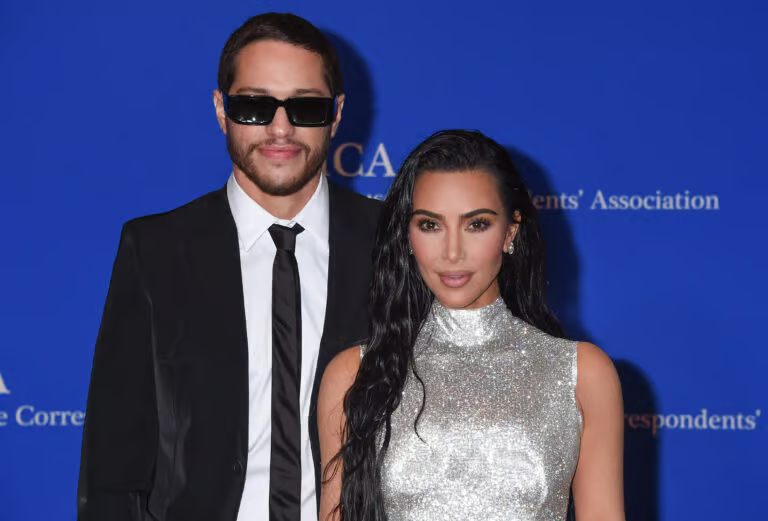
Pete Davidson is looking back on one of the most talked-about relationships of his life with surprising admiration.
Nearly four years after his romance with Kim Kardashian ended, the comedian had nothing but praise for the reality star during a recent podcast appearance.
His comments come at a time when he is also dealing with major changes in his own personal life.
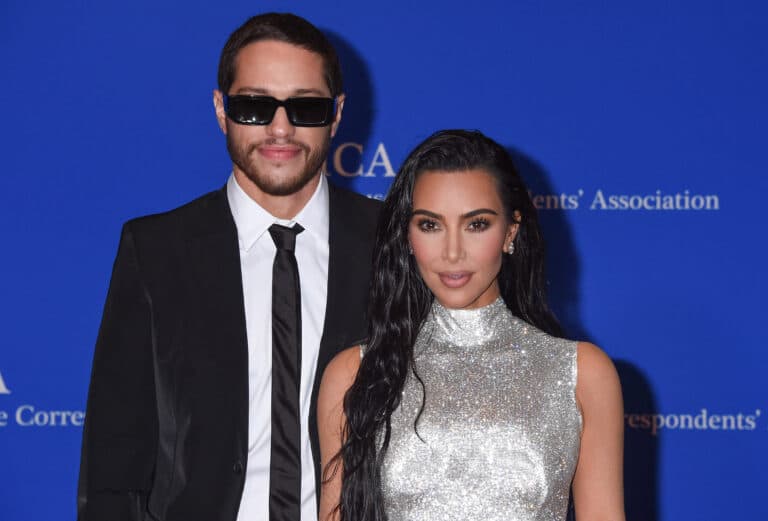
During a recent episode of “The Pete Davidson Show,” the comedian reflected on Kardashian’s growing acting career and admitted he was impressed by how naturally she stepped into the field.
Davidson recalled a conversation from their relationship when Kardashian first expressed an interest in acting.
“Isn’t it crazy Kim’s good at acting?” Davidson asked guest Nikki Glaser, per the Daily Mail. He then remembered Kardashian telling him, “I think I’m gonna be an actress.”
His reaction at the time was immediate. He said, “F-ck yeah.”
Since then, Kardashian has built a growing acting résumé with appearances in projects such as “American Horror Story” and the Hulu legal drama “All’s Fair.”
Watching her transition into the profession left Davidson stunned. He shared, “And then she’s just good at it, and I was like, ‘God, get the f-ck out of here.’ She’s so good at acting.”
The comments offered a rare glimpse into how Davidson views his former girlfriend years after their breakup.
Kim Kardashian Earns Praise From Nikki Glaser
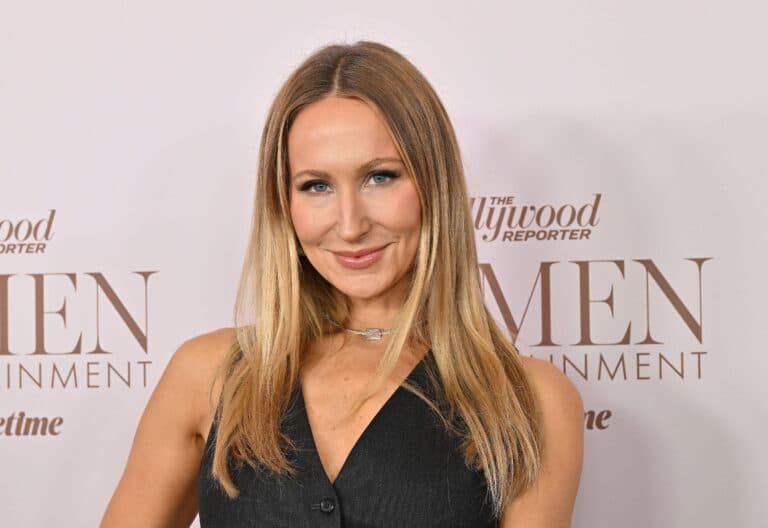
Pete Davidson was not the only person singing Kardashian’s praises during the conversation.
Glaser, who stars alongside Kardashian in the upcoming Netflix film “The Fifth Wheel,” spoke enthusiastically about working with the SKIMS founder and witnessing her dedication firsthand.
“She’s amazing. She’s so smart. She does anything she wants to do. Especially if people are like, ‘You can’t do this,’” Glaser said.
She also pointed out the challenges Kardashian faced entering an industry where many critics doubted her abilities from the start.
Glaser noted, “And for her to go into acting with all the public perception of her anyway, she knew she was gonna – everyone was gonna look for her to fail.”
Despite those expectations, Glaser came away impressed.
She said, “I already liked her, and she was just better than that,” she said after noting that Kardashian had “exceeded my expectations.”
Pete Davidson Explains Why He Calls Kim Kardashian ‘Superhuman’

As the discussion continued, Davidson revealed what he believes sets Kardashian apart from many other celebrities.
The comedian described her ability to keep moving forward despite endless headlines and public attention.
“She’s superhuman,” Davidson said.
He also explained that one of the most valuable lessons he learned from Kardashian involved handling criticism and outside noise.
“I learned from her that no matter what’s going on, like whatever in the news, you’re still you, and you can just still go do sh-t,” he shared.
For someone who has spent much of his adult life under the spotlight himself, Davidson appeared to admire Kardashian’s resilience and ability to stay focused regardless of public opinion.
His comments also offered a noticeably positive perspective on a relationship that generated enormous media attention during its brief run.
A Romance That Captured Headlines
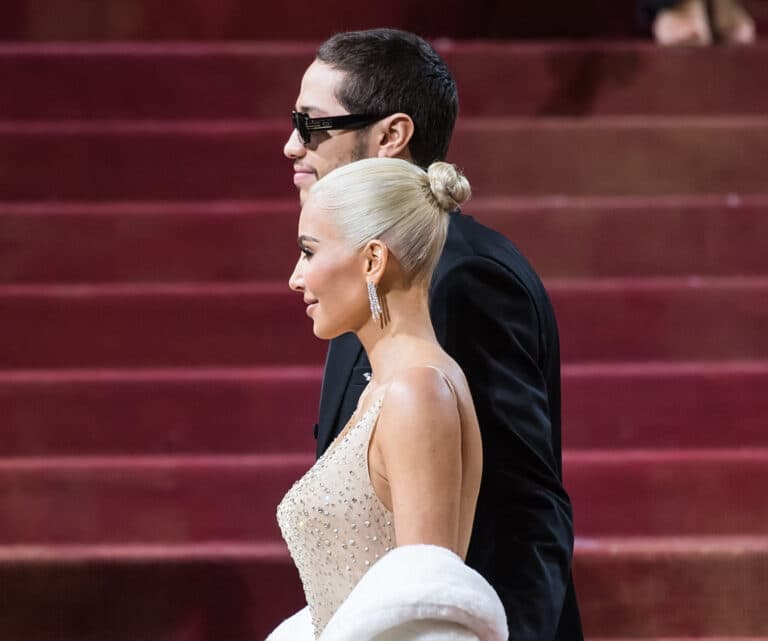
Pete Davidson and Kim Kardashian first connected in October 2021 when she hosted “Saturday Night Live.” Sparks flew after the pair shared an on-screen kiss while portraying Disney characters during a sketch.
Soon after, they became one of entertainment’s most talked-about couples.
Over the following months, they traveled together, made public appearances, and generated constant media coverage. One of their most memorable outings came at the 2022 Met Gala, where they appeared together on fashion’s biggest night.
Despite the attention surrounding the romance, the relationship lasted less than a year.
Their split became public in August 2022. At the time, a source explained to PEOPLE that scheduling challenges played a major role in the breakup.
They revealed, “Part of the reason they split was because of their busy schedules. They both travel all the time and it was hard.”
Although the relationship ended, Davidson’s latest remarks suggest there is still plenty of respect between the former couple.
Pete Davidson Faces Another Personal Transition

The timing of Davidson’s comments has drawn additional attention because of developments in his own life.
Earlier this month, reports surfaced that he and model Elsie Hewitt had ended their relationship after 14 months together. The pair welcomed daughter Scottie in December of last year, making the breakup particularly significant.
According to a source who spoke with Us Weekly, the former couple is still navigating life after the separation.
The insider said they are “still sorting things out” following the split.
The source added that they “tried to make it work but there were different stressors, including having a baby together as two people who didn’t yet know each other that well.”
Even so, both are reportedly committed to co-parenting.
“They are both trying to make it work and have made accommodations in their schedules for the baby,” the insider explained.
However, the source also indicated that reconciliation appears unlikely, saying it is “very unlikely” that Davidson and Hewitt will reunite romantically.
While Davidson adjusts to this new chapter, his recent comments about Kardashian show that some past relationships continue to leave a lasting impression long after they end.
Entertainment
Expert weighs in on human remains found near Nancy Guthrie's house as search for her continues
:max_bytes(150000):strip_icc():format(jpeg)/Nancy-Guthrie-Today-house-053026-7ba17f7a7bd14549b261b17240ed815e.jpg)
An anthropologist says the skeleton discovered near Savannah Guthrie’s missing mother’s home in early May may be 1,000 years old.
:max_bytes(150000):strip_icc():format(jpeg)/Kelly-Curtis-Hitchcock-Los-Angeles-Premiere-053026-0badf08bd42c4d78953348dd5e747b77.jpg)
The “Halloween” star mourned her sister, who was the eldest daughter of Janet Leigh and Tony Curtis: “She will be remembered for her loving generosity.”
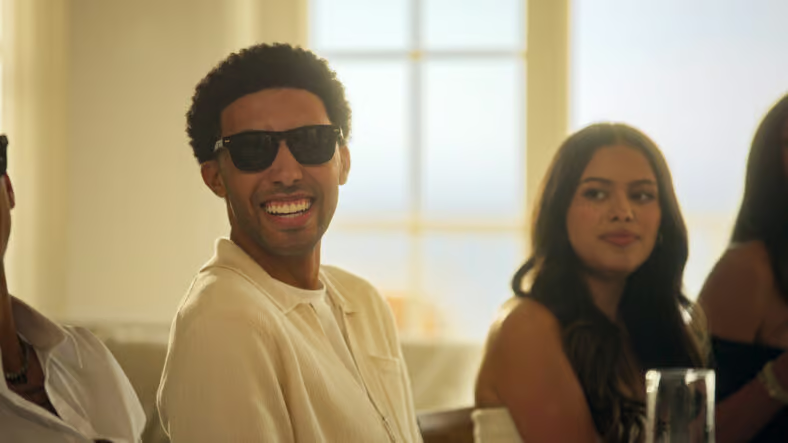
Larsa Pippen‘s son, Preston Pippen, had an open and honest conversation with his “Calabasas Confidential” co-stars about her alleged affair with Future. In the latest batch of episodes, Preston, 23, spoke about how much his mother’s reported romance with the rapper affected him, revealing that he had to deal with weird dynamics at school as a result of her alleged actions.
On the new Netflix reality series, Preston opened up to his friends about what it’s like to be the child of famous parents. He admitted that his mom was once in a “weird place” after entering into a “new relationship per usual.”
Preston, son of NBA legend Scottie Pippen, explained that he was happy he no longer had to deal with being in his parents’ shadow. He also spoke about how their divorce had a negative impact on him.
“It kind of sucks when your parents are divorced. That’s one thing, and then once they start dating, it’s another thing. If they get remarried, then it’s a bigger thing,” he said.
Preston Pippen Opens Up About Larsa’s Alleged Affair With Future
![Larsa Pippen was seen leaving good friend Kim Kardashian's 37th Birthday dinner at the 'Carousel' Lebanese and Armenian Restaurant in Los Feliz, CA. 26 Oct 2017 Pictured: Larsa Pippen. Photo credit: MEGA TheMegaAgency.com +1 888 505 6342 (Mega Agency TagID: MEGA106631_012.jpg) [Photo via Mega Agency]](https://media.theblast.com/cdn-cgi/image/quality=75,gravity=auto,metadata=none,format=auto,onerror=redirect/wp-content/uploads/2025/01/MEGA106631_012-scaled.jpg)
As the episode continued, Preston got real with the audience about the negative attention his family faced a decade ago. For those who may be unfamiliar, in addition to her alleged affair with Future, Larsa was also best friends with Kim Kardashian.
Preston said in his confessional that the news about his family was everywhere and that the drama even followed him to school.
“It was just all over the place. You would think, at that age, when you’re going to school, that it is safe and you’re dodging the drama at home,” he said. “People I thought were my friends would make jokes, and there’s already so much noise in the house.”
“Kids at school, like my friends, would play music by a rapper that my mom was taking to at the time, and it was just sh-tty,” he continued, adding, “I am removed from it now, so it’s easy to kind of talk about.”
Larsa Pippen Detailed Her Relationship With The Rapper In 2020

While Larsa initially denied her relationship with Future, she opened up about their connection in a 2020 interview with Hollywood Raw, according to Complex.
“It was definitely a respectable relationship. It wasn’t like a—it was just like we were friends and we needed each other at that moment. And that was basically it,” the “Real Housewives of Miami” star said. “I think people make more of it. It’s just better conversation for people to say, oh she cheated on him, she this, she that. It was none of that. Scottie wasn’t even living at home with me.”
Continuing, Larsa said that dating Future wasn’t what she expected, noting that he was “very romantic.”
“We related on the most simple, organic way. I didn’t need anything from him, he didn’t need anything from me. … It wasn’t how you’d think,” she said.
Larsa And Scottie Pippen Officially Divorced In 2021
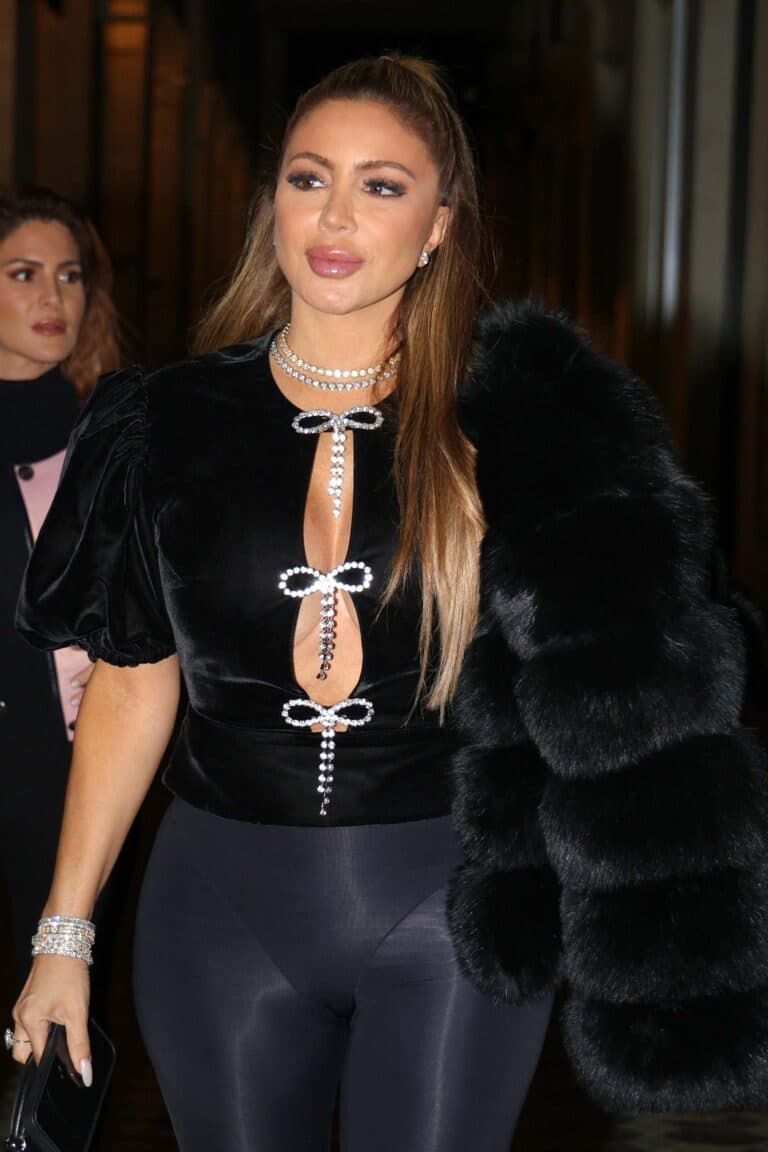
According to PEOPLE, Larsa and Scottie divorced in December 2021.
“All issues were resolved amicably. The parties are now focusing successfully coparenting their remaining minor children,” Larsa’s lawyer, David Glass, shared.
Larsa and Scottie married in 1997 and have four children together: Scotty Jr., Preston, Justin, and Sophia.
“Although they are no longer to be married, Larsa remains hopeful that she and Scottie will always do what is best for their 4 beautiful children and jointly raise them with love and respect,” one of Larsa’s reps said at the time.
Brandi Glanville Spoke About Her Son On The Same Show
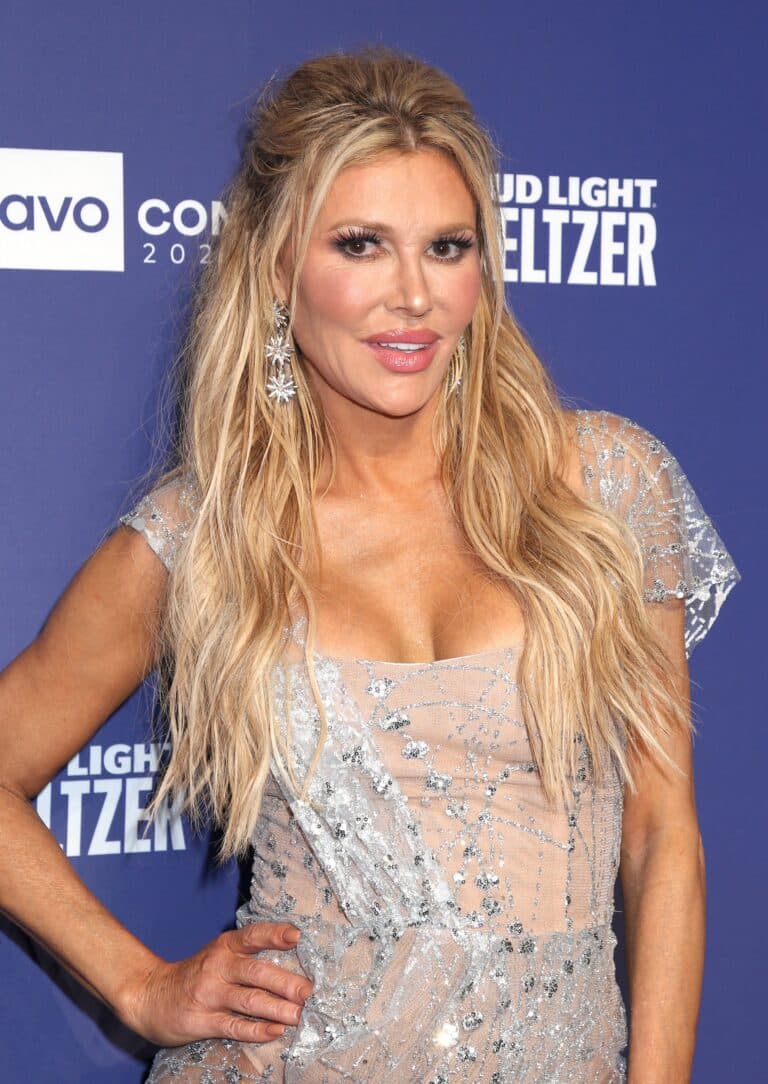
According to a previous report from The Blast, “Real Housewives of Beverly Hills” alum Brandi Glanville appeared on the same Netflix show as Preston and spoke about her relationship with her son, Mason Cibrian.
While hanging out with Mason and his friend, Glanville boasted about her son’s girlfriend, Sarah Dower, saying, “She’s the best.”
Elsewhere in the scene, Glanville opened up about the time she learned her son was no longer a virgin.
“I remember realizing he wasn’t a virgin when I walked by his room, and I heard a spanking being given,” she shared. “I was just like, ‘F-ck my life, my son is not a virgin anymore.’”
She went even further, sharing, “I think he was 15 or 16, and I was crying. I’m like, ‘I am so uncomfortable right now. But at least he’s giving a spanking at least. He’s got some moves.’”
Stream season 1 of “Calabasas Confidential” on Netflix.
Entertainment
Gore Verbinski’s Near-Perfect Sci-Fi Masterpiece Surges on Streaming After Struggling at the Box Office
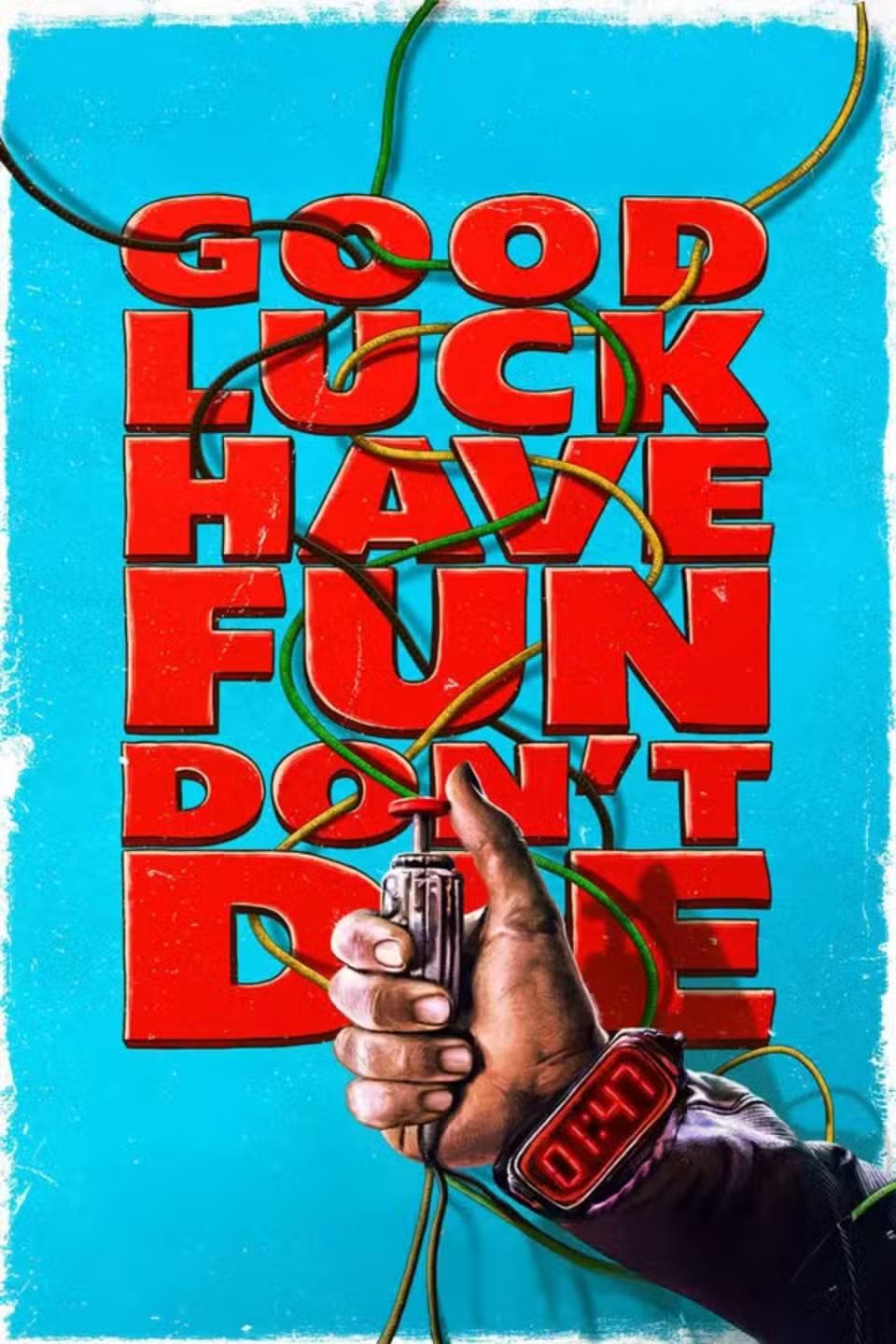
For every unexpected blockbuster like Backrooms, which is breaking box-office records in its debut weekend, there is an unfortunate counterpart that must settle for future cult status. The cult hit of 2026 has already been crowned, and it’s doing tremendously well on the PVOD market even as movies like Backrooms and Obsession break through the clutter to achieve box-office success. In a way, the year 2026 will be seen as a pivotal period in the history of Hollywood, where a contingent of new filmmakers took over the baton from giants who’ve dominated the industry for decades. What else can explain Backrooms, which cost less than $10 million to produce, delivering a domestic debut in the same range as Christopher Nolan‘s Oppenheimer? It’s a figure that even Steven Spielberg will find impossible to surpass with Disclosure Day in a few weeks.
Spielberg, Nolan, and Denis Villeneuve aren’t the only mavericks who are eying theatrical success this year. Some months ago, director Gore Verbinski made his directorial comeback after a decade with a movie so strange that the only logical outcome for it was flopping at the box office and promptly establishing itself as a niche oddity at home. Verbinski, who achieved culture-defining success in the 2000s with his Pirates of the Caribbean trilogy and won an Oscar with the brilliant animated movie Rango, was sent to solitary in director jail following two back-to-back underperformers. In 2016, he directed the psychological horror movie A Cure for Wellness, which failed to recoup its reported $40 million budget. But it was the infamous, Disney-damning failure of The Lone Ranger that caused the most damage to his reputation.
A Sci-Fi Gem for the Ages Is Waiting to Be Discovered at Home
Verbinski’s latest movie is Good Luck, Have Fun, Don’t Die — a highly topical sci-fi gem in which a time traveler from the future recruits the patrons of a diner to fight a war against artificial intelligence with him. The movie grossed roughly half of its reported $20 million budget at the box office, despite a “Certified Fresh” 81% score on Rotten Tomatoes. The aggregator website’s consensus reads, “A gleeful high-concept comedy with a serious message at its core, Good Luck, Have Fun, Don’t Die lets Sam Rockwell rip with thrilling results while marking a very welcome return of director Gore Verbinski in peak form.” In his review, Collider’s Aidan Kelley described the movie as “a raucous sci-fi comedy with extremely ambitious goals and insightful commentary.” The film’s positive reviews seem to be fulfilling their purpose and driving audiences toward it on PVOD. According to FlixPatrol, Good Luck, Have Fun, Don’t Die has now spent more than 60 days on the domestic iTunes and Google Play charts. Stay tuned to Collider for more updates.

- Release Date
-
February 13, 2026
- Runtime
-
134 Minutes
- Director
-
Gore Verbinski
- Writers
-
Matthew Robinson
- Producers
-
Erwin Stoff, Oly Obst, Robert Kulzer

A Pennsylvania mayor is being blasted online after making a dig at one of the city’s ex-cops who left public work to go film the newest season of Peacock’s hit reality series “Love Island.” Sean Reifel, 29, is from Easton, Pennsylvania, and was announced as one of season eight’s OG islanders. While the fans are excited about the upcoming season, J. William Reynolds, mayor of Bethlehem, Pennsylvania, is not.
For those who may have been unfamiliar, Peacock recently revealed the next lineup of “Love Island” reality stars set to enter the villa. Season 8 of the series will air on Tuesday, June 2, at 9 PM EST. Among the cast is Reifel, a former Pennsylvania police officer looking for love.
“I’m not a model, not an actor, I’m a police officer actually,” he said in the show’s trailer. “You could be having the worst day of your life, and I’ll just help you sift through that.”
J. William Reynolds isn’t too pleased with the 29-year-old’s decision, though. In fact, he made public comments about Reifel’s exit, criticizing him for leaving public work behind for fame.
Reynolds Lets Loose On Reifel For Choosing ‘Love Island’ Over Police Work
“Our police department spent a lot of time training and we paid thousands of taxpayer dollars to send him to the police academy. We are disappointed he left as we now have another vacancy in our department that is impossible to fill until next year,” Williams said, according to ABC27.
And he didn’t stop there. He added, “I never thought I’d see the day in America where reality show participation wins out over being a police officer.”
Reifel, badge number 532, was sworn into the Bethlehem Police Department in August 2025, according to a post shared on Facebook. The post also includes photos of Reifel standing next to Williams, shaking his hand, and smiling.
Reynolds Is Being Dragged Online For Making A Dig At A Former City Employee
“Love Island” fans have been reacting to Reynolds’ comments about Reifel on Reddit, slamming him for taking a shot at a former employee.
“What a loser this mayor is,” someone posted, while another said, “Lol, this amuses me. They are BIG mad.”
A third user posted, “This is stupid. Anyone can quit their job at anytime as long as they don’t have a contract obligation. I know you probably want to stay in a job, especially one that requires training, for longer, but he hasn’t done anything wrong here.”
Someone else chimed in, alleging that Reynolds was “jealous” of Reifel, and another said his comments were completely “unprofessional.”
‘Love Island’ Is Returning To Peacock In Just A Few Days

“Love Island” is one of reality TV’s most-talked-about shows, and this season, viewers are in for big surprises.
The 12 sexy singles will enter the villa on June 2, and in the coming weeks, the islanders and viewers alike will be introduced to new islanders (bombshells) who will test the already-formed connections with the other contestants.
By the end of the series, the viewers will vote for their favorite couples to win their share of $100,000.
Like “Big Brother,” “Love Island” is filmed in real time, so the drama that watchers will see nightly on Peacock happened mere hours before.
“I’m always surprised by who ends up coupling up,” host Ariana Madix said about the series. “Sometimes I think you can feel an energy between people that maybe you don’t even see on camera but when you’re there in person you can always kinda feel like, ‘Oooh, there’s some chemistry here.’”
Peacock And ‘Love Island’ Are Reminding Viewers To Keep Things Respectful This Season
The last season of “Love Island” was filled with drama, and it spilled over into real life. Passionate viewers took to various social media forums to defend their favs while also blasting other castmates.
Peacock recently uploaded a statement to their Instagram, reminding viewers to keep things respectful before the season starts.
“The Villa runs on good vibes, and so does this community,” the post read. “We love seeing your reactions, opinions, and debates, but everyone deserves to feel safe and respected.”
The post continued, “This is a space for fun, not negativity – so keep it kind, keep it positive, and remember: this is LOVE Island!”
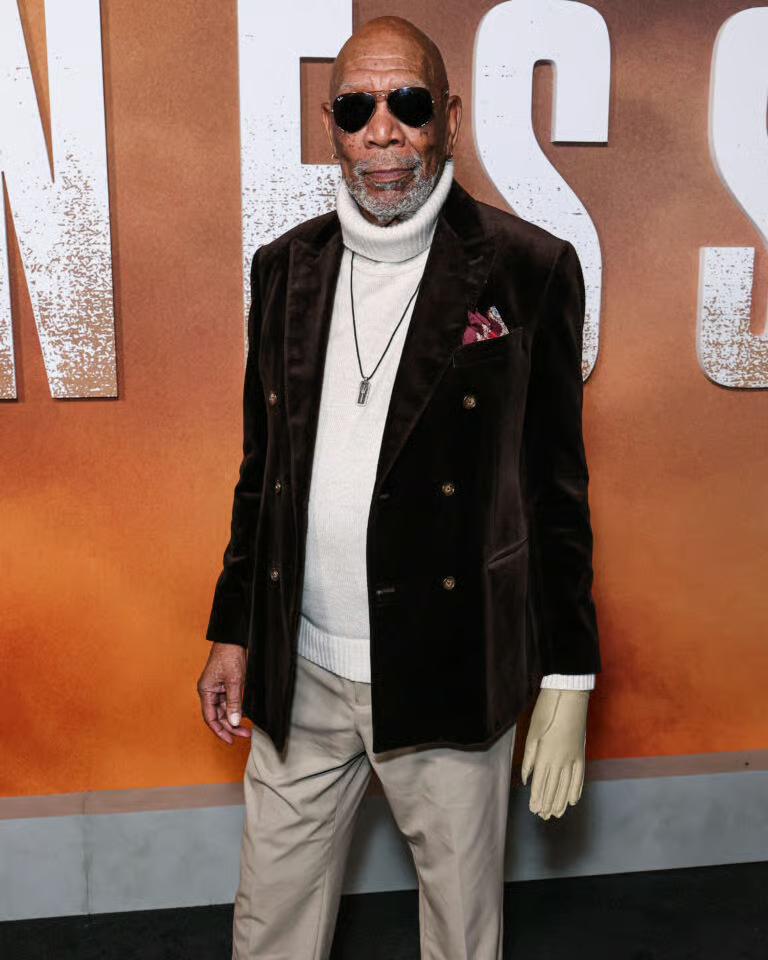
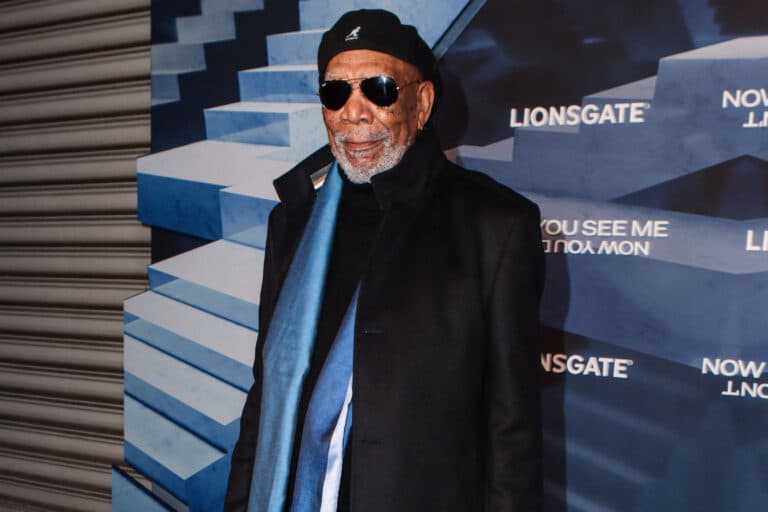
Morgan Freeman long ago turned his sprawling 124-acre Mississippi ranch into a sanctuary for bees after growing concerned about their declining population.
The actor’s quiet conservation effort is now drawing renewed praise online, with fans applauding him for using his land to support the environment without turning it into a publicity campaign.
Freeman has previously opened up about his love for beekeeping, explaining the ins and outs of caring for the bees.
Soon to turn 89, Freeman has also spoken about his acting career, saying his “appetite” for the craft is still alive, although he admitted that it has “dimmed a little.”

Freeman has played everything from the voice of God to the president of the United States, along with several other iconic screen figures. These days, however, one of his most admired roles is tied to environmental preservation.
Over the years, the “Bruce Almighty” actor transformed his sprawling 124-acre ranch in Mississippi into a sanctuary for bees, per Forbes. The effort was aimed at helping protect pollinators amid concerns about their declining population and the broader threat to the species.
To support the project, Freeman reportedly imported 26 hives from Arkansas to his estate in 2014. He also began planting bee-friendly vegetation, including lavender, clover, and magnolia trees, to make the land more welcoming for the insects.
Fans Praise Freeman’s Quiet Bee Mission
Freeman’s bee sanctuary has been drawing renewed attention online, with social media users focusing on the actor’s decision not to publicize his efforts. One X user praised the actor for turning his land into a bee haven without making a public fuss of it.
“Morgan Freeman quietly turned 124 acres into a bee sanctuary over a decade ago and never made it a press tour. That’s the version of celebrity environmentalism that actually means something,” the user wrote.
Another fan used Freeman’s example as a reminder that people do not need massive ranches to help, noting that planting native flowers or avoiding pesticides can still support local bee populations. A third joked that the famous voice-over actor did not just narrate creation, but helped protect it.
Morgan Freeman Spoke Passionately About Saving Bees
Freeman’s journey into apiculture reportedly began as a personal response to the growing environmental crisis facing bee populations, but it eventually became part of a broader conservation effort.
He first spoke publicly about his love for beekeeping during a 2014 appearance on Jimmy Fallon’s “The Tonight Show,” where he discussed both his hands-on experience and the importance of protecting wild bees.
At the time, Freeman revealed that he was actively involved in caring for the bees himself. He said he fed them sugar and water, did not wear a bee suit or hat while doing so, and had never been stung.
Freeman Is Not Turning Bees Into A Business
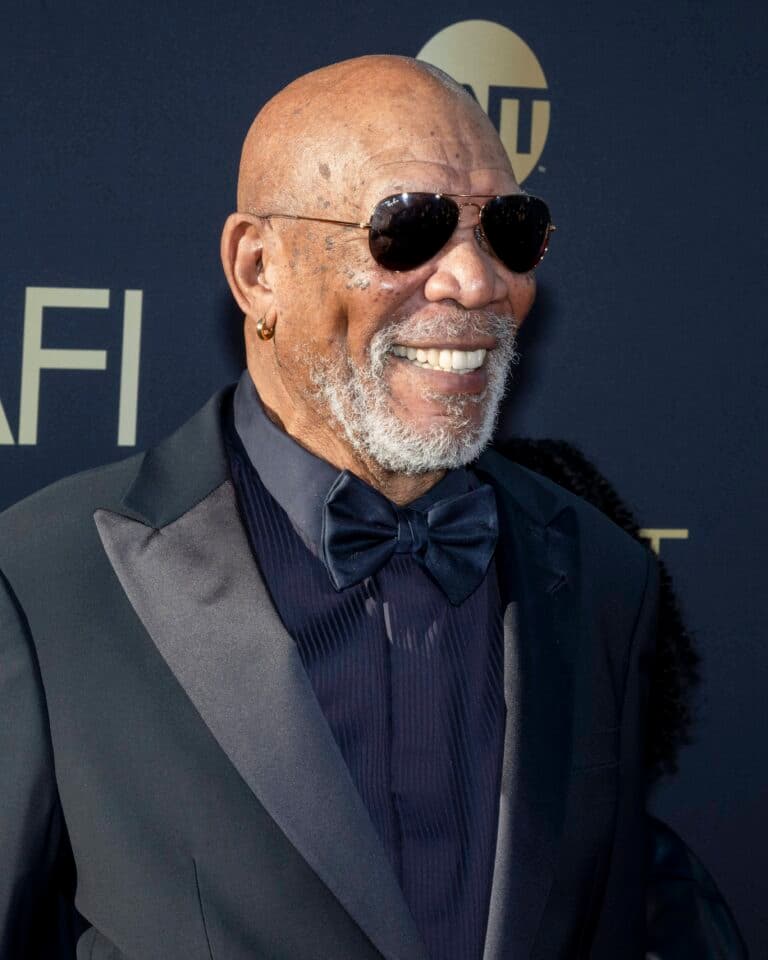
Money does not appear to be the driving force behind Freeman’s bee sanctuary, as the “Lucy” actor previously revealed that he does not harvest the hives for commercial gain.
“There is a concerted effort for bringing bees back onto the planet,” Freeman told Fallon. “We do not realize that they are the foundation, I think, of the growth of the planet, the vegetation.”
His initiative comes at a critical time for the environment, as bees continue to face threats such as habitat loss, pesticides, and parasites.
The U.N. Environment Programme has also highlighted the importance of bees to biodiversity and food production. Since bees help pollinate a significant portion of the food humans consume, their survival remains closely tied to global food security.
Morgan Freeman Says He Still Has An Appetite For Acting
Freeman’s appearances on the big screen have become more sporadic in recent years, but he maintains that he is not ready to walk away from acting.
In November, he sat for an interview with The Guardian, where he said his “appetite is still there” for the profession, although more than six decades in the industry may have slightly changed how he feels about it.
“I will concede that it’s dimmed a little. But not enough to make a serious difference,” he admitted.
The Oscar winner also explained that the idea of retirement has crossed his mind a few times, but he has never taken it too seriously.
“Sometimes the idea of retirement would float past me, as soon as my agent says there’s a job or somebody wants you, or they’ve made an offer, the whole thing just boils back into where it was yesterday,” Freeman told the outlet. “How much [are you] going to pay, where we’re gonna be?”
Entertainment
Taylor Sheridan Director’s ‘The Hurt Locker’ Meets ‘Heat’ Thriller Is a Sudden Streaming Hit

If there’s one director working right now who simply doesn’t get the credit they deserve for having essentially forged a career akin to that of Steven Soderbergh, it’s David Mackenzie. He simply cannot be put in a box, having made movies that belong to genres as diverse as epic historical (Outlaw King) and prison drama (Starred Up). His most popular movie, however, remains the Taylor Sheridan-penned neo-Western Hell or High Water, starring Chris Pine, Ben Foster, Jeff Bridges, and Gil Birmingham. The movie holds a near-perfect 97% score on the aggregator website Rotten Tomatoes, which, in any other circumstances, would have set up Mackenzie for life. However, he didn’t jump to major franchise filmmaking or prestige television following Hell or High Water‘s admirable success. He continued down his chosen path of making genre movies. And now, his latest film is emerging as a sudden hit on the PVOD market.
Keeping with his adventurous approach to filmmaking, Mackenzie explores an entirely new genre with his new movie. It stars Theo James, Aaron Taylor-Johnson, Gugu Mbatha-Raw, and Sam Worthington. The heist-thriller follows a squad tasked with defusing a supposed World War II-era bomb in the middle of London, while a crew of bank robbers attempts to make the most of the distraction by infiltrating a nearby facility. The movie is titled Fuze, and it recently debuted on PVOD following a limited theatrical release. His previous movie, the thriller Relay, had a similarly limited theatrical run before finding success on home video.
David Mackenzie’s Star-Studded New Thriller Gains Steam on Streaming
According to FlixPatrol, Fuze was among the most-watched movies on the domestic iTunes chart this week, cracking the top 10 immediately after its debut. The movie grossed around $4 million in its theatrical run earlier this year, which is a low number despite the positive reviews. Fuze holds a “Certified Fresh” 73% score on the aggregator website Rotten Tomatoes, where the consensus reads, “Unapologetically leaning into its own pulpy excess, Fuze detonates as a stylish thriller with energy, craft, and twists to spare.” Reviewing the thriller at the 2025 Toronto International Film Festival, Collider’s Ross Bonaime called it a “big, mediocre action film, and with a twist that the audience can see coming from a mile away.”

- Release Date
-
April 24, 2026
- Runtime
-
98 minutes
- Director
-
David Mackenzie
- Writers
-
Ben Hopkins
- Producers
-
Gillian Berrie, Callum Grant, David Mackenzie, Sebastien Raybaud

Throughout Chris Sails’ career as a YouTuber, he has often been known for trolling others online. Whether involving fellow creators, his ex and R&B singer Queen Naija, or her current partner Clarence NYC, his antics have frequently sparked reactions across social media. Those moments have kept parts of his personal life in the spotlight for years. They have also fueled conversations and, at times, strained his co-parenting relationship with Queen Naija. Over the years, the pair have been involved in several public disagreements that played out online. As a result, fans have often weighed in on their relationship and parenting dynamic. Now this! As Queen Naija and Clarence NYC celebrated CJ’s elementary school graduation, Chris Sails addressed questions about his absence.
RELATED: Internet Users React To Queen Naija & Clarence’s “Ring” Photos As Her Mom Appears To Confirm Their Engagement (PHOTOS + VIDEOS)
Chris Sails Addresses Questions About Why He Didn’t Attend CJ’s Graduation
On Friday, clips of Chris Sails answering questions from supporters about why he wasn’t in attendance at CJ’s elementary school graduation began circulating online. While responding to comments on live, Chris claimed that he was not invited to the ceremony and acknowledged that some of his past actions may have contributed to the situation.
Chris said, “I know I made it harder on myself, so I don’t blame them over there for not inviting me; I don’t think it’s their fault.”
The YouTuber also read comments suggesting that he could have made time to attend once he found out about the graduation. Another commenter argued that he needed to put more effort into it. Chris appeared to agree with those sentiments. One commenter accused Chris of lying and claimed that he was aware of the graduation beforehand.
“I didn’t lie n****, I just corrected myself. Shut yo goofy a** up,” Chris responded. “They didn’t tell me that he had a graduation. I had asked them when I could get my son for the summertime. She said anytime after this time because he’s graduating. So that’s how I found out. It wasn’t an invitation-type of find out.”
Chris continued by saying that he does not blame them for not inviting him because he understands that his past actions may have made things harder for him. Despite that, he admitted that he still feels he should have been extended an invitation. However, he added that he does not want anyone to feel uncomfortable. Chris also shared that he plans to speak with CJ about the situation and ask how he feels regarding the graduation and his absence.
Chris Sails And Queen Naija Faced A Similar Situation During CJ’s Kindergarten Graduation In 2021
This is not the first time Chris Sails and Queen Naija have faced questions surrounding one of CJ’s graduations. Five years ago, Chris shared similar frustrations after missing CJ’s kindergarten graduation. At the time, a commenter asked why he was not in attendance. Chris replied, “I didn’t get an invitation. And also didn’t even know he was graduating today. That’s messed up.”
After Chris’ comments began making rounds online, Queen Naija responded and shared her side of the story. She explained that Chris was dealing with legal matters at the time and said their co-parenting relationship was strained. Queen also revealed that she was caring for a sick two-year-old during that period. The situation sparked debate across social media, with many users weighing in on both sides. Queen Naija’s younger sister Tina, who was estranged from her at the time, also joined the conversation and shared that she was upset about not receiving an invitation.
Social Media Weighs In
Folks gathered in The Shade Room Teens’ comment section to react to Chris Sails’ video. While some agreed that Queen Naija and Clarence should have invited him, others felt it was not Queen’s responsibility. Several commenters argued that Chris should have been more proactive and asked questions about CJ’s graduation on his own.
Instagram user @thasweetest1_ wrote, “Mann if u involved in your child’s like you’d know. Simple as that.. he musta thought Cj was in 3rd grade or sum 😂🫠”
Instagram user @september22ndd_wrote, “You’re the dad, call the school and get the information. CJ is also old enough to communicate these things. These are excuses.”
While Instagram user @theregoesfefe wrote, “cj gon graduate high school and chris gon be tb how he didn’t get a invite again see yall in 2033 😭”
Instagram user @anti_social1926 wrote, “Queen and Clarence are definitely wrong af idc.”
Instagram user @aaliyahebaby added, “Naw Queen wrong for that.. He should know everything that boy has going on in school and should have been able to be at the graduation..could sit on another side of the room or matter fact that man could have kept his butt at him”
While Instagram user @yellow_tatted wrote, “You know everybody business but your own 😭”
Instagram user @ishanilatrice.m wrote, “Yall find any way to blame the mom ….. he know what grade he in and talks to his son … im not obligated to make sure a dad is being a dad regardless of being in different states wtf?! Yall okay?”
Instagram user @gyt.jas added, “Watching Chris on TikTok I can say he’s matured a lot since that last situation they was in. I feel like they should’ve at least sent the invite.”
While Instagram user @gothamlibra wrote, “For all the ones who saying she should have told him HE SAID HE ASKED ABOUT GETTING CJ FOR SUMMER AND SHE TOLD HIM AFTER “HIS GRADUATION” he knew and didn’t want to go. He let the ball slip. He acknowledged it and hopefully he’s at the next one. Yall be slow and intentionally missing information just to have dense opinions.”
RELATED: Tea Clocked! Chris Sails Is Left Speechless After Son CJ Clapped Back At Him For Coming At Queen Naija Online (WATCH)
What Do You Think Roomies?

Kai Cenat is giving fans a rare update while taking a break from streaming. The streamer took to X to answer questions from his community ahead of the platform’s decision to remove all communities from the social media site following a decline in usage.
Related: Kai Cenat’s Cryptic Post Has Supporters Wondering If He’s Returning To Streaming (VIDEO)
Kai Cenat Shares His Thoughts On The Current State Of Streaming
On Friday, May 29, Kai Cenat shared a tweet to his community of over 55,000 members, inviting supporters to ask him questions before the community ends on May 30. During the Q&A, one of the most-viewed questions centered on a topic supporters have been asking for months: When is Kai returning to streaming?
Although Kai did not provide a specific date, he reassured fans that his passion for content creation has not changed. In response to one user, Kai wrote that he would “never lose passion for streaming” and would return “when it’s time.” Meanwhile, another fan asked Kai for his thoughts on the current state of streaming. Keeping his answer brief, the content creator responded that streaming simply “needs more inspiration.”
Kai Cenat Also Opened Up About Music, Books and Life Away From The Camera
Beyond streaming, Kai also answered several light-hearted questions about his personal interests and what he’s been up to while away from the spotlight. The streamer shared details about the book he’s currently reading, offered his thoughts on the upcoming Michael Jackson biopic, and revealed some of his favorite songs from Drake’s latest project, ‘Iceman.’ Kai also gave fans a glimpse into his day-to-day life outside of content creation. According to the AMP member, he’s been spending much of his time reading and hanging out with his AMP group when he’s not working.
Social Media Reacts
Fans quickly flooded social media with reactions to Kai’s responses.
Instagram user @jesseniaa.__ wrote, “Well he’s talking to us again, that’s great, I’m glad he’s taking his time tho. We all we be tuned in soon as he go, live 😂”
Another Instagram user @0k.imani wrote, “Kai choosing himself 👏👏”
While Instagram user @its.trinnn wrote, “Who tf do kai think he is fr 😂😂”
Instagram user @afkingp wrote, “I feel like he’s gonna make his own streaming platform.”
Another Instagram user @maaaack.kingg wrote, “Bro u just a fallen off streamer, relax with the celebrity bs 😭😂”
While Instagram user @lizzycoker10 wrote, “He just wanted to show us the new words he discovered from his dictionary 😭”
Instagram user @for.ou6992 wrote, “Streaming so boring without him 😭 they only doing it for money now and you can tell. Nobody hold my attention fr not even Rakai and clover. It’s just ain’t the same”
Another Instagram user @latricee._ wrote, “just yapping”
While Instagram user @fly4carti wrote, “Why are you guys so upset he’s answering questions? If he speaks it’s a problem if he doesn’t it’s a problem just leave the man alone 💀”
Related: Social Media Sounds Off After Jay Cinco Links Streaming Decline To Kai Cenat’s Streamer University (WATCH)
What Do You Think Roomies?
Argos shoppers race to buy £20 LEGO Fifa World Cup Trophy sets for £2.84 each online

We Tested 30+ Grills So You Don’t Have to. Here Are the 9 Best Grills of 2026

Glasgow University student dies falling from bridge ‘while trying to retrieve phone’


-

 Business6 days ago
NYT Strands Answers May 24 2026 Revealed for Puzzle No. 812 Theme Summer Essentials
-

 NewsBeat3 days ago
Israel says it has killed new Hamas military leader in Gaza City airstrikes
-

 Politics5 days ago
Bridgerton Season 5: Cast, Release Date And Everything We Know So Far
-

 Business4 days ago
Selena Gomez Reportedly Upset Over Benny Blanco’s Comments on Her ‘Terrible’ Diet
-
 Crypto World4 days ago
Micron Crosses $1 Trillion Market Cap as AI Demand Reshapes Memory Sector
-

 Business5 days ago
BTS Sells Out Four Las Vegas Shows at Allegiant Stadium for ARIRANG World Tour
-

 Tech5 days ago
Microsoft’s quiet Claude Code retreat and the real cost of enterprise AI
-
 Tech5 days ago
China assigns ID codes to 28,000+ humanoid robots
-

 News Videos4 days ago
XRP *JUST* SUCCEEDED!!!! CLARITY ACT EXPOSED!!! (SHE EXPOSED IT)
-

 Tech2 days ago
Waymo dominates autonomous vehicle registrations as Tesla trails behind
-
Tech3 days ago
The Samsung pay deal is the moment Korean unions changed register
-

 Tech5 days ago
Westone Audio and Etymotic Acquired by Fidelity Collective in Major IEM Market Move
-
Crypto World6 days ago
Brian Armstrong Outlines Crypto Vision for the Future Financial System
-
 Entertainment5 days ago
‘Breaking Bad’ Star’s Easy-to-Binge 6-Part Crime Series Spin-Off Is Finally Heading to Free Streaming
-

 Tech4 days ago
Millions of AI agents imperiled by critical vulnerability in open source package
-
Crypto World3 days ago
SpaceX’s $2 Trillion IPO: Why Tech Giants Nvidia (NVDA), Apple (AAPL), and Microsoft (MSFT) May Face Pressure
-
 Crypto World5 days ago
Nvidia (NVDA) CEO Calls on Super Micro to Strengthen Export Controls Amid Smuggling Probe
-

 Tech3 days ago
NASA taps Blue Origin to deliver lunar rovers for Moon Base initiative
-
 NewsBeat5 days ago
Hottest May day ever as London hits 34.8C in 2C leap from previous records
-
 Crypto World24 hours ago
Snowflake (SNOW) Stock Rallies on Strong Q1 Results and AI Product Growth
You must be logged in to post a comment Login