

Business
Olivia Dean Dominates Australian Pop Charts in March 2026 With ‘Man I Need’ Holding No. 1 as Streaming Surges


British soul-pop singer Olivia Dean ruled Australian airwaves and streaming platforms throughout March 2026, with her breakout hit “Man I Need” spending the entire month at No. 1 on the ARIA Top 50 Singles Chart and racking up millions of streams as fans embraced its heartfelt lyrics and infectious groove.

The ARIA charts for the weeks ending March 2, March 9, March 16, March 23 and March 30 all showed “Man I Need” firmly entrenched at the top, extending a run that began in late 2025. By the end of the month, the track had accumulated more than 30 weeks on the chart overall and earned multiple platinum certifications. Dean’s collaboration with Sam Fender, “Rein Me In,” consistently held the No. 2 spot, creating a powerful one-two punch that highlighted the rising global appeal of soulful, introspective pop.
The dominance reflected broader trends in Australian music consumption. Streaming services such as Spotify and Apple Music drove the majority of chart activity, with younger listeners particularly drawn to emotionally resonant tracks that blend pop melodies with R&B influences. Dean’s album “The Art of Loving” also performed strongly, frequently appearing near the top of the ARIA albums chart and boosting her visibility through tour announcements and media appearances.
Here are the most popular pop songs that shaped March 2026 in Australia, based on ARIA data, streaming figures and radio airplay:
- “Man I Need” by Olivia Dean — The month’s undisputed champion. The soulful mid-tempo ballad about vulnerability and self-worth resonated deeply, topping the chart for multiple weeks and generating strong TikTok challenges and radio requests. Its longevity underscored the staying power of well-crafted pop in an era dominated by short-form content.
- “Rein Me In” by Sam Fender and Olivia Dean — A dynamic duet that mixed Fender’s rock edge with Dean’s warm vocals. The track climbed steadily and held No. 2 for most of March, appealing to fans of both indie and mainstream pop. Its themes of emotional restraint struck a chord amid discussions of mental health in popular culture.
- “iloveitiloveitiloveit” by Bella Kay — The catchy, repetitive hook of this upbeat pop track propelled it into the Top 3. Emerging Australian artist Bella Kay brought fresh energy with playful production and relatable lyrics about overwhelming affection, making it a favorite for parties and playlists.
Other notable pop hits included “Stateside” by PinkPantheress and Zara Larsson, which blended hyperpop elements with danceable beats and maintained strong positions in the Top 10. Alex Warren’s “Ordinary” continued its steady run from earlier months, offering comforting, anthemic pop that appealed to a wide demographic. Harry Styles tracks such as “American Girls” and “Aperture” also featured prominently, showcasing his enduring influence on Australian charts with slick, retro-inspired pop.
Australian acts made their mark as well. Tame Impala’s “Dracula” led the ARIA Top 20 Australian Singles Chart for much of March, blending psychedelic pop with hypnotic grooves that highlighted the country’s experimental edge. Dean Turnley’s “Actin’ Tough” emerged as a fresh breakout, while established names like Dom Dolla collaborated on dance-pop tracks that crossed over into mainstream pop playlists.
Streaming data reinforced the charts. Spotify’s weekly Australian charts in mid-to-late March showed high plays for Dean’s catalog alongside emerging K-pop and global pop releases. BTS tracks from a March release, including “SWIM,” gained traction later in the month but remained secondary to the dominant pop ballads. Apple Music’s Top 100 Australia playlist mirrored ARIA trends, with Dean, Fender and Bella Kay frequently occupying the upper ranks.
Industry observers attributed the month’s pop surge to several factors. Increased streaming accessibility, targeted social media campaigns and radio station rotations all played roles. Triple J’s influence remained significant, with several tracks gaining early exposure on the youth-oriented network before crossing to commercial pop stations. The Hottest 100 countdown anticipation also boosted visibility for certain songs as March progressed.
Dean, a London-based artist, expressed surprise and gratitude in interviews for her Australian success. “The response Down Under has been incredible — the energy at shows and the way people connect with the lyrics means everything,” she told reporters. Her management noted strong physical and digital sales alongside streams, indicating broad appeal across age groups.
The pop landscape in March showed diversity within the genre. While ballads like “Man I Need” dominated, upbeat tracks and collaborations added variety. Dance-pop crossovers, such as those involving Dom Dolla, kept dance floors active, while introspective songs from artists like sombr and Raye addressed personal struggles, resonating in a post-pandemic listening environment.
Radio airplay provided another measure of popularity. Commercial networks including Nova and KIIS heavily rotated the Top 5 ARIA tracks, with listener requests reinforcing Dean’s hold on the charts. Regional stations amplified local Australian pop, giving acts like Dean Turnley and Tame Impala additional momentum.
Challenges in the industry included competition from global releases and the rapid pace of viral hits. Yet March demonstrated the resilience of quality pop songwriting. Tracks with strong melodies and emotional depth outperformed fleeting trends, according to ARIA executives.
Looking ahead, analysts predicted continued competition as new releases entered the pipeline. Olivia Dean’s extended chart run raised questions about potential records, though it fell short of historic benchmarks like Tones and I’s “Dance Monkey.” The strong performance of Australian and international pop acts boded well for the industry’s recovery and growth.
Fan engagement extended beyond charts. Social media platforms buzzed with covers, dance challenges and personal stories tied to the songs. Playlists on Spotify and Apple Music featuring “March 2026 Pop Hits Australia” gained thousands of followers, helping curate the month’s soundtrack for everyday listeners.
The month’s chart activity also highlighted Australia’s role as a key market for global pop stars. International artists frequently cited strong Australian streaming and sales when announcing tours or promotions. Local talent benefited from the spotlight, with several March standouts securing festival slots and recording contracts.
As April began, “Rein Me In” edged into the No. 1 spot in early weekly data, signaling a potential shift while Dean maintained multiple entries. The transition underscored the competitive yet collaborative nature of the pop scene.
March 2026 will be remembered as a month when soulful, accessible pop reigned supreme in Australia. From Olivia Dean’s emotional anthems to emerging local voices, the charts reflected a vibrant mix of established stars and fresh talent. As streaming continues to reshape consumption, these songs provided the soundtrack for commutes, workouts and quiet reflections across the country.
For music fans, the ARIA charts and streaming platforms offered daily snapshots of what resonated most. Whether belting out “Man I Need” in the car or discovering new favorites through playlists, Australians embraced pop’s power to connect and uplift during the autumn month.

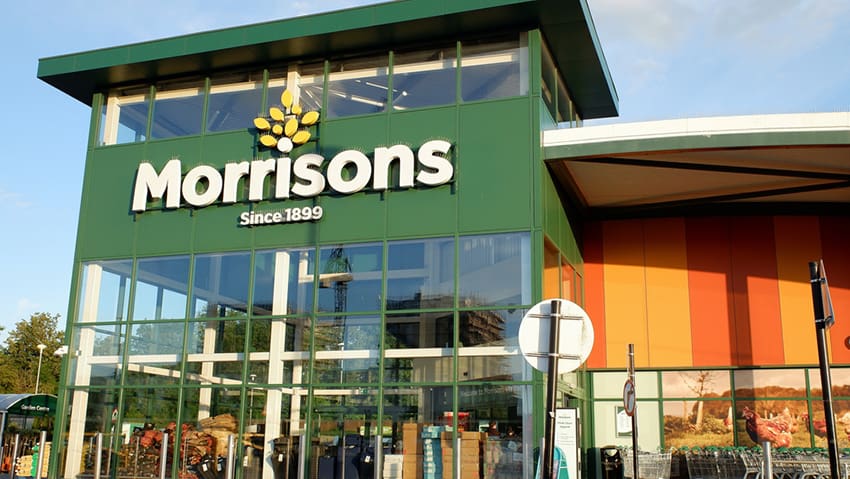
Bradford-based grocer pitches its Myton manufacturing arm to Sainsbury’s and other supermarket rivals as it tries to grind down a £3.1bn debt pile inherited from its 2021 private equity takeover.
Morrisons is in advanced conversations with rival British supermarkets to start supplying them with own-brand pies, meat and eggs produced by its Myton manufacturing division, as chief executive Rami Baitiéh hunts for fresh sources of revenue to ease the grocer’s heavy debt burden.
The Bradford-based chain, one of the so-called Big Four, is understood to have ushered buyers from competing retailers into a Myton factory in recent weeks, with Sainsbury’s among the grocers to have toured production sites previously. The push marks a notable shift in posture: Morrisons has historically guarded the output of its 17 UK manufacturing sites as a competitive moat, but is now willing to feed rivals’ shelves if it brings in profitable third-party volume.
Myton is one of the country’s largest food manufacturers and produces Morrisons’ sweet and savoury pie ranges, while also sourcing meat, fish, eggs and even flowers for the supermarket. It already serves a clutch of independent retailers and is now being pitched to large hospitality groups as well, with showcase events held in recent months to highlight its British-made credentials.
£3.1bn debt overhang from the CD&R takeover
The wider strategic context is hard to ignore. In its most recent set of accounts, covering the 52 weeks to 26 October, the grocer posted a pre-tax loss of £381m after absorbing a £281m interest bill on its borrowings. Net debt stood at £3.1bn at the year-end, an overhang from the £10bn leveraged buy-out by US private equity firm Clayton, Dubilier & Rice in 2021.
Morrisons has been steadily chiselling away at that figure, gross debt is down roughly 46 per cent from its 2022 peak, helped by a series of sale-and-leaseback deals, but the interest cost still dwarfs reported profits. Underlying earnings of £835m and twelve consecutive quarters of positive like-for-like sales growth, as detailed in the company’s full-year results, suggest the operating business is in markedly better shape than the bottom line implies.
That is where Myton comes in. While Morrisons does not break out the division’s numbers, it is widely understood inside the business to be profitable, with spare manufacturing capacity that executives believe could be sweated harder by serving a broader customer base, at home and overseas.
Closures, cafés and a streamlined estate
The supply-side push lands alongside an aggressive cost programme. Morrisons has confirmed plans to close 100 convenience stores, shuttered a swathe of in-store cafés, counters and florists, and has been trimming head office headcount as it leans into automation and AI. Earlier this year, Myton itself closed its loss-making Wakefield bakery in a sign that no part of the empire is sacrosanct.
Competitive pressure has not abated either. Discounters Aldi and Lidl continue to nibble at the heels of the traditional Big Four, with Aldi having overtaken Morrisons to become Britain’s fourth-largest supermarket by market share, a shift that has sharpened the urgency behind any plan capable of widening the grocer’s margin pool.
Sale considered, then parked
The latest outreach follows an episode earlier in the year, first reported by The Telegraph, in which Morrisons received an unsolicited approach for Myton and held talks with at least one private equity bidder about an outright sale. The Grocer subsequently reported that the supermarket was no longer in active negotiations to offload the unit.
Mr Baitiéh has been notably bullish on keeping manufacturing in-house. In January, the Frenchman, who joined from Carrefour in 2023, said vertical integration was “part of the DNA of Morrisons, it’s going to stay”, arguing that owning the factories gives the grocer a point of difference against rivals reliant on a patchwork of external suppliers.
For SME food producers watching from the sidelines, the move is double-edged. Morrisons remains a major buyer from British farmers and small food businesses, but a more commercially aggressive Myton, selling pies and meat into Sainsbury’s, hospitality chains and beyond, could either crowd out smaller competitors or open up new co-manufacturing opportunities, depending on how the contracts are structured.
A spokesman for the supermarket said: “Myton is a high-quality food manufacturing business and has always served other customers as well as Morrisons. We have been growing this area of the business over recent years by attracting new customers in retail, food service and food manufacturing, to build a broader base for the business both in the UK and internationally. Myton does not comment on the detail of its customer relationships.”
What it means for the turnaround
Strip out the headline loss and the picture at Morrisons is one of a grocer slowly clawing back relevance: solid Christmas trading, a 17.4 per cent jump in sales of its premium “The Best” range, and a debt pile that is shrinking rather than spiralling. Pushing Myton’s produce onto rival shelves is unlikely, on its own, to crack the debt problem, but it is a low-capital lever that uses existing assets, and one that Mr Baitiéh appears determined to pull.
If the early site visits convert into supply contracts, expect Morrisons’ annual report to start carving out Myton’s contribution more explicitly. Investors, lenders and, eventually, any future bidder would all want to see it.

Jamie Young
Jamie is Senior Reporter at Business Matters, bringing over a decade of experience in UK SME business reporting.
Jamie holds a degree in Business Administration and regularly participates in industry conferences and workshops.
When not reporting on the latest business developments, Jamie is passionate about mentoring up-and-coming journalists and entrepreneurs to inspire the next generation of business leaders.
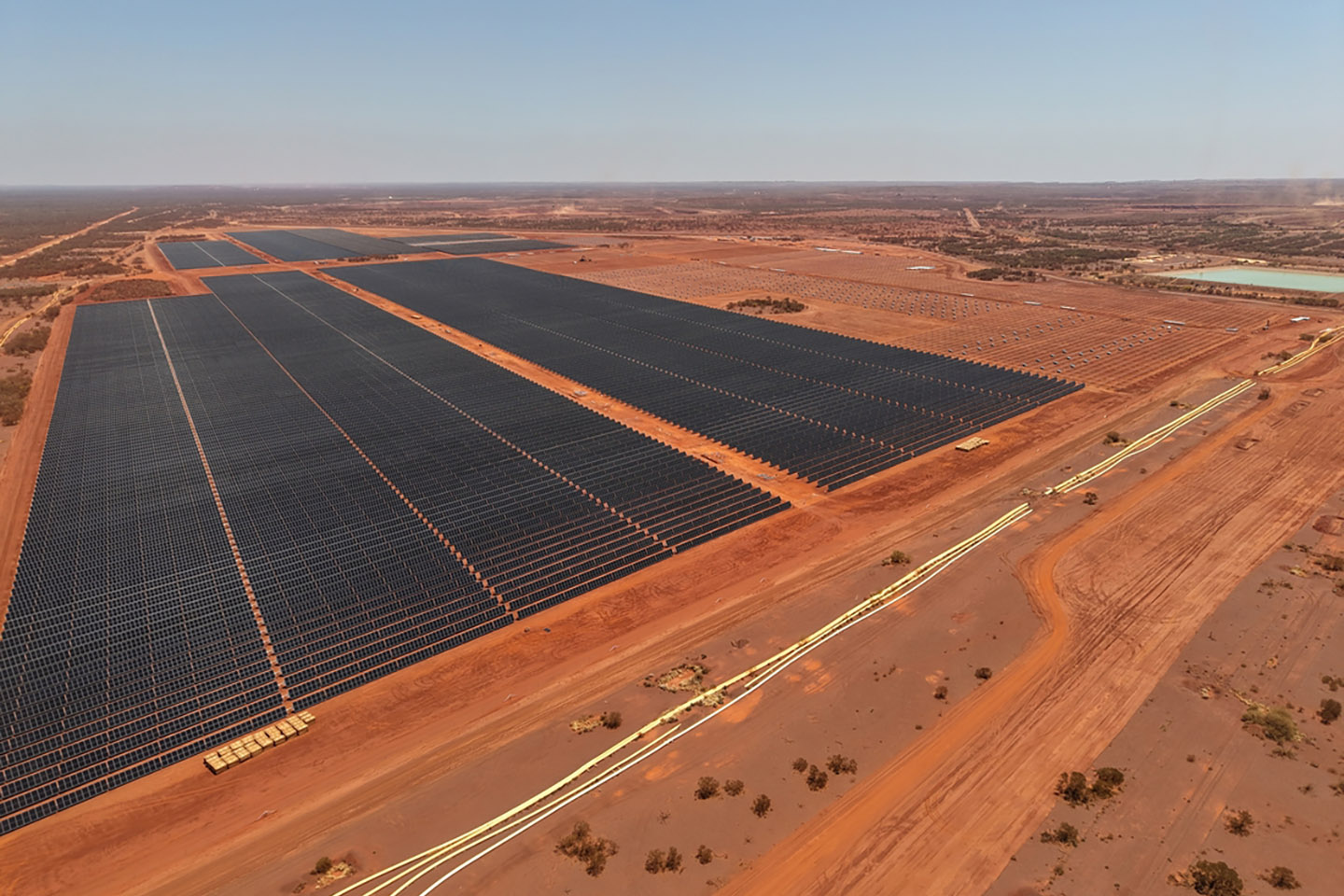
Ground has broken at the site of what will become Fortescue’s largest solar farm, and a key pillar of the company’s work to wean itself off fossil fuel by 2030.

Huawei unveils new scaling law for advanced chip development

The largest and most powerful rocket in history blasted off after its first attempted launch was postponed.

US stocks have risen, with the Dow reaching a record closing high, as investors cheered signs of progress in talks to end the Middle East conflict and a strong corporate earnings season.
The UK’s brewery scene is shrinking as pubs close, costs rise and drinking habits change.

The proposed issue of the Indore-based firm, owner of the ‘Pushp Masale‘ brand, is expected to be a mix of fresh issue and offer for sale, according to multiple sources. ICICI Securities and IIFL Capital Services are said to be the book-running lead managers for the issue.
Emails sent to the company and the bankers went unanswered.
Pushp’s closest listed peer is Orkla India, the Norwegian-owned parent of MTR Masala, which launched its ₹1,667 crore IPO in October 2025.
Shares of Orkla India with a market capitalisation of ₹8671 crore are down nearly 10% since listing in November, 2025.


With just weeks to go until key presidential votes, markets in Colombia and Peru are selling off as traders recalculate odds of left-wing candidates prevailing. Bolivian bonds have tumbled as street protests against the government threaten supplies of food and medicine to the nation’s capital. In Turkey, markets tanked after a court removed the leader of the country’s main opposition party.
The episodes are a fresh reminder of underlying risks that still plague the asset class, which has delivered strong returns for investors in the past year – even as tensions in the Middle East rattled global markets.
“Political risk manifests itself when the macro is under pressure, and in an environment where all the prices are going up, especially in oil-importing economies and poor countries the issues flare up, they come to the fore more vividly,” said Francesc Balcells, chief investment officer at FIM Partners, whose firm oversees $5 billion.
The political jitters are not contained to Latin America. In Malaysia too, markets were briefly roiled after Prime Minister Anwar Ibrahim raised the prospect of a snap election as friction with the ruling coalition deepened.

Earnings call transcript: EROAD H2 2026 sees stable revenue amid challenges

“The thinking now is to basically get small wins, small successes here and there, instead of these mega projects,” says Abdullah. “Like, for example, the Red Sea island resort of Sindalah could be one small win that they can promote, which is basically a very traditional style of resort, which can still be presented as part of the vision, instead of the likes of The Line and The Cube. And so they can say, ‘these represent the basis of Neom, and we didn’t have to have the whole thing’.”

Terrifying moment plane propeller shreds through glider in mid-air collision

Morrisons courts rival supermarkets with Myton supply deals

Enhanced Games: The first-ever ‘Steroid Olympics’ hit Las Vegas


-

 Crypto World3 days ago
Blockchain.com files with SEC for U.S. IPO
-

 Fashion2 days ago
Holiday Weekend Open Thread – Corporette.com
-

 Crypto World3 days ago
Bitcoin Accumulation Weakens as BTC Realized Losses Hit $600M
-

 Business3 days ago
Dell Technologies DELL Stock Surges 15% on AI Server Momentum and Analyst Upgrades in 2026
-

 Crypto World3 days ago
Space X IPO Is ‘Bad News’ for Tech Stocks: But What About Bitcoin?
-

 Politics2 days ago
Makerfield: a tale of two social-media histories
-

 Crypto World3 days ago
MicroStrategy’s Saylor Says Miners No Longer Set Bitcoin Price, Another Force Has Taken Over
-

 Crypto World2 days ago
Robinhood crypto COO Tanya Denisova exits
-

 Business8 hours ago
NYT Strands Answers May 24 2026 Revealed for Puzzle No. 812 Theme Summer Essentials
-

 Tech3 days ago
WhatsApp ads could make Irish debut after discussions with DPC
-
 Tech3 days ago
A 0.12% parameter add-on gives AI agents the working memory RAG can’t
-

 Crypto World3 days ago
AI infrastructure race heats up as IREN pitches full-stack strategy, WhiteFiber lands $160M deal
-

 Business3 days ago
Trump Invests $1M-$5M in Kura Sushi USA Chain With 27 California Locations
-

 Tech3 days ago
You Can Now Add ChatGPT To PowerPoint
-
 Crypto World6 days ago
Revolut Launches Dogecoin Debit Card Across UK and EU
-
 NewsBeat4 days ago
Charity run by Reform leader Malcolm Offord accused of ‘law breaking’ over Scottish registration
-

 Sports3 days ago
2026 CJ Cup Byron Nelson leaderboard: Brooks Koepka finds putting stroke in Round 1
-

 Crypto World3 days ago
Trump Media’s Bitcoin Stash Shrinks Again as 2,650 BTC Lands on Crypto.com
-
Business3 days ago
Goldman Sachs reinstates Ageas stock coverage with neutral rating
-

 Crypto World4 days ago
Exa Labs raises $250 million in funding led by a16z
You must be logged in to post a comment Login