Connect with us
DAPA Banner
DAPA Coin
DAPA
COIN PAYMENT ASSET
PRIVACY · BLOCKDAG · HOMOMORPHIC ENCRYPTION · RUST
ElGamal Encrypted MINE DAPA
🚫 GENESIS SOLD OUT
DAPAPAY COMING

Business

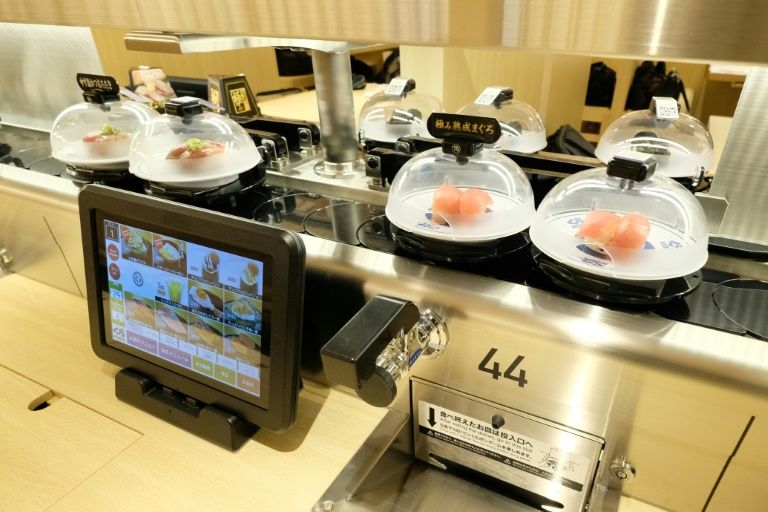
Trump Invests $1M-$5M in Kura Sushi USA Chain With 27 California Locations

Published

on

Japanese restaurant chain Kura Sushi plans to install cameras above its conveyor belts to monitor customers

NEW YORK — President Donald Trump purchased between $1 million and $5 million worth of shares in Kura Sushi USA Inc. on Feb. 2, 2026, according to financial disclosures released on May 14, 2026.

Kura Sushi USA operates the Kura Revolving Sushi Bar chain, known for its conveyor-belt system that delivers sushi plates to customers. The company is the U.S. subsidiary of Japan’s Kura Sushi Inc. and is listed on Nasdaq under the ticker KRUS.

The investment was part of a broader portfolio of stock trades executed in the first quarter of 2026. Trump’s disclosures also included significant positions in major technology companies such as Nvidia, Amazon and Apple, with total trades estimated between $220 million and $750 million during the period.

Kura Sushi USA had 27 locations in California as of May 2026, with additional sites in other states. Northern California restaurants include locations in San Francisco’s Stonestown Galleria, Cupertino and Berkeley. The chain has expanded using automation and technology to enhance the dining experience.

Advertisement

Shares of Kura Sushi USA rose following the disclosure of Trump’s stake. The stock gained more than 6% on the day the filing became public, with the Japanese parent company also seeing gains of up to 5.4%.

Trump has publicly expressed dislike for raw fish and sushi in the past. Despite this, the investment proceeded through third-party financial advisers managing his portfolio. A spokesperson for the Trump Organization stated that neither Trump nor his family members participate directly in day-to-day investment decisions.

Kura Sushi USA focuses on fresh ingredients prepared without artificial additives, following the Japanese parent company’s “muten” philosophy. The revolving sushi concept originated in Japan in 1977, and the U.S. operation has grown steadily since its establishment in 2008.

The company has outlined plans for further U.S. expansion, emphasizing technology and automation. It operates more than 90 locations nationwide as of May 2026, with additional sites in development.

Advertisement

The disclosure comes from the U.S. Office of Government Ethics. Presidents are required to file periodic financial reports detailing assets, investments and transactions. The forms use ranges rather than exact figures for privacy and reporting purposes.

Kura Sushi USA shares a name similarity with some Japanese technology firms, leading to occasional confusion in market commentary, though the company is strictly a restaurant operator.

The investment has drawn attention due to Trump’s known preferences and the relatively small size compared to his other holdings. Analysts noted it as one of the more unusual entries in his first-quarter portfolio.

Kura Sushi USA reported steady growth prior to the disclosure. The chain emphasizes interactive dining with touch-screen ordering and plate-counting systems that reward customers. It has introduced promotions such as Hello Kitty collaborations to attract families and younger diners.

Advertisement

The broader restaurant industry has faced challenges with labor costs and consumer spending, but conveyor-belt concepts have maintained appeal through efficiency and novelty. Kura Sushi continues opening new locations while refining its model.

No official comment from the White House addressed the specific investment in Kura Sushi. The Trump Organization maintains that all investments are handled independently to avoid conflicts of interest.

The disclosure reignited discussions about presidential investments and potential conflicts. Similar scrutiny has followed previous administrations regarding business holdings during terms in office.

Kura Sushi USA’s parent company in Japan holds a majority stake in the U.S. operation. The brand has expanded aggressively in the American market, targeting malls and urban centers with high foot traffic.

Advertisement

Financial filings show Trump executed more than 3,700 trades in the first quarter through advisers. The portfolio mix includes technology, defense and other sectors alongside the restaurant investment.

Industry observers will monitor how the investment performs and whether it signals any broader interest in consumer or restaurant stocks. Kura Sushi USA continues normal operations across its California and national locations.

The company’s California presence includes both standalone restaurants and mall-based outlets. Popular items feature fresh tuna, salmon and specialty rolls delivered via the signature conveyor system.

This marks one of several notable investments disclosed in Trump’s latest ethics filing. The full document details assets and transactions required for transparency during his presidency.

Advertisement
Continue Reading
Click to comment

You must be logged in to post a comment Login

Leave a Reply

Business

June’s 5 Dividend Growth Stocks With Yields Up To 6.47%

Published

on

June's 5 Dividend Growth Stocks With Yields Up To 6.47%

This article was written by

Cash Builder Opportunities (aka Nick Ackerman) is a former fiduciary and a registered financial advisor with 14 years of investing experience.He is the leader of the investing group Cash Builder Opportunities, where his specific focus is on closed-end funds, dividend growth stocks, and option writing as an attractive way to achieve income. He shares model portfolios and research to help investors make better decisions, via his Investing Group’s active chat room.

Analyst’s Disclosure: I/we have a beneficial long position in the shares of VICI, NNN, ADC, O, OKE, WEC, NEE, DTE either through stock ownership, options, or other derivatives. I wrote this article myself, and it expresses my own opinions. I am not receiving compensation for it (other than from Seeking Alpha). I have no business relationship with any company whose stock is mentioned in this article.

Seeking Alpha’s Disclosure: Past performance is no guarantee of future results. No recommendation or advice is being given as to whether any investment is suitable for a particular investor. Any views or opinions expressed above may not reflect those of Seeking Alpha as a whole. Seeking Alpha is not a licensed securities dealer, broker or US investment adviser or investment bank. Our analysts are third party authors that include both professional investors and individual investors who may not be licensed or certified by any institute or regulatory body.

Advertisement
Continue Reading

Business

Google’s Gemini co-lead Noam Shazeer to join OpenAI

Published

on

Google’s Gemini co-lead Noam Shazeer to join OpenAI


Google’s Gemini co-lead Noam Shazeer to join OpenAI

Continue Reading

Business

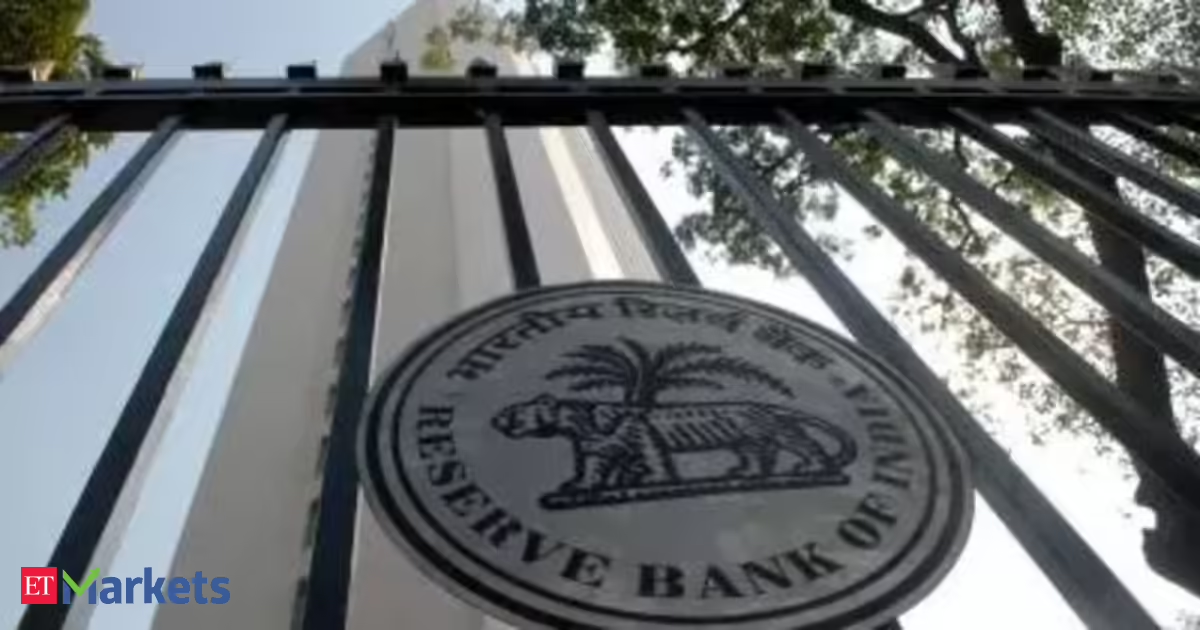
RBI removes cap on NRI deposit rates until September

Published

on

RBI removes cap on NRI deposit rates until September
Kolkata: The Reserve Bank of India on Wednesday temporarily removed the interest rate ceiling on non-resident deposits allowing banks to go all-out in overseas fund mobilisation.

The central bank removed the cap on both fresh foreign currency non resident -bank (FCNR-B) deposits of three to five years and non-resident external accounts of three years and above, including the deposits that are renewed upon maturity. The direction comes into effect immediately and will remain valid till September 30, 2026.

“Banks facing challenges in building long term liabilities and maintaining liquidity buffers at threshold levels are likely to take advantage of the temporary removal of the FCNR-B rate ceiling. With the cap lifted until September end, some banks may even offer rates of up to 8% to attract long tenor, granular and sustainable deposits that are accretive to Liquidity Coverage Ratio,” Karur Vysya Bank treasury head Rama Chandra Reddy told ET.

“The move will also support banks in strengthening their asset liability management (ALM) profile,” he added.

Advertisement

Banks have already raise FCNR-B deposit rates by 250-450 basis points in the past few days following the regulator’s decision to bear the hedging on foreign currency-linked deposit mobilisation and swap the dollar with it at par, allowing hefty cost savings for banks. However, they could not raise the rates beyond 7.13% as there was a 350 basis point ceiling over the underlying alternate reference rate for dollars which was 3.63% applicable till end June.


“As the cap will no longer be there till September-end, banks may raise the FCNR-B rates further to 8% or beyond. Some banks may be ready to offer the same rates as local deposits as foreign currency deposits will be for long term while the maturity period for local deposits are typically one to two years,” a senior executive with a public sector bank said.
Prior to the RBI move to bear the hedging cost, banks were offering 3.5% to 4% for three to five years foreign currency non resident -bank (FCNR-B) deposits. The decision to remove the restriction on NRE deposits will allow banks to offer higher rates on overseas deposits than local deposits.”Both the regulatory measures will technically allow banks to raise interest rates on overseas deposits further. However, it will depend on the respective banks’ appetite,” a head of a Kerala-based lender said. Banks headquartered in the southern states are traditionally more active in tapping the Indian Diaspora to mobilise deposits.

Continue Reading

Business

Form 13D/A Stablecoin Development Corp For: 17 June

Published

on


Form 13D/A Stablecoin Development Corp For: 17 June

Continue Reading

Business

Royal Gold, Inc. (RGLD) Presents at Renmark Financial Communications Virtual Non-Deal Roadshow Series Transcript

Published

on

OneWater Marine Inc. (ONEW) Q1 2026 Earnings Call Transcript

Royal Gold, Inc. (RGLD) Renmark Financial Communications Virtual Non-Deal Roadshow Series June 17, 2026 2:00 PM EDT

Company Participants

Alistair Baker – Senior Vice President of Investor Relations & Business Development of Royal Gold Corp.

Conference Call Participants

Advertisement

Noella Alexander-Young

Presentation

Noella Alexander-Young

Advertisement

Hello, and good morning, everyone. Welcome to today’s virtual non-deal roadshow. My name is Noella Alexander-Young, virtual event moderator here at Renmark Financial Communications. On behalf of our team, we’d like to thank everyone in San Francisco and surrounding areas for joining us today for the presentation of Royal Gold trading on the NASDAQ under the ticker symbol RGLD. Presenting today is Alistair Baker, Senior Vice President of Investor Relations and Business Development.

The presentation will last approximately 25 minutes and will be followed by a Q&A session for which you can participate by using the chat box in the top right-hand corner of your screen. That being said, I will now hand it over to Alistair.

Alistair Baker
Senior Vice President of Investor Relations & Business Development of Royal Gold Corp.

Advertisement

Thanks very much, Noella. I appreciate the opportunity to present to you today. Had a very busy time at Royal Gold over the past year. And I think it’s still, we haven’t seen recognition in the market for a lot of what we’ve done. So I think it’s very timely to give you an update today.

So I will be making forward-looking statements during this presentation. There are risks and uncertainties that could cause actual results to differ materially from these statements. All of these risks and uncertainties are discussed in our most recent form 10-K filing with the SEC.

So during this presentation, I’m going to give you the investment thesis for Royal Gold. We are a high-margin business. We generate consistent cash flows from

Advertisement
Continue Reading

Business

Fidelity Freedom 2060 Fund Q1 2026 Commentary (FDKVX)

Published

on

Fidelity Freedom 2060 Fund Q1 2026 Commentary (FDKVX)

Fidelity’s mission is to strengthen the financial well-being of our customers and deliver better outcomes for the clients and businesses it serves. With assets under administration of $12.6 trillion, including discretionary assets of $4.9 trillion as of December 31, 2023, Fidelity focuses on meeting the unique needs of a broad and growing customer base. Privately held for 77 years, Fidelity employs more than 74,000 associates with its headquarters in Boston and a global presence spanning nine countries across North America, Europe, Asia and Australia. Note: This account is not managed or monitored by Fidelity, and any messages sent via Seeking Alpha will not receive a response. For inquiries or communication, please use Fidelity’s official channels.

Continue Reading

Business

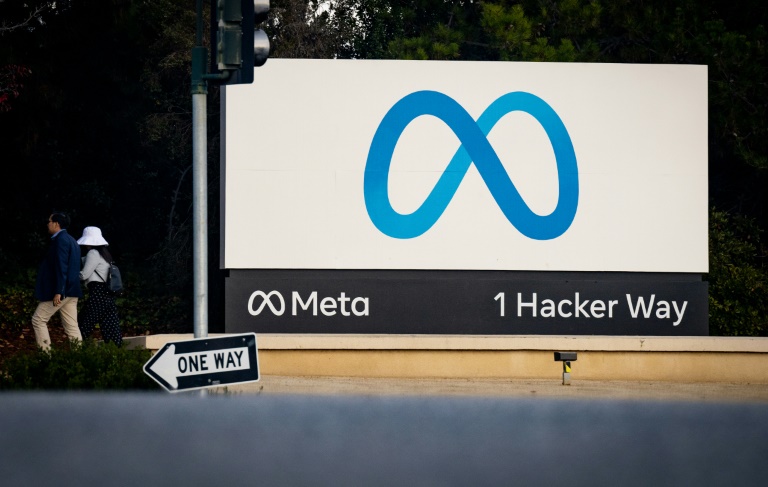
Meta CTO Andrew Bosworth Says Employee Morale Near All-Time Low Amid Layoffs and AI Push

Published

on

A screen displays the logo and trading information for GameStop on the floor of the New York Stock Exchange (NYSE) in New York City, U.S., March 29, 2022.

Meta Platforms’ chief technology officer Andrew “Boz” Bosworth has acknowledged internally that employee morale at the social media giant is near an all-time low, citing the toll of recent mass layoffs, mandatory AI training assignments and broader organizational changes as key factors contributing to widespread dissatisfaction among staff.

Bosworth made the comments during an internal “Tuesdays with Boz” chat on June 2, according to multiple people familiar with the discussion. He described current morale as “maybe not the worst it’s ever been in 20 years here, but it’s probably up there. It’s definitely up there,” while referencing the Cambridge Analytica scandal as a previous low point. He then added that morale is “probably one of the worst it’s ever been.”

The remarks come at a challenging time for Meta, which has been navigating significant restructuring to offset massive investments in artificial intelligence while maintaining its core advertising business. The company laid off approximately 10% of its workforce in May, with additional employees reassigned to AI model training initiatives that some staff have described as mandatory and akin to being “drafted.”

Bosworth’s comments reflect growing internal unease as Meta balances aggressive AI development with efforts to stabilize its workforce. The company has faced criticism from employees over initiatives like tracking mouse movements and keystrokes to improve AI models, further contributing to tensions. Despite these challenges, Meta leadership has begun outlining steps to address morale concerns and rebuild company culture.

Advertisement

In a memo sent to staff on Monday, Bosworth emphasized the need for Meta to “be the best place for the best people to do their best work.” He expressed hope to “rekindle the best of the culture” that attracted employees initially. The memo committed to greater transparency from leadership and enhanced support for personal and career development.

Meta has also taken concrete actions to ease tensions. Employees reassigned to the AI task force will now be allowed to reapply for other internal roles if desired. The company is increasing budgets for travel, events and snacks to improve daily work experiences, according to reports.

Context of Recent Challenges

Meta’s difficulties stem from its ambitious pivot toward artificial intelligence. The company has poured billions into developing advanced AI models, requiring substantial computational resources and human oversight for training. This shift has necessitated workforce adjustments, including layoffs and reassignments that have disrupted team dynamics and career trajectories for many employees.

Advertisement

The May layoffs affected various departments as Meta sought to streamline operations and redirect resources toward AI priorities. For those remaining, mandatory participation in AI training tasks has added to workloads and created resentment among staff who joined the company for different roles. Some employees have privately compared the experience to being drafted into service, highlighting the cultural shift underway.

These changes occur against a backdrop of broader industry pressures. Tech companies across Silicon Valley have been recalibrating after years of rapid expansion during the pandemic, followed by cost-cutting measures as economic conditions evolved. Meta’s situation is particularly notable given its scale and the high visibility of its internal culture under CEO Mark Zuckerberg.

Bosworth’s Role and Leadership Perspective

As Meta’s longtime chief technology officer, Bosworth has been instrumental in shaping the company’s technical direction and fostering innovation. His internal communications, including the “Tuesdays with Boz” sessions, have traditionally served as forums for transparent dialogue with employees. The recent acknowledgment of morale issues represents a candid assessment from a senior leader, potentially aimed at addressing concerns before they escalate further.

Advertisement

Bosworth’s reference to Cambridge Analytica as a historical low point provides context for the current situation. That scandal, involving the misuse of user data for political targeting, severely damaged trust both externally and internally. The fact that he places recent morale challenges in a similar category underscores the seriousness with which Meta’s leadership views the issue.

The memo outlining steps to improve culture signals recognition that sustained low morale could impact innovation, retention and overall performance. By committing to transparency and development opportunities, Bosworth aims to rebuild confidence among employees who may feel uncertain about their roles in Meta’s AI-focused future.

Employee Reactions and Industry Trends

Reports from inside Meta indicate mixed responses to leadership’s acknowledgment. Some employees appreciate the candor and concrete actions like increased budgets for team-building activities. Others remain skeptical, viewing the measures as insufficient to address deeper concerns about job security and shifting priorities toward AI.

Advertisement

The situation at Meta mirrors challenges faced by other major tech companies. Layoffs, reassignments and cultural shifts have become common as firms adapt to artificial intelligence opportunities while managing costs. Employee morale has emerged as a key metric for success in the industry, with companies investing in retention strategies and transparent communication to maintain competitive edges in talent acquisition.

Industry analysts note that high-performing tech organizations increasingly recognize the connection between employee satisfaction and innovation output. Meta’s efforts to address morale could serve as a case study for peers navigating similar transitions.

Meta’s Strategic Direction and Future Outlook

Despite internal challenges, Meta continues pushing aggressively into artificial intelligence. The company has demonstrated commitment to developing competitive AI models, with significant investments in infrastructure and talent. Leadership views these changes as necessary for long-term positioning in a rapidly evolving technology landscape.

Advertisement

The focus on AI has already yielded advancements in content recommendation, advertising tools and user experiences across Meta’s platforms. However, balancing this innovation drive with employee well-being remains an ongoing priority as the company seeks to attract and retain top technical talent.

Meta’s stock performance and financial results have remained relatively strong, providing resources to address internal issues. The company’s ability to maintain business momentum while resolving cultural challenges will be critical for sustained success.

Broader Implications for Tech Industry

Meta’s experience highlights the human element of technological transformation. As artificial intelligence reshapes industries, companies must carefully manage workforce transitions to preserve institutional knowledge and maintain innovation capacity. Successful organizations will likely combine strategic investments with thoughtful change management.

Advertisement

For employees across the tech sector, Meta’s situation serves as a reminder of the importance of adaptability and continuous skill development. Those affected by reassignments or layoffs often find new opportunities, but the process can be disruptive and emotionally taxing.

As Meta implements its morale improvement initiatives, the coming months will reveal their effectiveness. Bosworth’s leadership in addressing these issues directly could strengthen internal culture and position the company for continued growth in the competitive AI era.

The acknowledgment of near all-time low morale represents a significant moment of transparency from Meta’s leadership. While challenges remain, the company’s willingness to confront issues openly and take corrective action demonstrates commitment to long-term organizational health. For a company that has weathered numerous controversies, this latest chapter underscores the ongoing evolution of its workplace culture amid ambitious technological goals.

Advertisement
Continue Reading

Business

OPINION: Indigenous governance of country the next native title frontier

Published

on

OPINION: Indigenous governance of country the next native title frontier

OPINION: There is a growing appetite in the Kimberley to have some functions of government ceded to native title bodies.

Continue Reading

Business

Thai Baht Under Pressure as Energy Import Costs Drive USD/THB Volatility

Published

on

Asian Currencies Slide as Iran Conflict Escalates

Energy market volatility pressures the Thai Baht due to heavy imports. Thailand’s economy, reliant on stable energy, faces increased costs and vulnerabilities. The USD/THB rate is expected to fluctuate between 36.50 and 37.50, influenced by market conditions and policy responses.


Key Points

  • Global energy volatility pressures the Thai Baht (THB) due to Thailand’s heavy reliance on energy imports.
  • Rising import costs strain the economy, impacting manufacturing and tourism, potentially leading to USD/THB fluctuations between 36.50 and 37.50.
  • The Bank of Thailand faces a balancing act between inflation control and growth support amidst these economic vulnerabilities.

Energy Market Volatility’s Impact on the Thai Baht

Commerzbank’s analysis highlights that global energy market volatility, particularly in early 2026, is exerting substantial downward pressure on the Thai Baht (THB). Thailand’s significant reliance on energy imports, primarily crude oil and liquefied natural gas (LNG), means that rising global energy costs directly worsen its trade balance. This amplified vulnerability is clearly reflected in the USD/THB exchange rate, which has become a key indicator for currency traders closely observing potential policy responses from the Bank of Thailand (BOT). The historical precedent of the 2022 energy crisis, which saw USD/THB surpass 37.00, underscores the Baht’s sensitivity to such price shocks, influencing current market evaluations.

Thailand’s Economic Vulnerabilities and Policy Balancing Act

Thailand’s economy is characterized by significant vulnerabilities, especially within its crucial manufacturing and tourism sectors, which are fundamentally dependent on stable energy prices. Elevated energy costs pose a dual threat: increasing production expenses for businesses and diminishing the disposable income of international tourists. This precarious situation places the Bank of Thailand (BOT) in a challenging position, tasked with balancing inflation control with the imperative to support economic growth. The central bank’s generally hawkish monetary stance is a direct response to these pressures, aiming to manage inflation amidst the macroeconomic impacts of surging energy prices and their potential for further Baht depreciation.

Comparative Performance and Future USD/THB Outlook

In the broader context of Asian foreign exchange markets, while Thailand faces considerable challenges due to its energy import dependence, other nations like India and the Philippines are experiencing similar pressures. However, Thailand’s larger current account exposure amplifies its specific vulnerabilities. Performance metrics indicate that the USD/THB has seen a 4.2% year-to-date increase, largely attributed to the energy import bill, distinguishing it from currencies facing less acute price pressures. As traders meticulously monitor energy market developments and potential policy interventions by the BOT, projections suggest the USD/THB exchange rate will likely fluctuate within the 36.50 to 37.50 range, reflecting the ongoing economic uncertainties.

Advertisement
Continue Reading

Business

Smith & Wesson Brands, Inc. (SWBI) Q4 2026 Earnings Call Transcript

Published

on

OneWater Marine Inc. (ONEW) Q1 2026 Earnings Call Transcript

Operator

Good day, everyone and welcome to the Smith & Wesson Brands Fourth Quarter and Full Fiscal 2026 Financial Results Conference Call. This call is being recorded. And at this time, I would like to turn the call over to Kevin Maxwell, Smith & Wesson’s General Counsel, who will give us some information about today’s call.

Kevin Maxwell
Senior VP, General Counsel, Chief Compliance Officer & Secretary

Advertisement

Thank you and good afternoon. Our comments today may contain forward-looking statements. Our use of the words anticipate, project, estimate, expect, intend, believe, and other similar expressions are intended to identify forward-looking statements. Forward-looking statements may also include statements on topics such as our product development, strategies, market share, demand, consumer preferences, inventory conditions for our products, growth opportunities and trends, and industry conditions in general. Forward-looking statements represent our current judgment about the future and are subject to risks and uncertainties that could cause our actual results to differ materially from those expressed or implied by our statements today.

These risks and uncertainties are described in our SEC filings, which are available on our website, along with a replay of today’s call. We have no obligation to update forward-looking statements.

We reference certain non-GAAP financial results. Reconciliations of GAAP financial measures to non-GAAP financial measures can be found in our SEC filings and in today’s earnings press release, each of which is available on our website. Also, when

Advertisement
Continue Reading

Trending

Copyright © 2025