

Business
Occasional Binge Drinking Once a Month May Triple Risk of Advanced Liver Scarring, Study Finds

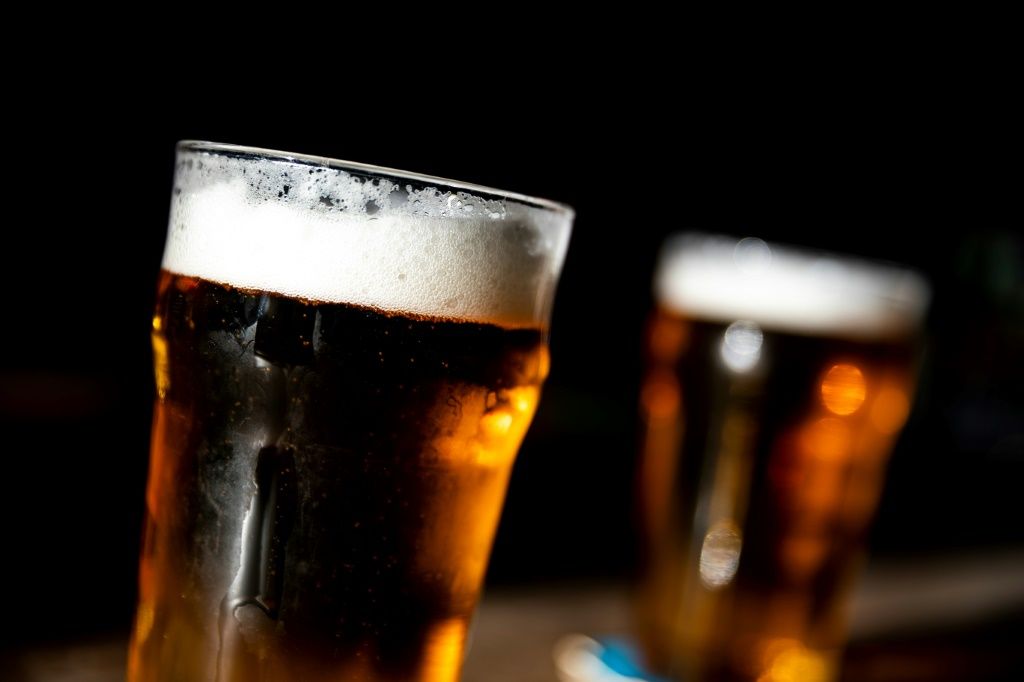
Many adults who consider themselves moderate drinkers may be unknowingly harming their livers by bingeing just once a month, according to new research from the University of Southern California’s Keck School of Medicine that challenges long-held assumptions about “safe” occasional heavy drinking.
The study, published April 2, 2026, in the journal Clinical Gastroenterology and Hepatology, found that people with metabolic dysfunction–associated steatotic liver disease (MASLD) who consume four or more drinks in a single day for women or five or more for men at least once a month face nearly three times the odds of developing advanced liver fibrosis compared with those who spread out the same total weekly alcohol intake more evenly.
MASLD, formerly known as nonalcoholic fatty liver disease, affects about one in three U.S. adults and is closely linked to obesity, type 2 diabetes and metabolic syndrome. The condition causes fat to build up in the liver, making the organ more vulnerable to inflammation and scarring when exposed to alcohol spikes.
Researchers analyzed data from more than 8,000 U.S. adults participating in the National Health and Nutrition Examination Survey (NHANES) between 2017 and 2023. Among nearly 4,000 participants with MASLD who had liver stiffness measurements via vibration-controlled transient elastography, 15.9% reported episodic heavy drinking — defined as the binge threshold at least once a month.
After adjusting for age, sex and average weekly alcohol consumption, those with episodic heavy drinking had 69% higher odds of significant liver fibrosis and nearly three times higher odds (adjusted odds ratio 2.76) of advanced fibrosis. The weighted prevalence of significant fibrosis was 23.6% among episodic heavy drinkers with MASLD versus 15.6% among those who did not binge.
Lead author Dr. Brian P. Lee, a hepatologist and liver transplant specialist at Keck Medicine of USC, said the findings deliver a clear message: “It’s not just how much you drink, but how you drink it.”
“When the liver is already fatty from metabolic issues, a sudden large influx of alcohol overwhelms its ability to process toxins, triggering intense inflammation that promotes scarring over time,” Lee explained in a university release. “Spreading the same number of drinks across the week appears far less damaging.”
The study compared individuals with identical average weekly intake but different patterns — one group with monthly binges, the other drinking more steadily. The difference in advanced fibrosis risk was striking even among people who stayed within generally accepted moderate limits of up to 14 drinks per week for men and seven for women.
More than half of all adults in the broader sample reported some form of episodic heavy drinking, underscoring how common the behavior is. For the roughly 100 million Americans with MASLD, the implications are significant, researchers said.
Liver fibrosis occurs when repeated injury causes scar tissue to replace healthy liver cells. In early stages it may produce no symptoms, but advanced fibrosis can progress to cirrhosis, liver failure or liver cancer. Once scarring reaches advanced levels, damage is often irreversible, though progression can sometimes be slowed with lifestyle changes.
Experts not involved in the study called the results concerning but consistent with emerging understanding of alcohol’s interaction with metabolic liver disease.
“This research highlights that binge patterns create acute stress the liver cannot fully recover from between episodes, especially when fat accumulation has already compromised function,” said Dr. Anna Mae Diehl, a hepatologist at Duke University who has studied MASLD for decades. “The old idea that moderate average intake is protective regardless of pattern needs updating.”
The findings add nuance to national drinking guidelines. While many health organizations define low-risk drinking by weekly totals, the USC study suggests daily peaks matter independently for people with underlying liver fat.
Public health implications could be broad. MASLD rates continue rising alongside obesity and diabetes epidemics. Many affected individuals remain undiagnosed because the disease is often silent until advanced stages. Routine screening for liver fat or fibrosis is not yet standard in primary care for all at-risk adults.
Researchers noted limitations in the observational data. Self-reported drinking can understate actual consumption, and the study could not prove causation, though the pattern held after statistical adjustments. Longitudinal studies tracking drinking habits and liver outcomes over years would strengthen the evidence.
Still, the authors argue the results should prompt clinicians to ask patients not only how much they drink weekly but whether they have heavy drinking days.
“Patients with MASLD should be counseled to avoid binge episodes entirely, even if their average intake seems moderate,” Lee recommended. “Complete abstinence from alcohol remains the safest option for those with known liver disease, but for others, spreading intake and staying well below binge thresholds appears wiser.”
The study also examined how reclassifying episodic heavy drinkers might shift diagnoses between MASLD, metabolic and alcohol-associated liver disease (MetALD), and pure alcohol-associated liver disease. Including binge patterns increased the proportion identified as having alcohol-related contributions.
As awareness grows, experts hope the research will encourage more honest conversations about drinking patterns during medical visits. Simple blood tests and noninvasive liver scans can now detect fibrosis earlier, offering opportunities for intervention before irreversible damage occurs.
For the general public, the takeaway is cautionary: an occasional “big night” that feels harmless may carry hidden costs, particularly for the millions already living with fatty liver.
Lifestyle measures that help overall metabolic health — weight management, regular exercise, blood sugar control and a balanced diet — also support liver resilience. Reducing or eliminating alcohol provides additional protection.
The USC team plans further research into mechanisms, genetic factors and whether certain populations face even higher vulnerability. In the meantime, the April 2026 publication serves as a timely reminder that when it comes to alcohol and liver health, the pattern of consumption may matter as much as the total volume.
Health organizations are reviewing the data for potential updates to patient education materials. In the interim, physicians say the study reinforces a simple principle: protecting the liver means thinking beyond weekly averages to daily realities.


The NSE Nifty 50 advanced 1.3%, or 312.40 points, to close at 24,031.70, reclaiming the 24,000 mark after about two weeks, while the S&P BSE Sensex climbed 1.4%, or 1,073.61 points, to 76,488.96.
Sentiment was buoyed after reports the US and Iran were nearing an agreement that could ease tensions and restore energy flows. US President Donald Trump said over the weekend that both sides had largely negotiated a memorandum of understanding, according to Reuters.
Brent crude declined more than 5% to around $98 a barrel, easing concerns over inflation.
Asian markets rallied in tandem, with Taiwan gaining 3.3%, Japan 2.9%, and China 1%, while Hong Kong and South Korea were shut.

“With every day of delayed truce, there is a chance that the inflation can be higher, so the earlier we have a solution, the better,” said George Thomas, equity fund manager, Quantum AMC.
 Agencies
Lower Risk Outlook
“Even if there was to be a resolution immediately, it would take some time for things to normalise,” said Thomas of Quantum. “While a resolution may not be immediate, incrementally, things will be positive.”
Volatility eased, with the India VIX declining 6.7% to 16.7, signalling that risk expectations are easing. The rupee climbed to 95.23 per dollar Monday, its highest in more than two weeks, versus its previous close of 95.69. Benchmark 10-year bond yields fell to 7.025% Monday, from 7.088% Friday, according to investing.com data. Technically, the rally was aided by short covering, with the index breaking key levels. “Nifty witnessed a decisive breakout and closed strong- driven by short covering,” said Rajesh Palviya, Head of Research, Axis Securities. “Call writers are on the backfoot and if Nifty sustains over 24,000 levels, gains of 200-300 points are expected on an immediate basis.”
Palviya said further gains toward 24,800 levels could materialise if positive triggers emerge on the geopolitical or domestic front. Sectorally, the gains were broad-based, with financial stocks leading the rally as improving macro sentiment supported the space. The Bank Nifty and Nifty Financial Services indices rose 2.3% and 2.2%, respectively, while PSU banks gained 2.9% and private banks 2.1%. Auto and realty indices also advanced. “Banking stocks are available at decadal low valuation which is lending comfort to investors,” said Thomas. “But if this crisis prolongs for a longer time, then there could be an impact on credit cost.”

In the Nifty500 pack, 11 stocks’ closing prices crossed above their 200 DMA (Daily Moving Averages) on May 25, 2026, according to stockedge.com’s technical scan data. Traders use the 200-day daily moving average (DMA) as a key indicator for determining the overall trend in a particular stock. As long as the stock is priced above the 200-day SMA on the daily timeframe, it is generally considered to be in an overall uptrend. Take a look:


BTS takes top award at fan-voted American Music Awards

The island’s market capitalization climbed to $4.95 trillion as of Monday, according to data compiled by Bloomberg. India’s value has dropped to $4.92 trillion. Taiwan’s stock market is now the fifth largest in the world, behind only the US, mainland China, Japan and Hong Kong.
Taiwan’s ascent up the global equity rankings is largely driven by TSMC, which now accounts for about 42% of the benchmark index, representing intense market concentration. The chipmaker’s shares have rallied 49% this year as it has benefited from the artificial intelligence trade, in which its semiconductors have a dominant market position.
The surge in the island’s market value highlights intense optimism in AI that is triggering a global rally in tech shares, disproportionately benefiting manufacturing hubs such as Taiwan and South Korea. India, on the other hand, is grappling with surging energy cost, slowing corporate earnings growth and the lack of companies directly linked to the AI buildout.
Bloomberg“Taiwan’s rising market capitalization is fundamentally a reflection of its heavy concentration in tech hardware, which is currently at the center of the AI investment cycle,” said Yi Ping Liao, a fund manager at Franklin Templeton. “Markets with limited exposure to tech hardware are increasingly being overshadowed by tech hardware–heavy markets such as Taiwan and Korea.”
New regulations are also in TSMC’s favor. Taiwan’s financial regulator last month increased the limit that domestic funds can invest in a single stock. Under the new guideline, funds that invest solely in Taiwanese stocks can hold up to 25% of their net assets in any listed company whose weighting exceeds 10% in the Taiwan Stock Exchange, up from a previous limit of 10%. Currently, only TSMC meets the criterion.
The change may help lure in more than $6 billion of inflows to Taiwan, JPMorgan Chase & Co. said in a research note.While Taiwan has overtaken in market value, India’s $4.15 trillion-dollar economy — among the fastest growing in the world — still trumps the island’s $977 billion gross domestic product, according to International Monetary Fund estimates.
BloombergIndian stocks have fallen this year amid record foreign outflows, driven by elevated valuations and a weakening rupee. Higher energy costs have also stoked inflation concerns and clouded growth prospects.
Global funds have sold nearly $24 billion of local equities so far this year as they chased the AI boom in Taiwan and Korea. India’s gauge is down 8%, heading for its first annual drop after a decade of gains. India’s weight in the MSCI emerging markets index has also fallen to about 12% from 19% last year.
“India has been quite ignored for the better part of two years,” Alison Shimada, portfolio manager at Allspring Global Investments, told Bloomberg TV on Monday. “It is an expensive market so one has to be selective, but I think in terms of financialization of savings, it is very prominent in India and people are moving into financial assets,” she said.

Bank of Japan to monitor Middle East developments for rate decisions- Deputy Gov Himino
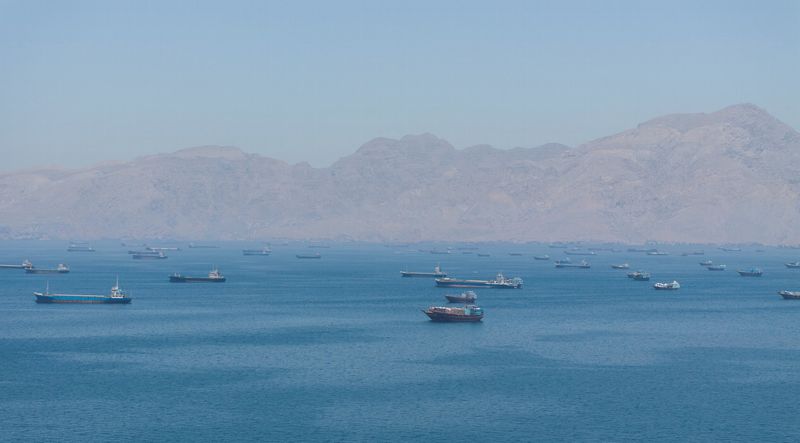

Rubio says Strait of Hormuz has to be open ’one way or the other’


BOJ’s Himino says Mideast developments to factor into rate-hike timing decision
Business
Tenaga Nasional Berhad 2026 Q1 – Results – Earnings Call Presentation (OTCMKTS:TNABY) 2026-05-25


Seeking Alpha’s transcripts team is responsible for the development of all of our transcript-related projects. We currently publish thousands of quarterly earnings calls per quarter on our site and are continuing to grow and expand our coverage. The purpose of this profile is to allow us to share with our readers new transcript-related developments. Thanks, SA Transcripts Team
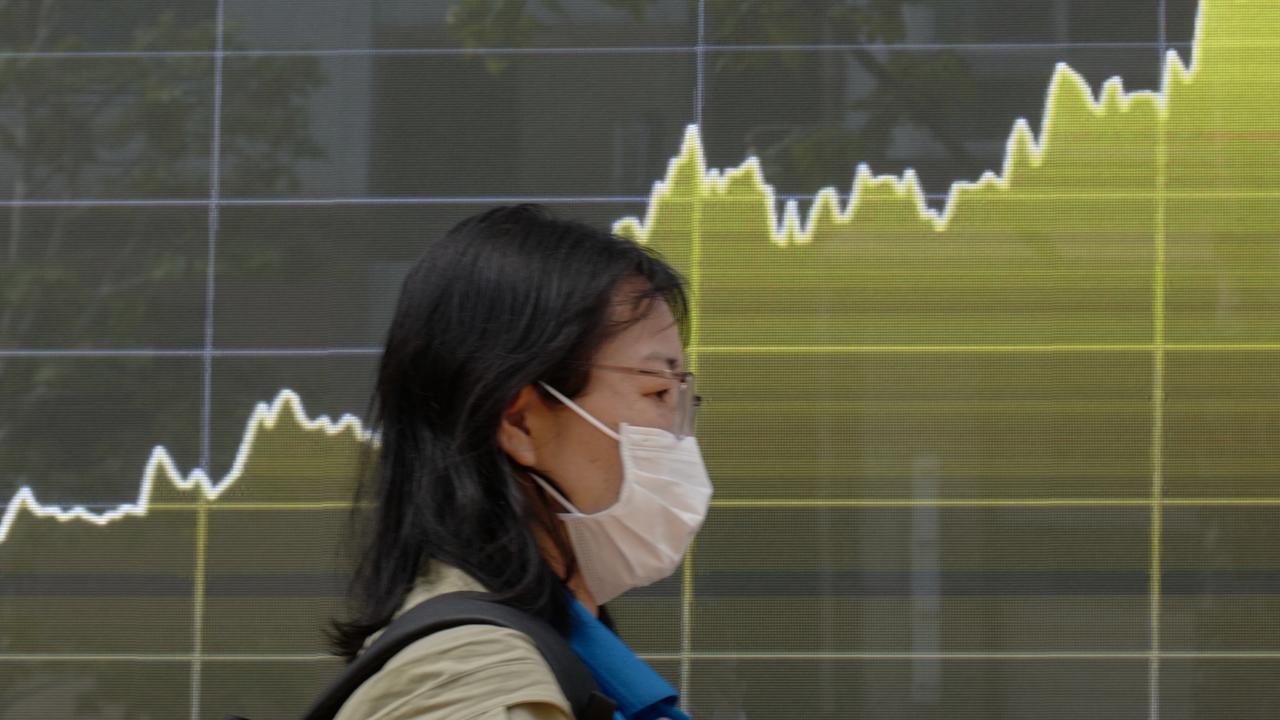
Stocks have surged, while the US dollar and oil prices slid as the prospect of a deal to end the Iran war buoyed risk appetite.

Wind farms and solar panels are producing more of Australia’s electricity than ever, but slow approvals and investment commitments could stall progress.

UK extreme heat warning: NHS tells elderly to stay indoors during 36C heatwave

Today’s leading token storylines from top crypto market dashboards (May 25)v

Houston Astros throw combined no-hitter in 9-0 blowout over Texas Rangers

US brings back mandatory military draft registration

Steven Gerrard disagrees with Gary Neville over ‘shock’ Chelsea and Arsenal claim | Football

Register Renaming | Hackaday

Ripple XRP: XRP Price Will Eventually Catch Up To Fundamentals Says Oliver Michel

How To Make Money By Selling AI Websites To Businesses In 2026

BLACK SWAN THEN RISE OF XRP! – XRP KEEPS LEAVING EXCHANGES? – TOKENIZATION BOOM WILL SKYROCKET XRP!
-

 Crypto World4 days ago
Blockchain.com files with SEC for U.S. IPO
-

 Fashion3 days ago
Holiday Weekend Open Thread – Corporette.com
-

 Business4 days ago
Dell Technologies DELL Stock Surges 15% on AI Server Momentum and Analyst Upgrades in 2026
-

 Crypto World4 days ago
Bitcoin Accumulation Weakens as BTC Realized Losses Hit $600M
-

 Crypto World4 days ago
Space X IPO Is ‘Bad News’ for Tech Stocks: But What About Bitcoin?
-

 Politics3 days ago
Makerfield: a tale of two social-media histories
-

 Crypto World3 days ago
Robinhood crypto COO Tanya Denisova exits
-

 Crypto World4 days ago
MicroStrategy’s Saylor Says Miners No Longer Set Bitcoin Price, Another Force Has Taken Over
-

 Business1 day ago
NYT Strands Answers May 24 2026 Revealed for Puzzle No. 812 Theme Summer Essentials
-
 Tech4 days ago
A 0.12% parameter add-on gives AI agents the working memory RAG can’t
-

 Crypto World4 days ago
AI infrastructure race heats up as IREN pitches full-stack strategy, WhiteFiber lands $160M deal
-

 Tech4 days ago
WhatsApp ads could make Irish debut after discussions with DPC
-

 Tech4 days ago
You Can Now Add ChatGPT To PowerPoint
-

 Business4 days ago
Trump Invests $1M-$5M in Kura Sushi USA Chain With 27 California Locations
-
 NewsBeat5 days ago
Charity run by Reform leader Malcolm Offord accused of ‘law breaking’ over Scottish registration
-

 Sports4 days ago
2026 CJ Cup Byron Nelson leaderboard: Brooks Koepka finds putting stroke in Round 1
-

 Crypto World5 days ago
Exa Labs raises $250 million in funding led by a16z
-
Business4 days ago
Goldman Sachs reinstates Ageas stock coverage with neutral rating
-

 Crypto World4 days ago
Trump Media’s Bitcoin Stash Shrinks Again as 2,650 BTC Lands on Crypto.com
-
 Business4 days ago
Marine engineering firm Avantis eyeing expansion on equity boost
You must be logged in to post a comment Login