
Business
Ranked & Reviewed for Maximum Employee Growth & ROI


In 2026, performance management has evolved beyond annual reviews into continuous, AI-enhanced processes that boost engagement, align goals, and drive measurable results. With hybrid/remote work standard and talent retention critical amid economic shifts, top platforms integrate goal tracking (OKRs), 360-degree feedback, real-time check-ins, analytics, and development tools. Many leverage AI for personalized insights, bias reduction, and predictive analytics.
This 3000-word guide ranks the 20 best performance management software for 2026, based on aggregated data from G2, Capterra, Gartner Peer Insights, SoftwareReviews, and expert sources like Betterworks, Lattice, and People Managing People (as of early 2026). Rankings consider user ratings, features (continuous feedback, OKRs, integration), scalability (SMB to enterprise), pricing, ease of use, and real-world impact (engagement uplift, retention gains).
Whether you’re a startup needing simple check-ins or an enterprise requiring HCM integration, these tools lead the pack.
1. Lattice – Best Overall for Continuous Feedback & Engagement
Lattice tops many 2026 lists (G2 4.7/5, Capterra high scores) for its unified platform blending performance reviews, engagement surveys, goal alignment, and growth tools.
Key features: OKR/ goal tracking, 360 reviews, 1-on-1 agendas, pulse surveys, AI-driven insights. Pros: Intuitive interface, strong analytics, high adoption. Cons: Pricing starts at ~$11/user/month; steeper for small teams. Best for: Mid-market to enterprise building feedback cultures. Clients praise its role in boosting engagement and reducing turnover.
2. 15Five – Top for Weekly Check-Ins & Manager Coaching
15Five excels in continuous performance (G2 4.6/5) with weekly pulse questions, OKRs, high fives, and coaching tools.
Key features: Weekly wins/challenges, objective tracking, 360 feedback, reporting. Pros: Easy adoption, manager empowerment. Cons: Less robust for complex enterprise needs. Best for: Teams prioritizing regular touchpoints. Users report improved alignment and morale.
3. BambooHR – Best All-in-One HR with Strong Performance Module
BambooHR (Capterra Shortlist leader, high G2) integrates performance into full HRIS for seamless reviews, goals, and e-signatures.
Key features: Custom review cycles, self-evaluations, 9-box grids. Pros: User-friendly, affordable (~$10-15/user/month). Cons: Less advanced AI/engagement than specialists. Best for: SMBs wanting integrated HR. Ideal for growing companies.
4. Betterworks – Enterprise Powerhouse for OKRs & Alignment
Betterworks leads enterprise lists (Betterworks own rankings) with robust OKR cascading, continuous check-ins, and talent insights.
Key features: Goal alignment, calibration, AI recommendations. Pros: Scalable, data-driven. Cons: Higher implementation effort. Best for: Large orgs focused on strategic alignment.
5. Leapsome – Best for Performance + Engagement Combo
Leapsome shines in Europe/US (frequent top lists) with reviews, OKRs, learning, surveys.
Key features: 360s, meeting tools, analytics. Pros: Modern UX, comprehensive. Cons: Pricing on request. Best for: Growth-stage companies.
6. PerformYard – Streamlined Reviews & Feedback Loops
PerformYard focuses on simple, customizable reviews and continuous feedback.
Key features: Goal setting, 360s, automated workflows. Pros: High customization, strong support. Cons: Narrower scope. Best for: Teams ditching spreadsheets.
7. Culture Amp – Employee Experience & Performance Leader
Culture Amp combines engagement surveys with performance tools.
Key features: Custom templates, insights, development plans. Pros: Deep analytics. Cons: More engagement-focused. Best for: Culture-first orgs.
8. HiBob (Bob) – Modern HRIS with Integrated Performance
HiBob offers performance within dynamic HR platform.
Key features: Reviews, goals, feedback, lifecycle tools. Pros: Great for global/hybrid teams. Cons: Broader than pure performance. Best for: Fast-growing companies.
9. Workleap – AI-Powered Structured Management
Workleap (formerly GSoft) uses AI for feedback, goals, recognition.
Key features: Continuous tools, analytics. Pros: Structured yet flexible. Cons: Emerging in some markets. Best for: Teams wanting AI assistance.
10. Deel – Global Teams with Payroll + Performance
Deel integrates performance for distributed workforces.
Key features: Reviews, goals, compliance. Pros: Global payroll tie-in. Cons: Payroll-heavy. Best for: Remote/international.
11. Small Improvements – Simple, Meaningful Interactions
Small Improvements prioritizes feedback and reviews.
Key features: Continuous feedback, OKRs. Pros: Easy use. Cons: Less feature-rich. Best for: SMBs.
12. Engagedly – AI-Powered All-in-One
Engagedly offers OKRs, reviews, learning.
Key features: AI insights, talent tools. Pros: Comprehensive. Cons: Interface dated in spots. Best for: Mid-market.
13. Profit.co – OKR-Focused with Task Integration
Profit.co ties OKRs to tasks/performance.
Key features: Goal tracking, dashboards. Pros: Affordable. Cons: OKR-centric. Best for: Objective-driven teams.
14. Paycor – Mid-Market HCM with Performance
Paycor integrates talent development.
Key features: Reviews, alignment. Pros: Full HCM. Cons: Enterprise pricing. Best for: Mid-sized.
15. Synergita – Cost-Effective Customizable
Synergita offers SMART goals, automated reviews.
Key features: Dashboards, integrations. Pros: Low cost (~$0.35/user). Cons: Less known. Best for: Budget-conscious SMBs.
16. ClearCompany – Talent Management Suite
ClearCompany includes performance, recruiting.
Key features: Reviews, analytics. Pros: Integrated. Cons: Setup time. Best for: Full talent lifecycle.
17. Factorial – Easy Reviews & Analytics
Factorial provides goal tracking, reviews.
Key features: Customizable, affordable. Pros: Intuitive. Cons: Emerging globally. Best for: European SMBs.
18. Workday Performance – Enterprise HCM Standard
Workday excels in large-scale alignment.
Key features: Calibration, insights. Pros: Robust. Cons: Expensive/complex. Best for: Enterprises.
19. SAP SuccessFactors – Global Enterprise Leader
SuccessFactors offers comprehensive tools.
Key features: OKRs, learning. Pros: Scalable. Cons: High cost. Best for: Multinationals.
20. Rippling – All-in-One with Performance
Rippling adds performance to HR/payroll/IT.
Key features: Lifecycle management. Pros: Unified. Cons: Newer in performance. Best for: Tech-savvy teams.
2026 Trends in Performance Management Software
- Continuous over Annual: Shift to weekly/monthly feedback.
- AI Integration: Bias checks, coaching suggestions.
- Engagement Link: Surveys tied to performance.
- Hybrid/Remote Focus: Tools for distributed teams.
- Data-Driven: Predictive analytics for retention.
How to Choose in 2026
- Size: SMBs → BambooHR/15Five; Enterprise → Lattice/Betterworks.
- Needs: Feedback → 15Five; OKRs → Profit.co.
- Budget: $4-16/user/month common; enterprise custom.
- Integrations: Check HRIS/Teams/Slack.
- Trial/Demo: Always test adoption.
These 20 platforms transform performance from chore to growth driver. Select based on culture and goals—strong implementation yields 20-30% engagement boosts.

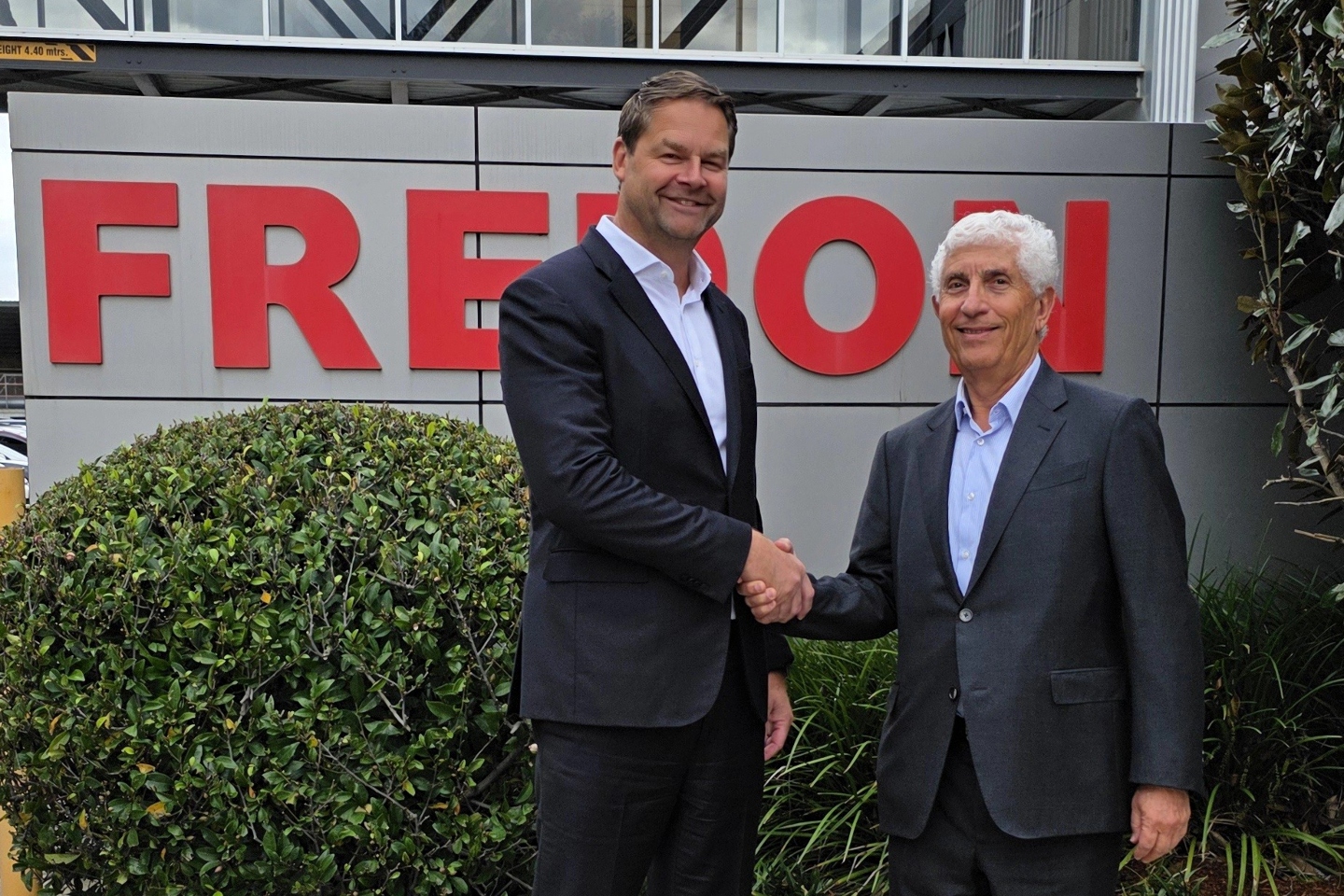
NRW subsidiary Fredon has secured five electrical and mechanical contracts, valued at around $160 million.
SAN FRANCISCO — Bluesky experienced a partial outage Thursday, with users across multiple regions reporting difficulties accessing feeds, loading posts and connecting to the decentralized social media platform as its official status page confirmed an ongoing incident.

Bluesky’s status page updated at 06:42 GMT that it was investigating a service disruption in one of its regions, noting that some systems were down while engineers implemented fixes and continued monitoring. The company reported early signs of recovery later in the morning but acknowledged that many users and services remained impacted as of mid-morning Pacific Time.
Downdetector and other outage trackers showed elevated user reports beginning around 2:39 a.m. EDT, with complaints centered on inaccessible feeds, slow loading and blank timelines. While not a full platform-wide failure, the issues affected a significant portion of users, prompting widespread discussion on alternative platforms including X and Threads.
Bluesky, the Jack Dorsey-backed decentralized social network built on the AT Protocol, has grown rapidly as an alternative to legacy social media. The platform emphasizes user-controlled data and federation, but Thursday’s incident highlighted ongoing challenges in scaling infrastructure amid surging adoption.
Company engineers had previously published a detailed post-mortem on an earlier April 2026 outage that occurred earlier in the month, which affected roughly half of users for about eight hours. That incident, detailed by systems engineer Jim Calabro on April 10, stemmed from a combination of ephemeral port exhaustion on backend TCP/IP connections and memory saturation triggered by a new internal service that unexpectedly sent large batches of requests.
The earlier outage prompted apologies from the team and underscored the complexities of operating a distributed system even with decentralized principles. Thursday’s regional disruption appeared separate but added to user frustration with reliability as the platform competes for attention in a crowded social media landscape.
Users reported a range of symptoms: some could not refresh their timelines, others saw error messages when trying to post or interact, and a subset experienced complete inability to load the app or website. The issues seemed concentrated in certain geographic regions or tied to specific backend services, consistent with the status page’s acknowledgment of a regional incident.
Bluesky’s decentralized architecture, which allows users to run their own servers or connect across federated instances, did not fully shield the platform from centralized points of failure in its core services. Critics noted that while the protocol aims for resilience, many users still rely on Bluesky’s hosted infrastructure for the primary experience.
The timing of the outage coincided with heightened global interest in alternative social platforms, as users seek spaces less influenced by traditional algorithms and moderation controversies. Bluesky has positioned itself as a more open and community-driven option, attracting millions of users fleeing other networks.
Platform representatives have not yet issued a full public statement beyond the status updates, but the team has a track record of transparent communication during incidents. The earlier April outage post-mortem was praised in technical communities for its candor, detailing root causes including unexpected request patterns from a recently deployed service that overwhelmed available network ports.
Technical observers pointed to classic scaling challenges: even small changes in request volume or batching behavior can cascade into widespread saturation when systems operate near capacity. In the prior incident, a service sending batches of 15,000-20,000 URIs at once — despite low overall requests per second — exhausted the 65,000 available ephemeral ports on localhost connections, leaving them in TIME_WAIT status and blocking new connections.
Engineers mitigated the earlier problem temporarily by randomizing localhost addresses to expand the effective port pool, then addressed the root cause. Thursday’s regional issue may stem from similar infrastructure strain, though details remain under investigation.
For affected users, common troubleshooting steps include refreshing the app or browser, clearing cache, checking internet connectivity, or trying the web version if the mobile app fails. Some reported success by switching to Wi-Fi from cellular data or vice versa, suggesting possible edge network or CDN involvement.
Bluesky’s rapid growth has tested its engineering team repeatedly in 2026. The platform, which allows custom feeds and algorithmic choice, has seen user numbers climb as it differentiates from more centralized competitors. However, outages — even partial or regional — can erode trust, especially among users who migrated seeking greater stability or freedom.
The incident drew immediate reactions online, with users sharing screenshots of error messages and speculating on causes ranging from DDoS attempts to routine maintenance gone awry. Many turned to X to vent or ask if others were experiencing the same problems, creating a secondary wave of meta-discussion about platform reliability.
Bluesky’s uptime over the past 90 days stood at approximately 99.98 percent before Thursday’s event, according to its status dashboard, indicating generally strong performance punctuated by occasional disruptions. The company has invested in redundancy and monitoring, yet the decentralized model introduces unique operational complexities compared to traditional monolithic services.
As the day progressed, the status page indicated progress with fixes deployed and recovery underway. Users were advised to remain patient while monitoring official channels for updates. No estimated full resolution time was provided initially, though early signs suggested the impact was easing for some regions.
This marks the latest in a series of visibility challenges for Bluesky in April 2026. The earlier multi-hour outage generated significant discussion in developer communities, with Hacker News threads analyzing the technical details and praising the transparency of the post-mortem.
Industry analysts note that social platforms of all sizes face increasing scrutiny over uptime as users depend on them for real-time news, community engagement and professional networking. Even brief disruptions can amplify perceptions of unreliability, particularly for newer entrants challenging established players.
Bluesky continues to iterate on features, including enhanced moderation tools, custom feed algorithms and improved federation capabilities. The team has emphasized building a more resilient infrastructure to support long-term growth without compromising the decentralized ethos.
For now, affected users can check the official status page at status.bsky.app for the latest updates or follow Bluesky’s account for announcements. The company typically provides post-incident summaries to help the community understand and learn from events.
As social media usage evolves toward more distributed models, incidents like Thursday’s serve as reminders that technical challenges persist regardless of architecture. Bluesky’s response — combining rapid fixes with eventual transparent reporting — will likely shape user sentiment in the coming days.
The platform’s leadership has previously stressed a commitment to reliability as a core value, especially as it positions itself as a viable long-term alternative. Whether Thursday’s regional outage resolves quickly and without further recurrence could influence ongoing migration trends among disillusioned users from other networks.
As of late morning on April 16, partial recovery was underway, but full service restoration for all users remained in progress. The incident, while not catastrophic, underscores the delicate balance required to scale innovative social technologies amid growing demand.

The MSCI Asia Pacific Index dropped 0.4%, snapping a three-day rally. The cautious end to the week followed a 10-day rally in global equities that pushed markets to a record high, as traders bet easing tensions will lower oil prices and support economic growth. Wall Street gauges also closed at an all-time high for a second consecutive day.
Global crude benchmark Brent slipped 1.3% to $98.14 a barrel after President Donald Trump expressed optimism about securing a permanent ceasefire with Iran ahead of the expiry of the current truce next week. Gold edged higher, while Treasuries were little changed
Investors are awaiting progress in talks that could reopen the Strait of Hormuz, easing crude flows and relieving pressure on economies after oil prices surged following the conflict’s onset in late February. While oil has pared its war-driven premium and stocks have climbed to record highs, economists are warning that markets may be underestimating the war’s economic toll.
“Markets head into the final session of the week sitting at key technical and psychological levels, with conviction still lacking as traders wait for clearer signals out of the Middle East,” Nick Twidale, chief market analyst at AT Global Markets, wrote in a note.

Trump claimed, without evidence, that Iran had agreed to terms it has long resisted, including giving up ambitions for a nuclear weapon and turning over nuclear material. The deal would also include “free oil” and an opening of the Strait of Hormuz, the President said. Tehran hasn’t confirmed it’s made those concessions.
The prospects for a deal with Iran are “looking very good.” Trump said.Earlier, Trump announced a 10-day ceasefire between Israel and Lebanon. His announcement on Thursday made no mention of Hezbollah. Israeli Prime Minister Benjamin Netanyahu confirmed in a video message that he’d agreed to the truce.
Traders are also focused on the dollar, which has weakened after rallying on haven demand since the war began in late February. Deutsche Bank AG and Wells Fargo & Co. are among banks declaring the greenback’s war-driven haven rally is likely over as the fragile ceasefire between the US and Iran prompts investors to seek riskier assets.
Elsewhere, Netflix Inc. slid in after-hours trading after issuing a second-quarter forecast that missed analysts’ expectations. US equity-index futures were mixed with contracts for the S&P 500 Index edging up 0.1%, while contracts for the Nasdaq 100 was flat.
US stocks were buoyed by cooler-than-expected US producer and import prices this week, and got another lift after initial jobless claims for the week ending April 11 came in below economist forecasts.
“This is yet another sign of headline fatigue as it relates to the war in the Gulf region,” said Ian Lyngen at BMO. “The prevailing consolidation pattern is also suggestive that the influence of fresh geopolitical headlines is waning.”

The property developer behind the 82-apartment Halcyon development in Subiaco is pursuing the construction company tasked with building it for $3.8 million in allegedly unpaid loans, among other issues.

IMF, World Bank say they are resuming dealings with Venezuela
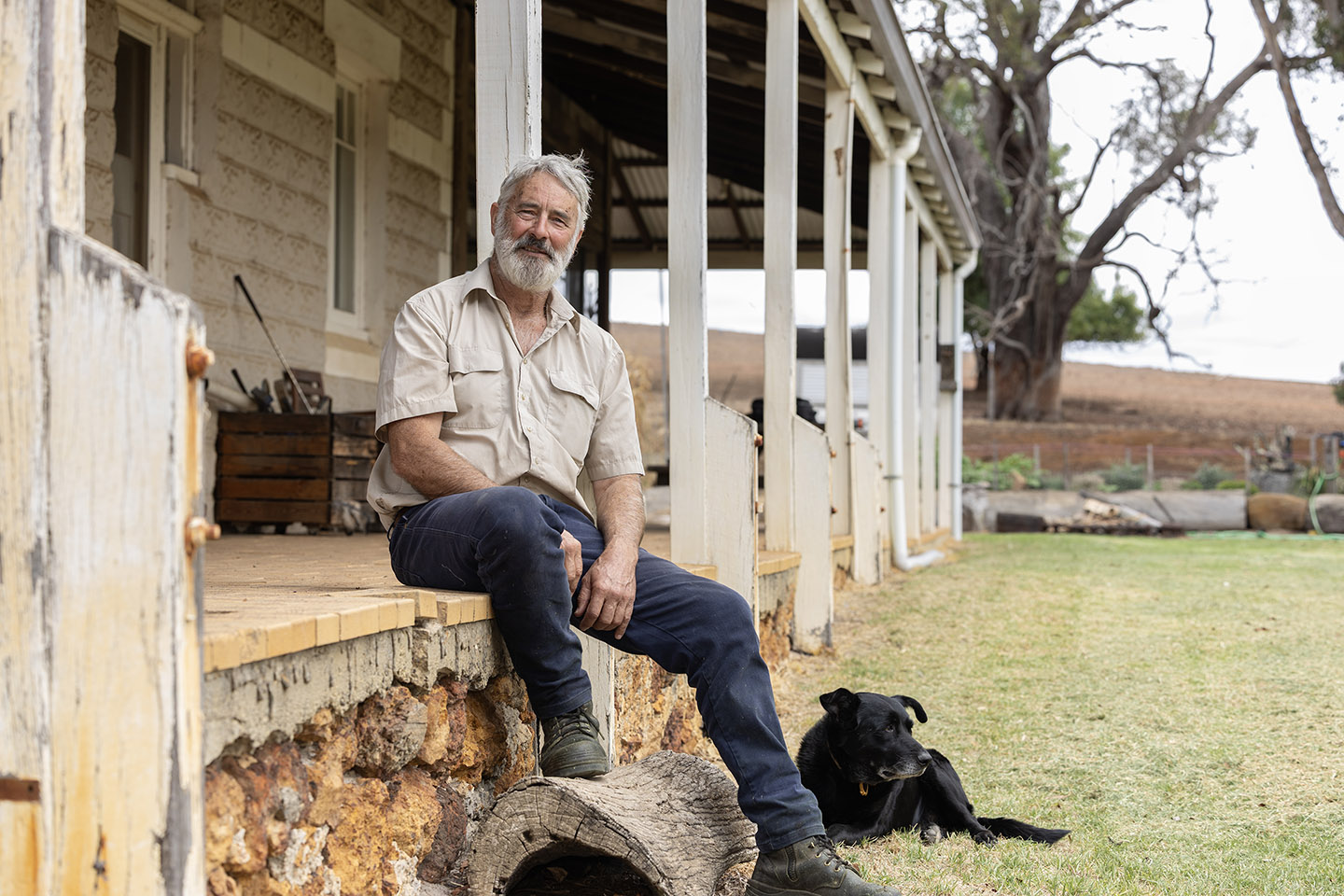
The new agriculture lobby leader is balancing an overhaul of the organisation and a sweeping policy agenda.
Business
LIV Golf 2026 Season Pushes Forward Despite Saudi Funding Uncertainty and Billions in Losses
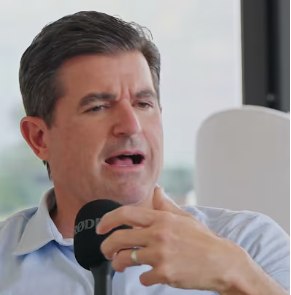
NEW YORK — LIV Golf’s 2026 season will proceed as scheduled and “at full throttle” despite swirling reports that Saudi Arabia’s Public Investment Fund may cut financial support after this year, league CEO Scott O’Neil assured players and staff in a memo Wednesday amid mounting speculation about the breakaway tour’s long-term viability.
O’Neil’s message, obtained by multiple outlets including The Associated Press, sought to quell concerns after the Financial Times and other publications reported that the PIF is on the verge of ending its backing for the league it has funded since its launch in 2022. The Saudi sovereign wealth fund has poured more than $5.3 billion into LIV Golf, with cumulative losses projected to exceed $6 billion by the end of 2026, according to industry estimates.

“We are heading into the heart of our 2026 schedule with the full energy of an organization that is bigger, louder, and more influential than ever before,” O’Neil wrote. “I want to be crystal clear: Our season continues exactly as planned, uninterrupted and at full throttle.”
The memo followed a day of intense speculation triggered by the PIF’s announcement of a new five-year investment strategy that emphasizes domestic priorities, efficiency and a slowdown in certain global projects. Reports indicated the fund, strained by the ongoing Iran conflict and reduced oil revenues from disruptions in the Strait of Hormuz, is reassessing expenditures on ventures that have yet to show returns.
Sources close to the situation told Reuters and others that funding for the remainder of the 14-event 2026 schedule remains secure, with the next tournament set for early May at Trump National Golf Club in Washington, D.C. However, multiple outlets including Fox News reported that PIF backing is expected to end after the 2026 season, citing a shift in Saudi priorities.
LIV Golf, which features a team-based format with 54-hole events and shotgun starts, has attracted star players such as Bryson DeChambeau, Sergio Garcia, Cameron Smith and Jon Rahm with massive guaranteed contracts. Yet the league has struggled with viewership, sponsorships outside Saudi interests and integration with the broader golf ecosystem.
Critics, including Golf Channel analyst Brandel Chamblee, have been vocal. Chamblee described LIV as an “ill-conceived” and “lame-brained tour” that has lost billions while delivering a product with limited appeal. “Would it surprise anyone if the Saudis came to their corrupted senses and finally euthanized the whole lame-brained tour?” he posted on social media.
Player reactions have been mixed. Garcia told reporters that players were informed earlier in the year that funding was in place for “many years,” potentially through 2032. Some participants expressed confusion and sought reassurances from league officials as rumors spread following the Masters Tournament.
The financial pressures come as LIV continues its fifth season. Prize funds increased in 2026, adding to the cost base at a time when monthly net spending has averaged around $100 million in recent years. A $266.6 million capital injection approved by PIF Governor Yasir Al-Rumayyan in February brought the total investment past $5.3 billion.
O’Neil has previously acknowledged that profitability could be five to 10 years away. The league has failed to attract significant outside investors for its teams despite efforts to build franchise value.
The uncertainty coincides with broader Saudi economic challenges. The Iran war has impacted oil exports, leading to shutdowns of offshore fields and petrochemical facilities. PIF’s new strategy reportedly focuses on increasing investment efficiency and prioritizing domestic programs over high-profile international sports ventures that have not yet delivered clear returns.
LIV officials and sources with knowledge of operations pushed back against immediate collapse narratives. A high-ranking league source told one outlet that “funding and operations for LIV Golf are continuing as planned” for at least the remainder of 2026. Reuters cited sources confirming the remaining nine events would proceed with full PIF support.
The league’s relationship with the PGA Tour remains complicated. While talks of a potential framework agreement have occurred in the past, no full merger or comprehensive deal has materialized. Some view LIV’s model as a disruptive force that has forced the traditional tour to increase purses and innovate, while others see it as a divisive experiment that has fractured the sport.
As the 2026 schedule advances, questions linger about player contracts, team stability and the future of events in locations such as Adelaide, Australia, and other international stops that have drawn strong local support.
League leadership has emphasized growth in influence and fan engagement, pointing to larger crowds at certain events and the global platform provided to players. Yet television ratings and digital metrics have generally lagged behind PGA Tour benchmarks, contributing to the financial strain.
For players with multi-year deals, the immediate focus remains on competition. Many have expressed loyalty to the LIV format, citing the team atmosphere, no-cut events and substantial compensation. However, the prospect of funding changes beyond 2026 has introduced anxiety, particularly for those without PGA Tour pathways secured.
Golf insiders note that even with reduced or ended PIF support, alternative funding models could emerge, though finding investors willing to absorb ongoing losses would prove challenging. Some speculate about potential restructuring, sale of assets or a scaled-back operation if Saudi backing fully withdraws.
The PIF’s broader sports portfolio includes investments in soccer, Formula 1 and other properties. Observers suggest the fund is applying more rigorous return-on-investment criteria across its holdings as it navigates fiscal realities.
As of Thursday, no official announcement had come from the PIF regarding LIV Golf’s future. League events continue uninterrupted, with players preparing for the upcoming leg of the season.
The situation highlights the high-stakes nature of sportswashing debates and the intersection of geopolitics, economics and professional athletics. LIV Golf was launched with the stated goal of growing the game globally, but its reliance on a single sovereign fund has left it vulnerable to shifts in national priorities.
O’Neil’s assurances aim to project stability heading into the heart of the 2026 campaign. Whether that confidence holds through the season — and what comes after — will depend on decisions made in Riyadh and the league’s ability to demonstrate sustainable value.
For now, the show goes on, as O’Neil declared. The 2026 season remains fully funded and operational, but the long-term future of LIV Golf hangs in a delicate balance amid financial uncertainty and evolving Saudi investment strategies.
Experts say Mythos potentially has an unprecedented ability to identify and exploit cybersecurity weaknesses.

Australian farmers will receive an additional 250,000 tonnes of fertiliser from Indonesia, as the conflict in the Middle East continues to squeeze supplies.
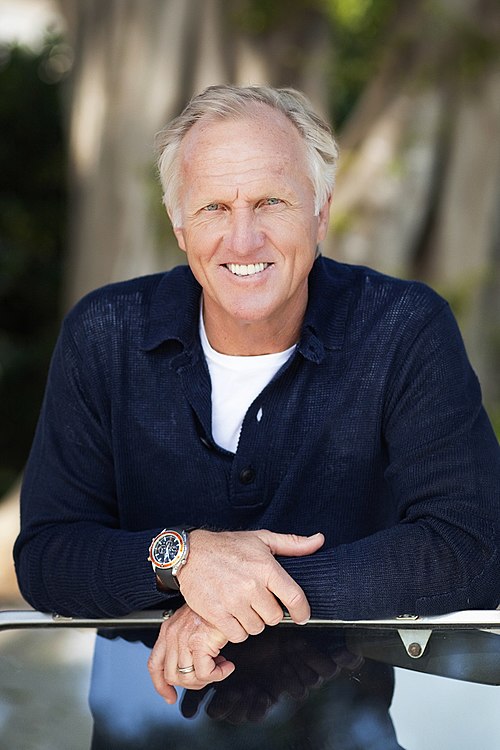
NEW YORK — As LIV Golf navigates its fifth season amid swirling reports that Saudi Arabia’s Public Investment Fund may end financial backing after 2026, the breakaway league continues operations with bold changes designed to enhance competitiveness and global appeal.

Here are 10 essential things to know about LIV Golf as it pushes forward with its 14-event 2026 schedule despite questions over long-term viability.
- Massive Saudi Backing With Billions Invested: The Public Investment Fund has poured more than $5 billion into LIV Golf since its 2021 launch, with cumulative losses projected to surpass $6 billion by year-end 2026. Recent reports from the Financial Times and others suggest the PIF is considering pulling support as it shifts toward a new five-year domestic-focused strategy emphasizing efficiency and governance. CEO Scott O’Neil reassured players and staff Wednesday that the 2026 season remains fully funded and will proceed “at full throttle,” though speculation persists about sustainability beyond this year.
- 2026 Format Overhaul to 72 Holes: In a significant evolution, LIV Golf switched from its signature 54-hole, no-cut events to traditional 72-hole tournaments starting in 2026. The change aims to reward consistency and align more closely with major championship formats while maintaining the league’s innovative spirit. Events now span Thursday to Sunday (with Riyadh as a Wednesday-Saturday exception under lights), increasing the competitive rigor for players.
- Expanded Field and Team Structure: The 2026 league features 57 players across 13 four-player teams plus five wild-card spots awarded through performance and other criteria. Teams compete for both individual and team championships, with enhanced incentives and an updated points system. This structure emphasizes team golf as a core differentiator, fostering camaraderie and rivalries that have become fan favorites.
- Global Schedule Spanning 10 Countries: LIV Golf’s 2026 calendar is its most ambitious yet, visiting 10 countries on five continents with new stops including South Africa and New Orleans. The season opened in Riyadh in February under lights and includes returning venues like Adelaide, Hong Kong and Singapore. The schedule runs through the team championship in Michigan on Aug. 30, highlighting the league’s push for international growth.
- Star-Studded Roster Led by Big Names: Headliners include Jon Rahm, Bryson DeChambeau, Sergio Garcia, Cameron Smith, Brooks Koepka and others who left the PGA Tour for guaranteed contracts reportedly worth tens or hundreds of millions. The league has attracted both established stars and emerging talents, with players like Joaquin Niemann performing strongly. Wild cards and relegation/promotion elements add dynamism to roster composition.
- Controversial Origins and Sportswashing Accusations: Financed by Saudi Arabia’s sovereign wealth fund, LIV Golf has faced persistent criticism over human rights concerns and allegations of “sportswashing” — using sports to improve the kingdom’s image. The league’s arrival in 2022 sparked bitter disputes with the PGA Tour, including lawsuits, player bans and fines from the DP World Tour. While some view it as a disruptive innovator, others see it as a divisive force that fractured professional golf.
- No-Cut Events and Guaranteed Pay: Unlike the PGA Tour’s cut-based system, LIV events guarantee payouts to all participants, with individual purses of $20 million and team prizes adding millions more. This player-friendly model, combined with no-cut formats, was a key recruitment tool but has drawn criticism for reducing competitive pressure compared to traditional tours.
- Limited Official World Golf Ranking Points: After years of negotiations, LIV events began receiving limited OWGR points in 2026, a crucial step for players seeking eligibility for majors and other events. However, the allocation remains modest, and full integration with the broader golf ecosystem remains incomplete, affecting career pathways for participants.
- Ongoing PGA Tour Tensions and Uncertain Merger Path: Despite past framework agreement talks, no comprehensive deal has materialized between LIV and the PGA Tour. The league’s existence has indirectly pressured the traditional tour to boost purses and innovate, yet deep divisions persist. Legal and competitive battles continue to shape the landscape, with some LIV players maintaining eligibility for the four majors while facing restrictions elsewhere.
- Future Uncertainty Despite Current Momentum: While CEO O’Neil insists the 2026 season faces no interruptions, reports indicate PIF support could cease afterward amid Saudi economic pressures from the Iran conflict and shifting investment priorities. Players like Garcia have cited assurances of funding through 2032, but analysts warn that without alternative investors, the league’s model — heavy on guaranteed contracts and high costs — could prove unsustainable. The coming months will test whether LIV can attract new backing or evolve into a profitable, independent entity.
LIV Golf was founded with the stated goal of growing the game through shorter, more entertaining events, team competition and massive prize money. Its shotgun starts, music-filled atmospheres and global reach have drawn strong crowds at certain venues, notably in Adelaide where it set attendance records.
Yet challenges abound. Viewership and sponsorships outside Saudi-linked entities have lagged behind PGA Tour benchmarks in many markets. The league has struggled to secure broad television deals or mainstream acceptance, contributing to its heavy financial losses.
Defenders argue LIV has injected excitement and innovation into a sport long criticized for stagnation. The team format, in particular, has created compelling storylines and rivalries that traditional stroke-play events sometimes lack.
Critics, including prominent analysts and PGA Tour loyalists, contend the league undermines golf’s merit-based traditions and prioritizes spectacle over substance. The sportswashing debate has overshadowed on-course achievements for many observers.
As of mid-April 2026, LIV is staging events with full fields and high stakes. Recent standings show strong performances from players like Rahm and DeChambeau, while teams such as Ripper GC and 4Aces GC battle for supremacy.
The league’s decentralized approach to venues and its willingness to experiment — from night golf in Riyadh to new international stops — reflect an aggressive growth mindset. Whether these efforts can overcome financial headwinds remains the central question.
For fans, the appeal often lies in the star power and relaxed vibe. For players, the financial security and team environment provide a compelling alternative to the grind of the PGA Tour.
As diplomatic and economic factors influence Saudi investment decisions, golf insiders will watch closely for any formal announcements from the PIF. In the meantime, LIV Golf maintains its calendar and continues to promote itself as a vibrant, player-centric league reshaping the sport.
The coming weeks and months could prove pivotal. If funding holds and the new 72-hole format gains traction, LIV may solidify its place in professional golf. Should support wane, the league faces difficult questions about restructuring, player contracts and its very existence.
Regardless of outcome, LIV Golf has already left an indelible mark on the game, forcing traditional tours to adapt and sparking global conversations about money, ethics and the future of professional athletics.

No. 3 Maryland women’s lacrosse implodes in 15-4 loss to No. 11 Michigan

Roblox Will Pay $12 Million to Settle Nevada Child Safety Lawsuit

Electric vehicles pass tipping point, breaking the link with oil prices


-

 Politics6 days ago
US brings back mandatory military draft registration
-
 Sports6 days ago
Man United discover Nico Schlotterbeck transfer fee as defender reaches Dortmund agreement
-

 Fashion6 days ago
Weekend Open Thread: Veronica Beard
-

 Politics7 days ago
Malcolm In The Middle OG Turned Down ‘Buckets Of Money’ To Appear In Reboot
-

 Politics4 days ago
World Cup exit makes Italy enter crisis mode
-

 Business6 days ago
Tesla Model Y Tops China Auto Sales in March 2026 With 39,827 Registrations, Beating Cheaper EVs and Gas Cars
-

 Crypto World3 days ago
The SEC Conditionalises DeFi Platforms to Be Avoided for Broker Registration
-

 Crypto World3 days ago
SEC Signals Exemption for Crypto Interfaces From Broker Registration
-

 News Videos2 days ago
Secure crypto trading starts with an FIU-registered
-
 NewsBeat4 days ago
Pep Guardiola and Gary Neville agree over Arsenal title problem that benefits Man City
-

 Business5 days ago
Ireland Fuel Protests Enter Day 5 as Blockades Spark Shortages and Government Prepares Support Package
-

 Business7 days ago
OpenAI Halts Stargate UK Data Centre Project Over Energy Costs and Copyright Row
-

 Crypto World6 days ago
Federal judge blocks Arizona from bringing criminal charges against Kalshi
-

 Politics7 days ago
LBC Presenter Mocks Trump Over Iran War Failures
-

 NewsBeat3 days ago
Trump and Pope Leo: Behind their disagreement over Iran war
-

 Crypto World3 days ago
SEC Proposes Certain Crypto Interfaces Don’t Need to Register as Brokers
-
 NewsBeat5 days ago
JD Vance announces ‘no agreement’ with Iran over nuclear weapons fear
-

 Business6 days ago
IMF retains floor for precautionary balances at SDR 20 billion
-

 Business6 days ago
Former Liverpool CEO eviscerates FIFA for World Cup ticket pricing
-
 Crypto World4 days ago
Sei Network Enters Quiet Reset Phase as On-Chain Metrics Signal a Slowdown in 2026
You must be logged in to post a comment Login