Connect with us
DAPA Banner
DAPA Coin
DAPA
COIN PAYMENT ASSET
PRIVACY · BLOCKDAG · HOMOMORPHIC ENCRYPTION · RUST
ElGamal Encrypted MINE DAPA
🚫 GENESIS SOLD OUT
DAPAPAY COMING

NewsBeat

The dark side of music as ‘therapy’

Published

on

The dark side of music as ‘therapy’

A violinist plays in a cancer ward. A playlist loops in the waiting room. A surgeon hums along to the radio mid-operation. We assume, almost without thinking, that music helps. But what if it doesn’t – or worse, what if it harms?

Music has been used since the beginning of time, in every culture, as a positive part of social and ceremonial events, including eating, hunting, courtship, weddings, funerals, coronations, sports and social celebrations. But music has also been used as a weapon of war, to torture, humiliate and disorientate people.

Music was used as a form of torture in Guantanamo Bay after 9/11 and by the Nazis, who forced musical prisoners to entertain their captors while they starved and awaited death. It’s a jarring thought that the same force that moves us to tears at a concert can be weaponised to break people.

Similarly, in hospitals and clinics, music is generally seen as a low-risk and harmless way to reduce anxiety in waiting rooms, as background support for staff in the operating theatre and as a stimulation to exercise in rehabilitation. It is rare to recognise music as a double-edged sword.

Advertisement

Music therapists are healthcare professionals, trained to use music as a clinical tool rather than simply a pleasant distraction. They work across a wide range of settings – in hospitals, hospices, mental health units, care homes, specialist schools and community clinics – and their work is grounded in evidence, not instinct. They are experts in using music to improve health and wellbeing, attuned to whether music might cause harm or support wellbeing, yet the research in this field rarely focuses on whether music might sometimes do more harm than good.

In practice, music therapists do remarkable work. They help people with dementia to communicate and connect when words have failed them. They support children with brain injuries to develop speech. They help stroke survivors regain physical movement. Music is also used to help people work through complex trauma. These are serious, skilled interventions – not background noise.

Music was used as a form of torture in Guantanamo.
Phil Pasquini/Shutterstock.com

The wrong note

But music can cause real harm too, and we don’t talk about this nearly enough.

Think about what happens when music is imposed on people who haven’t asked for it. Premature babies and patients with disorders of consciousness are particularly sensitive to sensory overload. Blasting music at them isn’t soothing, it’s stressful.

Advertisement

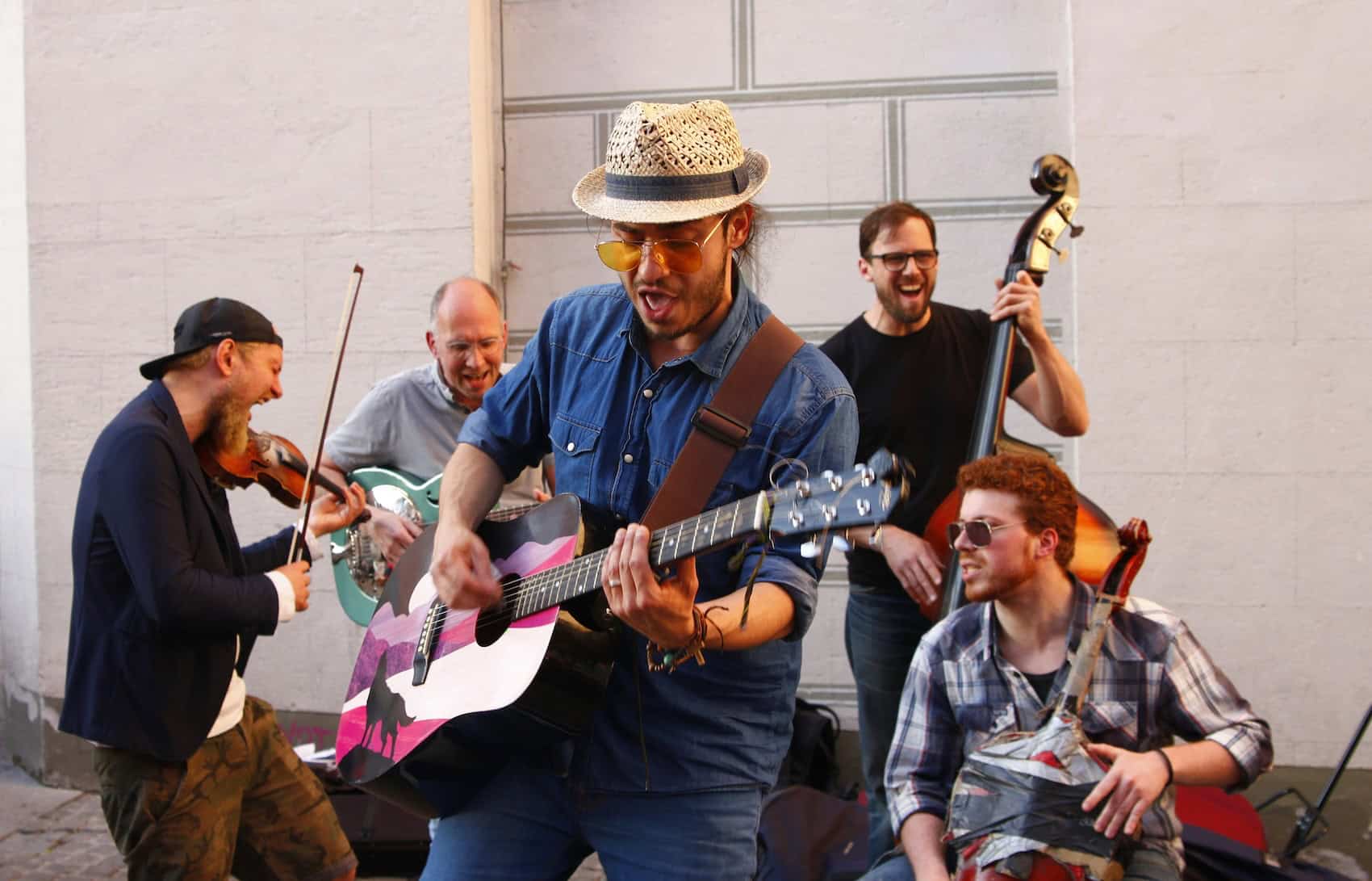
Residents in care homes are routinely subjected to music they didn’t choose, played at times that suit the staff rather than the people living there. Well-meaning volunteers turn up to hospital wards with guitars and ukuleles, and nobody asks whether the patients actually want a performance. Good intentions don’t cancel out a bad outcome.

Doctors and managers in hospitals and care homes are reaching for music as an easy, feel-good intervention without asking hard questions about whether it’s appropriate. Music can connect people and bring joy, but it can also exclude, irritate, distress and disorient. The same qualities that make it powerful make it problematic when used carelessly.

The principle should be simple: music should always be chosen by the person listening to it, never imposed on them. It should be thoughtfully selected and of decent quality. A study found that more than half of patients on an older people’s ward had no say over what was on the radio or television. That’s not music as therapy – it’s just noise.

This doesn’t mean music shouldn’t be used in hospitals and care homes. Used well, it can reduce pain, lift mood, aid recovery and help people feel less alone. “Used well” means assessing whether a patient actually wants music. It means choosing the right music for the right person at the right moment. It means training staff to understand when music helps and when it doesn’t. And it means being honest that a cheerful playlist isn’t a neutral act, it’s an intervention. And like any intervention, it can go wrong. It’s about qualified music therapists working with music to improve patient wellbeing.

Advertisement

Family visitors can create meaningful playlists to leave with the patient, and listening to music together is possible when other shared activities are difficult. But always ask first, and remember that silence can be just as valuable as any playlist. As the American entertainer Will Rogers said: “Never miss a good chance to shut up.”


Source link

Advertisement
Continue Reading
Click to comment

You must be logged in to post a comment Login

Leave a Reply

NewsBeat

‘Concern’ over two Cambs areas where waste is being dumped

Published

on

Cambridgeshire Live

Two sites in Cambridgeshire have been listed on the Environment Agency’s ‘high priority’ watch list

Two sites where waste is being dumped in Cambridgeshire have been named on the “high priority” watch list. Sites in Alconbury and Brampton have both been included on the Environment Agency’s “high priority” list for “causing concern to local communities”.

Advertisement

The list, published on May 22, has 117 sites in England which the Environment Agency has identified as a “concern”. According to the watch list, the site in Alconbury, a village near Huntingdon, has had approximately 2,500 tonnes of baled waste identified.

Meanwhile, Brampton, near Huntingdon, currently houses around 1,920 tonnes of construction and demolition waste. The level of detail published in the watch list has been restricted to avoid prejudicing ongoing enquiries and associated enforcement action.

The agency has urged members of the public to report any suspicious activity involving waste. Anyone with information about any of the sites included in the watchlist is asked to report it.

Reports can be made to the Environment Agency’s incident hotline on 0800 80 70 60 or to Crimestoppers via 0800 555 111.

Advertisement

The Environment Agency said: “We are stepping up our action on waste crime and will act early to address illegal activity before it becomes established. As part of this commitment, we are publishing this watchlist of sites that are causing concerns within local communities – enabling you to see where we are working now.”

Source link

Continue Reading

NewsBeat

What do you do to actively forge human connections?

Published

on

What do you do to actively forge human connections?

That we are living through a loneliness epidemic at a time when people have never been more digitally connected is one of the great paradoxes of modern life.

In 2023, the year social media engagement reportedly peaked, the World Health Organization declared loneliness a “global public health concern”. The irony was hard to miss: just as people appeared to be more digitally connected than ever, many of the places and habits that once brought them together in real life were being weakened. Remote working had reshaped daily life, religious attendance had declined across much of the west, the cost of living crisis had made socialising harder, and third places – from pubs and libraries to youth clubs and community centres – were closing or struggling to survive.

However, that’s just part of the story. Over the years, Positive News has reported on the many hopeful initiatives that have sprung up to tackle loneliness – from the rise of communal dining and the Men’s Sheds movement, to intergenerational nurseries and talking benches.

Advertisement

Now we’re turning to you, our readers, to find out what you do to nurture meaningful human connections in an increasingly disconnected world. No act is too small. It could be something as simple as being part of a book club, walking group or cooking meals for others. Or it could be something bigger, like volunteering or tending a community garden. Even the simple act of going to live music can feel like a rebellion against creeping isolation. More than one of our team find community spirit in the moshpit. 

Tell us how you forge human connections in the form below. We will publish our favourite answers in a forthcoming editorial. We can’t promise to print them all, but we will read them.

Main image: Austin Loveing

Advertisement

Source link

Continue Reading

NewsBeat

What Are The 2026 London Tube Strikes About?

Published

on

What Are The 2026 London Tube Strikes About?

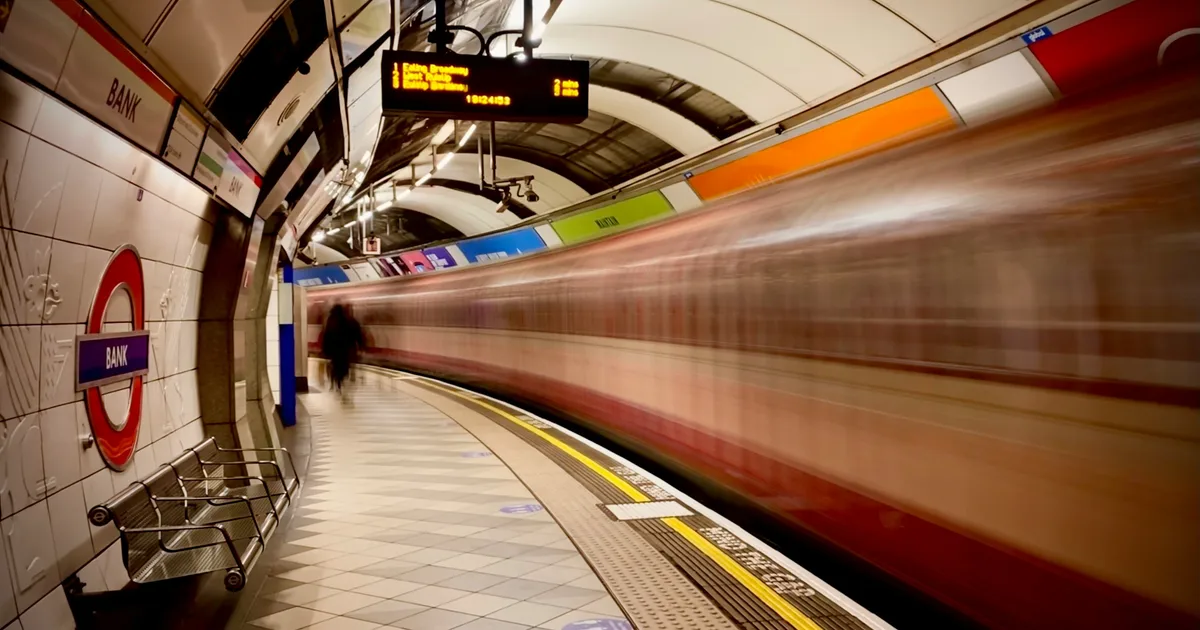
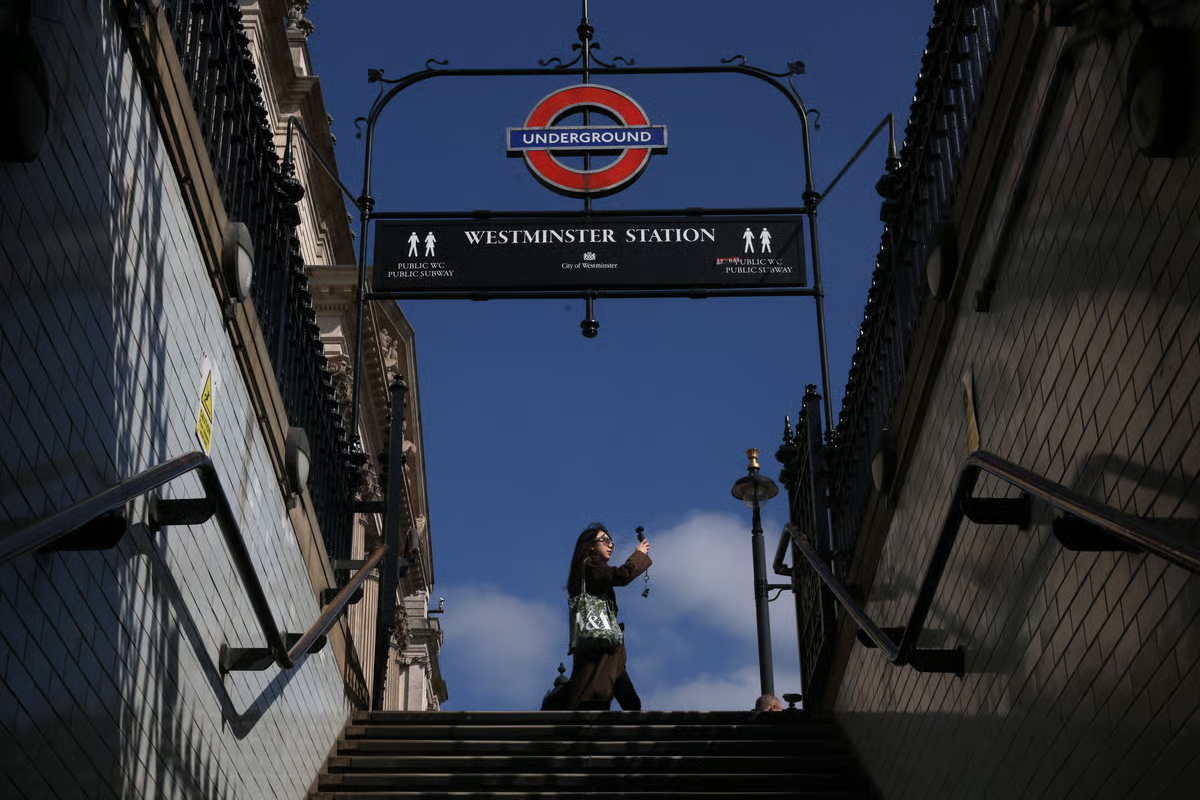
Previously in 2026, the transport trade union RMT announced six strike dates for their members working on the London Underground (two each in April, May, and June).

They then cancelled two May dates and two June dates and said they’d go ahead with two other June dates should they remain unsatisfied.

They have since said they plan to strike on the two new June dates.

But why are the strikes happening in the first place?

Why are the 2026 Tube strikes happening?

The first round of strikes was announced after TfL offered some drivers four-day work weeks, which means that they can opt to work for longer hours over fewer days.

Currently, most drivers work a five-day work week. The four-day version compresses their hours across fewer days. It’s being tested on the Bakerloo line at the moment.

Advertisement

Another union body, ASLEF, campaigned for the four-day work week.

But the RMT said that the plan TfL has proposed might impact the safety of their drivers and passengers, and that it could mean drivers only get 24 hours’ notice before their shifts are announced. They also say TfL “U-turned” on negotiations.

In response, the TfL said the four-day is optional and that it’d improve the service’s reliability and flexibility.

Not all drivers are taking part in these strikes. Members of ASLEF, for instance, are not involved; over half of London Tube drivers are ASLEF members.

Advertisement

This first round led to strike delays in April. But in the “11th hour,” RMT cancelled May and June dates, saying that “the employer has shifted its position, allowing us to further explore our members’ concerns around the imposition of new rosters, fatigue and safety issues.”

But even then, they said, June 2 and 4 would become strike days if they remained unsatisfied.

The RMT have since said they will go ahead with those new dates.

“Strike action by London Underground drivers next week is scheduled to go ahead following TfL’s continued refusal to engage meaningfully with the union’s concerns over the proposed compressed four-day working arrangements,” they said.

Advertisement

Here’s what the RMT, TfL, and ASLEF have said so far:

1) RMT

“Our objection to the imposed ‘fake four-day week’ is that it amounts to five days’ work compressed into four. This includes reduced flexibility over shift patterns, with the potential for only 24 hours’ notice of what shifts people will be doing, serious concerns from our members about shift length and resulting fatigue impacting safety in a safety-critical role like tube driving, and the fact that Transport for London has made no new offer despite months of negotiation,” a spokesperson previously told us.

“The strikes are going ahead because TfL said they would negotiate on all elements of the proposal and then U-turned, saying to us they would go ahead without any changes to their original proposals. That means RMT is in the position where we have nothing new to offer our members, leaving them no other choice than to take strike action.

Advertisement

“We have sought assurances from TfL in writing that our members can stay on their current shift patterns and agreed terms and conditions. TfL have yet to respond to us adequately. So it is therefore not a voluntary scheme and TfL are seeking to impose it on our members.”

The RMT has since said, “Strike action by London Underground drivers next week is scheduled to go ahead following TfL’s continued refusal to engage meaningfully with the union’s concerns over the proposed compressed four-day working arrangements.

“Our members have raised serious concerns around fatigue, longer shifts, reduced flexibility and the impact these proposals could have in a safety-critical role.”

2) TfL

Advertisement

Nick Dent, director of customer operations for London Underground, previously said: “We urge the RMT to call off this strike, meet with us and avoid any further disruption to Londoners. While we have been able to run more services than planned over the last 24 hours, we expect significant disruption to continue into Friday and the level of service we can provide will vary across lines, so customers should continue to check before they travel for the remainder of this week.

’We have set out proposals to the RMT for a four-day working week which are supported by the other Trade Union representing London Underground drivers. This allows us to offer train operators an additional day off, whilst at the same time bringing London Underground in line with the working patterns of other train operating companies, improving reliability and flexibility at no additional cost. The changes would be voluntary, there would be no reduction in contractual hours and those who wish to continue a five-day working week pattern would be able to do so.”

Updated comment: TfL’s chief operating officer, Claire Mann, said: “We still believe that the points they have raised can be worked out in time, through more detailed discussions, and we are continuing to talk to the union’s representatives to find a way to avoid disruption to London.

“A significant number of drivers have indicated that they want us to progress plans for the pilot of this new working pattern on the Bakerloo line, bringing benefits both for our colleagues and our customers.”

Advertisement

3) ASLEF

A spokesperson for ASLEF said: “We are surprised that the RMT has decided to take this action. The voluntary four-day week gives Tube train drivers an extra 35 days off every year, with rosters based on a 34-hour working week in return for some fairly minor changes to working conditions and moving to electronic, rather than paper-based, systems for booking on for duty. And, as it is voluntary, anyone who wants to keep working a five-day week will be able to do that.”

Source link

Advertisement
Continue Reading

NewsBeat

Rodri: Man City midfielder will wait until after World Cup to sort out future

Published

on

Rodri in Premier league action for Manchester City during the 2025-26 season

Manchester City midfielder Rodri says he will wait until after the World Cup to sort out his future at the club amid links to Real Madrid.

The Spain international has a year left on his contract at City and has previously indicated he would like to return to play in his homeland at some stage.

Rodri, 29, has emerged as a potential transfer target should Real Madrid presidential candidate Enrique Riquelme get elected.

Riquelme is challenging incumbent Florentino Perez in this weekend’s election.

Advertisement

“With a World Cup ahead, my responsibility is to stay focused,” Rodri told a news conference.

“Anything related to my future will wait until after the World Cup.”

Rodri joined City from Atletico Madrid in 2019 and has played a key role in the club’s recent success, winning four Premier League four titles and the Champions League once.

He won the Ballon d’Or in 2024 although he struggled with injuries since he suffered a cruciate ligament tear in September 2024.

Advertisement

Rodri said he will not “give too much importance” to rumours about his future as it “part of the job”.

“When a player is approaching the final stage of his contract, it’s normal for names to be mentioned,” he added.

“I’m very calm, I know exactly where I stand, and I’ll tell you that perhaps if there hadn’t been a World Cup, things might be different now.”

Source link

Advertisement
Continue Reading

NewsBeat

How David Tennant Four Seasons cliffhanger could set up season 3

Published

on

Wales Online

One of the Netflix series co-creators has explained the casting behind surprise cameo

The Four Seasons season 2 trailer on Netflix

The creators of Netflix’s popular series are hoping an unexpected star will pave the way for additional episodes.

All instalments of ‘The Four Seasons’ are now streaming on the platform and have proved an instant success with audiences. Fans have already revealed how they’ve binged the latest series in a single day, with some remaining awake until the small hours to complete all eight episodes.

Following its launch last year, the programme has returned with its second series. Continuing from a twist ending, the show once more centres on a group of married companions who habitually holiday together throughout the year.

However, the group’s dynamics have undergone significant transformation. Following a challenging year, they maintain their tradition of shared holidays – this time accompanied by a baby.

Advertisement

According to its synopsis, ‘The Four Seasons’ resumes with the core group, including Kate (portrayed by Tina Fey), Jack (Will Forte), Anne (Kerri Kenney-Silver), Danny (Colman Domingo), Claude (Marco Calvani), and Ginny (Erika Henningsen), as they travel from the comfortable familiarity of the Jersey shore and upstate New York to the breathtaking scenery of Italy, reports the Mirror.

*Warning – below contains major spoilers for ‘The Four Seasons’ series 2 finale*

Advertisement

Series co-creator Tracey Wigfield, who scripts episodes alongside Fey and Lang Fisher, has discussed the finale and its potential to pave the way for a third series. While Netflix has not yet greenlit a third season at the time of writing, the closing moments of season two’s final episode see Anne meeting her new Italian neighbour.

To her astonishment, he shares the name Gianpiero – the very moniker she’d invented for a fictitious boyfriend when speaking to former flame Mark Brett. What proves even more startling for audiences is that this character is played by none other than David Tennant.

The Scottish performer is renowned for his turn as Doctor Who, alongside appearances in Good Omens, Extras, Broadchurch, Jessica Jones and Des amongst numerous other credits. The circumstances surrounding Tennant’s character’s presence in the Italian town remain unexplained.

Despite bearing an Italian name, he appears to retain his natural accent. It has now emerged that he represented dream casting for the show’s creators, who harbour hopes that his character might be developed further as a potential new travelling companion for the group in future episodes.

Wigfield told Deadline: “Tina, the first person she said was, ‘Well, someone like David Tennant, like a David Tennant kind of guy, as her (Anne’s) neighbour. We were so thrilled that we went to him first and he said yes. He flew in and we shot it – it was just the one scene – so we shot it in one day, and he’s so lovely and he looks so good with Kerri.”

She continued to hint that they hoped this closing moment would leave viewers craving additional episodes, saying: “Anne obviously has been on a journey in Season 1 and then Season 2 as well, you know, she’s trying to be Anne 2.0 and have this sort of personal renaissance, but it’s not going great.

“So there was something really exciting when we were thinking about a cliffhanger for a possible Season 3 of having a romantic cliffhanger, and someone that you would get so excited to see more stories with.”

Advertisement

The Four Seasons is streaming on Netflix.

Source link

Continue Reading

NewsBeat

What Tube and London bus strikes are happening in June? All the upcoming walkout dates

Published

on

What Tube and London bus strikes are happening in June? All the upcoming walkout dates

Londoners are set for more travel misery with both Tube and bus strikes set to hit the capital’s transport network.

Source link

Continue Reading

NewsBeat

Food returns to Duke of Wellington in Chew Moor with new Friday twist

Published

on

Food returns to Duke of Wellington in Chew Moor with new Friday twist

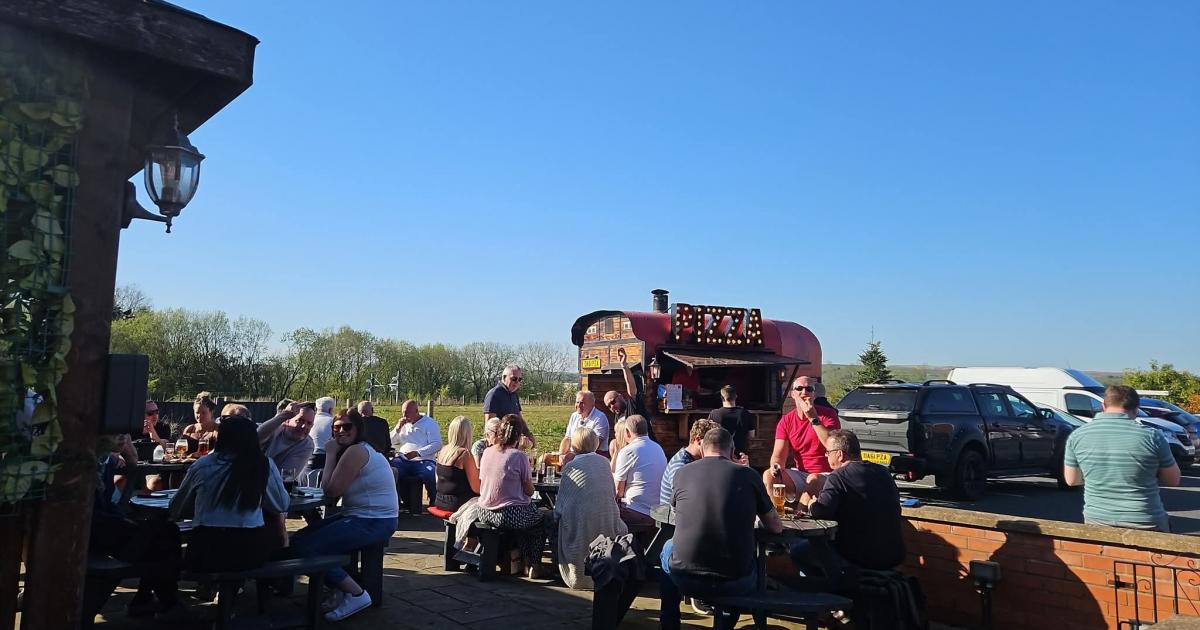
The Duke of Wellington in Chew Moor has launched regular Friday food events after shutting its kitchen before Christmas because it was no longer financially viable.

It’s soon to host a series of food truck events planned throughout June and beyond.

Inside the pub (Image: Sophie McGrath)

The pub has already hosted Dagi Pizza Van each last Friday of the past three months, and is now expanding the programme with a different food offering planned each week.

Sophie McGrath, landlady, said: “People wanted the food back.

Advertisement

“We are a community-based pub and everything we do is for them. It’s best when everyone is together, and food brings people together.”

The latest event will see SPUDDIES visit the pub from 5pm on this Friday [June 5] serving loaded jacket potatoes and shawarma wraps.

A book club. (Image: Sophie McGrath)

The food truck is the first of several planned throughout June as the pub increases the number and variety of visiting vendors.

Ms McGrath said: “People are really excited. They love the pizza guy that comes, he always sells out.”

Advertisement

Westhoughton High School’s reunion at the Duke. (Image: Sophie McGrath)

A barbecue is planned for June 12, while Dagi Pizza Van is due to return on June 19.

A Greek food vendor is also scheduled to visit on June 26 as part of the pub’s Foodie Fridays programme.

Ms McGrath said: “We shut the kitchen before Christmas because it wasn’t making enough money.

“But people wanted the food back, so we started getting food trucks on Fridays in the car park.”

Advertisement


Source link

Advertisement
Continue Reading

NewsBeat

BBC Sport: Introducing Shorts – the latest short-form video straight to your phone

Published

on

A collage showing five videos on the BBC Sport app and the new Shorts section

Shorts is, erm, short for short-form video. Not the shorts that footballers wear.

It’s the familiar format you’ll recognise from many social media platforms: full-screen, vertical and easy to scroll through.

It’s not just video highlights either. You’ll find a mix of breaking news, explainers, behind-the-scenes content, interviews, features and highlights from major sporting events.

Most importantly, it’s all sport.

Advertisement

No distractions. Just trusted, entertaining and informative sport videos from the teams covering the biggest stories across BBC Sport.

So whether you’ve got a spare 30 seconds or 30 minutes, you’ll have a place to catch up on the action, understand the stories behind the headlines and hear from the biggest names in your favourite sports.

Source link

Advertisement
Continue Reading

NewsBeat

All you need to know about Darlington food waste recycling changes

Published

on

Fears new County Durham bins could be 'rat attractors'

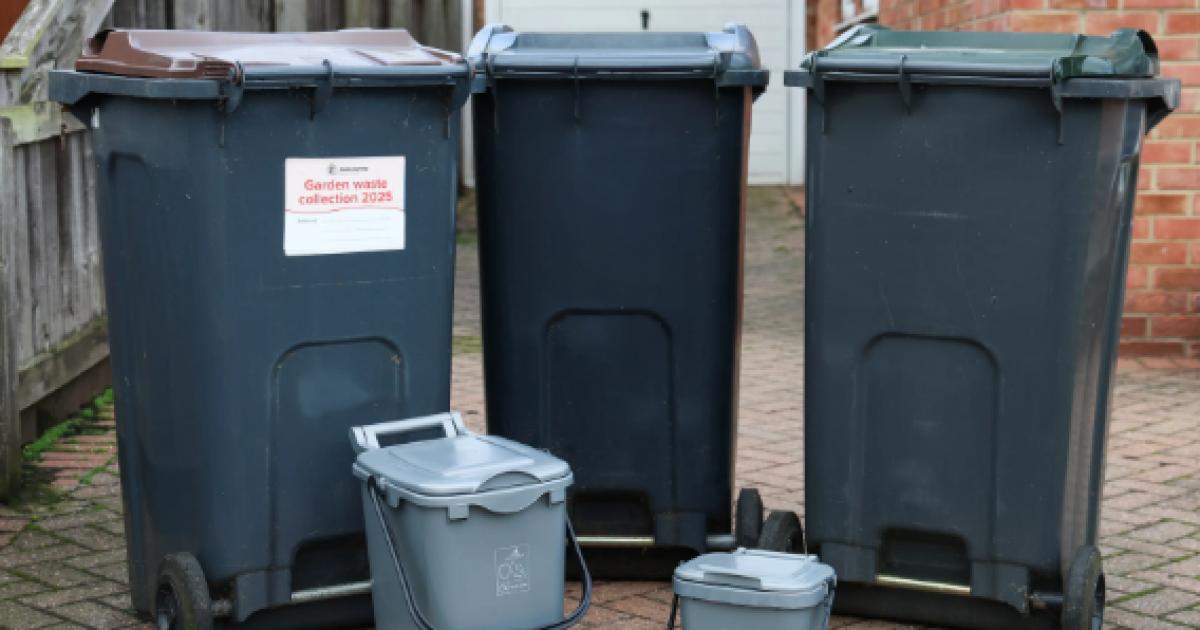
New weekly food waste and recycling schemes have been introduced for thousands of households across the borough. 

Bins, caddies and liners have been delivered ahead of the scheme starting on Tuesday (June 2).  

Residents will have received:

  • A kitchen caddy
  • An outside food waste bin
  • 52 biodegradable caddy liners – enough to last a year

If you live in a flat or other communal setting, you will have a caddy for your home and liners. There will be a larger communal bin to put your full caddy liners into. 

What you need to do:

  1. Put food waste, such as peelings, leftovers, out-of-date items (not in packaging), coffee grounds and tea bags, in the lined caddy
  2. When the caddy is full, tie the liner bag
  3. Put the tied liner in the outside food waste bin
  4. Put your food waste bin out for collection once a week, along with your general recycling bin

If you live in a flat or other communal setting, you need to put your full caddy liners into the communal food waste recycling bin provided.

Residents are asked to put food waste, such as peelings, leftovers, out-of-date items and tea bags, in the lined caddy and put it in the outside food waste bin. 

Advertisement

The food waste bin will be collected once a week along with the general recycling bin and green glass box.

General household waste will still be collected fortnightly.

An information pack explaining the new service, which includes details of specific recycling collection days, has also been distributed to households.  

If people haven’t received their bins yet, you should visit darlington.gov.uk/foodwaste or call 01325 405111. 

Advertisement

Community groups interested in learning more about the new scheme can contact the council’s engagement officer at recyclingdarlington@darlington.gov.uk

When is my collection?

You will be able to check your new collection day here. Your collection day is also included in the information pack delivered with your food waste bin and caddy. Put your bins out by 7am on the day of collection and bring them back in as soon as you can.

How often will food waste be collected?

Food waste, along with all other recycling, will be collected once a week. General rubbish will continue to be collected fortnightly.

Will the food in my bin smell?

It is less likely to smell if you regularly empty your kitchen caddy into the outside food waste recycling bin and tie up the liner. Your outdoor bin and caddy also have sealable lids, which will stop smells getting out better than most normal kitchen bins.

Advertisement

Will keeping food waste outside attract rats, cats and flies?

If the lid on the outdoor food waste bin is kept closed and sealed, it is unlikely to attract pests. The council is collecting food waste every week, so there won’t be large amounts of food waste outside homes.

My food waste bin or caddy has been lost or stolen, how do I get a replacement?

You can order a replacement bin or caddy online through our equipment requests form, which can be found on the refuse and recycling equipment page.

Replacement 23 litre bins cost £3.40 and replacement 5 litre bins cost £1.20.

Advertisement

Source link

Continue Reading

NewsBeat

E-scooter rider suffers life-changing injuries in major crash in Gorton

Published

on

Manchester Evening News

Police and paramedics raced to the scene after the scooter smashed into a car

An e-scooter rider suffered life-changing injuries in a major collision in Gorton. Police and paramedics raced to the scene on Mount Road on Sunday (May 31).

Advertisement

Witnesses reported seeing a number of ambulances and police vehicles in attendance. An air ambulance also reportedly landed nearby amid the response.

Emergency services were called at around 1pm after reports the e-scooter had crashed into a Ford Fiesta. The rider of the e-scooter was rushed to hospital from the scene.

Click here to get the biggest stories straight to your inbox in our Daily Newsletter

Officers from Greater Manchester Police are now appealing for information and any witnesses to come forward. A spokesperson for the force said: “Officers from our Roads Policing Unit are appealing for information and witnesses following an RTC on Mount Road in Gorton.

Advertisement

“It is believed that an e-scooter collided with a Ford Fiesta at the junction with Windsor Street on Sunday 31 May 2026 at around 1pm. The rider of the e-scooter suffered life-changing injuries.

“Anyone with any information or CCTV, mobile or dashcam footage is ask to contact us on 101 quoting log 1615 of 31/05/2026.”

Source link

Advertisement
Continue Reading

Trending

Copyright © 2025