







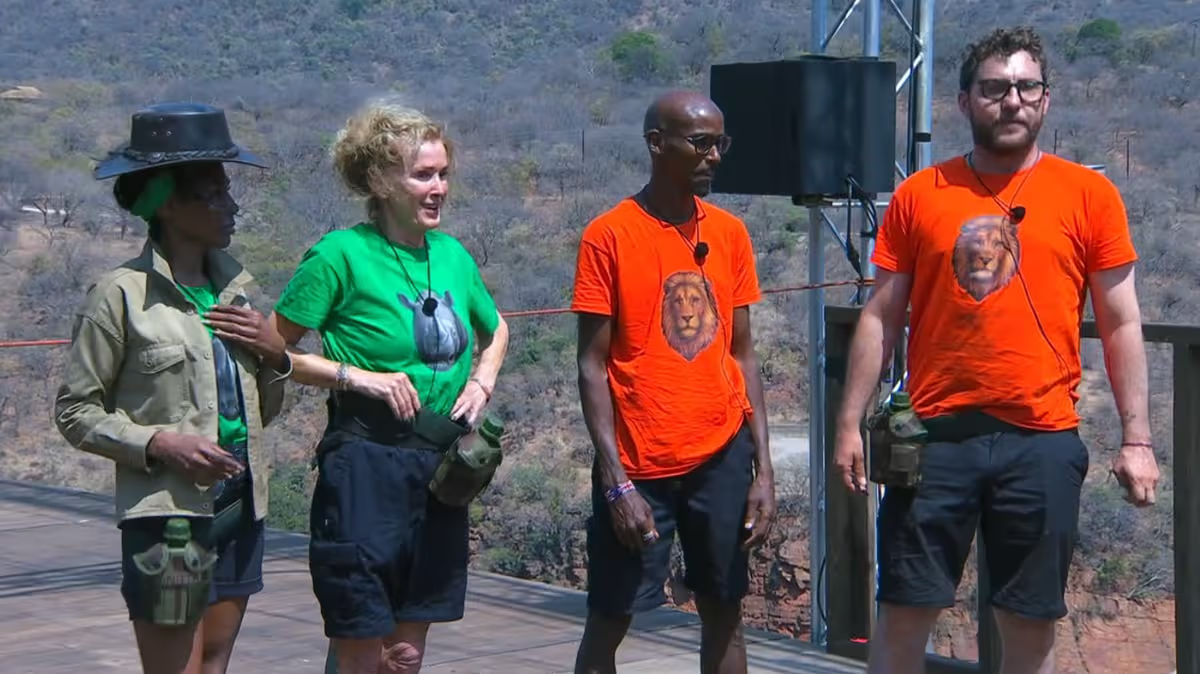
The I’m A Celebrity jungle has been split into two camps as the stars go head-to-head in trials and challenges
I’m A Celebrity South Africa viewers are convinced there is a feud brewing between two campmates after spotting a major clue.
Fans of the hit ITV reality show think Mo Farah was “gunning” for fellow campmate Sinitta after he continued to target her during the latest trail.
Last night the celebs were joined by two fresh famous faces as Harry Redknapp and Jimmy Bullard finally entered the jungle. Since their arrival, the camp has been split into two kingdoms as Harry becomes leader of The Lions and Jimmy looks after The Rhinos.
Over the next few days they will compete head-to-head in trials and challenges and only the winning kingdom will eat dinner. The losers will survive on rice and beans.
During Tuesday’s (April 14) episode, it was time for each camp to nominate two team members each to take on the Cut Throat Cliff trail.
READ MORE: Channel 5 Missed Call Katie star’s age in real life and she’s not a teenagerREAD MORE: Popular ITV thriller with Line Of Duty star ‘to return for third series’
Seann Walsh and Mo from team Lion went up against Beverley Callard and Sinitta as they attempted to win food for their camp.
The four celebs were left lost for words when they arrived at the Bushtucker Trial and presenters Ant and Dec are standing above a high cliff.
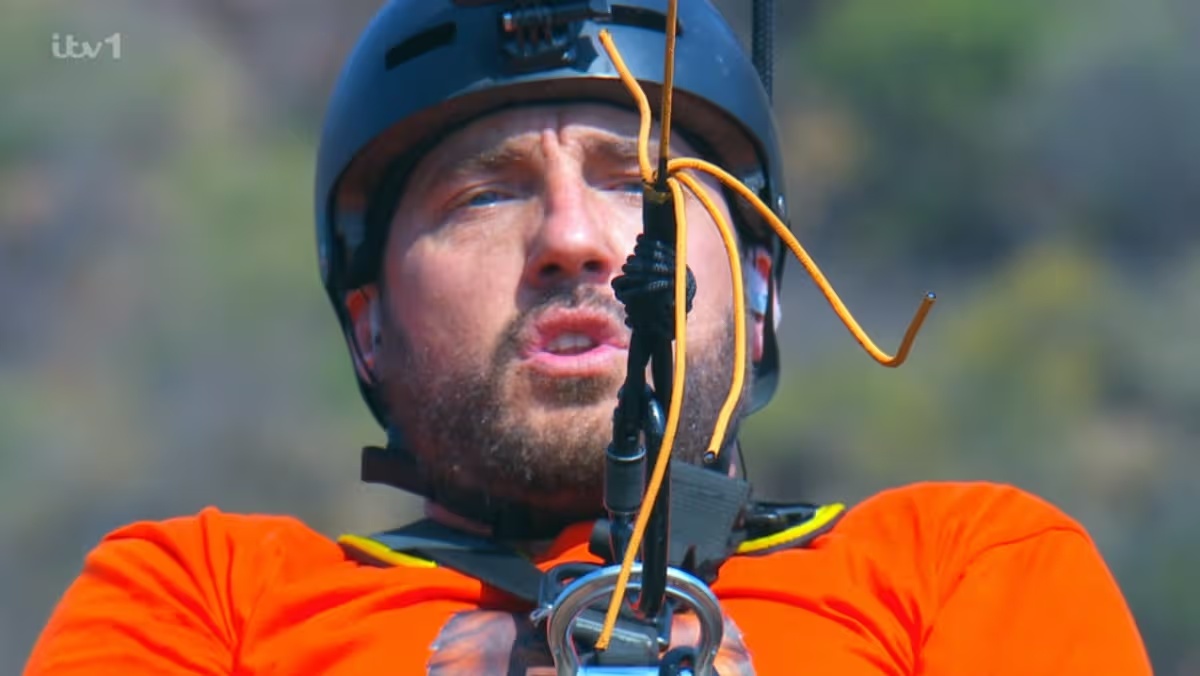
The celebrities were then told that to successfully complete the challenge, they have to lean over the cliff edge with only a rope holding them up.
Not only that but they had to answer general knowledge questions while being in the air. They have to buzz in to answer the question and if they are correct, they get to pick one of their opponents to cut one of their ropes.
If they get it wrong, they have to cut one of their own ropes and they play until there is just one celeb remaining.
However as they got stuck into the trial viewers watching at home were quick to call out Mo as they noticed that each time he could get his question wrong he would always choose Sinitta to cut one of her ropes.
Sharing their reaction on social media, one viewer wrote: “Mo is gunning for sinitta #ImACeleb.” Another echoed: “Mo got it in for Sinitta #ImACeleb.” A third commented: “Mo is determined for Sinitta to drop! #imaceleb.”
Meanwhile another fumed: “Are Mo and Seann not wanting Beverley to cut her rope because she’s the oldest? Are they forgetting Sinnita is in her 60s as well? #ImACeleb.”
In the end it was The Rhinos who came out on top as Beverley was the last celeb standing, meaning her camp would get the better meal.
I’m A Celebrity… South Africa airs weeknights at 9pm on ITV1 and ITVX.











































You must be logged in to post a comment Login