Connect with us
DAPA Banner

Tech

AI health tech is booming. The cures are not.

Published

on

The drug discovery revolution is real but radically overstated, the health chatbots are a documented hazard, and the diseases that matter most remain stubbornly unsolved.

At Novartis, sometime in late 2025, a team of researchers working on Huntington’s disease used generative AI to computationally design 15 million potential compounds for a type of molecule called a molecular glue degrader, one that could cross the blood-brain barrier and attack a protein implicated in the illness.

From those 15 million candidates, the team synthesised roughly 60 in the laboratory. They arrived at a promising scaffold now moving forward for further optimisation. Fifteen million possibilities narrowed to 60. It is, by any honest measure, an extraordinary feat of computational triage. It is also, by any honest measure, not a cure for Huntington’s disease.

That gap, between what AI can do in a laboratory and what it has actually delivered to patients, is the defining tension of health technology in 2026. The industry speaks in the language of revolution. The evidence speaks in the language of incremental, uncertain, and frequently disappointing progress. 

Advertisement

Somewhere between the two, more than 40 million people a day are typing their symptoms into ChatGPT, and patient safety organisations are warning that this might be the single most dangerous use of the technology in existence.

The 💜 of EU tech

The latest rumblings from the EU tech scene, a story from our wise ol’ founder Boris, and some questionable AI art. It’s free, every week, in your inbox. Sign up now!

The pitch for AI in drug discovery is seductive and, in its narrow terms, accurate. Traditional drug development takes 10 to 15 years and costs an average of $2.5 billion per successful compound, with approximately 90 per cent of candidates failing in clinical trials.

Advertisement

AI can compress early discovery timelines by 30 to 40 per cent and reduce preclinical candidate development from three to four years to as little as 13 to 18 months. Insilico Medicine brought an AI-discovered drug for idiopathic pulmonary fibrosis from target identification to Phase II trials in under 30 months, a process that traditionally takes six to eight years.

As of January 2024, at least 75 drugs or vaccines from AI-first biotechs had entered clinical trials, according to Boston Consulting Group.

These are real achievements. They are also achievements that stop well short of the finish line. As of December 2025, no AI-discovered drug has received FDA approval. Not one. The pharmaceutical industry’s 90 per cent clinical failure rate has not demonstrably improved.

Scientific commentary has noted that AI-discovered compounds appear to show progression rates similar to traditionally discovered ones, meaning the technology is getting us to the starting gate faster without improving our odds of crossing it.

Advertisement

Dr Raminderpal Singh, writing in Drug Target Review in February 2026, offered a summary that should be required reading for anyone tempted to confuse acceleration with transformation: the most important question for this year, he argued, is not whether AI can speed up preclinical timelines (it can) but whether it can improve clinical success rates.

Until Phase III data and regulatory approvals answer that question, the pharmaceutical industry’s cautious approach to AI investment appears, in his words, “entirely justified.” One unnamed CEO was blunter: “AI has really let us all down in the last decade when it comes to drug discovery. We’ve just seen failure after failure.”

There is a reason no amount of computation has cured Alzheimer’s, or pancreatic cancer, or ALS, or Huntington’s, or any of the diseases that continue to kill people while AI companies raise billions. The reason is not a lack of processing power. It is that human biology is irreducibly complex. Diseases with poorly understood mechanisms do not become well understood simply because you can screen millions of compounds faster.

The blockage was never the speed of molecular screening. It was, and remains, our fundamental ignorance of how these diseases work at the cellular level, how animal models fail to predict human outcomes, and how clinical trials must unfold over years to determine whether a compound is safe and effective in a living body.

Advertisement

AI cannot bypass biology. It cannot shorten a five-year clinical trial to five months. It cannot make a patient’s immune system behave like a predictive model. Novartis, to its credit, acknowledged this plainly at the World Economic Forum in January 2026: human biology remains deeply complex, translating research into clinical studies takes time, and for many diseases, long and rigorous trials are still needed. AI, the company said, is not a magic wand. It is a tool for navigating complexity more intelligently.

That is a defensible claim. It is also a profoundly different one from the narrative that Sam Altman floated when he mused that one day we might simply ask ChatGPT to cure cancer.

If AI’s performance in drug discovery is a story of genuine but overstated progress, its performance as a health assistant is something closer to a cautionary tale.

In January 2026, the patient safety organisation ECRI ranked the misuse of AI chatbots in healthcare as the number one health technology hazard for the year. The tools, ECRI noted, are not regulated as medical devices, not validated for clinical use, and increasingly relied upon by patients, clinicians, and healthcare staff.

Advertisement

ECRI documented cases in which chatbots suggested incorrect diagnoses, recommended unnecessary testing, promoted substandard medical supplies, and, in at least one instance, invented a body part. More than 40 million people turn to ChatGPT daily for health information, according to OpenAI’s own analysis. A quarter of its 800 million regular users ask healthcare questions every week.

The most rigorous test of whether this actually helps anyone came in February 2026, when researchers at the University of Oxford published a randomised controlled study of 1,298 participants in Nature Medicine. The results were sobering. When tested alone on medical scenarios, the LLMs performed impressively, correctly identifying conditions in 94.9 per cent of cases.

When real people used the same models to assess their own symptoms, performance collapsed: participants identified relevant conditions in fewer than 34.5 per cent of cases and chose the correct course of action in fewer than 44.2 per cent. These results were no better than the control group, which used traditional resources like web searches and their own judgement.

The study’s lead medical practitioner, Dr Rebecca Payne of Oxford’s Nuffield Department of Primary Care, was direct. “Despite all the hype,” she said, “AI just isn’t ready to take on the role of the physician.”

Advertisement

The problem, she explained, is that medicine is not a knowledge retrieval exercise. It is a conversation. Doctors probe, clarify, check understanding, and guide, actively eliciting information that patients often do not know is relevant. The chatbots do not do this.

They respond to whatever the user types, and users, understandably, do not know what to type. The result is a two-way communication breakdown in which the model sounds authoritative and the patient walks away with a mix of good and dangerous advice they cannot tell apart.

The mental health space is arguably worse. The American Psychological Association issued a health advisory noting that generative AI chatbots were not created to deliver mental health care and wellness apps were not designed to treat psychological disorders, yet both are being used for exactly those purposes.

Stanford researchers found that therapy chatbots exhibited measurable stigma toward conditions like alcohol dependence and schizophrenia, and that this stigma persisted across newer and larger models. The default industry response, that the problems will improve with more data, was not supported by the evidence.

Advertisement

None of this means AI is useless in healthcare. That would be as dishonest as the hype in the opposite direction. AI-powered imaging tools are improving early detection of certain cancers. Administrative applications, transcribing consultations, generating referral letters, summarising patient records, are saving clinicians genuine time.

Drug discovery, despite its failure to produce an approved drug, is becoming faster and more computationally sophisticated in its early stages. These are real contributions. They are also, notably, contributions that fall into the category of assistance rather than intelligence: the technology is at its best when it is doing clerical work, not clinical reasoning.

Dr Payne framed it with a precision that the industry would do well to adopt. The proper role for LLMs in healthcare, she said, is as “secretary, not physician.” That single sentence captures something the billions in investment have not: a realistic assessment of where these tools actually belong.

Alzheimer’s is expected to affect 78 million people worldwide by 2030. Parkinson’s, according to a 2025 BMJ study, is projected to reach 25 million by 2050. Pancreatic cancer’s five-year survival rate has barely moved in decades.

Advertisement

These are the diseases that AI was supposed to be our best hope for cracking.

Instead, three years into the generative AI era, the most visible health application of the technology is 40 million people a day asking a chatbot whether their headache means something serious, and a patient safety organisation telling them to be very, very careful about the answer.

Source link

Advertisement
Continue Reading
Click to comment

You must be logged in to post a comment Login

Leave a Reply

Tech

Sony Raised PS5 Console Prices, and the PlayStation Portal Handheld Stepped Up

Published

on

Sony PS5 Console Price Increase PlayStation Portal
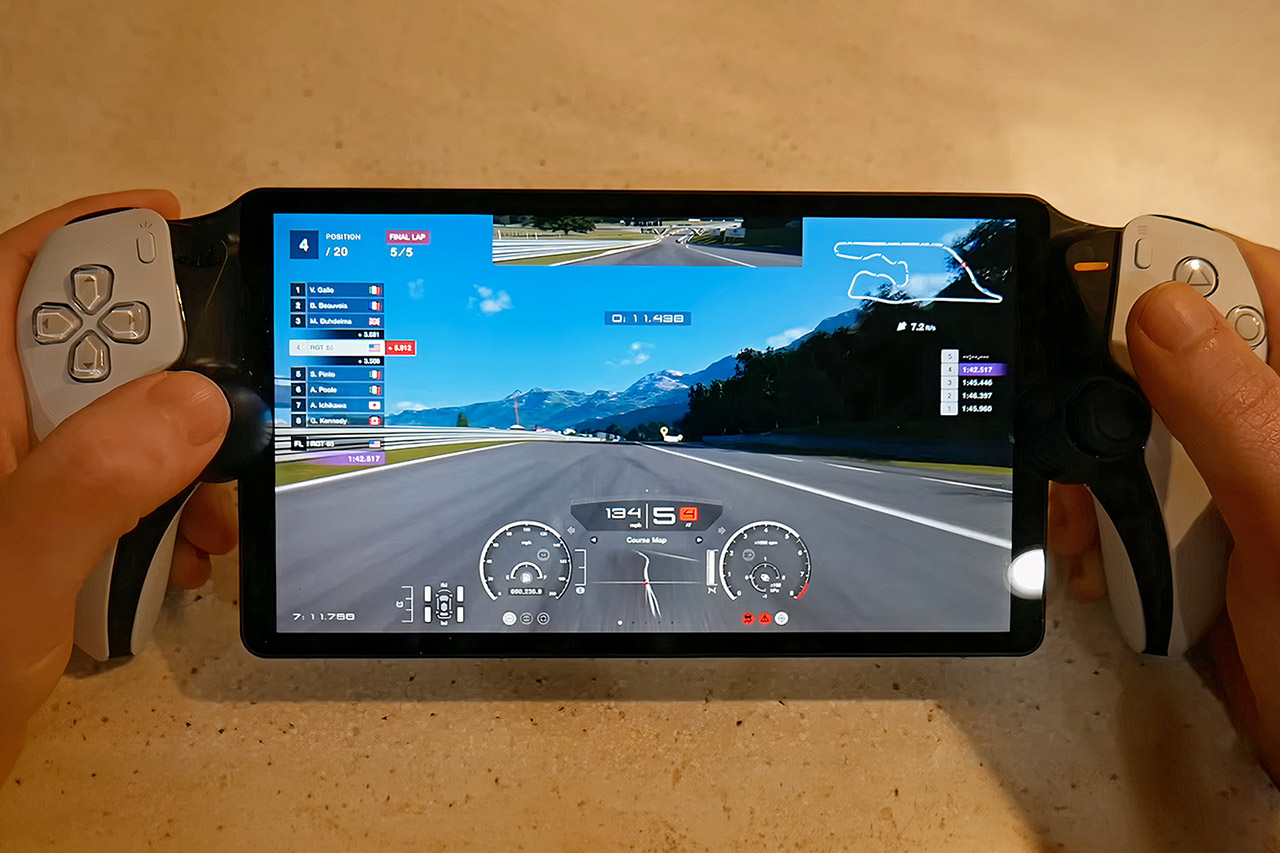
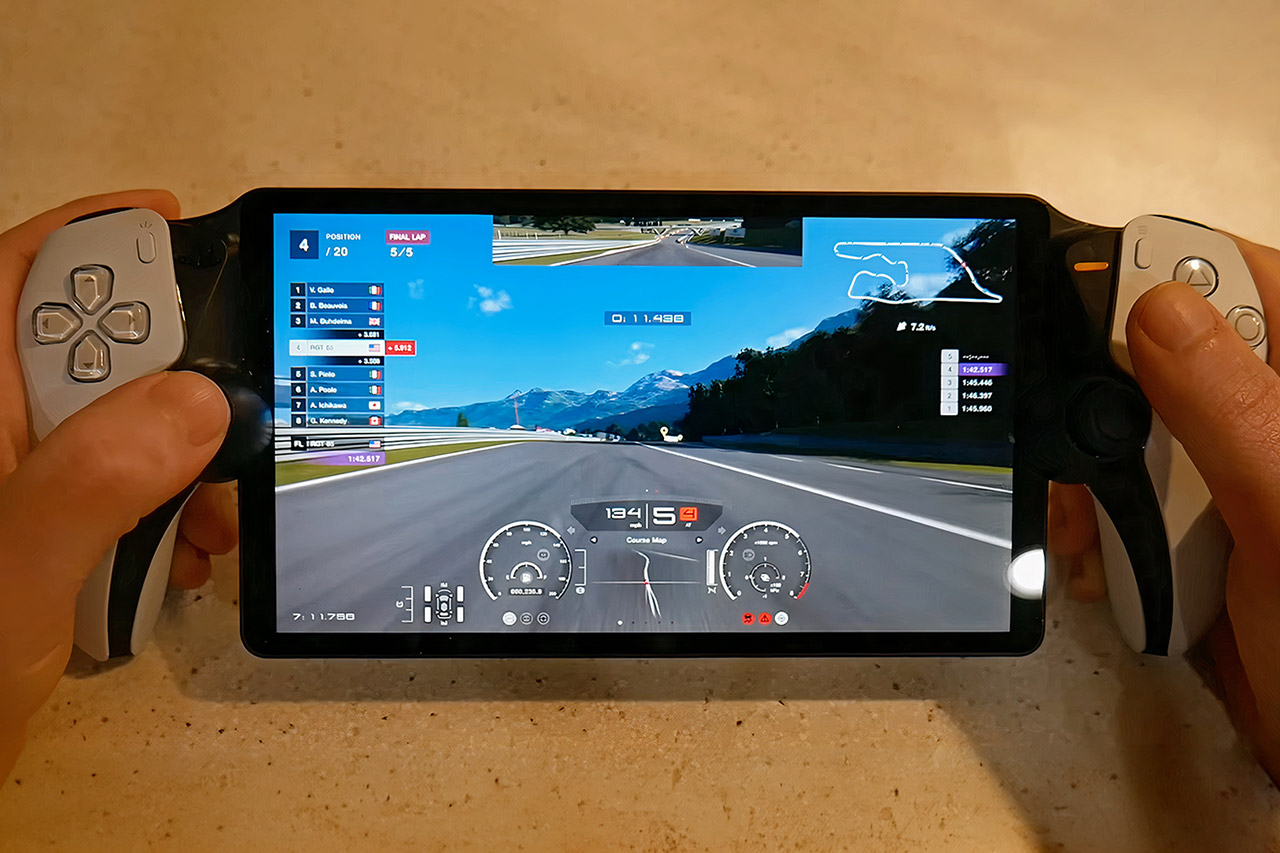
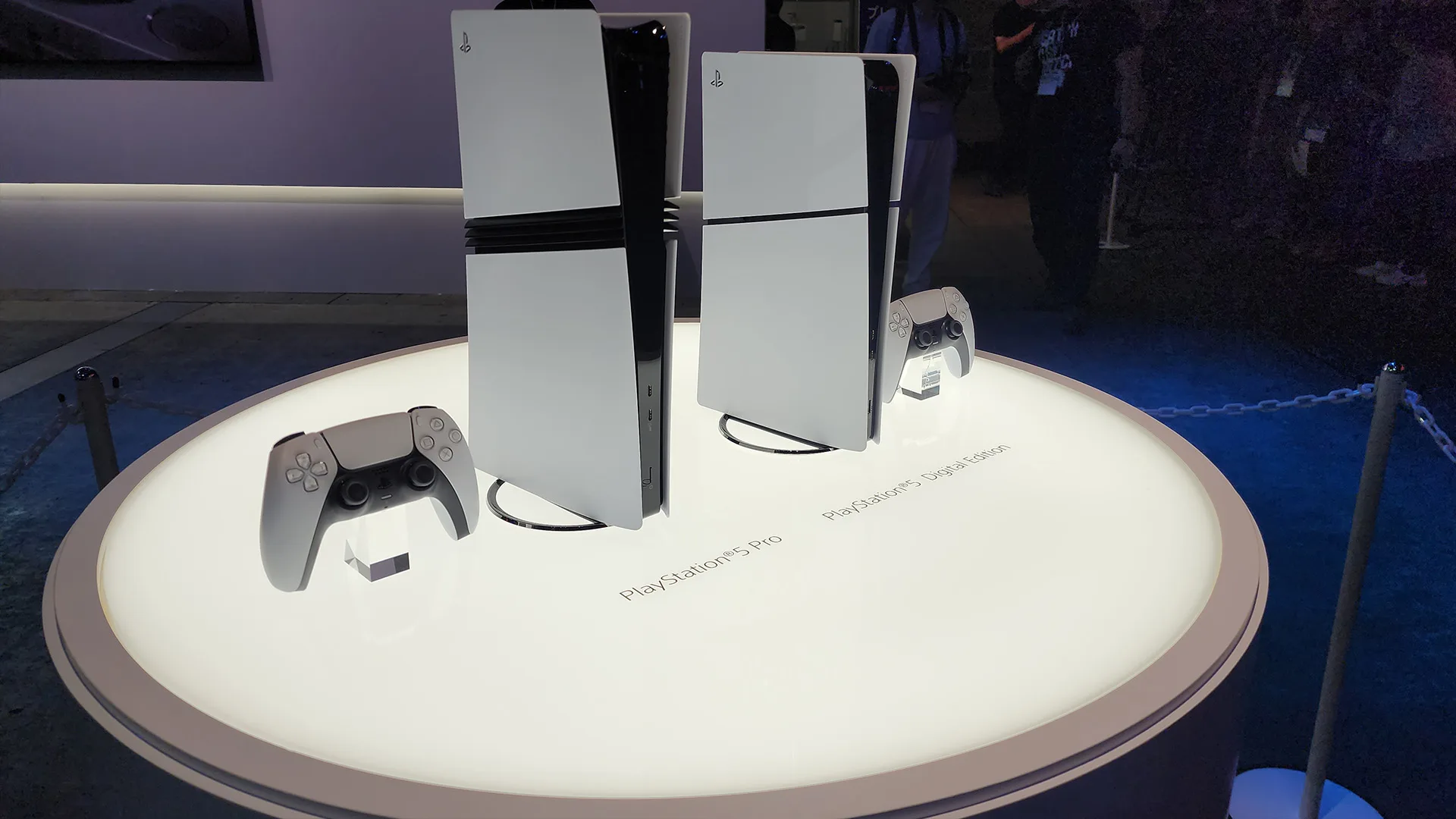
On April 2, Sony increased the price of all of its PlayStation 5 consoles. The standard disc edition now costs $650, the digital edition up to $600, and the Pro model is a hefty $900. However, when you take a step back and look closely at the PlayStation Portal, things begin to make a lot more sense.


It debuted in 2023 as a way to stream games from your PS5 to your TV, but you required your enormous PS5 connected in and nearby, which didn’t work out too well. If you were on the run or sharing a living space with others, it was a big pain, but that changed in November 2025 when Sony released a huge software upgrade. If you have the right PlayStation Plus Premium subscription, you may stream over 600 titles directly to your Portal, without the need for a PS5 or local consoles. The variety is also amazing, with recent PS5 releases and several older PS4 successes available in full 1080p and 60 frames per second as long as your internet connection is stable.


PlayStation 5 Portal Remote Player
  • Play Your Game Collection with Remote Play – PlayStation Portal Remote Player can play compatible games you have installed on your PS5 console…
  • Cloud Streaming from the Game Catalog and Classics Catalog – Discover an awesome library of PS5 games on the PlayStation Portal Remote Player with…
  • Cloud Streaming for PS5 Games in Your Library – With PlayStation Plus Premium, stream select digital PS5 games in Your Library from PlayStation Store…

The Portal is no longer just a stylish accessory. Throw in the $250 price tag and the $160 yearly Premium subscription, and you’re still considerably below the price of a new $650 PlayStation 5. Heck, you’ll save a few hundred bucks right away, and that’s only the beginning, especially because you won’t have to pay for extra controllers or a separate TV setup.


Sony is blaming the PS5 price increase on a global economic squeeze and memory chip shortages, and to be fair, this has been going on for a long. The Portal avoids these issues entirely because it does not require the same amount of hardware because the actual graphics-heavy stuff is handled by the cloud server. On the other hand, you avoid all of the supply chain issues and rising production costs that are driving price increases in traditional consumer products.

Advertisement

After some hands-on time with the Portal, you’ll agree that it feels just how you’d expect. The portable features an 8-inch LCD screen sandwiched between two classic controller halves, as well as adjustable triggers and haptic feedback. The built-in speakers are also rather powerful, producing superb spatial music that allows you to avoid using headphones for shorter play durations. With a battery life of about two hours on a single charge, it’s perfect for lazing on the couch.


Plus, the user interface has seen significant improvements since early 2026. Your buddy invites and trophy celebrations appear in the corner of the screen without pulling you out of the game. You simply scan a fast QR code, and new accounts are created in a flash.

Source link

Advertisement
Continue Reading

Tech

Quordle hints and answers for Sunday, April 12 (game #1539)

Published

on

Looking for a different day?

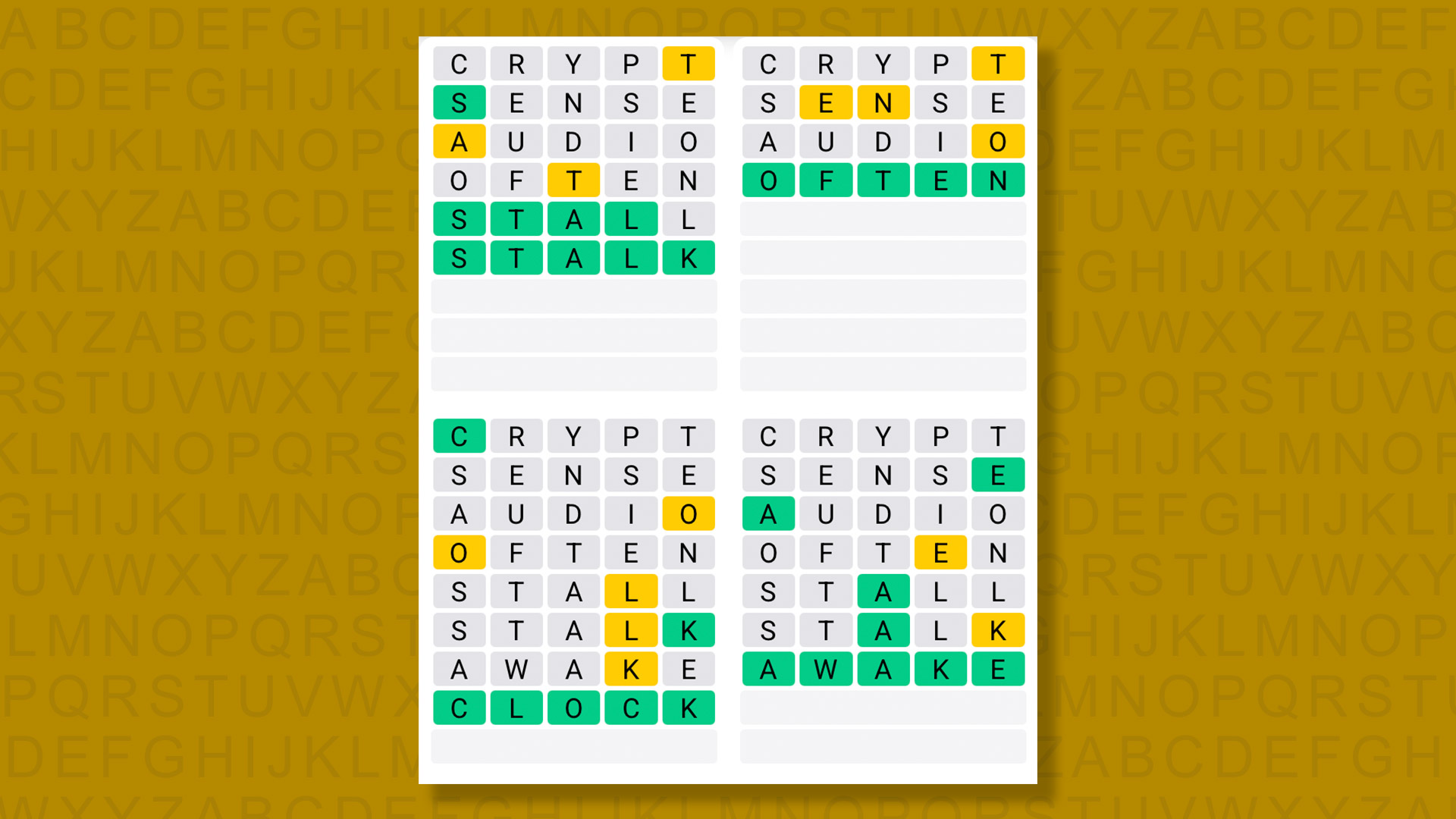
A new Quordle puzzle appears at midnight each day for your time zone – which means that some people are always playing ‘today’s game’ while others are playing ‘yesterday’s’. If you’re looking for Saturday’s puzzle instead then click here: Quordle hints and answers for Saturday, April 11 (game #1538).

Quordle was one of the original Wordle alternatives and is still going strong now more than 1,500 games later. It offers a genuine challenge, though, so read on if you need some Quordle hints today – or scroll down further for the answers.

Advertisement

Source link

Advertisement
Continue Reading

Tech

NYT Strands hints and answers for Sunday, April 12 (game #770)

Published

on

Looking for a different day?

A new NYT Strands puzzle appears at midnight each day for your time zone – which means that some people are always playing ‘today’s game’ while others are playing ‘yesterday’s’. If you’re looking for Saturday’s puzzle instead then click here: NYT Strands hints and answers for Saturday, April 11 (game #769).

Strands is the NYT’s latest word game after the likes of Wordle, Spelling Bee and Connections – and it’s great fun. It can be difficult, though, so read on for my Strands hints.

Advertisement

Source link

Advertisement
Continue Reading

Tech

Why the Ring Indoor Cam Plus Turns Everyday Home Checks Into Something You Actually Look Forward To with Retinal 2K

Published

on

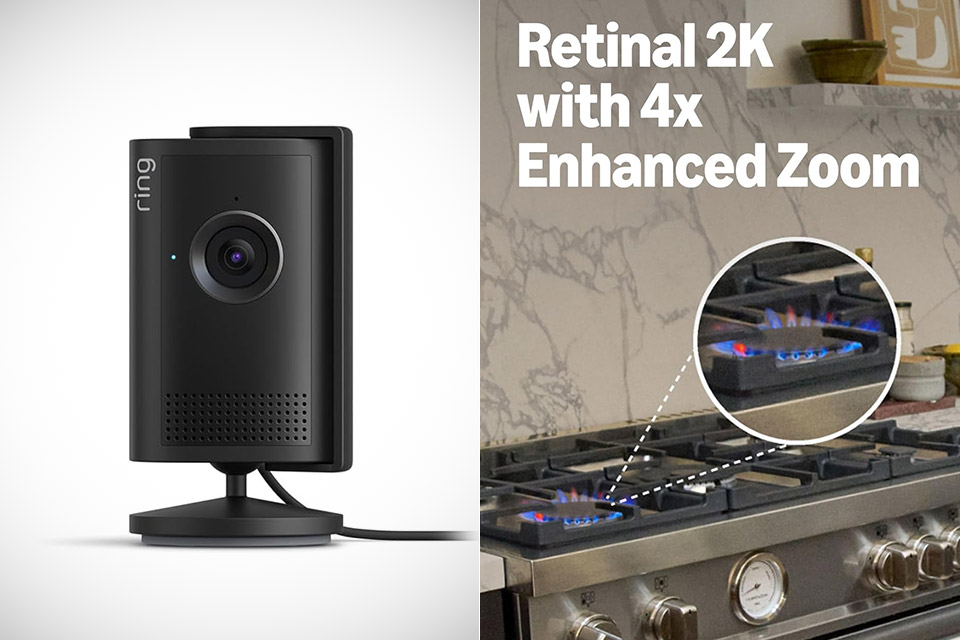
Ring Indoor Cam Plus Newest Model 2K
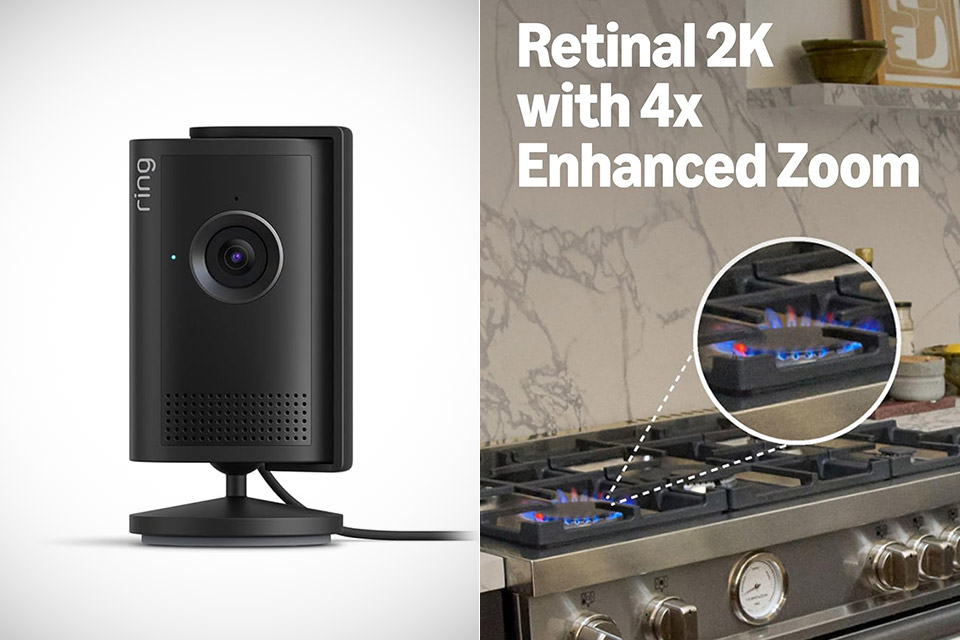
Home security gets a quiet boost when the details are clear regardless of time of day or lighting conditions. The newest Ring Indoor Cam Plus, priced at $35 (was $60), delivers on that promise with its Retinal 2K resolution, allowing you to see a misplaced key on the kitchen counter or a sleeping pet in the corner without having to squint at blurry corners.


Clarity like that goes much beyond simply capturing a great photo. You can place one in the doorway to record the precise moment a delivery arrives, then zoom in several times to read the label on the box. You could put another one in the living room to see if the kids finished their homework or if the poor old dog tripped over a plant again, and all of that detail appears in bright, vivid color during the day and remains the same when the evening comes around.

The Low-Light Sight function dramatically improves nighttime monitoring. A hallway lit just by a distant nightlight nevertheless displays good and realistic colors on screen, while complete darkness provides clear black and white detail that cuts right through the shadows. Homeowners no longer have to question if a noise was made by the cat or something else because the feed distinguishes between the two right away.


Having many cameras throughout the house provides a more complete image of what’s going on. You can place one in the nursery and look at a sleeping infant from the sofa or the store. Another one near the back door allows you to keep track on who is arriving and exiting without constantly checking. The flexible mount allows you to place it on a shelf, on the wall, or even on the ceiling, allowing you to set it anywhere you need it and then move it to a different location as your needs change.


Real-time alerts appear on your phone as soon as motion passes a preset zone. You can configure those zones to ignore the hallway fan except when it is near the safe or medicine cabinet. Two-way audio is also useful because it provides good voice on both ends, allowing you to remind the adolescent to lock up or simply say hello to a neighbour who has stopped by. Of course, there are simple privacy controls, both in the app and on the camera itself. Simply slide the removable lens cover over to conceal the view and turn off the microphone when the room must remain off-limits. You can also utilize custom zones to black out critical areas, such as your home office desk or a restroom doorway, so that the camera only monitors what is truly vital.

Advertisement

Ring Indoor cam Plus Newest Model 2K
Getting everything up and running takes only a minute or two, and all you need is a standard power outlet and the Ring app on your phone. Views load quickly, and the system continues to grow as more cameras are added to cover new locations. People who start with one frequently add a second or third because the ease simply builds up, as each new camera fills another gap without generating any more difficulty.

Source link

Continue Reading

Tech

How to watch Euphoria season 3

Published

on

After a painful four-year wait for fans, Euphoria returns this Sunday and we can finally find out what Rue, Cassie, Nate and the rest have been up to since we last caught up with them. Viewers can tune into Euphoria season 3 on HBO in the US, with episodes streaming online through HBO Max in countries where the platform is available. Read on for how to watch Euphoria S3 online from anywhere with a VPN.

Just like in real life, half a decade has passed in the lives of Euphoria’s main characters since season 2’s climax – which leaves some catching up to do. High School may be a distant memory, but Rue (Zendaya) still seems to be haunted by her drug-afflicted past. Cassie (Sydney Sweeney) and Nate (Jacob Elordi) have been married in the intervening years, but the S3 trailer (watch below) suggests the honeymoon period may be long gone. While Lexi (Maude Apatow) is trying to get a foothold in the TV industry and Jules (Hunter Schafer) is making her way at art school.

Source link

Continue Reading

Tech

PlayStation6 might not deliver a price shock, but don’t bite too much into the feel-good murmurs

Published

on

Fresh reports suggest that the next-generation PlayStation console, widely expected to be the successor to the PlayStation 5, may not be as expensive as previously feared. Despite ongoing concerns around rising memory and component costs, early estimates indicate that the PlayStation 6 could launch at a price closer to current PS5 levels rather than crossing the $1,000 mark.

Pricing Expectations Remain Lower Than Worst-Case Fears

According to recent analysis based on supply chain estimates and leaks from a known insider Moore’s Law Is Dead, the PS6 could carry a launch price of around $749.

The report suggests that manufacturing costs for the console may reach roughly $743 per unit, with memory alone accounting for a significant portion of that expense. In fact, around $300 of the cost could come from RAM, while storage components like SSDs also remain expensive.

Even with these pressures, the projected retail price is still relatively close to the PS5’s positioning, especially compared to earlier fears that the next-gen console could exceed $1,000.

Rising Memory And Chip Costs Continue To Pressure Pricing

The biggest uncertainty around PS6 pricing remains the global memory and chip market. Over the past year, demand for AI infrastructure has driven up the cost of RAM and storage components significantly.

Advertisement

Reports indicate that DRAM and SSD prices have surged due to increased demand from data centers and AI companies, limiting supply for consumer electronics.

In some cases, RAM prices have risen dramatically, with certain components seeing multiple-fold increases.

This trend has already impacted current-generation consoles. Sony recently increased PS5 prices globally, citing rising component costs, signaling how deeply supply chain volatility is affecting the gaming industry.

Why The Price Still Might Stay Controlled

Despite these challenges, analysts believe the PS6 may avoid extreme pricing due to a combination of factors.

Advertisement

First, companies like Sony are likely to optimize component choices and production efficiency over time. There is also an expectation that some component prices, particularly memory, could stabilize before the PS6 launches, which is currently rumored for 2027 or later.

Additionally, tariffs and geopolitical factors play a major role. Estimates show that import duties alone could push the console price closer to $900 or more, depending on market conditions at launch.

However, if these external pressures ease, the final retail price could remain within a more consumer-friendly range.

What This Means For Gamers

For gamers, the takeaway is cautiously optimistic. While next-generation hardware is expected to become more expensive due to advanced components and AI-driven features, the PS6 may still remain within a familiar pricing bracket.

Advertisement

That said, the volatility of the supply chain means nothing is guaranteed. Pricing could shift significantly depending on memory costs, tariffs, and global demand closer to launch.

What Comes Next

Sony has yet to officially reveal any details about the PlayStation 6, and a launch is still several years away. Reports suggest the company may delay announcements until market conditions stabilize, particularly around memory supply and pricing.

In the meantime, the industry continues to grapple with rising costs and supply chain uncertainty. As AI demand grows and chip shortages persist, the next few years will likely play a crucial role in determining not just the PS6’s price, but the future affordability of gaming hardware as a whole.

Source link

Advertisement
Continue Reading

Tech

Nerf Arena Blast from 1999 Refuses to Quit Even Today, Here’s Why

Published

on

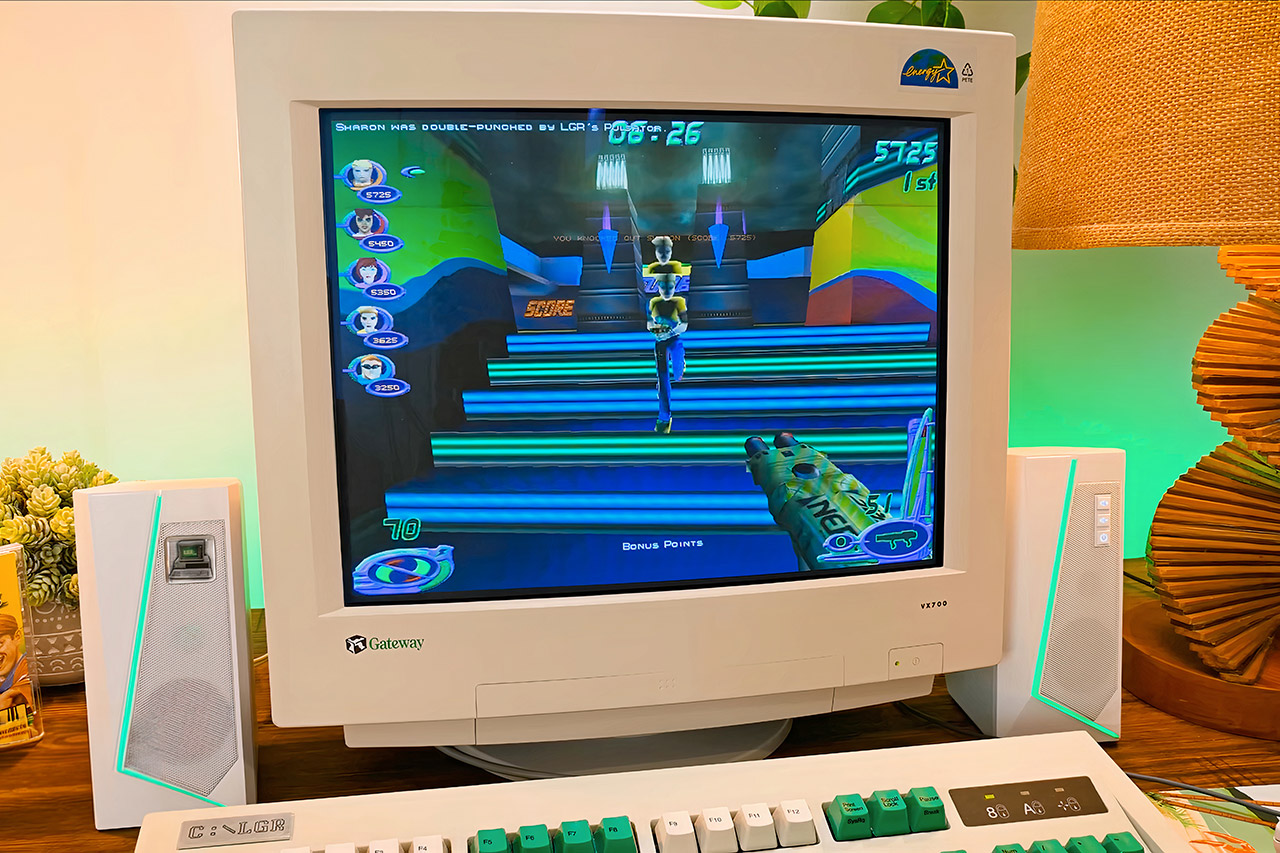
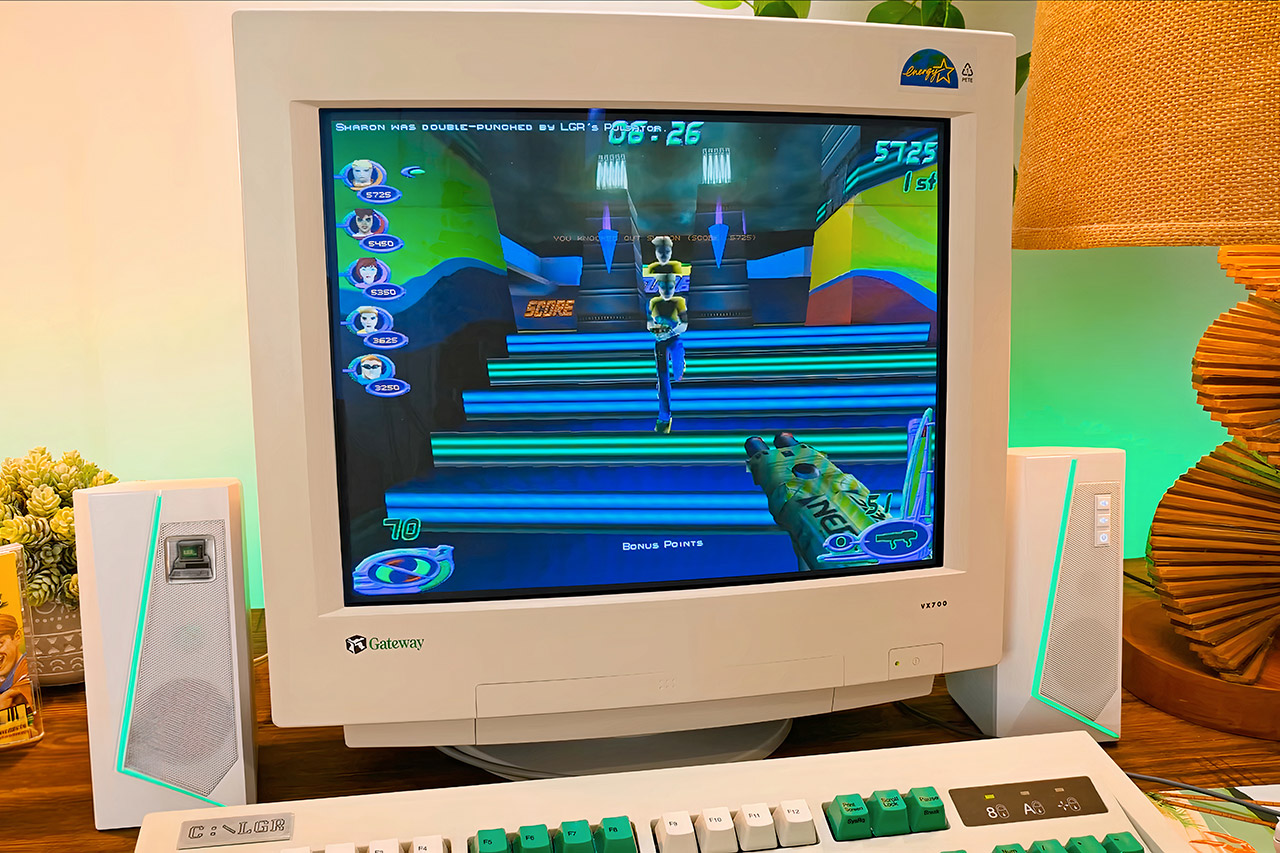
Nerf Arena Blast 1999 Game
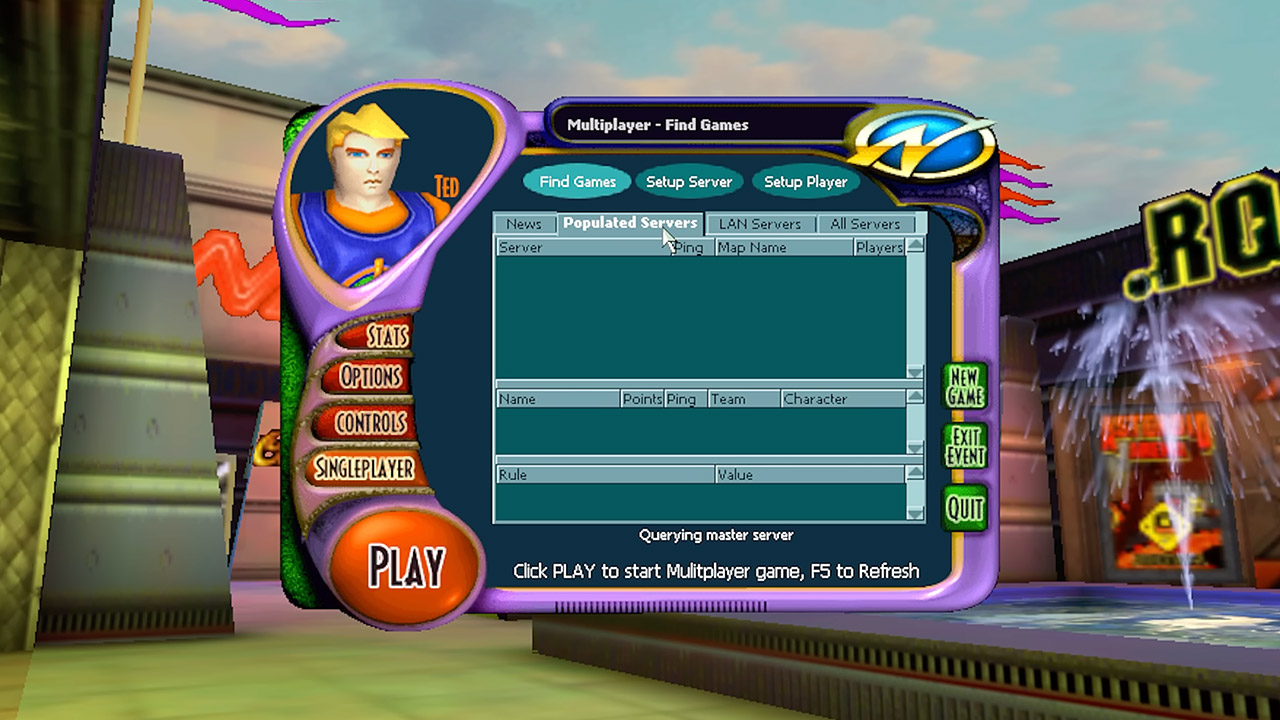
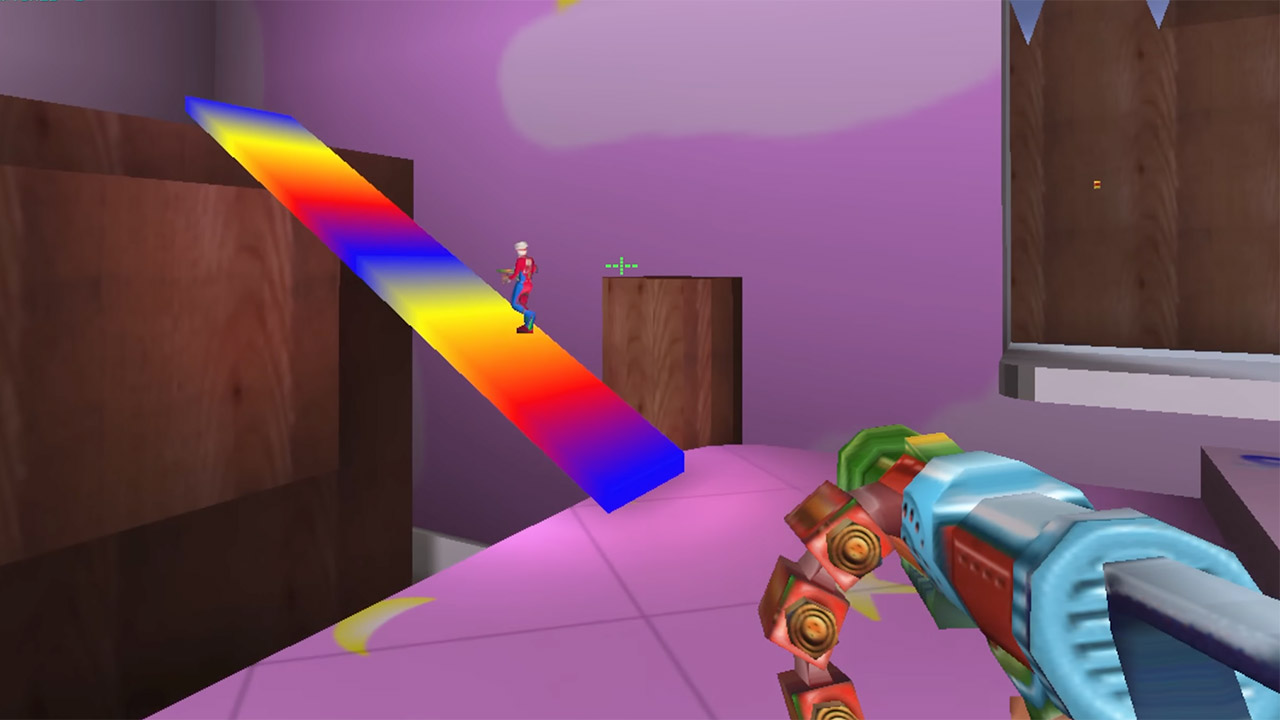
Jumping back into Nerf Arena Blast today provides the same adrenaline that captivated players all those years ago in 1999. People are still loading patched versions of the game onto their modern machines and connecting to active servers, where matches are quickly filling up. This game has always managed to transform what would otherwise be a bunch of kids playing with foam darts into full-fledged digital competition that still feels new 27 years later.


The guys at Visionary Media did an excellent job designing the game around Nerf gear. Every blaster in the game is an exact replica of the one you can purchase at the store. The Wildfire, for example, can just spit out darts in fast bursts, whereas the Ballzooka releases these clusters that spread all over the place when they impact, and because ammo is limited, you can bet your bottom dollar that whoever runs out will be left hanging out to dry. Throwing in some secondary fire modes, such as tighter spreads or faster reload times, adds another layer of strategy to each of those Nerf guns, so practice pays off.

Sale


ASUS ROG Xbox Ally – 7” 1080p 120Hz Touchscreen Gaming Handheld, 3-month Xbox Game Pass Premium…
  • XBOX EXPERIENCE BROUGHT TO LIFE BY ROG The Xbox gaming legacy meets ROG’s decades of premium hardware design in the ROG Xbox Ally. Boot straight into…
  • XBOX GAME BAR INTEGRATION Launch Game Bar with a tap of the Xbox button or play your favorite titles natively from platforms like Xbox Game Pass…
  • ALL YOUR GAMES, ALL YOUR PROGRESS Powered by Windows 11, the ROG Xbox Ally gives you access to your full library of PC games from Xbox and other game…

Instead of simply racing around and gunning like most other arena games, Nerf Arena Blast offers three separate events to pick from. PointBlast is all about scoring hits on both your opponents and stationary targets, as well as collecting bonus tokens that appear when someone is tagged out. SpeedBlast is all about racing through colored flags in the correct order, and if you get tagged out, you get a free pass to reset your progress to the last checkpoint. Then there’s BallBlast, in which 7 random colors are scattered all over the map and players must run around grabbing these balls and shooting them into the goals, but the golden ball is the real game changer. These formats make every second of gameplay worthwhile since points matter far more than simply knocking someone out.

Advertisement


As you go through the single-player campaign, new arenas will unlock in phases. Early levels involve winding through tight passages and water slides inside the Amateur Arena, but later levels take you to forest platforms in Sequoia or zero-gravity chambers on an orbital station. There are power-ups everywhere to give you a momentary speed boost or a shield that renders you nearly invulnerable for a short period of time, and you’ll be relieved to hear that health pickups only go up to 200 points, putting your survival skills to the test.

Nerf Arena Blast 1999 Game
The Multiplayer modes, however, are what keep Nerf Arena Blast going. Local splitscreen now works out of the box, but fan-hosted servers bring strangers together for intense team battles on dozens of custom maps created by community members. Who could have predicted that one of the fans would add capture-the-flag to the game back then? Hundreds of custom venues and game adjustments are now included in a single small community patch that simply bundles all of the repairs and improves compatibility. As it is now officially abandonware, anyone can download the original files and begin playing without the need for any old disks.

Nerf Arena Blast 1999 Game
The game’s scoring system is also designed to promote some innovation. Tag someone out, and the points go to whoever finishes them off, keeping everyone in the fight until the end, and double-damage pickups are the best, since they glow orange until someone whacks the holder, after which the effect is passed on to the next person to grab it. These minor touches keep games going in a continual push-pull, with no one giving up.

Source link

Advertisement
Continue Reading

Tech

This could be the phone-sized Kindle alternative we’ve been waiting for

Published

on

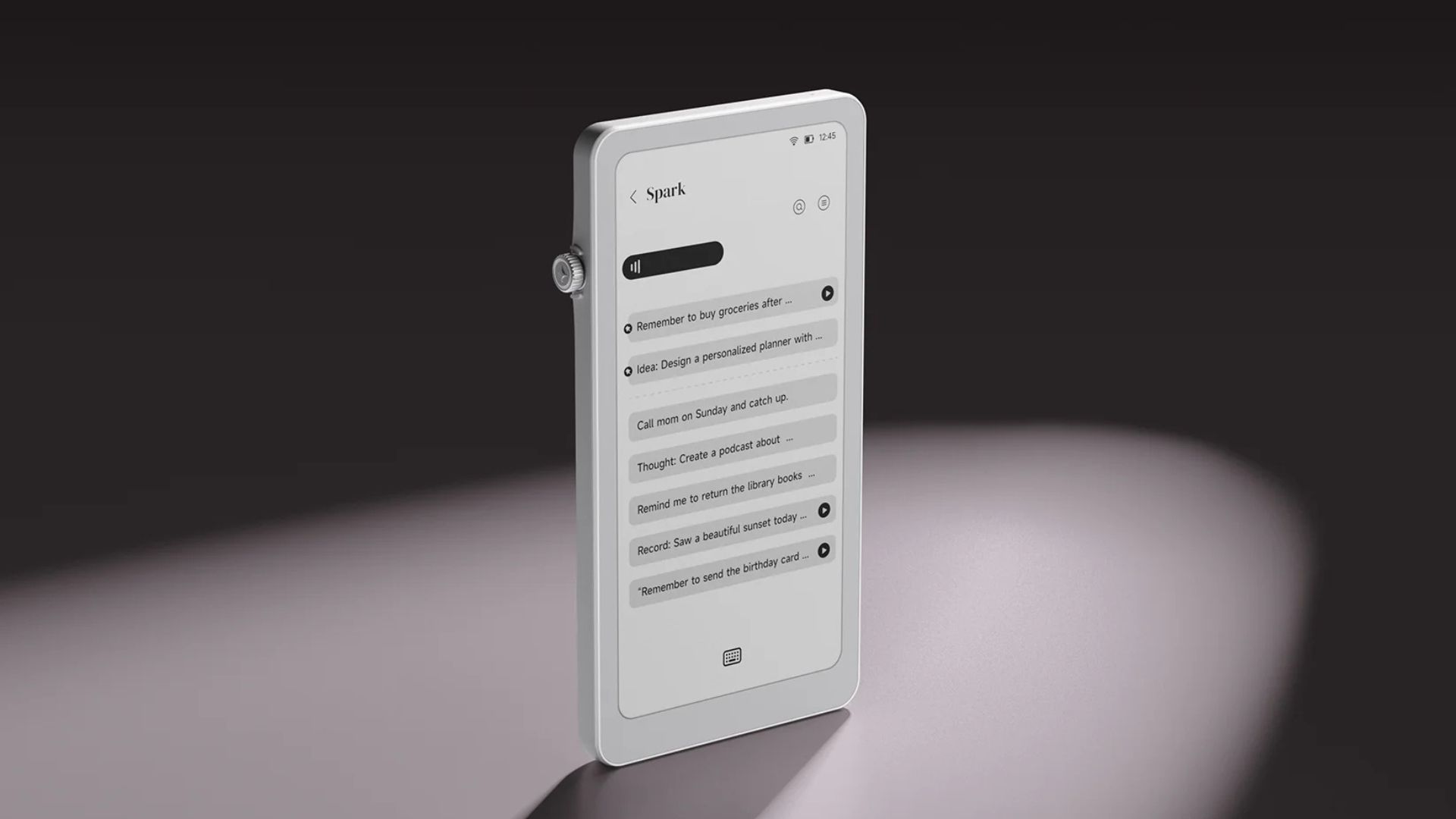
Durobo’s compact Krono e-note is finally available after a short delay. It brings a slightly different take on the e-reader formula, going head-to-head with the popular Boox Palma.

Priced at $279.99, the device combines a 6.13-inch e-ink display, Android 15, and a physical smart dial designed to streamline everyday tasks.

At its core, the Krono is still built for reading. However, it leans into versatility more than most devices in this category. It runs Android 15 with full access to the Google Play Store. This means users can install everything from e-book platforms to music streaming apps. That gives it a broader use case than a typical Kindle-style reader. Still, it stops short of replacing a smartphone.

The display uses an E Ink Carta 1200 panel with 300 PPI, paired with a front light for reading in low-light conditions. The standout feature, though, is the Smart Dial on the side. It can be used to adjust brightness on the fly. Additionally, with a press, it can trigger shortcuts like recording voice memos or launching the built-in AI assistant.

Advertisement

Advertisement

Beneath the surface, Krono runs on an octa-core processor with 6GB of RAM and 128GB of storage. This should be more than enough for reading, note-taking, and light app use. It also includes Wi-Fi, Bluetooth, stereo speakers, microphones, and a USB-C port. Therefore, it is a fairly well-rounded portable device.

There are some clear limitations. There’s no modem, no camera, and no speaker above the display. So it won’t double as a phone. But that seems intentional as the Krono is more about offering a focused, distraction-light experience with a few smart extras layered on top.

With its mix of e-reader simplicity and Android flexibility, the Durobo Krono feels like a device aimed at users who want more than just books. Yet, it does this without going all the way to a full tablet.

Advertisement

Source link

Continue Reading

Tech

Walmart-owned Flipkart, Amazon are squeezing India’s quick commerce startups

Published

on

India’s quick commerce market is booming, with demand more than doubling for some players. But the fast-delivery push by Flipkart and Amazon is raising the stakes in an already crowded space where profitability remains under pressure.

Flipkart, one of India’s largest e-commerce players entered quick commerce later than local rivals such as Blinkit, Swiggy, and Zepto. But it has now crossed more than 800 dark stores (distribution centers for online shopping) this week, TechCrunch has learned, and is looking to double that by the end of 2026, according to UBS.

The expansion comes as India’s quick commerce sector enters a more intense phase of competition. The strain is reflected in recent developments, including the departure of a co-founder at Swiggy this week, as companies reassess strategy amid rising competition and costs.

The Walmart-owned company debuted in quick commerce with Flipkart Minutes in August 2024, offering deliveries across categories in as little as 10 minutes. Since then, the sector has expanded rapidly. More than 6,000 dark stores are now in operation, leading to significant overlap among players in major cities and intensifying competition, Bernstein said in a report earlier this week.

Advertisement

Beyond major cities

Flipkart’s network in India remains smaller than that of market leader Blinkit, which has over 2,200 dark stores, according to Bernstein. However, Flipkart is betting on expanding beyond major cities to drive growth. This is unlike Blinkit, which plans to scale to 3,000 dark stores by 2027 while focusing on its top 10 cities.

“Flipkart has this Walmart DNA,” said Satish Meena, founder of Gurugram-based consumer insights firm Datum Intelligence. “Walmart’s DNA is always about expanding the total addressable opportunity to dominate by expanding the market.”

Flipkart is already seeing traction beyond major cities, with 25–30% of its quick commerce orders now coming from small towns, a source familiar with the matter told TechCrunch. Orders per dark store have also grown about 25% month-on-month, the person said.

Techcrunch event

Advertisement

San Francisco, CA
|
October 13-15, 2026

However, growth in quick commerce remains concentrated in larger cities. Most demand, Bernstein said, continues to be driven by big cities, where higher population density supports faster deliveries and better utilization of dark stores, even as expansion into smaller towns gathers pace.

Advertisement

That dynamic also underpins profitability. The top eight cities in India account for over 3,800 dark stores operated by the five largest players, with about 3,600 of them having the potential to be profitable, according to Bernstein.

“Metro markets obviously are better in return ratios, better in profitability because of higher throughput,” said Karan Taurani, executive vice president at Elara Capital, a London-headquartered investment bank and brokerage firm. “This business is all about higher throughput, and for now, that is coming largely from metro markets.”

Still, some analysts see a longer-term opportunity beyond major cities. “Non-metros (small towns) can give a surge if companies expand beyond groceries and offer a wider range of items at faster speeds,” said Datum’s Satish Meena. “Flipkart is betting on that.”

Nevertheless, scaling beyond big cities will take time. Quick commerce is currently viable in about 125 cities, with dark stores typically taking six to 12 months to reach maturity and profitability, said Aditya Soman, a senior research analyst at CLSA, a Hong Kong-based brokerage. Many of the newer stores in smaller towns are still in the ramp-up phase, he added.

Advertisement

Amazon, which entered India’s quick commerce market in late 2024 shortly after Flipkart’s debut, is also ramping up its presence. The e-commerce giant has rolled out around 450–500 dark stores so far, with about 330–370 currently operational, according to UBS, as it looks to tap into growing demand for faster deliveries.

Pressure mounting on incumbents

Flipkart is not just relying on dark-store expansion to compete but also aggressive pricing. The company is offering some of the highest discounts in the segment — around 23–24% across categories, based on a sample basket analyzed by Jefferies last month — as it looks to attract users in a market where price and convenience remain key drivers of demand.

The pressure from such strategies seems to be working. Brokerage firm JM Financial recently warned that Swiggy’s quick commerce business is caught in a “growth-versus-profitability deadlock” and risks destroying shareholder value, adding that a takeover by a larger, better-capitalized player may be the best outcome for investors.

Shares of Eternal, which owns Blinkit, are down about 15% so far this year, while Swiggy has fallen over 29%, even as Zepto is preparing to go public on Indian stock exchanges later this year.

Advertisement

The entry and expansion of large players such as Flipkart and Amazon are reshaping the competitive landscape. “Quick commerce is no longer in a startup phase — it has become a big players’ game,” said Ankur Bisen, a senior partner at retail consultancy Technopak Advisors.

He added that the sector’s economics and limited differentiation could eventually drive consolidation, as companies compete for the same set of customers in a discount-heavy market.

Amazon, Flipkart, and Swiggy did not respond to requests for comment. Eternal declined to comment, while Zepto said it could not comment due to a silent period following its IPO filing.

Source link

Advertisement
Continue Reading

Tech

Judge Pauses Arizona’s Prosecution of Kalshi, Bars Arizona from Regulating Prediction Markets

Published

on

Arizona state prosecutors allege Kalshi is running an illegal gambling operation, charging the prediction market with 20 “wagering” misdemeanors. But Friday a federal judge “temporarily barred Arizona from enforcing its gambling laws against predictive market operators,” reports the Associated Press, “and put the brakes on a criminal wagering case that the state has filed against Kalshi.

“U.S. District Judge Michael Liburdi’s ruling means a Monday arraignment hearing for Kalshi has been called off.”

The order was issued in a lawsuit filed by the Trump administration. The judge’s order said the federal Commodity Futures Trading Commission had sufficiently shown that “event contracts” fall within the Commodity Exchange Act’s definition of “swaps,” and that it had demonstrated a reasonable chance of success in showing that the act preempts Arizona law… The commission had sued Arizona in response to cease-and-desist letters sent to Kalshi from state gambling regulators and the criminal charges filed against the prediction market operator. The commission argued Arizona is intruding on its exclusive federal power to regulate national swaps markets…

Earlier this month, the federal government filed lawsuits against Connecticut, Arizona and Illinois challenging their efforts to regulate prediction market operators. The Trump administration has so far backed the platforms. President Donald Trump’s eldest son is an adviser for both Kalshi and Polymarket and an investor in the latter. Trump’s social media platform Truth Social is also launching its own cryptocurrency-based prediction market called Truth Predict.
Federal and state judges in Nevada and Massachusetts have now issued early rulings in favor of states looking to ban Kalshi and its competitor Polymarket from offering sports being in their states, according to the article, “while federal judges in New Jersey and Tennessee have ruled in favor of Kalshi.”

Advertisement

And Arizona’s attorney general’s office said it disagrees with the court’s ruling and “will evaluate our next steps.”

Source link

Continue Reading

Trending

Copyright © 2025