Being second to market doesn’t mean being too late
In Sept 2021, in the middle of a global pandemic, James Leong and Joyce Lim packed up their lives in Singapore and moved their young family, including their three-year-old child, to Shanghai.
James had been promoted into an APAC regional role at his chemical raw materials company, while Joyce, coincidentally, was offered a China Representative position when she informed her employer of the relocation.
For a while, everything seemed to fall into place. But two years later, that sense of stability was shaken.
Joyce lost her job due to a company restructuring in Oct 2023. Then, in Mar 2024, feeling increasingly disillusioned with corporate life and sensing the fragility of long-term career security, James made a difficult choice of his own, resigning from what he describes as a “high-paying job.”
Advertisement
I was sick of corporate life and knew deep inside that it was a matter of time before my career would be affected if I continued on the same path.
Now, with both of them no longer tied to the careers that had brought them to China, the couple began looking for something else: a business they could build on their own terms. In 2024, they founded NutriSmart Group to explore opportunities in the F&B industry.
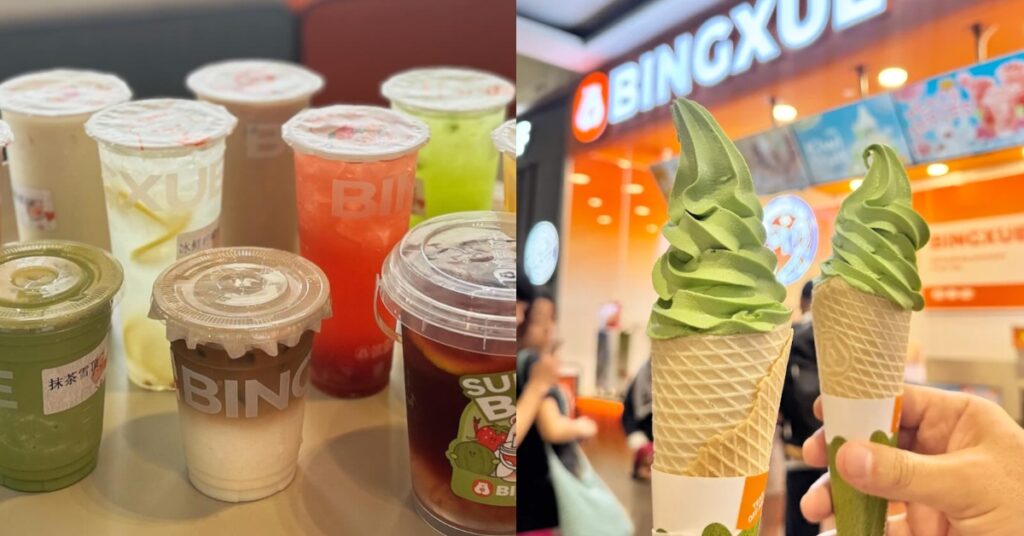
They didn’t have to look far. At a catering conference in Shanghai, the couple came across BingXue: a Chinese franchise built around fresh fruit teas and a signature S$1 ice cream cone. James was struck immediately, not just by the affordable price point, but by the quality behind it.
They began to seriously consider bringing the brand to Singapore, but there was just one problem: back home, a nearly identical brand, Mixue, had already become a fixture. The Chinese bubble tea and ice cream giant had arrived earlier, built strong brand recognition, and firmly captured the mass-market space: affordable, accessible, and quality-driven.
Still, James and Joyce went ahead anyway. Not out of naivety, but conviction—believing that being second to a market doesn’t always mean being too late for it.
Advertisement
There’s still room for another player
Image Credit: BingXue/ Travel & Food via Google Reviews
Conviction alone isn’t enough to validate a business. Before making any commitments, James and Joyce did their homework.
On the surface, BingXue and Mixue offered very similar products: S$1 ice cream cones, milk tea, fruit teas, and a range of affordable desserts designed for the mass market. The main difference between the two was BingXue’s stronger emphasis on matcha-based offerings.
Even so, the couple still believed there was a gap in Singapore’s mass-market F&B space—it was not fully served.
While cheap drinks are widely available in Singapore, many lean heavily on artificial flavours and lower-quality formulations. BingXue’s use of fresh fruit in its teas stood out in contrast, offering a sense of quality that was often missing at that price point.
And although Mixue had the first-mover advantage, launching in 2022 and already establishing a local footprint of over 10 outlets by 2024, there was still room for another player.
Advertisement
Right place, right time for regional expansion
The opportunity to bring BingXue to Singapore came exactly at the right moment.
As it happened, the brand was already expanding aggressively across Southeast Asia, entering markets including Indonesia, Malaysia, Vietnam, and Cambodia between 2022 and 2024. Singapore was a logical next market.
“When we approached them, they were genuinely excited about the opportunity,” James recalled. “They invited us to visit their production facility and headquarters in Shandong Jinan… the rest, as they say, is history.”
Image Credit: Dana, love ling via Google Reviews
After signing the Letter of Intent to become the master franchisee for Singapore, Joyce took on the role of market validator.
She returned to Singapore and spent full days stationed outside different Mixue locations—especially those in weaker locations—simply observing customer traffic and counting how many cups of drinks and ice cream cones were sold throughout the day.
Advertisement
Because BingXue and Mixue target the same mass-market segment, the goal was to understand how well this type of concept was already performing in Singapore.
The data they gathered, combined with their understanding of the BingXue business model, ultimately gave the couple the confidence to commit.
A six-figure investment to bring BingXue to Singapore
Image Credit: BingXue/ David Park via Google Reviews
Though the couple declined to share full negotiation details, they invested a significant sum in the “high six-figures” to bring BingXue to Singapore, drawn entirely from their personal savings.
A large portion of this investment went into building the supply chain, including setting up import routes for raw materials, equipment, and inventory needed to run the stores in Singapore.
But the biggest challenge wasn’t just financial. It was finding the right locations.
Advertisement
Singapore’s retail landscape proved difficult to break into, with landlords cautious about unfamiliar new brands. The couple faced multiple rejections during their search.
The scepticism was understandable. A new Chinese food brand with no local track record was a risky tenant for landlords accustomed to proven operators. But the couple’s persistence paid off: they successfully opened two outlets in Oct 2024, at Yishun Junction 9 and Changi City Point.
BingXue’s outlets at Yishun Junction 9 (left) and Changi City Point (right)./ Image Credit: BingXue/ Muhammad Shaifullah via Google Reviews
Opening one outlet at Yishun and another at Changi might seem random, but it was a deliberate strategy by the couple.
Junction 9 allowed them to test the concept in a community setting—a neighbourhood mall with a regular customer base. Changi City Point, on the other hand, offered high footfall and broad visibility, particularly due to its proximity to Singapore Expo, which draws visitors from across the island.
“Together, these two locations would give us a well-rounded read on how different customer segments will respond to BingXue,” James explained.
Advertisement
Localising to Singaporean tastes
A BingXue outlet at Bonsai Garden./ Image Credit: BingXue
To better appeal to Singapore consumers, the couple didn’t bring everything over unchanged—they localised BingXue’s offerings.
One of the first adjustments James and Joyce made was reducing the default sugar level in drinks. Based on their observations, Singapore customers tend to be more health-conscious, so they set 50% sugar as the standard instead of the original formulation.
“It’s a subtle but important change, and customers notice it,” said James.
Beyond that adjustment, BingXue’s headquarters gave them flexibility with branding but maintained oversight on the menu and pricing. After all, the China team understood their product, but James and Joyce understood their market.
We work closely with BingXue HQ on menu and pricing decisions. On branding and marketing, we have considerable flexibility. They trust that we, as Singaporeans, understand our consumers better than they do.
The support from headquarters turned out to be far more hands-on than expected.
Advertisement
Despite Singapore being a relatively smaller market compared to Indonesia or Malaysia, the founder and CEO of BingXue visited with senior management twice in 2025 alone. Daily WeChat updates, strategic guidance, and problem-solving became an ongoing part of how they work together.
Expanding BingXue to 12 outlets
In the early days, when James and Joyce opened their first two BingXue shops, customer confusion with Mixue was inevitable. Some walked in expecting Mixue products, only to realise after ordering that the two brands were not the same.
Many even asked if the brands were related. The couple often had to explain the differences and clarify that while the concepts were similar, the two businesses were separate.
Image Credit: BingXue/ Void via Google Reviews
Over time, as awareness of the brand grew, so did interest from franchise partners. Since launching about a year and a half ago, BingXue has scaled to 12 outlets across Singapore.
Securing retail space has also become easier. “Today, mall leasing managers proactively approach us with suitable units,” James said. “That’s a meaningful reversal from our early days, and it reflects the growing recognition of BingXue.”
Advertisement
Most outlets have been able to break even within one to two months. But what the couple is most proud of is that many of their stores have been cash-flow positive from the “very first month” of operations.
In F&B, that’s rare—most businesses are bleeding cash in the early months just to keep the lights on. For our franchisees, that means from day one, the business is already covering its own costs and generating profit.
To support this, the team works closely with franchisees at every stage, from site selection and lease negotiations to renovations, licensing, and staff training.
Still, scaling hasn’t been without its challenges, especially in Singapore’s highly competitive F&B landscape.
Supply chain management has been critical, with the team needing to maintain healthy inventory levels without over-committing working capital, especially given the limited shelf life of key ingredients. Their logistics partners also had to scale in lockstep with the brand’s expansion.
Advertisement
“Many can sell ice cream for S$1, but not many can make money”
Image Credit: BingXue
Singapore’s F&B landscape is only becoming more competitive. Coupled with the current global uncertainty in the Middle East, James expects transportation and material costs to increase significantly in the coming weeks and months.
To survive, he believes brands need to be clear about where they compete.
For BingXue, that meant focusing squarely on the lower end of the mass market. While margins are healthy in percentage terms, the low price points mean the business relies heavily on volume to stay profitable.
This is where economies of scale matter. By tapping into BingXue’s production capabilities in China, the brand benefits from lower costs at higher volumes—making it possible to keep prices low while remaining sustainable.
Many brands can sell ice cream cones for S$1. But not many can make money from this S$1. Even fewer brands can sell a good quality ice cream cone at S$1 and still make money.
From the opening of its first outlet in Oct 2024 to Mar 2026, BingXue has sold more than 1.2 million ice cream cones across all its Singapore outlets.
Advertisement
Looking ahead, James and Joyce plan to continue expanding the brand’s footprint locally. Interestingly, while their early franchisees had no F&B background, they are now seeing more experienced operators come on board, an indication of growing confidence in the brand.
The team is targeting at least 50 outlets within the next three years. “With LOIs already signed and strong inbound interest from experienced F&B operators, the path to 50 is already being paved,” added James.
As for NutriSmart, the couple intends to grow it beyond BingXue, bringing in more overseas franchise concepts and building a platform that helps aspiring entrepreneurs start their own businesses with a proven model.
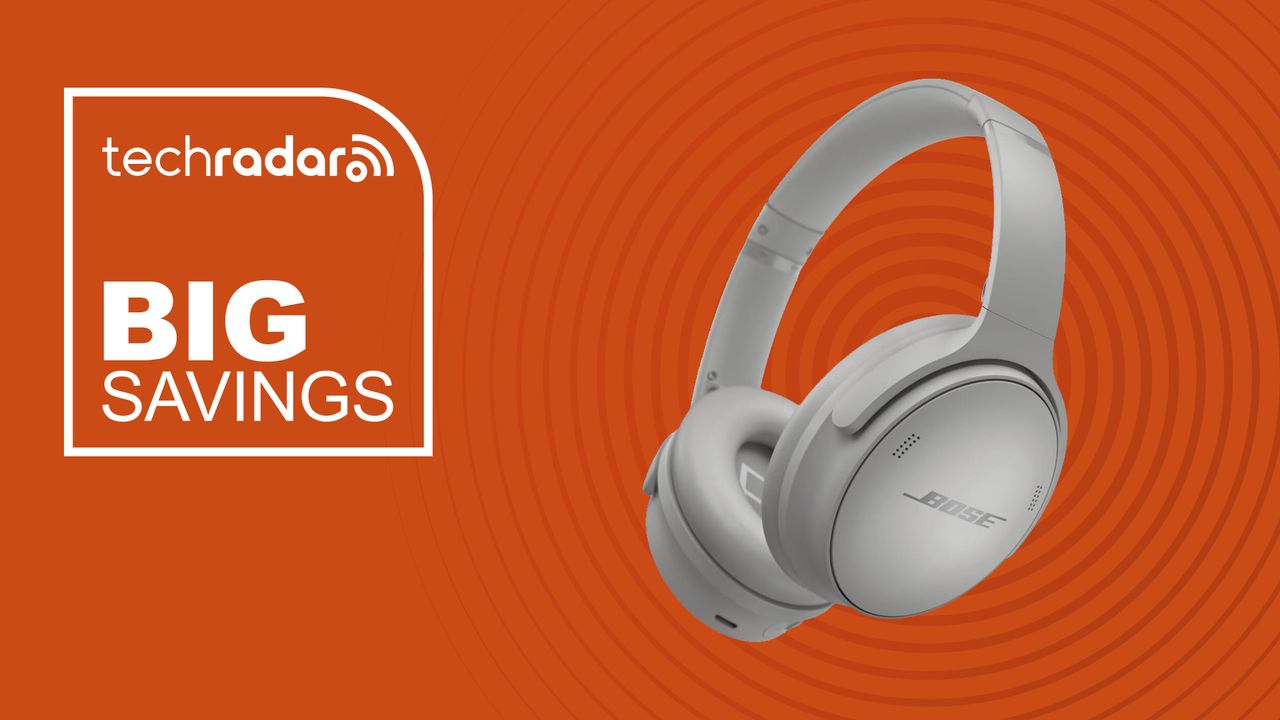
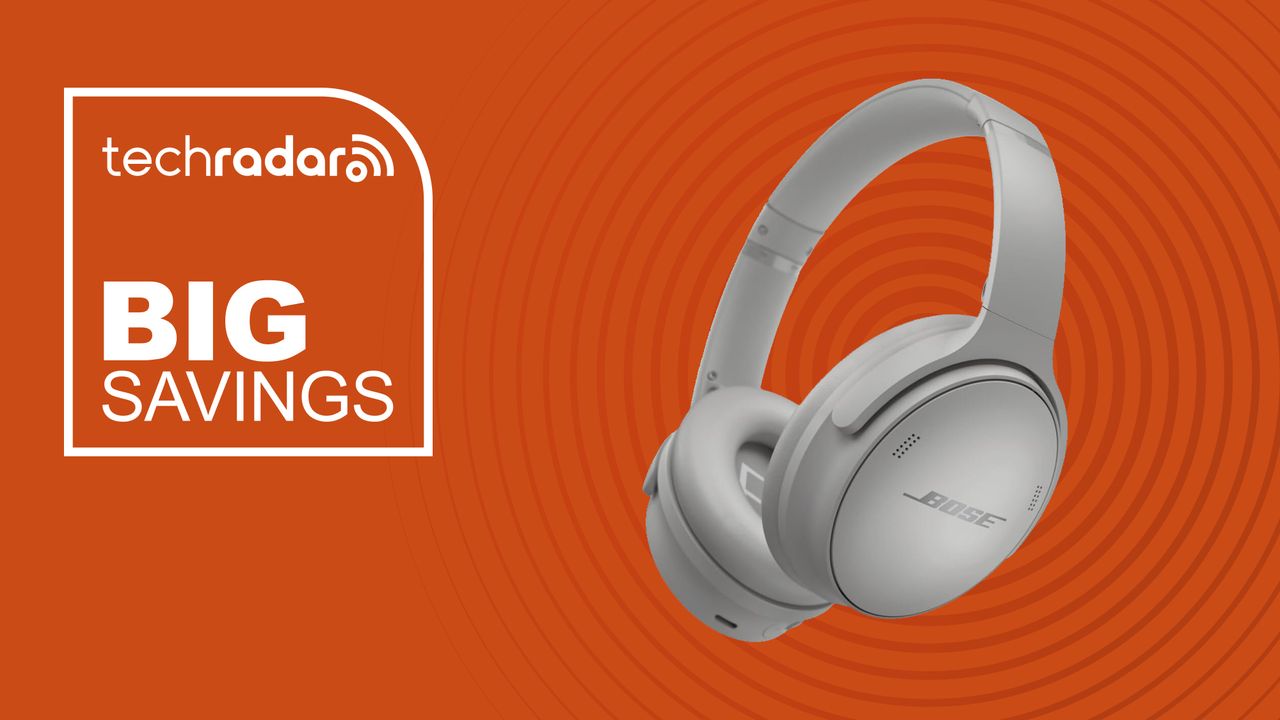
The Bose QuietComfort Headphones excel at noise-cancelation, but they’re far from a one-trick pony. With outstanding sound quality, a super-comfortable design, and an easy-to-use interface, they hit all the right notes across the board.
This limited-time deal sees the ANC masters drop back to the price we saw at Black Friday. Just note that this outstanding deal is only on the grey and pink colorways, although if you want the more traditional black alternative, then they’re only $19 more.
Advertisement
Today’s best Bose headphones deal
In our Bose QuietComfort Headphones review, we gave the popular audio product a very respectable four out of five stars. Our reviewer loved their “supreme comfort, fuss-free set-up and solid ANC”, so even though they’re not perfect, they’re still pretty impressive, especially at this reduced price.
If you’re often working in public places, then you’ll be pleased to hear that the ANC is second to none. There are also a couple of different audio modes, like ‘Quiet’ for improved noise cancelation and ‘Aware’ for more transparency. These can be toggled using the action button on the left earcup.
From a comfort point of view, Bose has opted for memory foam earcups wrapped in soft vegan leather and a well-padded headband. All of this equates to a seriously comfortable user experience.
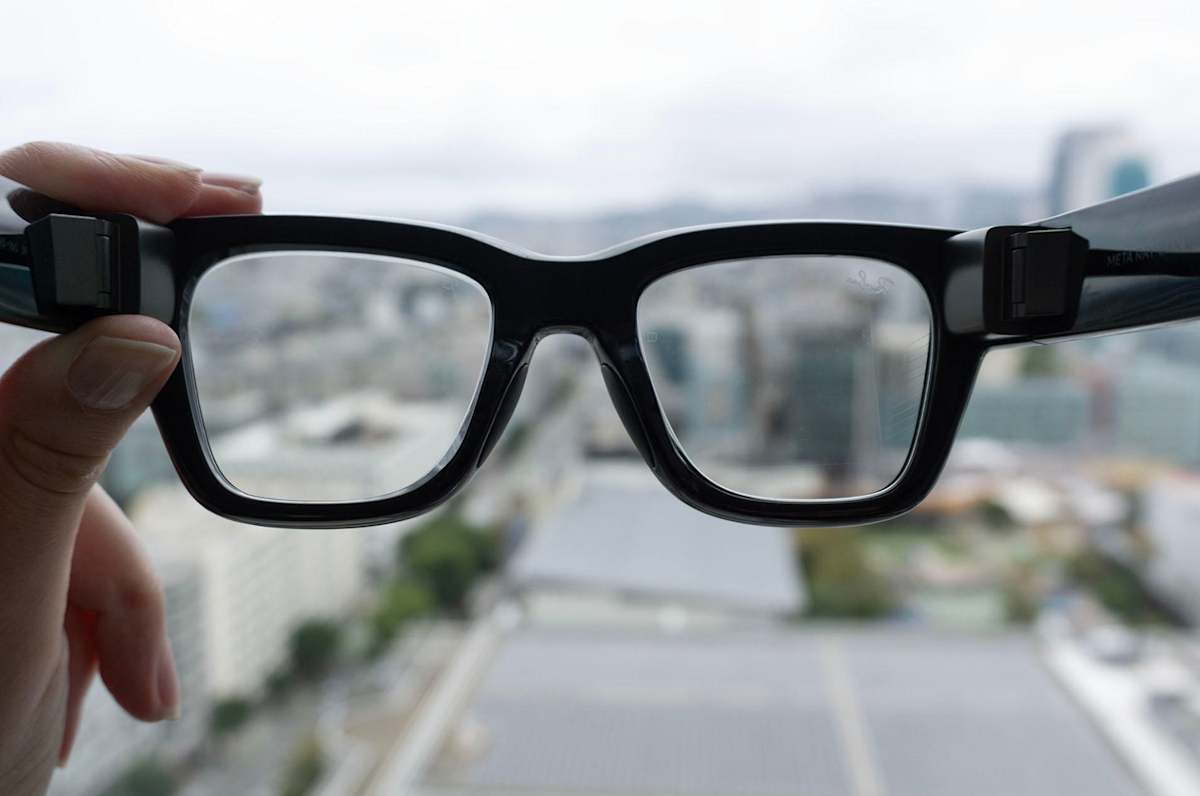
Dozens of civil rights organizations have to warn of the dangers in to the company’s smart glasses. More than 70 groups have banded together to form a coalition to urge Zuckerberg to abandon plans to incorporate the tech, on the grounds that it would empower stalkers, sexual predators and other bad actors.
This coalition includes organizations like the ACLU, the Electronic Privacy Information Center, Fight for the Future, Access Now and many others. The letter isn’t asking for safeguards. These groups want the feature to be completely eliminated, stating the idea behind facial recognition of this type is so dangerous that it “cannot be resolved through product design changes, opt-out mechanisms or incremental safeguards.” This tracks, as there would be no real way for bystanders to know or consent to being identified.
“People should be able to move through their daily lives without fear that stalkers, scammers, abusers, federal agents and activists across the political spectrum are silently and invisibly verifying their identities and potentially matching their names to a wealth of readily available data about their habits, hobbies, relationships, health and behaviors,” the letter states.
The organizations have urged Meta to disclose any known instances of its wearables being used for stalking, harassment or domestic violence. They also want the company to disclose past or ongoing discussions with federal law enforcement agencies, including ICE, about the use of Meta smart glasses and other wearables, .
Advertisement
There is certainly some cause for worry here. Meta that suggested it would roll out this technology “during a dynamic political environment where many civil society groups that we would expect to attack us would have their resources focused on other concerns.” That’s corporate speak for “we’ll do it when nobody is watching.” The coalition has called this “vile behavior” that looks to take advantage of “rising authoritarianism.”
The technology in question is called Name Tag, for obvious reasons. It uses AI to pull up information about people in a field of view to smart glasses displays. That’s about as dystopian as it gets.
The company has reportedly been working on . There’s one that would only identify people that are currently connected to a Meta platform and another that would identify anyone with a public account on a service like Instagram. It doesn’t look like there’s any way, as of yet, to use this tech to identify strangers on the street who don’t have a Meta account of any kind. In other words, the company should expect a if this rolls out.
Name Tag is currently scheduled for release at some point this year, but it’s not set in stone just yet. Public outcry has gotten Meta to back off from facial recognition in the past. The company after pushback from civil liberties groups and years of costly litigation. Meta paid out billions of dollars to settle biometric privacy lawsuits in and and another for a separate privacy case partially tied to facial recognition software.
Australia’s world-first social media ban on users under the age of 16 isn’t keeping kids off the platforms as well as the government hoped. Read Entire Article Source link
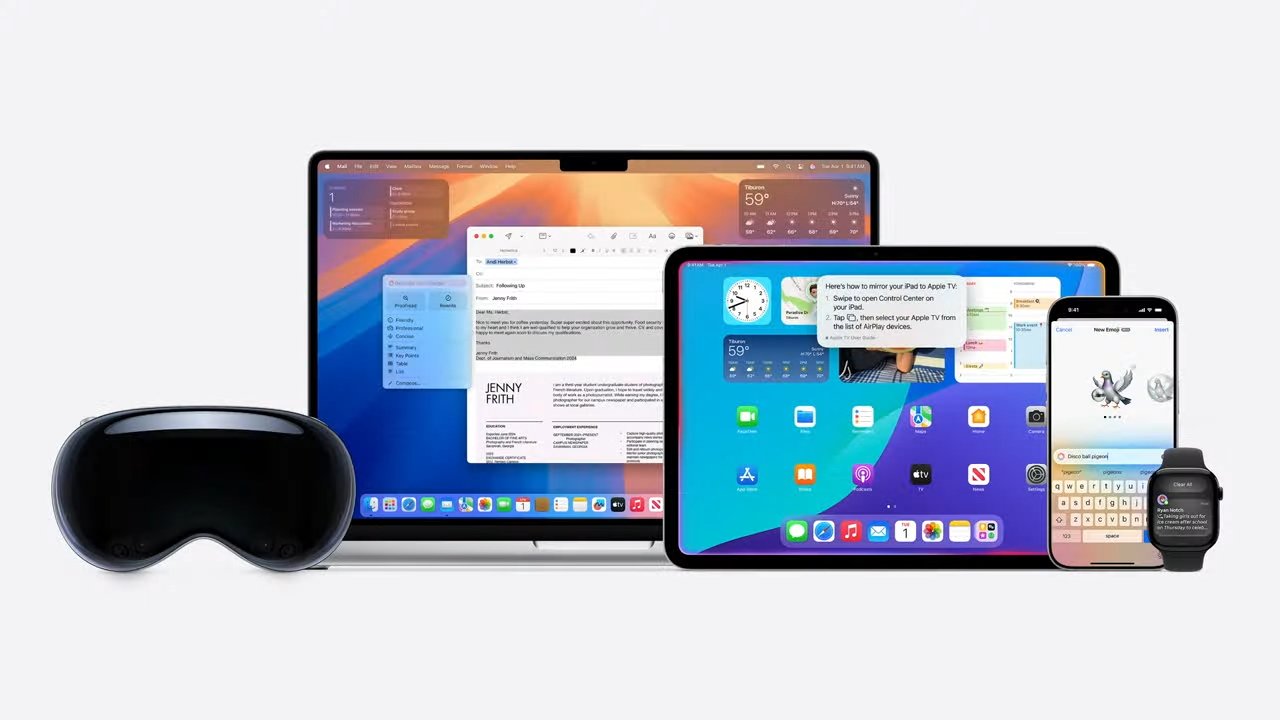
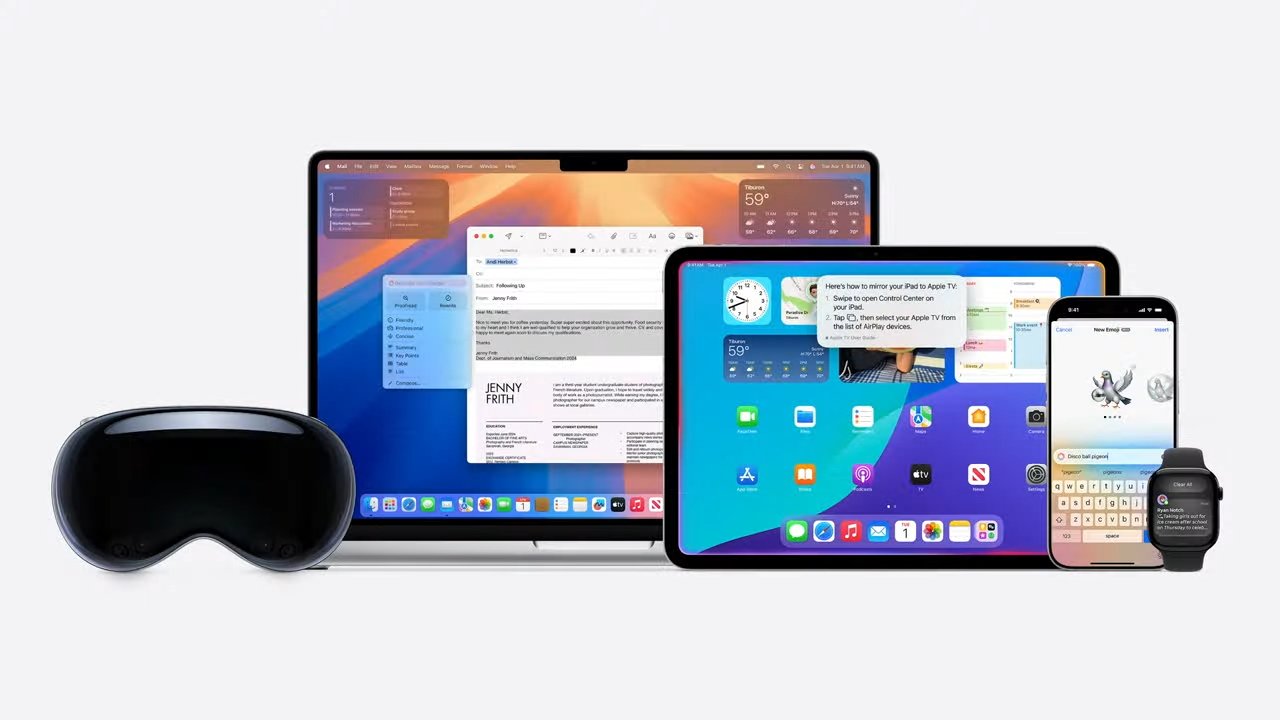
Apple is now on its second round of developer betas for iOS 26.5, iPadOS 26.5, watchOS 26.5, tvOS 26.5, visionOS 26.5, and macOS Tahoe 26.5.
Apple’s hardware that works with the 26-generation operating systems – Image Credit: Apple
The second developer betas for iOS 26.5, iPadOS 26.5, watchOS 26.5, tvOS 26.5, visionOS 26.5, and macOS Tahoe 26.5 replace the first, which arrived on March 30. However, Apple re-released the developer beta for iOS 26.5 on March 24, with a new build number.
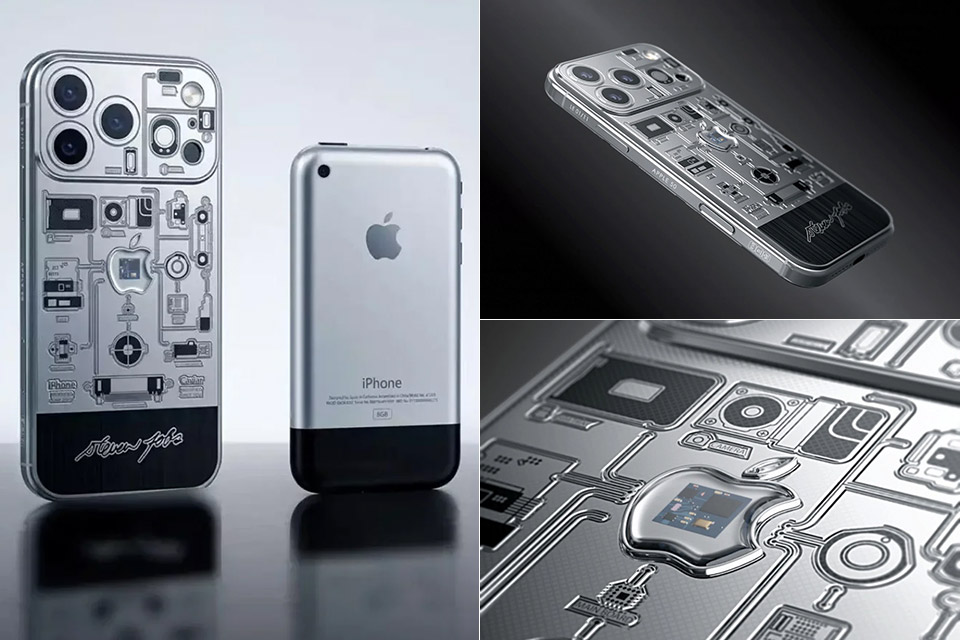
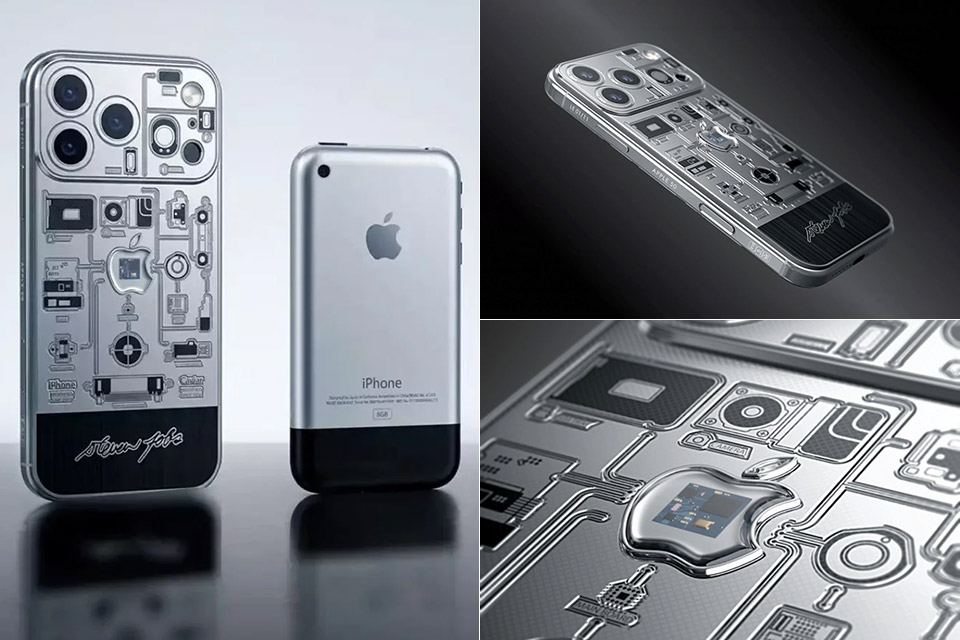
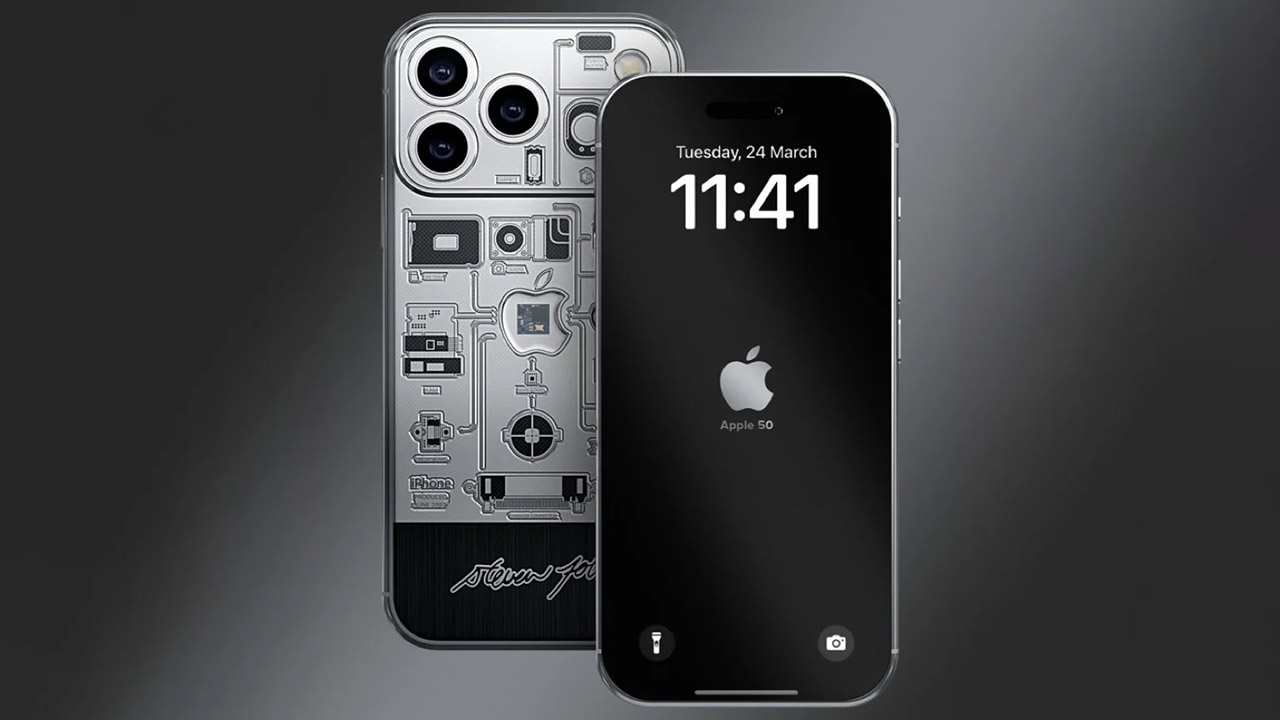
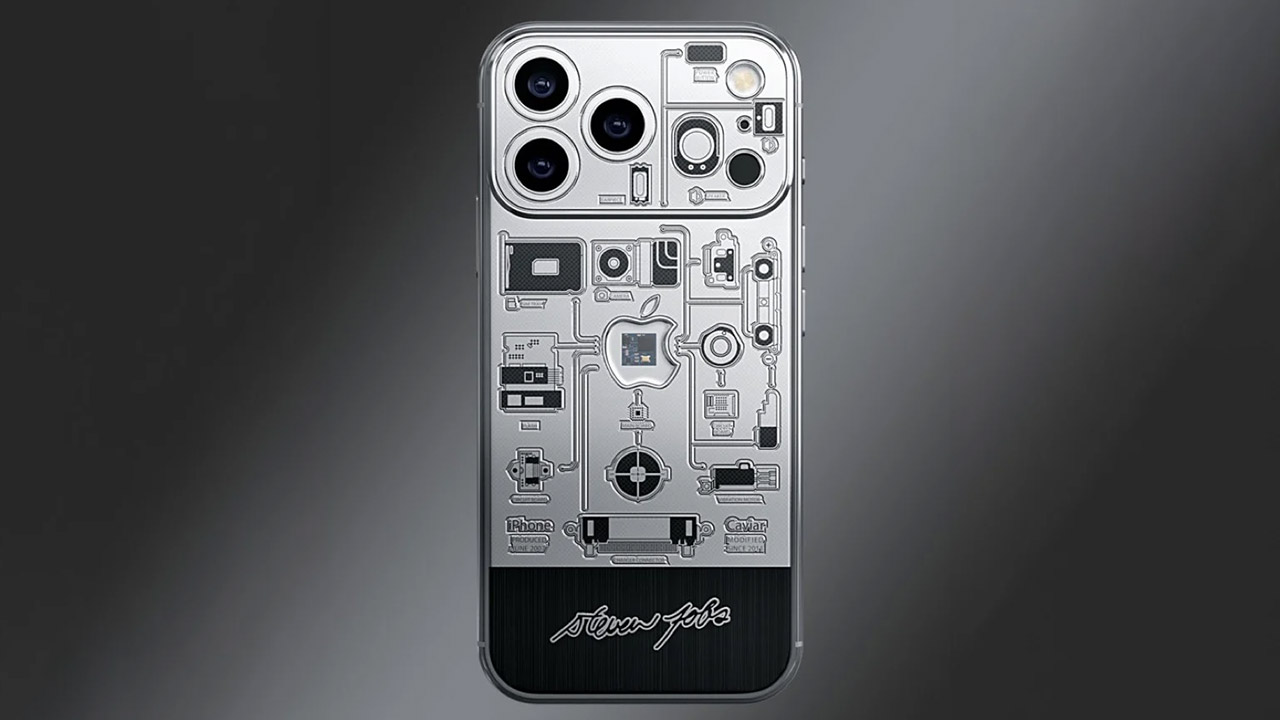
Caviar has packed over two decades’ worth of technology into a single smartphone, the iPhone 2007 Edition, which is an extravagant custom version of the iPhone 17 Pro. This ultra-limited edition of the flagship smartphone incorporates an actual piece of the 2007 iPhone 2G directly into its frame, a part literally pulled from Apple’s first handset.
The chassis is composed of titanium, which is coated in a sleek PVD black that nods subtly to the colors of 2007. The silver bits cover the majority of the surface, while the lower part transitions to black, which provides visual interest. Delicate lines carved on the rear are a careful recreation of the original mainboard’s circuit designs, and they all appear to connect at a single central point.
【Ultra-Thin Yet 10,000 mAh Capacity】Are you still struggling to find a slim power bank that can meet your charging needs? Look no further! TORRAS…
【Portable Charger with Magnetic Function】The slim power bank is a portable charger with powerful magnetic attraction, allowing for easy attachment…
【Super Fast Charging】Tired of waiting for your power bank to charge? This power bank fast charging supports 22.5W wired fast charging and 15W…
A transparent capsule shaped like the Apple logo lies in the center of the rear panel. Inside this sealed capsule is a certified piece of the 2007 iPhone 2G motherboard, securely stored away and entirely undamaged. The fragment is packaged in what appears to be a hermetically sealed little chamber. To top it all off, each device includes Steve Jobs’ signature inscribed around the frame, as well as a unique serial number etched into the titanium up to number 11.
Every last detail ties in neatly to that historic hardware. The etchings that imitate the first smartphone’s technological schematics provide a nice visual connection to the capsule. Buyers of the iPhone 2007 Edition even receive a personalized screensaver. This one is custom-made for this collection and begins loading as soon as the phone is turned on. The phone comes in a luxury branded box with a characteristic Caviar key finished in 24-karat gold plating – the works. It comes with certified certificates that indicate the motherboard is a genuine 2007 iPhone 2G fragment, directly from the source.
Pricing starts at $10,770 for the 256GB iPhone 17 Pro and goes up to $12,700 for the two-terabyte iPhone 17 Pro Max. Production is intentionally limited to just 11 pieces globally, making each one extremely uncommon. Orders are now open, with worldwide shipping handled by trusted couriers. It will take at least a week to arrive after a 1-4 business day wait for final assembly and inspection. [Source]
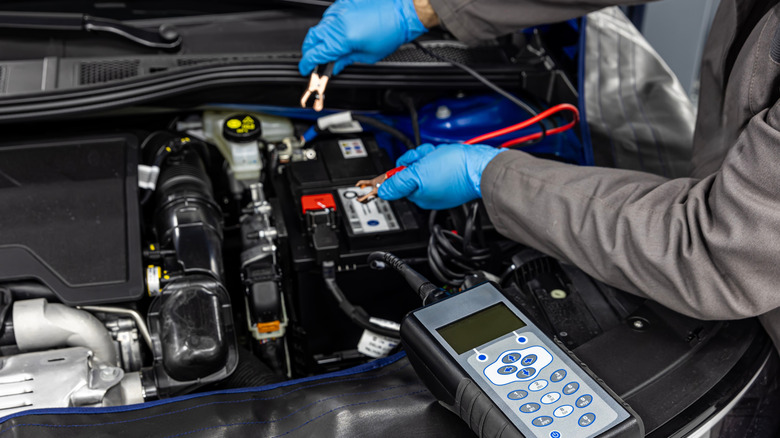
A dead car battery can take a perfectly good day and wreck it every time. The worst part is that it usually happens when you least expect it, and always when you’re in a hurry to go somewhere. While it’s easy to tell if your car battery is dead, how do you know that it’s good on a normal day, before you start it up? A healthy 12V car battery should read about 12.6 to 12.4 volts when your car is off, or resting.
These numbers mean your battery is fully charged, and you’ll likely get the performance you need. If your battery reads below 12 volts at rest, then you might have a problem, and you’ll eventually need to address it before it dies completely. The reason it’s important to check the battery at rest is that it gives you an accurate snapshot of its condition. Since your car isn’t turned on, no electronic systems are putting a load on the battery, and thus potentially skewing the results of a battery test.
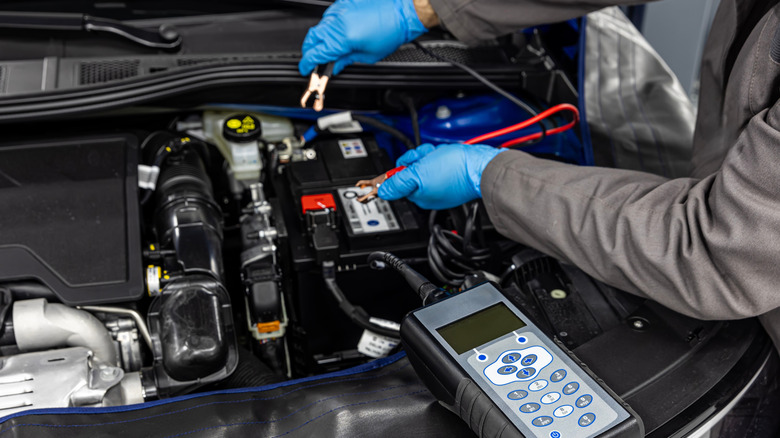
The best way to check this yourself is to use a digital multimeter. This device works at your battery’s terminals, and you can use it when your engine is off to get the resting voltage. If you don’t have a multimeter, you can take your vehicle to a local garage or automotive retailer. For example, AutoZone can perform a more complete battery test, along with a full diagnostic check, typically at no cost to you.
Advertisement
Signs your car battery is losing power
Anastasija Vujic/Getty Images
A modern car battery is 12 volts, and if the resting voltage of yours is below that number, it may still start up. If your battery is putting out less than 12 volts as the vehicle is running, that’s a problem. Even if you can crank your car with less than 12 volts more than once, one of your systems is likely near the point of failure. It’s better to get it checked out by a technician before you end up getting stranded.
A car battery loses its voltage over time due to everyday use. It can also lose voltage due to its age, so even if your car is rarely driven, an older battery’s power can still decrease. Even though a battery doesn’t actually run out of voltage, its internal chemical composition changes every time it’s charged. Over the course of about three to five years, a battery’s total voltage drops, until its performance is eventually affected.
Advertisement
The good news is you usually have some warning signs that your battery’s voltage is dropping. Your headlights may start dimming or flickering. Your power windows might move slower than before. Even your car stereo can sound differently, but the most obvious sign is when your car doesn’t start as it normally would. A brief hesitation here and there usually means the end is near. If you experience any of these issues, get your battery checked out by a professional as soon as possible.
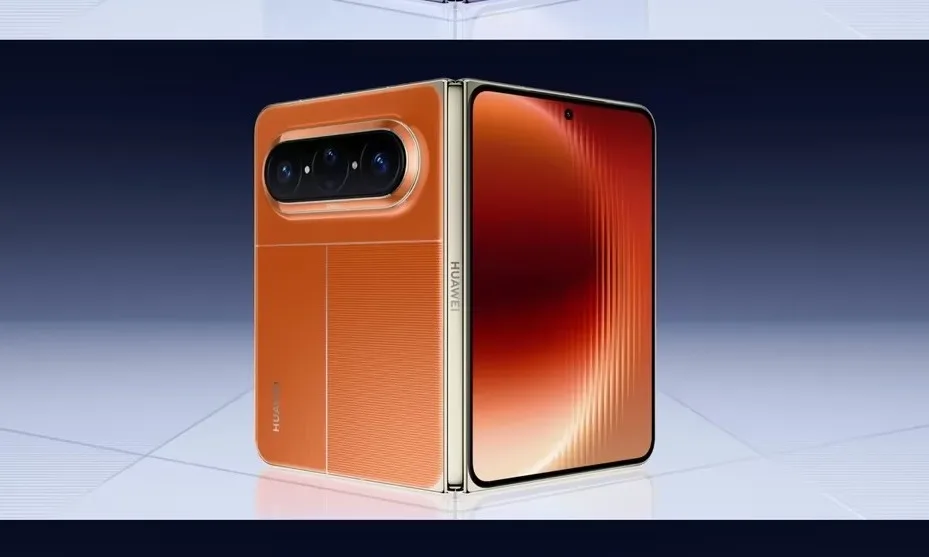
Huawei has officially shown off a wide-format foldable phone, and it is hard not to look at it and think about the iPhone Fold rumors all over again.
The unreleased foldable iPhone just got an unofficial rival with the Huawei Pura X Max. Huawei has already started teasing it through official materials ahead of its China launch on April 20. Image posters shared by the company show an unusually wide foldable layout that looks closer to a compact tablet when opened than the taller, narrower foldables we have gotten used to.
Huawei
Why the Pura X Max has everyone talking
The official images shared by Huawei show the Pura X Max in blue, white, black, and orange colors with a boxy, passport-like build and a triple rear camera setup. It looks like a super wide foldable, which is a format that has only been seen in rumors of future Apple and Samsung devices so far.
This is also where the iPhone Fold comparison really comes in. Recent CAD renders and rumors of the first-ever foldable iPhone shared a similar wide design language, rather than the conventional style seen in the Galaxy Z Flip or Z Fold models. But it looks like Huawei is taking the first step with a broader canvas, which should make reading, multitasking, video, and gaming feel more natural.
So no more awkward aspect ratios on the main screen. In practice, the wider main screen gives way to a compact tablet-like design when unfolded.
Advertisement
Huawei
Why it is stealing hype from the iPhone Fold
The answer is pretty simple: the Pura X Max is real.
The iPhone Fold is still making the rounds in online speculations and rumors. Many of these are likely made up, render speculation, and supply chain chatter. Meanwhile, Huawei has an actual product with official visuals, a launch date, and a design that appears to answer the same “what should the next big foldable shape be?” question before Apple ever got there.
A wider ranging security incident reported by Google Threat Intelligence Group last week prompted OpenAI to take action around its certification process.
OpenAI said on Friday (10 April) that it would be working on safeguarding and updating the certification process for its apps running on MacOS following reports of a security issue around a third-party development tool.
The company said that it would update the security certification process for its MacOS apps through “an abundance of caution”, having found no evidence that OpenAI user data was accessed, that its systems or intellectual property were compromised, or that its software was altered.
A wider ranging security incident reported by Google Threat Intelligence Group last week centred around exploits of a third-party tool named Axios, which prompted OpenAI to consider and take steps against the possibility “of someone attempting to distribute a fake app that appears to be from OpenAI”, the company said.
Advertisement
According to the company, this “unlikely” scenario necessitated it to revoke and replace existing security certifications for MacOS versions of its chatbot ChatGPT, coding tool Codex and web browser Atlas.
OpenAI said that Mac users of any of these apps are required to update to their newest versions to ensure compliance with the new security protocols, adding that “older versions of our MacOS desktop apps will no longer receive updates or support, and may not be functional”.
User passwords and OpenAI API keys were unaffected by the potential breach, and no evidence of “malware signed as OpenAI” had been detected, the company said.
It added that after 8 May, new downloads and launches of apps signed with old security certificates will be blocked by MacOS security protections.
Advertisement
The potential security threat does not affect iOS, Android, Linux, Windows or web versions of OpenAI apps, the company said, and only users of its MacOS versions need to take action.
The “root cause” of the security incident was a “misconfiguration in the GitHub Actions workflow” that has since been addressed, according to OpenAI.
Last month, reports emerged of the AI giant’s plans for consolidating its chatbot, coding and web browsing tools into a single ‘superapp’ for desktop in the face of fierce competition from Anthropic.
The following week, it decided to shut down its controversial AI video generator Sora and sideline plans for an ‘erotic’ version of ChatGPT to focus instead on its core enterprise business.
Advertisement
Don’t miss out on the knowledge you need to succeed. Sign up for the Daily Brief, Silicon Republic’s digest of need-to-know sci-tech news.
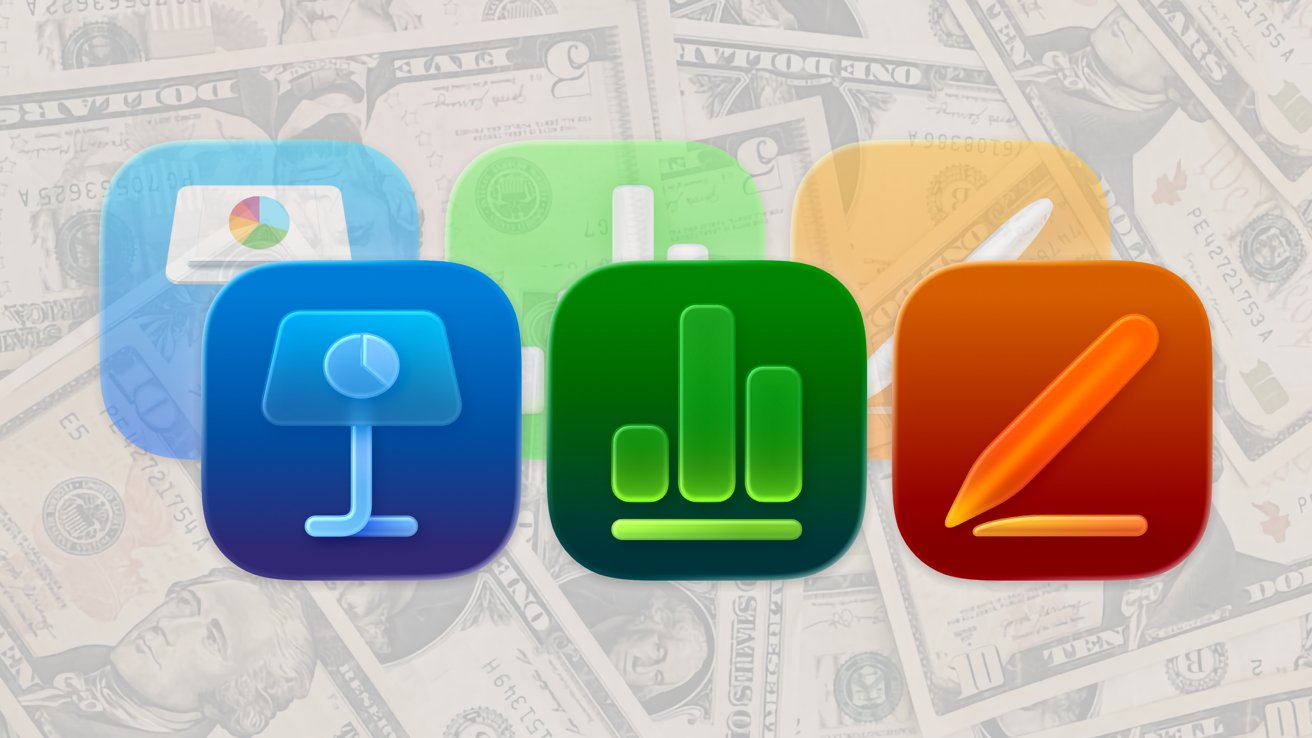
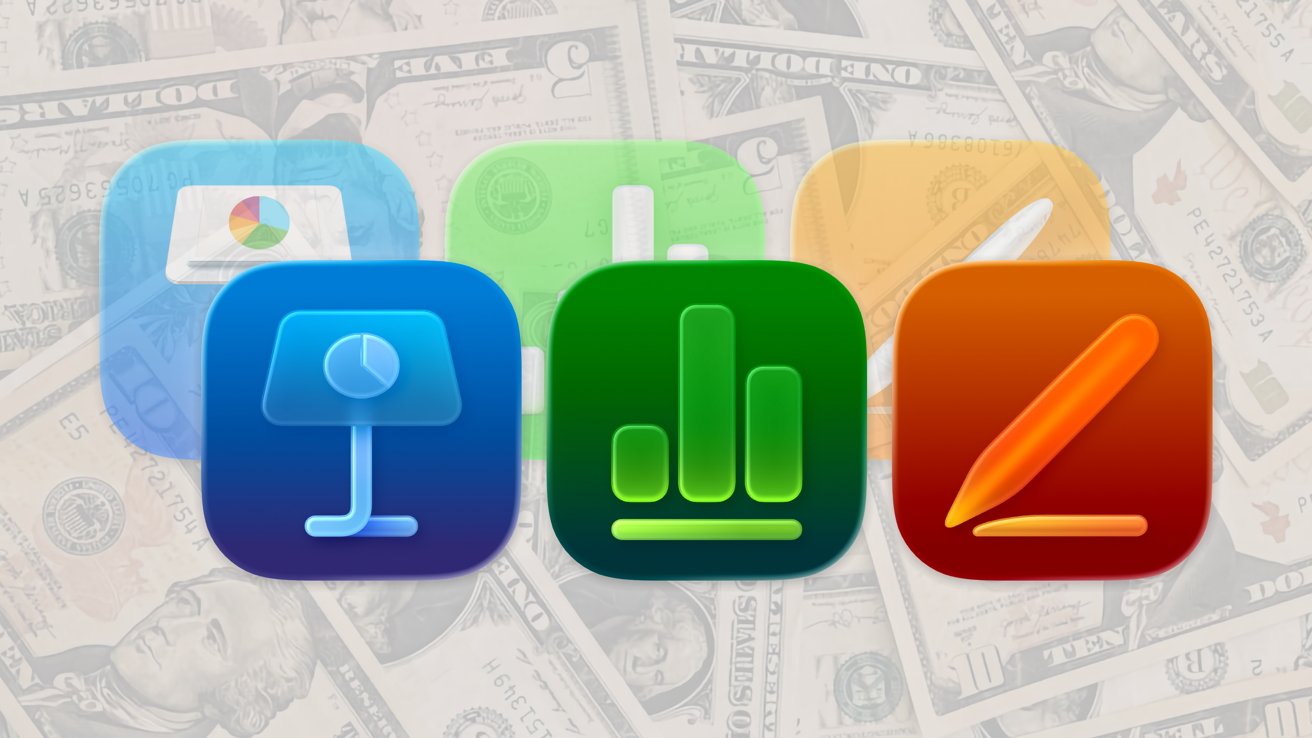
On April 13, Apple stopped providing downloads for the previous versions of Pages, Keynote, and Numbers. Instead, download the Creator Studio versions of the apps that are still free.
iWork icons of both generations
Apple’s introduction of the Creator Studio brought with it new versions of the iWork suite to match. The new apps, designed to work better with the Creator Studio subscription, were provided while still allowing users to acquire the previous version of the apps. However, as of April 13, 2026 and spotted by @Aaronp613 on X, users attempting to acquire Pages, Keynote, or Numbers for macOS or iPadOS will not be able to get the non-Creator Studio versions. Checking the App Store and the Mac App Store, only the updated Creator Studio editions are available, with the old versions not shown in searches. Continue Reading on AppleInsider | Discuss on our Forums

















































You must be logged in to post a comment Login