
Business
(VIDEO) South Korea’s KF-21 Boramae Emerges as Game-Changing Fighter Reshaping Asia-Pacific Defence

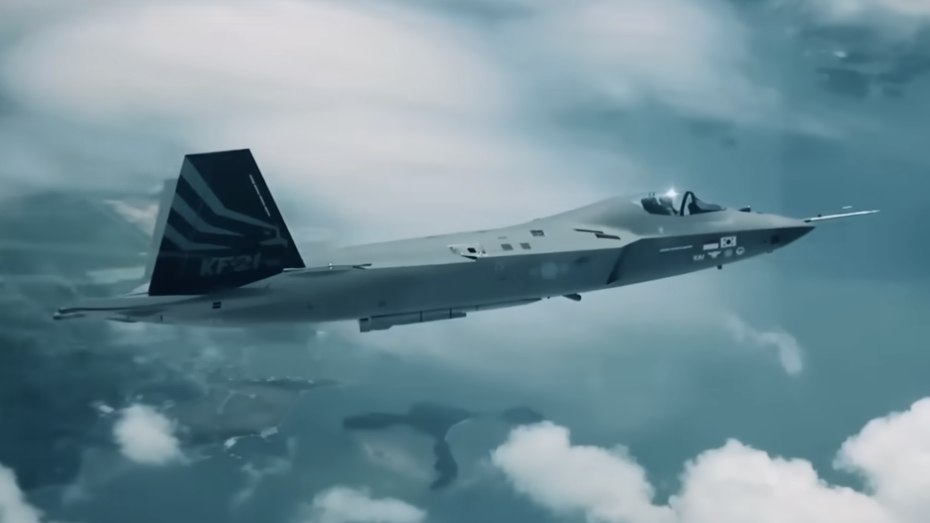
SEOUL — South Korea has rolled out the first production model of its KF-21 Boramae fighter jet, marking a stunning achievement in military aviation: moving from concept to series production in roughly a decade. Experts are hailing the indigenous 4.5-generation platform as a potential game changer for middle-power nations seeking advanced combat capability without the massive costs and delays that plague traditional fifth-generation programs.
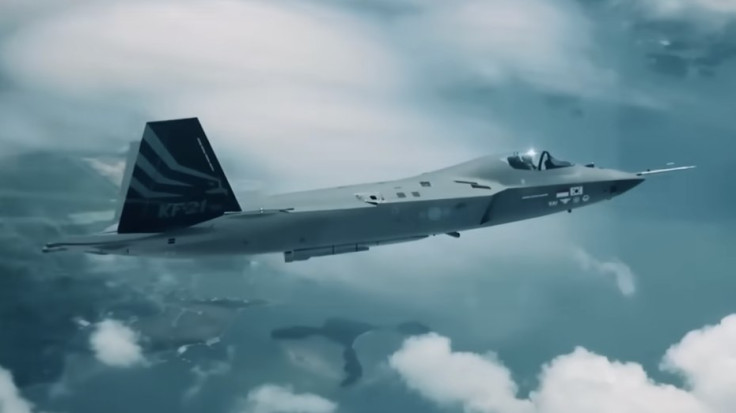
The milestone, celebrated at Korea Aerospace Industries facilities last week, comes just four years after the KF-21’s maiden flight. It underscores South Korea’s rapid rise as a serious player in the global fighter market and offers a compelling model for countries like Australia grappling with how to build sovereign defence industry capacity.
Military analysts describe the KF-21 as a highly adaptable platform that bridges 4.5-generation and fifth-generation capabilities. Designed primarily as a multirole fighter, it features advanced avionics, a capable AESA radar, internal weapons bays in later variants, and significant growth potential for stealth features and next-generation sensors.
How South Korea Did It So Quickly
The video analysis by Australian Military Aviation History highlights three key factors behind the program’s success: a modular, upgrade-driven design philosophy; a dual-path procurement strategy; and unusually tight control over requirements creep.
From the outset, South Korea treated the KF-21 as an evolutionary platform rather than a revolutionary one. Early blocks emphasize proven technologies and export potential, while later configurations incorporate low-observable features and advanced networking. This “block upgrade” approach mirrors successful programs like the F-16 but on a compressed timeline.
The dual-path strategy separated risk: one track focused on delivering operational aircraft quickly using off-the-shelf and co-developed components, while parallel efforts advanced more ambitious technologies. Close government-industry collaboration and firm requirements management prevented the scope creep that has ballooned costs and timelines in programs such as the U.S. F-35 and several European efforts.
South Korea invested heavily in its domestic aerospace sector, leveraging experience from the T-50 trainer and international partnerships, particularly with Indonesia (though that collaboration faced challenges). The result is a fighter estimated to cost significantly less than Western fifth-generation peers while offering strong performance for regional missions.
Implications for Australia and Regional Partners
The KF-21’s development model holds particular interest for Australia, which is investing billions in its own defence industry ambitions under the AUKUS pact and broader sovereign capability goals. Analysts suggest the Korean approach — focused on rapid iteration, modularity and realistic requirements — could inform Australia’s future combat aircraft programs beyond the current F-35 and Ghost Bat drone initiatives.
With its mix of range, payload, advanced sensors and potential for growth, the Boramae could appeal to nations seeking a high-performance fighter without the political and logistical complexities of U.S. or European platforms. Several Southeast Asian and Middle Eastern countries are already monitoring the program closely.
Technical Highlights
The production aircraft features a sleek design with twin engines, leading-edge root extensions, and provisions for conformal fuel tanks. It is powered by General Electric F414 engines (co-produced locally), delivering strong thrust and supercruise potential in later blocks. Avionics include an indigenously developed AESA radar and integrated electronic warfare suite.
Initial production models will operate primarily in a 4.5-generation configuration with external weapons, transitioning to greater stealth and internal carriage as the program matures. South Korea plans to acquire at least 120 aircraft for its own air force, with ambitious export targets.
Broader Strategic Context
The KF-21 arrives at a time of heightened tensions in the Indo-Pacific. North Korea continues missile tests, China expands its air force, and regional powers seek credible deterrence. For Seoul, the fighter strengthens its independent strike and air superiority options while reducing reliance on foreign suppliers.
The program also boosts South Korea’s defence export credentials. The nation has already succeeded with the K9 howitzer, K2 tank and various missile systems. A competitive fighter could open new markets and deepen strategic partnerships.
Challenges remain, including full integration of advanced stealth coatings, secure data links and engine performance at the highest levels. However, the rapid progress to production suggests these hurdles are being managed effectively.
Why It Matters Globally
The KF-21 demonstrates that middle powers with focused investment, clear vision and disciplined execution can develop sophisticated combat aircraft in timelines once thought impossible outside superpowers. Its success challenges the notion that only the U.S., China or Russia can field modern fighters.
For Australia, the Korean model offers lessons in balancing ambition with pragmatism — delivering capability now while preserving upgrade paths for the future. As Canberra weighs options for future air power, the Boramae’s story provides both inspiration and a practical blueprint.
As production ramps up and the KF-21 enters operational service, it is poised to reshape not only South Korea’s defence posture but also the broader fighter aircraft market. What began as an ambitious national project has become a case study in efficient defence innovation — one that could influence procurement decisions across the region for years to come.


Earnings call transcript: HDFC Bank Q4 2026 shows strong growth amid challenges

Buying The Fear Before It Shows Up: The PBDC Setup

How InvestingPro’s Fair Value spotted 66% upside in Cimpress stock

ProCap Financial chief market strategist Phil Rosen joins Varney & Co. to discuss brokerage firms introduce investment accounts for teenagers and Allbirds’ pivot to AI on ‘Varney & Co.’
Major brokerages are increasingly targeting younger investors, opening the door for teenagers to begin building portfolios years before they traditionally would.
ProCap Financial chief market strategist Phil Rosen joined FOX Business’ Stuart Varney on “Varney & Co.” to discuss the shift, framing it as part of a broader industry push to capture the next generation of clients amid changing demographics.

New York Stock Exchange on Wall Street. (angeluisma / Getty Images)
Firms like Charles Schwab and Fidelity have long catered to older investors, but the rise of mobile-first platforms such as Robinhood, which counts a large share of millennial and Gen Z users, has intensified competition. Rosen pointed to that dynamic as a key driver behind the push into teen accounts, as legacy firms look to establish relationships earlier in investors’ life cycles.
Morningstar CEO Kunal Kapoor shares ETFs worthy of long-term investment on ‘The Claman Countdown.’
“I’m very much in the camp that the younger you are to get into investing that’s a good thing, right, because that could be millions of millions of dollars difference by the time you retire if you start at 15 as opposed to 25,” Rosen said.
The trend reflects a broader cultural shift toward financial literacy and early investing, with more young people gaining exposure to markets through apps and social media. At the same time, Rosen cautioned that education remains critical as younger investors navigate increasingly complex and volatile markets.
Sequoia Capital partner Konstantine Buhler discusses Waymo and the companies showcased at the HumanX conference on ‘The Claman Countdown.’
“If we can get them to avoid those things, then I think it’s [a] good thing to get people involved in the markets,” Rosen said, warning against speculative trading behavior like meme stocks and short-term options.
As competition heats up, brokerages appear willing to rethink traditional entry points in an effort to secure long-term growth.
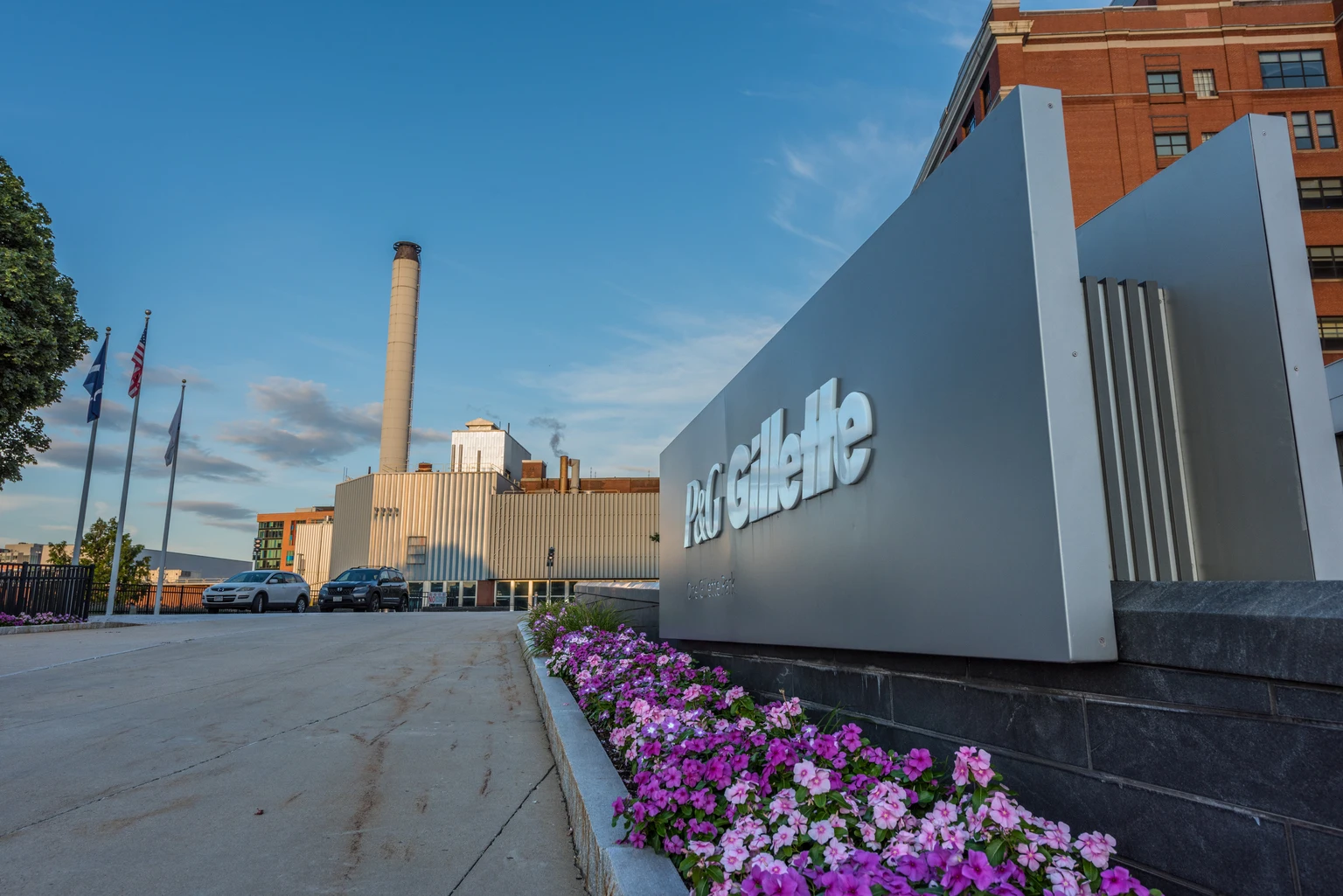
Procter & Gamble: Management Said The Worst Is Over, But Q3 Earnings May Be Key
Business
No. 1764 Wordle Answer for April 18 2026 Sparks Debate Among Fans Over Tricky Puzzle Solution

NEW YORK — The New York Times’ popular Wordle puzzle delivered a challenging five-letter word on Saturday that left many players scrambling for the solution as they raced against their daily six-guess limit.
The answer to Wordle No. 1764 on April 18, 2026, was TOADY, a noun defined as a servile flatterer or sycophant — someone who performs distasteful or unprincipled acts to gain favor with others, according to Webster’s New World College Dictionary.
Players who solved it quickly celebrated on social media, while others vented frustration over the somewhat obscure term that combines common letters in an uncommon way. The puzzle’s difficulty rating hovered around moderate, with testers averaging about 4.6 guesses, but the word’s meaning tripped up casual solvers who expected more everyday vocabulary.
Wordle, the simple yet addictive word-guessing game created by Josh Wardle and later acquired by The New York Times, continues to captivate millions worldwide more than four years after its explosive rise in popularity. Each day, a new five-letter word tests players’ vocabulary, pattern recognition and deduction skills through green, yellow and gray tile feedback.
On Saturday morning in Seoul and across global time zones, fans logged in expecting another brain-teaser. Early hints circulating online suggested the word started with “T” and involved themes of flattery or insincere praise. One popular clue pointed to someone who “sucks up” to gain advantage, while another noted it rhymed loosely with “roadie.”
For many, the breakthrough came when “T” locked in the first position, followed by strategic guesses eliminating vowels and consonants. Common starters like “SLATE,” “CRANE” or “AUDIO” helped narrow possibilities, but the combination of “O,” “A,” “D” and “Y” proved elusive until the final tiles flipped green.
“Toady” is not a word that pops up in casual conversation for most people. Its roots trace back centuries, evoking images of court intriguers or office politicians who curry favor through excessive agreement and compliments. In modern usage, it often carries a negative connotation, describing bootlickers in politics, business or social circles who prioritize personal gain over integrity.
Social media erupted with mixed reactions as the solution spread. On platforms like X and Reddit, users shared their score grids — some boasting perfect solves in three or four tries, others admitting defeat after burning all six guesses.
“I went with ‘TODAY’ first because it was Saturday and felt clever, but nope,” one player posted. “Had to pivot to thinking about synonyms for yes-man. TOADY finally clicked on guess five.”
Another complained, “Obscure words like this make me feel dumb. Who says ‘toady’ anymore? Bring back more common terms!”
The puzzle’s rollout aligned with typical NYT strategy: avoiding overly rare or offensive words while occasionally dipping into richer vocabulary to keep the game fresh. Wordle editors select from a curated list, balancing accessibility with challenge.
For those who missed it, the solution “TOADY” fits perfectly into Wordle’s mechanics. It features two vowels — “O” and “A” — positioned to create deduction hurdles. The ending “Y” added another layer, as many players exhaust guesses on words ending in “E” or “S” first.
Wordle enthusiasts often develop personal strategies. Hard-mode players restrict guesses to words that incorporate previously revealed letters, increasing difficulty but sharpening skills. Others rely on starting words optimized for vowel and consonant coverage, such as “ADIEU” or “STARE.”
Saturday’s puzzle reminded fans why the game endures. It demands logic over rote memorization, rewarding those who analyze letter frequency and position. Data from past puzzles shows “E,” “A,” “R,” “T” and “O” as high-frequency letters, which helped some narrow “TOADY” quickly once the first “T” appeared.
The game’s global appeal shines through in diverse player communities. In South Korea, where many access it via VPN or direct NYT subscription, office workers and students often tackle it during commutes or breaks. International solvers sometimes face added hurdles with American English spellings and idioms, but “TOADY” translates conceptually across cultures as a universal archetype of the opportunist.
Beyond entertainment, Wordle has sparked educational benefits. Teachers incorporate it into vocabulary lessons, while cognitive scientists note its potential for improving pattern recognition and mental flexibility in older adults. Studies suggest daily word games like this may help maintain brain health, though experts emphasize they complement, not replace, broader mental stimulation.
NYT continues evolving the experience with companion games like Connections, Spelling Bee and Strands, creating an ecosystem that keeps subscribers engaged. Wordle remains the flagship, with streaks tracked meticulously by dedicated players who share streaks reaching hundreds of days.
If you solved Saturday’s puzzle, congratulations — your streak lives another day. For those who didn’t, there’s no shame in looking up the answer after trying honestly. The beauty of Wordle lies in its forgiving nature: one tough day doesn’t end the fun.
Looking ahead, Sunday’s Wordle No. 1765 promises a fresh challenge, with early rumors suggesting a more straightforward term. Players are already speculating based on recent patterns, though the official reveal comes only at midnight.
In the meantime, Wordle communities offer tips without spoiling. Recommended strategies include:
- Start with words containing multiple vowels and common consonants.
- Track eliminated letters rigorously.
- Consider word families and rhymes once partial matches emerge.
- Avoid repeating confirmed gray letters in future guesses.
For newcomers, the rules are straightforward: Guess a valid five-letter word. Green tiles mean correct letter and position. Yellow means the letter belongs but in the wrong spot. Gray means it’s not in the word at all. Six guesses maximum.
“TOADY” joins a long list of memorable solutions that have fueled online discussions, from the straightforward to the head-scratching. Its appearance on April 18 highlights how even familiar letter combinations can hide in plain sight when context shifts.
As the sun set on another Wordle day, players worldwide reflected on their performance. Some reset their strategies, vowing better openers tomorrow. Others simply enjoyed the mental workout, appreciating a moment of shared human experience in an increasingly digital world.
Whether you nailed “TOADY” in three tries or needed every guess, the puzzle served its purpose: delivering a small daily victory or lesson in humility. That’s the enduring magic of Wordle — simple rules, infinite replayability and a community bonded by collective curiosity.
The New York Times reports that millions engage with the game daily, making it one of the most successful digital puzzles ever created. Its influence extends beyond entertainment into pop culture references, merchandise and even academic analysis of language patterns.
For April 18, 2026, “TOADY” stood as the undisputed champion. Did you get it? Share your grid in the comments or on social media with #Wordle1764. And remember: tomorrow brings a new word, new chances and new opportunities to outsmart the grid.

One night before WrestleMania 42 weekend is set to begin, WWE inducted the 2026 class of its Hall of Fame.
Among those inducted this year are none other than “The Phenomenal One” AJ Styles and Stephanie McMahon.
AJ Styles, Stephanie McMahon Enter the Hall of Fame
McMahon, the first inductee of the night, was inducted into the Hall of Fame by her mother, Secretary of Education Linda McMahon, and the three daughters she shares with husband Paul “Triple H” Levesque.
During her speech, McMahon thanked the talent who she had worked in through the years, including Trish Stratus, Lita, Randy Orton, and John Cena.
She likewise talked about her father, former WWE Chairman Vince McMahon, and her brother Shane. Stephanie gave credit to her father, saying she wouldn’t be where is today if it weren’t for him.
Styles, on the other hand, is the last inductee of the night. He was inducted by Karl Anderson and Luke Gallows, who are known collectively as The Good Brothers.
Styles addressed the question he said he is often asked, which is if he misses wrestling. He said he doesn’t and says that nothing beats being able to come home to his family.
“The Phenomenal One” likewise thanked all the promotions he has performed for throughout his career, as well as all the talent he has worked with through the years.
WWE Hall of Fame Class of 2026
Aside from McMahon and Styles, Ax and Smash, also known as Demolition, were likewise inducted this year into the WWE Hall of Fame. Dennis Rodman is this year’s inductee into the Celebrity Wing.
As for this year’s Immortal Moment, the distinction was given to the Hulk Hogan vs. André the Giant match at WrestleMania III.
Lastly, this year’s legacy inductees are Bad News Brown and Sid Vicious, who were both inducted posthumously.
Originally published on sportsworldnews.com

The company’s net interest income stood at Rs 22,979 crore, higher by 8.4% from the Rs 21,193 crore posted in the corresponding quarter of the previous financial year, ICICI Bank said in a regulatory filing.
Alongside results, the board has recommended a dividend of Rs 12 per share in line with applicable guidelines. The payout remains subject to necessary approvals, with record and book closure dates to be announced in due course.
The company’s provisions witnessed a notable decline of 89% to Rs 96 crore, sharply lower from Rs 891 crore in the same quarter last year. Provisions in the previous quarter came in at Rs 2,556 crore.
The bank’s asset quality improved sequentially, with gross NPA easing to 1.4% from 1.53% in the previous quarter. In absolute terms, gross NPAs declined to Rs 23,051.9 crore from Rs 23,758 crore earlier.

ICICI Bank’s total advances rose 15.8% year-on-year and 6% sequentially to Rs 15.53 lakh crore, reflecting steady credit growth.
ICICI Bank’s net NPA (NNPA) eased to 0.33% from 0.37% in the previous quarter.On a consolidated basis, profit after tax rose to Rs 14,755 crore during the quarter under review, higher from Rs 13,502 crore in Q4FY25.
Consolidated assets increased 10.3% year-on-year to Rs 29.14 lakh crore as of March 31, 2026, compared to Rs 26.42 lakh crore as of March 31, 2025.
(Disclaimer: Recommendations, suggestions, views and opinions given by the experts are their own. These do not represent the views of The Economic Times)
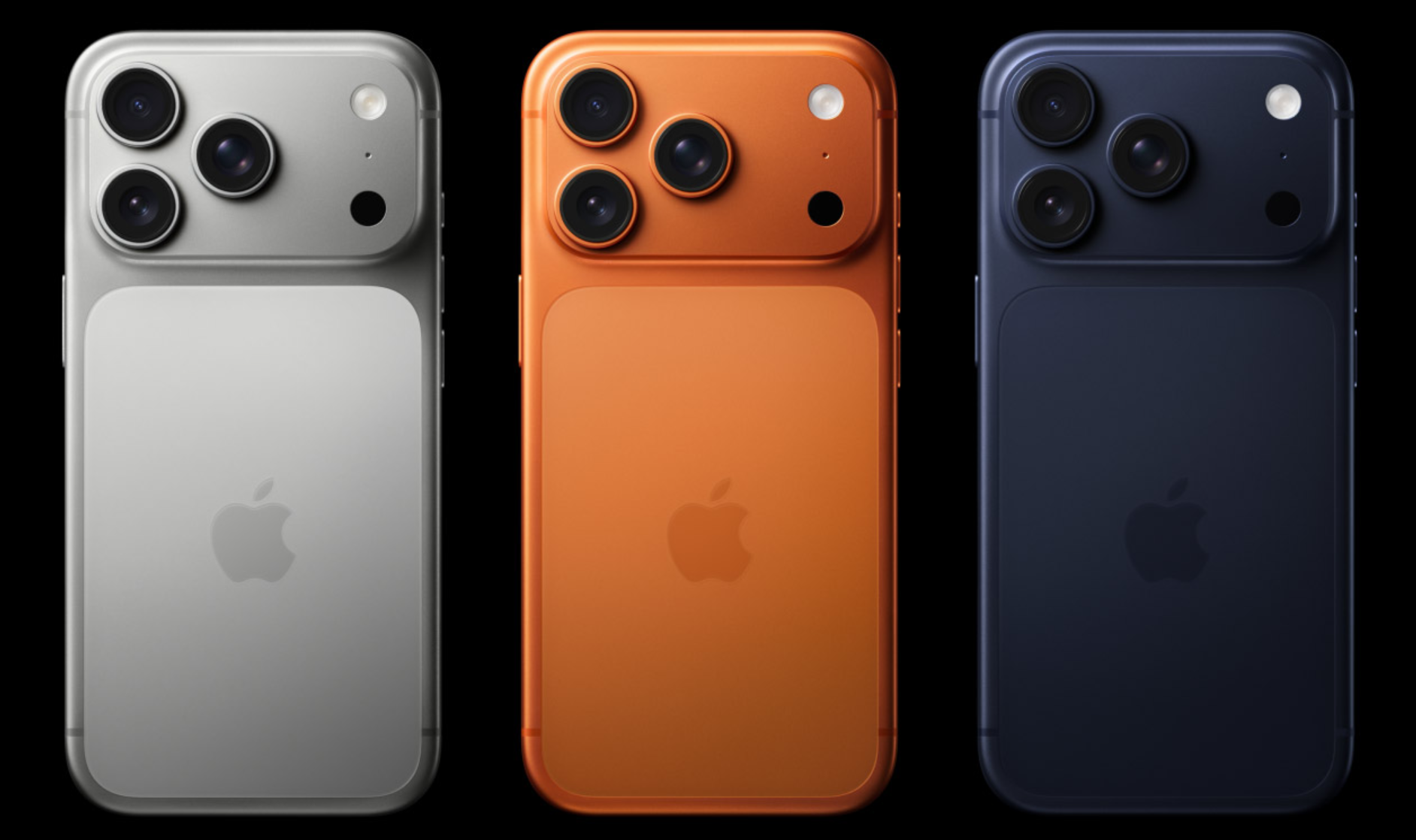
Apple is at the center of speculations once again, and this time it’s about what the signature color of the iPhone 18 Pro series might just be.
There are mixed reports about what the Pro series will deliver as some claim the new signature color will be a new Dark Cherry red, while others say that the Cosmic Orange will stay.
iPhone 18 Pro Rumored Signature Color: New Dark Cherry Red
According to the latest report by Macworld, Apple’s next signature color for its flagship smartphone lineup coming this year, the iPhone 18 Pro series, will be the Dark Cherry red, which is a first for the lineup.
The publication revealed that Apple will replace the color option with the next update, and it is going back to its usual “muted” shade for the new special option.
It is known that Apple opted for Cosmic Orange with the iPhone 17 Pro series, making it one of the most popular colors of the lineup so far.
However, Macworld claims that Apple is opting to divert from the “bright and striking” Cosmic Orange option and deliver this Dark Cherry colorway, adding that it will be “unique enough to distinguish” as a Pro variant of the iPhone.
Is iPhone 18 Pro Getting Cosmic Orange Again?
However, Bloomberg’s Mark Gurman (via 9to5Mac) said last month that he “wouldn’t be surprised” if Apple keeps the Cosmic Orange colorway for the iPhone 18 Pro series coming later this year.
This is because it is an immensely popular color option when Apple introduced it last year, especially as it went with the revamp to the smartphone’s rear camera design scheme.
Cosmic Orange is also the first color option on the Pro series that offered a bold choice for customers instead of the traditional muted colorways that had previously been available in the lineup.
In the past, Apple offered Sierra Blue and Alpine Green (iPhone 13 Pro), Deep Purple (iPhone 14 Pro), Blue Titanium (iPhone 15 Pro), and Desert Titanium (iPhone 16 Pro) color options for its flagship lineups.
Originally published on Tech Times
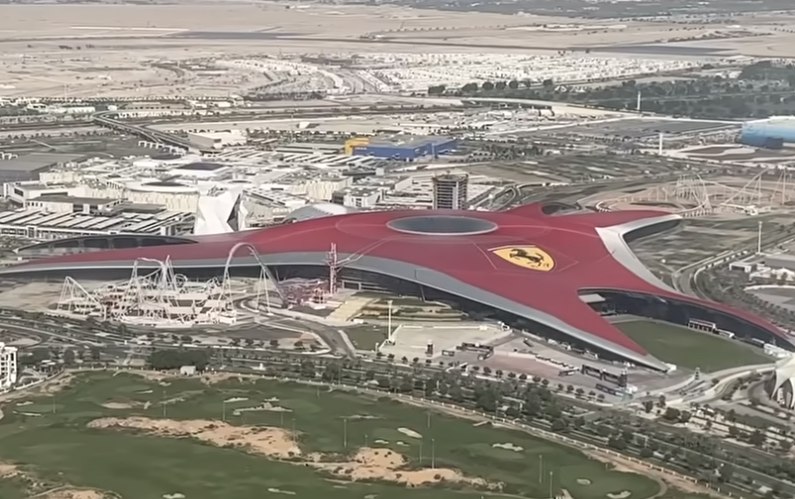
ABU DHABI, United Arab Emirates — Zayed International Airport, commonly known as Abu Dhabi International Airport, remains open and operational on Saturday, April 18, 2026, handling a reduced schedule of commercial flights despite ongoing regional airspace uncertainties and recovery from recent geopolitical disruptions.

Airport authorities and major carrier Etihad Airways confirm that all three terminals are active, with departures and arrivals continuing throughout the day, though at roughly 60-75% of normal capacity. Passengers are strongly advised to verify their flight status directly with airlines before heading to the facility, as schedules remain subject to last-minute changes.
The airport’s official website and live flight trackers show dozens of departures listed for the day, including Etihad services to key destinations in Europe, Asia and the Middle East. However, many travelers continue to face delays, cancellations or re-routings as airlines navigate restricted airspace corridors amid heightened security concerns in the broader region.
Background on Recent Disruptions
The current situation stems from several weeks of airspace restrictions triggered by escalating tensions in the Middle East earlier in 2026. Temporary closures and no-fly zones forced major carriers, including Etihad, to suspend operations at various points in March. Partial recovery began in early April, with Zayed International Airport resuming limited commercial flights around April 8.
As of mid-April, operations have stabilized but not fully normalized. Etihad Airways, the airport’s primary airline, is running approximately 75 to 85 daily departures depending on the day, focusing on high-demand routes while prioritizing safety and regulatory compliance. Other carriers such as Air Arabia and select international partners have also restarted limited services.
Airport operator Abu Dhabi Airports (AD Airports) stated that coordination with the UAE General Civil Aviation Authority (GCAA) and international partners has enabled a phased return to service. “Safety remains our absolute priority,” officials reiterated in recent updates. Terminal access is restricted to passengers with confirmed tickets.
What Travelers Can Expect Today
Live departure boards indicate active flights to destinations including London, Frankfurt, Karachi, Mumbai, Bangkok and Doha. On-time performance hovers around 74% for departures and 84% for arrivals on a typical day under current conditions, with very low overall delay indices reported in recent hours.
Weather in Abu Dhabi is clear, with temperatures around 25-30°C (77-86°F) and light winds, posing no additional operational challenges. However, rerouting due to regional restrictions can add 30-90 minutes to some flight times.
Passengers arriving at the sleek, modern terminal complex — one of the region’s newest and most luxurious — will find full services available, including retail, dining and lounges. The airport has even opened its doors to non-travelers via a special “shopping pass” experience, allowing visitors to enjoy the facilities without a boarding pass.
Advice for Passengers
Authorities emphasize several key recommendations:
- Check flight status via the official Zayed International Airport website, Etihad app or airline portals immediately before travel.
- Arrive earlier than usual — at least three to four hours for international flights — due to enhanced security screening.
- Ensure contact details are updated with airlines for rebooking or refund notifications.
- Consider flexible travel plans, as free rebooking options remain available for many tickets issued before recent disruptions.
For those whose flights are canceled, Etihad and other carriers offer rebooking to dates up to mid-May or full refunds. Alternative hubs in Doha or direct long-haul options from other Gulf airports may provide workarounds, though capacity is strained across the region.
Economic and Strategic Importance
Zayed International Airport plays a critical role in Abu Dhabi’s vision as a global aviation and tourism hub. Designed with future growth in mind, the facility can handle over 45 million passengers annually once fully ramped up. The current disruptions highlight the vulnerability of Gulf aviation to geopolitical events but also underscore the resilience of UAE infrastructure.
Tourism and business travel to Abu Dhabi have shown signs of rebounding as operations stabilize. Visit Abu Dhabi officials note that the emirate remains welcoming to international visitors, with hotels and attractions operating normally. The airport serves as a vital gateway not only for leisure travelers drawn to the Sheikh Zayed Grand Mosque and Louvre Abu Dhabi but also for business executives heading to the city’s expanding economic zones.
Looking Ahead
Aviation analysts expect a gradual return to fuller schedules over the coming weeks, provided regional tensions continue to ease. Full restoration could take until late April or early May, depending on diplomatic developments and airspace reopenings.
In the meantime, Zayed International Airport stands as a symbol of continuity. Its world-class architecture, efficient processes and commitment to passenger comfort continue to impress even under constrained conditions. For travelers with confirmed bookings today, the airport offers a relatively smooth experience compared to the uncertainties of recent weeks.
Those planning travel in the near term should monitor official channels closely. The airport’s flight status pages, airline apps and GCAA notices provide the most reliable real-time information. While challenges persist, the fact that Abu Dhabi’s primary gateway is open and functioning demonstrates the UAE’s strong recovery capabilities in the face of external pressures.
As the sun sets over the desert capital this Saturday evening, aircraft continue to take off and land at Zayed International, carrying passengers toward destinations near and far. For many, today’s operations represent a hopeful step toward normalcy in a region where connectivity remains essential for both economy and everyday life.
Travelers are reminded that the situation can evolve rapidly. Always prioritize direct confirmation from your airline and the airport before making any journey to Abu Dhabi International Airport.

Padraig Harrington makes BOLD Rory McIlroy Masters prediction

Valve's Proton 11 beta boosts Linux gaming with better performance and classic game support

US raises the stakes in the Strait of Hormuz


-
 NewsBeat6 days ago
Pep Guardiola and Gary Neville agree over Arsenal title problem that benefits Man City
-

 Crypto World5 days ago
The SEC Conditionalises DeFi Platforms to Be Avoided for Broker Registration
-

 Politics6 days ago
World Cup exit makes Italy enter crisis mode
-

 Crypto World5 days ago
SEC Signals Exemption for Crypto Interfaces From Broker Registration
-

 Fashion18 hours ago
Weekend Open Thread: Theodora Dress
-

 News Videos3 days ago
Secure crypto trading starts with an FIU-registered
-

 Sports1 day ago
NWFL Suspends Two Players Over Post-Match Clash in Ado-Ekiti
-

 Crypto World4 days ago
SEC Proposes Certain Crypto Interfaces Don’t Need to Register as Brokers
-

 Business7 days ago
Ireland Fuel Protests Enter Day 5 as Blockades Spark Shortages and Government Prepares Support Package
-

 NewsBeat4 days ago
Trump and Pope Leo: Behind their disagreement over Iran war
-

 Politics15 hours ago
Palestine barred from entering Canada for FIFA Congress
-
 NewsBeat6 days ago
JD Vance announces ‘no agreement’ with Iran over nuclear weapons fear
-

 Crypto World13 hours ago
Russia Pushes Bill to Criminalize Unregistered Crypto Services
-
Sports6 days ago
Dexter Lawrence, Stefon Diggs, Trading for De’Von Achane
-

 Crypto World5 days ago
Trump whales load up ahead of Mar-a-Lago luncheon.
-
 Crypto World6 days ago
Sei Network Enters Quiet Reset Phase as On-Chain Metrics Signal a Slowdown in 2026
-
 Business2 days ago
Creo Medical agree sale of its manufacturing operation
-

 Sports5 days ago
NWFL opens Pathway for new Clubs ahead of 2026 Season
-
Business5 days ago
Kering slides after Morgan Stanley downgrade, Gucci woes loom
-
 Entertainment4 days ago
Karol G’s ‘Ultra Raunchy’ Coachella Set Gave ‘Satanic Vibes’
You must be logged in to post a comment Login