There are headphones that people remember, and then there are the ones that never really leave the conversation. The AKG K1000 belongs in that second group. Alongside the Sony MDR-R10 and HiFiMAN HE-6, it set a standard that still holds up under scrutiny. Years later, all three continue to command serious money on the used market, not because they are rare, but because very few modern designs have matched what they got right.
Most attempts to revisit that level of performance have missed the mark. HiFiMAN has reworked the HE-6 and chased the R10 formula with uneven results, and while the MySphere 3.2 clearly draws inspiration from the K1000, it plays in a different lane at roughly $4,000 to $6,000 depending on configuration and market. The K1000 has been left alone. Until now. At AXPONA 2026, Apos is stepping in with something that aims directly at one of the most iconic designs in personal audio. That alone makes this more than just another product launch.
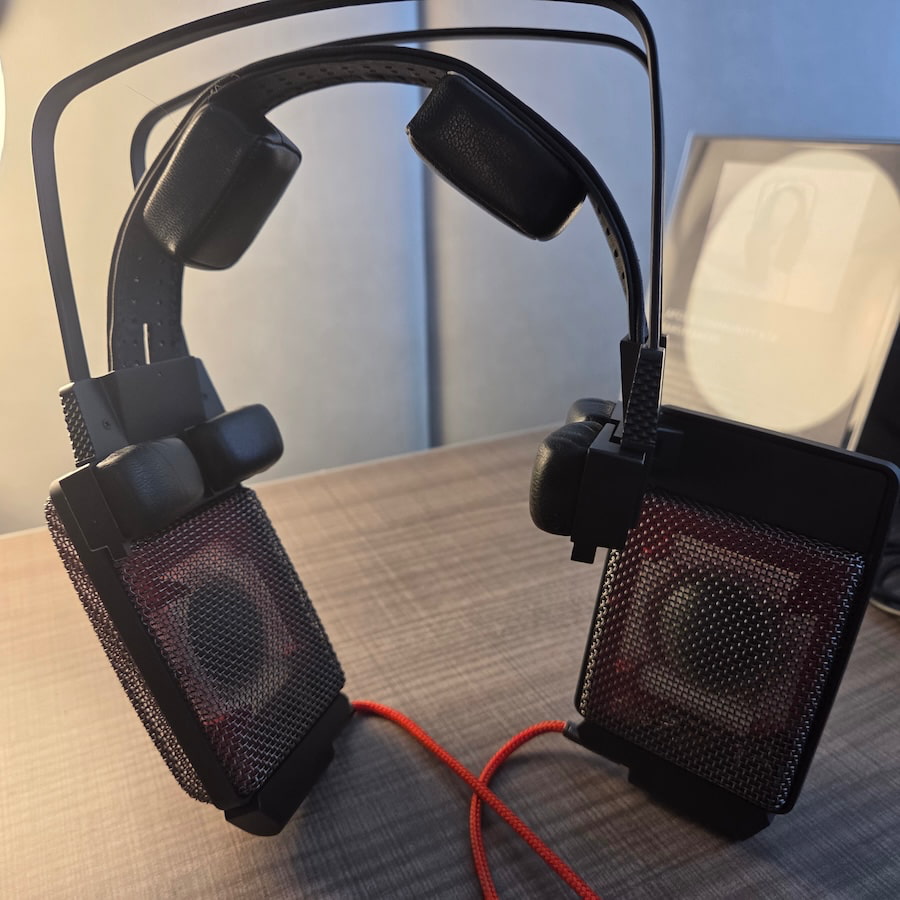
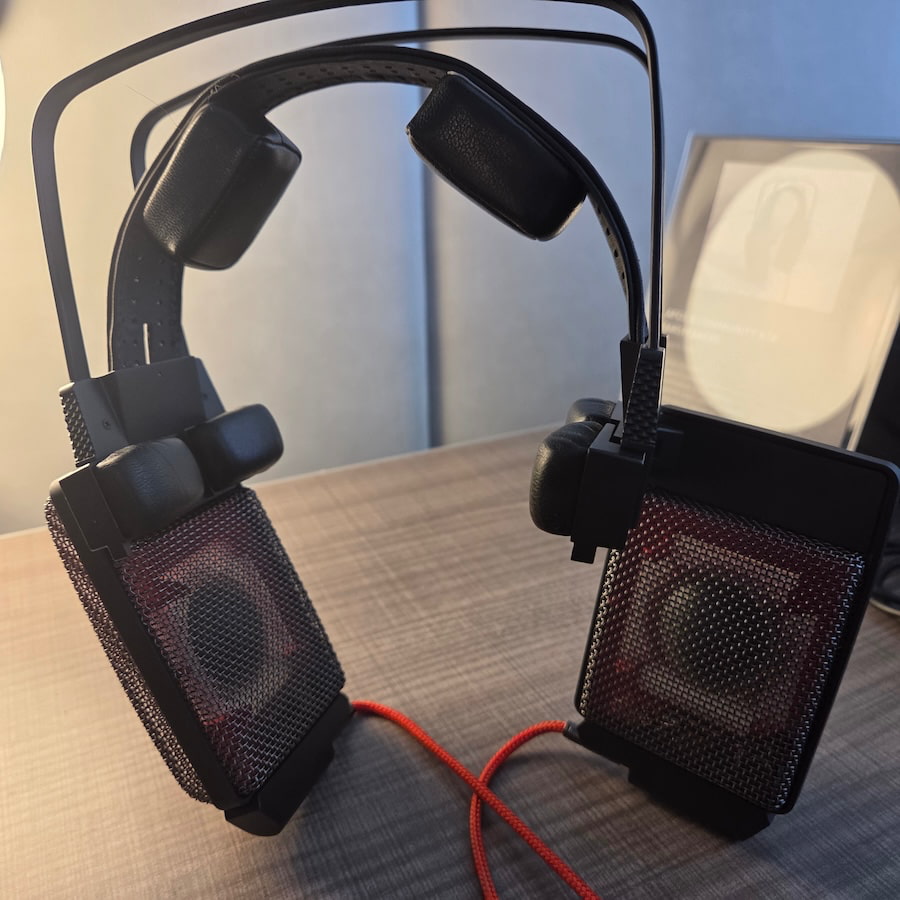
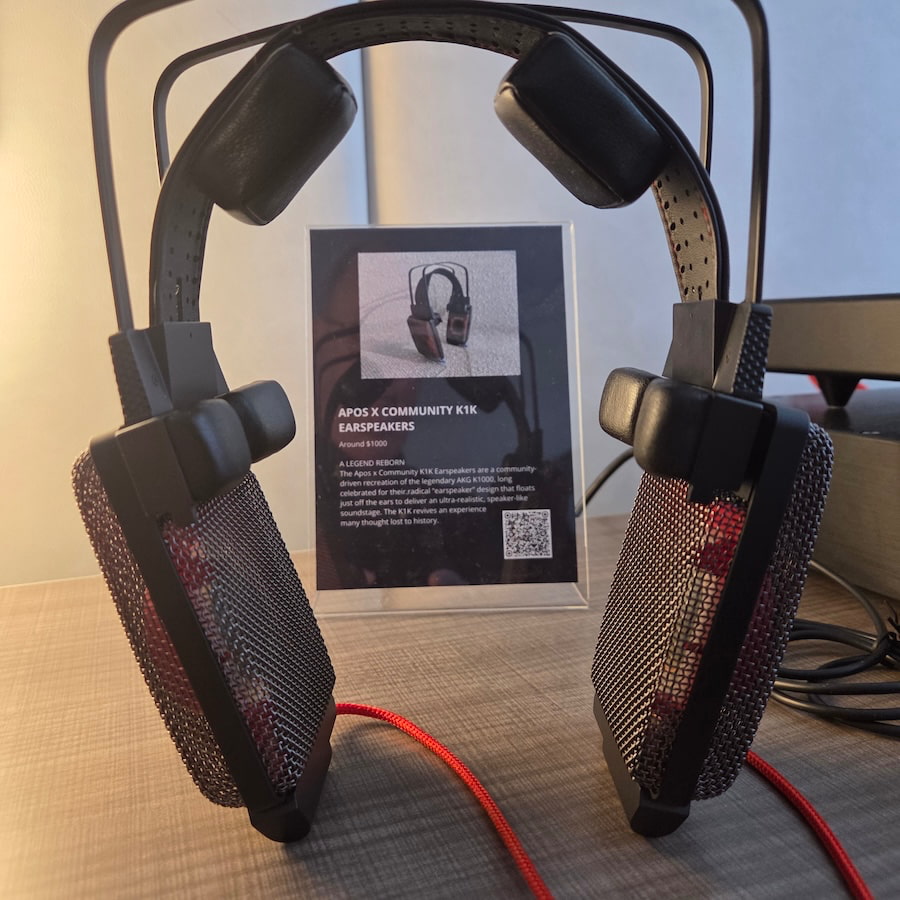
Apos x Community K1K Earspeakers at AXPONA 2026
AKG’s Fall and the K1000 That Refused to Follow the Rules
Sadly, AKG today is a shell of what it once was. After being absorbed into Harman and eventually folded deeper into Samsung’s ecosystem, the brand lost much of the identity that made it matter in the first place. Some of the talent behind those earlier designs walked away and formed Austrian Audio, which tells you everything you need to know about how that transition went. What followed was a slow dilution. Models were revised, repositioned, or quietly dropped, and the through line that defined AKG through the 1990s and early 2000s became harder to recognize.
Those who spent time with the AKG that gave us the K240, K612, K712, and K553 know exactly what that meant. There was a consistency to the design language and tuning. You could spot them across the room and you could usually tell what you were listening to within a few minutes.
Advertisement
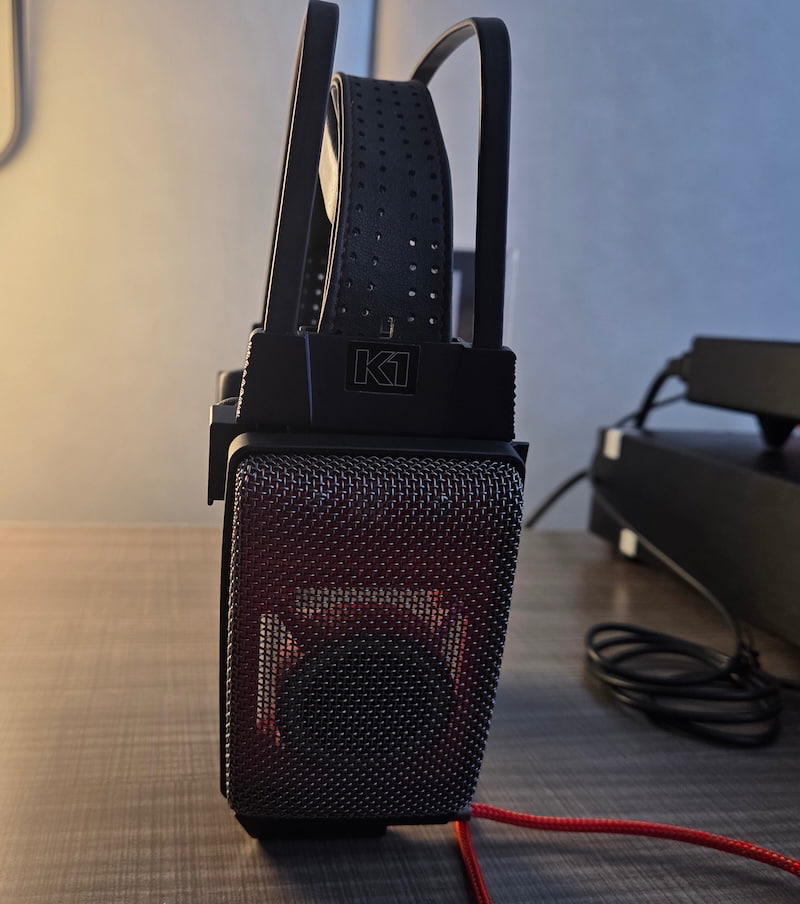
The K1000 never fit into that mold. It arrived earlier, in the late 1980s, and looked like it came from a completely different company. It was not really a headphone. It was closer to a pair of miniature loudspeakers suspended next to your ears. The drivers sat inside rectangular frames, hinged to a headband, allowing you to adjust the angle and distance from your ears. Open air in every direction. No seal. No isolation. Just space.
That design is exactly why people still talk about it. For some, it looks completely impractical. For others, that open geometry is the entire point. It creates a presentation that feels less like something clamped to your head and more like sound existing around you. But there was a cost to doing it that way. If it behaved like a speaker, it demanded to be powered like one.
The K1000 had a real appetite for power, and when it was released, the kind of dedicated headphone amplifiers we have today did not exist. So owners got creative. Most ran them straight off speaker taps from integrated amplifiers and receivers just to get them to wake up. It was inconvenient, sometimes risky, and absolutely necessary.
Despite the unusual design and the need for serious power, the K1000 has not lost its grip on the market. If anything, it has tightened it. A quick scan shows listings pushing toward $2,000 and beyond, with active bids not far behind. That is not casual interest. That is sustained demand for something that has not been available for decades.
Part of that comes down to how few were made. AKG produced roughly 10,000 units in total, split between earlier and later runs that listeners still argue about. The earlier version is often associated with a fuller low end and tends to command the highest prices. The later production models are easier to find by comparison, but not by much, and they still sell for well above their original retail price when they surface.
Advertisement
That imbalance tells the story. There are far more people looking for a K1000 than there are owners willing to part with one. Supply is fixed. Interest is not. That gap has been sitting there for years, waiting for someone to take a serious swing at it.
Apos K1K Steps In with a Modern Take on an Unfinished Story
APOS Audio is taking a real swing at it. Their new K1K is not a clone of the original, but it clearly draws from the same playbook. Recreating something like this was never going to be straightforward. Much of the original knowledge is gone, and tracking down details from a model developed in Vienna decades ago meant reverse engineering existing units and speaking with people who have long since moved on. That kind of effort shows in the final direction. This is not a cosmetic tribute. It is an attempt to understand what made the original work and build from there.
Advertisement. Scroll to continue reading.
My first time with the K1K came at AXPONA in the APOS Audio room. In the hand, it feels familiar but not dated. On the head, it leans into what made the original compelling. The presentation is open and speaker like, with a sense of space that most headphones still struggle to replicate. More importantly, it captures the weight and impact that defined the earlier version without sounding thin or clinical. That balance is not easy to get right but APOS seems to have found a good balance so far based on the sample at the show.
There are still details to come. Final specifications have not been released and pricing was not locked at press time, but APOS indicated that it will land close to the original MSRP. Adjusted for today, that puts it in a very different position relative to what the market is charging for used K1000 units. If they stick that landing, it could shift the conversation quickly. Production is expected to begin late 2026 or early 2027, and based on what I heard, this is one to watch closely.
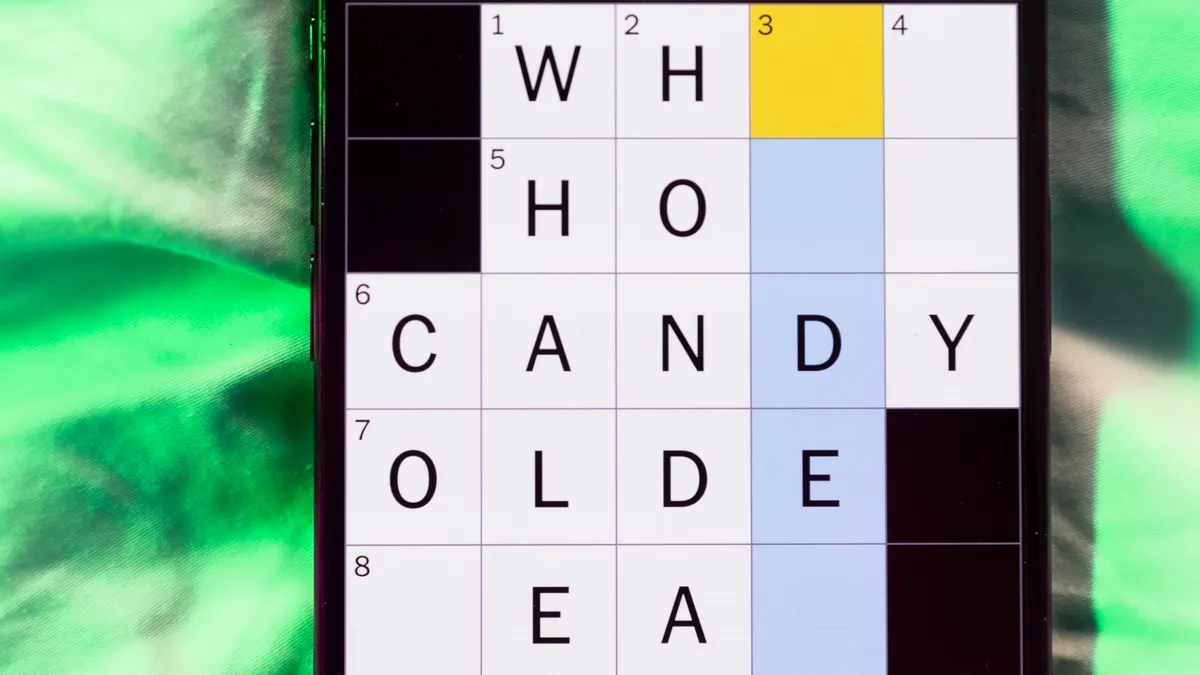
Looking for the most recent Mini Crossword answer? Click here for today’s Mini Crossword hints, as well as our daily answers and hints for The New York Times Wordle, Strands, Connections and Connections: Sports Edition puzzles.
Need some help with today’s Mini Crossword? Read on for all the answers. And if you could use some hints and guidance for daily solving, check out our Mini Crossword tips.
If you’re looking for today’s Wordle, Connections, Connections: Sports Edition and Strands answers, you can visit CNET’s NYT puzzle hints page.
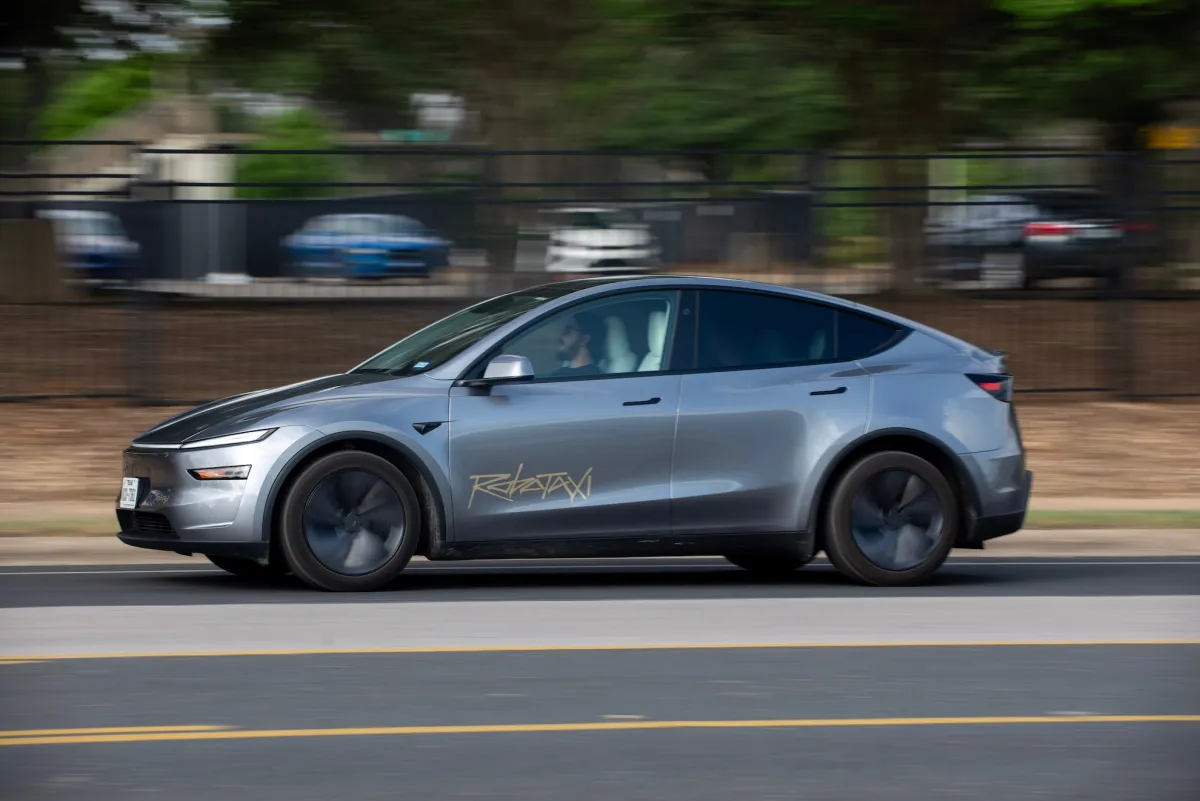
Tesla is expanding its robotaxi service to Dallas and Houston, according to a social media post from the company.
The post says simply that “Robotaxi is now rolling out in Dallas & Houston 🤠” and includes a 14-second video showing Tesla vehicles driving without human monitors or drivers in the front seat.
Tesla may not be running many vehicles in either of these new markets yet, with crowdsourced data on the Robotaxi Tracker website only registering a single vehicle in each city (compared to 46 active vehicles logged in Austin).
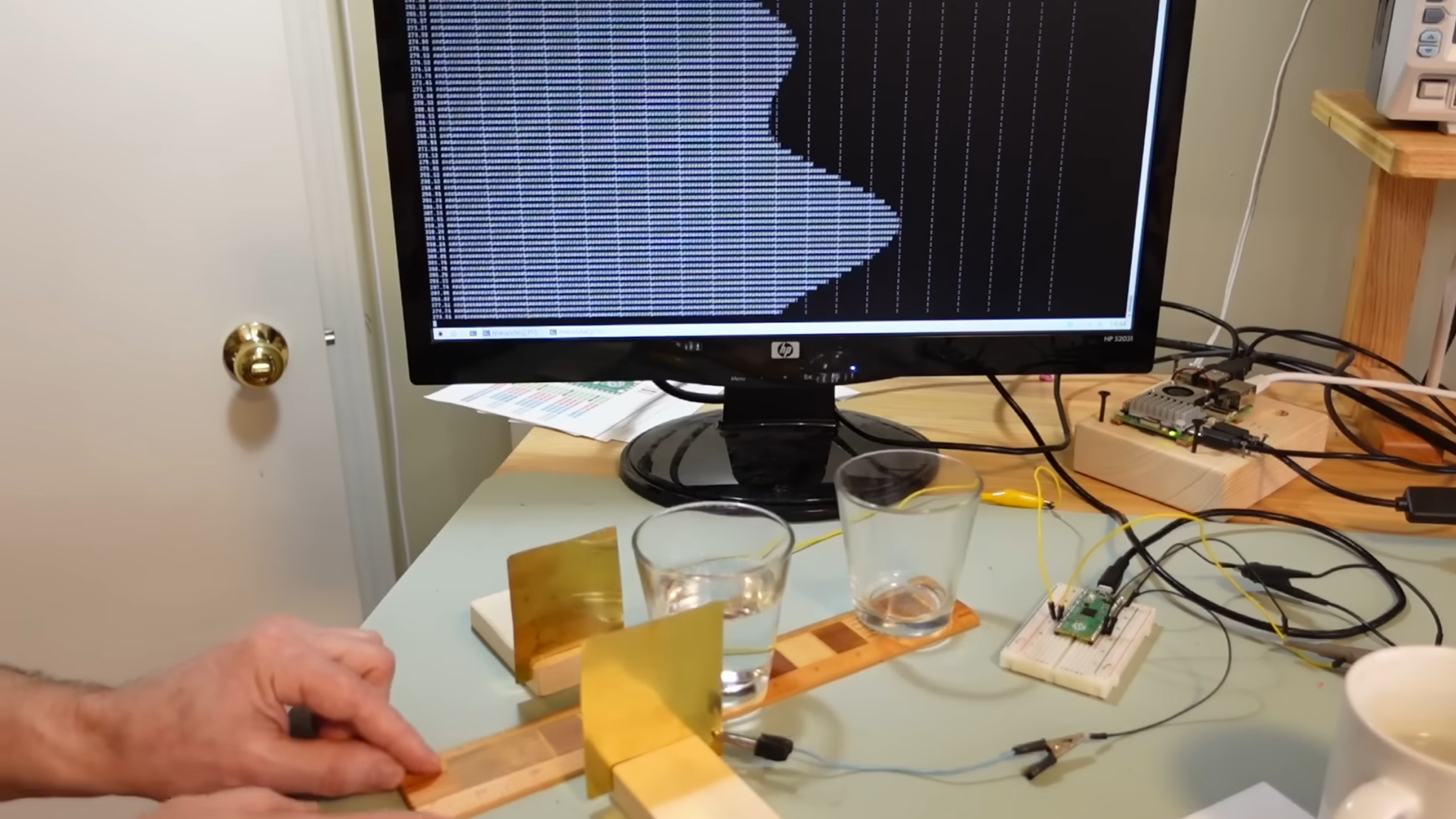
Capacitive displacement sensors span a wide range of resolution, from the touchscreen sensors which can only detect displacement as a binary state, all the way to the sensors in semiconductor fabs which measure down to nanometers. The sensor [Matthias Wandel] built with a Raspberry Pi Pico lands somewhere in the middle, providing both sensitive measurements and an absolute scale.
The idea is that the amount of overlap between two metal plates should be detectable by measuring the capacitance between them. Reaching any kind of usable resolution would require a very precise measure of capacitance, around the picofarad range. [Matthias] realized that the Pico’s GPIO pins have an inherent capacitance, and can have a pull-down resistor set, essentially creating an RC circuit. [Matthias] would set a pin to a high-level output, then switch it to an input. The amount of time the pin takes to switch from high to low indicates the RC constant, which includes the capacitance attached to the pin.
When attached to a metal plate, the Pico was sensitive enough to detect the plate’s capacitive coupling to [Matthias]’s hand through a thick wooden floor. To measure capacitance between two metal plates, the Pico measured how well a voltage signal applied to one plate was coupled to the other plate. This was sensitive enough to measure the slight change in the dielectric constant when [Matthias] waved a piece of ABS pipe between the two capacitor plates. Making actual position measurements was tricky, since capacitance changed with both X- and Z-axis shifts in the plates.
Advertisement
Digital calipers use similar capacitive sensors to make their measurements, as [Matthias] knows from his experiments in hacking them. If you’re interested in more details, check out this teardown of some cheap digital calipers.
Safe driving skills can mean the difference between a mundane morning commute and a potentially serious accident. It’s especially true for motorcyclists, as riding a motorcycle is one of the most dangerous forms of transportation on the road. Taking a motorcycle safety course is a good idea, and many U.S. states, including California, offer such a program. The California Motorcyclist Safety Program (CMSP) is available at a cost of up to $425 for riders 21 and over, and up to $395 for those riders 20 and under.
Built around the R.I.D.E. philosophy (Responsible, Informed, Disciplined, and Equipped), the program’s fee covers student training, including classroom instruction and riding practice on a closed course. Training takes place at one of 87 different locations in the state, and an approved helmet is supplied beforehand. The program even provides motorcycles for training, though students can ride their own, as long as they meet predetermined requirements. Students are encouraged to wear motorcycle gear that makes riding safer, including pants, boots, a jacket, and gloves. Eye protection is also advised.
Expert instructors guide students through real-world situations, helping them to develop their skills along the way. Riders get comprehensive instruction based on the latest safety research. Students may receive insurance breaks once the course is completed, which could help offset the cost. Additionally, riders can get a DMV skills test waiver, saving time in the long run.
Advertisement
What you need to know about the CMSP
Sukanya Sitthikongsak/Getty Images
There are some things riders should know before enrolling in the California Motorcyclist Safety Program (CMSP). First, the minimum age is 15 ½, and students need a valid driver’s license, learner’s permit, or DMV ID card. Though self-balancing bikes do exist, you’re required to maintain your balance while sitting on a bike. Of the two courses offered, the 1-Day Premier Course is the shortest and is completed in around eight hours.
The Motorcyclist Training Course (MTC) runs for about 15 hours over a three-day period. Unlike the Premier Course, the MTC is actually mandatory for all riders under the age of 21. This means that even if you do have some experience and want to go straight to the DMV for your motorcycle license, you won’t be able to get it. That’s because the MTC is California’s primary safety and training program, and all eligible riders must successfully complete it to move forward.
Advertisement
But while the CMSP has trained over 1,500,000 motorcyclists since 1987, some online reports seem to contradict the effectiveness of such programs. According to research from the National Highway Traffic Safety Administration, rider education programs yield mixed results. Skill improvement and rider behavior often don’t translate into real-world scenarios, and don’t necessarily reduce the number of motorcycle-related crashes over time. This means that even though the CMSP seeks to prepare students for the road, it’s the experience and knowledge accumulated afterward that makes all the difference.
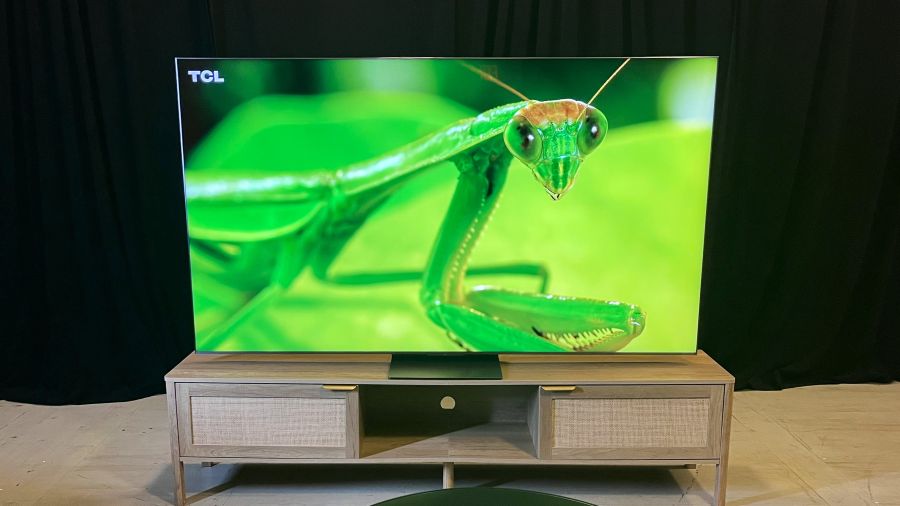
TCL has announced pricing and availability for its QM8L and QM7L series TVs, bringing its SQD Mini-LED display technology, first introduced in the flagship X11L SQD Mini-LED TV at CES 2026, to more accessible price points and a wider range of screen sizes.
The company also announced its first RGB Mini-LED TV, the RM9L series, plus a new 50-inch screen size option for its entry-level QM6K Mini-LED TV series, which carries over from 2025.
SQD stands for Super Quantum Dots, which is a new, enhanced version that provides extended color gamut coverage (up to 100% BT.2020, according to TCL) compared to standard Quantum Dots. Along with the new color tech, the QM8L series features the same WHVA 2.0 Ultra Panel and TSR AI Pro processor found in the X11L, while the QM7L features an HVA 2.0 Pro Panel and TSR AI processor.
TCL QM8L SQD Mini-LED
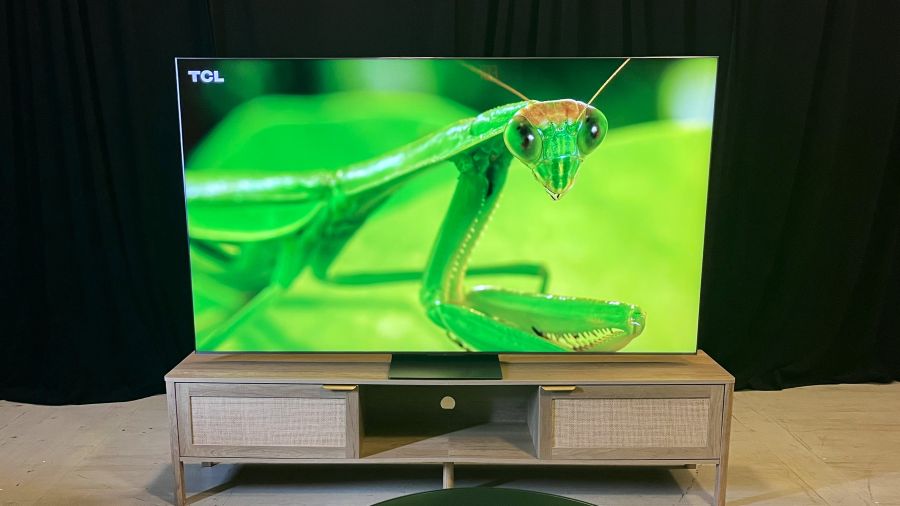
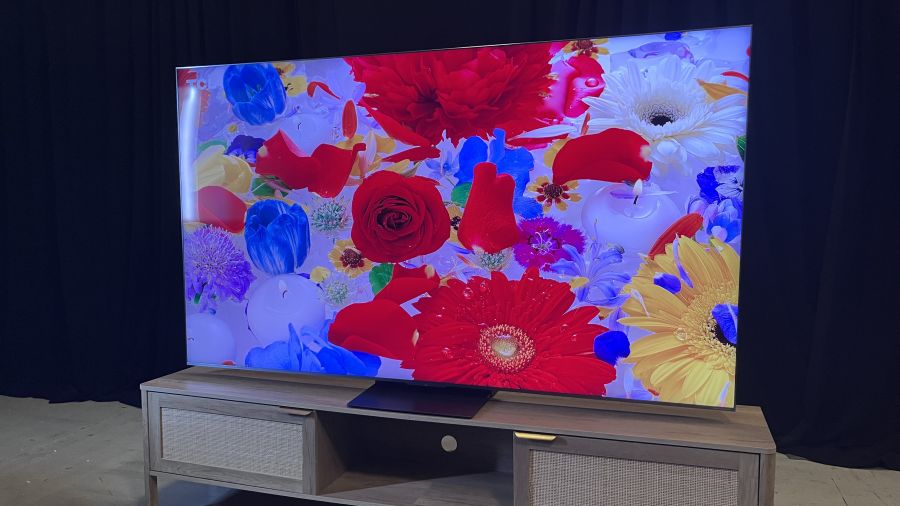
A TCL QM8L series TV at a recent preview event in NYC
TCL’s QM8L series TVs are available now in screen sizes from 65 to 98 inches, with pricing ranging from $2,499.99 to $5,999.99. Those figures are in line with last year’s QM8K series Mini-LED models, which relied on standard quantum dot technology.
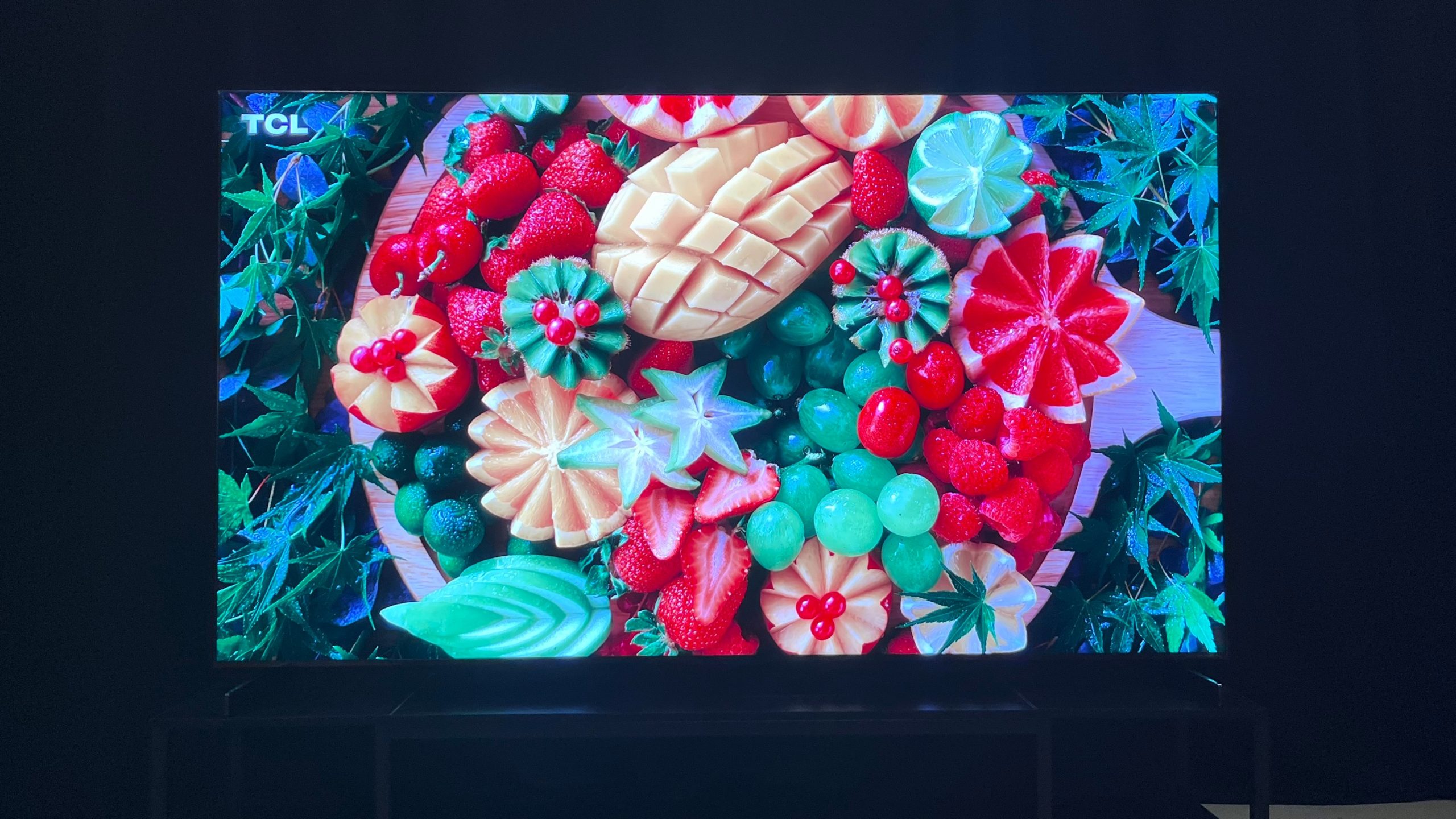
TCL Deep Color System
The TCL Deep Color System used in the QM8L Series consists of Super Quantum Dots and the company’s CSOT UltraColor Filter, which uses 5 Nanometer particles as compared to the 60 Nanometer particles used in regular mini-LED TVs and is claimed to provide accurate pixel-level color, When combined with an Advanced Color Purity Algorithm, the result is consistent color saturation along with the elimination of color crosstalk for purer colors and more accurate whites.
Advertisement
WHVA 2.0 Ultra Panel with Enhanced Halo Control System
TCL’s WHVA 2.0 Ultra Panel in QM8L series TVs provides a wide color viewing angle with increased static contrast over last year’s QM8K series. It also continues the ZeroBorder design that minimizes the visual effect of edge bezels and has a contrast-enhancing anti-reflective layer to reduce screen glare when viewing in bright rooms.
For the QM8L series, TCL has upped the precision of the mini-LED panel’s backlight controller from 23 bits to 26 bits, and added shadow detail optimization. The new TVs feature up to 4,000 backlight local dimming zones (on the 98-inch model), have a specified brightness of up to 4,000 nits, and use TCL’s Enhanced Halo Control System to minimize backlight blooming effects.
The QM8L series features a high-contrast, anti-reflection screen that, unlike matte screens, is still subject to some glare
TSR AI Pro Processor
The TSR AI Pro Processor in QM8L series TVs features Super Resolution 2.0 for detail enhancement. It also provides AI-enhanced color, contrast, clarity, motion, and upscaling, all of which can be turned on or off on a selective basis.
Google Gemini Interactive AI, with Hands-Free Voice Control
The Google smart TV platform provided in the QM8L series isn’t the basic one found in countless smart TVs, but one that’s enhanced with the Gemini Interactive AI assistant. This feature extends the TV’s content search capabilities by letting you also engage in conversations – hands-free, using the TV’s built-in far-field mic – and it can also be used to find out information about a wide range of subjects. Gemini can further provide news briefs with related video clips and can generate screensaver art from text or voice prompts
Advertisement
Format Support
The QM8L series supports the Dolby Vision (IQ), HDR10+, HDR10, and HLG high dynamic range formats, and Dolby Vision 2 Max support will be added to that list in a future software update. Picture presets include a Filmmaker Mode and IMAX Enhanced mode.
Audio by Bang & Olufsen
TCL QM8L TVs are stacked with audio features, starting with the built Audio by Bang & Olufsen speaker array. This provides support for Dolby Atmos and DTS:X soundtracks, and there are also dual bass modules on the TV’s back panel. An optional subwoofer can be connected wirelessly, and the QM8L series also supports Dolby Atmos FlexConnect for use with the company’s Z100 wireless speaker and Z100-SW subwoofer in up to 4.1.4-channel configurations.
Advertisement. Scroll to continue reading.
Gaming and Connections
The QM8L series has a native 144Hz refresh rate and also supports 1080p/288Hz input for PC gaming and FreeSync Premium Pro. High refresh rates are supported across all four of the TV’s HDMI 2.1 inputs, and there are also Ethernet and USB ports, an optical digital audio output, and an RF input for the TV’s ATSC 3.0 tuner.
Advertisement
TCL QM7L SQD Mini-LED
The TCL QM7L’s Enhanced Halo Control System is effective at eliminating backlight blooming
TCL QM7L series TVs are available for pre-order in screen sizes ranging from 55 inches to 98 inches, priced from $1,199.99 to $3,999.99. Like the QM8L series models, these feature TCL’s Enhanced Halo Control System and Deep Color System with Super Quantum Dots and CSOT UltraColor Filter but use a more basic HVA 2.0 Pro Panel.
The QM7L series features TCL’s new 26-bit backlight controller but the local dimming zone count is more modest, topping out at 2,100 zones on the 98-inch model. Brightness is specified at up to 3,000 peak nits. The TSR AI Processor used in the QM7L series supports the standard Dolby Vision and HDR10+ formats, but can’t be updated in the future for Dolby Vision 2.
Other key QM7L features include an Audio by Bang & Olufsen speaker array and Gemini for Google TV. For gaming, the QM7L supports 144Hz input on two of its four HDMI ports, and advanced audio capabilities include optional wireless subwoofer support and Dolby Atmos FlexConnect (3.1.3-channel configuration).
TCL RM9L RGB Mini-LED
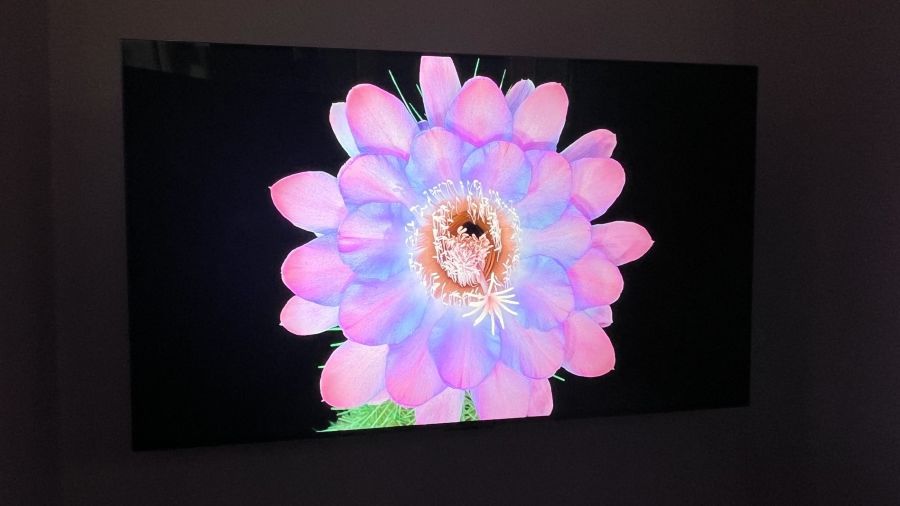
TCL’s RM9L RGB-Mini LED TV is capable of full BT.2020 color gamut reproduction, but the company still considers SQD-Mini-LED to be its flagship TV technology
TCL RM9L series TVs are also available for pre-order now in screen sizes ranging from 75 inches to 98 inches, priced from $7,999.99 to $29,999.99. The company calls the new series “the most advanced RGB-Mini LED TV to date,” with its individual red, green, and blue LED modules capable of full BT.2020 color gamut reproduction.
Similar to the company’s SQD-Mini-LED TVs, the RM9L series uses TCL’s CSOT UltraColor Filter “for more consistent color saturation.” It further features TCL’s Enhanced Halo Control Systems, high-contrast CSOT WHVA 2.0 Ultra panel, and TSR AI Pro processor.
A 30-bit controller provides precise backlight control over up to 3,800 local dimming zones, and the RM9L series TVs are specified for up to 6,000 nits peak brightness. The Dolby Vision IQ, HDR10+, and HLG high dynamic range formats are supported, and the RM9L series will get Dolby Vision 2 Max support in a future software update.
Advertisement
Gaming support is similar to the QM8L series TVs, with four 4K/144Hz-capable HDMI 2.1 ports. Audio features are also the same, with an Audio by Bang & Olufsen speaker array, optional wireless subwoofer support, and Dolby Atmos FlexConnect (4.1.4-channel).
The Bottom Line
TCL is positioning its SQD-Mini-LED TV lineup as its top TVs for 2026, and asserts that Super Quantum Dots delivers superior performance to the RGB LED tech that manufacturers such as Samsung, Sony, LG, Hisense, and even TCL itself are promoting. Outside of our hands-on review of the Samsung R95H Micro RGB TV, eCoustics hasn’t had an opportunity to fully assess the benefits of RGB LED, but our full TCL QM8L series TV review confirms that SQD-Mini-LED provides stiff competition for that new tech.
The TCL X11L series (full review in the works) is currently the company’s flagship SQD Mini-LED TV, and with its specified 10,000 nits peak brightness and up to 20,000 local dimming zones, it’s about as formidable as mini-LED TVs get. But at prices ranging from $6,999.99 (75-inch) to $9,999.99 (98-inch), the X11L series is also as expensive as TVs get.
With many of the same features found in the company’s flagship, the TCL QM8L series is an impressive value. It might not have as many dimming zones, and it’s also not as bright, but as we found in our review, it gives both the X11L series and the forthcoming slew of RGB LED models a good run for the money.
Advertisement
The QM7L series also has impressive specs, and also looks to be a great value. Aside from lower peak brightness and fewer dimming zones, its main disadvantages compared to the step-up QM8L appear to be lesser gaming features and no Dolby Vision 2 Max support.
Advertisement. Scroll to continue reading.
TCL is bullish on the performance of its new RM9L series RGB Mini-LED TVs as compared to the competition, but SQD Mini-LED is clearly the favorite son here. That’s because TCL sees limitations in RGB LED technology that can result in color crosstalk plus a higher level of backlight blooming artifacts than you’ll get on SQD Mini-LED. The company obviously wanted to cover all of the bases with its 2026 TV lineup, however, and that’s why both backlight technologies are represented.
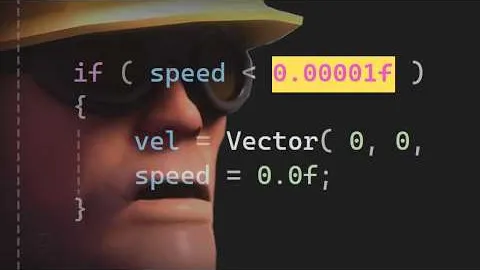
Ever encountered a minor annoying bug in a video game? How about one dating back to 2018? Usually, you have no hope of fixing it, but this time is different. [Joey Cheerio] shows the first-time programmer approach to (with great difficulty) fixing a bouncy ball prop turning invisible when shot in Team Fortress 2.
It starts with a band-aid solution that hides the problem: just turn off jiggle physics! While that works, it also affects many other models in the game, and doesn’t tackle the root cause. Time to investigate. Because this ball often goes overlooked, [Joey Cheerio] didn’t even realize that it was supposed to have jiggle physics, accidentally removing it. Turns out, after scouring the internet for old footage, it’s supposed to jiggle after all.
Back to square one, [Joey Cheerio] infers that the jiggle bone accidentally removed was related to the problem, eventually figuring out that the specific type of jiggle bone used (is_boing) caused the issue. Time to dig in the code. Tracking down the problem is no small feat for someone who’s never programmed before, even with the help of LLMs, but eventually, at 4 in the morning, a breakthrough! The ball no longer turned invisible but retained the intended jiggle.
Advertisement
At the limits of his knowledge on the subject, [Joey Cheerio] posts his partial progress so far to GitHub, where [ficool2] tracks down the real problem and turns this second band-aid into a proper fix. [Joey Cheerio] finishes up by explaining the math of what exactly went wrong.
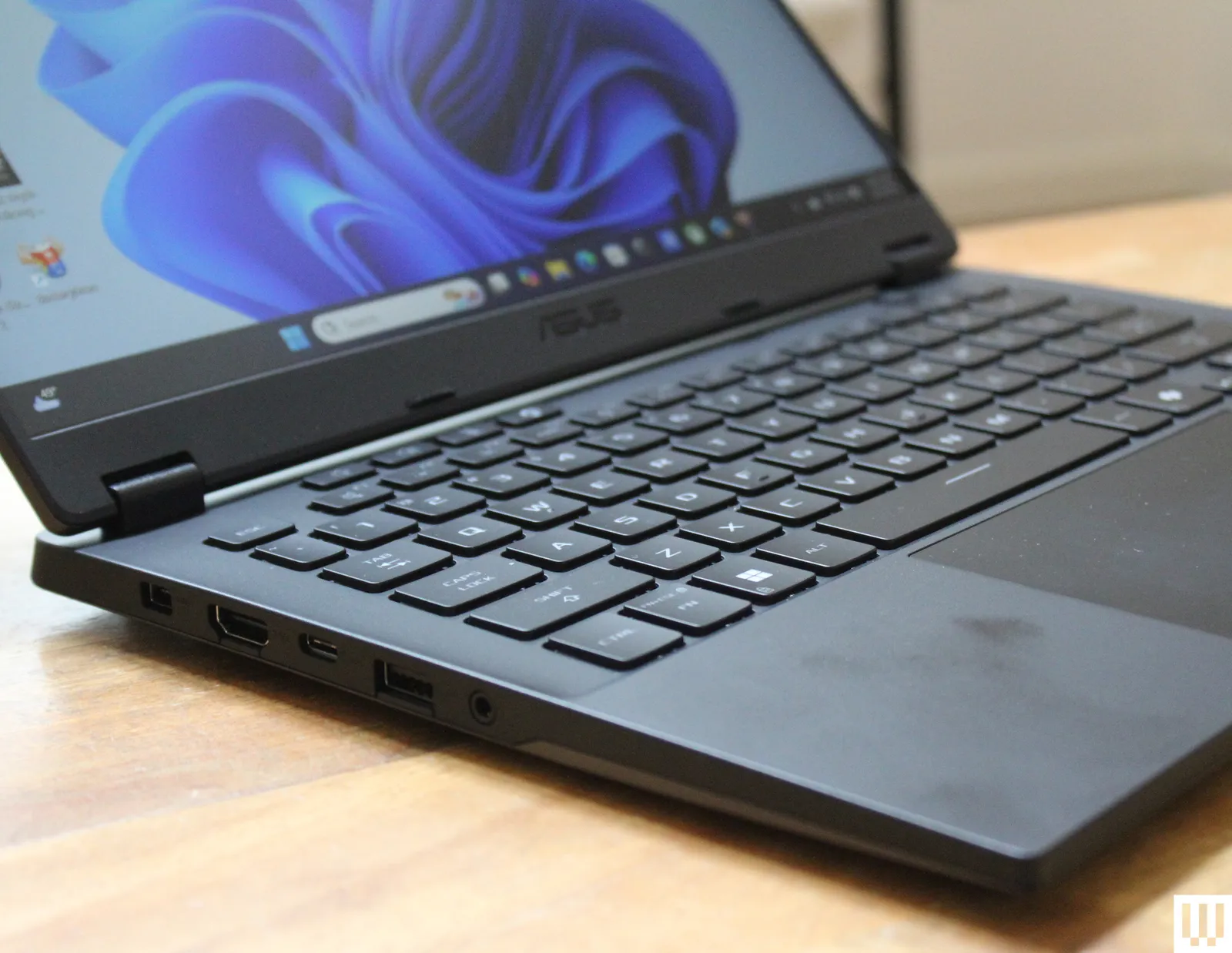
In the past, I’ve stayed away from Asus TUF laptops, as it was the bottom-tier in terms of design. That meant chunky chassis, poor displays, and thick bezels. The models from 2025 looked more modern, but the prices weren’t competitive with some of my favorite cheap gaming laptops like the Lenovo LOQ 15 and Acer Nitro V 16.
But again, the TUF A14 is something new, and the design is impressive. It’s right around the same thickness and weight as the 14-inch MacBook Pro, and the bezels around the sides of the screen are really trim. The bottom bezel is thick, primarily because the A14 uses a 16:9 aspect ratio screen. I won’t belabor that point, but it means less screen and more bezel in the same footprint. Overall, it’s very subtle. The gaming aesthetic is heavily downplayed, with only a few elements left, such as the typeface on the keycaps and the shape of the vents below the hinge. There’s not even per-key backlighting on the keyboard.
Photograph: Luke Larsen
Photograph: Luke Larsen
Advertisement
You’d never know this was a gaming laptop based on the usability of the keyboard and touchpad; on gaming laptops versus work ones, these can often be afterthoughts. Here, they’re both excellent. The touchpad, in particular, is oversized and surprisingly precise. Although the laptop is made of plastic, it handled the pressure I was putting on it around the lid, keyboard, and palm rests without too much give.
The TUF A14 has a helpful assortment of ports. On the left side, you get a USB-A 3.2 port, USB-C port, HDMI 2.1, headphone jack, and proprietary power jack. You get an additional USB-A and USB-C (USB4) port on the right side, alongside a micro SD card slot. I really like the decision to put the USB4 port on the right side, as it means you can both charge the laptop or connect to an external display from the right side too. Only being able to charge from one side is one of my pet peeves, so good job, TUF A14.
More Than Gaming
Photograph: Luke Larsen
Once I saw the resolution of the display, I knew the TUF A14 was no longer a real “budget” device. It’s 2560 x 1600, a big step up from the typical cheap gaming laptop. It also has a 165 Hz refresh rate, which is useful for when playing in 1200p—and let’s be honest, that’s the go-to the vast majority of the time. The higher resolution, though, plays into why the A14 is a solid hybrid device that can work as well for gaming as it does for school or work.
A new NYT Connections puzzle appears at midnight each day for your time zone – which means that some people are always playing ‘today’s game’ while others are playing ‘yesterday’s’. If you’re looking for Saturday’s puzzle instead then click here: NYT Connections hints and answers for Saturday, April 18 (game #1042).
Good morning! Let’s play Connections, the NYT’s clever word game that challenges you to group answers in various categories. It can be tough, so read on if you need Connections hints.
What should you do once you’ve finished? Why, play some more word games of course. I’ve also got daily Strands hints and answers and Quordle hints and answers articles if you need help for those too, while Marc’s Wordle today page covers the original viral word game.
Advertisement
SPOILER WARNING: Information about NYT Connections today is below, so don’t read on if you don’t want to know the answers.
Article continues below
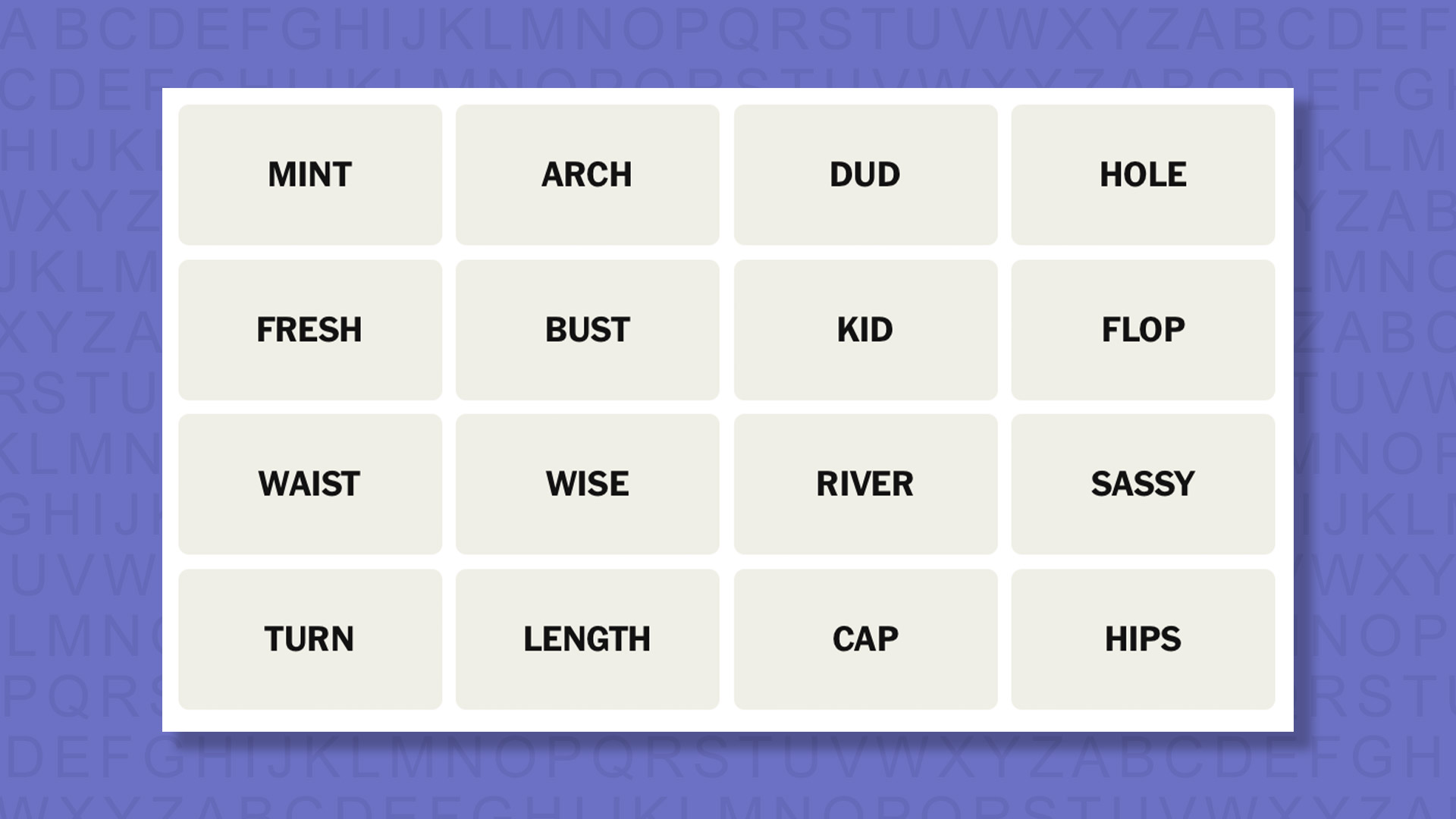
NYT Connections today (game #1043) – today’s words
(Image credit: New York Times)
Today’s NYT Connections words are…
MINT
ARCH
DUD
HOLE
FRESH
BUST
KID
FLOP
WAIST
WISE
RIVER
SASSY
TURN
LENGTH
CAP
HIPS
NYT Connections today (game #1043) – hint #1 – group hints
What are some clues for today’s NYT Connections groups?
YELLOW: A brazen personality
GREEN: Garment construction
BLUE: Poker terms
PURPLE: Confectionery ends
Need more clues?
We’re firmly in spoiler territory now, but read on if you want to know what the four theme answers are for today’s NYT Connections puzzles…
Advertisement
Sign up for breaking news, reviews, opinion, top tech deals, and more.
NYT Connections today (game #1043) – hint #2 – group answers
What are the answers for today’s NYT Connections groups?
YELLOW: CHEEKY
GREEN: DRESS MEASUREMENTS
BLUE: CARDS IN TEXAS HOLD ‘EM
PURPLE: LAST WORDS OF CANDY BRANDS IN THE SINGULAR
Right, the answers are below, so DO NOT SCROLL ANY FURTHER IF YOU DON’T WANT TO SEE THEM.
Advertisement
NYT Connections today (game #1043) – the answers
(Image credit: New York Times)
The answers to today’s Connections, game #1043, are…
BLUE: CARDS IN TEXAS HOLD ‘EM FLOP, HOLE, RIVER, TURN
PURPLE: LAST WORDS OF CANDY BRANDS IN THE SINGULAR CAP, DUD, KID, MINT
My rating: Hard
My score: 1 mistake
Being based in the UK and unfamiliar with some US products, LAST WORDS OF CANDY BRANDS IN THE SINGULAR went over my head.
I did, though, manage to avoid the trap of linking DUD, BUST and FLOP — but only because I couldn’t find another synonym for failure.
Advertisement
Instead, I made a mistake assembling what became CHEEKY, picking KID for my first attempt instead of WISE. Beyond this a rather routine end to the week.
Yesterday’s NYT Connections answers (Saturday, April 18, game #1042)
YELLOW: LOOK AT WITH AWE GOGGLE, MARVEL, STARE, WONDER
GREEN: BASIC ELECTRICITY TERMS AC, DC, POWER, VOLTAGE
BLUE: UNEXPECTED WINNER DARK HORSE, LONG SHOT, SLEEPER, UNDERDOG
PURPLE: STARTING WITH SODA BRANDS CRUSHWORTHY, FANTAGRAPHICS, FRESCADE, PEPSINOGEN
What is NYT Connections?
NYT Connections is one of several increasingly popular word games made by the New York Times. It challenges you to find groups of four items that share something in common, and each group has a different difficulty level: green is easy, yellow a little harder, blue often quite tough and purple usually very difficult.
On the plus side, you don’t technically need to solve the final one, as you’ll be able to answer that one by a process of elimination. What’s more, you can make up to four mistakes, which gives you a little bit of breathing room.
Advertisement
It’s a little more involved than something like Wordle, however, and there are plenty of opportunities for the game to trip you up with tricks. For instance, watch out for homophones and other word games that could disguise the answers.
It’s playable for free via the NYT Games site on desktop or mobile.
Looking for the most recent Strands answer? Click here for our daily Strands hints, as well as our daily answers and hints for The New York Times Mini Crossword, Wordle, Connections and Connections: Sports Edition puzzles.
Today’s NYT Strands puzzle features some real stumpers. Some of the answers are difficult to unscramble, so if you need hints and answers, read on.
Your goal is to find hidden words that fit the puzzle’s theme. If you’re stuck, find any words you can. Every time you find three words of four letters or more, Strands will reveal one of the theme words. These are the words I used to get those hints but any words of four or more letters that you find will work:
These are the answers that tie into the theme. The goal of the puzzle is to find them all, including the spangram, a theme word that reaches from one side of the puzzle to the other. When you have all of them (I originally thought there were always eight but learned that the number can vary), every letter on the board will be used. Here are the nonspangram answers:
ALTER, TWEAK, ADJUST, REFINE, MODIFY, IMPROVE
Today’s Strands spangram
The completed NYT Strands puzzle for April 19, 2026.
NYT/Screenshot by CNET
Today’s Strands spangram is THEREIFIXEDIT. To find it, start with the T that’s the first letter on the top row, and wind straight across and down.
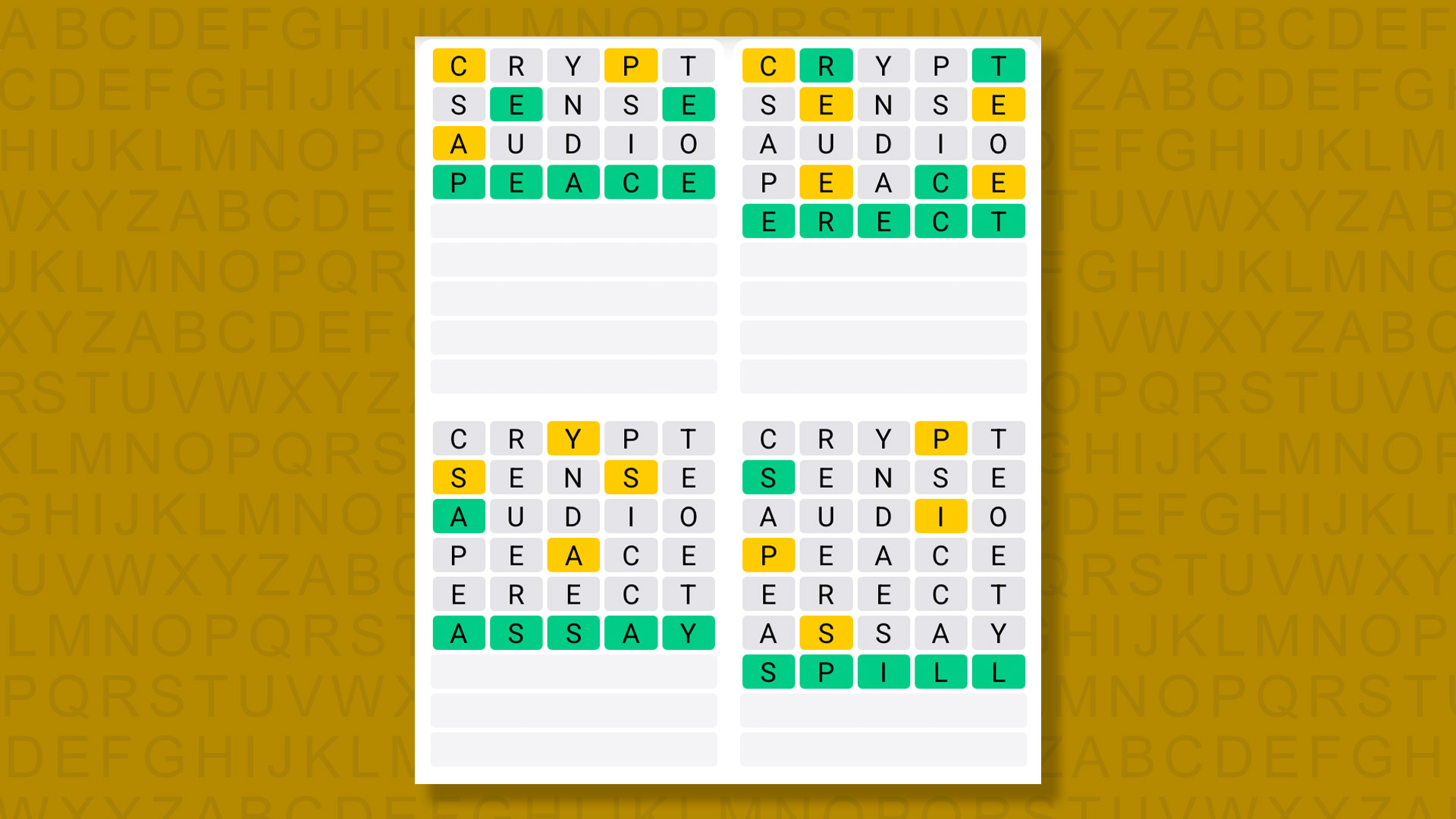
A new Quordle puzzle appears at midnight each day for your time zone – which means that some people are always playing ‘today’s game’ while others are playing ‘yesterday’s’. If you’re looking for Saturday’s puzzle instead then click here: Quordle hints and answers for Saturday, April 18 (game #1545).
Quordle was one of the original Wordle alternatives and is still going strong now more than 1,400 games later. It offers a genuine challenge, though, so read on if you need some Quordle hints today – or scroll down further for the answers.
Enjoy playing word games? You can also check out my NYT Connections today and NYT Strands today pages for hints and answers for those puzzles, while Marc’s Wordle today column covers the original viral word game.
Advertisement
SPOILER WARNING: Information about Quordle today is below, so don’t read on if you don’t want to know the answers.
Article continues below
Quordle today (game #1546) – hint #1 – Vowels
How many different vowels are in Quordle today?
• The number of different vowels in Quordle today is 3*.
* Note that by vowel we mean the five standard vowels (A, E, I, O, U), not Y (which is sometimes counted as a vowel too).
Advertisement
Quordle today (game #1546) – hint #2 – repeated letters
Do any of today’s Quordle answers contain repeated letters?
• The number of Quordle answers containing a repeated letter today is 4.
Quordle today (game #1546) – hint #3 – uncommon letters
Do the letters Q, Z, X or J appear in Quordle today?
• No. None of Q, Z, X or J appear among today’s Quordle answers.














































You must be logged in to post a comment Login