Connect with us
DAPA Banner

Business

Tesla Stock Slips 1.5% in Early Trading as Robotaxi Hopes Face Fresh Scrutiny

Published

on

Xiaomi YU7 GT Electric SUV

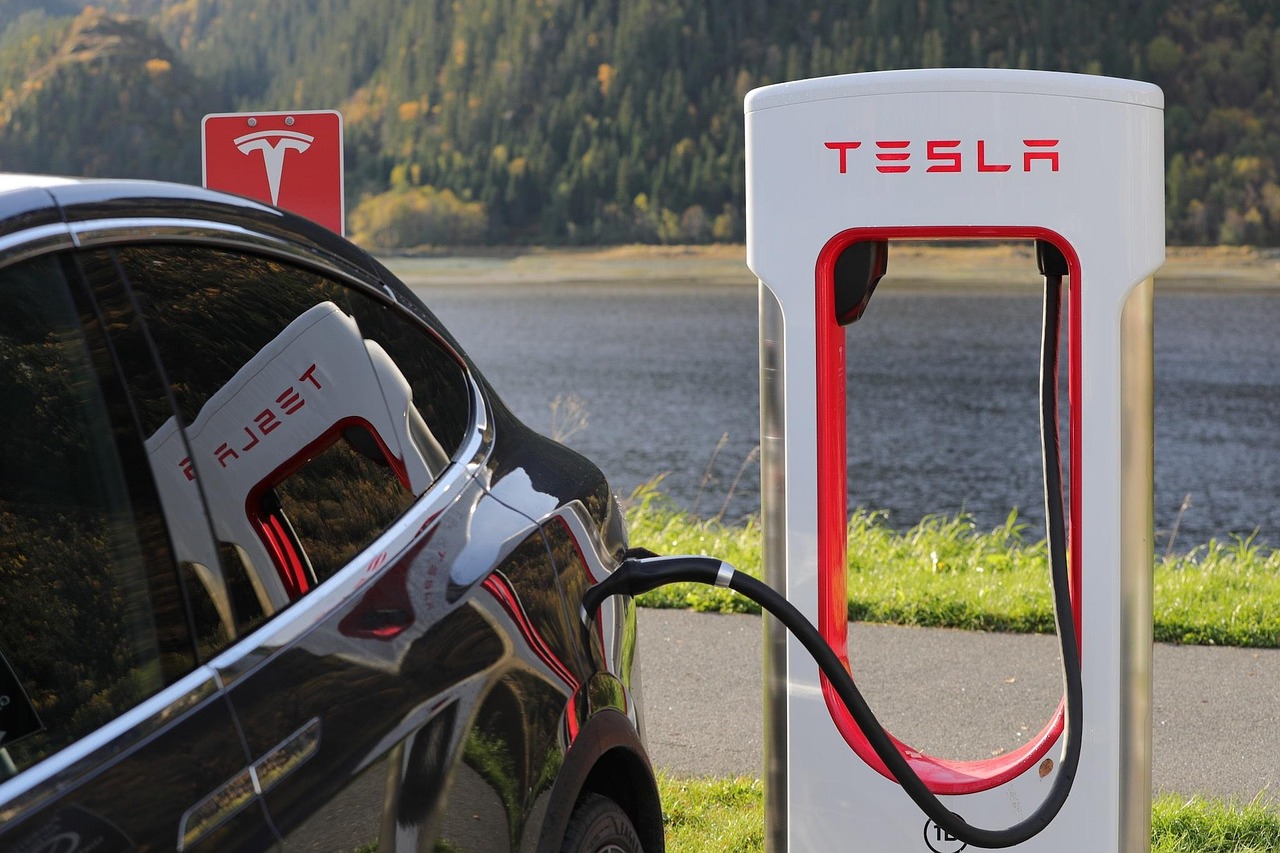
NEW YORK — Tesla Inc. shares fell more than 1.5% in early trading Thursday, dipping to $381.62 by 9:48 a.m. EDT on April 23 as investors paused after a strong run and awaited clarity on the company’s delayed robotaxi unveiling and slowing electric vehicle demand.

The decline of $5.89, or 1.52%, came amid broader market strength, with the Dow Jones Industrial Average pushing above 49,000. Tesla’s move highlighted ongoing volatility in the stock despite its massive year-to-date gains and Elon Musk’s ambitious vision for autonomous driving and artificial intelligence.

Trading volume was moderate in the opening hour, suggesting the pullback reflected profit-taking rather than heavy selling pressure. The stock had climbed sharply in recent weeks on optimism around Full Self-Driving software updates and potential progress on the long-awaited robotaxi event, originally planned for earlier this year but now expected in late May or June.

Analysts pointed to several factors behind Thursday’s modest decline. Some investors locked in gains after Tesla’s strong performance earlier in April. Others grew cautious as new vehicle delivery numbers for the first quarter showed only modest growth compared with ambitious internal targets. Global EV competition, particularly from Chinese manufacturers, continues to pressure pricing and margins in key markets.

Advertisement

Tesla’s energy storage business has delivered impressive growth, helping offset softer automotive margins. The company’s Megapack deployments reached record levels, and executives highlighted strong demand for utility-scale projects. However, Wall Street remains laser-focused on the autonomous driving narrative that has underpinned much of Tesla’s premium valuation.

Musk has repeatedly teased major updates to Full Self-Driving software and the eventual launch of a dedicated robotaxi vehicle. Delays in these timelines have tested investor patience at times, though loyal supporters continue to bet on Musk’s ability to deliver breakthrough technology. The company’s Dojo supercomputer and growing artificial intelligence efforts also factor into bullish long-term theses.

At current levels, Tesla trades at a significant premium to traditional automakers on a price-to-earnings basis. Bulls argue the valuation reflects Tesla’s positioning as an artificial intelligence and robotics company rather than a pure electric vehicle manufacturer. Bears counter that execution risks remain high and that competition in both EVs and autonomous technology is intensifying rapidly.

The stock’s 52-week range shows significant movement, with sharp rallies followed by periods of consolidation. Retail investor enthusiasm, often visible on platforms like Reddit and X, continues to influence short-term trading patterns. Institutional ownership remains strong, with major funds maintaining sizable positions despite periodic volatility.

Advertisement

Looking ahead, several catalysts could shape Tesla’s trajectory in coming weeks. The company is scheduled to report first-quarter earnings in late April, where investors will scrutinize vehicle margins, energy storage growth and updates on the robotaxi timeline. Any positive surprises on Full Self-Driving regulatory approvals or new partnership announcements could quickly reverse Thursday’s early weakness.

Production of the Cybertruck has ramped up steadily, though delivery numbers have lagged behind initial hype. The vehicle’s unique design and high price point have created a dedicated customer base, but broader adoption faces hurdles including insurance costs and charging infrastructure limitations in some regions.

Tesla’s global expansion continues, with new factories and market entries providing long-term growth potential. However, trade tensions and regulatory challenges in key regions like Europe and China create ongoing uncertainty. The company has navigated these issues with mixed success, sometimes adjusting pricing strategies to maintain competitiveness.

For individual investors, Tesla remains one of the most watched and debated stocks in the market. Financial advisors often recommend limiting exposure due to its volatility, even as many long-term holders view dips as buying opportunities. The stock’s performance has created substantial wealth for early believers while testing the resolve of those who entered at higher valuations.

Advertisement

Broader market sentiment provided a relatively supportive backdrop on Thursday. Strong performance in technology and growth stocks helped limit downside across the sector. However, Tesla frequently charts its own course driven by company-specific news and Musk’s active presence on social media.

Options activity around Tesla remains elevated, with traders positioning for potential big moves around earnings and product events. Implied volatility levels suggest expectations of continued movement in either direction.

As trading progressed past the opening bell, the stock stabilized near its early lows with limited directional conviction. Analysts expected some consolidation in the near term but maintained varied outlooks for the remainder of 2026. Optimistic forecasts see Tesla pushing toward new highs if robotaxi progress meets expectations, while more cautious views warn of potential downside if delivery growth disappoints or competition intensifies further.

Tesla’s transformation from electric vehicle pioneer to artificial intelligence and robotics leader remains a central investment thesis for many shareholders. The company’s ability to execute on ambitious timelines will likely determine whether current valuations prove justified or overly optimistic.

Advertisement

Thursday’s modest decline represents a routine trading session for a stock known for dramatic swings. While the percentage move was small, it served as a reminder of Tesla’s sensitivity to sentiment shifts even during periods of relative market calm.

For followers of the company, the coming weeks promise important updates on product roadmaps, financial performance and strategic direction. Whether the early weakness on April 23 proves to be a minor dip or the start of a deeper correction will depend on upcoming developments and broader market conditions.

Tesla shares closed the previous session well above $387 before Thursday’s pullback. The stock has delivered substantial returns for long-term investors despite periodic volatility, cementing its status as one of the market’s most closely followed names.

As the trading day continued, all eyes remained on Tesla for any signs of renewed momentum or further weakness. The company’s unique position at the intersection of automotive, technology and artificial intelligence ensures it will stay in the spotlight regardless of daily price movements.

Advertisement
Continue Reading
Click to comment

You must be logged in to post a comment Login

Leave a Reply

Business

Which airlines are cancelling flights to UK over jet fuel shortages?

Published

on

Which airlines are cancelling flights to UK over jet fuel shortages?

Rory Boland, travel editor at consumer publication Which?, says overall cancellations will be a very small proportion of the millions of flights in and out of the UK, and the changes will be targeted on routes where there are multiple flights a day so that passengers can be rebooked on to an earlier or later flight.

Continue Reading

Business

DTE Energy plans two-year pause on electric rate increases

Published

on


DTE Energy plans two-year pause on electric rate increases

Continue Reading

Business

Greencroft Bottling grows profits but success stunted by shipping ‘havoc’

Published

on

Business Live

Bosses also blasted a “ridiculous tax” levied on the industry

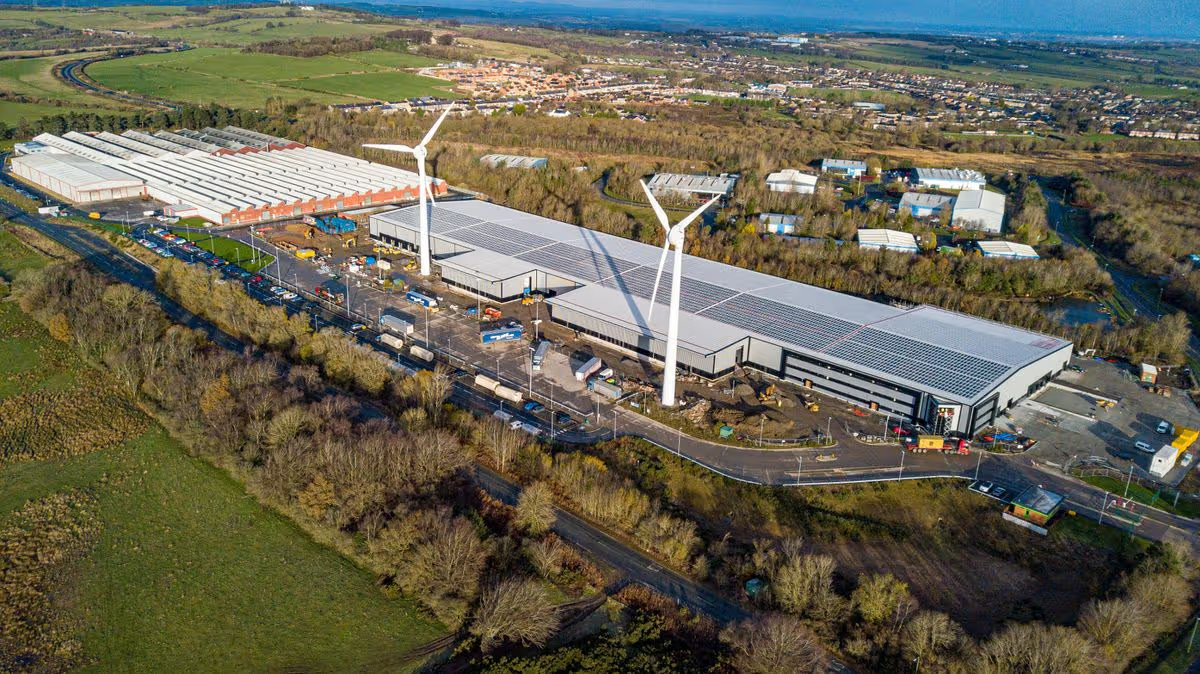
The Greencroft Two site by Lanchester Group of Companies is now taking shape

The Greencroft Two site by Lanchester Group of Companies is now taking shape(Image: Lanchester Group)

Wine bottling firm Greencroft Bottling has blamed disruption in the Suez Canal for marring what would have been an exceptional year.

The County Durham-based business, which claims to be one of the most sustainable large contract firms of its type “on the planet” said temporary closure of the key waterway in 2024 impacted otherwise brilliant results. Attacks by Houthi Rebels on shipping in the Red Sea caused a drastic reduction in traffic through the canal, which Greencroft says caused “havoc” – leading to millions of pounds of penalties and other costs as huge volumes of wine hit North East ports over a two week period.

Despite the challenges, Greencroft, which is part of the Lanchester Group, managed to increase operating profits from £1.56m to £2.78m in the year to the end of June, 2025. Newly published documents also show turnover at the 300-strong firm increased from £62.5m to £86m.

With a £20m new production facility called Greencroft 2 now completed at its Annfield Plain base, and significant investments in sustainability measures, the firm is now looking ahead to what it expects to be its best ever year. Together with a new semi-automated warehouse, the new production facility – with the potential for 400million litres of capacity annually – is expected to make the company the “most efficient wine bottling and storage operation certainly in the UK if not in Europe”.

Advertisement

Bosses also looked forward to the benefits of bulk wine shipping, which is said to be better for the product and give the business high volumes. The new premises, powered by wind and solar energy, has the potential to handle the equivalent of 28% of all wine sold in the UK.

Writing in the Greencroft Bottling Company Limited accounts, managing director Mark Satchwell said: “Greencroft Bottling Company has had an excellent year with volume increasing by well over 20% which is amazing considering we have had such a turbulent year here in the UK, the new 18,000 an hour filling line in Greencroft 2 has been integrated into the business and working well and we have invested in more automation in our tank facility increasing our efficiency more than 40%.

“We continue to invest in the business with more automation to keep our cost base as low as possible the new Labour Government increased wine duty massively again this year after to huge 20% rise just 12 months ago, this is really harming the whole industry with duty alone moving up by nearly 40% over the last 15 months.

“And we have Extended Producer Responsibility (EPR) to contend with yet another ridiculous tax on all businesses, but the liquor and hospitality industries have been the hardest hit it seems and not surprisingly there is at least one pub a day closing which is really harming the local communities.”

Advertisement
Continue Reading

Business

Earnings call transcript: Acme United Q1 2026 sees EPS miss amid revenue growth

Published

on


Earnings call transcript: Acme United Q1 2026 sees EPS miss amid revenue growth

Continue Reading

Business

Valmont Industries stock reaches all-time high of $488.28

Published

on


Valmont Industries stock reaches all-time high of $488.28

Continue Reading

Business

Primient adds fourth business unit

Published

on

Primient adds fourth business unit

Biosolutions unit joins company’s sweeteners, performance starches and agrifunctionals portfolio.

Continue Reading

Business

Kevin Warsh’s wealth shows how top family office employees can cash in

Published

on

Kevin Warsh’s wealth shows how top family office employees can cash in
How Trump Fed Chair Nominee Kevin Warsh Could Transform the Federal Reserve

A version of this article first appeared in CNBC’s Inside Wealth newsletter with Robert Frank, a weekly guide to the high-net-worth investor and consumer. Sign up to receive future editions, straight to your inbox.

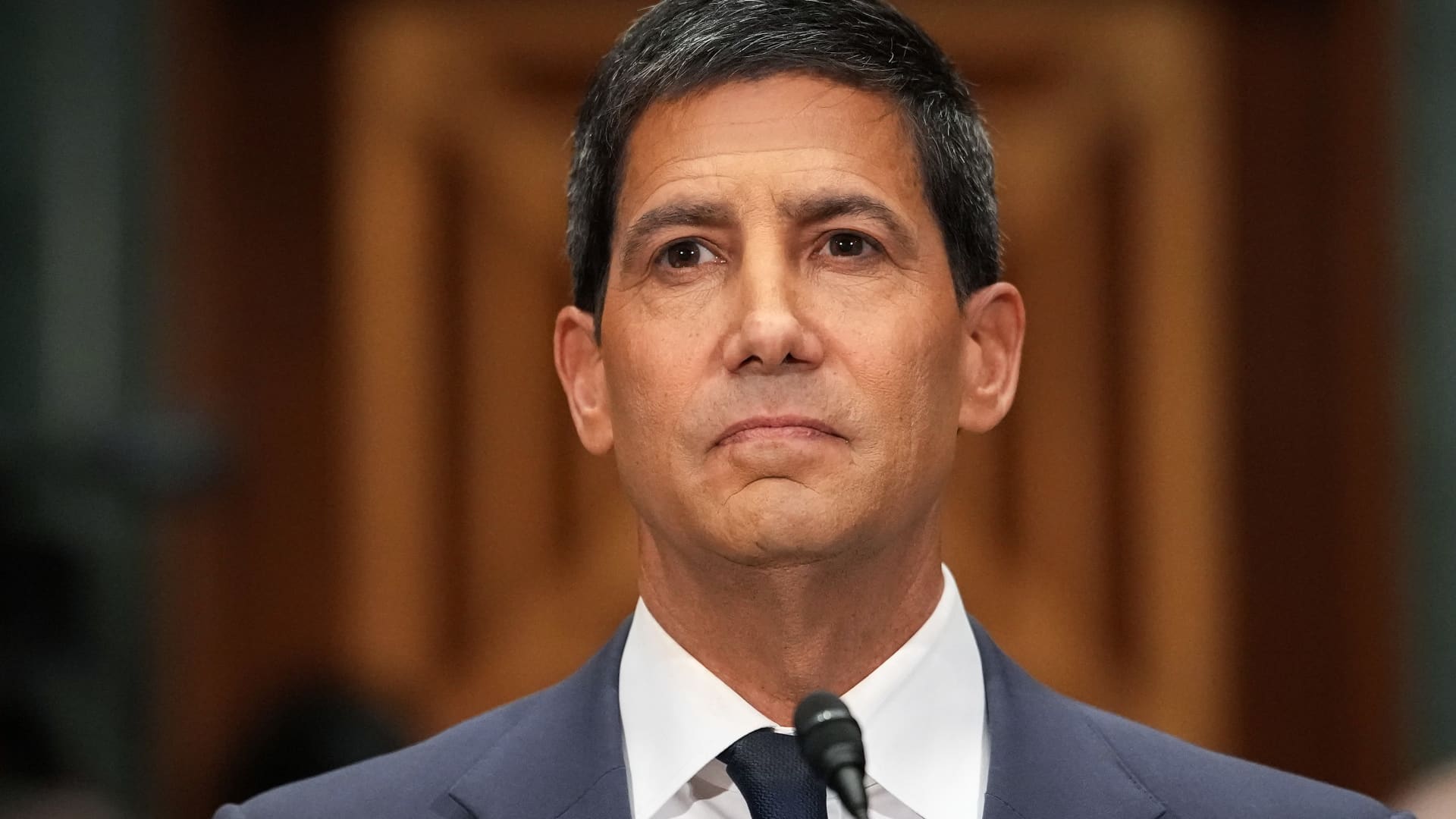
Kevin Warsh can credit more than $100 million of his vast fortune to a lucrative regulatory carveout that favors family office executives and investment professionals, family office attorneys told Inside Wealth.

While single-family offices are widely understood to only manage family members’ assets, a little-known exception allows certain employees to invest with the ultra-wealthy families they work for.

Warsh’s recent financial disclosures are putting the carveout on display.

Advertisement

The Federal Reserve chair nominee has two stakes worth at least $50 million each in a vehicle called the Juggernaut Fund, according to the filings. The fund is managed by Duquesne Family Office, the personal investment firm of billionaire hedge fund manager Stanley Druckenmiller.

Warsh joined Duquesne as a partner and advisor after leaving the Fed in 2011 and has interests in dozens of other Duquesne entities. The underlying assets in the Juggernaut Fund are not detailed, citing Warsh’s “pre-existing confidentiality agreements” with the firm.

An attorney who has advised family offices for 30 years told CNBC it’s increasingly common for family offices to structure compensation for their key employees in a similar manner to private equity firms. That could include incentive fees from investments or opportunities to co-invest capital, said the lawyer, who spoke on the condition of anonymity in order to speak freely.

Family offices often lend money to these employees in order to fund their capital commitments and forgive them over time or apply future bonuses toward the debt, the lawyer said.

Advertisement

Single-family offices can allow employees to co-invest thanks to a family office rule issued by the Securities and Exchange Commission in 2011. Under that rule, family offices do not have to register as investment advisors so long as they only advise or manage assets for family clients, a category that includes key employees along with family members of the firm founder. 

To qualify, key employees must occupy a senior position like director or a executive officer or be involved in the firm’s investment activity, according to the SEC. Investment professionals must have held these duties at the family office or another company for at least 12 months, per the SEC.

“I think the SEC staff at the time was sympathetic to the family office community’s concerns about making investment opportunities and in-house investment staff as robust as possible,” said a lawyer at a New York City firm, who asked to remain anonymous to speak about the matter. “They recognized that attracting and retaining that type of talent required providing executives that level of compensation.”

Lawyers told Inside Wealth that Warsh likely falls under the key employee exception. Duquesne and a representative of Warsh did not respond to requests for comment.

Advertisement

Evan Hall, partner at investment management practice group at Haynes Boone, said the “key employee” category is somewhat flexible, however.

“If you’re an employee of the firm who participates in investment decisions, it doesn’t have to be all investment decisions for the family office,” Hall said. “People can game it a little bit. Can a consultant fit in the key-employee definition? It really seems kind of murky, but that’s a line we see a lot.”

Get Inside Wealth directly to your inbox

Warsh has promised to divest his Duquesne-affiliated investments if he’s confirmed as Fed chair, but he has not disclosed how he would do so.

Lawyers who spoke with Inside Wealth said Warsh would have to sell them to the Druckenmiller family or another family client in order for Duquesne to comply with the family office rule. 

Advertisement

“I will say that if he doesn’t have friendly partners willing to buy him out, getting out of underlying investments tends to be very difficult,” said another New York lawyer, who similarly requested to remain anonymous to speak candidly. “Otherwise it’s very difficult to get out of private investments.”

At Tuesday’s Senate Banking Committee confirmation hearing, Sen. Elizabeth Warren, D.-Mass, asked Warsh if he would sell those interests back to Druckenmiller.

“Will you disclose how you divest those assets? Or will you just collect a check for $100 million from someone whose whole business is betting on what the Fed will do?” Warren said. 

Warsh said he had come to an agreement with the Office of Government Ethics, but did not give specific details about that.

Advertisement

Although Warsh’s nomination and wealth have cast attention on how family offices compensate their employees, lawyer Michael Schwamm, a partner at Duane Morris, said it’s unlikely that it will invite regulatory scrutiny on how key employees are defined or how many can co-invest.

He said the SEC would probably only act if an investment went bad and an employee lost their life savings and came after the firm in a public way.

“I would not be surprised if there are family officers that have tripped the line, but is this something that the SEC is actively gonna go after?” he said. “Not until something happens.”

Choose CNBC as your preferred source on Google and never miss a moment from the most trusted name in business news.
Advertisement
Continue Reading

Business

Earnings call transcript: FirstService Q1 2026 beats forecasts, stock climbs

Published

on


Earnings call transcript: FirstService Q1 2026 beats forecasts, stock climbs

Continue Reading

Business

Italy stocks higher at close of trade; Investing.com Italy 40 up 0.28%

Published

on


Italy stocks higher at close of trade; Investing.com Italy 40 up 0.28%

Continue Reading

Business

Celestica: The Market Is Missing What Alphabet Just Confirmed

Published

on

Celestica: The Market Is Missing What Alphabet Just Confirmed

Celestica: The Market Is Missing What Alphabet Just Confirmed

Continue Reading

Trending

Copyright © 2025