NEW YORK — Wordle enthusiasts logging in Sunday, April 26, 2026, discovered the solution to puzzle No. 1772 is “GLOSS,” a five-letter word that stumped many players despite its relatively common usage and straightforward letter pattern. The New York Times’ daily word game continues its streak of challenging yet accessible puzzles, drawing millions of global participants eager for the mental workout and satisfying green-tile victory.
“GLOSS” refers to a shiny luster or sheen, often associated with lip gloss, a polished surface or an explanatory note added to text. The word features a double “S” at the end, a pattern that tripped up solvers who avoided repeating letters or focused too heavily on vowels early in their guesses. Many starting words like “SLATE,” “CRANE” or “TRACE” left players with yellow and gray feedback that narrowed options but required careful elimination in later attempts.
For those who solved it efficiently, common paths included identifying the starting “G” or landing on the double “S” through process of elimination. The puzzle earned an average score around 3.8 guesses according to early community data on platforms like Reddit and X, placing it slightly easier than recent entries but still demanding strategic thinking.
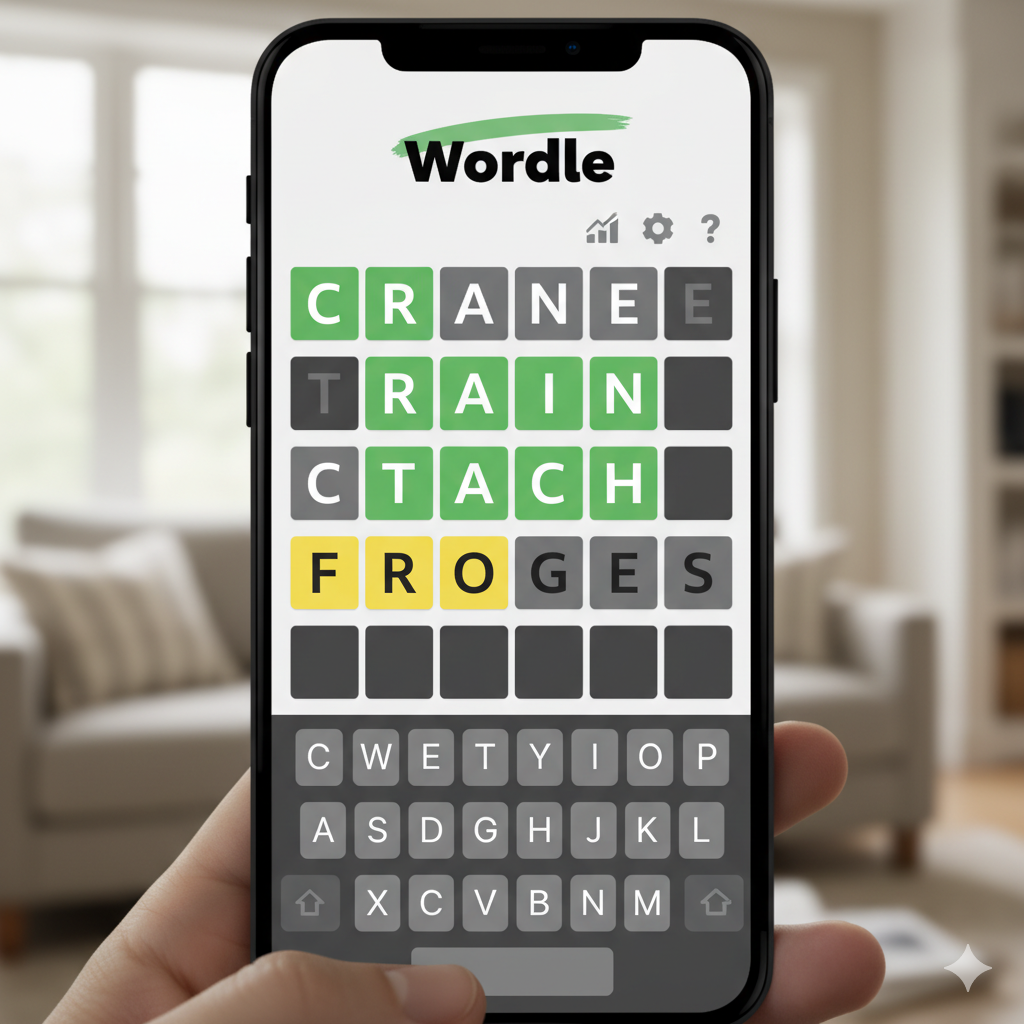
Wordle’s enduring popularity stems from its simple premise: guess a five-letter word in six attempts, with color-coded feedback guiding progress. Green tiles indicate correct letters in the right position, yellow shows correct letters in the wrong spot, and gray means the letter is absent entirely. Created by Josh Wardle and acquired by The New York Times in 2022, the game has become a cultural staple, fostering daily rituals for families, friends and online communities.
On this spring Sunday, players worldwide shared their results with the signature colored emoji grids. Some celebrated one- or two-guess solves, while others vented about burning all six attempts. The double “S” ending proved particularly deceptive, as many overlooked words like “GLASS,” “GRASS” or “CROSS” before zeroing in on the correct solution.
Hints That Could Have Helped Subtle clues circulating before spoilers included: a word associated with shine or polish, no rare letters like J, Q, X or Z, and a double consonant at the end. It contains one vowel and relates to both cosmetics and literary annotations. These nudges helped thousands avoid frustration while preserving the game’s challenge.
The April 25 puzzle, No. 1771, had the solution “WOMEN,” continuing a run of everyday yet sometimes elusive words. This back-to-back stretch of accessible vocabulary has kept casual players engaged while harder puzzles earlier in the month tested veterans. Wordle’s algorithm ensures variety without relying on obscure terms, striking a balance praised by linguists and educators.
Beyond daily fun, Wordle has spawned variants like Wordle Unlimited, custom puzzle creators and competitive leaderboards. Schools incorporate it into vocabulary lessons, while retirement communities use it for cognitive stimulation. Its influence extends to merchandise, podcasts and social media challenges that track longest streaks or hardest solves.
For April 26 specifically, the timing aligned with a relaxed weekend vibe for many in the U.S. and Europe, leading to higher-than-average solve rates by midday. Players in Asia and Australia, tackling it earlier due to time zones, shared early tips that helped global solvers. Community forums lit up with discussions on optimal starting words — “AUDIO,” “SLATE” and “ADIEU” remain favorites for vowel coverage.
The New York Times continues refining the game with occasional updates, removing problematic words and ensuring inclusivity. No major changes affected today’s puzzle, which followed standard rules. Future puzzles promise continued variety as the game approaches its fifth anniversary.
Why “GLOSS” Fits Perfectly Linguistically, “GLOSS” demonstrates Wordle’s clever design — common enough for broad appeal yet nuanced enough to require deduction. Its multiple meanings (shine, commentary, superficial appeal) add depth for word enthusiasts. In a world of constant digital distraction, the game’s focused five minutes offers a refreshing mental reset.
Streaks remain a major motivator. Many players proudly maintain runs exceeding 100 days, sharing strategies like tracking eliminated letters or using the previous day’s feedback. For newcomers on April 26, “GLOSS” served as an encouraging entry point, proving that persistence and pattern recognition pay off.
As the sun sets on another Wordle Sunday, millions await tomorrow’s challenge. Whether solved in two guesses or requiring the full six, today’s “GLOSS” delivered that signature mix of frustration and triumph that keeps players returning daily. The game’s simple genius lies in turning ordinary words into shared global experiences, one green square at a time.
For those still hunting today’s answer — spoiler-free advice remains: prioritize common consonants early and watch for repeated letters. And remember, tomorrow brings a fresh puzzle with no carryover penalty for today’s struggles. Happy Wordling!





















































You must be logged in to post a comment Login