
Crypto World
1 in 3 Crypto Traders Cut Spending Amid Market Slump: Survey

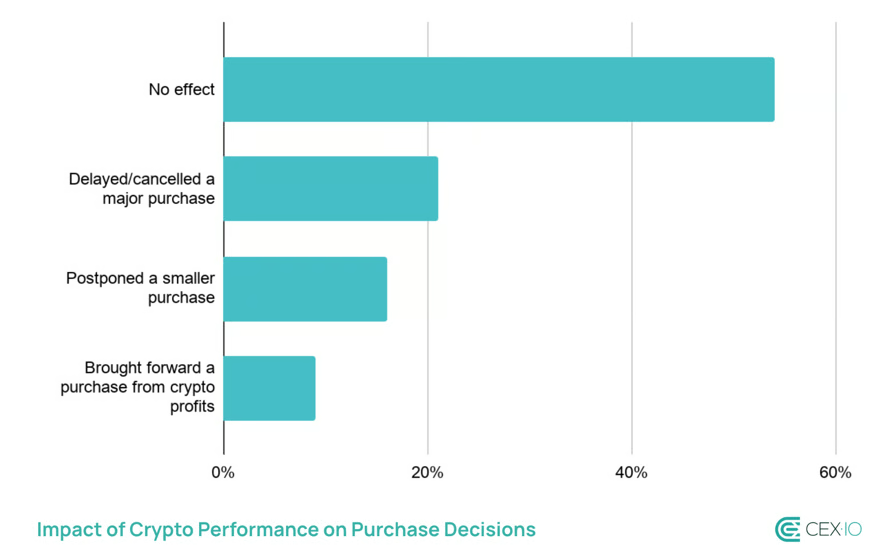
The recent crypto market downturn has forced more than one in three crypto traders to cut everyday spending, according to a new survey by CEX.IO.
The survey, conducted among 1,100 US-based active CEX.IO users, shows the current market slump is straining household finances, though it remains less severe than 2022, when Bitcoin fell by roughly 75% from its peak. Bitcoin is still about 40% below its October 2025 high, leaving many retail investors sitting on unrealised losses.
36% of respondents said they reduced everyday spending as a direct result of market conditions, with 10% describing those cuts as significant sacrifices made to maintain their positions. 37% also reported delaying or cancelling purchases due to crypto losses, including 21% who postponed major financial commitments such as buying a home, car or undertaking renovations.
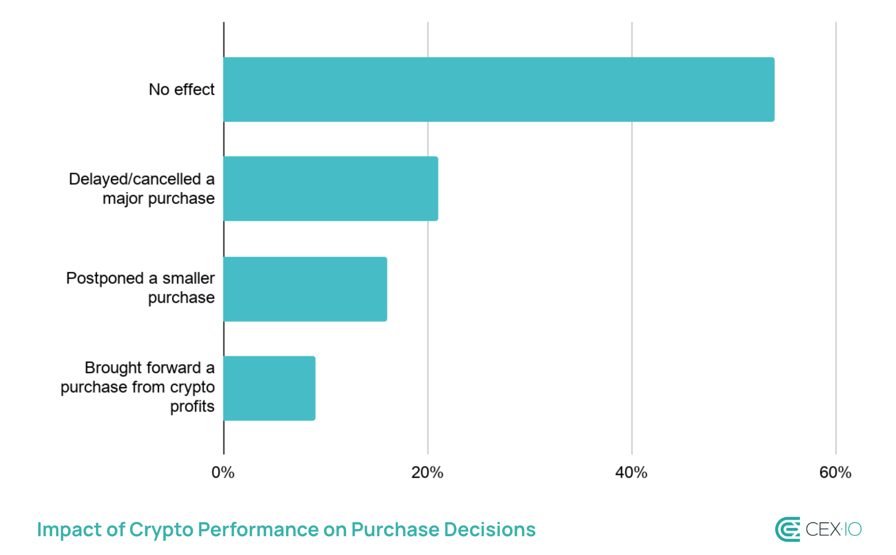
“The 2025–2026 bear market has not produced the kind of systemic shock seen in past cycles (at least for now), but its effects appear to be showing up in quieter ways at the household level,” CEX.IO wrote.
Related: Crypto Market Sentiment Reaches 3-Month High
Crypto traders navigate downturn alone
The survey revealed that many traders are managing the downturn in relative isolation. Only 5% said someone else knows the full extent and value of their holdings, while the majority either share limited information or keep their positions entirely private.
Financial strain is also evident in cash flow trends. While 77% said they did not take on debt tied to crypto, 38% reported some form of financial disruption since October 2025. A quarter said they relied on savings to maintain stability, and 12% admitted to missing or delaying payments.
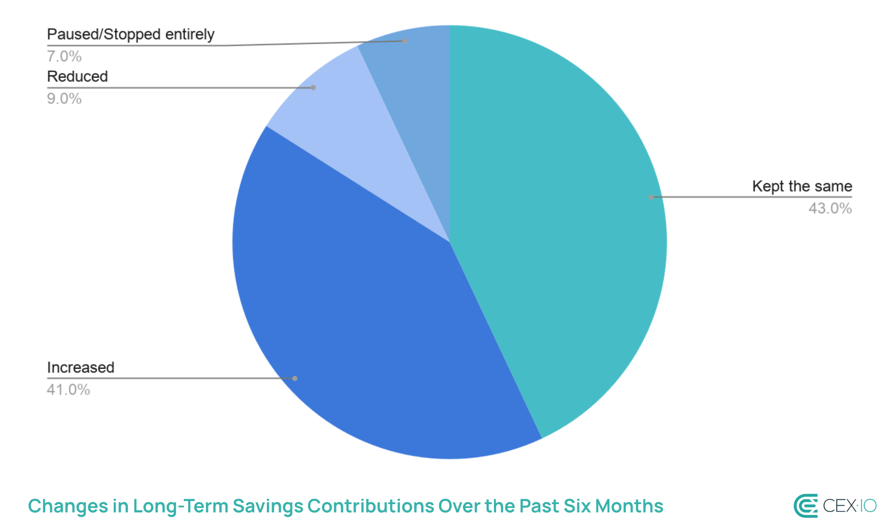
Even so, most respondents have not changed plans dramatically. Nearly half reported that crypto makes up more than 30% of their investable assets, yet 73% said their approach to earning income remains unchanged.
Looking ahead, a combined 79% said they plan to either hold or increase their positions over the next six months.
Related: Bitcoin Price May Go Under $70K Despite Strategy’s Latest Big BTC Buy
Crypto offerings shape bank choice
Another survey by Börse Stuttgart Digital earlier this week found that cryptocurrency services are starting to influence how European investors choose their banks, with 35% saying they would consider switching institutions for better crypto offerings.
The poll of around 6,000 investors across Germany, Italy, Spain and France also found that nearly one in five expects their primary bank to provide crypto access within three years, pointing to a gradual shift toward integrating digital assets into mainstream banking.
Magazine: How to fix suspected insider trading on Polymarket and Kalshi


TLDR:
- Google acquired YouTube for $1.65 billion in 2006; the platform is now estimated to be worth $550 billion today.
- Google’s $258 million Uber bet returned over $5 billion by IPO, marking a roughly 20x gain on its initial investment.
- A $1 billion SpaceX investment made in 2015 is now worth over $21 billion based on the company’s current valuation.
- Google’s $3 billion Anthropic stake could reach $112 billion if the startup’s rumored $800 billion funding round closes successfully.
Google’s investment track record stands as one of the most remarkable in corporate history. The tech giant has turned a series of bold, early-stage bets into assets worth hundreds of billions of dollars.
From YouTube to Uber and SpaceX, Google’s capital allocation strategy has consistently outperformed traditional venture capital firms. Now, its position in Anthropic is drawing fresh attention from analysts and investors worldwide.
YouTube Acquisition Proved Critics Wrong Over Time
Back in 2006, Google acquired YouTube for $1.65 billion. At the time, many industry observers called the price excessive.
YouTube had no revenue, no clear business model, and faced mounting copyright litigation from major media companies.
Despite those concerns, Google moved forward with the deal. The platform eventually became the world’s dominant video-sharing service. Today, YouTube generates approximately $50 billion in annual revenue.
The platform’s estimated worth now stands at around $550 billion. That represents a return of over 300 times the original purchase price. Few corporate acquisitions in any sector have produced comparable results over a similar timeframe.
As noted in a widely shared post by @BullTheoryio, “Google turned a $1.65 billion purchase into a $550 billion asset.” The figures have sparked renewed discussion about how Google identifies and holds long-term value.
Uber, SpaceX, and Anthropic Continue the Investment Pattern
Google’s early-stage investment in Uber followed a similar trajectory. In 2013, Google invested $258 million into the ride-hailing startup. By the time Uber went public, that stake had grown to over $5 billion, a roughly 20x return.
In 2015, Google placed $1 billion into SpaceX. SpaceX is now valued at $350 billion. That single bet is currently worth over $21 billion, based on the company’s latest valuation figures.
The pattern continued in 2023, when Google committed $3 billion to Anthropic, the artificial intelligence company.
Google later pledged an additional $40 billion on top of that initial commitment. Anthropic’s current valuation sits at $380 billion.
Google holds a 14% stake in Anthropic. At the $380 billion valuation, that position is worth approximately $53 billion. Reports suggest investors are now discussing a funding round that could value Anthropic at $800 billion.
At that figure, Google’s stake would be worth around $112 billion. The original $3 billion entry point makes that potential return one of the most striking in recent venture capital history.


Valid transactions that occurred during the affected blocks were not impacted and remain on the main chain, the Litecoin development team said.
The Ethereum price prediction just turned. Bitmine Immersion Technologies reported on April 22 that it bought 101,627 ETH in a single week, the largest seven-day buying round of 2026, pushing its total treasury to 4.98 million ETH worth $11.5 billion per CoinDesk.
ETH climbed to $2,308 on the Bitmine headline and the broader risk-on move after the indefinite ceasefire, and Standard Chartered still carries a $7,500 target for 2026. The smartest capital is not focused on the ETH outlook alone. They know ETH is not enough for the returns that change a financial position, and they are quietly adding a presale that keeps drawing capital, the clearest early entry this cycle offers.
Bitmine spent roughly $236 million on Ethereum in seven days, a corporate buying rate that matches Strategy’s Bitcoin playbook but applied to ETH for the first time at this scale per CoinDesk. The firm’s chairman stated that the recent drawdown created the entry point, and that the buying reflects a belief that the pullback from $4,953 is ending.
Ethereum (ETH) trades at $2,308 after recovering from $1,800 lows set during the worst of the Iran crisis. The Coinbase Premium Index also flipped bullish on April 22, showing that U.S. institutional buyers are stepping back in. One corporate treasury decision could send billions more into ETH and speed up the recovery targets.
Large caps like Ethereum look strong whenever institutional headlines land, but if your account is not seven figures deep, a 113% move to the all-time high keeps you steady without reshaping the next decade. The biggest returns always come from tokens bought before any exchange opens trading, and Pepeto sits right inside that window.
Ethereum Price Prediction and the Presale That Turns Recovery Hype Into Real Positions
Pepeto Gives Traders What the Next Ethereum Rally Needs Before It Starts
The crypto market has always tilted toward large holders. Institutional players move in on corporate treasury announcements while everyday traders pay swap costs and hope the contract is not a trap. Pepeto removes that gap with no-cost trading on its own exchange and a screener that rates every token before a buyer commits capital.
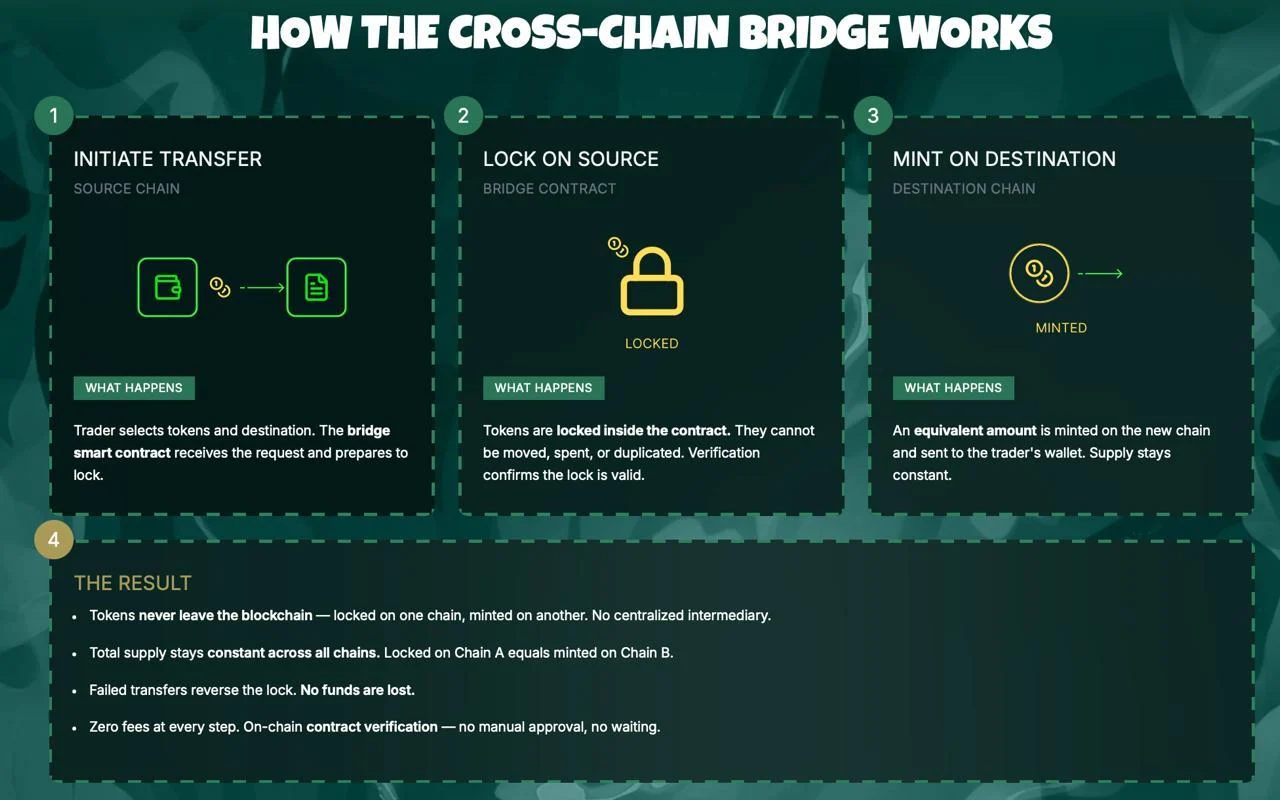
PepetoSwap is already running. Every trade clears at zero fees while the cross-chain bridge carries tokens across Ethereum, BNB Chain, and Solana without taking a cent. Everything operates under one roof, designed by the original Pepe (PEPE) creator who reached $11 billion and a former Binance executive.
 Raising $9.53 million while the market dropped shows serious capital already completed its research, and SolidProof verified every contract before round one opened. Staking adds 178% APY that grows the position at $0.0000001866 while the Binance listing draws near.
If the ETH recovery targets hold and institutional buying continues at Bitmine’s pace, entering at $0.0000001866 is the kind of position that creates the largest winners when green candles return. Pepe started at similar fractions, and the market remembers exactly what came next.
Ethereum (ETH) Price at $2,308 as Bitmine’s Record Buy Sets the Stage
Ethereum (ETH) trades at $2,308 per CoinMarketCap after recovering from $1,800 during the April conflict lows. Clearing $2,400 would confirm the first higher move since February and open a path toward $2,800.
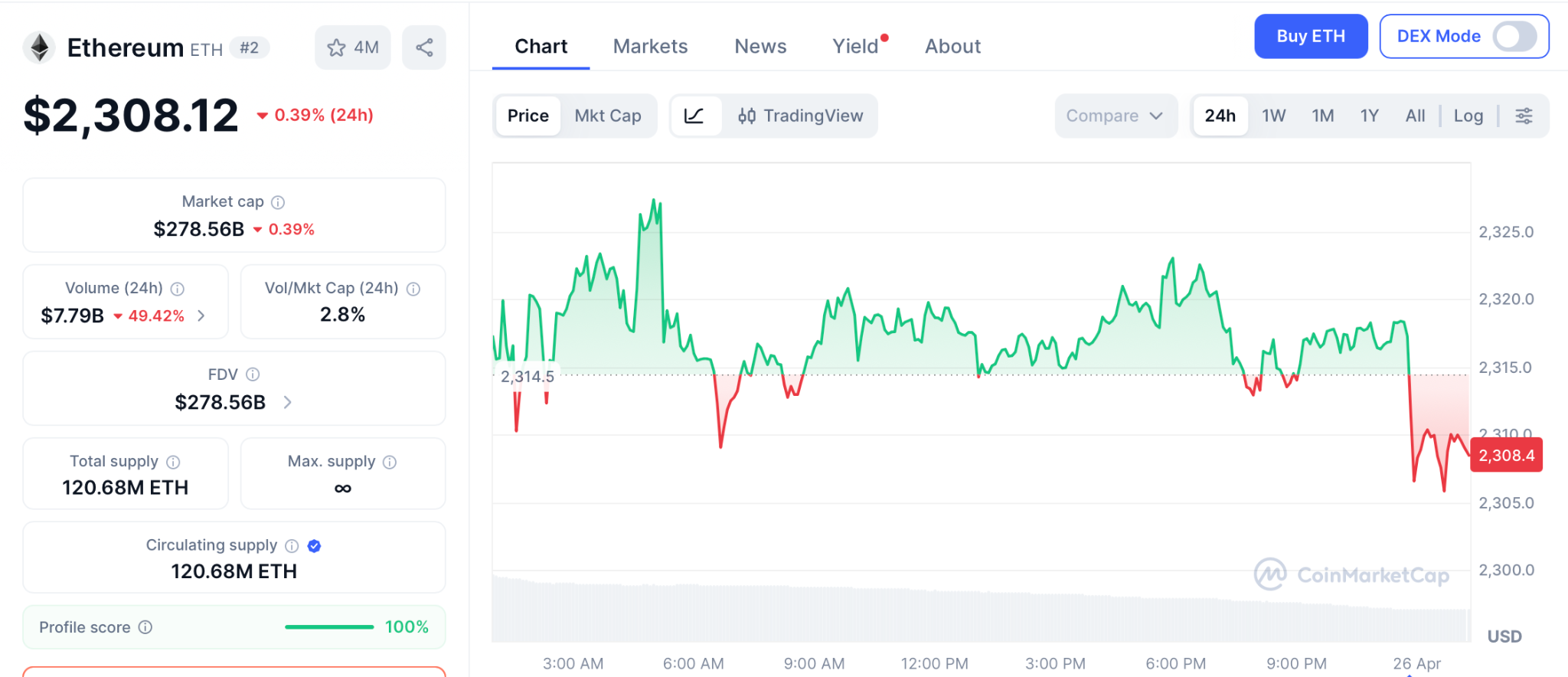
Standard Chartered holds a $7,500 forward target and Bitmine’s $11.5 billion treasury adds steady demand beneath the price.
The Ethereum price prediction points higher, yet $2,308 to $7,500 delivers roughly 223% at the top end, strong for a $233 billion asset but nowhere close to what presale pricing creates on an expected Binance debut.
Conclusion:
Bitmine’s record purchase could push billions more into Ethereum (ETH) as the Coinbase Premium stays bullish, but the capital moving fastest right now is flowing into Pepeto, because presales have historically delivered returns that no large cap can match from today’s levels.
The Pepeto presale will not hold for long, and a few months from now the ETH debate will split into two groups: the wallets that entered Pepeto at $0.0000001866, and the ones who saw the opportunity, waited, and spent the rest of the cycle regretting the decision, the same pattern that played out with DOGE, with Shiba Inu, and the list continues.
The Pepeto official website still opens early positions in the strongest exchange token listing of this run, but that window closes once the expected Binance listing happens.
Click To Visit Pepeto Website To Enter The Presale

FAQs
What does Bitmine’s 101,627 ETH purchase mean for the Ethereum price prediction?
The Ethereum price prediction gains strength from Bitmine’s $236 million weekly buy, pushing the firm’s treasury to 4.98 million ETH worth $11.5 billion per CoinDesk. Standard Chartered targets $7,500 for ETH in 2026.
How does the Ethereum price prediction compare to Pepeto presale returns?
Pepeto at $0.0000001866 targets 100x from a single expected Binance listing, while Ethereum reaching $7,500 from $2,308 delivers 223% over months or years. Over $9.53 million raised with 178% APY staking shows strong early commitment before the debut.
Disclaimer: This is a Press Release provided by a third party who is responsible for the content. Please conduct your own research before taking any action based on the content.
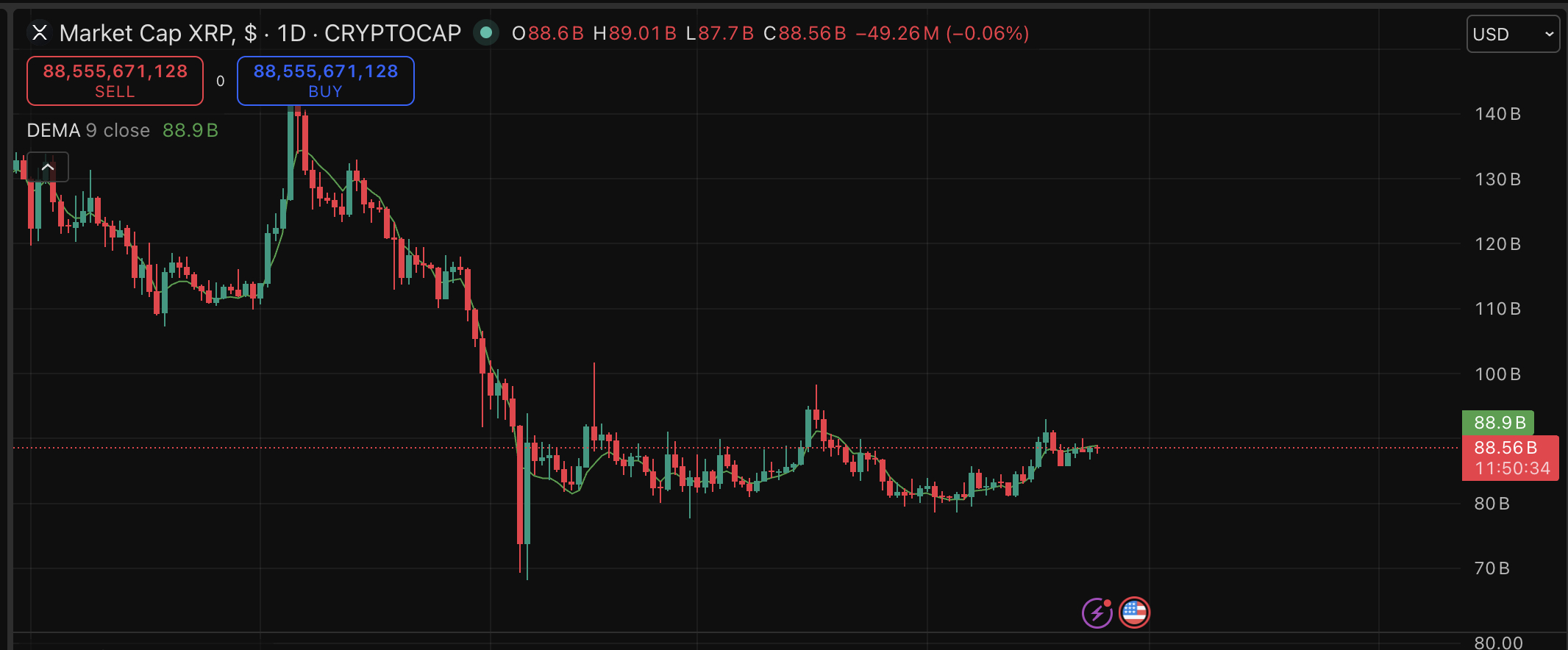
XRP price is holding its ground, and prediction and conspiracies are starting to pop up. Trading at the $1.4 range, XRP is still sandwiched between a critical support floor and a resistance ceiling for all week.
The conspiracy theories circulating in XRP communities aren’t new, but the volume of leaked NDA claims and alleged Ripple back-channel deals has spiked noticeably in the past 48 hours, and price action is starting to reflect the uncertainty.
Between April 22–24, XRP cycled through sharp sentiment swings without meaningfully breaking either direction. April 22 saw bullish momentum targeting $1.47, only for April 23 to flip with bearish pressure pointing toward $1.39.
That regulatory silence, combined with persistent whispers about undisclosed institutional agreements, has been keeping the XRP community in a state of charged anticipation.
Discover: The best pre-launch token sales
XRP Price Prediction: $1.50 Next Week?
XRP at the current range is in a narrow, almost frustratingly stable range. Volume has contracted slightly, down to low $2 billion, suggesting conviction is thin on both sides. These points consistently lead to consolidation.
Key levels are clearly defined. Support sits at $1.35, with the critical breakdown level at $1.32. Resistance is still above $1.47, then psychological $1.50. Our analytical model identifies $1.44–$1.47 as the immediate bull target if support holds. Only 39% of technical signals currently favor bulls, with only 9 buy signals.
XRP needs to defend the current $1.40 range and break $1.47 on volume for it to eye the $1.50 target. However, a close below $1.35 could accelerate downside with a potential dip to $1.28.
The price could resolve either way before next week. The setup is coiled.
Discover: The best crypto to diversify your portfolio with
LiquidChain Free From NDAs and Conspiracies
XRP’s upside is capped by its market cap reality. A move to $1.50 represents something under 10% gain. For traders who’ve already captured the post-SEC-settlement rally, that math doesn’t excite. Ripple’s banking partnerships are real, the adoption narrative is intact, but the asymmetric opportunity has compressed. That’s exactly when early-stage infrastructure plays attract attention.
LiquidChain is a Layer 3 blockchain built to unify Bitcoin’s capital, Ethereum’s DeFi depth, and Solana’s execution speed into a single environment with a unified liquidity layer. Instead of fragmented, siloed chains, developers deploy once and access users across all three ecosystems simultaneously.
A new layer emerges. Only a few see it first. — LiquidChain (@getliquidchain) March 24, 2026
The future is LiquidChain  ⟁https://t.co/vqvBcdSj94 pic.twitter.com/R7ZeZ0NPGl
Assets from BTC, ETH, and SOL are verifiably represented on the L3 without wrapping, creating deep fungible markets. The architecture pairs a Solana-class execution environment with trust-minimized state verification for seamless cross-chain composability.
The presale has raised $700k at a current price of $0.01452 per $LIQUID with more than 1600% APY in staking bonus, only for early buyers. Features include Single-Step Execution, Verifiable Settlement, and the Deploy-Once Architecture that dramatically reduces developer overhead.
Traders interested in the cross-chain thesis can research LiquidChain here before the presale window closes.
The post XRP Price Prediction: Ripple Conspiracy Theories and Broken NDAs appeared first on Cryptonews.
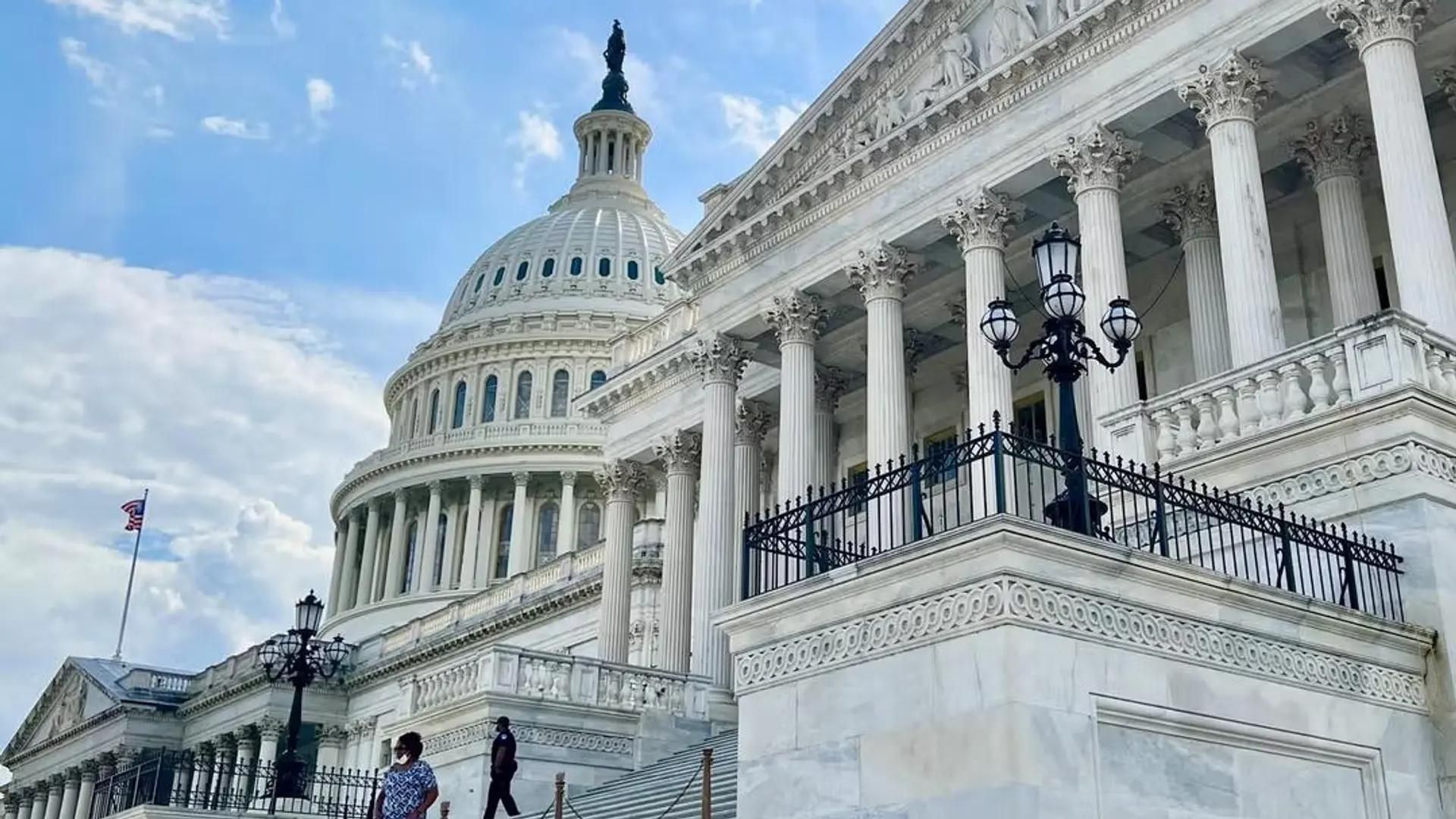
The crypto market structure bill has not made much public movement in a month. While making a prognosis on the bill is difficult, it’s not hard to see that the clock for passage is running out.
You’re reading State of Crypto, a CoinDesk newsletter looking at the intersection of cryptocurrency and government. Click here to sign up for future editions.
The narrative
We won’t get the crypto market structure bill this month. That’s not the end of the process, but we’re approaching a timeline that’ll surely increase the amount of gray in people’s hair.
Why it matters
Much of what’s happened around market structure issues — Securities and Exchange Commission staff statements, for example — are not permanent guidance. The SEC has time to come up with rules that go through a notice-and-comment period, but that’ll take time. Market structure legislation was aimed at cementing crypto industry goals and regulations into law, making it that much more difficult for a future administration to undo those rules. In other words, without the Clarity Act, it’s entirely possible that we’ll have this same conversation in a few years. To be clear, this isn’t advocating for this bill, much as I might wish to write about anything else. This is just stating a likely future scenario.
Breaking it down
Memorial Day — May 25, or just about a month from now — has been seen since at least last December as a “drop-dead” date for legislation to advance, if it is to have a chance at passage before the election. As we get into the summer, lawmakers are going to leave town to run their campaigns and won’t have time to worry about a crypto bill (or much other legislation).
Before Congress leaves, it’s going to take up a bill to fund the Department of Homeland Security (House) and figure out if Kevin Warsh will become the next Fed chair (Senate).
CoinDesk’s Jesse Hamilton laid out the other steps necessary to get Clarity across the finish line — i.e. President Donald Trump’s desk — last week.
The crypto industry desperately wants this bill; more than 100 signed an open letter last week urging a markup hearing in the Senate Banking Committee, which would be the first step toward overall passage.
Still, at this point it’s unclear how close the committee is to moving forward. Stablecoin yield continues to dominate the conversation, but other outstanding issues have not been resolved either, at least publicly.
Even when these issues are resolved, the House will need to vote again on the bill.
Congressman French Hill, who chairs the House Financial Services Committee, told CoinDesk earlier this month that many of the outstanding issues around sales practices for stablecoins and decentralized finance had already been sorted out by the House in its version of the bill, meaning the Senate should be able to find common ground.
“I think the Senate’s relayed quite a bit on the House work on both FIT21 [the Financial Innovation and Technology for the 21st Century Act] from the previous Congress and CLARITY in this Congress,” he said. “I think you see that quite clearly in the Senate Agriculture markup, I think you see that in the basic draft of many of the components in the Senate bill.”
And, well, not to plug Consensus Miami again, but we are going to be discussing this next month. It’ll be a party, you should swing by.
This week
If you’ve got thoughts or questions on what I should discuss next week or any other feedback you’d like to share, feel free to email me at nik@coindesk.com or find me on Bluesky @nikhileshde.bsky.social.
You can also join the group conversation on Telegram.
See ya’ll next week!
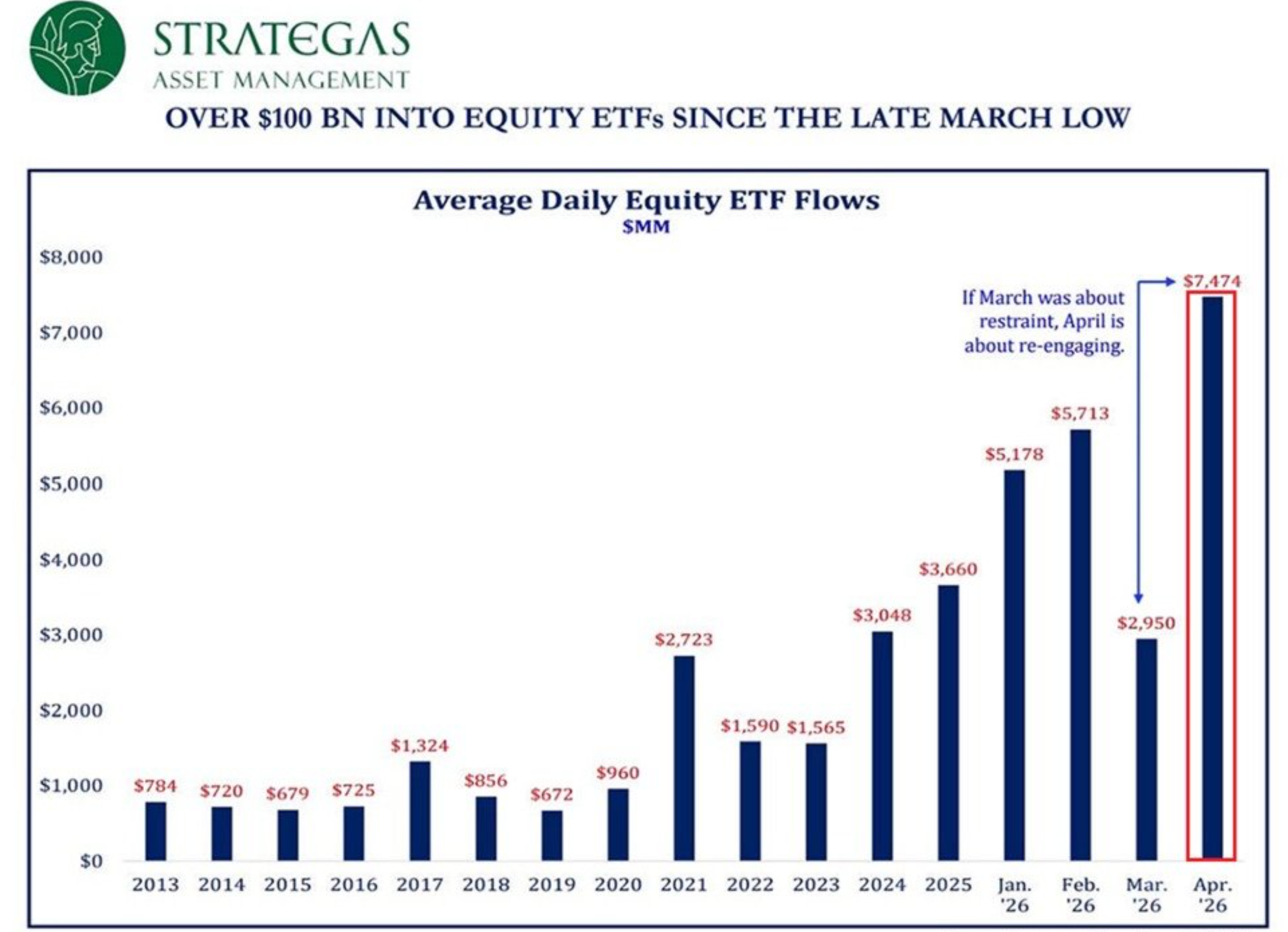
US equity ETFs (exchange-traded funds) drew a record $7.5 billion in average daily inflows during April. The pace more than doubles the $2.9 billion March average, according to Strategas Asset Management.
The data shows cumulative inflows above $100 billion since the March 30 low. The reading reflects institutional risk appetite that historically supports crypto ETF flows and tokenized asset adoption.
Equity ETF Demand Reflects Post-March Risk-On Rotation
Strategas figures show April 2026 daily flows averaged $7,474 million versus $2,950 million in March. Aggregate US-listed ETF inflows across all categories now track near $524 billion year-to-date through mid-April.
The acceleration follows a March pullback driven by tariff-related volatility. April flows run more than double the 2025 daily average of $3.7 billion. The shift signals a sharp sentiment reversal among allocators.
“Investors are pouring more capital into equity funds than ever,” wrote analysts at the Kobeissi Letter.
Outflows from active mutual funds and modest reductions in money market balances have funded part of the surge.
Fixed income ETFs continue attracting capital alongside equities, indicating broader deployment rather than rotation.
Follow us on X to get the latest news as it happens
Same Capital Pools Drive Bitcoin and Ethereum ETF Demand
Spot Bitcoin (BTC) and Ethereum (ETH) ETF products have rebounded alongside equities since the March bottom.
BlackRock’s iShares Bitcoin Trust IBIT holds cumulative lifetime flows above $63 billion. The fund draws the same allocator base that rotated into broad equity indices.
BlackRock’s Ethereum ETF has shown similar institutional interest in recent weeks. Large managers including Apollo and Hamilton Lane have begun directing 1% to 2% of portfolio allocations toward digital assets.
The convergence is also visible on the TradFi side. Pensions, endowments, and family offices increasingly treat regulated crypto ETFs as portfolio components similar to broad equity trackers.
“Banks. Pensions. Insurers. Asset managers. 79% plan to invest in digital assets. Over 50% allocating within one year. Most targeting 2–5% allocations. Trillions are coming…..,” remarked TradFi researcher Ryan Solomon.
Tokenization Brings Equity Demand On-Chain
Strong appetite for accessible equity exposure has reinforced the case for tokenization of real-world assets (RWAs). Total tokenized RWA value sits above $30 billion, with US Treasuries, private credit, and equities forming leading categories.
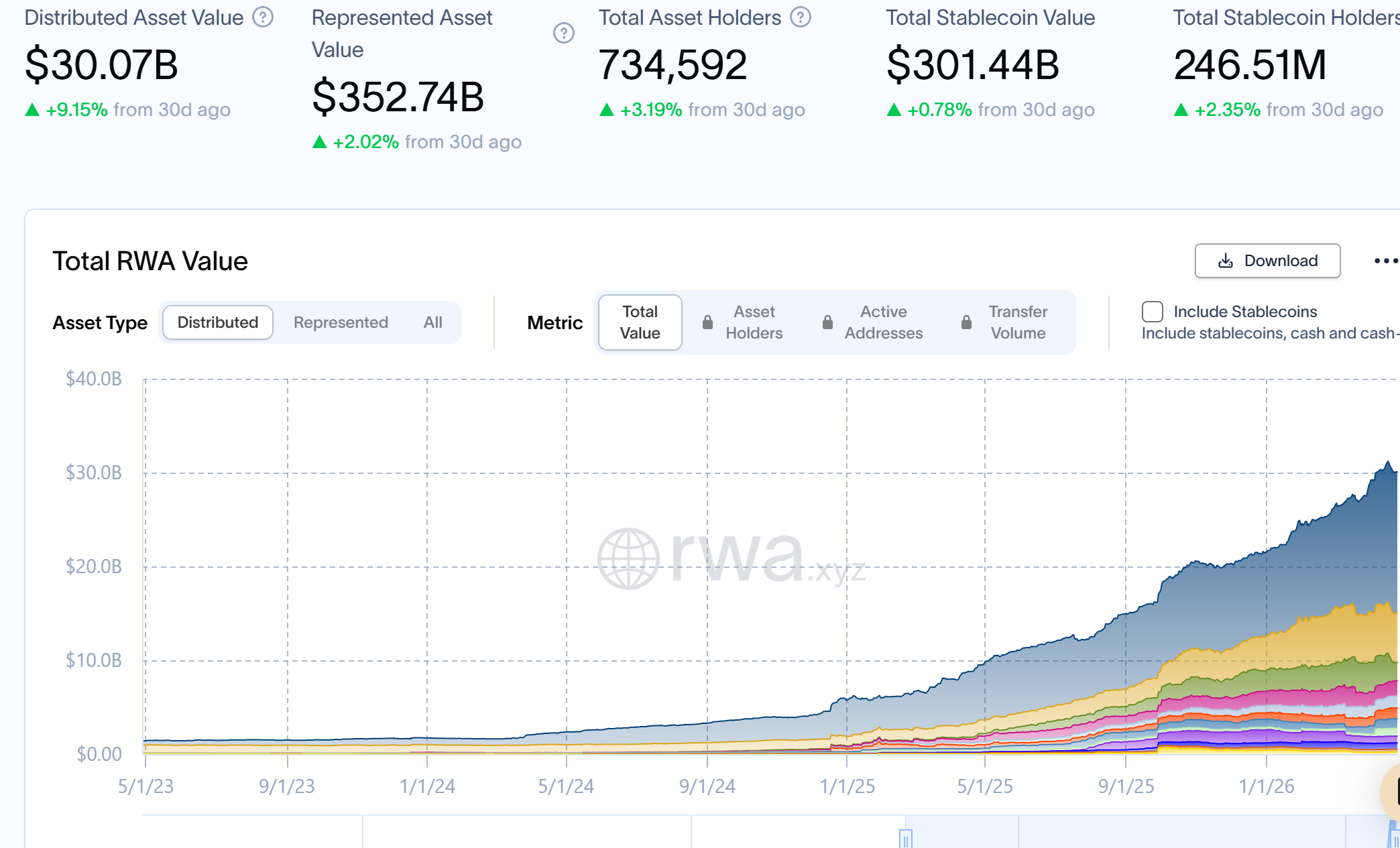
Platforms including Kraken xStocks, Ondo Global Markets, and Backed Finance already offer tokenized US equities and ETF exposure.
Issuers such as BlackRock, Fidelity, and JPMorgan continue advancing tokenization pilots tied to settlement and custody.
Risks remain. Procyclical flows can reverse if macro conditions sour. Concentration in mega-cap technology still drives index performance.
“A key implication is that macro now has to be filtered through flows. If hedge funds are running unusually low net exposure and retail flips from loading puts to chasing calls, price can overshoot well beyond what underlying growth, earnings, or valuation would normally justify. Markets are increasingly driven by flows and market structure idiosyncrasies that makes timing harder, not easier,” noted analysts at Forward Guidance.
Operators in custody, prime brokerage, and on-chain settlement face a key question. Can record equity demand translate into hybrid TradFi-crypto products in coming quarters?
Subscribe to our YouTube channel to watch leaders and journalists provide expert insights
The post Risk-On Surge Lifts Crypto Outlook as Equity ETFs Hit Record $7.5 Billion Daily Pace appeared first on BeInCrypto.

Litecoin’s network, a long-standing layer-1 proof-of-work chain, faced a notable disruption over the weekend as a vulnerability triggered a 13-block reorganization. The Litecoin team described a denial-of-service event on mining pools running recently updated software, which temporarily suppressed their hash power. This allowed older nodes to peg out coins to decentralized exchanges and cross-chain swap protocols, resulting in invalid transactions appearing on the network’s MimbleWimble Extension Blocks (MWEB) privacy layer. Once upgraded nodes recovered hashing power, the chain reorganized by 13 blocks and reversed the invalid transactions. The Litecoin project says the issue has now been fully patched.
The episode arrives amid heightened attention on zero-day vulnerabilities—entirely new code exploits that software makers have not yet identified or mitigated. Industry observers have also noted that AI systems are increasingly adept at spotting such attack surfaces, underscoring the accelerating risk environment facing crypto networks.
The incident prompted discussion about whether the bug was truly a zero-day. In a separate thread, Alex Shevchenko, co-founder of Aurora, a layer-2 scaling network, pointed to evidence suggesting some actors may have known about the vulnerability beforehand. He wrote that the protocol’s automatic reorg once the DoS attack subsided implied that portions of the hashrate were already running updated code, indicating the issue was not a genuine zero-day. Alex Shevchenko on X.
Other observers have framed the episode as part of a broader pattern. Vadim Zacodil, a blockchain developer, argued that the timing and targeting pointed to a deliberate operation, warning that low-hashrate layer-1s may no longer be reliable collateral for cross-chain value. Vadim Zacodil on X.
The wider crypto ecosystem has repeatedly highlighted cross-chain bridges as an attractive attack surface. In recent years, such bridges have been linked to billions of dollars in losses, as attackers exploit interoperability layers to move assets across protocols with varying security guarantees. The latest Litecoin incident arrives alongside ongoing scrutiny of how cross-chain activity interacts with privacy-focused features like MWEB and how relays, bridges, and liquidity providers respond to transient outages or reorgs.
For context, the crypto press and researchers have noted recent high-profile bridge-related incidents. In April, the Kelp restaking protocol experienced a significant breach that drained about $293 million, underscoring how interconnected DeFi layers can amplify risk when a single vulnerability is exploited. Kelp restaking attack was one of the clearest recent reminders of the ongoing fragility in non-isolated DeFi lending and staking architectures. Kelp exploit.
Beyond isolated incidents, the broader security landscape has drawn attention to how future-proof crypto infrastructure is against evolving attack methods. The industry is also watching for how exchanges and miners coordinate during DoS or reorg events to prevent cascading loss of confidence or asset disruption. Some researchers have argued that robust fallback mechanisms and more frequent, transparent patching cycles are essential as attack surfaces expand with greater cross-chain functionality.
Key takeaways
- Litecoin experienced a DoS-induced 13-block reorganization after updated mining pools encountered a vulnerability, with older nodes briefly enabling invalid transactions on the MWEB privacy layer.
- The network’s attackers reportedly manipulated cross-chain and DEX interactions during the event, before the upgraded miners reclaimed control and the invalid transactions were reversed.
- There is a debate about whether the bug represented a true zero-day or a pre-known vulnerability, bolstered by analysis suggesting some miners were running updated code during the attack.
- The episode highlights persistent risks around cross-chain bridges and DeFi interoperability, where compromised hash power or timing can enable mispriced or invalid states to propagate briefly.
- Industry observers point to recent high-profile bridge exploits and ongoing AI-driven vulnerability discovery as signals that crypto security remains an active and evolving frontier requiring vigorous patching and coordination.
Litecoin’s patch and the path forward for cross-chain security
In the immediate aftermath, Litecoin said the vulnerability has been patched and that the network returned to normal after updated nodes re-established hashing power. The incident serves as a reminder that even well-established PoW networks can suffer transient disruptions when edge-case bugs intersect with evolving mining software and cross-chain activity. The team’s public update, and the subsequent 13-block reorg to remove invalid transactions from the chain, demonstrate that rapid reorganization can contain damage when participation from updated nodes is sufficient to reassert consensus.
Analysts and developers will be watching how quickly miners and exchanges propagate the corrected software, how cross-chain protocols respond to similar disruptions, and whether any retroactive security reviews prompt broader changes to how MWEB transactions are validated during reorgs. The Binance-linked activity cited in discussions around the incident adds another layer to the narrative, suggesting that attackers may coordinate across on-chain and off-chain resources to maximize impact or exploit uncertainty around patch timing.
Looking ahead, the industry’s evolving risk landscape will likely intensify emphasis on monitoring, patch cadences, and the resilience of cross-chain value transfers. As bridging and interoperability expand, so too do the potential vectors for disruption, making ongoing vigilance and coordinated response plans essential for users, developers, and infrastructure operators alike.
Readers should keep an eye on how Litecoin and other networks refine their emergency response playbooks, how mining pools coordinate during DoS events, and whether more rigorous, standardized disclosures accompany major software updates that affect consensus-critical components. The ongoing conversation about zero-day discovery, pre-knowledge indicators, and the role of non-native funds in exploiting vulnerabilities will shape how markets price risk in the months ahead.
For additional context on the broader security conversation, researchers have highlighted AI-assisted vulnerability discovery as a double-edged sword—accelerating discovery but potentially accelerating exploitation as well. See discussions around Claude Mythos and related analyses of zero-day surfaces in OS and browser ecosystems. Claude Mythos zero-day vulnerabilities.
Key Takeaways
- Three-year projections place SOL anywhere from $50 to $900+ based on varying market scenarios
- Bearish conditions could drive SOL down to $50–$100 if crypto adoption stalls
- Central forecast estimates $200–$300 assuming Solana maintains approximately 3% market dominance in a $5T industry
- Optimistic projections reach $500–$700 with expanded use in gaming, payments, and institutional portfolios
- Weighted probability analysis suggests a median price around $250–$300
Solana has established itself as a leading high-performance Layer 1 blockchain, recognized for exceptional transaction speeds and minimal fees. These characteristics have positioned it as a formidable alternative to Ethereum and competing networks.
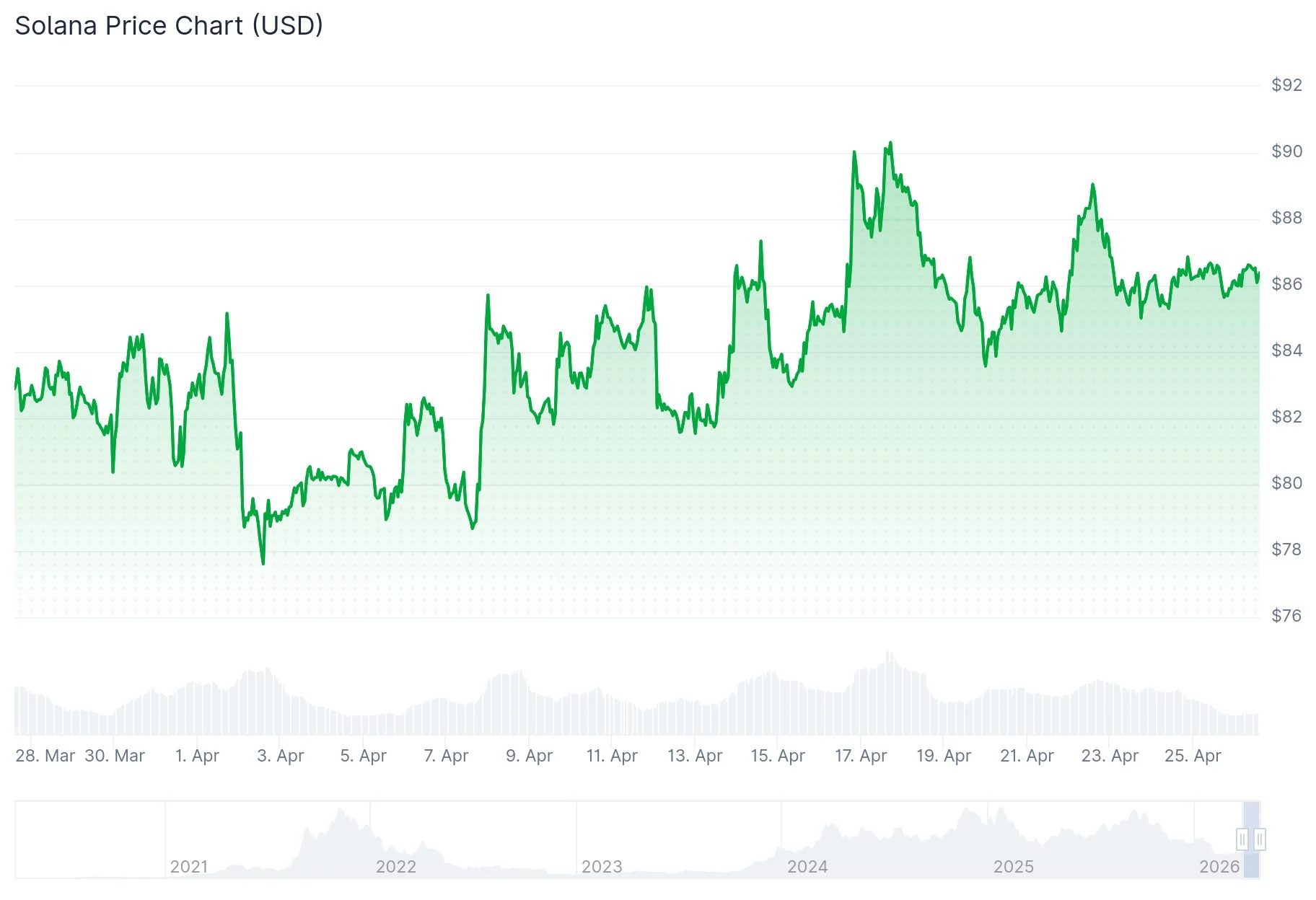
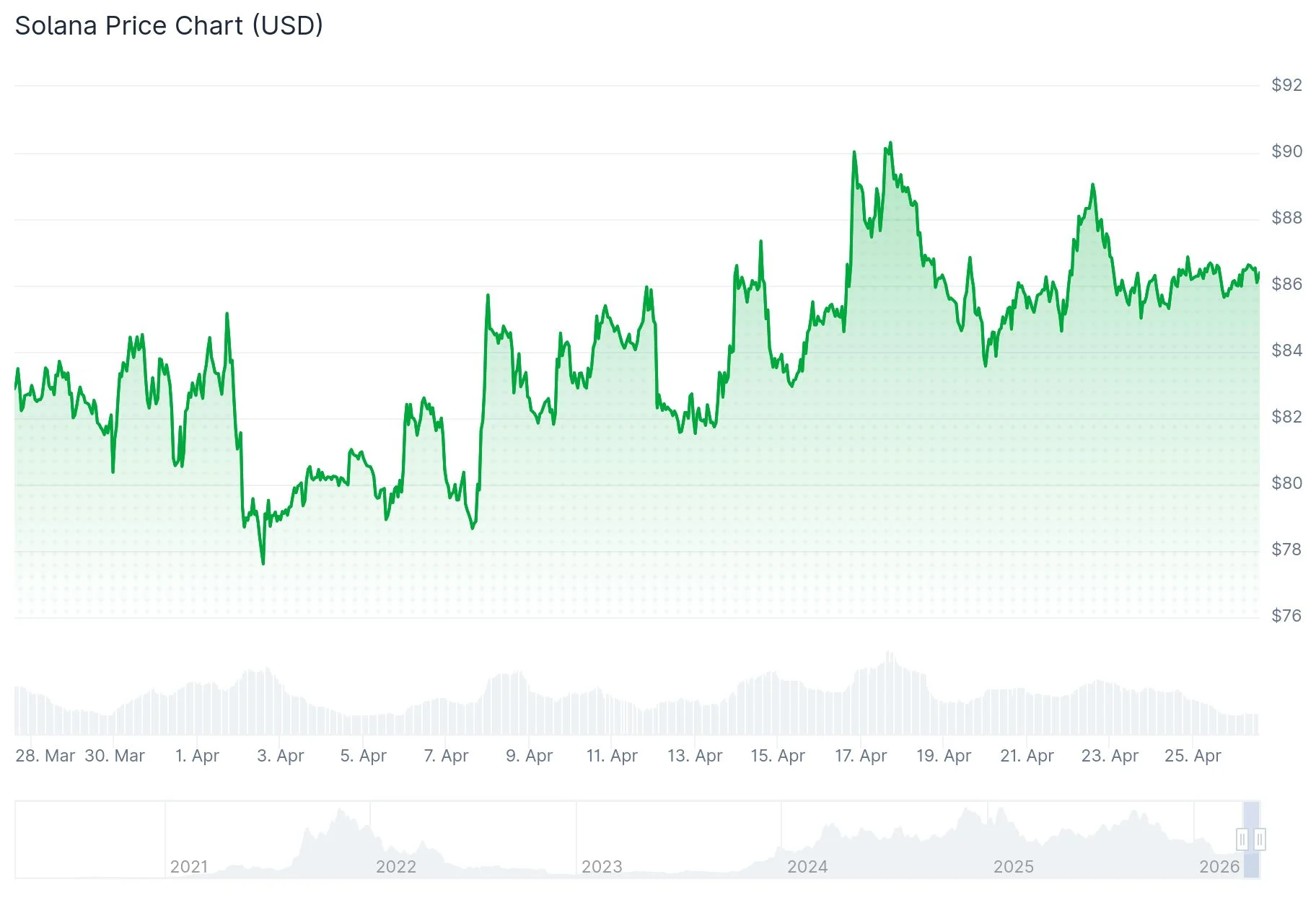
The critical question remains: what price levels might SOL achieve within the next three years?
A market share analysis offers a data-driven framework for this projection. The methodology is straightforward: estimate total cryptocurrency market capitalization, apply Solana’s anticipated market share percentage, then calculate per-token value based on circulating supply. This approach emphasizes fundamental analysis over pure speculation.
The framework operates on several core assumptions: total crypto market valuation expanding to between $2.5 trillion and $10 trillion, Solana’s circulating supply reaching approximately 650 million tokens, and market share ranging from 1.5% to 6% depending on the scenario.
Under pessimistic conditions, the cryptocurrency sector achieves only $2.5 trillion in total value, with Solana capturing merely 1.5% market dominance. This yields a network valuation around $37 billion, translating to a SOL price between $50–$60. Such an outcome would indicate constrained institutional participation and intensified competition from rival Layer 1 platforms.
Central Projection: $200–$300
The moderate scenario represents the most realistic pathway. Total cryptocurrency market capitalization expands to $5 trillion, while Solana secures approximately 3% of that value. This positions the network at a $150 billion valuation, suggesting SOL prices in the $200–$300 range, centered around $230.
Achieving this outcome requires Solana to maintain developer engagement, experience continued DeFi ecosystem growth, and demonstrate operational reliability. Market share sensitivity is significant at this scale. Within a $5 trillion total market, a shift from 2.85% to 3.15% share translates to approximately $20 price variation.
The optimistic projection envisions total crypto market capitalization reaching $8 trillion with Solana commanding 5% market share. This scenario implies a $400 billion network valuation and positions SOL at $600 or above. Realizing this trajectory demands substantial expansion in blockchain gaming, payment infrastructure, and institutional capital allocation beyond Bitcoin and Ethereum.
Extreme Upside Scenario
The supercycle hypothesis contemplates a $10 trillion total market where Solana secures 6% dominance. Under these conditions, SOL could approach $900 or exceed it. This outcome requires exceptional network execution and comprehensive global integration across diverse application verticals.
Multiple variables will influence which trajectory materializes. Critical factors include on-chain activity metrics, developer ecosystem vitality, competitive dynamics with Ethereum and emerging platforms, institutional capital flows, and overarching macroeconomic conditions.
Aggregating probabilities across all scenarios yields a weighted three-year price estimate around $250–$300 for SOL.
Quick Overview
- The cryptocurrency market capitalization stabilizes around $2.6 trillion with Bitcoin maintaining strong dominance
- Bitcoin (BTC) and Ethereum (ETH) lead as premier long-term investments backed by institutional interest and smart contract leadership
- Solana stands out for its high throughput, minimal transaction costs, and expanding consumer application ecosystem
- Chainlink serves as essential infrastructure supporting DeFi protocols and real-world asset tokenization initiatives
- BNB completes the top tier thanks to robust ecosystem utility and sustained market demand
The cryptocurrency landscape maintains stability with overall market capitalization hovering around $2.6 trillion. Bitcoin’s continued dominance signals investor preference for established digital assets over speculative alternatives.
This market condition creates favorable circumstances for blockchain projects demonstrating genuine utility, developed ecosystems, and sustainable growth trajectories. Below are five digital assets that analysts recommend for strategic long-term accumulation.
Bitcoin (BTC): The Foundation Asset
Bitcoin serves as the cornerstone for strategic cryptocurrency portfolios. The leading digital asset continues drawing institutional capital through exchange-traded funds and corporate treasury adoption.
The scarcity model supporting Bitcoin remains straightforward and compelling. With a permanent ceiling of 21 million coins, the supply constraint provides fundamental support for long-term value appreciation.
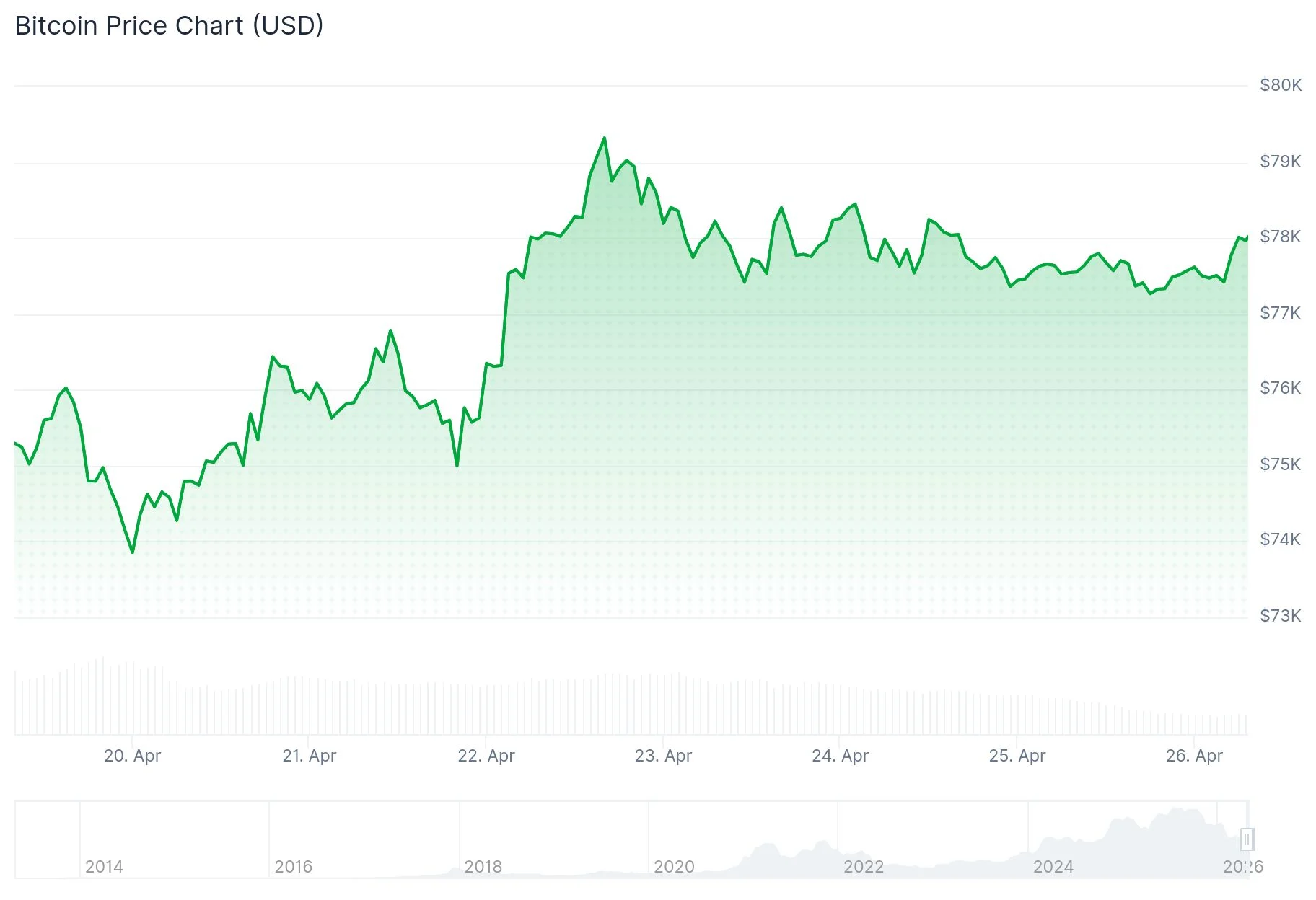
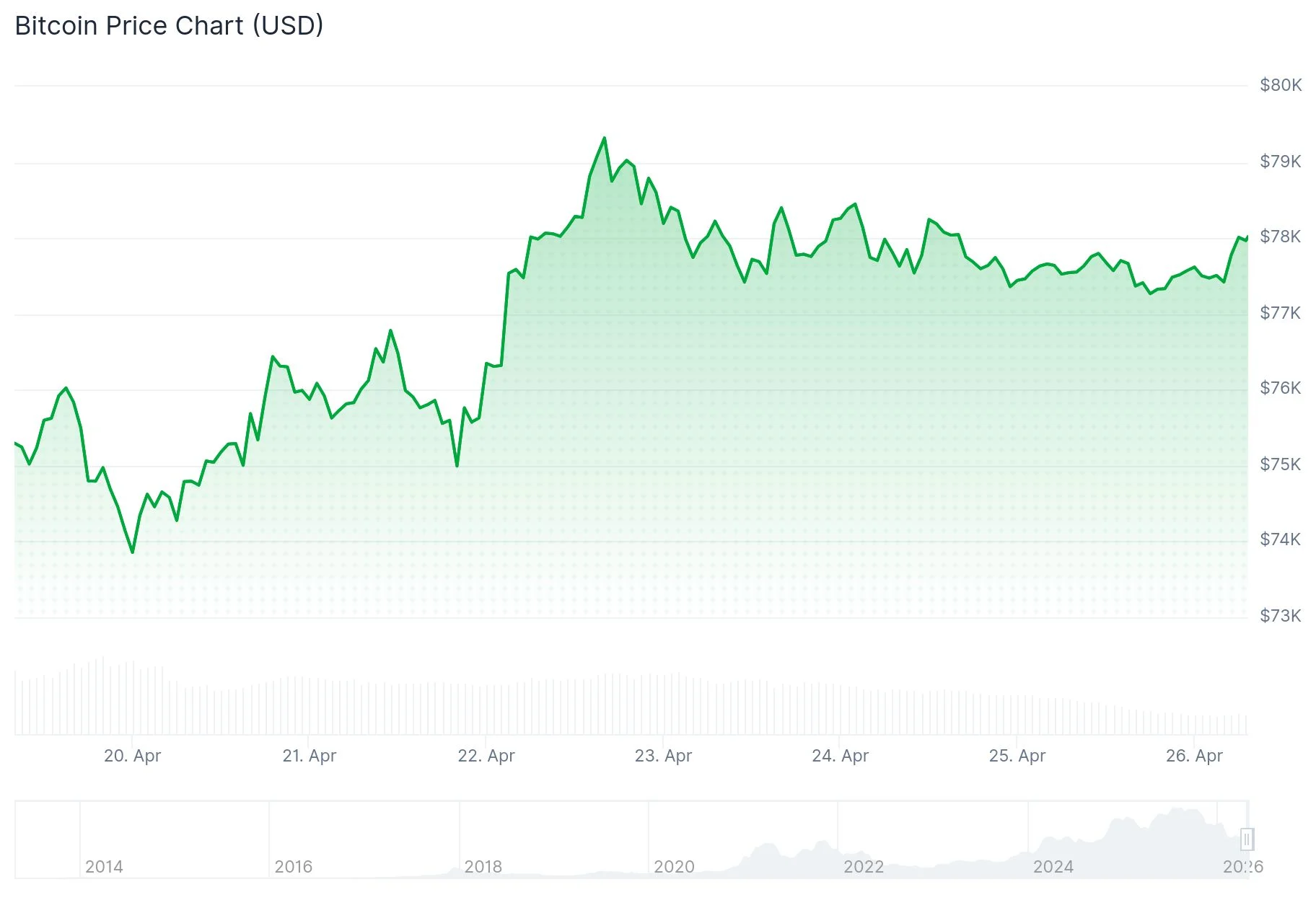
Among all cryptocurrency assets, Bitcoin delivers the most reliable downside protection. Market analysts view accumulation opportunities in the $70,000 to $78,000 range as favorable entry points for extended holding periods.
Ethereum (ETH): Dominant Smart Contract Platform
Ethereum maintains its position as the leading platform for smart contracts, decentralized finance applications, and digital asset tokenization. The network’s developer community surpasses all competing blockchain platforms in size and activity.
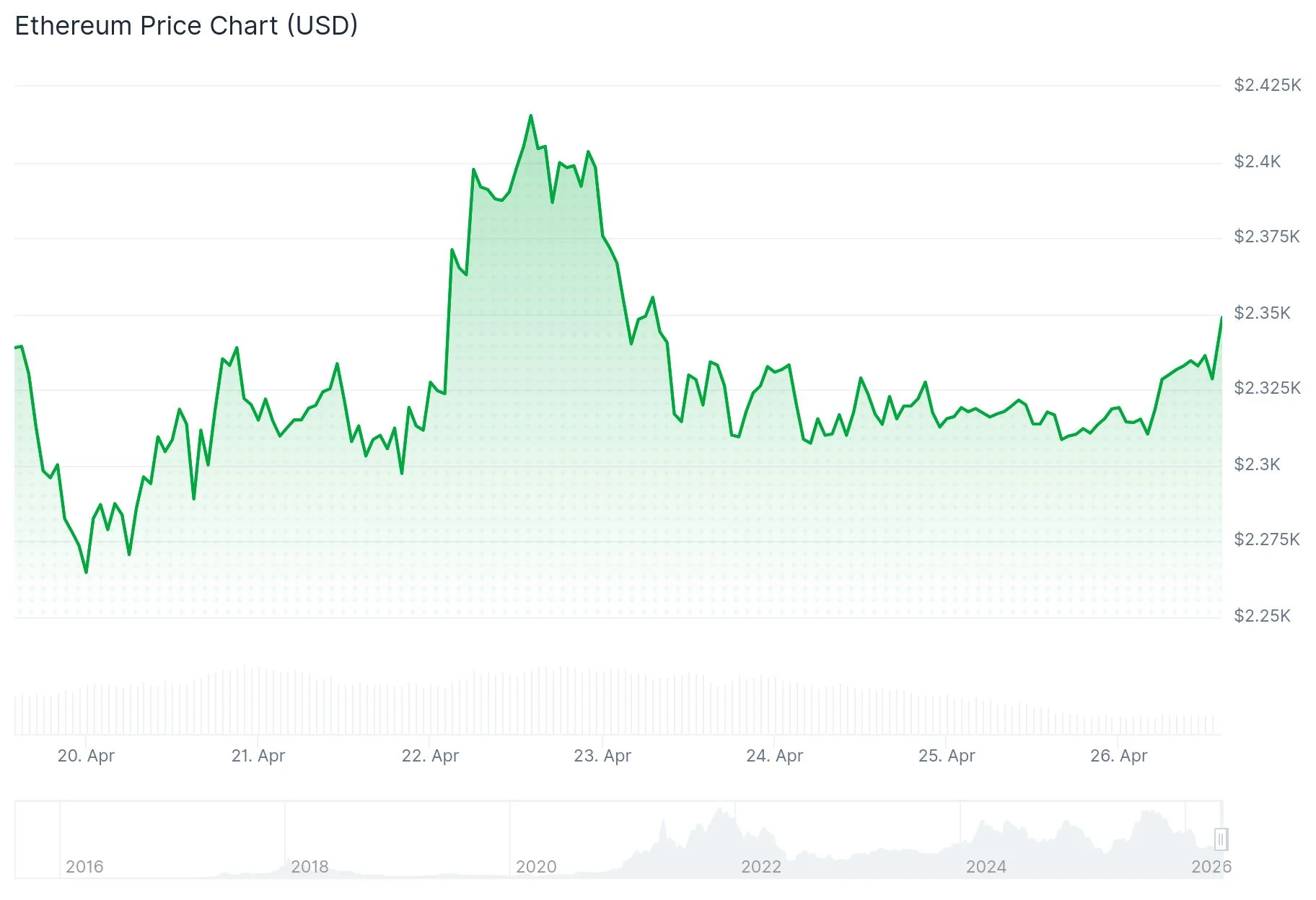
The investment thesis centers on the tokenization of traditional assets and increasing staking participation. These catalysts remain in nascent development stages with substantial room for expansion.
Competitive threats include emerging high-performance blockchains and persistent scalability limitations. For long-term portfolio construction, accumulation between $2,000 and $2,350 represents a prudent entry zone.
Solana (SOL): Performance-Focused Blockchain
Solana has established itself as the preferred platform for applications requiring high throughput and minimal transaction expenses. The network has emerged as a primary destination for consumer-facing applications and decentralized finance protocols.
The investment case rests on sustained adoption as the blockchain of choice for high-frequency, user-oriented applications. Analysts recommend dollar-cost averaging within the $75 to $88 range for long-term positions.
Primary concerns include historical network reliability issues and significant dependence on retail user activity rather than institutional adoption.
Chainlink (LINK): Critical Infrastructure Layer
Chainlink provides oracle services and cross-chain interoperability solutions throughout the cryptocurrency ecosystem. The protocol functions as fundamental infrastructure supporting DeFi applications and tokenized real-world assets.
As traditional assets increasingly migrate on-chain, Chainlink occupies a strategic position within this transformational trend. The primary uncertainty involves the degree to which token value will reflect protocol adoption and usage.
Analysts identify the $8.50 to $10 zone as an attractive accumulation range for patient investors. Among these five assets, Chainlink currently presents the most compelling risk-adjusted opportunity.
BNB: Integrated Ecosystem Token
BNB serves multiple functions including exchange fee discounts, DeFi participation, staking rewards, and transaction settlement on BNB Chain. The token derives value from its connection to Binance, the world’s largest cryptocurrency exchange by volume.
The long-term investment case depends on Binance maintaining market leadership while expanding into payment processing, decentralized finance, and Web3 infrastructure. Persistent utility generates reliable demand dynamics.
Regulatory scrutiny targeting Binance represents the primary downside risk for BNB token holders. Strategic accumulation between $520 and $600 provides reasonable entry positioning for multi-year time horizons.
Recommended Portfolio Construction
The proposed allocation strategy across these five cryptocurrencies is: Bitcoin comprising 35%, Ethereum at 25%, Solana representing 15%, Chainlink also at 15%, and BNB accounting for 10%.
This distribution creates equilibrium between stability, growth opportunity, and infrastructure exposure across the broader cryptocurrency market landscape.


The Office of the Comptroller of the Currency (OCC) closes its GENIUS Act comment window on May 1. The four-day countdown ends 18 months of regulatory uncertainty for U.S. banks weighing payment stablecoin issuance.
The deadline marks a turning point for corporate treasurers who have weighed stablecoins as a primary payment rail. Many lacked formal federal guidance from the agency that supervises national banks.
Two-Tier Framework Puts the Compliance Burden on Issuers
The OCC opened the 60-day window on February 25 with a 376-page proposed rule.
“After that, the regulatory uncertainty that’s been keeping corporate treasury teams from making stablecoin their primary payment rail has an official federal answer —> from the same agency that supervises national banks,” stated investor Abhinav Kumar.
That rule translates the Guiding and Establishing National Innovation for U.S. Stablecoins (GENIUS) Act into operational requirements. It spans reserve standards, custody rules, capital thresholds, and supervisory authority.
A two-tier licensing structure anchors the proposal. Issuers with more than $10 billion in outstanding stablecoins fall under federal licensing.
Smaller firms can operate under state regimes certified by the Treasury, Federal Reserve, and FDIC.
The compliance burden lands on issuers, not on payment infrastructure operators or merchants.
That distinction matters for corporate adoption, where the missing piece has been formal legal cover rather than merchant skepticism.
Corporate Treasuries Eye the Switch to Stablecoin Rails
An EY-Parthenon survey found that 13% of financial institutions and corporates globally already use stablecoins. Another 54% of non-users plan to adopt them within six to 12 months.
Kumar argues the gap between interest and execution comes down to legal cover. He says the OCC framework will turn the opinion letter from general counsel into a form document.
“The companies ready to receive that demand will have a structural advantage that’s very hard to replicate 18 months later,” he added.
The American Bankers Association has asked regulators for an additional 60 days to review the proposal.
That request signals the final rule may take longer to publish even after May 1 closes the comment period.
Fed leadership questions are also moving in parallel. Senator Thom Tillis said this week he will support Kevin Warsh’s Federal Reserve confirmation after the Justice Department closed its Powell investigation.
The Fed helps certify state stablecoin regimes alongside Treasury and the FDIC, tying central bank leadership to how the framework rolls out under federal stablecoin policy.
The post US Banks Have Only 4 Days Left to Shape GENIUS Act Stablecoin Rules at OCC appeared first on BeInCrypto.

Teen ‘assaulted’ near Irvine beach as police promise crackdown year after Kayden Moy death

Invesco EQV International Equity Fund Q1 2026 Portfolio Review

Scottish Premiership: Will doubters believe in Hearts’ title chances now?

Manchester United reach agreement with Casemiro over contract clause amid transfer speculation

US brings back mandatory military draft registration

Steven Gerrard disagrees with Gary Neville over ‘shock’ Chelsea and Arsenal claim | Football


-

 Fashion2 days ago
Weekend Open Thread – Corporette.com
-

 Politics6 days ago
Gary Stevenson delivers timely reminder to register to vote as deadline TODAY
-
Crypto World1 day ago
Hyperliquid $HYPE Rally Builds Momentum as AI Sector Enters Prove-It Phase
-
Entertainment7 days ago
NBA Analyst Charles Barkley Chimes in on Ice Spice McDonald’s Fiasco
-
Crypto World6 days ago
Bank of Hawai’i (BOH) Q1 2026: Net Income Drops to $57.4M as Net Interest Margin Expands
-

 Politics4 days ago
Making troops accountable for war crimes threatens US alliance, ex-SAS colonel warns
-

 Politics4 days ago
Disabled people challenge government SEND proposals over segregation concerns
-

 Business4 days ago
Rolls-Royce Voted UK’s Most Iconic Trade Mark as IPO Register Hits 150
-

 Politics4 days ago
Zack Polanski responds to home secretary’s taser threat
-
 Sports6 hours ago
IPL 2026: Ruturaj Gaikwad registers slowest fifty of the season, enters all-time unwanted list | Cricket News
-

 Politics4 days ago
Starmer handler McSweeney to be dragged from shadows by Foreign Affairs Committee
-

 Business3 days ago
Patterson-UTI Energy, Inc. (PTEN) Q1 2026 Earnings Call Transcript
-
Politics4 days ago
Wings Over Scotland | How To Get Away With Crimes
-
 Crypto World5 days ago
Five Value Stocks with Recovery Potential in 2026: PayPal (PYPL), Nike (NKE), and More
-

 Crypto World5 days ago
New York sues Coinbase, Gemini over prediction market offerings
-

 Politics4 days ago
‘Iran is still a nuclear threat’
-
 Sports4 days ago
Tim Bradley names the current best in the world: “Better than Inoue and Usyk”
-
 Business5 days ago
HCL Tech share price tank over 9% after weak Q4. JPMorgan, HSBC & 3 others cut target price
-

 NewsBeat10 hours ago
LK Bennett closes all stores after entering administration
-

 Crypto World5 days ago
Crypto’s great hope in Senate’s Clarity Act still has a path to survive tight calendar
You must be logged in to post a comment Login