
Business
How climate change threatens the economic backbone of the Pacific



Business
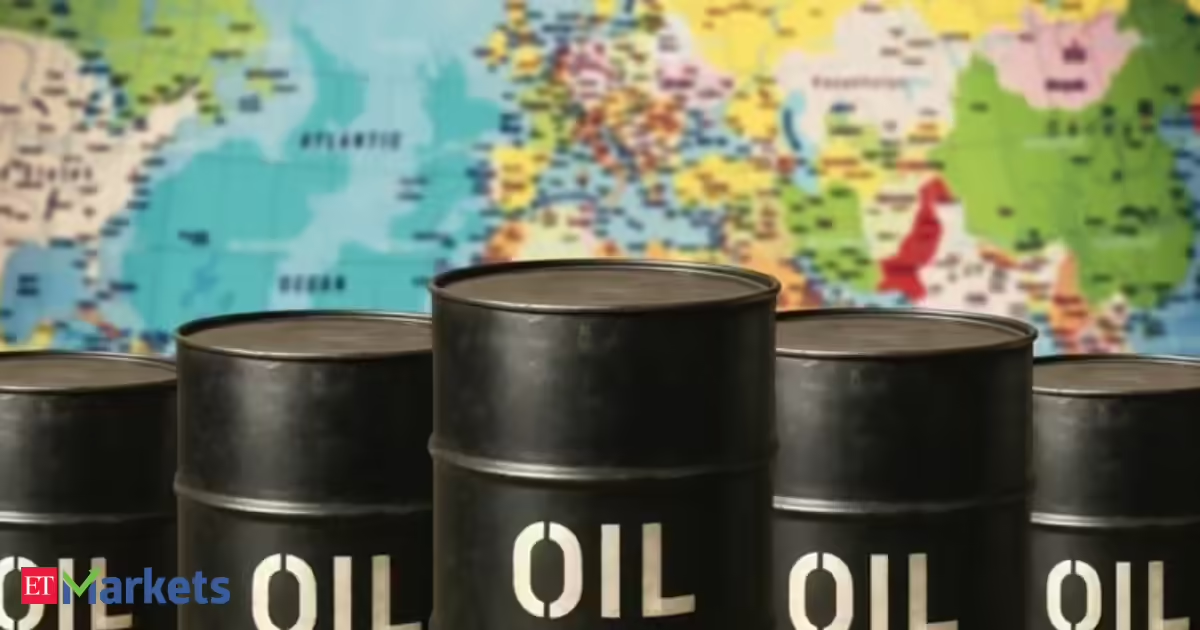
Oil Price Today (April 27): Crude oil hovers near $110 as Iran war peace talks lose momentum. What are experts saying?
Expectations of renewed diplomatic progress weakened over the weekend after U.S. President Donald Trump cancelled a planned Islamabad visit by his envoys Steve Witkoff and Jared Kushner. This came even as Iranian Foreign Minister Abbas Araqchi arrived in Pakistan.
Crude oil price on April 27
Brent crude futures rose $2.16, or 2.05%, to $107.49 a barrel by 2346 GMT, touching their highest level since April 7. U.S. West Texas Intermediate crude advanced $1.77, or 1.88%, to $96.17 a barrel.Last week, Brent posted a nearly 17% rise, while WTI gained close to 13%, marking their biggest weekly advances since the war began.

Iran has continued to demand that vessels seek its approval before transiting the Strait of Hormuz, while Trump said the U.S. has “total control” over the waterway. Meanwhile, the U.S. Navy has maintained a blockade aimed at Iranian ports and vessels.
Goldman Sachs raised its fourth-quarter oil price forecasts to $90 a barrel for Brent crude and $83 for WTI, citing reduced Middle East output.
“The economic risks are larger than our crude base case alone suggests because of the net upside risks to oil prices, unusually high refined product prices, products shortages risks, and the unprecedented scale of the shock,” Reuters reported, citing Goldman Sachs analysts.
According to a Haitong Futures note cited by Reuters, the current ceasefire phase increasingly looks like a build-up to further conflict. It added that if U.S.-Iran talks fail to deliver meaningful progress by the end of April and hostilities resume, oil prices could move to fresh highs for the year.
Macquarie estimates crude prices may stay supported in the $85 to $90 range in the near term, with a gradual rise toward $110 as supply conditions improve. It also warned that prolonged disruptions through April could send Brent as high as $150 per barrel.
Nuvama Institutional Equities said an extended closure of the Strait of Hormuz, which handles around 20 million barrels per day, could push crude prices into the $110 to $150 range.
(Disclaimer: Recommendations, suggestions, views and opinions given by the experts are their own. These do not represent the views of The Economic Times)


Wolf Report is a senior analyst and private portfolio manager with over 10 years of generating value ideas in European and North American markets, and the owner of Wolf of Value, a service focusing on international dividend-paying value investments.He further covers the markets of Scandinavia, Germany, France, UK, Italy, Spain, Portugal and Eastern Europe in search of reasonably valued stock ideas.
Analyst’s Disclosure: I/we have a beneficial long position in the shares of MKGAF, SNY either through stock ownership, options, or other derivatives. I wrote this article myself, and it expresses my own opinions. I am not receiving compensation for it (other than from Seeking Alpha). I have no business relationship with any company whose stock is mentioned in this article.
While this article may sound like financial advice, please observe that the author is not a CFA or in any way licensed to give financial advice. It may be structured as such, but it is not financial advice. Investors are required and expected to do their own due diligence and research prior to any investment.
Short-term trading, options trading/investment, and futures trading are potentially extremely risky investment styles. They generally are not appropriate for someone with limited capital, limited investment experience, or a lack of understanding of the necessary risk tolerance involved.
I own the European/Scandinavian tickers (not the ADRs) of all European/Scandinavian companies listed in my articles. I own the Canadian tickers of all Canadian stocks I write about.
Please note that investing in European/Non-US stocks comes with withholding tax risks specific to the company’s domicile as well as your personal situation. Investors should always consult a tax professional as to the overall impact of dividend withholding taxes and ways to mitigate these.
Seeking Alpha’s Disclosure: Past performance is no guarantee of future results. No recommendation or advice is being given as to whether any investment is suitable for a particular investor. Any views or opinions expressed above may not reflect those of Seeking Alpha as a whole. Seeking Alpha is not a licensed securities dealer, broker or US investment adviser or investment bank. Our analysts are third party authors that include both professional investors and individual investors who may not be licensed or certified by any institute or regulatory body.

Riverwater is Wisconsin’s largest fully dedicated manager of socially responsible investments, serving families, consultants, financial advisors, and foundations. The firm applies environmental, social and governance (ESG) criteria as it builds value-oriented portfolios of small, mid and large-sized companies. Riverwater’s mission is to achieve superior returns through value(s) investing while also generating positive impacts on society. The Riverwater team employs a consistent proprietary process called the Riverwater Three Pillar Approach® which seeks to limit portfolio volatility and downside capture. Based in Milwaukee, Riverwater is woman-owned, employee-owned, and a Certified B Corporation™. In fact, the firm is the first and only financial services company based in WI to have this certification. Note: This account is not managed or monitored by Riverwater, and any messages sent via Seeking Alpha will not receive a response. For inquiries or communication, please use Riverwater’s official channels.
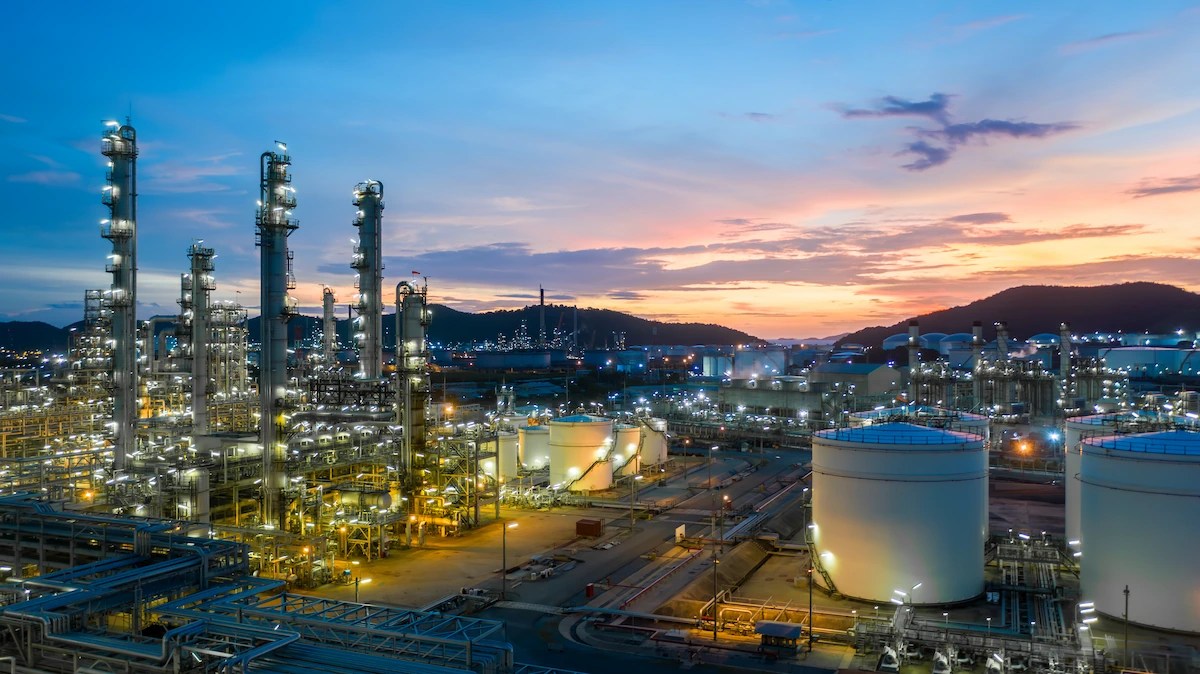
Thailand has a strong petrochemical industry supporting manufacturing but relies heavily on chemical imports. Key suppliers like Chandra Asri Group and Aster provide essential chemicals for various sectors.
Key Points
- Thailand is a key player in Southeast Asia’s chemical industry, boasting the region’s second-largest petrochemical sector. Despite producing 32 million tons of chemicals annually, Thailand’s reliance on imports necessitates strong local suppliers to meet domestic needs. The industry supports various sectors, including textiles, automotive, and electronics.
- In 2024, Thailand exported $14.3 billion in chemicals, ranking 31st globally, yet imports exceeded exports. The chemical import market grew by 34.15% year-on-year. The first quarter of 2025 saw a 7.23% increase in imports, emphasizing the essential role of local suppliers in providing high-quality feedstocks.
- Chandra Asri Group and Aster are notable chemical suppliers, offering a range of products like olefins, polyolefins, and styrene monomer. Their expertise supports industries such as automotive and packaging, positioning them as leading partners for Thailand’s growing chemical market.
Economic Position and Chemical Industry Overview
Thailand holds a significant economic position in Southeast Asia, boasting the second-largest petrochemical industry in the region, which plays a vital role in supporting domestic manufacturing. Despite this impressive ranking, the country remains dependent on chemical imports to meet its demand. With an annual production of 32 million tons of chemicals, Thailand supplies various downstream products to sectors such as textiles, packaging, electronics, and automotive. Reports from the Office of Industrial Economics indicate a 4.60% growth in the chemical shipment index in early 2025, bolstered by hydrogen and nitrogen gases, although manufacturing production experienced a decline of 3.86%.
Role of Chemical Suppliers
The role of reliable chemical suppliers is crucial to sustain Thailand’s industrial growth. Notably, Chandra Asri Group and Aster serve as prominent players in this sector, providing high-quality chemicals essential for various industries. Their offerings include a range of olefins, polyolefins, styrene monomers, and butadiene, which are vital for producing high-value products such as automotive components and packaging materials. The partnership between Chandra Asri Group and Aster showcases a commitment to meeting the growing chemical demand in Thailand, thereby reinforcing the country’s industrial framework.
Import-Export Dynamics
Despite its strong production capabilities, Thailand’s chemical imports outpace its exports. In 2024, Thailand exported $14.3 billion worth of chemical products, while imports grew by 34.15%, reaching $4.4 billion in early 2025. This trend highlights the increasing reliance on foreign suppliers to fulfill rising domestic needs. As the market expands, the relationship between local suppliers like Chandra Asri Group and Aster and various industries becomes even more essential for ensuring a seamless supply of high-quality feedstocks. Collaborating with established suppliers can help domestic companies efficiently navigate the complex landscape of Thailand’s chemical market, optimizing their production capabilities.
Source : Overview of Chemical Industry and Supplier in Thailand
Other People are Reading

Circle: High Upside As Arc Payments Scale
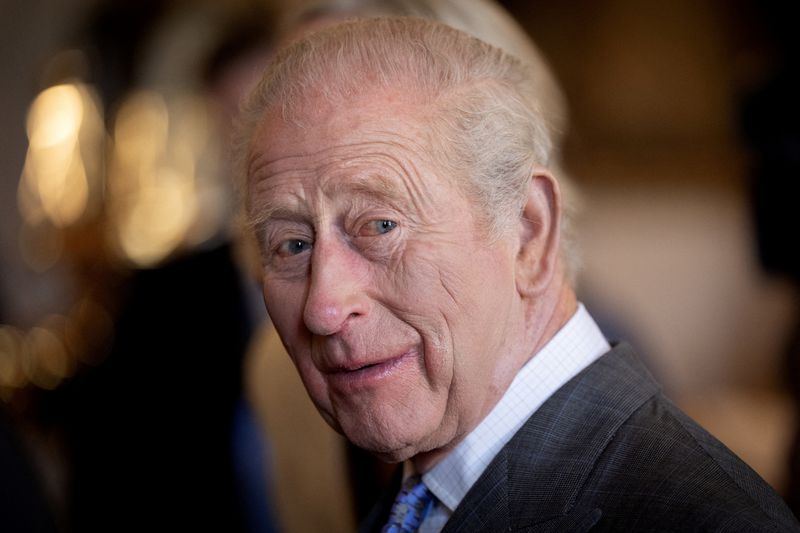

King Charles to attend 9/11 event with New York Mayor Mamdani
Business
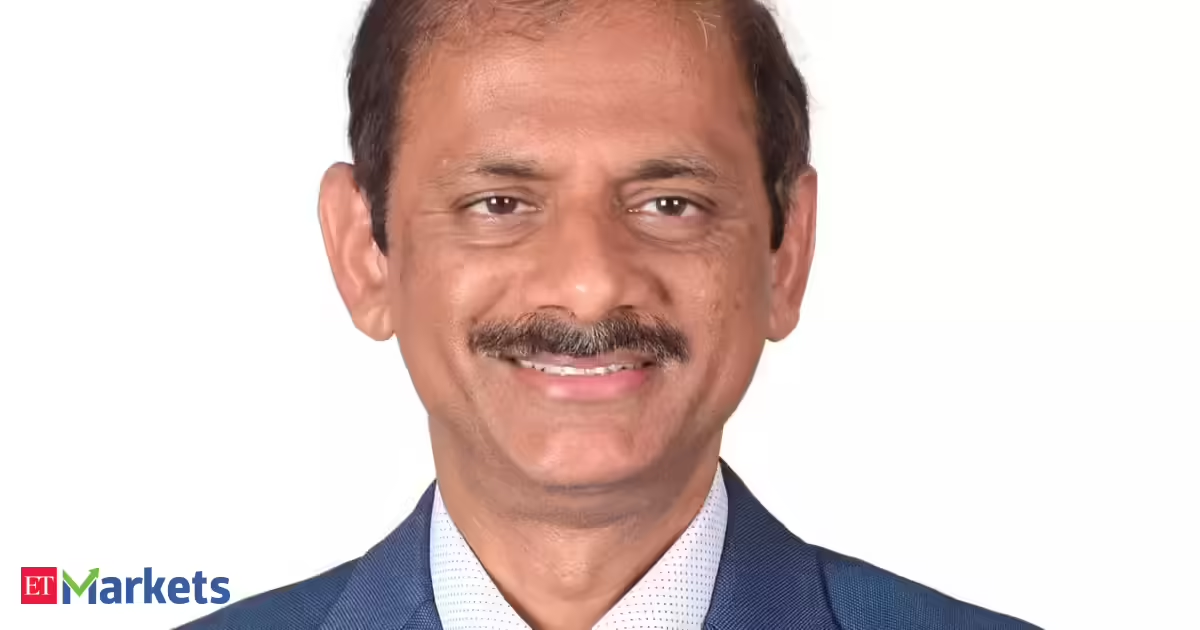
Microfinance stress under control, deposit rates likely to remain unchanged: V Vaidyanathan, IDFC First Bank
Could you share the reasons for the tepid PAT growth?
The representative core profit for this quarter is ₹746 crore, which is 145% over the corresponding period of last year. But we took the impact of the fraud at our Chandigarh branch this quarter itself. There were certain one-time income tax refunds, so we reduced them from normal profits. Our provisions came down because the JLG or MFI portfolio collections normalised to pre-crisis levels of over 99.5%.
Has the Chandigarh episode been fully accounted for?
Yes, fully accounted for. The recovery process is on. Investigations and court processes are involved. We are working on it.
Do you believe the current level of NIM is sustainable? What would be your target range for FY27?
Our net interest margin was about 10 bps lower than shown due to fewer days in Q4FY26, so it is 5.83 bps only and not 5.93 bps. In FY27, we expect our NIM to be stable around the FY17 level of about 5.75%. We are also moving toward low-yield, low-credit-cost segments as a bank.
Loan growth has been strong. What will be the key growth drivers?
In the last year, our growth mainly came from mortgage loans, vehicle loans, consumer loans, wholesale loans and business banking. Together, these segments contributed 87% of the incremental growth last year. Going forward, we will also need to grow our rural banking business because we are short of priority sector loans. Because we are an infrastructure wholesale DFI bank, we have been short on many subcategories of priority sector loans since our origin. So, we need to grow the rural and PSL book. Also, we are a relatively small player in the Indian system, we can grow 19-20%, but we don’t want to play pre-determined shots.Deposit growth has also been robust. What will be your strategy to sustain this momentum?
For us, we build ourselves as an institution that lives into eternity. Secondly, we tell our employees that every product we make we design ethics into the product construct. We also focus on use of tech. Over time, people will hopefully experience these things with our bank, and this may help. Also, we are trying to make a good app with in-house skills. We will go more app than the branch route, branches are not the future.
Given the competition for deposits in the system, do you anticipate raising rates?
We just reduced rates meaningfully across all buckets last quarter, so we don’t intend to increase them anytime soon, except for some marginal tinkering if required.

Infosys Ltd., the second-largest outsourcer, forecast annual sales growth below analysts’ estimates on Thursday, following a profit miss at smaller rival HCL Technologies Ltd. two days earlier. Both stocks declined, with the latter hit by at least half a dozen analyst downgrades. A gauge of the sector plunged more than 5% on Friday to close at its lowest level since June 2023.
The market reaction underscores the two-pronged challenge being faced by India’s $315 billion tech industry — a weak global macroeconomic environment amid the Iran war that has weighed on discretionary tech spending, and the rapid rise of artificial intelligence, which is threatening to disrupt their business models.
The selloff in stocks has deepened since Tata Consultancy Services kicked off earnings on April 9, with nearly $115 billion now wiped off the value of the IT gauge over four months. That has also acted as a key drag on India’s broader market given that tech shares carry a weightage of about 10% in the benchmark NSE Nifty 50 Index.
 Bloomberg
“We continue to be cautious on the sector,” Surendra Goyal, an analyst at Citigroup Inc., wrote in a note, citing high competitive intensity and continued impact of AI on existing business.
Given the fears of AI-driven disruption, a crucial metric for investors is how effectively India’s IT outsourcers adapt — both in how quickly they embed AI into their own delivery models and how successfully they reposition themselves in the value chain.
Infosys has sought to capitalize on the rapid progress of AI by embedding the technology into its offerings in a bid to curb costs and convince corporations to maintain or enhance their IT budgets. Larger rival TCS has partnered with OpenAI to build AI data centers in India, and now its nearing more such deals with other tech giants.The companies rose to prominence in the late 1990s by helping Western firms solve the Y2K bug, which had threatened computer chaos at the turn of the millennium. Since then, they have survived fluctuations in global growth from a series of crises, as well as the dawns of new technologies from mobile telecommunications to cloud computing.
For some market watchers, the monthslong selloff has made valuations attractive. The IT gauge is trading at less than 17 times its one-year forward earnings, down from 30 at the start of last year. The benchmark Nifty 50 trades at more than 18 times.
“This is a sector with no price froth, little valuation excess, and a weak business cycle already reflected in prices,” said Sahil Kapoor, a strategist at DSP Mutual Fund. “At current prices, terminal-value risk appears limited, and we remain overweight.”
Still, the decline in share prices following the latest earnings shows investors want to see more concrete results before turning positive. The NSE Nifty IT Index is now down almost 25% in 2026, making it the worst-performing sector gauge in India. It is trailing the Nifty 50 for a second year.
“Discretionary and non-AI technology spending is under pressure, as clients are delaying large, multi-year projects due to economic uncertainty and unclear returns from AI,” said Anurag Rana, senior technology analyst at Bloomberg Intelligence. “Companies lack visibility beyond a single quarter, with CFOs unable to provide clear medium-term guidance amid ongoing uncertainty.”


Justin Dopierala is President and Founder of DOMO Capital. He received his Bachelor of Science from Concordia University, Wisconsin (2005), graduating summa cum laude and recognized as the most outstanding undergraduate student of his class. He completed his MBA at Concordia the following year. Justin has been the portfolio manager for DOMO Capital Management since the portfolio’s inception (2008). His years at DOMO has been enhanced by corporate experience with Harley-Davidson, Case New Holland, and FedEx Services. His work as an auditor in the areas of Information Technology, Plant Operations, and Finance honed his analytical skills and enable DOMO’s sophisticated financial models. Investing began at an early age for Justin, when he convinced his parents to place a trade for him at age 15 using money he’d saved from mowing lawns. This interest found a focus and structure when a college professor encouraged him to read The Intelligent Investor, the principles of which remain a critical component of the DOMO philosophy to this day. Justin describes his interest in investing as a combination of a passion for competition, desire to do well for himself and clients, and the intellectual rigor of the discipline. A college football Hall of Fame inductee, Justin attributes his athletic and scholastic success as early validation of the same elements that drive the DOMO discipline: Hard work digging deep into the details, combined with an uncanny ability to stay on course by remembering the big picture. These disciplines enable him to meet the greatest challenge he believes a portfolio manager faces; filtering out short term noise in order to remain convicted in longer term investable ideas.
Analyst’s Disclosure: I/we have a beneficial long position in the shares of ALTO, GPRE either through stock ownership, options, or other derivatives. I wrote this article myself, and it expresses my own opinions. I am not receiving compensation for it (other than from Seeking Alpha). I have no business relationship with any company whose stock is mentioned in this article.
ALTO and GPRE are current positions in the DOMO Concentrated All Cap Value Composite. More information on the composite can be found on our website. DOMO Capital Management, LLC (“DOMO”) is a state-registered investment adviser in the states of California, Illinois, Louisiana, Michigan, New York, North Carolina, Texas, Washington, and Wisconsin. The Adviser may not transact business in states where it is not appropriately registered, excluded, or exempted from registration. Individualized responses to persons that involve either the effecting of transactions in securities or the rendering of personalized investment advice for compensation will not be made without registration or exemption. Justin R. Dopierala is the President and Founder, and a registered investment adviser representative of DOMO. Additional information about DOMO is disclosed in our Form ADV, which is available upon request. All information contained herein is for general informational purposes only and does not constitute a solicitation or an offer to provide investment advisory services in any jurisdiction. The investment strategy discussed herein may not be suitable for everyone. Investors need to review an investment strategy for their own particular situation before making any investment decision. We believe the information obtained from any third-party resources to be reliable, but we do not guarantee its accuracy, timeliness, or completeness. The opinions, estimates, projections, comments on financial market trends, and other information contained herein constitute our judgment and are as of the date of the material, are subject to change without notice at any time in reaction to shifting market conditions and other factors, and should not be construed as personalized investment advice. DOMO has no obligation to provide any updates or changes to such information.
Seeking Alpha’s Disclosure: Past performance is no guarantee of future results. No recommendation or advice is being given as to whether any investment is suitable for a particular investor. Any views or opinions expressed above may not reflect those of Seeking Alpha as a whole. Seeking Alpha is not a licensed securities dealer, broker or US investment adviser or investment bank. Our analysts are third party authors that include both professional investors and individual investors who may not be licensed or certified by any institute or regulatory body.
President Trump said on Saturday that the US had cancelled plans to send a team to Pakistan for negotiations.

LPGA Chevron Championship: Nelly Korda returns to world number one with Chevron win
Oil Price Today (April 27): Crude oil hovers near $110 as Iran war peace talks lose momentum. What are experts saying?

Russell Crowe’s Controversial Banned $359 Million Epic Is Officially Leaving Peacock in 6 Days

Manchester United reach agreement with Casemiro over contract clause amid transfer speculation

US brings back mandatory military draft registration

Steven Gerrard disagrees with Gary Neville over ‘shock’ Chelsea and Arsenal claim | Football


-

 Fashion2 days ago
Weekend Open Thread – Corporette.com
-

 Politics6 days ago
Gary Stevenson delivers timely reminder to register to vote as deadline TODAY
-
 Crypto World1 day ago
Hyperliquid $HYPE Rally Builds Momentum as AI Sector Enters Prove-It Phase
-
Crypto World6 days ago
Bank of Hawai’i (BOH) Q1 2026: Net Income Drops to $57.4M as Net Interest Margin Expands
-

 Politics4 days ago
Making troops accountable for war crimes threatens US alliance, ex-SAS colonel warns
-

 Politics4 days ago
Disabled people challenge government SEND proposals over segregation concerns
-

 Business5 days ago
Rolls-Royce Voted UK’s Most Iconic Trade Mark as IPO Register Hits 150
-

 Politics4 days ago
Zack Polanski responds to home secretary’s taser threat
-
 Sports14 hours ago
IPL 2026: Ruturaj Gaikwad registers slowest fifty of the season, enters all-time unwanted list | Cricket News
-

 Business3 days ago
Patterson-UTI Energy, Inc. (PTEN) Q1 2026 Earnings Call Transcript
-
Politics4 days ago
Wings Over Scotland | How To Get Away With Crimes
-

 Politics4 days ago
Starmer handler McSweeney to be dragged from shadows by Foreign Affairs Committee
-
 Crypto World6 days ago
Five Value Stocks with Recovery Potential in 2026: PayPal (PYPL), Nike (NKE), and More
-

 Crypto World5 days ago
New York sues Coinbase, Gemini over prediction market offerings
-

 Politics4 days ago
‘Iran is still a nuclear threat’
-
 Sports4 days ago
Tim Bradley names the current best in the world: “Better than Inoue and Usyk”
-
 Business5 days ago
HCL Tech share price tank over 9% after weak Q4. JPMorgan, HSBC & 3 others cut target price
-

 NewsBeat18 hours ago
LK Bennett closes all stores after entering administration
-

 Crypto World5 days ago
Crypto’s great hope in Senate’s Clarity Act still has a path to survive tight calendar
-

 Fashion6 days ago
Kilkenny Design New Beauty Arrivals for Spring 2026
You must be logged in to post a comment Login