
Business
Trump Administration Begins Processing $166 Billion in Tariff Refunds for Importers

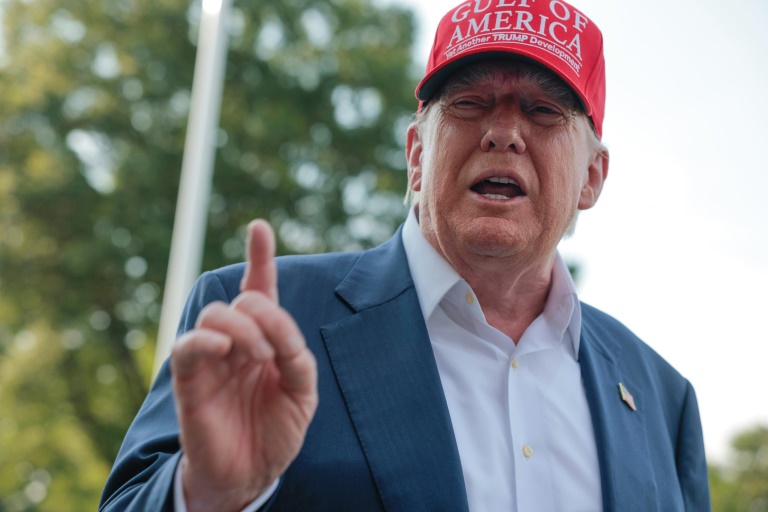
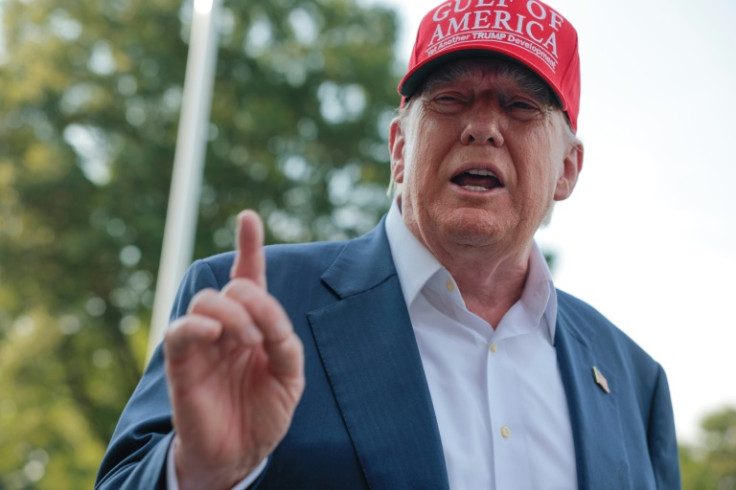
WASHINGTON — The Trump administration launched a major refund program Monday for businesses that paid more than $166 billion in tariffs ruled unconstitutional by the Supreme Court, opening an online portal that allows importers and customs brokers to begin claiming reimbursements plus interest.
AFP
U.S. Customs and Border Protection (CBP) activated the Consolidated Administration and Processing of Entries (CAPE) system on April 20, enabling companies to file claims for duties collected under the International Emergency Economic Powers Act (IEEPA). The Supreme Court struck down key portions of the tariffs in a February ruling, determining the president exceeded his authority.
CBP estimates refunds, including accrued interest, could total up to $166 billion or more. The agency said valid claims will generally be processed within 60 to 90 days, though complex cases may take longer. More than 330,000 importers paid duties on over 53 million shipments during the period in question.
Who Qualifies and How It Works
Only “importers of record” — the businesses or authorized customs brokers that directly paid the tariffs — can file through the CAPE portal. Consumers who paid higher prices for goods due to the tariffs are not eligible for direct refunds. Large retailers like Walmart, Target, Nike and Home Depot stand to recover substantial sums, potentially billions in some cases.
Some parcel carriers, including FedEx and UPS, have indicated they plan to file claims on behalf of customers and pass refunds along where feasible. However, most everyday shoppers are unlikely to see direct money returned to their pockets.
The process requires detailed documentation of entries, payments and supporting evidence. CBP is processing claims in phases, starting with more recent payments. Companies have been urged to register early and ensure their banking information is accurate to speed up payments.
Political and Economic Backdrop
The tariffs were a signature element of Trump’s trade policy aimed at protecting American industries and addressing trade imbalances, particularly with China. The Supreme Court’s February decision was a significant legal setback, forcing the administration to begin unwinding collections while defending other aspects of its trade agenda.
The refund program comes as the administration continues aggressive enforcement on remaining tariffs and immigration-related policies. White House officials framed the refunds as compliance with the court ruling rather than a reversal of policy. “We are following the law while still protecting American workers,” a senior official said.
Economists note that while businesses may recover funds, the original tariffs had already raised costs for consumers through higher prices on imported goods. Whether companies will pass refunds along as price reductions remains uncertain. Some large retailers have signaled they may issue credits or temporary discounts, but there is no legal requirement to do so.
Impact on Businesses and Consumers
For importers, the refunds represent a significant cash infusion that could ease financial pressures and support investment. Smaller businesses, however, may face challenges navigating the claims process and could experience delays. Trade groups have called for streamlined procedures to ensure equitable access.
Consumers are largely sidelined from direct benefits. Advocacy groups and some lawmakers are pushing for broader relief measures, including potential tax credits or stimulus tied to the tariff revenue, but no such proposals have gained traction in Congress yet.
State officials in places like Nevada have demanded portions of the refunds be directed back to residents, highlighting the broad economic ripple effects of the original tariffs.
Longer-Term Implications
The tariff refund saga underscores ongoing tensions in U.S. trade policy. While the administration moves forward with refunds, it continues pursuing alternative tools to address trade imbalances. Legal experts expect further court battles over the scope of presidential authority in trade matters.
For the broader economy, the refunds could provide a short-term boost to corporate balance sheets at a time when businesses face other cost pressures. However, uncertainty around future trade policy may continue to weigh on investment decisions.
As the CAPE system processes claims in phases, businesses are racing to submit documentation while monitoring for any technical issues with the new platform. CBP has pledged ongoing updates and support as the massive repayment operation unfolds.
The launch of tariff refunds marks a significant chapter in the Trump administration’s trade agenda — shifting from collection to repayment on a historic scale. While importers stand to benefit directly, the ultimate impact on American consumers and the broader economy will unfold over the coming months as funds flow back into the system.


INDIANAPOLIS — Indiana Fever guard Sophie Cunningham celebrated the signing of her new three-year contract extension by getting baptized for the second time in a deeply personal ceremony that quickly went viral on social media, blending her renewed faith with a landmark moment in her professional basketball career.

The 29-year-old sharpshooter, who joined the Fever in a major offseason move, was baptized Sunday in a private ceremony at a local Indianapolis church just hours after finalizing a reported $4.2 million deal that keeps her in Indiana through the 2028 WNBA season. Video footage of the emotional moment, showing Cunningham emerging from the water with tears in her eyes while surrounded by teammates and family, spread rapidly across platforms and has been viewed millions of times.
“I feel brand new,” Cunningham said in a statement released Monday. “This contract gives me security and the chance to build something special here in Indiana. Getting baptized again was about recommitting my life to God and starting this next chapter with a clean heart and clear purpose.”
Cunningham first publicly shared her Christian faith several years ago, but she described the latest baptism as a “full-circle moment” following a turbulent period that included a high-profile trade and personal challenges. Teammates Caitlin Clark, Aliyah Boston and Kelsey Mitchell were among those present at the ceremony, which was officiated by a pastor from a prominent Indianapolis megachurch.
A Career-Defining Contract
The extension represents a significant vote of confidence from the Fever organization. After being acquired from the Phoenix Mercury in a blockbuster trade, Cunningham has emerged as a key veteran presence alongside the league’s young stars. Her elite three-point shooting, defensive versatility and leadership have made her an ideal complement to Clark’s playmaking.
Fever general manager Lin Dunn praised the deal, saying Cunningham’s professionalism and work ethic made her a perfect fit for the team’s championship aspirations. “Sophie brings championship DNA and a winning mentality,” Dunn said. “We’re thrilled to have her locked in for the long term.”
The contract includes performance incentives tied to All-Star selections and playoff success, reflecting the Fever’s belief that Cunningham will play a central role as the franchise transitions from rebuilding to contending.
Faith at the Center
Cunningham has been open about how her Christian faith has guided her through the highs and lows of professional basketball. In a recent podcast appearance, she discussed struggling with identity after being traded and turning to prayer for clarity. The decision to be baptized again, she explained, was about rededicating her life and career to a higher purpose.
“Basketball is what I do, but it’s not who I am,” Cunningham said. “My identity is in Christ. This baptism was about surrendering everything — my contract, my platform, my future — back to Him.”
The moment has resonated strongly with Christian sports fans and the broader WNBA community. Many players from across the league sent messages of support, and the video of her baptism has been shared by prominent pastors and faith-based organizations.
Impact on the Indiana Fever
Cunningham’s return gives the Fever one of the most dynamic backcourts in the league. Her ability to stretch the floor with deep three-point shooting creates more driving lanes for Clark and opens opportunities for Boston in the paint. Coaches believe her veteran leadership will be crucial as the team aims for its first championship since 2012.
Head coach Stephanie White highlighted Cunningham’s character both on and off the court. “She’s not just a great player — she’s a great person who leads by example,” White said. “Having someone with her faith, work ethic and experience is invaluable for our young core.”
The Fever have been one of the most improved teams in the WNBA, drawing sellout crowds and national attention. Cunningham’s extension is seen as another step in solidifying the roster for long-term success.
Personal Journey and Public Influence
Cunningham’s openness about her faith has made her a role model for many young athletes. She frequently shares Bible verses and faith-based content on social media, using her platform to inspire others. The baptism video has been praised for its authenticity in an era when many celebrities carefully curate their public image.
Friends and family described the ceremony as deeply moving. Cunningham’s mother said her daughter had been praying about the decision for months and felt it was the right time to publicly reaffirm her commitment.
Looking Ahead
With training camp approaching, Cunningham is focused on preparing for the upcoming WNBA season. She expressed excitement about building chemistry with her new teammates and competing for a championship in Indiana.
The Fever open the regular season in May, and expectations are high. Cunningham’s presence, both on the court and through her public faith, is expected to play a significant role in the team’s identity and success.
As the video of her baptism continues circulating and inspiring conversations about faith and sports, Sophie Cunningham stands as an example of an athlete using her platform for something greater than basketball. Her new contract and renewed spiritual commitment mark the beginning of what many believe will be her most impactful chapter yet.
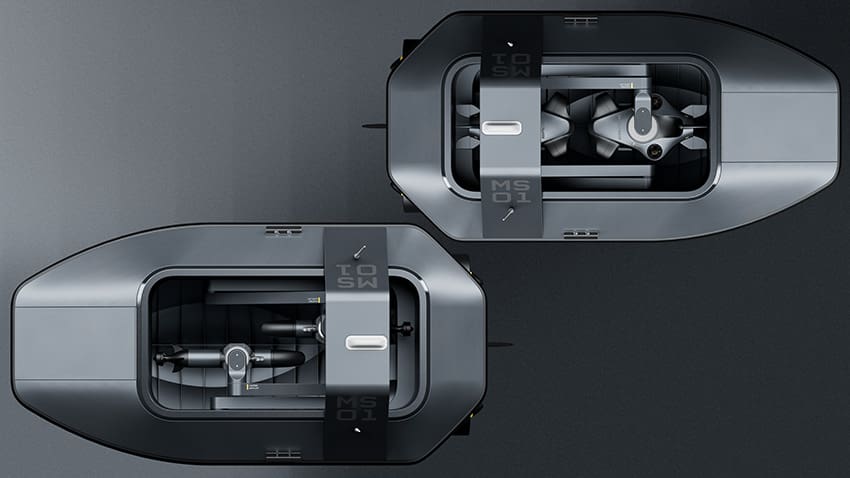
A British-backed robotics start-up promising to replace ageing offshore vessels and crews with always-on underwater machines has emerged from stealth with $5m (£3.95m) in pre-seed funding, signalling fresh investor appetite for so-called “physical AI” plays targeting the world’s most stubbornly analogue industries.
Bubble Robotics, founded in 2025 by former engineers from NASA and ETH Zürich, has secured the round from Episode 1 Ventures, Asterion Ventures and Norrsken Evolve, following its incubation through London-based talent investor Entrepreneur First. The company is already sitting on more than $4m of signed letters of intent across offshore wind, subsea infrastructure and maritime security, suggesting commercial pull is running well ahead of the typical pre-seed playbook.
The pitch is straightforward, if ambitious. Today, inspecting an offshore wind turbine, a buried data cable or a section of seabed pipework typically demands a chartered vessel, a specialist crew and a daily bill that can climb to $100,000. According to Bubble’s founders, between 80 and 90 per cent of those costs are tied up in the boat and the people on it, rather than in the inspection itself.
“By removing that dependency, we unlock a step change in cost, safety and operational frequency,” said Jean Crosetti, chief executive and co-founder. “What used to be episodic becomes continuous.”
The plan is to dispense with vessel-based missions altogether and instead deploy fleets of resident autonomous robots that live at sea for months at a time, continuously inspecting, monitoring and gathering data without human intervention. Crosetti likens the model to the satellite constellations that have transformed earth observation over the past decade, only pointed downward into the water column rather than up at the atmosphere.
The timing reflects a wider inflection point. Cheaper edge computing, more capable on-device AI and the rapid expansion of low-earth-orbit satellite connectivity have, between them, made persistent unmanned operations technically feasible in a way they were not even three years ago. The macro pull is equally significant: the offshore energy sector alone is forecast to need an additional 600,000 workers by 2030, a shortfall that no graduate scheme is going to plug in time.
Bubble is selling its capability on a robotics-as-a-service basis, sparing customers the upfront capital expenditure and offshore mobilisation costs that have traditionally locked smaller operators out of high-frequency inspection regimes. Target use cases span the inspection of wind turbine foundations, cables, pipes and subsea structures; benthic mapping, photogrammetry and biofouling monitoring for climate and biodiversity clients; and mine countermeasures, unexploded ordnance detection and continuous surveillance for defence and maritime security buyers.
That last category is increasingly pertinent. Recent incidents involving subsea data cables in the Baltic and North Sea have pushed the security of underwater infrastructure up the agenda for European governments and Nato, exposing how thinly monitored much of it remains. Persistent autonomous systems offer a way to maintain a continuous presence around sensitive assets without committing scarce naval resources.
Alice Bentinck, co-founder of Entrepreneur First, said the founders had stood out from the moment they met at one of the firm’s kick-off weekends. “Patricia and Jean formed a team around a shared belief and complementary skill-set: Patricia with world-class technical credibility in robotics, Jean with unusual commercial instinct and intensity. Their pace of iteration throughout the programme and strong customer obsession make Bubble Robotics a company to watch closely.”
For the wider SME ecosystem, Bubble’s emergence is a useful data point. It suggests that capital is still flowing into deep-tech start-ups with credible commercial traction, even as more speculative AI plays cool, and that the long-promised convergence of robotics, AI and connectivity is finally producing businesses with revenue lines attached, not just demos.

Jamie Young
Jamie is Senior Reporter at Business Matters, bringing over a decade of experience in UK SME business reporting.
Jamie holds a degree in Business Administration and regularly participates in industry conferences and workshops.
When not reporting on the latest business developments, Jamie is passionate about mentoring up-and-coming journalists and entrepreneurs to inspire the next generation of business leaders.
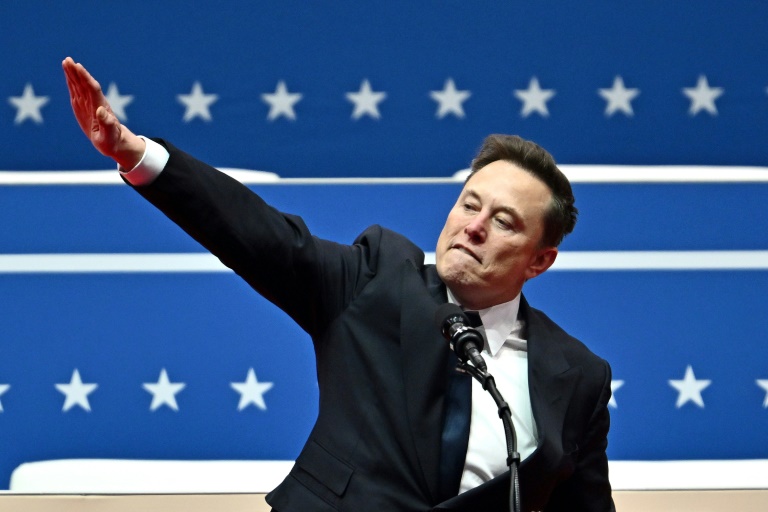
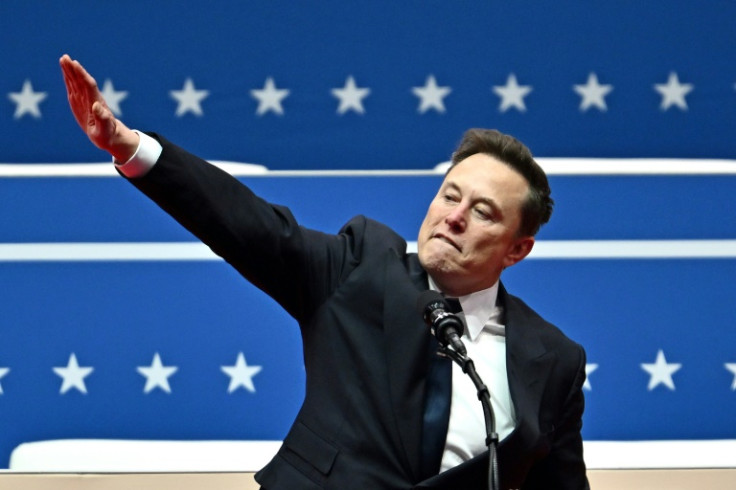
AUSTIN, Texas — Elon Musk distilled his personal philosophy into three simple words Monday, telling followers on X that “Curiosity & adventure” drive everything he does, a statement that quickly went viral and sparked widespread discussion about the mindset behind his ambitious ventures in space, electric vehicles, artificial intelligence and more.
AFP
The post, which Musk shared alongside a Grok-generated visual, has already amassed millions of views and thousands of engagements. In it, Musk affirmed a comment highlighting his core motivation as pure wonder and the courage to explore the unknown, offering a rare glimpse into the thinking of one of the world’s most influential and polarizing figures.
The statement resonates deeply with Musk’s public persona. From founding PayPal to building SpaceX, Tesla, Neuralink, xAI and owning X itself, his career has been defined by relentless questioning of the status quo and bold bets on future technologies. Musk has repeatedly said his drive comes from a desire to understand the universe and ensure humanity’s long-term survival, themes that align closely with the philosophy he articulated Monday.
“Curiosity & adventure are my philosophy,” Musk wrote, keeping the message characteristically concise. The accompanying Grok share visualized the idea with imaginative, futuristic imagery, further amplifying the post’s reach and demonstrating the creative capabilities of xAI’s chatbot.
Philosophy in Action
Musk’s emphasis on curiosity and adventure is not new, but Monday’s post crystallized it at a moment when his companies are pushing boundaries on multiple fronts. SpaceX is preparing for the next Starship test flight aimed at eventual Mars colonization. Tesla continues to advance Full Self-Driving software and robotaxi development. xAI is rapidly scaling Grok to compete in the artificial intelligence race. Neuralink is making strides in brain-computer interfaces.
Each of these projects embodies the philosophy Musk described. Curiosity leads to asking fundamental questions about physics, energy, biology and computation. Adventure translates into the willingness to invest billions, endure public criticism and accept the risk of failure in pursuit of breakthroughs that could benefit humanity.
Supporters quickly embraced the message. Replies praised Musk for distilling complex motivations into simple terms and highlighted how this mindset has produced tangible results, from reusable rockets that slashed launch costs to electric vehicles that accelerated the shift away from fossil fuels. Many users shared personal stories of how Musk’s example inspired them to pursue their own ambitious goals.
Critics, however, used the post to question whether the philosophy justifies the intense work culture at Musk’s companies or the regulatory battles that often accompany his projects. Some accused him of romanticizing risk while downplaying the human costs, including reports of burnout among employees and controversies surrounding X’s content policies.
Viral Impact and Public Reaction
The post’s rapid spread reflects Musk’s unmatched reach on X. As the platform’s owner, his words carry significant weight and frequently shape broader conversations in tech and beyond. Monday’s statement generated a mix of admiration, memes, AI-generated art and philosophical discussions, with users debating how to apply “curiosity & adventure” in their own lives.
Some interpreted the philosophy as a call to embrace uncertainty and explore new ideas without fear of failure. Others connected it to broader themes of human progress, space exploration and the search for meaning in an increasingly complex world. The Grok-generated visual accompanying the post added an artistic dimension, encouraging users to experiment with the tool themselves.
The timing of the post coincides with Musk’s growing influence in politics and culture. As he advises on government efficiency initiatives and continues to shape public discourse through X, his personal philosophy offers insight into how he approaches both business and public life.
Broader Significance
Musk’s statement stands out in an era when corporate leaders often rely on carefully crafted mission statements and public relations messaging. By distilling his approach to three simple words, Musk reinforced his image as a straightforward, unconventional thinker who prioritizes big-picture goals over conventional wisdom.
Psychologists and leadership experts note that curiosity and adventure are traits commonly associated with transformative innovators throughout history. From Leonardo da Vinci to the Wright brothers, the willingness to explore the unknown has driven some of humanity’s greatest achievements. Musk’s public embrace of this mindset may inspire a new generation of entrepreneurs and engineers to think more boldly.
At the same time, the post has renewed questions about balance. While curiosity and adventure have fueled extraordinary innovation at Musk’s companies, critics argue they must be tempered with responsibility, especially as AI and other technologies raise profound ethical and societal questions.
For now, Musk’s latest viral moment serves as both inspiration and provocation. It reminds followers that behind the rockets, cars, neural implants and AI systems is a simple but powerful driving force: the desire to explore, discover and push humanity forward.
As reactions continue to pour in and the post racks up millions of views, Musk’s three-word philosophy has once again placed him at the center of public conversation. Whether one views it as profound wisdom or provocative simplicity, it offers a window into the mind of a man whose companies are actively shaping the future — one curious, adventurous step at a time.

AMD: Compute-For-Equity Looks Dilutive, But It's Actually A Strategic Masterstroke

NEW YORK — GameStop Corp. shares rose 1.64% to $25.36 in morning trading Monday, extending a streak of modest gains as retail investors returned to the embattled video game retailer, once again demonstrating the unpredictable power of meme-stock momentum in 2026.

The modest advance came on above-average volume, with more than 18 million shares changing hands by mid-morning — well above the stock’s 90-day average. While the move pales in comparison to the massive surges seen during the 2021 short squeeze era, it reflects renewed enthusiasm from individual investors who continue to view GameStop as a cultural symbol of retail defiance against Wall Street.
GameStop has been trading in a relatively tight range this year after a period of stabilization following several years of extreme volatility. The company has worked to transform its business from a traditional brick-and-mortar retailer into a more diversified technology and entertainment company, but progress has been slow and profits remain elusive.
Retail Investors Drive the Action
Much of Monday’s buying appeared to originate from retail traders on platforms such as Reddit’s WallStreetBets, Stocktwits and X. Social media chatter around the ticker $GME picked up noticeably over the weekend, with users citing technical patterns and calling for a new short squeeze. While no major catalyst was announced, the collective retail interest was enough to push the stock higher in early trading.
Short interest in GameStop remains elevated compared to most stocks, though it has declined significantly from its 2021 peaks. Data from Ortex showed short interest hovering around 18-20% of the float, still enough to create potential for volatility if buying pressure intensifies.
Company Fundamentals and Strategy
GameStop continues its multi-year transformation under CEO Ryan Cohen. The company has reduced its physical footprint, expanded its e-commerce presence and explored new revenue streams including collectibles, gaming hardware and potential blockchain or NFT initiatives. However, the core retail business remains challenged by the ongoing shift to digital game downloads and intense competition from Amazon, Best Buy and Walmart.
The company’s most recent quarterly results showed narrowing losses but continued revenue pressure. Cash reserves remain strong, giving management flexibility to pursue strategic initiatives, but Wall Street analysts remain largely skeptical about long-term growth prospects. The consensus price target sits well below current levels, with most firms maintaining Hold or Sell ratings.
Meme Stock Legacy Lives On
GameStop’s place in market lore was cemented during the 2021 short squeeze, when coordinated retail buying drove the stock from under $20 to nearly $483 in a matter of weeks. That episode sparked regulatory scrutiny, congressional hearings and widespread debate about market structure and retail investor power. While such extreme moves have not repeated, the stock continues to experience periodic spikes driven by social media sentiment rather than traditional fundamentals.
Monday’s movement fits a familiar pattern: modest gains on elevated volume with heavy retail participation. Some market watchers view these episodes as harmless entertainment for individual investors, while others warn they can create misleading signals and potential losses for those chasing momentum.
Broader Market Context
GameStop’s performance comes as the wider market trades cautiously. The Dow Jones Industrial Average was little changed early Monday, while the S&P 500 and Nasdaq showed mixed results. Technology stocks provided some support, but concerns over interest rates, inflation data later this week and geopolitical tensions kept many institutional investors on the sidelines.
For meme stocks specifically, 2026 has been relatively quiet compared to previous years. While occasional spikes still occur, the phenomenon appears less intense as retail traders have diversified into other high-risk assets including cryptocurrencies and artificial intelligence-related names.
What’s Next for GameStop
The company is expected to report fiscal first-quarter results in early June. Investors will be watching closely for updates on cost-cutting measures, e-commerce growth and any strategic announcements from Chairman Ryan Cohen, who has been relatively quiet in recent months.
Analysts say near-term catalysts are limited, meaning continued price action will likely be driven more by social media sentiment than company-specific news. Technical traders are watching the $26-$28 resistance zone, with a break above that level potentially opening the door to further upside. Support sits near $22.
Investor Caution Advised
Financial advisers continue to urge caution with highly volatile names like GameStop. While the stock can deliver rapid gains on strong retail interest, it can also drop just as quickly. Long-term investors are encouraged to focus on fundamentals rather than short-term price swings.
As of Monday morning, GameStop’s market capitalization stood at roughly $8.1 billion. The company maintains a significant cash position, which provides a financial cushion but also raises questions about capital allocation and shareholder returns.
GameStop remains one of the most watched and discussed stocks on retail trading platforms. Whether Monday’s modest gain signals the start of a new leg higher or simply another short-term ripple in its volatile history remains to be seen. For now, retail traders appear once again engaged, keeping the meme stock legend alive in 2026.

Johnson & Johnson wins FDA approval for expanded Caplyta label

NEW YORK — Oruka Therapeutics Inc. (NASDAQ: ORKA) shares surged nearly 19% Monday to $82.41 in heavy trading after the clinical-stage biotech company reported strongly positive Week 16 interim data from its Phase 2a EVERLAST-A trial of ORKA-001, a novel half-life extended IL-23p19 monoclonal antibody for moderate-to-severe plaque psoriasis.

The Menlo Park, California-based company said ORKA-001 achieved a PASI 100 (complete skin clearance) rate of 63.5% at Week 16, demonstrating rapid, deep and durable responses that could position it as a best-in-class therapy with potential for once-yearly dosing. The favorable safety profile was consistent with the IL-23 class, with no serious adverse events reported.
The stock jumped as much as 25% intraday before settling around 19% higher on volume exceeding several times the daily average. The move added roughly $650 million to Oruka’s market capitalization in a single session, highlighting investor enthusiasm for its differentiated approach in the crowded psoriasis space.
Strong Efficacy Data Fuels Optimism
According to the company, ORKA-001 showed statistically significant improvements across all key endpoints at Week 16. The high rate of complete clearance (PASI 100) significantly outperformed historical benchmarks for existing IL-23 inhibitors. Updated pharmacokinetic data continued to support the potential for once-yearly maintenance dosing, a major potential advantage over current therapies that require more frequent injections.
Oruka CEO Dr. Reid Waldman called the results “transformational” in a prepared statement. “These data reinforce our belief that ORKA-001 has the potential to set a new standard for psoriasis treatment by offering superior efficacy with dramatically reduced dosing frequency,” he said. The company will host a conference call Tuesday morning to discuss the full results in detail.
Pipeline and Development Strategy
ORKA-001 is part of Oruka’s broader pipeline targeting chronic skin diseases. The company is also advancing ORKA-002, another long-acting IL-17A/F inhibitor with potential for twice-yearly dosing in psoriasis and quarterly dosing in hidradenitis suppurativa. Positive interim Phase 1 data for ORKA-002 released earlier this year showed a half-life of 75-80 days.
Analysts view the dual IL-23 and IL-17 approach as strategically smart, positioning Oruka to compete in both major pathways for inflammatory skin conditions. Wedbush Securities recently raised its price target on the stock to $85, citing strong conviction in the platform’s potential.
Market and Competitive Context
The global psoriasis treatment market is projected to exceed $50 billion by 2030, driven by demand for more convenient and effective therapies. Current injectable biologics dominate but require frequent dosing, creating an opening for long-acting options like Oruka’s candidates. If approved, ORKA-001 could capture significant market share by reducing treatment burden for patients.
Oruka went public earlier in 2026 and has seen dramatic volatility typical of clinical-stage biotech companies. The latest surge reflects renewed investor confidence following the positive data readout. The company ended 2025 with a strong cash position, providing runway through key upcoming milestones.
What’s Next for Oruka
Oruka plans to advance ORKA-001 into additional Phase 2b and Phase 3 studies while continuing development of ORKA-002. Topline data from further trials is expected later in 2026 and into 2027. Regulatory submissions could follow in 2027-2028 if development proceeds smoothly.
For patients and physicians, the results offer hope for more convenient treatment options that could improve adherence and long-term outcomes in a disease that significantly impacts quality of life. Dermatologists have expressed particular interest in the potential for yearly dosing, which could transform how psoriasis is managed.
Investor Considerations
While today’s surge reflects excitement over the data, biotech stocks are inherently volatile. Oruka has no approved products yet and faces the usual risks of clinical development, regulatory approval and commercialization. However, the strength of the Week 16 results and the potential for best-in-class dosing have many analysts bullish on the company’s prospects.
As Oruka continues to execute on its clinical milestones, investors will watch closely for further updates on both ORKA-001 and ORKA-002. The company’s ability to deliver consistent positive data could drive additional upside, while any setbacks in safety or efficacy would likely pressure the stock.
Monday’s sharp rally underscores the high-reward nature of investing in innovative biotech companies. For Oruka Therapeutics, the positive psoriasis data represents a major step forward in its mission to develop novel biologics that set new standards for treating chronic skin diseases. With a strong cash position and promising clinical results, the company appears well-positioned to advance its pipeline and potentially deliver significant value to patients and shareholders alike.

The stake sale is part of NSE’s effort to align with Petroleum and Natural Gas Regulatory Board (PNGRB) norms, which mandate that no single entity holds more than 25 per cent in the exchange.
IGX operates an electronic trading platform for natural gas, offering spot, forward and delivery-based contracts.
Following the latest dilution, NSE’s shareholding in IGX has come down to 25 per cent. Notably, the exchange had acquired a 26 per cent stake in IGX for over Rs 19 crore in March 2021 to become a co-promoter, after securing approvals from PNGRB.
Earlier this month, NSE partnered with IGX to introduce exchange-traded derivatives based on domestic natural gas prices. As part of the collaboration, NSE will launch natural gas futures contracts linked to IGX’s benchmark price index — Gas IndeX of India (GIXI), reflecting pricing based on actual trades on the IGX platform.

Moreover, IGX is also preparing to tap the capital markets. In January, the exchange announced plans to launch an initial public offering (IPO) by December this year. The draft papers are expected to be filed with the capital markets regulator Sebi in the second quarter of calendar year 2026, Managing Director and CEO Rajesh Kumar Mediratta had said.
Earlier, IEX had informed exchanges that its board had approved the initiation of the IPO process for IGX, involving shares with a face value of Rs 10.
“The IPO will be undertaken by way of an offer for sale by certain existing and eligible shareholders, subject to market conditions, receipt of applicable approvals, regulatory clearances and other considerations,” IEX had said in a stock exchange filing.

Jamie Oliver has launched a withering attack on the government’s tax treatment of British entrepreneurs, warning that ministers are “battering” the very people who power the country’s hospitality sector and risk turning Britain into an economic backwater.
Speaking to Times Radio, the celebrity chef said the cumulative weight of recent fiscal measures was choking the life out of small operators and would, in short order, make the UK “less and less important, less and less relevant” as a destination for ambition and enterprise.
“If you just batter the entrepreneurs, you’re going to get nothing,” Oliver said. “There is a lack of understanding of the chemistry of what a bubbling, buoyant, optimistic, aspirational, cool country called Britain looks like.”
His intervention lands at a particularly raw moment for the hospitality trade, which has spent the past year absorbing a punishing trio of cost increases. Higher employers’ national insurance contributions, coupled with a sharply lowered threshold at which they bite, have hit operators hardest in the wage bill. Add to that successive rises in the national minimum wage and a steeper business rates burden, and the margins of independent cafés, sandwich shops and neighbourhood restaurants have been pared to the bone.
Oliver argued that without meaningful incentives for risk-taking, Britain would forfeit its reputation as a crucible for new brands and ideas. “There needs to be enough fat in the game for people to take risk, and the association with risk and then innovation and creativity and brands … that can be amplified and grown,” he said.
His sharpest criticism, however, was reserved for what he characterised as a tax regime blind to scale. The system, he said, draws no meaningful distinction between multinational chains and the corner shop. “What’s interesting is the tax system and the government see no difference between, say, Domino’s or Starbucks and Linda and Paul down the road that run a small independent sandwich shop.” Smaller operators, he added, are being “chocked out”.
Oliver knows the sharp end of the trade better than most. His Italian-themed restaurant chain collapsed into administration in 2019, and only at the end of last year did he set in motion the revival of the Jamie’s Italian brand through a franchise tie-up with Brava Hospitality Group, the owner of Prezzo.
He is far from a lone voice. Earlier this month John Vincent, co-founder of healthy food chain Leon, accused ministers of “totally killing the restaurant industry”. Vincent, who last year bought Leon back from Asda before shuttering 22 sites as part of a restructuring, has emerged as one of the sector’s most outspoken critics, arguing that the tax burden on restaurants has become unsustainable.
When Leon filed for administration, he told the BBC the maths spoke for themselves: “Today, for every pound we receive from the customer, around 36p goes to the government in tax, and about 2p ends up in the hands of the company. It’s why most players are reporting big losses.”
For an industry that has long served as a first rung on the entrepreneurial ladder, and a generous employer of young, low-skilled and part-time workers, the warning from two of its highest-profile figures could scarcely be sharper. Unless the Treasury finds a way to differentiate between the corporate behemoths and the family-run independents, Oliver’s verdict suggests, Britain’s hospitality landscape will be poorer, blander and a good deal less ambitious for it.
Jamie Young
Jamie is Senior Reporter at Business Matters, bringing over a decade of experience in UK SME business reporting.
Jamie holds a degree in Business Administration and regularly participates in industry conferences and workshops.
When not reporting on the latest business developments, Jamie is passionate about mentoring up-and-coming journalists and entrepreneurs to inspire the next generation of business leaders.

Tanking consumer sentiment, rising gas prices and heightened competition is taking a bite out of Domino’s business.
Domino’s Pizza shares fell 10% Monday after the company revised down its U.S. same-store sales growth estimates for the year. The chain said sales softened, particularly in March. Executives said that U.S. consumer sentiment has fallen to levels last seen at the height of the Covid-19 pandemic, with lower-income shoppers particularly pulling back.
“Believe me, I was not pleased with our results,” CEO Russell Weiner said during an investor call.

Azuki’s Steve Chung and a $10M institutional push

Jet2, TUI, easyJet, Ryanair: Latest Boarding Pass Rules 2026

Former Steelers coach Mike Tomlin says timing right for new leadership

Manchester United reach agreement with Casemiro over contract clause amid transfer speculation

US brings back mandatory military draft registration

Steven Gerrard disagrees with Gary Neville over ‘shock’ Chelsea and Arsenal claim | Football


-

 Politics7 days ago
Gary Stevenson delivers timely reminder to register to vote as deadline TODAY
-

 Fashion3 days ago
Weekend Open Thread – Corporette.com
-
 Crypto World2 days ago
Hyperliquid $HYPE Rally Builds Momentum as AI Sector Enters Prove-It Phase
-
Crypto World7 days ago
Bank of Hawai’i (BOH) Q1 2026: Net Income Drops to $57.4M as Net Interest Margin Expands
-

 Politics5 days ago
Making troops accountable for war crimes threatens US alliance, ex-SAS colonel warns
-

 Politics5 days ago
Disabled people challenge government SEND proposals over segregation concerns
-

 Business5 days ago
Rolls-Royce Voted UK’s Most Iconic Trade Mark as IPO Register Hits 150
-

 Business4 days ago
Patterson-UTI Energy, Inc. (PTEN) Q1 2026 Earnings Call Transcript
-

 Politics5 days ago
Zack Polanski responds to home secretary’s taser threat
-
 Crypto World6 days ago
Five Value Stocks with Recovery Potential in 2026: PayPal (PYPL), Nike (NKE), and More
-

 Politics5 days ago
Starmer handler McSweeney to be dragged from shadows by Foreign Affairs Committee
-
 Sports1 day ago
IPL 2026: Ruturaj Gaikwad registers slowest fifty of the season, enters all-time unwanted list | Cricket News
-
Politics5 days ago
Wings Over Scotland | How To Get Away With Crimes
-

 Crypto World6 days ago
New York sues Coinbase, Gemini over prediction market offerings
-
Entertainment6 days ago
Sydney Sweeney cameo cut from “The Devil Wears Prada 2”, source explains why (exclusive)
-
 Business5 days ago
HCL Tech share price tank over 9% after weak Q4. JPMorgan, HSBC & 3 others cut target price
-

 Politics5 days ago
‘Iran is still a nuclear threat’
-
 Crypto World6 days ago
Crypto’s great hope in Senate’s Clarity Act still has a path to survive tight calendar
-
 Sports4 days ago
Tim Bradley names the current best in the world: “Better than Inoue and Usyk”
-

 NewsBeat1 day ago
LK Bennett closes all stores after entering administration
You must be logged in to post a comment Login