An assessment done as part of plans to achieve energy independence found 175 rooftops on City of York Council-owned buildings where panels could be installed, along with other renewable power projects.
A council report stated it came as demand for energy in York is forecast to more than double by 2050 which would cost an extra £100m to supply power for.
But it added only 2.24 per cent of York’s power needs were supplied from renewable energy sources as of 2023 and significant developments in infrastructure would be required.
It comes as proposals outlining how the council could achieve energy independence are set to go before an executive decision meeting on Tuesday, May 5.
RECOMMENDED READING:
A report on the plans stated they came after energy costs had been significantly volatile in recent years due to global events such as the war in Ukraine.
It added generating more energy locally would help York be less reliant on outside power sources which would protect the council and households from price spikes and grid outages.
The council is also aiming to become net zero in carbon emissions by 2030, ahead of the national target date of 2050.
National Power Grid forecasts estimate York will reach net zero by 2050, falling short of the council’s goal according to the report.
York’s total demand for energy 703.29 gigawatt hours (GWh) as of 2023.
The total is forecast to rise to 869.13GWh by 2030 and 1,427GWh by 2050.
York and North Yorkshire Mayoral Combined Authority funding worth £430,000 has also been offered to support renewable energy schemes.
They include the Harewood Whin Green Energy Park which was approved to progress in September, a feasibility study into a city district heat network and assessments for other renewable opportunities.
An extra 139.16GWh is forecast to be generated once all renewable energy projects planned in York by the council and other businesses and organisations are completed.
The council has a pipeline of upcoming projects across a number of buildings it owns and runs which would generate around 4.5GWh of renewable energy a year.
It would be the equivalent of around 16 per cent of the forecast energy demand in 2030 and 9.75 per cent of 2050’s.
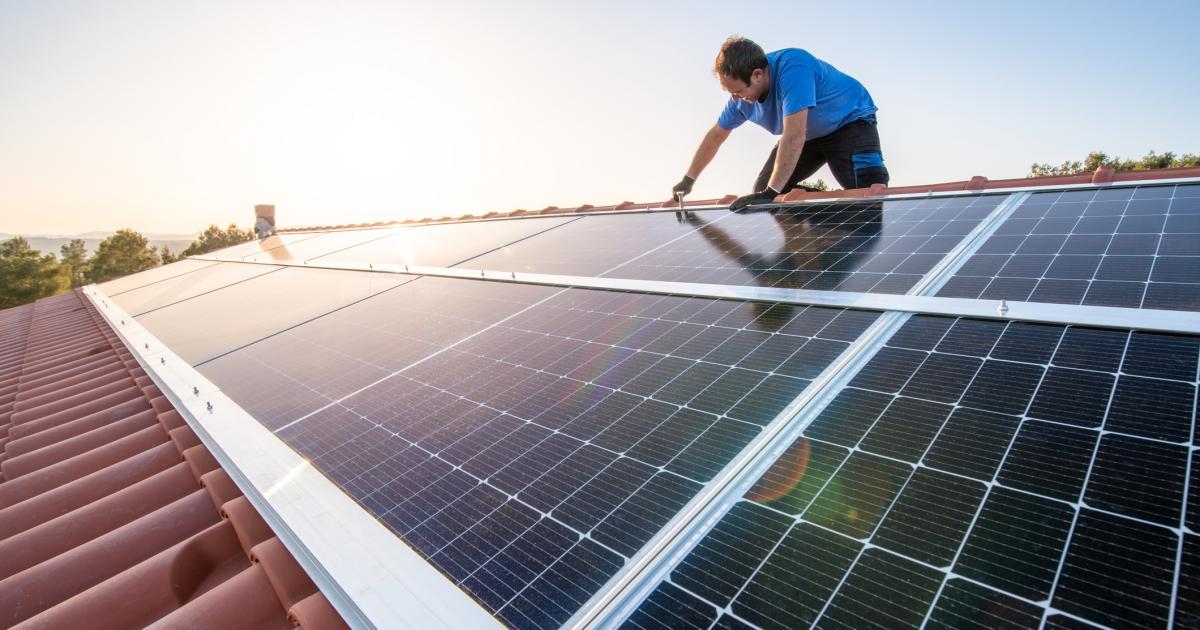
The council report stated a mass rollout of solar panels was one of the additional opportunities available to York to help achieve energy independence.
The installation of solar panels across all 175 buildings identified could potentially generate an extra 59.79GHw.
![]() Events such as the Ukraine war have fuelled global volatility in energy (Image: Agency)
Events such as the Ukraine war have fuelled global volatility in energy (Image: Agency)
That would equate to 8.19 per cent of 2030’s forecast total energy demand and 4.64 per cent of 2050’s.
Work under the Energy Generation Accelerator Programme (EGAP) is ongoing to find potential sites in York for large-scale renewable projects.
Future opportunities for ground-mounted solar panels in York would generate around 52 per cent of 2030’s forecast total energy demand and 29.5 per cent of 2050’s.
The council’s report stated that energy independence would reduce York’s reliance on outside power sources and keep more revenues in the local area.
But it added there were challenges including the cost of some projects, competing demand for land for food and housing and potentially making existing inequalities worse.
The report stated: “Energy Independence has the potential to provide financial savings for households by installing self-generation which can significantly reduce utility bills and insulate consumers from price spikes.
Localised energy also allows homes to maintain power during grid outages, providing protection against extreme weather.
“Producing our own energy reduces vulnerability to global supply chain disruptions and geopolitical instability. “













































You must be logged in to post a comment Login