After addressing a widespread outage that affected Outlook.com users worldwide on Monday, Microsoft has asked iPhone users to re-enter their credentials to regain access to their Outlook and Hotmail accounts via the default Mail app.
Microsoft confirmed the incident yesterday morning, saying that customers were experiencing intermittent sign-in issues that prevented them from accessing their mailboxes via Outlook.com.
In a later update, it added that some of the affected users were also being signed out of their accounts and seeing “too many requests’ errors.
Before mitigating the outage, roughly 10 hours after the first user reports, Microsoft blamed the Outlook.com sign-in issues on a “recently introduced change” but didn’t share any further details.
On Monday evening, around 7 PM UTC, the company said the service health had returned to normal, but added that iOS users “must” manually re-enter their credentials to access their accounts via the default Mail app by going through the following step-by-step procedure:
Advertisement
Open the Settings app on your iPhone.
Scroll down and tap on Mail.
Select Accounts under the Mail settings.
Tap on the email account for which you need to re-enter the password.
Tap Account Settings or the Password field directly (depending on your iOS version).
Enter the updated or correct password in the Password field.
Tap Done to save the changes.
Open the Mail app to confirm that the account is syncing properly and emails are being sent/received.
Microsoft hasn’t shared more information about the outage’s root cause and hasn’t disclosed which regions or how many users were affected.
However, the incident was flagged as causing “service degradation,” a label typically used for incidents with noticeable user impact that don’t take the service offline for everyone.
In March, Microsoft also addressed an Exchange Online outage that blocked customers’ access to mailboxes and calendars via Outlook on the web, Outlook desktop, Exchange ActiveSync, and other Exchange Online connection protocols.
The same day, it resolved a separate issue that caused Microsoft 365 Copilot and Office.com sign‑in problems impacting the Microsoft Copilot desktop app, Copilot in Microsoft Teams, and Copilot in Office apps.
AI chained four zero-days into one exploit that bypassed both renderer and OS sandboxes. A wave of new exploits is coming.
At the Autonomous Validation Summit (May 12 & 14), see how autonomous, context-rich validation finds what’s exploitable, proves controls hold, and closes the remediation loop.
T-Mobile has some cool extras to offer with its home internet and mobile phone service — you can cop some epic streaming perks just for being a customer. Streaming services have been raising prices on a regular basis, so it goes without saying that you may be interested in saving some dollars while still being able to dig into your favorite TV shows, movies, music and podcasts.
T-Mobile is offering customers a slew of solid discounts and freebies that will absolutely save you money while you can still enjoy all the entertainment that comes with subscriptions to Netflix, Apple TV, Paramount Plus and more. I put together a guide below with all the details.
I should note that the discounts listed here are available to T-Mobile customers with eligible home internet and mobile phone plans, unless otherwise specified. Check it out for yourself. Scroll on down for our roundup of the best streaming deals available to you.
With eligible mobile phone plans, you can get Netflix with ads for free. If you’ve been wanting to catch up on shows like Bridgerton or The Night Agent, or rewatch hits like Stranger Things, Squid Game and Wednesday, this one is for you. To snag this freebie, you’ll need to have two or more lines with the following plans: Go5G, Go5G Next, Go5G Plus, Magenta, Magenta Max, or any Experience More or Experience Beyond plan. Included in this deal are Military, 55 and First Responder plans, as well.
If you’re an existing Netflix subscriber, you’ll be able to take part in this perk with one of the T-Mobile plans mentioned above. Head to the Add-ons section of your account page to sign up for your Netflix offer.
You can also choose to upgrade and stream ad-free Netflix Premium for $20 per month (down $7 from the regular price) through your T-Mobile bill.
Advertisement
Hulu
If you subscribe to any Experience Beyond or Go5G Next mobile plan, T-Mobile will include ad-supported Hulu for free. One Hulu offer is available per T-Mobile account, and this deal only applies to new and returning T-Mobile customers. To redeem, simply follow the instructions listed here, and you’ll be all set.
Please note that there’s no discount if you wish to switch to a different Hulu plan. And if you’re already paying for Hulu but want to use this T-Mobile freebie instead, you’ll need to cancel your current subscription first.
Paramount Plus
Those of you with an All-In home internet plan can access the Paramount Plus ad-supported Essential Plan at no extra cost. You can watch a range of TV shows (including all of Taylor Sheridan’s hit shows, except Yellowstone) and movies from networks like CBS, Nickelodeon and Comedy Central, plus live sports and a small set of live channels. You can activate the streaming subscription directly through your T-Mobile bill.
SiriusXM
Do you have a T-Mobile wireless plan, such as Experience Beyond, Experience More or the Go5G plans? Well, you can get the SiriusXM All Access plan (for app use only) free for six months. To snatch up this deal, simply add it to your account. After the six-month promo is up, customers will be billed the full price for the service, currently $12 per month.
Advertisement
New and returning SiriusXM subscribers who’d like to use this perk can, as long as you haven’t had an active subscription to the satellite radio service in the past 12 months.
Pandora
Speaking of streaming music, four months of Pandora Premium is included for free if you’re a T-Mobile postpaid mobile customer. You can add the Pandora Premium On Us perk to your account through the T-Mobile website or app to take advantage of the deal. After the four months are up, your bill will show Pandora Premium’s regular price, which is currently $11 a month.
Apple TV isn’t free, but it’s cheap
Since 2021, T-Mobile has offered its subscribers complimentary access to Apple TV. That deal ended on Jan. 1. Customers with premium mobile and voice plans saw the free perk replaced by a $3-per-month cost for the streamer. T-Mobile newbies can also sign up for the deal.
This change reflects Apple TV’s recent price bump from $10 to $13 per month. Anyone with the 55+ and Senior plans, as well as phone plans for military members, first responders, and individuals with hearing or visual impairments, will receive this $3 deal for six months. While not free, this new price is still a noteworthy discount for the streamer.
The robots will be introduced at the start of May by Japan Airlines on a trial basis, though the ultimate goal is to deploy them permanently. If you’re one of the 60 million people passing through Haneda airport every year, keep a lookout for one. Read Entire Article Source link
Some films age quietly. Others sit in the dark, waiting for the format to catch up. The Man Who Wasn’t There lands in the second category. Shot in black and white by the Coen Brothers, this 2001 noir has always been more about mood and control than plot momentum, and the jump to 4K from the Criterion Collection finally gives its visual look the kind of presentation it needed.
The timing isn’t accidental. Billy Bob Thornton is back in the conversation thanks to his performance in Landman, and it’s a reminder that his turn as Ed Crane remains one of the most restrained and quietly devastating performances of his career. He barely raises his voice, barely moves the needle emotionally on the surface, and still manages to pull the entire film into his orbit. It’s control bordering on suffocation.
Across from him, Frances McDormand does what she always does; make it look easier than it is. She’s sharp, cynical, and completely believable, even if her work here doesn’t quite reach the level of Fargo. And then there’s James Gandolfini, gone far too soon, reminding everyone that while The Sopranos defined him, it never boxed him in as an actor.
This isn’t a noir that grabs you by the collar. It just stands there, lights a cigarette, and lets the smoke do the talking. Compared to sharper, more aggressive classics like The Asphalt Jungle, Double Indemnity, or even Out of the Past, it doesn’t have the same edge or narrative snap. There’s no real jolt, no clever turn that resets the stakes and forces you to lean forward. Instead, it moves at its own pace, more interested in mood and control than tension.
That’s not a flaw, but it does change how it lands, especially if you’re expecting the kind of bite those earlier films delivered. The Coen Brothers aren’t Billy Wilder. Not even a distant relative with a suspicious accent and a better third act.
Advertisement
Ed Crane is a quiet barber who suspects his wife is having an affair. Rather than confront it, he tries to use the situation to fund a small business opportunity through blackmail. It seems simple enough, but the plan quickly leads to complications he doesn’t fully understand or control.
It goes wrong in the way these things always do. Not all at once, and not with much warning. One decision leads to another, each one a little worse than the last, until Crane is in over his head and still acting like he has a handle on it. He doesn’t. And by the time that becomes obvious, it’s already too late.
Image & Sound Quality
Criterion keeps this one simple. The 4K Ultra HD disc is region-free, the included Blu-ray is Region A locked. The new restoration comes from the original 35mm camera negative and is presented in native 4K with Dolby Vision and HDR. I watched most of it in Dolby Vision and then checked in on the Blu-ray to see how much you’re really missing.
Not a lot, but it’s there.
Advertisement
The image looks clean and properly resolved without any heavy-handed processing. Grain is present and stable, detail is consistent, and the overall presentation feels natural. Depth is better than expected for a black-and-white title, with solid separation between foreground and background elements.
Grayscale is the real strength. Blacks are stable, whites stay in check, and the midtones carry the weight without getting muddy. Dolby Vision helps a bit with control, but this isn’t a dramatic HDR showcase. It’s more about refinement than range.
Advertisement. Scroll to continue reading.
The standard Blu-ray holds up well. On a modest setup, you could live with it and not feel shortchanged. On a larger screen, the 4K disc has the edge; slightly better clarity, a bit more stability, and cleaner fine detail. Most certainly one of their best reissues in awhile in the genre.
Advertisement
Audio is limited to a single English DTS HD Master Audio 5.1 track with optional English SDH subtitles. The original 5.0 mix is presented in a 5.1 format, but this is not a film that makes aggressive use of surround channels. It is primarily dialogue-driven, with a restrained sound design that reflects the Coen Brothers’ usual approach.
Dialogue and narration are clear and easy to follow throughout. The track handles quieter scenes well, where small shifts in volume and tone are more noticeable than any large dynamic moments. There are a few louder sequences that open things up slightly, but they are not the focus.
Criterion splits the extras across both discs, with one key item carried over on each.
Both the 4K and Blu-ray include the same archival commentary featuring Joel and Ethan Coen and Billy Bob Thornton, recorded in 2004. It’s a measured track that focuses on structure, tone, and character behavior rather than production trivia. There’s also some discussion about visual choices and how certain scenes were shaped, which ties back to the film’s overall look.
Advertisement
The Blu-ray adds the rest of the material. The new 37-minute conversation between the Coens and critic Megan Abbott is the most substantial piece. It covers the film’s origins, its place within noir, and how they approached its restrained style. It’s direct and stays on topic.
There’s also an older 13-minute segment with Roger Deakins that focuses on the cinematography. He walks through the visual approach and some of the decisions behind the black-and-white presentation.
The remaining extras are brief. A 10-minute behind-the-scenes piece offers raw footage from the set without much structure. Two short deleted scenes are included but don’t add much context. The package also comes with a printed leaflet featuring an essay by Laura Lippman and standard technical notes.
Overall, the extras are focused but not extensive. The commentary and the new Coen/Abbott discussion carry most of the weight.
Snabbit, an Indian on-demand home services startup, has closed a $56 million funding round, confirming TechCrunch’s earlier report.
Co-led by Susquehanna Venture Capital, Mirae Asset Venture Investments’ Unicorn Growth Fund, and Bertelsmann India Investments, the company’s Series D round values the Bengaluru-based startup at around $350 million, according to a person familiar with the matter. That’s up from $180 million about six months ago. Existing investors Nexus Venture Partners and Lightspeed also participated, alongside FJ Labs. The company has raised about $112 million in total.
Founded in 2024, Snabbit said it is now processing over 40,000 jobs daily across a network of more than 15,000 workers in five cities, offering services such as cleaning, dishwashing, and laundry as demand for rapid, on-demand home services grows in urban India.
The startup said the amount it loses on each order has fallen about 50%, while its customer acquisition costs have shrunk roughly 65%.
Advertisement
Snabbit’s fundraise comes as investor interest in India’s on-demand home services sector heats up, with rival Pronto also in talks to raise fresh capital and publicly traded Urban Company reporting more than one million monthly bookings.
While Apple’s keynote video is typically the most memorable part of WWDC, Apple has shown off how and where developers can participate in a bunch of community events across the globe before and after the conference.
More than 20 community-driven events will be held before and after WWDC 2026.
Apple’s Worldwide Developers Conference is held in June each year, at Apple Park in California. The company uses its annual event to preview new versions of its major operating systems, with iOS 27 and more expected to debut on June 8. In-person WWDC attendees are selected through a lottery program, but even those who didn’t win will have access to conference-adjacent and community-hosted events. Continue Reading on AppleInsider | Discuss on our Forums
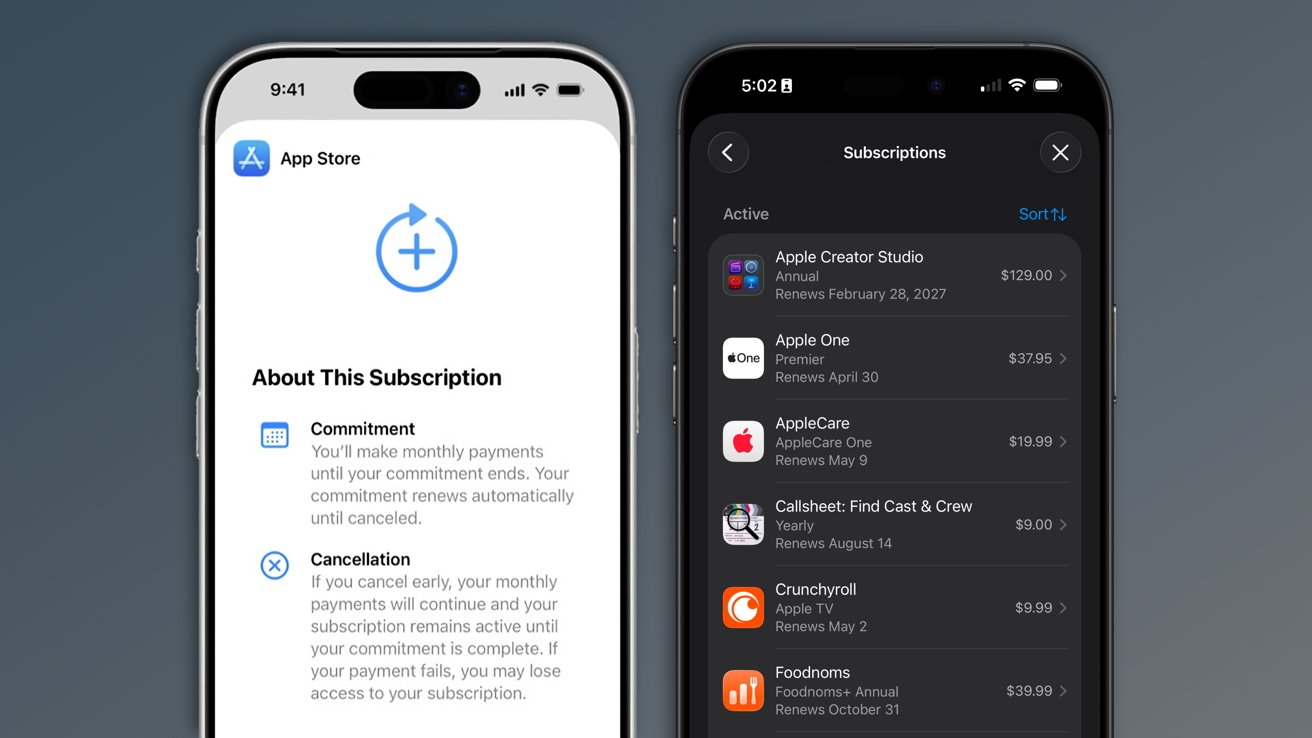
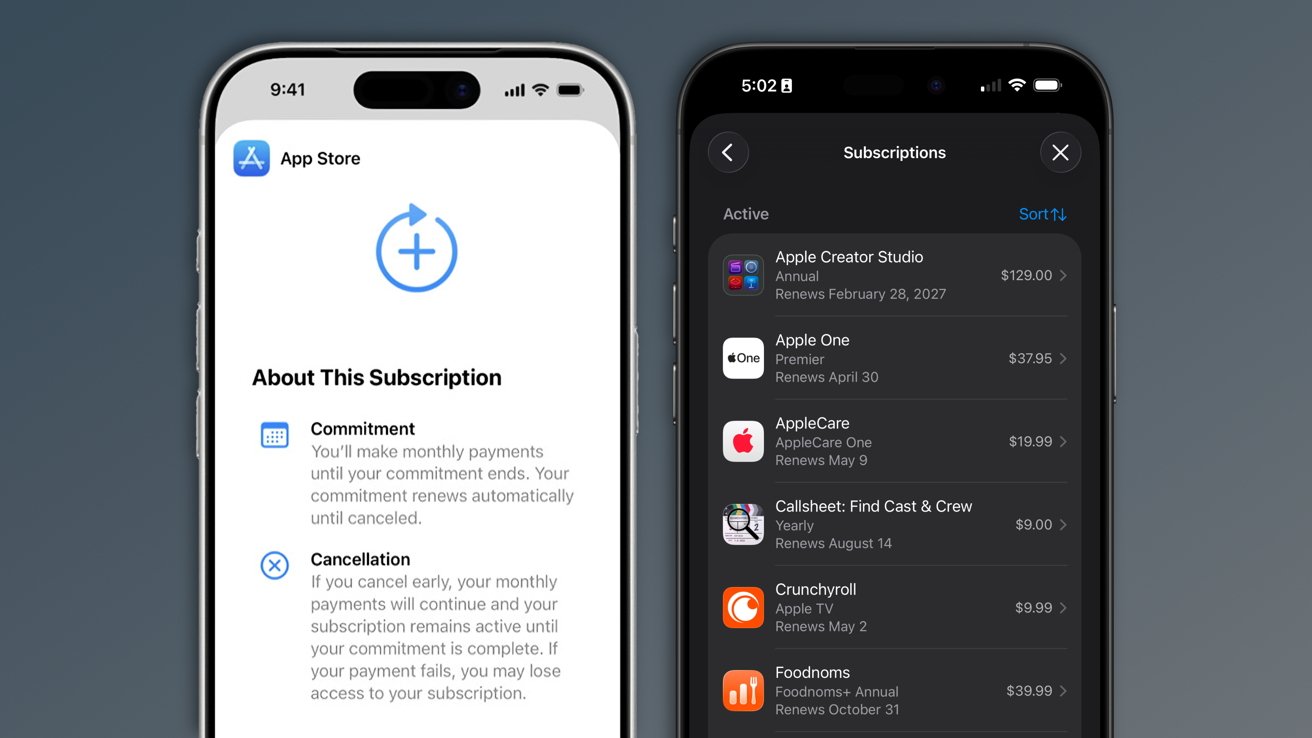
If that one big sum per year for an annual app subscription is too much to pay at once, the App Store will let you break that into monthly payments.
Apple is making it easier to get annual subscription discounts
Subscription revenue has become an integral part of Apple Services. Developers have a few ways to draw customers into long-term usage and bigger payouts, but they require big up-front financial commitments. Apple has revealed a new payment option that could help developers offer better discounts while still getting a long-term commitment from the user. It works by offering the user an annual discount that is paid for over 12 months. Continue Reading on AppleInsider | Discuss on our Forums
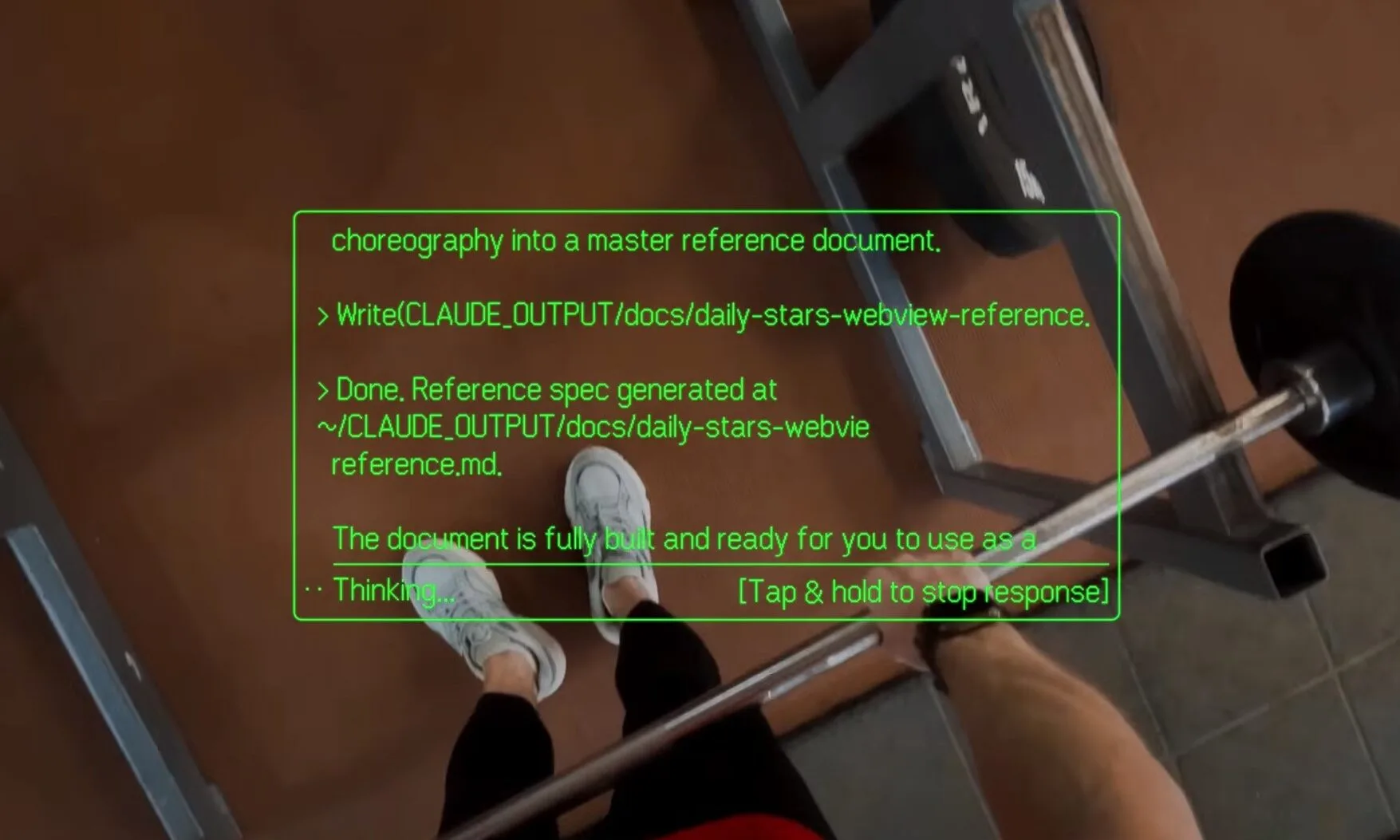
Even Realities has rolled out the v2.2.0 update for its Even G2 smart glasses, with Terminal Mode as the headline feature. The update is now live, giving developers a new way to monitor and interact with coding agents without staying glued to a laptop screen.
Your terminal has entered your eyeballs
Terminal Mode is built around the idea of putting the coding terminal in front of your eyes. Developers using AI coding agents can track what the agent is doing, check progress, give commands and respond when needed through the glasses’ built-in microphone. The feature reduces the need to keep jumping back to a laptop, giving users more freedom to move around, handle chores, or even work out between coding sessions.
CEO Will Wang said in an interview that the idea for this feature came after a recent visit to Silicon Valley, where he noticed developers increasingly speaking to AI agents through microphones instead of typing every command. These agents can now complete most of the work on their own, which made Even G2’s built-in microphone and virtual terminal display feel like a natural fit for this workflow.
Sure, it’s nerdy. But so is wearing a computer on your face. Terminal Mode leans into what G2 already does well, surfacing just enough information to keep you moving, and applies it to code.
Advertisement
Terminal Mode fits into Even Realities’ push to make the G2 useful for more than basic notifications. The glasses recently added tools for meeting prep and running apps directly in front of the wearer’s eyes.
Even Realities
The nerdy stuff does not stop there
The v2.2.0 update also includes a few other additions. Conversate and Translate records can now be exported. Even AI now supports continuous conversations, so users no longer need to repeat a wake-up command during an ongoing interaction. Even Realities also mentions sleep algorithm improvements and better connection stability.
Terminal Mode may sound like a feature built for a very specific crowd, but for coders already using AI agents, it could become a useful second screen for quick updates, approvals, and progress checks. It is a niche feature for now, but it gives the Even G2 a clearer role in developer workflows beyond basic smart-glasses notifications.
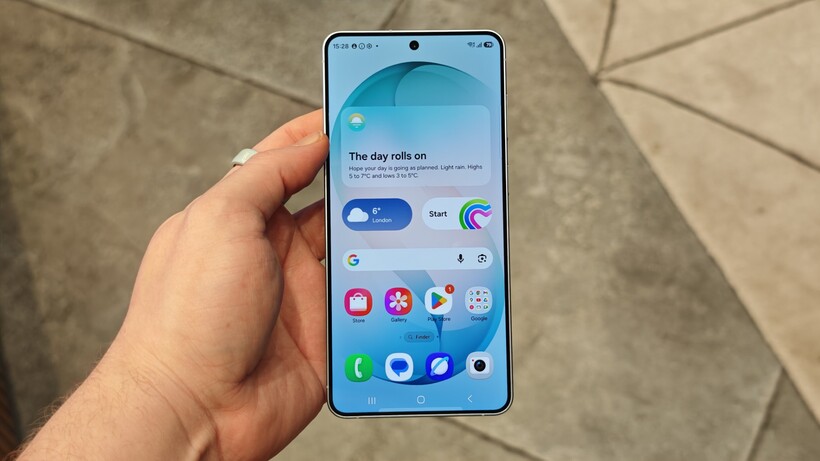
Although it’s currently only available to buy in Malaysia, we’re keen to see how the top-end Honor 600 Pro compares to the Samsung Galaxy S26.
Ahead of our review, we’ve compared the specs of the two Android phones and highlighted all the noteworthy differences between them below. Keep reading to learn more about what separates the Honor 600 Pro from the Samsung Galaxy S26.
At the time of writing, the Honor 600 Pro is only available to buy in Malaysia although it will see a more global launch in the coming weeks.
Advertisement
The Galaxy S26 is part of Samsung’s 2026 flagship S-series. With a starting RRP of £899/$899, the S26 is the most affordable of the line-up.
Advertisement
Snapdragon 8 Elite vs Exynos 2600
Samsung caused something of a stir when the S26 series first launched, as it was revealed that while US customers see Snapdragon 8 Elite Gen 5 for Galaxy across the entire line-up, elsewhere the Galaxy S26 and S26 Plus are fitted with Exynos 2600.
Even so, Samsung promises there shouldn’t be any differences in performance between Exynos 2600 and Snapdragon 8 Elite Gen 5. In fact, we found that the phone benchmarked strongly against the Snapdragon 8 Elite Gen 5-equipped Ultra variant.
Otherwise, and as expected, the S26 runs brilliantly for everything from scrolling and taking photos to even intense gaming sessions too. So, although it may not boast a Qualcomm chip, it’s still a solid performer.
Instead, Honor 600 Pro runs on Qualcomm’s Snapdragon 8 Elite – the brand’s 2025 flagship. With this in mind, while it will likely struggle to reach the heights of Snapdragon 8 Elite Gen 5 and Exynos 2600, it is still a great chip that powered many of the best Android phones last year.
Honor 600 Pro has a larger battery
Samsung isn’t known for equipping its phones with mighty batteries, and the Galaxy S26 is no exception. In fact, with a 4300mAh cell, it’s actually on the smaller side. Having said that, we still found the S26 to be a solid all-day phone, especially for those who average around three to four hours of screen time a day.
Advertisement
Honor 600 Pro in hand. Image Credit (Honor)
In comparison, the Honor 600 Pro sports a mammoth 7000mAh cell. We’ll have to wait until we review the Honor 600 Pro to see how its battery life really measures up, however we’d hope that such a large cell will result in at least a full day, or even a two-day charge.
Honor 600 Pro is IP68, IP69 and IP69K rated
Durability should be a key consideration when you’re buying a new phone, and it’s fair to say that Honor doesn’t want you to take any chances with the 600 Pro. In fact, with IP68, IP69 and IP69K ratings, not only is the handset dust-tight but it can survive water submersion and even exposure to high pressure and high temperature water jets too.
Advertisement
Honor 600 Pro. Image Credit (Honor)
That undoubtedly sounds impressive on paper, but we’d argue that perhaps IP69 and IP69K ratings aren’t that necessary. After all, how often will your phone realistically be exposed to water jets?
Samsung takes a more realistic approach, as the Galaxy S26 is equipped with a simple IP68 rating instead. That means it’s dust-tight and can survive water submersion too.
Advertisement
Honor 600 Pro has a 200MP main lens
Both phones are fitted with three rear lenses, including a main, ultrawide and a telephoto, however they differ with their exact resolutions and offerings.
The Galaxy S26’s camera hardware may seem a bit familiar, as Samsung hasn’t made any major changes in the last few series. This is a shame as, although overall the camera hardware is solid, it’s starting to show its age – especially as it needs to compete with the likes of the best camera phones.
While the main 50MP lens is the strongest of the three, and can cope across most lighting conditions, the ultrawide is easily the weakest of the bunch. It’s fine in bright conditions, but image quality drops quickly in difficult lighting situations, with images looking grainy and rough. Finally, the 3x telephoto works well in specific scenarios, but it can struggle to completely lock focus with an object.
The Honor 600 Pro is instead fitted with an impressive sounding 200MP main camera that’s supported by a 50MP 3.5x zoom and a 12MP ultrawide. As we’re yet to review the Honor 600 Pro, we’ll have to wait and see how the hardware really performs. However, Honor promises that the camera set-up should offer true-to-life colour reproduction, impressive stability and better shots taken at night too.
Advertisement
Honor AI vs Galaxy AI
Is it even a smartphone in 2026 if there isn’t a sprinkling of AI features? Both the Honor 600 Pro and Galaxy S26 are equipped with plenty of AI tools, including access to Google Gemini too.
You’ll likely have heard of Galaxy AI, as the toolkit is arguably one of the most fleshed out available, with genuinely useful features including an array of photo editing capabilities, Live Translate and more.
In comparison, the Honor 600 Pro has its own dedicated AI button that opens up what’s arguably Honor’s headline feature: AI Image to Video 2.0. This tool allows you to turn up to three images into a short video, with just a few prompts.
Otherwise, like Galaxy AI, there are photo editing features to remove unwanted objects from images, plus the Honor 600 Pro includes AI scam and deepfake detection too.
Early Verdict
It’s difficult to compare the Honor 600 Pro and Samsung Galaxy S26 fairly, as we don’t know how much the former will cost in the UK. Having said that, if you want a phone with a larger battery, a fairly recent Qualcomm chip and an intriguing camera set-up, then the Honor 600 Pro could be the one for you.
Advertisement
On the other hand, if you want to play around with a more established set of AI features, want a reliable camera set-up and are in Samsung’s ecosystem, then the Galaxy S26 remains a tough one to beat.
Advertisement
We’ll be sure to update this versus once we review the Honor 600 Pro.
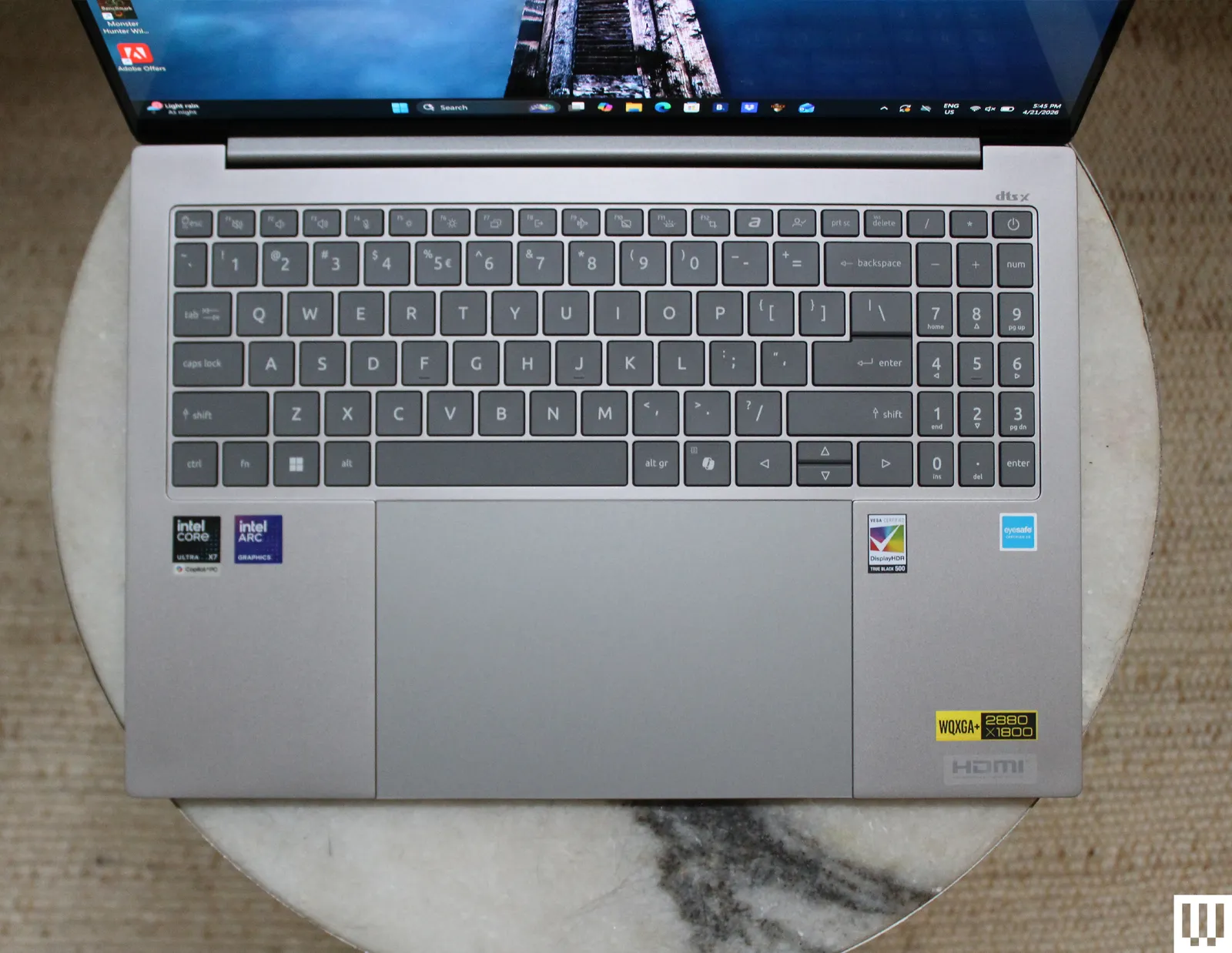
The two USB-C ports are on the left side, alongside HDMI and a USB-A port. The second USB-A port, a microSD card slot, and a headphone jack are on the right. It’s not a nice assortment of ports overall, and I just wish Acer had split the USB-C ports up so the laptop could have a charging port on either side.
Acer is using a top-notch 16-inch OLED touchscreen display on the Swift 16 AI. It has a resolution of 2880 x 1800, a refresh rate of 120 Hz, and color saturation as close to perfect as I’ve seen. Like most OLED laptops, it has a glossy, highly reflective display that maxes out at 315 nits of brightness, according to my testing. It’s nowhere near as bright as IPS or mini-LED displays, but the trade-off in brightness is to achieve that unbeatable contrast that only OLED can deliver.
A Risky Touchpad
Photograph: Luke Larsen
The full-size keyboard and oversized touchpad are definitely the most notable elements of this laptop. The first thing you notice is the touchpad, which is certainly the largest I’ve ever seen. You might think it looks a bit silly, but I always like it when companies leave as little wasted space on a product as possible. I really wanted to like this touchpad, but unfortunately, it could deter most people from buying this product.
Advertisement
On large laptops like the Swift 16 AI, which have a number pad to the right of the keyboard, the touchpad is typically below the keyboard, making it visually off-center. While it’s functional, this arrangement looks odd, and some 16-inch laptops get around this by omitting the number pad entirely. That’s what you see on the MacBook Pro, the Dell XPS 16, and most gaming laptops these days, too.
Rather than removing the number pad, Acer expanded the touchpad and centered it. This makes good use of the space below the keyboard, preserves the number pad, and solves the aesthetic annoyance that typically plagues full-size laptops.
Perhaps part of a deliberate trend geared at collectors of a certain demographic, the resurgence of physical media is giving us the opportunity to revisit the movies we grew up on or discover gems that slipped through the cracks–especially from that stretch when the action/adventure genre as we know it was taking shape. Whether you first encountered these heroes in a sticky-floored theater, on a dusty VHS rental, or during a wee-hours cable TV marathon (ah, the analog hum of basic cable…), these restorations carry a nostalgia not merely for a time and place, but a vibe.
In that simpler time, these adventures were all new, and we couldn’t wait to find out what the good guys would do next, how they’d get out of their latest scrape: with fists? Bullets? Arrows? Maybe even some well-timed stomach acid? Today, the answers await us in an artful slipcase or a hefty cardboard box, to explore again and again, and even pass along to a generation raised on shaky-cam and CGI.
Adventure Calls! Karl May at CCC Blu-ray (Eureka!) – 1964-1968
Based–sometimes loosely–on the pulp fiction of author Karl May, these seven films produced by Artur Brauner’s West German CCC Film combine B-movie thrills with A-movie budgets, giving escapism-hungry audiences what they wanted, and more. Dashing Lex Barker stars in all, a bigger-than-life manly man sometimes battling land-grabbing outlaws, maybe on the trail of hidden gold, tracking nefarious bandits or rescuing old friends. Showing very little blood, the stories range from lighthearted to dark, always a cinematic treat shot in exotic Spanish and Yugoslavian locations.
The stories span multiple genres, starting and finishing with tried-and-true westerns, both starring the cowboy nicknamed for his ability to knock a man out with a single blow:
Old Shatterhand (1964)
Winnetou and Old Shatterhand in the Valley of Death (Winnetou und Shatterhand im Tal der Toten, 1968)
also, from May’s “Oriental Cycle” of books, the same lead character was renamed Kara Ben Nemsi:
The Shoot (Der Schut, 1964)
Through Wild Kurdistan(Durchs wilde Kurdistan, 1965)
In the Kingdom of the Silver Lion (Im Reiche des silbernen Löwen, 1965)
and then “The Mexican Adventures,” featuring Dr. Karl Sternau:
The Treasure of the Aztecs (Der Schatz der Azteken, 1965)
The Pyramid of the Sun God (Die Pyramide des Sonnengottes, 1965)
The native German audio receives newly revised English subtitles, paired with sumptuous new 4K restorations from their original camera negatives, presented here at 1080p.
Eureka!’s four-disc set is a hardbound limited edition of 2,000 copies, part of their “Masters of Cinema” series with intros to each film by author/expert Sir Christopher Frayling plus new audio commentaries on Old Shatterhand and Treasure of the Aztecs by historian David Kalat. Two new interviews shed light on CCC Film and director Robert Siodmak, these in addition to multiple archival featurettes and a 60-page collector’s book with extensive critical writing on related subjects.
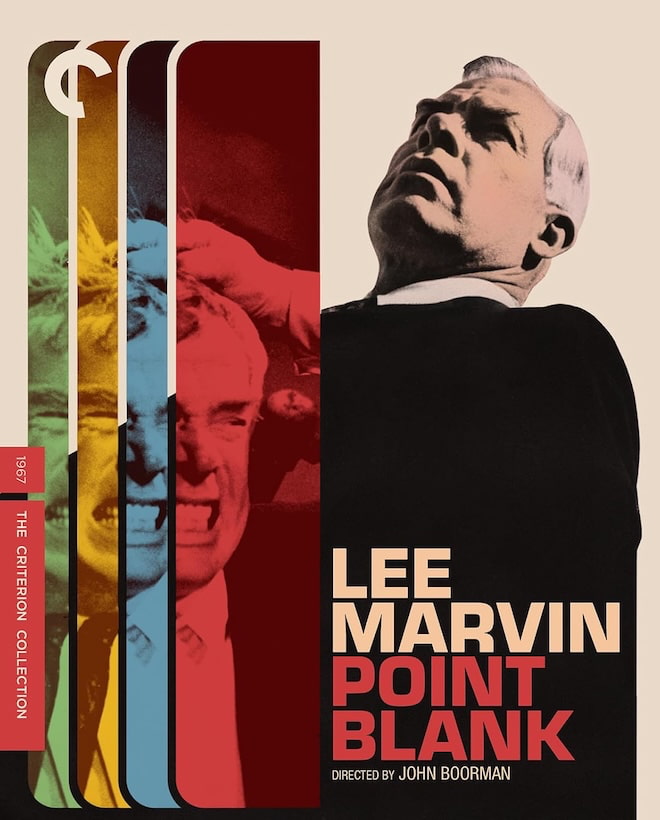
In an era when big screen action was still evolving, movies often relied upon the gravitas of a leading man whose mere presence threatened an explosion of potential violence at any moment. Such was Walker (no first name), embodied by Lee Marvin in a career-defining performance. Betrayed by the two people closest to him and left for dead, he sets off on an orgy of revenge as an unstoppable force taking down a corporate underworld and reclaiming his exact share of the loot, not a penny more. Under the brutalist direction of John Boorman, Point Blank takes its time, building real character drama without slick modern fight choreography or special effects, instead employing stylish use of the camera, of voiceover, and flashbacks. It’s also a priceless time capsule of Los Angeles, revisited in its gritty, grainy glory via Criterion’s new director-supervised 4K restoration, paired with a lean, mean uncompressed mono track. The extras are a sampler of new and old: a Boorman commentary hosted by filmmaker/fan Steven Soderbergh, a 1970 Lee Marvin interview clip from Dick Cavett, a vintage promotional short, plus several new featurettes. The insert includes an essay by Geoff Dyer titled “A Dream of Full-Color Noir.”
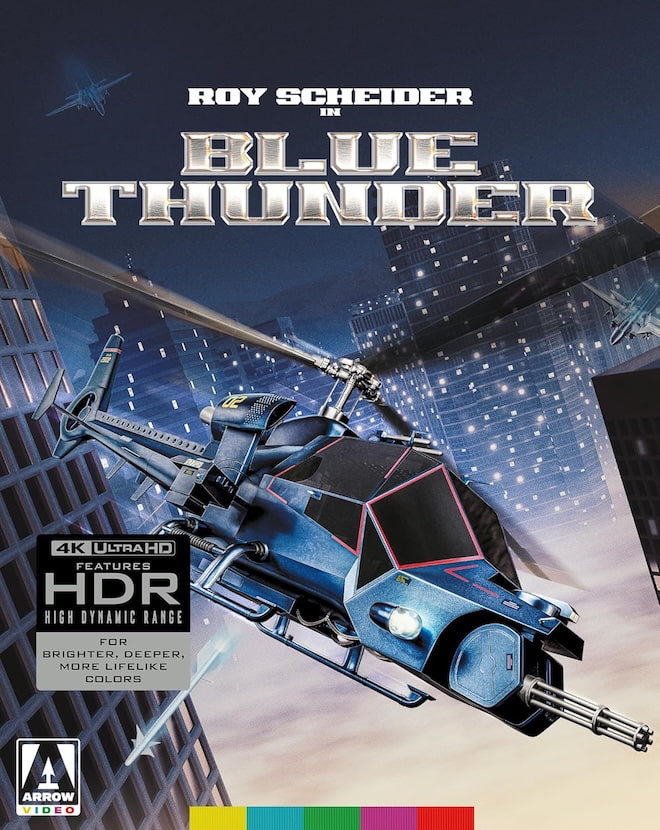
As we travel back in time, we discover that audiences didn’t always ask a lot of nitpicking questions, just so long as plenty of stuff was blowing up on screen. Case in point, Blue Thunder, where a principled LAPD surveillance pilot (Roy Scheider) takes control of an advanced prototype helicopter when he discovers its true, nefarious purpose. Thing is, he puts a lot of people in danger when he bravely crosses that line, and wreaks massive destruction, so is he really the hero the movie makes him out to be? No one can argue that the flying sequences aren’t spectacular, though. Arrow’s single disc proffers the movie in Dolby Vision and both restored lossless stereo and a 5.1 remix, with on-camera interviews from key cast and crew, plus archival extras from 2006 and 1983. It arrives slipcased with reversible cover art and booklet.
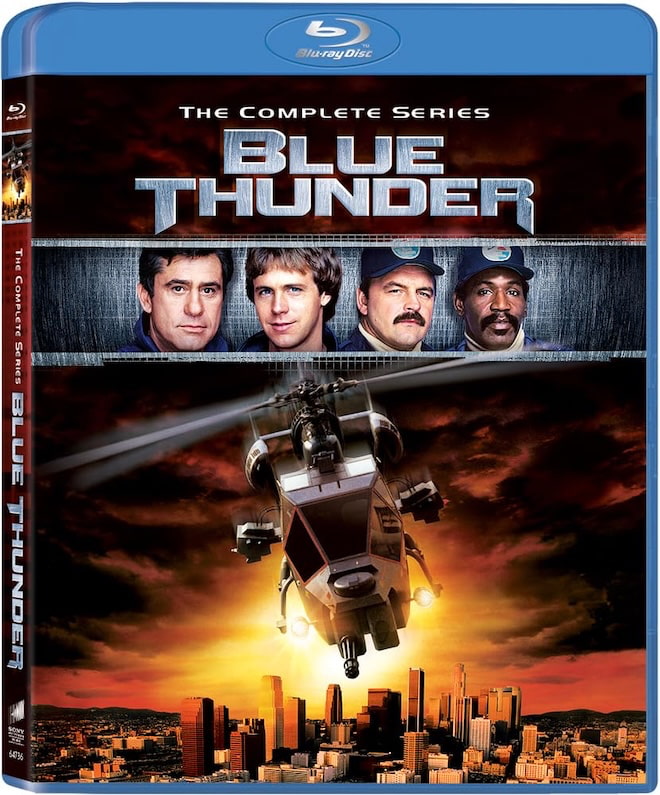
The following year, ABC debuted a small-screen redux, concurrent with CBS’ own chopper-based Airwolf. For extra machismo, not one but two ex-NFL superstars joined star James Farentino and a pre-SNL Dana Carvey as his quippy co-pilot, leaving behind the government conspiracies for fairly standard weekly crime procedural plotlines. Running for only 11 episodes, this hour-long mid-season replacement failed to bring the thunder at the time, but it stands as an interesting footnote to both John Badham’s essential thriller and the broader discussion of TV adaptations.
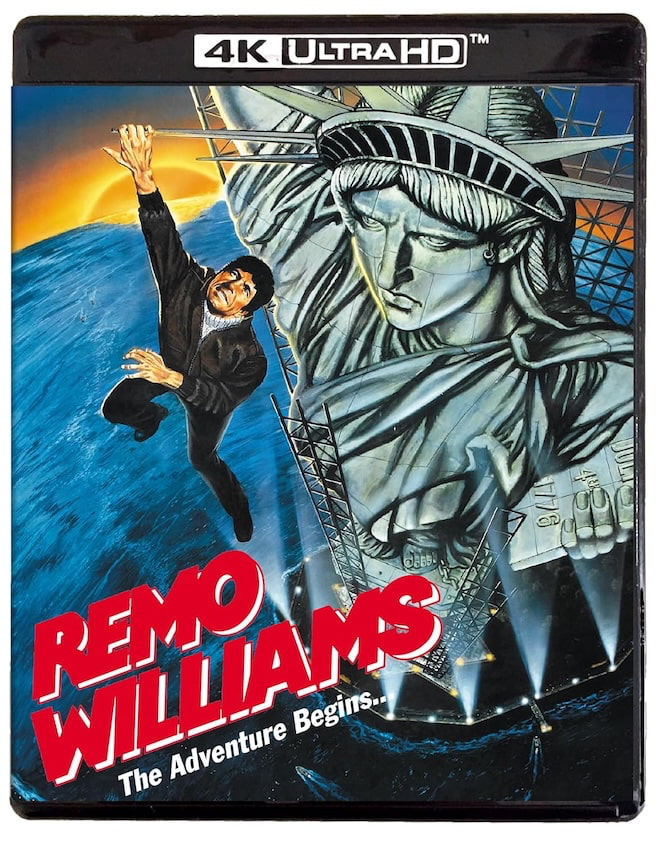
Remo Williams: The Adventure Begins 4K (Kino Lorber Studio Classics) – 1985
Intending to capitalize on the perceived vulnerability of long-in-the-tooth James Bond, Orion Pictures bet big on their own secret agent franchise, born of the 150+ Destroyer novels in the series created by Warren Murphy and Richard Sapir. Fred Ward makes a formidable action hero, a tough New York cop turned superspy, taught mad skills by his Korean mentor, Chiun (a problematically cast Joel Grey under four hours of Oscar-nominated makeup). Although Remo is seldom given a chance to flex his awesome new prowess, the fight scene on the gleefully dated mid-renovation Statue of Liberty, recreated at full scale on a hillside in Mexico for the production, remains an absolute classic. The new 4K disc builds upon the great bonus features of KLSC’s 2022 Blu-ray with a new Dolby Vision master from the camera negative, a new audio commentary joining the producers on their own separate archival track, and porting the five great featurettes while adding a new interview with co-star Patrick Kilpatrick.
While the ‘80s saw no shortage of feature films from producer Steven Spielberg, this high-concept sci-fi adventure rose above the clutter with director Joe Dante’s fun and funny flourishes throughout. Innerspace has been newly restored from the 35mm negative, the better to appreciate ILM’s Oscar-winning visuals not only of Martin Short’s insides, visited by microscopic voyagers friendly and otherwise, but some inspired use of forced perspective trickery. Audio is on-point too, offering the lossless original stereo, the 70mm six-track mix presented in 4.1, plus a new Atmos remix. An archival jam commentary anchored by Dante is joined by a new critic track, alongside a new hour-long “making of” documentary, previously unseen vintage, behind-the-scenes video, and extensive stills. Arrow has given this one a slipcased fatbox, wherein we will find a two-sided poster, reversible cover art for the disc case, and a particularly well-researched booklet.
Robin Hood: Prince of Thieves 4K Limited Edition (Arrow) – 1991
Much like Robin of Locksley biding his time in a Jerusalem prison, waiting to strike, our patience has finally been rewarded with this U.S. version of Arrow’s 2022 U.K. 4K limited edition release. The movie has taken a lot of ribbing since its release, but I happen to love the character, and I think that the fresh takes on the lore, the plot and the setpieces all hit. The BD-100 disc serves up respectable 4K restorations of the theatrical and extended cuts (more with Alan Rickman’s Sheriff of Nottingham and his witchy cohort, Mortianna) with uncompressed stereo and DTS-HD Master Audio 5.1. In addition to Arrow’s own multi-part ‘22 documentary, there’s archival audio commentary by The Kevins (director Reynolds and star Costner), another from actors Morgan Freeman and Christian Slater and writers/producers Pen Densham and John Watson, a Pierce Brosnan-hosted TV special, the Bryan Adams music video, and some basic electronic press kit interviews. As across the pond, the packaging here shines, with a rigid box, a companion book, a pair of double-sided posters, reversible cover art and a set of artcards.
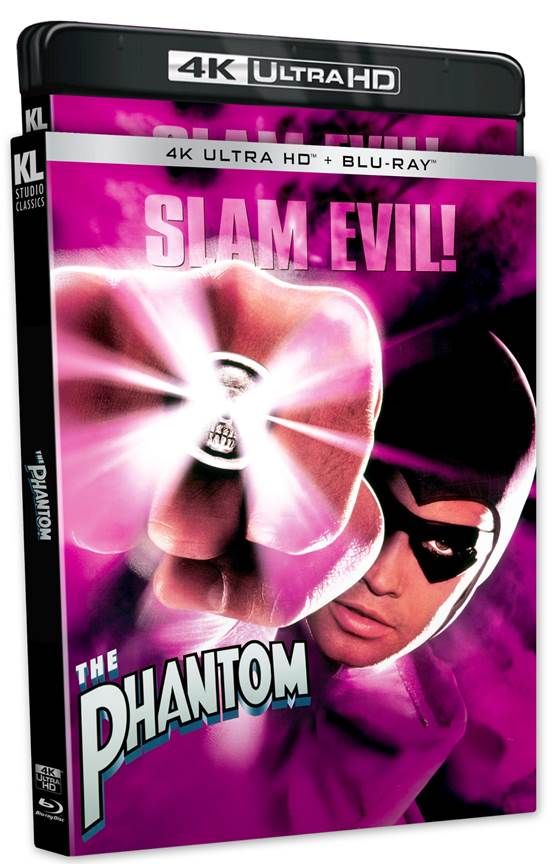
The Phantom 4K (Kino Lorber Studio Classics) – 1996
Created by Lee Falk for the daily comic strips back in 1936, “The Ghost Who Walks” was in many ways the seminal superhero, an archetype for those who followed. In the footsteps of a 1943 serial and a lost 1961 TV pilot, Billy Zane tackled the swashbuckling role with great earnestness, undergoing a physical transformation not seen Christopher Reeve for Superman. It’s a terrific period adventure, released in that curious crush post-Batman and before cinematic men in tights became a staple. KLSC’s new master, approved by director Simon Wincer, is absolutely gorgeous, particularly in terms of its Dolby Vision colors, and not just the purple suit. The exclusive extras are a treat: a new Wincer commentary and excellent new interviews with Zane and composer David Newman.
From a script by Blade Runner’s David Webb Peoples, Soldier has long been rumored to be set in the same universe, and the proof is there is you know where to find the Easter eggs. It’s also thematically similar, exploring a grim future wherein a manufactured being (Kurt Russell, who trained 18 months for the role) comes to terms with the reality that he’s just a disposable tool to his masters, a weapon and nothing more. Taken in by a group of endangered settlers, he’s Shane for a new generation, and a new genre. Visually, Soldier is a fascinating blend of extensive practical effects and late-20th-century CGI that recalls a specific, somewhat prescient moment in movie history. Director Paul W.S. Anderson is joined by co-producer Jeremy Bolt and actor Jason Isaacs for his archival audio commentary, with the vintage EPK and extensive new talent interviews too, all inside a simple slipcover with a photo-filled booklet.
After all of these fine, aged-to-perfection delicacies, you might want a preview of a couple of recent efforts, a palette cleanser of sorts to lend contrast:
The Running Man 4K (Paramount/Alliance Entertainment) – 2025
Don’t call it a remake, think of it as the first attempt at making a faithful adaptation of the 1982 book by Richard Bachman (né Stephen King), reportedly written over a single long weekend. Glenn Powell (Twisters) stars as a desperate, impoverished everyman who enters a big-money, life-and-death game show to pay for his daughter’s medicine, if he can just survive a worldwide manhunt for 30 days. The themes of the cultural/economic divide have never been more relevant, even if the ending lacks the source material’s original impact. Director Edgar Wright has crafted a bleak alternate-present-day dystopia, its grungy nuances captured wonderfully in Dolby Vision. Likewise the Atmos audio delivers the subtlest dialogue and the wildest action–and there’s plenty of the latter–in grand style.
The two-disc set (with digital copy) is loaded with bonus content, starting with an audio commentary from Wright, Powell and co-screenwriter Michael Bacall, an assortment of behind-the-scenes featurettes and in-universe tidbits, plus deleted and extended scenes.
Chris Pratt tries again, as an accused criminal trapped in an elevator-pitch nightmare, forced to prove his innocence to an icy AI judge (Rebecca Ferguson) in just 90 minutes, or be executed. Filmmaker Timur Bekmambetov’s “Screenlife” manifesto is on full display, as the story unfolds in real time as a stream of digital data, body cam footage, and interface windows. It starts out well enough but eventually buckles under the weight of its intended social commentary, ultimately lapsing into over-the-top, borderline nonsensical action before it’s finished. The Dolby Vision picture has its moments, although much of the runtime is built from lower-res imagery for the aforementioned realism. The Atmos is where this extras-free disc excels, with near-constant overhead channel usage, notably for the holographic screens flying around our hero’s head, as well as booming bass, yet never at the expense of dialogue clarity.






























![Macias - MONEY [Official Music Video]](https://wordupnews.com/wp-content/uploads/2026/02/1770256831_maxresdefault-80x80.jpg)
































You must be logged in to post a comment Login