

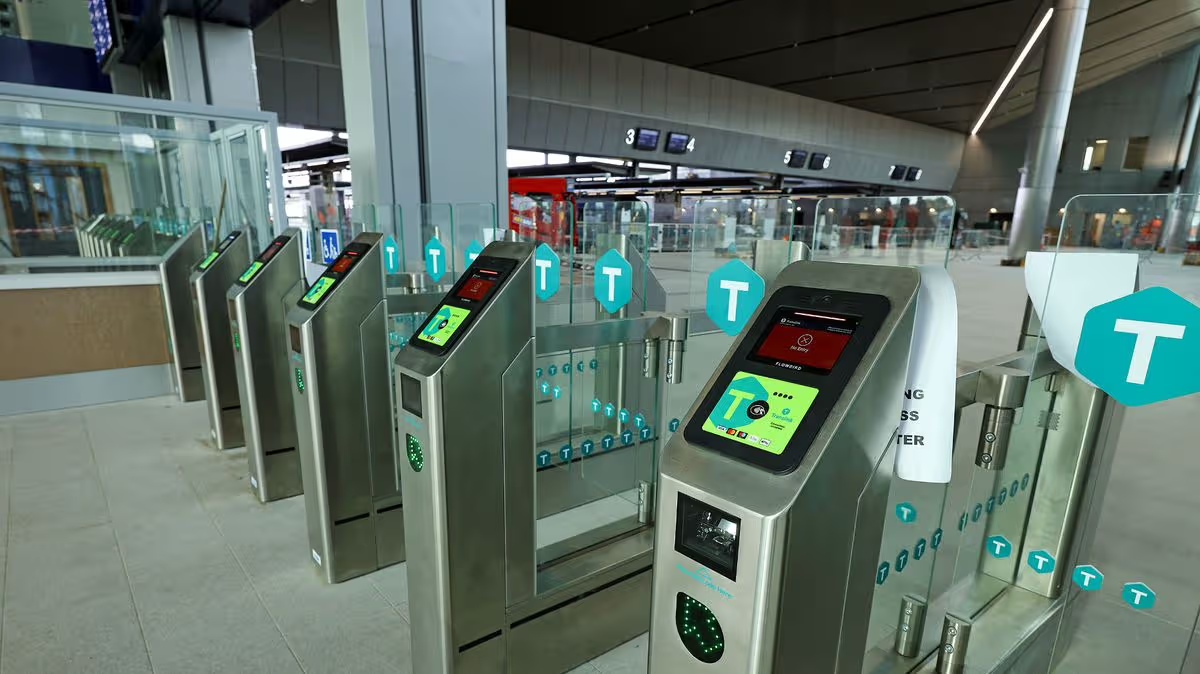
The system will allow passengers to tap on at a gate or platform validator at the start of their journey and tap off at the end
Translink’s new tap-on/tap-off ticketing system will be rolled out to rail services between late 2027 and early 2028, the Infrastructure Minister has confirmed.
Minister Liz Kimmins was responding to a written question from DUP MLA Peter Martin, who asked her to detail the reason why ticket machines were chosen for the new Translink ticketing option at train stations and not contactless hop-on and hop-off payments.
When rolled out, the new system will operate similarly to London’s Oyster system, where passengers can tap their contactless card or device at the ticket barrier when getting on and off the train, with the best fare calculated for the passenger at the end of the day.
“As part of Translink’s Future Ticketing System project, the introduction of contactless ‘Tap On and Tap Off’ account-based ticketing is planned to commence across the rail network in late 2027 or early 2028,” Minister Kimmins said.
“This system will allow passengers to tap on at a gate or platform validator at the start of their journey and tap off at the end, with fares and any applicable discounts calculated automatically through back-office systems. Gate and platform validator devices have already been installed at rail stations across the network in preparation for this future contactless payment capability.
“Ticket vending machines were installed at rail stations as an interim and complementary measure to ensure that all customers can continue to access rail services prior to the introduction of contactless Tap On and Tap Off payments. Not all passengers are currently able, or may wish, to use contactless payment methods.
“This includes customers entitled to concessionary travel, such as Senior SmartPass holders, yLink card holders and Half Fare SmartPass holders, as well as those who prefer to purchase paper tickets.
“The provision of ticket vending machines, alongside gates and platform validators, enables customers to purchase or validate tickets prior to boarding services. This reduces reliance on on-train ticket sales, supports conductors in carrying out their duties, and helps to ensure that fare revenue is protected to the optimum level across the rail network.”
For all the latest news, visit the Belfast Live homepage here and sign up to our daily newsletter here.




















































You must be logged in to post a comment Login