Connect with us
DAPA Banner
DAPA Coin
DAPA
COIN PAYMENT ASSET
PRIVACY · BLOCKDAG · HOMOMORPHIC ENCRYPTION · RUST
ElGamal Encrypted MINE DAPA
🚫 GENESIS SOLD OUT
DAPAPAY COMING

NewsBeat

a story of a new kind of politics

Published

on

a story of a new kind of politics

Every election is a storytelling contest, with campaigning parties competing to frame the plot. This year’s local elections, the largest test of voters’ mood since the 2024 general election, have been dominated by two master-narratives.

The first is about the demise of the old two-party system under which Labour and Conservatives have been the battling giants for almost 100 years. Vast regions of England have long been regarded as safe electoral zones. They have been disrupted only occasionally by strategic incursions by the Liberal Democrats or mid-term revolts against whoever formed the Westminster government.

The story of the 2026 local elections is one of a conspicuous public impulse to punish the old incumbents, resulting in the ascendancy of the new kids on the political block – Reform UK and the Greens.

In the 2024 general election, Reform won 15.3% of the vote in English constituencies and the Green Party won 7.3%. Since then, Labour’s poll ratings have fallen and the Tories have hardly recovered from their devastating result when they lost 238 seats.

Advertisement

But the story amounts to more than numbers. We are witnessing a pervasive and powerful expression of desire by the electorate – not just for radical political alternatives, but for a radical alternative to politics itself.

The rise of the outsider

This is a story about the rejection of anyone who looks or speaks like a conventional politician. Both Reform leader Nigel Farage and Zack Polanski, the leader of the Greens in England and Wales, have cultivated images of themselves as outsiders who eschew the caution and attachment to well-rehearsed cliche that has so discredited their opponents.

It was an election in which voters came to believe that what these political mavericks say is what they actually mean. Left-inclined voters might feel repelled by Farage’s strident nationalism and right-inclined voters might regard Polanski as a dangerous dreamer. But neither doubts that they are up against genuine commitments.

Meanwhile, Labour and Conservative candidates have continued to campaign in the way they have been for decades. This means they have often actually been talking about local policies relating to refuse collection, libraries and care services. The newcomers have tended to ignore the rules of the game and fought their campaigns on headline values rather than policy detail.

Advertisement

Reform UK has said that it planned to open migrant detention centres in areas where the vote for the Green Party is high, while Green candidates in Haringey produced an election video stating that if elected they would uphold the inalienable rights of the Palestinian people.

The fact that elected local councillors lack any power to place detention centres in other areas or determine UK foreign policy was ignored. Local elections were turned into a showcase for a style of politics in which cultural symbolism outweighed the prudential technicalities of local governance.


À lire aussi :
After a year of Reform UK in local government, the cracks are starting to show


However, as Reform politicians are learning in the few areas where they already hold local power, attention to policy complexity calls for rather more than the repetition of populist slogans, leading several of their councillors to leave the party as the responsibility of hard policy choices has dawned upon them.

Advertisement

For many voters, these local elections present a chance to gamble on the promise of the untried. And this brings us to the second story of this campaign, which is taking place almost exactly a decade after the Brexit referendum.

That was a moment when the politics of “anything must be better than this” appealed to electoral gamblers. As an insurgency of the unheard, Brexit reflected a feeling that the political establishment needed a good poke in the eye. This was regardless of the consequences for the assailants.

Unfinished business from 2016.
Ms Jane Campbell/Shutterstock

A key story of this year’s local elections is that the division between Leavers and Remainers, far from fading into the distance, has hardened over the past decade. Socially liberal Remainers and culturally conservative Leavers have each sought political homes in which to complete what they see as unfinished business.

Advertisement

YouGov polling in early 2026 suggested that how people voted on Brexit is a key predictor of how they would vote in this year’s elections. Some 50% of those who voted Leave in 2016 intended to back Reform this year. Among Remainers, the largest number (28%) say that they will vote Labour, but both the Greens and the Liberal Democrats each have around a fifth of the Remainer vote, making them the largest political home for those who opposed Brexit ten years ago.

The results of these elections say a lot about how much voters are tired of the old incumbents and continue to dwell on changes that Brexit promised or threatened. In terms of how councils will be run between now and the next local elections, during a period of constrained public spending, hollowing out of services and energy insecurity, this election campaign has had precious little to say.


Advertisement

Source link

Continue Reading
Click to comment

You must be logged in to post a comment Login

Leave a Reply

NewsBeat

Binman cautions rubbish won’t be collected if 1 item is spotted in recycling

Published

on

Daily Mirror

Households must follow strict council recycling rules or risk having their bin collection refused over a common mistake. A binman says rubbish won’t be collected if a simple item is spotted inside

Getting your bins out for collection is a chore we all face, but they could be left behind if inappropriate items are discovered inside. What you may not realise is that there are stringent regulations people must adhere to in order to ensure their waste is properly collected each week.

The guidance was recently provided by a refuse collector, known as The No 1 Binman on TikTok, who regularly shares useful tips about bin collections. According to him, straightforward errors can stop rubbish from being taken, leaving you with both an eyesore and a foul-smelling issue, particularly during the warmer months.

It’s not the only expert advice of this nature to be issued either. Previously, residents were warned to stop putting a common item in their food waste bins as well.

Advertisement

In a video posted online, he explained there are some extremely important regulations people must follow regarding plastic recycling. It’s not as straightforward as simply tossing it in the recycling bin.

This is because various types of plastic exist. You need to understand the distinctions before disposing of it, or you could end up with a headache.

He said: “Plastic, not all plastic is the same. Ok, so you have thin plastics, you have soft plastics, you have hard plastics, and it depends on the council which they actually take.

“Most of them just take normal bottles, or tins and stuff like that in your plastic bin. [They are] the only things they’ll take. They won’t take anything like carrier bags, black bags, they also won’t take any films.

Advertisement

“All that sort of stuff, it ruins the machines they send the stuff to. Every recycling centre is different, so they get told what they can take and what they can’t take, and they’re the ones who make the rules. Not the binmen.

“It’s not our choice. We just get told. So, if there are any plastics that you’re unsure about, maybe ask your council website or maybe you can ask the binmen. They might know.”

Content cannot be displayed without consent

So, it’s vital you’re well informed before taking any action. Getting to grips with the process could benefit you in more ways than one.

Can binmen refuse to collect your rubbish?

You might not realise it, but refuse collectors can actually turn down your waste. This commonly occurs if your recycling is contaminated, deemed excessive (too heavy or bags left beside the bin) or if the bin hasn’t been presented properly.

Advertisement

It’s worth bearing in mind that they are generally obliged to collect household waste unless there’s a legitimate reason not to. This is because councils have a duty to provide the service.

When they do refuse to collect, it’s typically down to safety concerns, contamination or failure to adhere to council guidelines. Leaving “side waste”, for example, can cause issues.

However, it’s important to note that carrier bags should not be placed in your household recycling. Despite being recyclable, they must be taken to designated collection points, which are commonly found at larger supermarkets such as Tesco, Sainsbury’s, Asda, Morrisons and Waitrose.

Supermarkets offer in-store drop-off points for “soft plastics” such as bread bags, films and pouches. Should this type of item be found in your rubbish, refuse collectors are within their rights to leave it behind, as it risks contaminating the entire load.

Advertisement

It’s always advisable to check your local council’s website for guidance, as the rules can vary considerably from one area to another. Regulations can sometimes differ significantly between councils.

Source link

Continue Reading

NewsBeat

Wardley vs Dubois: Frank Warren on being in both corners for world title fight

Published

on

Fabio Wardley faces off with Daniel Dubois

Daniel is a very introverted man. He’s not somebody who goes out boasting, and I know he’s taken some stick this week because of that quiet nature.

I am protective of him. I always try to talk to him before we go into any media event, prepare him.

He just doesn’t enjoy that part of the fight game. He’s really not into all the verbals.

Whoever you are, you look at how people behave and what their make-up is. That’s if you want to get the best out of them.

Advertisement

You have to be clever, not sly, in how you deal with it. Good interviewers do that. Daniel does all his talking in the ring.

I don’t think he’ll ever change. His dad is his mentor and that’s all he knows – he’ll look to his dad before answering the question and still usually does.

That family is a tight unit. Some boxers, as they get successful, go partying but he doesn’t do any of that stuff.

After he beat Anthony Joshua, he just wanted to go home.

Advertisement

I had to literally push him into the press room so the world could see him after that magnificent performance.

Our job as promoters is to find something you can bring out and get it to the public, so they want to be on this journey with this fighter.

Sometimes it’s difficult. With Prince Naseem Hamed, for example, it was easy. When I first met Naz, I knew exactly what I was going to do with him and how we were going to promote him.

So some guys are easily promotable, others it can be hard work, but that’s the business we’re in.

Advertisement

But Daniel has come out of his skin a bit lately. The funniest thing for me was when he did the head-to-head with Filip Hrgovic a few fights ago.

Hrgovic said Daniel had no heart, and Daniel just said he was going to knock him out – using an expletive I wouldn’t like to repeat.

I had never heard Daniel even swear before!

Everybody there was like: ‘What is that?’ It was like getting the vicar to swear. He found a voice from within himself.

Advertisement

Source link

Continue Reading

NewsBeat

Union hits out at Stirling Council school meals plan – and threat to 50 jobs

Published

on

Daily Record

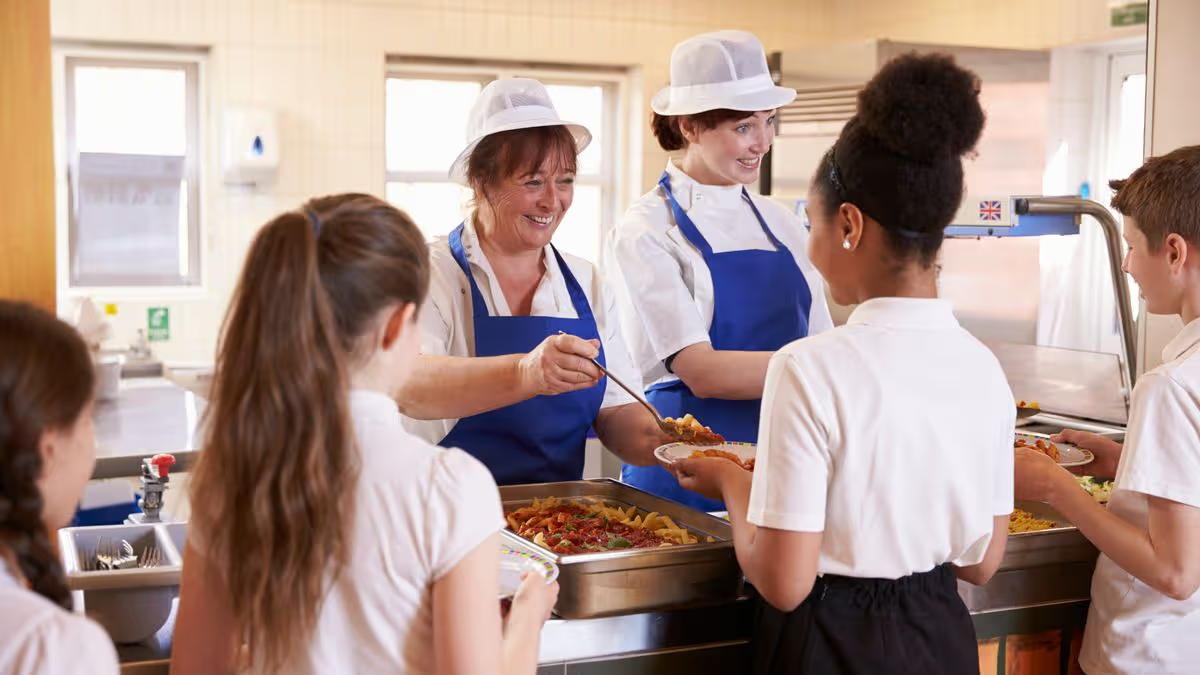
The changes to school meals were approved in the budget earlier this year – with union chiefs hitting out at the health and jobs impact of the move.

A union has slammed plans to outsource the preparation of school meals which it says will lead to the loss of 50 jobs.

Advertisement

The changes to the current provision of meals in the region’s schools was a controversial part of the SNP administration’s budget approved in March.

It had come under criticism from Labour councillor Jen Preston, who said the region’s children deserved better than “frozen ready meals for lunch”.

But SNP councillor Gerry McLaughlan said the move was necessary as part of a package of “hard decisions” during the budget-setting process.

The heat has now been turned up in a letter from Tony Caleary from the Stirling branch of the Unison trade union to Stirling Council chief executive Brian Roberts, in which Mr Caleary outlines “grave concerns” over the plans.

Advertisement

In the letter, the union calls for the imposition of the changes to be “paused” until a full review of its impact is carried out – including on 50 jobs set to be affected.

Mr Caleary writes: “Unison are concerned that this budget savings proposal impacts on predominantly part-time, low-paid women who are effectively being de-skilled with the loss of over 50 posts. We believe that this could be an equality issue.

“It should also be noted that the catering staff are often the first point of contact for children in the school who are experiencing difficulties.

“They often highlight concerns around a child’s situation, in effect acting as safe-guarders.”

Advertisement

Unison Scotland local government lead John Mooney said: “Stirling Council needs to urgently pause these plans.

“They’re bad for staff, bad for children and bad for local businesses.

“No local authority should be seeking to sack low-paid workers and serve children unhealthier meals.

“This decision will have a negative impact on families and the local economy.”

Advertisement

A Stirling Council spokesperson said “Stirling Council is currently reviewing primary and nursery school meal provision as part of wider efforts to address a projected £12.25 million budget gap for the 2026/27 financial year.

“This review forms one element of a broader package aimed at achieving necessary savings across multiple service areas.

“All changes in service provision are underpinned by ongoing engagement with staff, trade unions, and communities as we navigate the financial challenges outlined in our budget planning process.

“The council would like to reiterate its commitment to no compulsory redundancies, and we are currently working on a package of support for those colleagues who are affected, which includes structured retraining programmes into other roles across the council, as well as upskilling support more generally.

Advertisement

“We remain committed to providing high quality, nutritional school meals that meeting all Scottish Government guidance.”

Source link

Continue Reading

NewsBeat

Barcelona vs Real Madrid: Prediction, kick-off time, TV, live stream, team news, h2h results, odds

Published

on

Barcelona vs Real Madrid: Prediction, kick-off time, TV, live stream, team news, h2h results, odds

All the drama has revolved around Madrid, who have had to put out fire after fire in the past few days.

First, star striker Kylian Mbappe was criticised by supporters after he was pictured on holiday in Sardinia while his team-mates faced Espanyol in the league.

Source link

Continue Reading

NewsBeat

Full list of Peterborough local election results as Reform UK and Conservatives see biggest wins

Published

on

Cambridgeshire Live

They are the first results to be announced in the county

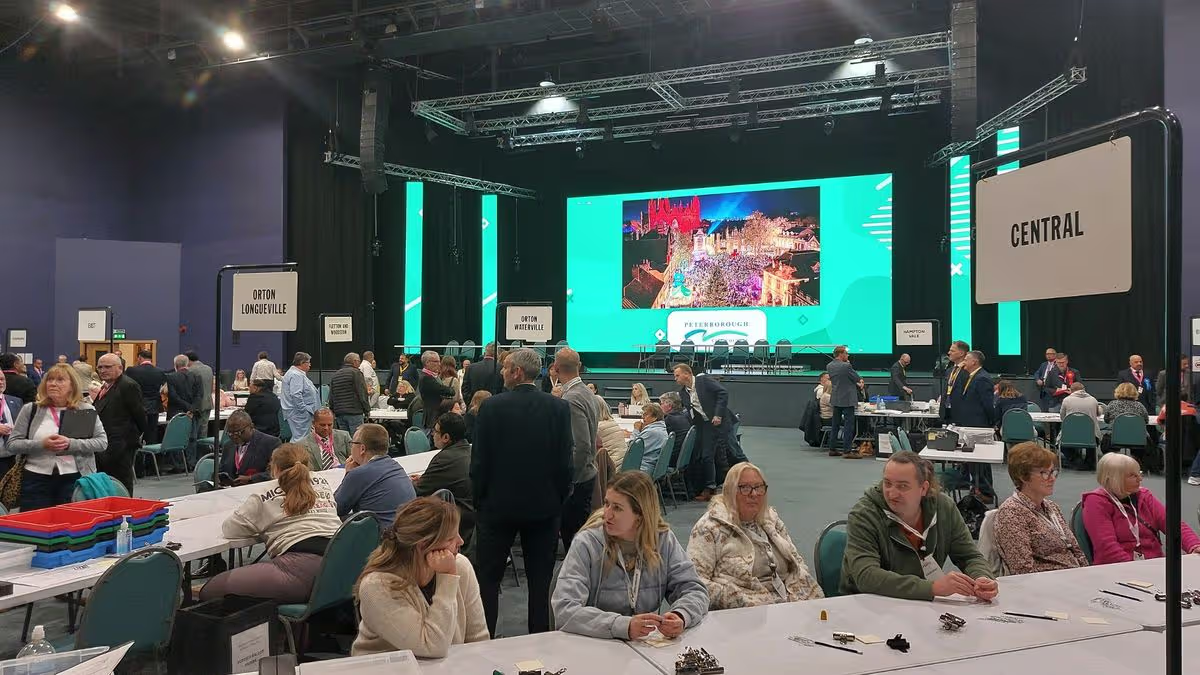
Results have started to come in across Cambridgeshire after yesterday’s local elections. It is only Peterborough so far that has counted their results with others set to begin today.

The majority of results across the county are due to be announced today, with counting yet to even begin. Ballot boxes will be arriving after the polls closed at 10pm last night.

Peterborough is on the unitary council model which means residents in that area has just one council whereas the rest of Cambridgeshire has two tier system that works with district and borough councils which are responsible for planning, parks, bins and other matters and the county council which looks after roads, adult and children’s social care, education and others. All of the councils work together under the Cambridgeshire and Peterborough Combined Authority.

Advertisement

In Peterborough, the following parties were elected:

  • Independent – one elected – a loss of five
  • Conservative – six elected – a gain of three
  • Labour – two elected – a loss of three
  • Lib Dem – three elected – no change
  • Greens – two elected – a gain of one
  • Reform UK – four elected – a gain of four

That makes the new make up of the council 17 independent councillors, 13 Conservative councillors, 11 Labour councillors, eight Lib Dems, six Greens, five Reform UK.

Cambridgeshire County Council had its elections last year so only residents with a lower tier council election voted yesterday. Across the country different councils hold their elections in different stages. Some have a third of councillor wards up for election, others have them all up and others have had no elections at all.

For South Cambridgeshire, Huntingdon all wards have been up for election. Southend – the other unitary authority has had a third of its councillors up for election.

East Cambridgeshire and Fenland had no elections so residents in those areas did not vote this year. Peterborough and Cambridge all had a third of councillors up for election.

Advertisement

To view the results so far use our widget below to see every result in every ward in Peterborough, or type in a place name or postcode to see results in other areas. The full results are also listed below the widget.

Source link

Continue Reading

NewsBeat

Beginners guide to gardening: Tips for spring from Britain’s top garden design experts

Published

on

Beginners guide to gardening: Tips for spring from Britain's top garden design experts

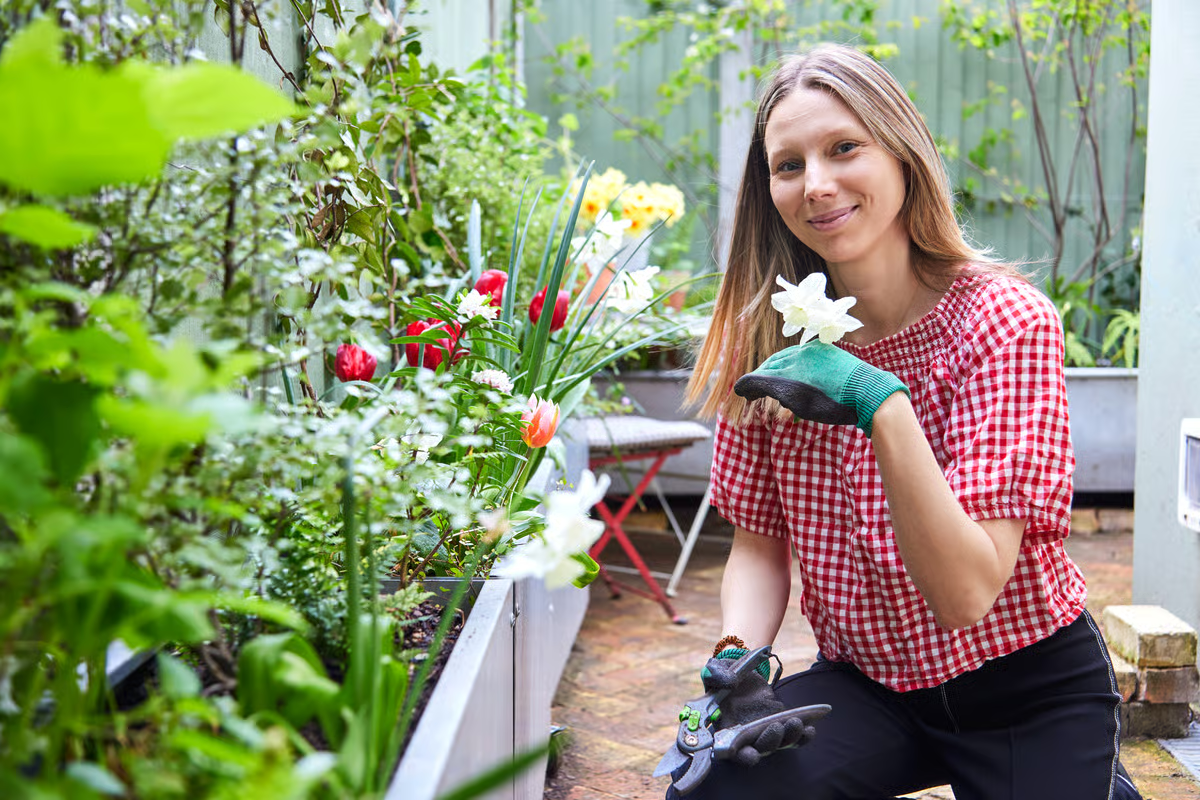
Frances Costelloe, 36, lives with her husband and two children in a Victorian terrace in Tottenham

“I work as an artist, illustrator and creative projects manager, and I got into gardening in lockdown. Having two young kids I wanted to make our little garden less rubbish.

“I replaced the slippery decking with reclaimed brick paving and have gone for huge containers instead of little pots. I got more and more into plants and flowers; tulips, ox-eye daisies, cornflowers, dahlias. I am also doing a post grad in garden design.

Advertisement

“If I had to advise anyone about getting into gardening, I’d say just go for it, make mistakes, volunteer — you can only improve!

“My own garden is progressing slowly. It has been expensive sorting out the hard landscaping so I’m planting in stages because I don’t have lots of spare income. I also have an allotment where I want to grow food and flowers for my family.

“I love the change of the seasons, learning about what works together and the sculpture and the colours of it all. And it’s good getting a workout outdoors and doing something that doesn’t involve screens.”

@frances_glory_costelloe

Advertisement

Source link

Continue Reading

NewsBeat

BBC EastEnders character Denise Fox set for cancer storyline

Published

on

BBC EastEnders character Denise Fox set for cancer storyline

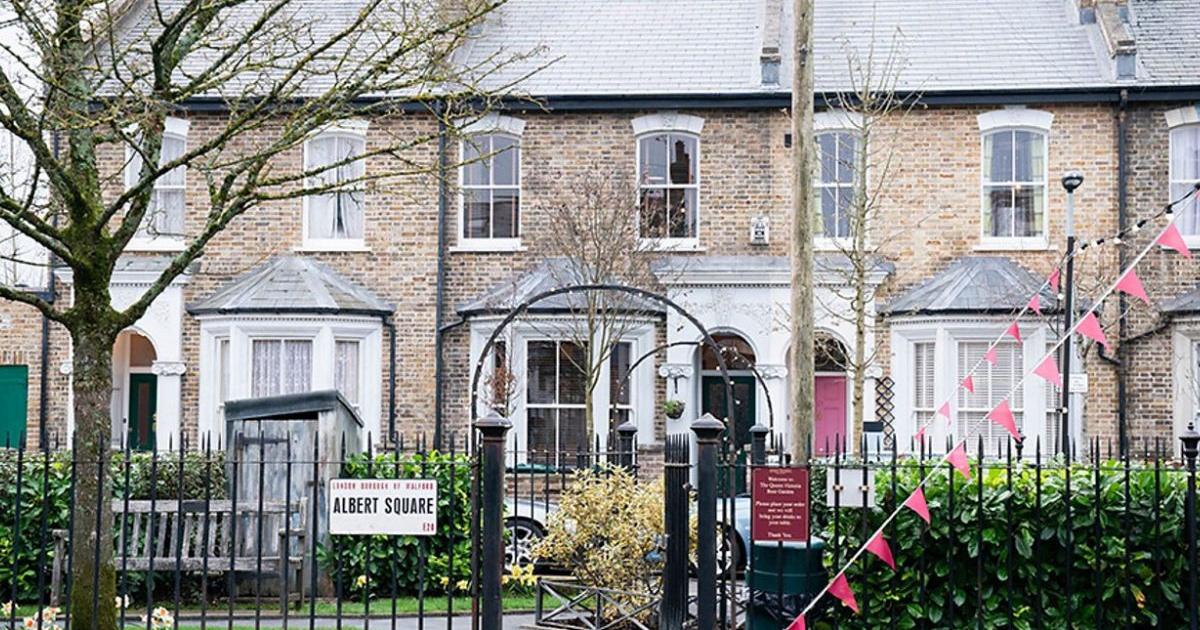
Walford favourite Denise Fox, played by Diane Parish, will be diagnosed with acute myeloid leukaemia following a period of unexplained tiredness and resulting medical tests.

The storyline will follow her diagnosis and its impact on her and her loved ones over the coming months.

EastEnders character Denise Fox set for cancer storyline

Denise made her first appearance on the BBC soap in May 2006 and temporarily left EastEnders in early 2008 to give birth to her second child.

Parish has had two roles in EastEnders, previously playing singer Lola Christie in 1998 before playing salon manager Denise.

On the new storyline, Ben Wadey, executive producer at EastEnders, said: “It was vital to us that Denise’s storyline is portrayed with sensitivity and care, and we’re grateful to Blood Cancer UK for their advice in helping us tell this story accurately.

Advertisement

“As viewers follow Denise, we hope to shine a light on the realities and challenges of an acute myeloid leukaemia diagnosis and the impact it has on the person affected and those around them.”

The blood cancer storyline is being developed in partnership with the national charity Blood Cancer UK to ensure it is depicted accurately and sensitively.

Blood Cancer UK reports that more than 40,000 people in the UK are diagnosed with blood cancer each year.

Diane Parish as Denise Fox in EastendersDenise Fox’s character Diane Parish will be part of a new cancer storyline on EastEnders (Image: Kieron McCarron/BBC)

Helen Rowntree, chief executive of Blood Cancer UK, said: “It’s been a privilege advising the EastEnders team to ensure Denise’s storyline reflects the real experiences of people living with blood cancer and those who care for them.

Advertisement

“Being black and living with an aggressive blood cancer like acute myeloid leukaemia can bring additional challenges.

“We hope viewers gain a greater understanding of blood cancer’s impact, and we’re pleased this issue is being highlighted on a powerful platform, helping make a ‘hidden’ cancer more visible.”

The symptoms of acute myeloid leukaemia (AML) usually develop over a few weeks, becoming more severe as the number of immature white blood cells increases, the NHS explains.

Symptoms can include skin looking pale or “washed out”, tiredness, breathlessness, night sweats, easily bruised skin, bone and joint pain, and more.

Advertisement

EastEnders to mark 20th anniversary of Denise Fox

The BBC will be hosting a special night dedicated to Denise Fox on May 11 as the character marks two decades on the soap.

Airing on BBC Three, a selection of EastEnders episodes will air from 8pm to 11pm, followed by the documentary ‘Manosphere’, which Parish fronts.

The episodes will highlight some of Denise’s biggest lines, including exposing her serial killer husband, Lucas Johnson (Don Gilet) and when she became entwined with the murder of Keanu Taylor (Danny Walters).

Plus, fans will be able to rewatch the time Denise had to choose between Jack Branning (Scott Maslen) and Ravi Gulati (Aaron Thiara).

Advertisement

The BBC will air the following episodes of Denise Fox, according to Radio Times:

  • 8pm – The downfall of Lucas Johnson (2010)
  • 8.30pm – Denise and Ian Beale kiss (2013)
  • 9pm – Keanu Taylor dies on Christmas Day (2023)
  • 10pm – Denise chooses between Jack and Ravi (2025)
  • 10.30pm – Joel Marshall’s behaviour takes a turn (2025)
  • 11pm – EastEnders Investigates: The Manosphere (2025)

EastEnders airs on BBC One every Monday to Thursday at 7.30pm.

Who is your favourite character on EastEnders? Let us know in the comments.

Source link

Advertisement
Continue Reading

NewsBeat

Keir Starmer to continue as Prime Minister amid election results

Published

on

Keir Starmer to continue as Prime Minister amid election results

He acknowledged it had been a “tough” night for Labour but said that “days like this don’t weaken my resolve to deliver the change that I promised”.

Nigel Farage’s Reform UK made gains across the country as hundreds of Labour councillors were voted out, heaping pressure on the Prime Minister.

Sir Keir faces further heavy losses as vote counting continues throughout Friday in both English local elections and contests for the Scottish Parliament and Welsh Senedd.


All the elections in England, Scotland and Wales


In Wales, Labour is expected to lose the national vote for the first time in more than a century while the SNP appears likely to remain the largest party in Scotland after 19 years in power.

Advertisement

Sir Keir has already faced speculation about his leadership, with the Times reporting Energy Secretary Ed Miliband had urged the Prime Minister to set out a timetable for his departure.

But Deputy Prime Minister David Lammy urged his party not to play “pass the parcel” with the leadership in response to the election results.

Labour sources pointed to poor local election results under previous prime ministers, including Sir Tony Blair who lost 1,100 councillors in 1999 but went on to win re-election in a landslide in 2001.

Meanwhile, Mr Farage hailed early results from Thursday’s local election as a sign his party was on course for victory at a general election that is still up to three years away.

Advertisement

A jubilant Mr Farage heralded a “historic change in British politics,” telling reporters “there is no more left-right” as his outfit was “scoring stunning percentages in traditional old Labour areas”.

A man in a Union Jack blazer sports a Reform UK rosette as ballot papers are counted for the 2026 Essex County Council election at Clacton Leisure Centre in Essex. Picture date: Friday May 8, 2026. PA Photo. Photo credit should read: Joe Giddens/PA Wire(Image: Joe Giddens/PA)

The Reform leader compared the substantial gains to clearing Becher’s Brook, a famously difficult jump in the Grand National.

“If we cleared Becher’s Brook and landed well, we go on to win the Grand National.

“What is very clear to me is that our voters will stick with us now all the way through.”

Advertisement

With 40 of the 136 councils declaring their full results in the early hours of Friday, Reform’s gains reached 270 seats while Labour had lost more than 200.

Mr Farage’s party also took control of its first council of this set of contests, nabbing Newcastle-under-Lyme from the Conservatives.

Polling guru Sir John Curtice said the results confirmed “the fracturing of British politics”, telling the BBC that Reform was clearly ahead but still “probably not quite at 30% of the vote” while other parties were “just a little bit below 20%”.

He suggested the results may not be as bad for Labour as some had predicted, saying the party could lose less than 1,500 seats.

Advertisement

Source link

Continue Reading

NewsBeat

Mount Dukono eruption kills three in Indonesia as hikers missing and ash hits 10km

Published

on

Daily Record

Mount Dukono volcano erupted in North Maluku, Indonesia, spewing ash 10km into the sky. Local police chief Erlichson Pasaribu confirmed three people have been killed and several hikers remain missing, with 15 people evacuated from the 1,335m-high mountain.

Three individuals have lost their lives after a group of hikers went missing when a volcano erupted in Indonesia earlier today. Mount Dukono blasted ash up to 10km into the atmosphere while a party of hikers were exploring the popular destination.

A total of 15 people were successfully evacuated from the 1,335m-high peak, while two porters from the hiking group remained behind to assist rescue teams in recovering the bodies of the three fatalities, according to local police chief Erlichson Pasaribu.

Mount Dukono has erupted almost 200 times since late March, as reported by the Volcanological Survey of Indonesia. The location is presently classified as Level Two within the agency’s three-tier volcano alert system, indicating heightened volcanic activity and the necessity for vigilance, reports the Mirror.

Advertisement

Ensure our latest stories always appear at the top of your Google Search by making us a Preferred Source. Click here to activate or add us as your Preferred Source in your Google search settings.

Source link

Continue Reading

NewsBeat

Can houseplants really purify the air in your home? What the science actually says

Published

on

Can houseplants really purify the air in your home?
What the science actually says

The question sounds simple. The answer, once you examine the actual measurement science behind it, is more interesting than either “yes” or “no”.

The houseplant-as-air-purifier idea can be traced to a 1989 US study, conducted for Nasa as part of research into closed-loop life support systems for space stations. In sealed, controlled chambers, certain plant species reduced concentrations of volatile organic compounds (VOCs). These are chemicals that easily evaporate into the air at room temperature, including some toxic ones like benzene, trichloroethylene and formaldehyde. The science was sound. The problem is the leap from a sealed Nasa chamber to a living room. This distinction matters enormously, and it underpins almost every piece of inflated coverage about houseplants’ purifying abilities that has followed.

Most studies showing that houseplants remove pollutants share a fundamental design feature: small, sealed chambers with artificially high concentrations of pollutants introduced as a single high dose. A plant is placed inside the chamber, concentrations of pollutants are measured over time and a removal rate is calculated. This design works well for comparing plants to each other. It works poorly for predicting what happens in your home.

The critical missing variable is what building scientists call the air exchange rate. This is how quickly outdoor air naturally replaces indoor air through gaps, walls and ventilation systems. In a real building, this constant dilution is already doing the heavy lifting on pollutant concentration. When a 2019 study modelled plant performance against real-world air exchange rates, it found you would need between ten and 1,000 plants per square metre to match what a building’s passive ventilation already achieves.

Advertisement

So the scientifically defensible answer is: houseplants can remove some pollutants, but they are not an effective standalone air-cleaning solution for homes. That does not mean the earlier studies were “wrong”. It means their results were often overextended into everyday settings where the physics of indoor air are very different.

Can houseplants really purify the air?
Vera Prokhorova/Shutterstock

More recent reviews distinguish between potted plants and more engineered plant-based systems. Some botanical biofilters, which force air through plant-root substrates with fans, may have useful air-cleaning potential, but that is a different technology from keeping a few decorative plants on a windowsill.

Another reason the claim is often overstated is that real indoor environments are not static. Pollutants are not usually released once and then left to decline in a sealed space, as happens in many chamber experiments. In homes, emissions may be continuous or intermittent, from cooking, cleaning, furnishings, consumer products, heating and traffic pollution wafting in from outside. Temperature, humidity, the number of people at home and ventilation also change throughout the day. All of these factors affect how pollutants are emitted, diluted or deposited indoors. This makes real exposure conditions far more complex than the controlled conditions under which many plant studies are carried out.

For these reasons, the most credible public health advice remains straightforward.

Advertisement

First, reduce or remove the pollution source. This may involve stopping the use of products that emit fumes, such as aerosol sprays or strong chemical cleaners, and repairing building defects such as damp or leaks that promote mould growth.

Then, improve ventilation and use effective filtration. Ventilation can be improved by, for example, opening windows and doors and using kitchen and bathroom exhaust fans that vent outdoors. You can also increase the supply of outdoor air through combined heating, ventilation and air conditioning systems, which can be great for filtering air.

Portable air cleaners with high-efficiency particulate air (Hepa) filtration can help reduce airborne particles, while ventilation, such as opening windows or using exhaust fans, helps dilute indoor pollutants when outdoor air quality is acceptable. Air cleaners vary in quality, though. For everyday use, look for a model that is the right size for the room and clearly states that it uses a True Hepa filter, which means it is designed to capture at least 99.97% of very small particles.

It is also helpful if the unit has an AHAM Verifide label, which means its clean air delivery rate (CADR) has been independently tested. As a simple guide, the higher the CADR, the faster the cleaner can remove particles from the air, and the packaging will usually say what room size the unit is suitable for. Most air cleaners are designed mainly for particles such as dust, pollen, pet dander and smoke.

Advertisement

If you also want help with gases or odours, such as VOCs, look for a model that includes an activated carbon filter, because Hepa filters alone are mainly for particles. Packaging will usually indicate whether a unit is intended for particles, gases or both, but no air cleaner removes all pollutants.

It is also worth remembering that plants themselves require care. Overwatering and poorly maintained pots can contribute to moisture problems or microbial growth indoors. In that sense, even the benefits of indoor greenery depend on how they are managed.

Woman wearing headphones leaning back in armchair, surrounded by large houseplants
Houseplants are great for making your home a relaxing place to be.
DimaBerlin/Shutterstock

Does that mean houseplants are useless indoors? Not at all. Even if their direct air-cleaning effect is modest in real homes, plants may still offer benefits. Scientific studies suggest they can improve perceived comfort and psychological wellbeing, and in some cases slightly influence humidity or the indoor microenvironment.

Keep houseplants because you enjoy them, because they make indoor spaces more attractive and calming. They can make homes feel more pleasant, and that is a value in itself. But they should not be presented as a practical solution to serious indoor air problems.

Advertisement

Source link

Continue Reading

Trending

Copyright © 2025