

Politics
The House Opinion Article | Labour can’t afford to ignore Andy Burnham

5 min read
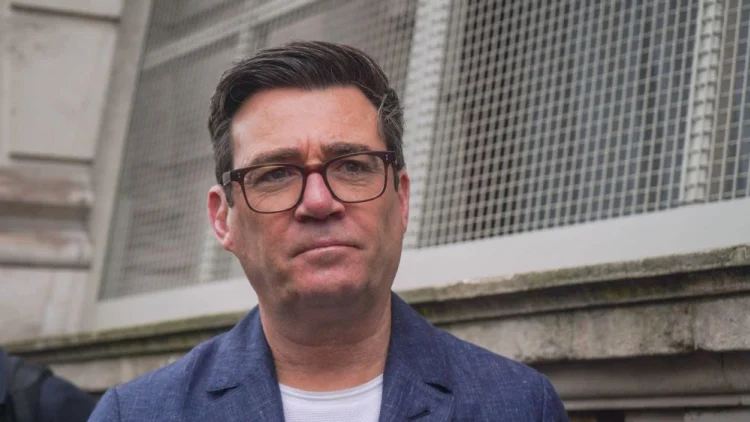
If Labour’s challenge at the next election is building a coalition of progressives big enough to take on Reform, then Andy Burnham’s leadership pitch is a compelling one.
With these local elections putting more pressure on Keir Starmer’s position, one name keeps re-emerging in speculation about who could replace him: Andy Burnham.
Burnham, who lost the Labour leadership contest to Jeremy Corbyn in 2015, has rebuilt his political brand outside Westminster – a rarity in British politics.
Whether as the next Labour leader or a government minister, the Greater Manchester Mayor’s name persists. Despite not being an MP, recent Ipsos polling suggests Labour would be unwise to ignore him.
When Ipsos asked Britons who should lead Labour if Starmer resigned, 17 per cent chose Burnham – more than triple his nearest rival, Angela Rayner (5 per cent). Among 2024 Labour voters, Burnham’s lead widens slightly: 25 per cent back him, compared to 10 per cent for Rayner and 5 per cent for Wes Streeting. It should be noted that a majority of the public doesn’t have a preference. Yet Burnham clearly leads with those who do.
Burnham’s position outside Westminster means that if a leadership contest is imminent, he would be sidelined. Yet the polling makes one thing clear: no other current Labour figure commands his level of support. At least today.
Ipsos’ monthly Political Pulse tracking underscores Burnham’s position. He remains the only politician across the political spectrum to consistently hold a positive net favourability rating.
In April 2026, 30 per cent of Britons viewed Burnham favourably, against 24 per cent unfavourably (+6 net favourability). This follows ratings of +7 in March and +6 in February. Compare Burnham’s ratings to the Prime Minister, Chancellor, and other notable politicians, and his position stands out further.
What sets Burnham apart? Crucially, far fewer Britons currently actively dislike him.
This contrast is stark when comparing Burnham to Labour colleagues who have been touted as possible successors. While 24 per cent of the public are unfavourable towards Burnham, for others that figure is much higher: Rayner (49 per cent), Ed Miliband (47 per cent), Yvette Cooper (40 per cent), Streeting (39 per cent).
This is a key driver behind his positive ratings.
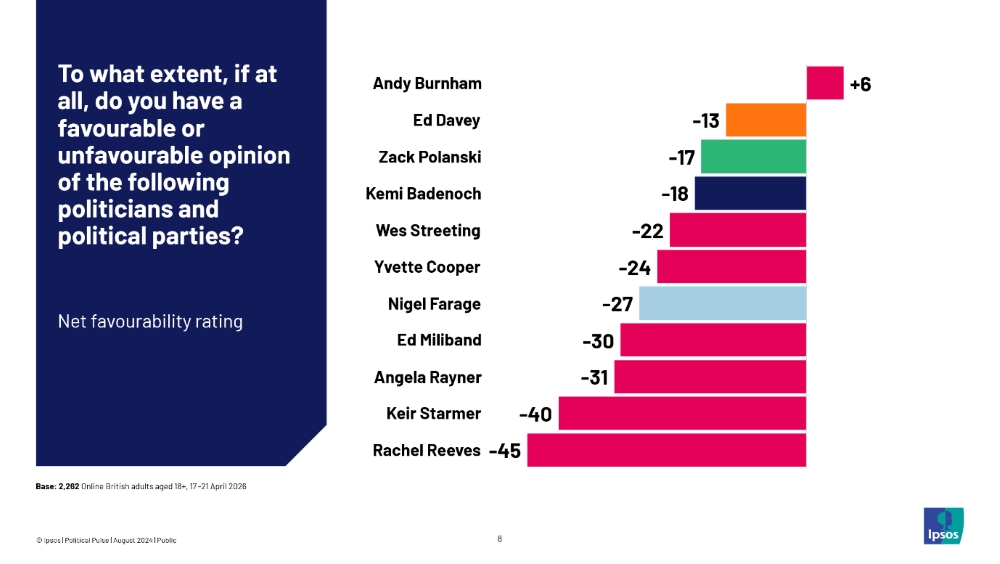
And Burnham’s low unfavourability ratings are not due to a lack of name recognition – the percentage of Britons who have an opinion of Burnham (56 per cent) is comparable to Streeting (56 per cent) and Cooper (54 per cent), and just below Miliband (64 per cent) and Rayner (67 per cent). If any of the other politicians became the next Labour leader, they would be starting from a more negative position. Though, of course, we cannot know how they would perform in office.
Crucially, Burnham can also count on a strong personal brand in the North West. Analysis shows that from February to April, Burnham had an aggregated net favourability rating of +24 in his home region. This compares well with possible leadership rival Rayner (-24), the Labour Party overall (-36), the Prime Minister (-45), Nigel Farage (-24) and Zack Polanski (-12). The North West is not the only important election battleground, of course – but it is an important one.
Any future Labour leader must win over voters currently backing other parties. When Ipsos asked whether various politicians have what it takes to be a good PM, 27 per cent agreed Burnham does (29 per cent disagreed). At a headline level, Burnham’s ratings appear unremarkable, but they are stronger than those of other politicians, including Farage (25 per cent agree, 60 per cent disagree), Rayner (11 per cent agree, 58 per cent disagree) and Streeting (9 per cent agree, 44 per cent disagree).
Significantly, he appears to carry appeal with more progressive voters.
For example, 38 per cent of Green supporters and 45 per cent of Liberal Democrats think Burnham has what it takes to be a good PM. By contrast, just 16 per cent of Greens and 15 per cent of Lib Dems say the same of Rayner, and 7 per cent of Greens and 15 per cent of Lib Dems say the same of Streeting. Persuading progressive voters to support Labour against Reform UK at the next election is a key strategic goal for Labour next time. There is some evidence that Burnham is well placed to do this – at least for now.
A Burnham leadership is not without risks.
As the Gorton and Denton by-election in February highlighted, Labour is not guaranteed to win in former strongholds, and Burnham’s personal brand might not be enough to win a by-election. Furthermore, victory in a by-election could inadvertently make the Greater Manchester Mayoralty vulnerable to Reform or the Greens. The council election results in the northwest of England on Friday morning demonstrate this risk.
Likewise, association with Westminster or this unpopular Labour government could taint Burnham’s ratings once in parliament.
And, obviously, popularity now is no guarantee of success in office should Burnham make it to No 10. Starmer was once the most popular leader of the opposition ever, according to Ipsos polling (June 2020). Theresa May had sky-high approval ratings for her first year in office, only to lose her majority in 2017. Things can change.
But if the next election becomes a case of Labour needing voters elsewhere to coalesce behind them to stop Reform, Burnham will be a compelling choice for Labour MPs, according to our current polling numbers. His rivals face a steeper climb; they must first overcome substantial public scepticism when making their case.
For now, Burnham generates the least hostility and commands the broadest cross-party appeal. His positive ratings in the North West feel significant, too.
The question is not whether Labour should consider bringing him back to Westminster – it’s whether they can afford not to.
Ben Roff is a Senior Research Executive at Ipsos focused on UK politics.

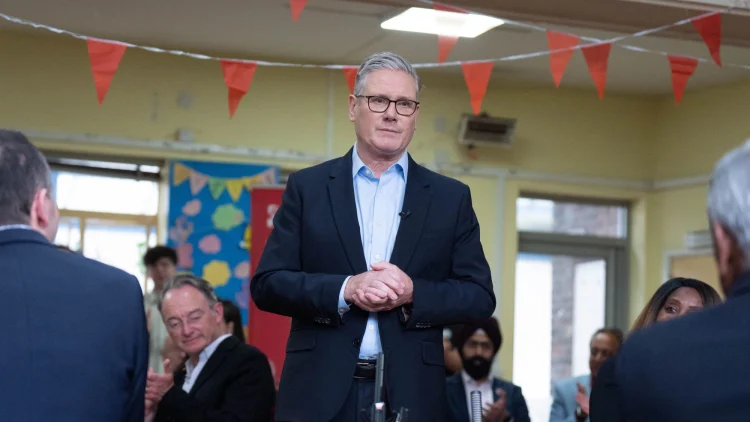
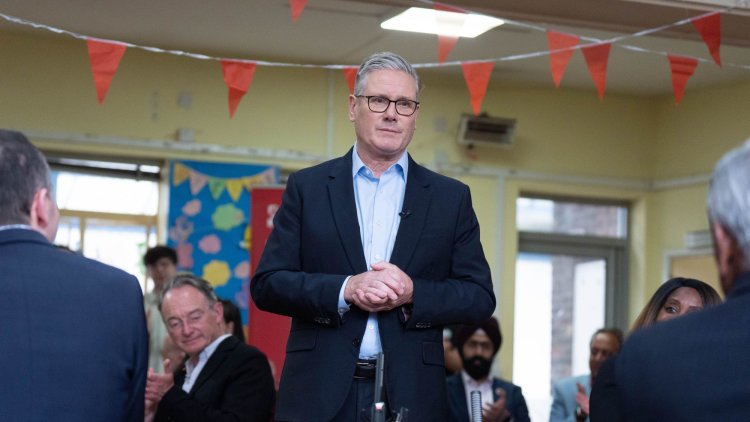
Keir Starmer meets Labour Party members in Ealing, 8 May 2026 (Alamy)
4 min read
For 80 years, the Conservatives and Labour have shared 80 per cent or more of the vote, but – as the results of these elections come in – is the centre-ground dead?
The centre-ground used to be broad and radical. In the early 1990s, the left still leaned towards state control and nationalisation, while the right championed laissez-faire privatisation. New Labour’s adoption of pragmatism over zealotry swept Thatcherism aside. Since then, most British governments have tried to follow that path, but what was once dynamic and fresh now seems tired and stale.
Like populism, the centre ground is not in itself an ideology but a governing method. Whereas populism makes political appeal its primary goal, ahead of economic reality or the practical capability of the state, the centre-ground approach is to seek to reconcile what is politically desirable with what is economically effective and institutionally deliverable. Governing from the centre ground, therefore, requires recognising rather than denying constraints.
Too often, Starmer has articulated constraint but not purpose, sounding managerial not transformational
In 2026, Britain has many constraints: more than at any time since the 1980s. Debt is approaching 100 per cent of GDP. Pension and healthcare costs are rising with an ageing population. Energy shocks and geopolitical instability remain largely outside Britain’s control. The UK is heavily exposed to international investors and bond markets. After Liz Truss, everyone understands how quickly market confidence can disappear.
The problem is not just that these constraints are tough. Following two decades of low growth, institutional strain and political volatility, voters are no longer confident that the system can reliably deliver growth, security, infrastructure and competent public services. “Broken Britain” is not simply an economic diagnosis but a collapse in confidence that government itself can work.
That is what makes this moment so dangerous. The centre-ground approach depends heavily on trust: trust that institutions (from competition regulators to council planning officials) can work, that trade-offs are manageable, and that gradual reform can still improve people’s lives. Once people stop believing that, the centre starts to look less like pragmatism and more like the cowardly maintenance of self-interested stasis. One of the attractions of Nigel Farage and Zack Polanski is that they correctly identify and effectively articulate this collapse in confidence.
The constraints Britain faces are real. They are not readily solved by promising hope or denouncing elites. Any party that moves from effective opposition to effective government will need policies that address the constraints of debt, an ageing society, or geopolitical shocks to energy and inflation. The populist challenge is powerful and has succeeded in these elections because they speak to anger, identity and decline, but significant economic and institutional tests remain.
Even with a large majority, Starmer has not been able to carry out reforms. In failing to do so, he has worsened the perception that the system is broken
It is also clear from the election results that the remedy offered by Keir Starmer’s government in its first two years – a promise of stability and steady progress – has felt to many like stasis and stagnation. Balance and moderation are necessary to govern from the centre ground, but they are not goals in themselves of effective centre-ground governments. Too often, Starmer has articulated constraint but not purpose, sounding managerial not transformational.
Across the West, the central political question in the late 2020s is not really ‘left versus right’ nor even ‘state versus market’. It is whether democratic states still possess enough legitimacy and capability to sustain reform at all. Even with a large majority, Starmer has not been able to carry out reforms. In failing to do so, he has worsened the perception that the system is broken and the state ineffective.
The answer is not abandoning the centre ground but rediscovering its reforming ambition. The SMF, like many think tanks, is not short of ideas for a government that is willing to act. Reforming social care and council tax together can unlock opportunities for change in both. Our ‘Citizens Advance’ would unlock pensions to provide money now to a generation locked out of the property ladder. Introducing social leasing would give low-income families access to electric vehicles and shield them from fuel price volatility. The radical centre-ground ideas are there; what is needed is a government with the courage to act on them.
Starmer has tested to destruction the idea that the centre ground can survive simply as a defence of managed incremental reform and a politics of caution. An effective centre-ground government combines realism about constraints with visible state capability, faster delivery, institutional reform and a stronger sense of national purpose. Tepid managerialism is dead, but a purposeful centre-ground is not.
Reform UK has taken a big step towards government in these elections. Meanwhile, Labour is running out of time to restore public confidence in governing itself.
Theo Bertram is director of the Social Market Foundation

I think it’s safe to say that cardiologist Dr Francesco Lo Monaco, founder of The National Heart Clinic on Harley Street and author of Heart Saviour, has probably had some pretty long days.
So, perhaps it’s not surprising he’s thought a lot about how best to handle them.
“You don’t feel the damage from chronic stress immediately, but over time it can start to show up in your sleep, your blood pressure and eventually the results of medical tests,” he said.
Here, Dr Lo Monaco shared the things he’d never do after a tiring day:
1) Not unwinding properly
Even after a seemingly never-ending day of stress, the cardiologist said it’s important to carve out wind-down time before bed.
″[Stress hormone] cortisol can stay elevated for hours, and [heart rate variability] may remain suppressed. If you don’t take steps to unwind, such as with breathwork or vagal work to calm the body, then you can really feel it the next day,” he said.
“If you stay in a constant state of stress it will inevitably begin to show up in your body over time.”
2) Doing an intense workout
Though blowing off steam with a tough gym session might seem welcome, some experts say you should steer clear of any overly intense workouts within a four-hour window of falling asleep.
Dr Lo Monaco doesn’t like to push himself too hard at the end of a long day, either.
“After a long and stressful day I like to keep it simple with 20 minutes of exercise in Zone 2, which means you can still hold a conversation,” he said.
“Aim for around 55% to 65% of your maximum heart rate. It’s about supporting the system rather than challenging it if you’re already under stress.”
3) Eating too late
Longevity expert Dr Valter Longo recommends we stop eating three hours before our bedtime – and Dr Lo Monaco agrees: “According to some studies, late meals can raise your night-time blood pressure by several mmHg, which means your heart never gets that proper overnight dip.
“Over time this could put extra strain on the cardiovascular system. If you can avoid eating three hours before sleeping, it’s a good idea to do so.”
4) Having an ice bath
If your day’s been very physically strenuous, some professionals think that taking ice baths might be helpful.
But timing matters, said Dr Lo Monaco.
“Cold exposure is great, but it needs to be in the right context. If you’ve had a long and stressful day, then you’re adding in more vasoconstriction, which is the narrowing of blood vessels, to an already constricted system,” he explained.
“I like to instead go for warmth and focus on relaxation.”
5) Sleeping in a “noisy” environment
OK, you might have ensured your room is devoid of loud talking or music, but your environment can still be noisy even if it’s quiet, noted Dr Lo Monaco.
“It’s all about stimulation that we get from chargers, light and constant micro-inputs,” he said.
“If your system is already stressed, then even these small interruptions to your sleep environment matter. In some patients, optimising sleep environments can improve heart rate variability.”
That might mean keeping some devices out of your bedroom.
“I’ve learnt from both my patients and my own routine that long-term damage doesn’t just come from your stressful days, it comes from how consistently you fail to recover from them,” the expert ended.
“Start small by going for a 20-minute walk after lunch and focusing on clear goals that support how you recover from stress.”
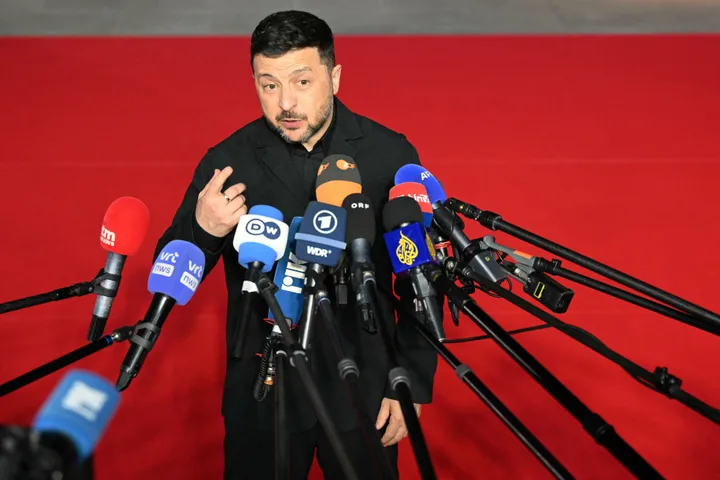
WASHINGTON — A little over a year after President Donald Trump scolded him during a nationally televised Oval Office meeting, insisting he held “no cards,” Ukrainian President Volodymyr Zelenskyy is proving he holds a few after all.
Setbacks for Trump ally and Russian dictator Vladimir Putin and the world’s newfound appreciation for Ukraine’s drone-focused defense industry have given Zelenskyy a remarkable reversal of fortune and a much stronger position than Trump could have predicted 14 months ago.
In Moscow on Saturday, Putin, who expected to take control of Ukraine within days of his 2022 invasion, will instead oversee a Victory Day parade that is drastically scaled down out of fear of Ukrainian long-range drones and missiles. Russian airports were closed in the preceding days and cell service periodically shut off as security measures. Putin himself has cut back on public appearances over fears of assassination attempts or even a coup.
On the same day, 1,000 miles to the southwest, Putin’s biggest defender in Europe, Hungarian autocrat Viktor Orbán, will officially hand over power to a new prime minister, Peter Magyar, whose election last month has already opened the door to more European Union and NATO help for Ukraine.
“Great split screen,” said Fiona Hill, a Russia expert who served in Trump’s first-term National Security Council, of the simultaneous illustrations of Putin’s misfortunes.
Zelenskyy’s Ukraine, meanwhile, has essentially stopped or even reversed Russia’s advance in the eastern Donbas region with an increasingly lethal drone industry. It is striking deep into Russia to hit military and oil infrastructure, cutting defense production deals and further integrating its economy with Western Europe, selling cheap anti-drone interceptors to Gulf states under attack from Iran — all while Zelenskyy travels easily among European and world capitals to build support for Ukraine’s cause.

NICOLAS TUCAT via Getty Images
“Ukraine seems to be getting stronger, and Putin seems to be under increasing economic and demographic pressure, maybe even possible unrest, at home,” said Jim Townsend, a former Pentagon official and now an analyst at the Center for a New American Security. “So it seems Ukraine may be taking on an advantage.”
In a White House meeting barely a month after returning to office, Trump infamously chastised Zelenskyy for having been invaded by Russia three years earlier and for continuing to ask for assistance from the United States. “You’re either going to make a deal, or we’re out, and if we’re out, you’ll fight it out. I don’t think it’s going to be pretty,” Trump told him. “You don’t have the cards.”
Trump, who has long admired Putin, early on called the dictator’s invasion of Ukraine “genius” and “savvy.” If he had hoped to help the accused war criminal by cutting off Ukraine from any further US military aid, though, the opposite appears to have happened. Ukraine instead sought and received even more military help from Western Europe, which sees Russia as a direct threat, while simultaneously stepping up its own domestic production of weapons.
Ukraine’s small battlefield drones have effectively created a stalemate at the front lines in the eastern part of the country, with Russian advances coming only at great cost. Zelenskyy estimated Tuesday that Russia had seen 35,000 of its soldiers killed or wounded last month, exceeding its ability to replace them. Ukraine’s long-range drones and new “Flamingo” cruise missiles, meanwhile, have been striking Russian military factories, oil loading ports and refineries — attacks that Zelenskyy describes as “sanctions” Ukraine is now unilaterally imposing against Putin.
Trump wooed Putin to a “summit” in Alaska last summer, claiming he would emerge with a ceasefire, but instead got nothing. Since then, he has taken to “both-sidesing” the conflict, never acknowledging that Putin’s invasion started it, and has repeatedly said he cannot understand why Putin and Zelenskyy do not get along.
Despite this, Putin still sees Trump as the best means of forcing Ukraine to cede territory so he can end the war on Russian terms, said Tatiana Stanvaya, a Moscow native and a Russia analyst at the Carnegie Russia Eurasia Center in Berlin. Putin appears to be biding his time, she said, as Trump continues his war against Iran, with the hopes he will eventually turn his attention back to Ukraine.
“Putin needs a deal, but on his conditions,” she said, adding that she does not believe that Ukraine’s longer-range attacks will make Putin reconsider the war. “I don’t think it will make him change his mind… It’s a big question who can stand longer: Zelenskyy or Putin.”
But if Putin is counting on Trump to reengage on the Ukraine war, he is miscalculating, said John Bolton, one of Trump’s first-term national security advisers. “I think Trump just wants to stay away from Ukraine. He sees the whole issue as a loser for himself,” he said.
Trump’s White House did not respond to HuffPost queries.
Russia has held its traditional, full-on May 9 Victory Day parade, marking the World War II defeat of Nazi Germany, in Moscow each of the last four years since Putin’s February 2022 invasion. This year, though, with Ukraine possessing the ability to hit targets even beyond Russia’s capital, Putin has downsized it. The parade will not feature heavy military hardware like tanks or missiles and will have fewer troops.
“They fear drones may buzz over Red Square,” Zelenskyy, a former professional comedian, said Monday at a conference of European leaders in Armenia. “This is telling. It shows they are not strong now.”
“I think Trump just wants to stay away from Ukraine. He sees the whole issue as a loser for himself.”
– John Bolton, first-term national security adviser for Trump
Putin even proposed a two-day ceasefire covering May 9. Zelenskyy countered with a ceasefire starting at midnight on May 5, with an offer to keep the fighting stopped for as long as Russia abided by it as a precursor to a permanent peace agreement. Putin responded to the offer with a wave of even deadlier missile and drone attacks against Ukrainian civilian targets than normal, including a strike on a kindergarten in Sumy. A total of 27 Ukrainians were killed.
“It is obvious to any reasonable person that a full-scale war and the daily murdering of people are a bad time for public ‘celebrations,’” Zelenskyy wrote in a social media post Wednesday. “As of today, we can confirm that the Russian side has disrupted the ceasefire regime. Based on the evening reports from our military and intelligence, we will decide on our further actions.”
That Putin felt the need to beg Ukraine not to attack his parade has led some European governments to wonder if there is even less to Russia’s military might than has been assumed of late. “This is a pretty clear message that he’s weaker than most of the world is thinking he is,” Estonian Foreign Minister Margus Tsahkna told CNN on Wednesday.
As for Orbán, after years of serving as Putin’s most reliable defender in the European Union and NATO, the Christian nationalist leader is stepping down after last month’s walloping by voters enraged that his cronyism and corruption had materially made their own lives more expensive and difficult. He is leaving the Hungarian parliament altogether and reportedly planning to travel to the United States.
His successor, Peter Magyar, has vowed to hold investigations into the misuse of public money during Orbán’s years. He has already opened dialogue with Zelenskyy and allowed a $106 billion loan from the EU that had been blocked by Orbán to proceed.
Townsend, who also worked at the US office at NATO, said Zelenskyy’s work to broaden his support and Europe’s efforts to build up their own defenses mean that Trump has less leverage over Ukraine than ever.
“If Trump abandons Ukraine, there would not be as big a blow as in years past. Europe is swinging heavily in support of Ukraine. They finally get the existential threat to Europe if Ukraine can’t hold the Russians back,” he said. “The United States doesn’t provide much assistance anyway and Ukraine manufactures more and more of its own equipment and has industrial partners in Europe to help. The only thing lost is the US diplomatic effort, which is pro-Russia anyway and is coercive against Ukraine’s interests.”
Subscribe to Commons People, the podcast that makes politics easy. Every week, Kevin Schofield and Kate Nicholson unpack the week’s biggest stories to keep you informed. Join us for straightforward analysis of what’s going on at Westminster.
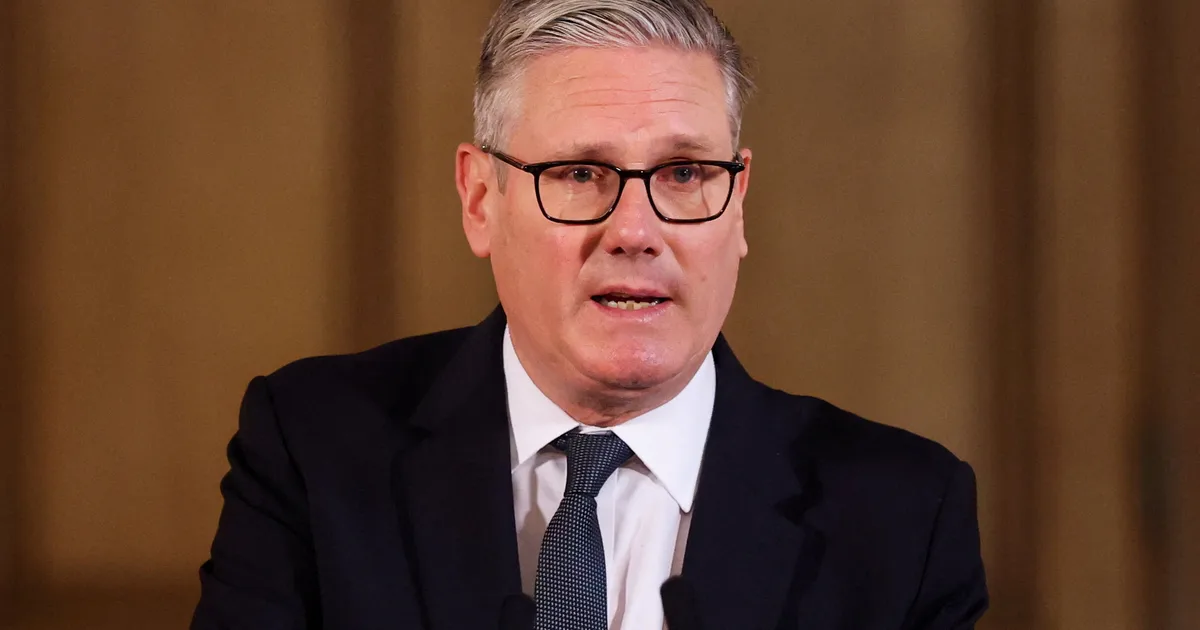
Labour MPs have started to come out and call for Keir Starmer to resign in the wake of the party’s terrible local election results.
The party is on track to lose around 1,200 councillors across England while Reform UK enjoy a surge in support.
Labour is expected to face further defeats in the devolved parliaments of Wales and Scotland, too.
The prime minister has already taken responsibility for the catastrophic outcome, telling the media: “These are tough results but tough days like this, they don’t weaken my resolve to deliver the change that I promised at the general election, they strengthen my resolve to do so.”
However, Labour MPs have started to publicly urge the prime minister to step aside.
Jon Trickett, MP for Normanton and Hemsworth, told the BBC: “Many, many Labour voters that I represent I guess in the north of England and elsewhere that the direction the government taken has not delivered the change that they thought they voted for.
“They’re angry, they’re upset, they feel let down, they’ve sent us a clear message: The party, the leadership, must change with immediate effect if we want to recover.”
Asked if that means Starmer should quit, he said: “What I would say about the prime minister is he has been a problem for us.”
The veteran MP said all party leaders come in for criticism but the “strongest I’ve ever known” has come in for Starmer.
Trickett said: “It’s hard to know what caused it but I think the initial decision to take money off the pensioners – winter fuel allowance – he was never forgiven for it, or Rachel Reeves.”
He claimed: “The message from my constituency is that it’s curtains for Keir.”
He also acknowledged that it’s a “political earthquake” in his region as Reform take votes from Labour, despite West Yorkshire typically being a Labour stronghold.
“I’ve seen many protests over the years and this is a dramatic moment,” he said.
Trickett has been an MP since 1996 and served as the parliamentary private secretary to Gordon Brown when he was prime minister.
Known to be on the left of Labour, he sat in the shadow cabinet under Jeremy Corbyn, too.
Trickett’s words come after Labour MP Jonathan Brash, whose wife was among the party’s councillors to lose her seat on Hartlepool Council, also said it was time for a new party leader.
He said: “The reality is that we need change at the top of the Labour Party. I think the very best thing the prime minister could do now is to address the nation tomorrow to set out a timetable for his departure.
“We can then have an orderly transition, one that ensures that the full breadth of talent of the Labour Party is able to stand should it want to.”
Subscribe to Commons People, the podcast that makes politics easy. Every week, Kevin Schofield and Kate Nicholson unpack the week’s biggest stories to keep you informed. Join us for straightforward analysis of what’s going on at Westminster.
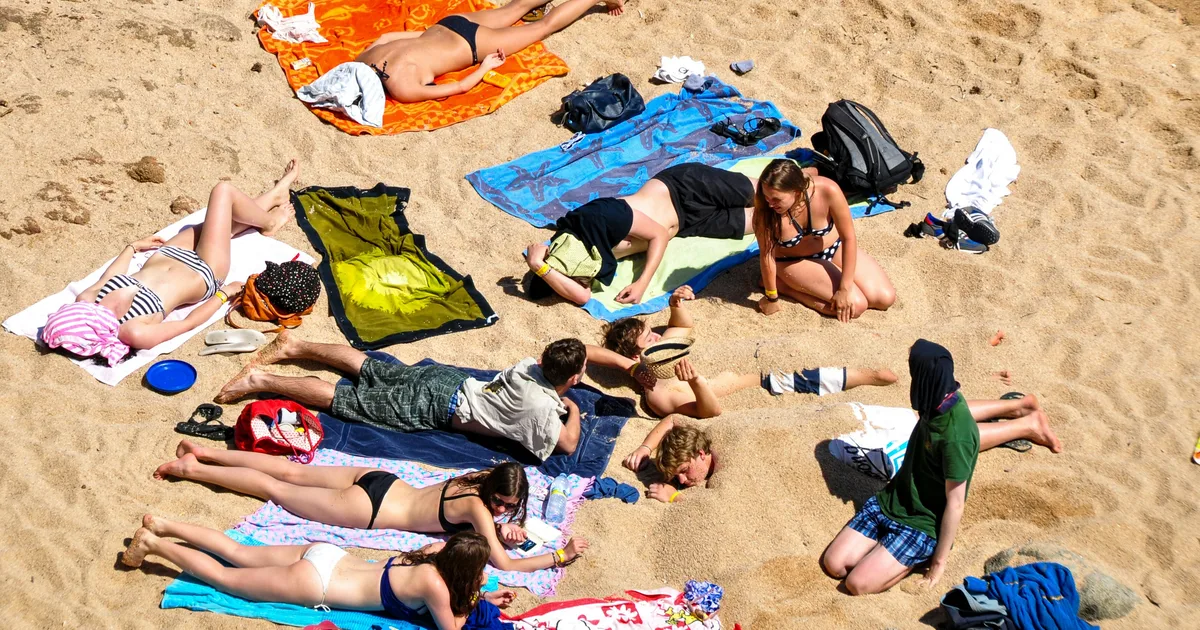
With warmer weather on the horizon, a lot of us are turning our minds to sunnier destinations – and what better way to beat the end of year blues than booking a group holiday for 2025?
However, while group trips are a great way to explore a new destination and make lifelong memories, issues can arise thanks to the many different personalities and preferences at play.
And, of course, there is the issue of getting the holiday booked in the first place – we all know the struggle of trying to get a trip arranged.
To help make group travel a more enjoyable experience, HuffPost UK asked travel experts at Club Med to share some common mistakes that people make on these types of trips – and how to actually get the holiday out of the group chat and into our calendars.
Set a date sooner rather than later
Locking in a date early is crucial to ensure that everyone can attend, it also often means you get better deals and more choice of availability. Coordinating schedules with the group and agreeing on a time that works for all, sooner rather than later, helps avoid date clashes and last-minute dropouts.
Agree on a budget
This is truly the one conversation you need to have before hitting the ‘book’ button. While money can be a tricky subject in group trips, it’s essential to agree on a budget upfront.
Making sure everyone is comfortable with the costs will help to avoid awkward situations later and setting a clear budget ensures the trip is affordable for everyone involved.
According to Nicolas Bresch, Managing Director at Club Med UK, Ireland and Nordics, all-inclusive holiday packages could be the answer to your budgeting woes: “All-inclusive packages are a great option for group holidays because they simplify planning and help avoid unexpected costs, which helps to avoid any awkward conversations about money, such as how to split the bill. With everything from meals to activities included, you can focus on enjoying the trip rather than managing the logistics.”
Narrow down destinations
Instead of endless back-and-forth discussions, present 3-5 destination options that fit both the group’s preferences and budget. Voting on the final choice allows the group will help to stay focused and keep the momentum going for booking your holiday.
Be flexible
Not everyone will agree on every detail, so flexibility is key. Being open to compromises on activities or even the destination ensures that the trip works for the whole group, minimising potential conflicts.
Book flights and accommodation as early as possible
Flights and group accommodations can sell out quickly, especially during peak travel seasons like summer. Some providers can package up flights, making the process easier and potentially cheaper. Once the dates and destination are locked in, booking as soon as possible will help to avoid disappointment or inflated prices.
Create a shared calendar
Keeping everyone organised is essential. Setting up a shared calendar with all key dates, flight details, and planned activities means everyone stays on the same page and no one misses important deadlines or events.

Turns out my spice drawer is brimming with surprising facts. For instance, mass-produced paprika is often (though not exclusively) made from bell peppers.
Meanwhile, delicious allspice, which I’d always assumed was a mixture of star anise, nutmeg, and cloves, is actually made from one species of berry. Even chilli powder is rarely made from 100% dried and ground chilli peppers.
But I never expected a similar mystery to unfold for my beloved garlic, which I figured was all more or less the same.
Not so, experts say. Apparently, purple and white garlic have completely different flavours – yep, that slight lilac blush at the base of your bulb still counts.
Why does purple garlic taste different to white garlic?
According to Tasting Table, purple garlic is a “hardneck” species of the aromatic.
Its colour, which only affects the papery layer affecting its cloves, comes about thanks to a natural antioxidant called anthocyanin.
This is triggered when growing hardneck garlic varieties experience cold weather.
White garlic, meanwhile, is a “softneck” variety.
“Hardneck” species have a woody stem growing through the centre of the bulb, Allrecipes explains.
The cloves of “hardneck” garlic, like purple garlic, all tend to be the same size because they all grew around the same centre. These larger cloves tend to be “juicier.”
“Softneck” varieties, like white garlic, have softer stems that do not go all the way through the bulb.
That means the cloves all have different sizes as the smaller ones huddle inside the larger outer groups.
“Hardneck” or, in this case, purple garlic usually has a milder, sweeter flavour.
Is white or purple garlic better for cooking?
To be honest, Tasting Table admits, most of the time they’re interchangeable.
But if you’re roasting garlic, whether on its own or with meat like chicken, sweeter purple varieties might be best.
It is also favoured for Mediterranean cuisine and goes brilliantly in infused butters and oils; its less pungent nature makes purple garlic better-suited to being eaten raw, too.
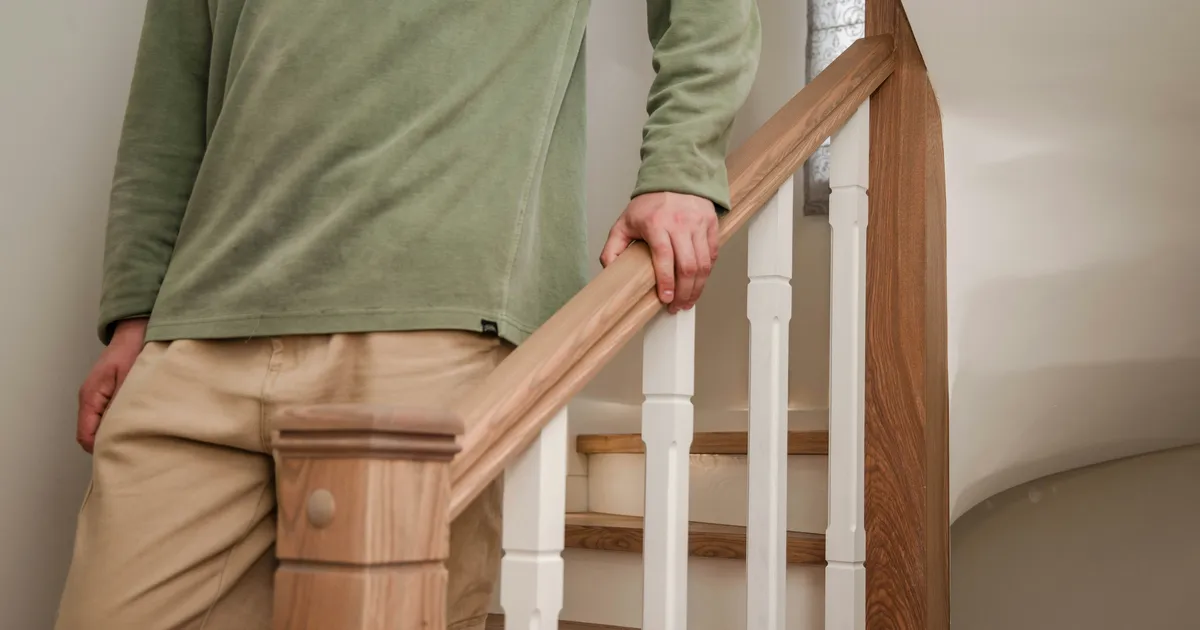
Right now, about 900,000 people in the UK are living with dementia. And with our population living longer than ever, cases ― which increase as patients get older ― show no sign of stopping.
So, it’s a good idea to keep track of signs that you, or a loved one, could have the condition. And recently, Alzheimer Scotland shared a list of lesser-known symptoms of dementia.
“People often assume that memory loss and dementia are one and the same, but there are other key symptoms and signs to look out for. Every person with dementia is different. How their illness affects them depends on which areas of their brain are most damaged,” they revealed.
The first one involved how a person walks. “Dementia can cause problems with how we move about in our surrounding area,” they shared.
“Things like slips, trips and falls might become more common,” they added ― and “You might start to notice that a person is shuffling as [opposed] to lifting their legs when they are walking.”
That process can make walking up and down the stairs more difficult.
Here are some other lesser-known early signs of dementia that Alzheimer Scotland shared:
If you think your or a loved one might have the condition, the NHS advises you see a GP as soon as possible.
“You may like to suggest you go with your friend or relative to see a GP so you can support them. You’ll also be able to help them recall what has been discussed,” they say.
Bringing up the topic with a loved one can be hard, they say, so be sure you approach the topic gently, in a situation they’re familiar with, and without rushing.
“A diagnosis of dementia can also help people with these symptoms, and their families and friends, make plans so they’re prepared for the future,” they add.
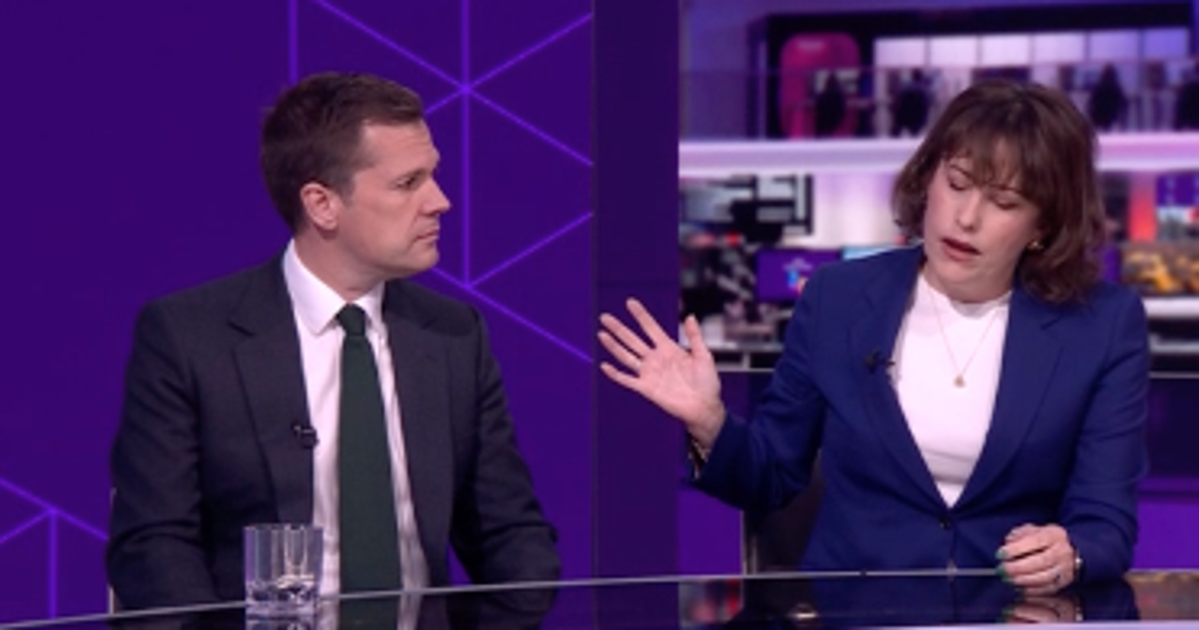
Robert Jenrick had a very tense reunion with one of his onetime Conservative colleagues on live TV on Friday as they argued over his painful defection to Reform.
Jenrick, who is now Reform’s Treasury spokesperson, was celebrating his party’s success on the BBC after it won more than 400 seats in the local elections in England.
But he was sat next to Victoria Atkins, the Conservatives’ shadow environment secretary – and she quickly got personal.
“Robert and I haven’t actually spoken to each other since I supported his leadership [bid to take over the Tories],” the MP for Louth and Horncastle said.
“So I’m surprised he’s so quick to can all of the work he did in the government when he was immigration minister, but also the work that we were trying to do since the general election in order to rebuild.”
She pointed out that Jenrick was also “part of the team that made those mistakes” when the Conservatives were in government.
He hit back that the public’s “trust is completely and utterly gone” for the Tories.
“People do not want a return of the Conservative party. It is a dead party,” the MP for Newark claimed, pointing to their decline in local authorities across England.
Atkins hit back: “Rob has not spoken to me since he left the Conservative Party in the way that he did. And I considered us to be very good friends.
“It’s been a great personal loss to me, as well as a professional one. The reason I raise this is because Rob is the economic spokesperson for Reform.
“And I think how one conducts themselves is important. I think that this is a message that will continue until the general election. If people are asking voters for trust, then it has to be genuine.”
Jenrick was sacked as shadow justice secretary by Kemi Badenoch after she got wind of his plan to defect to Reform back in January.
Asked for his response to Atkins’ comment about trust, he just said: “I don’t personalise things!”
The BBC’s Nicholas Watts pointed out that Atkins had campaigned for Jenrick’s by-election bid in 2014, and for his leadership bid in 2024.
He then sat in the shadow cabinet for months under Badenoch – while plotting to join their main right-wing rivals.
Atkins also suggested that Jenrick’s criticisms of the last Conservative government do not land because he had a prominent role as immigration minister – at a time when migration numbers were going up.
“You were a cabinet minister who signed of the immigration policies of Boris Johnson,” Atkins said.
Lib Dem deputy leader Daisy Cooper, who was also sat on the panel, then chimed in.
She said: “I feel like I’m sitting in on a marriage counselling session of the right-wing of British politics, it’s very peculiar to watch and listen to, quite frankly.”
Subscribe to Commons People, the podcast that makes politics easy. Every week, Kevin Schofield and Kate Nicholson unpack the week’s biggest stories to keep you informed. Join us for straightforward analysis of what’s going on at Westminster.

As the debate around phone etiquette at gigs rages on, Billie Eilish has admitted she thinks people need to relax on the subject.
During a new interview with NME, the chart-topping US star was asked what she made of scenes in her new concert depicting a sea of mobile phones in the crowd.
“I just think that’s what it’s like,” the Bad Guy singer responded, when “asked if her fans get a bad rap” over their penchant for recording so much on their phones at her gigs.
She continued: “My generation, and the generations below, we love to film stuff. All I do is film and take pictures of stuff – all of the time.
“When I was young and would go to concerts or festivals, I would film every single minute of it – and then I would watch every single video that I took over and over until I even had the audio of the crowd memorised. I think that’s not to be pooh-poohed.”
Billie added: “An important part of the culture is that we are all on our goddamn phones! It keeps us connected. It does!”

Tom Nicholson/Shutterstock
Not all of Billie’s music industry peers agree with her on this matter, though.
Last year, Sabrina Carpenter admitted that she’d “never had a better experience at a concert” than a Silk Sonic gig she’d attended, where guests had to lock away their phones.
Conceding that it may “piss off” her fans, Sabrina said she’d “absolutely” consider implementing a similar policy at her own shows.
“I’ve grown up in the age of people having iPhones at shows. It unfortunately feels super normal to me,” she told Rolling Stone, but agreed with Billie that she “can’t blame people for wanting to have memories”.
On Madonna’s 2019 theatre tour, guests were required to conceal their phones in locked pouches that could only be opened if they left the arena.
“If you cannot experience Madame X theatre without the use of a recording device – then this show is not for you,” she claimed at the time (though it’s perhaps worth noting that the Like A Prayer has repeatedly been called out for her own phone use in the past, including once during a screening of 12 Years A Slave and another instance while watching Hamilton on Broadway).
Jack White, Bob Dylan and Alicia Keys are among the other artists who have introduced rules about phone use at their shows in recent history.
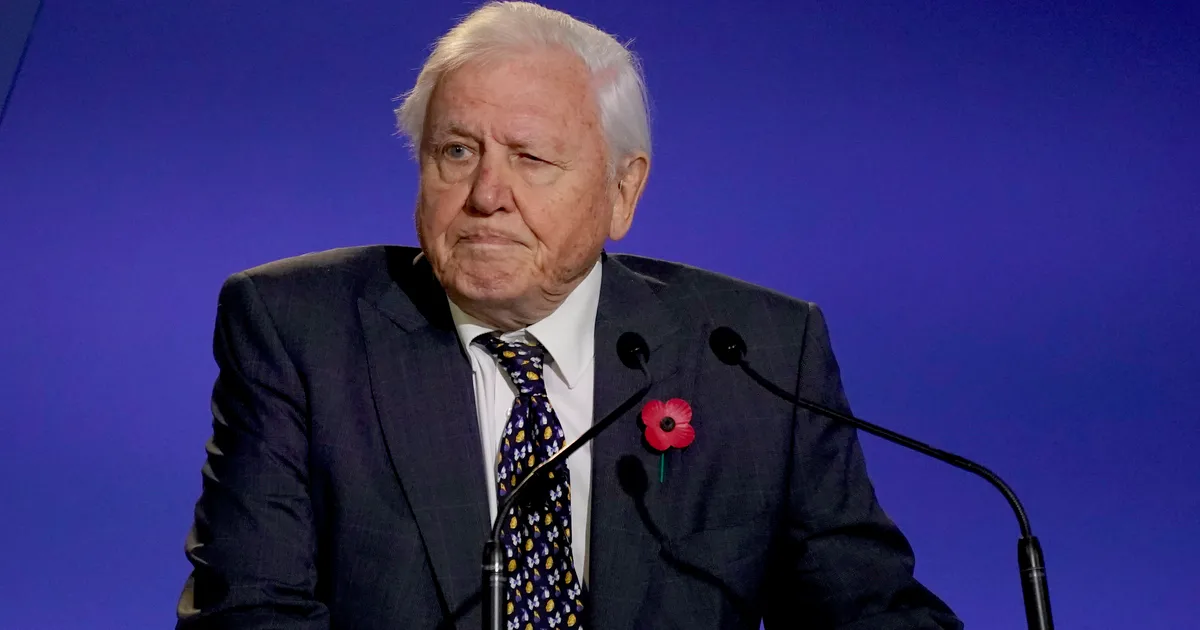
As adults we often think we know it all, but Sir David Attenborough wants us to take a step back and notice what we can learn from our children, too.
The 97-year-old will return to TV screens this Sunday with a new series of Planet Earth.
Instead of its previous time slot of 8pm, the naturalist said the show will air at 6.15pm to give children a chance to tune in.
Discussing why this is important, he said: “The reality is that there are worlds outside the playground and outside human society. There is another world out there which operates under a whole different set of rules and at a different pace.”
The broadcaster added that children have an “instinctive understanding” about the way the world operates – and gave the example of a five- or six-year-old watching how insects behave, or how bees collect pollen.
It’s something we could all learn from. Kids pay great attention to certain things and the 97-year-old called on parents to “give children that opportunity to find those particular moments in which they understand the natural world”.
The father-of-two continued: “By and large, children are better at understanding the natural world and as adults we should be making more opportunities for them to do that.”
The new eight-part series will follow some of the world’s most amazing species and aims to “look at the world through a new lens”.

Apple could bring hologram-like visuals to the iPhone

OHH MYYY GODDD XRP WORLD TAKE OVER ANNOUNCED?!?!

Summer strawberry and elderflower cake recipe

Manchester United reach agreement with Casemiro over contract clause amid transfer speculation

US brings back mandatory military draft registration

Steven Gerrard disagrees with Gary Neville over ‘shock’ Chelsea and Arsenal claim | Football


-

 NewsBeat5 days ago
Channel 5 – All Creatures Great and Small series 7 new post
-

 Crypto World1 day ago
Upbit adds B3 Korean won pair as Base token gains Korea access
-
 Crypto World4 hours ago
HarrisX Poll Found 52% of Registered Voters Support the CLARITY Act
-
 NewsBeat1 day ago
NCP car park operator enters administration putting 340 UK sites at risk of closure
-
 Tech7 days ago
Trump’s 25% EU auto tariff breaches Turnberry Agreement that also covers semiconductors and digital trade
-
 Sports7 days ago
Paul Scholes issues Marcus Rashford reality check as agreement emerges over Man United star
-

 Tech4 days ago
Image AI models now drive app growth, beating chatbot upgrades
-

 Entertainment7 days ago
Met Gala 2026 Rumored Guest List Is Turning Heads
-
Entertainment7 days ago
New on Prime Video in May 2026 — Full List of Movies and Shows
-

 Entertainment7 days ago
Kylie Jenner Hit With Second Lawsuit From Ex-Housekeeper
-

 Sports7 days ago
Cavaliers vs. Raptors Game 6 live score, updates, highlights from 2026 NBA playoffs first-round series
-

 Entertainment5 days ago
Melissa Joan Hart and More Stars Attend 2026 Kentucky Derby
-
 Sports7 days ago
David Benavidez responds to team Canelo saying the fight will never happen
-
Entertainment6 days ago
New Netflix Movies in May 2026 — My Top 3 Picks to Stream
-
 Sports7 days ago
IPL 2026: ‘Love you darling’- Hardik Pandya’s reaction to MS Dhoni steals the show |Watch | Cricket News
-

 Entertainment7 days ago
Young and the Restless Next Week: Cane Arrested & Matt’s Deadly New Scheme!
-

 Tech7 days ago
Mother’s Day 2026 Gift Guide: Audio to Upgrade Mom’s Lifestyle
-
 Crypto World6 days ago
Pi Network Mandates Protocol 23 Upgrade for All Mainnet Nodes Before May 15 Deadline
-

 Business5 days ago
Luka Doncic Injury Update: Doncic’s Hamstring Recovery Slows Lakers’ Hopes Against Thunder: Can He Run Yet?
-

 Business7 days ago
Can Victor Wembanyama Bring the NBA Ring to Spurs in 2026? Historic Playoff Run Fuels Title Dreams
You must be logged in to post a comment Login