

Business
Simple Home Modifications to Drastically Reduce Fall Risks for Seniors


According to the CDC’s 2024 mortality data, falls are the leading cause of injury-related death among adults aged 65 and older, claiming over 38,000 lives annually.
Yet for every fatal fall, dozens more result in serious injuries that fundamentally alter a senior’s independence and quality of life. What makes these statistics particularly sobering is that most falls happen not on icy sidewalks or poorly maintained public spaces, but in the familiar confines of home — places where seniors should feel safest.
The demographics driving this crisis are impossible to ignore. By 2030, the U.S. Census Bureau projects that all baby boomers will be 65 or older, creating an unprecedented population of seniors aging in place. As families increasingly choose home-based care over institutional settings, the responsibility for creating safe living environments has shifted from professional facilities to everyday households. The challenge isn’t just about individual safety — it’s about enabling millions of older adults to maintain their independence while reducing the $50 billion annual healthcare burden that fall-related injuries create.
The encouraging reality is that most home-related falls stem from predictable, modifiable risk factors. Unlike age-related changes in vision or balance that develop gradually, environmental hazards can be addressed immediately with targeted interventions. Understanding which modifications deliver the greatest impact — and how they work together with physical health strategies — can transform a home from a collection of hidden dangers into a foundation for confident, independent living.
What Common Fall Risks Do Seniors Face at Home
The mechanics behind most home falls reveal a complex interaction between environmental hazards and age-related physiological changes that many families don’t fully grasp until after an incident occurs. While popular wisdom focuses on obvious culprits like loose rugs or poor lighting, the reality involves subtler factors that compound over time to create dangerous situations.
Environmental hazards represent the most immediate and controllable risk category. Beyond the classic tripping hazards — throw rugs, electrical cords, and cluttered walkways — less obvious dangers include inconsistent floor surfaces, inadequate lighting transitions between rooms, and furniture arrangements that require awkward navigation. The National Institute on Aging’s 2023 home safety research identifies threshold strips between rooms, bathroom surfaces when wet, and stairs without proper railings as the three most common fall locations. What surprises many caregivers is that familiarity with the home environment can actually increase risk, as seniors develop movement patterns based on muscle memory that may not adapt quickly when physical capabilities change.
Physical factors create the underlying vulnerability that transforms minor environmental challenges into serious hazards. Age-related changes in balance, coordination, and reaction time mean that situations a younger person might navigate easily become problematic. Vision changes — particularly difficulty with depth perception and adaptation to lighting changes — significantly impact a senior’s ability to identify and respond to environmental hazards. Medications commonly prescribed for conditions like high blood pressure, diabetes, and depression can cause dizziness, drowsiness, or orthostatic hypotension, where blood pressure drops suddenly when standing.
Behavioral risks often develop as adaptive strategies that inadvertently increase fall probability. Many seniors begin avoiding certain areas of their homes or modifying their movement patterns in ways that seem safer but actually create new hazards. Rushing to answer the phone, reaching for items stored in high places, or attempting to maintain independence by avoiding assistive devices can turn routine activities into dangerous situations. The intersection of these factors — a senior with medication-induced dizziness navigating a dimly lit hallway to answer a phone call — illustrates how seemingly minor risks compound exponentially.
Understanding this multifactorial nature is crucial because effective fall prevention requires addressing multiple risk categories simultaneously rather than focusing on any single intervention.
Which Home Modifications Most Effectively Reduce Fall Hazards
The evidence on home modifications reveals that the most effective interventions target the intersection points where environmental hazards meet common senior movement patterns. Rather than attempting to eliminate every possible risk, successful fall prevention focuses on the modifications that address the highest-probability scenarios while preserving independence and normal household function.
How Can Flooring and Lighting Be Improved for Safety
Flooring interventions require balancing safety with practicality, as many traditional recommendations prove difficult to implement in real-world settings. The most effective approach involves securing existing surfaces rather than complete replacement. Professional-grade double-sided carpet tape can eliminate the movement in area rugs that creates tripping hazards, while textured adhesive strips applied to smooth surfaces provide traction without requiring major renovation. For homes with mixed flooring types, the priority becomes eliminating height variations at transition points — even quarter-inch differences in floor levels create significant trip risks for seniors with reduced foot clearance.
Strategic lighting improvements deliver disproportionate safety benefits relative to their cost and complexity. The key insight from occupational therapy research is that seniors need consistent illumination levels throughout their movement paths, not just bright lights in individual rooms. Installing motion-activated LED strips along hallway baseboards creates continuous pathway lighting that activates before seniors need to search for wall switches. In bathrooms and kitchens — the two highest-risk areas for falls — under-cabinet lighting and motion-sensor ceiling fixtures eliminate the dangerous transition period when someone enters a dark space and fumbles for controls.
The lighting modification that families consistently underestimate is nighttime navigation lighting. Battery-powered motion sensors placed at bedroom exits and bathroom entrances provide enough illumination for safe movement without the harsh brightness that can interfere with sleep patterns.
What Role Do Grab Bars and Clutter Management Play
Grab bar installation represents one of the few modifications where professional installation often proves cost-effective in the long term. The Americans with Disabilities Act guidelines specify grab bars must support 250 pounds of force, which requires proper mounting into wall studs rather than drywall anchors. The most critical locations include inside shower stalls, next to toilets, and along any stairs seniors use regularly. What many families miss is that grab bar placement matters as much as installation quality — bars positioned for pulling rather than pushing, and placed at heights that accommodate the senior’s actual reach and grip strength rather than standard measurements.
Systematic clutter management requires ongoing attention but delivers immediate risk reduction. The most effective approach involves creating designated pathways throughout the home that remain consistently clear, rather than attempting to eliminate all clutter. These pathways should be wide enough for comfortable movement with assistive devices and should connect the most frequently used areas — bedroom to bathroom, bedroom to kitchen, and seating areas to exits. For families managing the belongings of seniors who have accumulated possessions over decades, focusing pathway clearance first allows for gradual decluttering without overwhelming anyone involved in the process.
Emergency situations often reveal the importance of these modifications. When seniors face health crises that affect their balance or mobility, properly installed grab bars and clear pathways can mean the difference between safely navigating the home during recovery and requiring immediate placement in assisted care facilities.
How Does Physical Health Impact Fall Prevention in Seniors
Physical conditioning creates the foundation that allows environmental modifications to be truly effective — without adequate strength and balance, even the safest home environment cannot fully prevent falls. The relationship between physical capabilities and fall risk operates on multiple levels, from the obvious connection between leg strength and stability to subtler factors like reaction time and proprioception.
Balance training specifically addresses the vestibular and proprioceptive changes that make seniors vulnerable to falls even in familiar environments. Simple exercises like standing on one foot while holding a countertop, heel-to-toe walking along a hallway, or weight shifts while standing can significantly improve stability within weeks. The research from the Journal of the American Geriatrics Society shows that seniors who participate in structured balance training programs reduce their fall risk by approximately 24%. What makes these exercises particularly valuable is that they can be integrated into daily routines — balance practice during morning hygiene routines, weight shifting while preparing meals, or proprioceptive challenges while watching television.
Strength exercises targeting the lower body and core provide the muscular foundation for safe movement throughout the home. Chair-based exercises that focus on sit-to-stand movements, calf raises while holding kitchen counters, and wall push-ups can maintain or rebuild the functional strength needed for navigating stairs, getting out of bed safely, and recovering from minor balance disturbances. The key insight from physical therapy research is that functional strength — the ability to perform specific movement patterns — matters more than overall muscle mass.
Medication management represents a critical but often overlooked component of fall prevention. Many seniors take multiple medications that can interact to increase fall risk through dizziness, confusion, or blood pressure changes. When someone experiences an unexpected fall, particularly after successful navigation of their home environment for months or years, medication review should be among the first considerations. Working with pharmacists to understand timing of medications, potential interactions, and strategies for managing side effects can be as important as any physical modification to the home environment.
The integration of physical health strategies with home modifications creates a comprehensive approach where environmental supports compensate for physical limitations while exercise interventions work to maintain and improve functional capabilities.
What Technology and Tools Support Fall Prevention at Home
Modern fall prevention technology has evolved beyond basic alert systems to include sophisticated monitoring and intervention tools that can seamlessly integrate into a senior’s daily routine. The most effective technological solutions address multiple risk factors simultaneously while preserving the autonomy that makes aging in place attractive.
Emergency response systems have advanced significantly from the traditional “I’ve fallen and can’t get up” pendants. Current-generation devices include automatic fall detection using accelerometers and gyroscopes, GPS location tracking for outdoor incidents, and two-way communication that doesn’t require the user to press a button. Some systems now integrate with smart home platforms to automatically unlock doors for emergency responders and provide medical information to first responders. The critical consideration for families is choosing systems that balance comprehensive monitoring with user acceptance — devices that are comfortable, reliable, and don’t create anxiety about constant surveillance.
Smart lighting solutions represent one of the most practical technological interventions available. Motion-activated LED systems can be programmed to provide graduated lighting that prevents the jarring transition from darkness to bright light that can temporarily impair vision. Some systems include pathway lighting that activates sequentially — bedroom to hallway to bathroom — creating a lighted trail that guides movement safely. Voice-activated lighting controls eliminate the need to navigate in darkness searching for switches, while smartphone integration allows family members to remotely adjust lighting schedules based on the senior’s routines.
Monitoring and alert technologies now include sophisticated options for family members who live at a distance. Smart sensors placed on doors, refrigerators, and medication containers can provide daily activity confirmation without intrusive cameras. Some systems detect deviation from normal routines — like failure to open the refrigerator by a certain time or absence of movement in key areas of the home — and send gentle check-in alerts before escalating to emergency contacts. For individuals recovering from injuries or managing chronic conditions that increase fall risk, these systems provide peace of mind while maintaining independence.
The key to successful technology integration lies in selecting tools that enhance rather than complicate daily routines. The most effective solutions work invisibly in the background, providing safety benefits without requiring seniors to master complex new interfaces or remember additional daily tasks.
What Best Practices Can Caregivers Use to Support Fall Prevention
Effective caregiver support for fall prevention requires a systematic approach that balances safety improvements with respect for autonomy. The most successful interventions involve ongoing assessment, collaborative planning, and gradual implementation strategies that avoid overwhelming seniors with dramatic changes to their living environment.
Assessment techniques should begin with understanding the senior’s daily movement patterns and identifying the specific scenarios where falls are most likely to occur. Rather than conducting a single comprehensive safety evaluation, effective caregivers observe how their loved one navigates the home during different times of day, in various lighting conditions, and when managing different daily activities. This observational approach reveals risks that might not be apparent during formal assessments — like the difficulty reaching items in specific cabinets, challenges with particular doorway thresholds, or problems with nighttime navigation.
Communication strategies play a crucial role in gaining acceptance for necessary modifications. Many seniors resist changes to their home environment because they perceive safety improvements as evidence of declining independence. Effective caregivers frame modifications in terms of maintaining independence longer rather than compensating for limitations. Involving seniors in the selection and placement of safety equipment, explaining the reasoning behind specific recommendations, and allowing them to maintain control over implementation timing can significantly improve compliance with fall prevention strategies.
Coordinated prevention approaches work best when they address multiple risk factors simultaneously while allowing for gradual adjustment. This might involve beginning with the modifications that are least disruptive to daily routines — improving lighting and clearing pathways — before introducing more significant changes like grab bar installation or furniture rearrangement. For families dealing with multiple concerns about aging parents, fall prevention often serves as an entry point for broader conversations about safety, health management, and long-term planning.
The reality is that even minor injuries can have major consequences for seniors, particularly when they result from incidents that could have been prevented through better planning and environmental modifications. Beyond the immediate trauma of a fall, many seniors experience lasting anxiety about movement within their own homes. Serious injuries often require slip and fall lawyer in Edison consultation, especially when inadequate building maintenance or defective equipment contributes to accidents. This psychological impact can lead to reduced activity levels and social isolation that ultimately increase rather than decrease fall risk.
The most effective caregiver approach recognizes that fall prevention is an ongoing process rather than a one-time intervention, requiring regular reassessment as physical capabilities and living situations evolve.
Creating a truly fall-safe home environment requires understanding that successful prevention strategies evolve with changing needs and capabilities. As seniors age in place, the modifications that worked effectively one year may need adjustment as vision, mobility, or medication regimens change. The families who achieve the best long-term outcomes treat fall prevention as a dynamic process, regularly reassessing risks and updating interventions based on what they observe in daily life. Rather than waiting for an incident to prompt action, proactive modification creates the foundation for sustained independence and confidence in navigating the place that should feel most secure — home.

Business
Airtel plans Rs 28,000 crore share swap: Deal with ICIL to raise parent’s stake in Airtel Africa & Mittal family’s stake in Airtel

ICIL is a Mauritius-based investment entity functioning as a family office investment vehicle for the Sunil Bharti Mittal family, a promoter group entity of Bharti Airtel. Analysts termed the move positive for Airtel, saying the Street had expected an all-cash transaction.
Read more: India working on subsea gas pipeline project
That would have required the company to draw down its large cash reserves. Instead, the deal structure preserves cash while helping the Mittal family narrow the gap with another key promoter shareholder, Singtel Group.

The transaction will also allow the Mittal family to consolidate investments in Bharti Airtel, potentially easing future fundraising through equity sales, analysts said. “Instead of Bharti paying cash (of ₹28,200 crore) to buy ICIL’s Africa stake, it is paying through newly issued shares and would consolidate Africa holding to 79%. There is 2.4% dilution for existing shareholders in India,” Bank of America said in a research report on Wednesday.

Read more: Siemens eyes exit from cancer care chain American Oncology Institute
Under the agreement, Airtel will issue about 146.7 million new shares at ₹1,923 apiece to ICIL through a preferential allotment. The issue price represents a 9.5% premium to the previous closing price before the May 13 relevant date.
In return, ICIL will transfer about 595.2 million Airtel Africa shares, representing its entire 16.31% stake in the African subsidiary. The shares will be acquired at an 11.6% discount to the last closing price before May 13. The transaction will increase Bharti Airtel’s stake in Airtel Africa to 79.04% from 62.73%, while ICIL’s stake in Bharti Airtel will rise to 3.25% from 0.95%, according to analysts.
Another analyst said the higher holding in Airtel Africa would help Bharti Airtel benefit from the subsidiary’s growth trajectory by boosting earnings per share and strengthening ownership of its African operations. “The board recognised that the transaction is in line with the objective of consolidating/strengthening shareholding in a strategic subsidiary. Apart from being cashless and leverage-neutral, the transaction is accretive to EPS (earnings per share) of Airtel India with additional earnings outweighing the dilution,” Airtel said in a statement to exchanges.

Cathie Wood’s ARK sells Twist Bioscience, buys Natera stock
Business
Zayed International Airport Fully Operational on May 13 as Non-Traveler Shopping Initiative Boosts Hub

ABU DHABI — Zayed International Airport, the bustling gateway formerly known as Abu Dhabi International Airport, is operating normally Wednesday with hundreds of flights scheduled, dispelling any rumors of a new opening while highlighting its innovative push to welcome non-travelers for shopping and exploration.
As of mid-morning May 13, 2026, the airport is handling arrivals and departures smoothly under clear skies, with Etihad Airways and partner carriers maintaining robust schedules to destinations across Europe, Asia and beyond. Live trackers show over 400 flights planned for the day, reflecting full recovery from earlier regional disruptions tied to Middle East tensions.
The facility, renamed Zayed International Airport in early 2024 to honor the UAE’s founding father, has emerged as one of the region’s most modern aviation landmarks. Its centerpiece Terminal A, which fully integrated operations in late 2023 after years of construction, continues to impress travelers with its vast scale, advanced technology and luxurious amenities.
Terminal A, a $3 billion masterpiece designed by Kohn Pedersen Fox, spans over 700,000 square meters and features seamless biometric processing, state-of-the-art baggage systems and expansive retail zones. The terminal can accommodate up to 45 million passengers annually in its current configuration, with ambitious expansion plans underway to reach 65 million by 2032.
Abu Dhabi Airports recently launched a groundbreaking eight-week initiative allowing UAE residents and nationals to visit the terminal without a boarding pass. The “Shopping Pass” program, which began in mid-April, lets visitors register online for a digital QR code, granting up to four hours inside to browse duty-free luxury stores, dine at world-class restaurants and experience the airport’s architectural splendor.
This marks a first-of-its-kind move for a major Gulf hub, transforming the airport from a transit point into a lifestyle destination. Visitors can access high-end brands like Cartier, Chanel and Hermès at duty-free prices while enjoying the terminal’s soaring ceilings, art installations and comfortable lounges. Laptops and tablets are restricted during visits for security reasons.
The program responds to evolving post-pandemic travel patterns and aims to boost non-aeronautical revenue. Early feedback has been overwhelmingly positive, with families, shoppers and aviation enthusiasts flocking to the terminal during the trial period running through early June.
Zayed International Airport’s journey reflects Abu Dhabi’s broader aviation ambitions. Originally opened decades ago, the facility underwent a massive transformation with the Midfield Terminal (now Terminal A) project. Full transition of all airlines to the new terminal occurred by mid-November 2023, streamlining operations and elevating the passenger experience.
Etihad Airways, the national carrier based at the airport, has steadily rebuilt its network. Following temporary airspace restrictions in February and March 2026 amid regional geopolitical tensions, operations resumed progressively. By early May, the airport had returned to near-normal capacity with Etihad operating dozens of daily flights to around 80 destinations.
Modern features define the passenger journey. Biometric gates speed up immigration and security, while advanced digital signage and mobile apps provide real-time updates. Sustainability efforts include energy-efficient systems and extensive use of recycled materials, aligning with the UAE’s green aviation goals.
The airport’s resilience shone through recent challenges. Widespread airspace closures in late February and early March due to heightened security concerns disrupted flights across the UAE. Limited operations resumed in March, with full normalization by May following the reopening of regional airspace.
Today, passengers enjoy smooth processing. Arrival and departure halls buzz with activity, and retail outlets report strong sales. The non-traveler access program has added vibrancy, with visitors mingling alongside actual flyers in shared public zones.
Expansion remains on the horizon. Abu Dhabi Airports is developing a master plan for further growth, with construction potentially starting within two years. Plans include capacity increases and infrastructure upgrades to support Etihad’s fleet expansion and rising tourism numbers.
Connectivity benefits the wider economy. As Abu Dhabi’s primary international gateway, the airport supports tourism, business and cargo operations. Its strategic location enhances the UAE’s role as a global aviation hub between Europe, Asia and Africa.
For travelers today, standard procedures apply. Airlines recommend arriving with confirmed bookings and checking flight status amid any residual regional volatility. The airport’s website and app provide live updates, while dedicated staff assist with inquiries.
The non-traveler initiative underscores innovation in airport management. By opening doors to the public, Zayed International Airport positions itself as more than infrastructure — a community asset and experiential venue. Similar concepts could spread to other hubs seeking diversified revenue.
Challenges persist in a competitive landscape. Dubai International Airport remains larger, but Abu Dhabi’s focus on premium service and Etihad partnerships carves a distinct niche. Passenger numbers have rebounded strongly in 2026, with forecasts pointing to continued growth.
As evening approaches on May 13, the terminal will continue welcoming both flyers and curious visitors under the Shopping Pass scheme. Its gleaming halls, efficient operations and forward-looking programs affirm Zayed International Airport’s status as a world-class facility fully open and thriving.
No grand reopening occurred today, but the airport’s ongoing evolution — from architectural marvel to accessible destination — keeps it at the forefront of global aviation trends. For residents and international visitors alike, it stands ready to impress, whether for a quick shopping excursion or the start of a journey across continents.
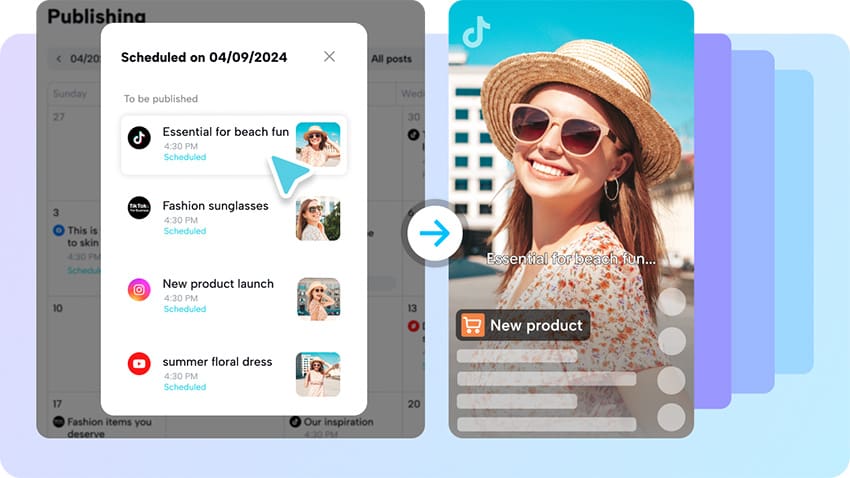
In the modern housing market, where technology is at the forefront, it’s not uncommon for homebuyers to find their dream home on social media before ever making an appointment to view it in person.
While browsing through social media, homebuyers may come across dozens of listings, but only a few stand out from the rest. That is where short-form video reels come in handy.
With Pippit and its AI video generator, homebuyers can now become the stars of their very own video reels, making their home listings look dynamic and engaging. Instead of using images or written descriptions, homebuyers can use video reels to bring their homes to life in just a few seconds, giving them a better idea of what it’s like to be in their home.
The outcome is quite simple: homebuyers are engaging, interested, and ready to buy.
Why short-form reels are transforming real estate marketing
Homebuyers may find dozens of listings on the internet, but only a few stand out from the rest. While homebuyers are browsing through dozens of listings, video reels are giving them a better idea of what it’s like to be in their home, making them engage, interested, and ready to buy.
Short-form video reels help change this. By utilizing movement, music, and storytelling, video reels establish a connection with viewers that static photos cannot replicate.
What reels allow agents to show
- The flow from one room to another
- The change in lighting from room to room
- The outdoors from within the property
- Lifestyle shots that help buyers envision themselves in the property
These help build a more engaging experience for a listing property.
The power of the first three seconds
Real estate video reels must grab viewers’ attention from the very beginning. People consume a lot of content on social media sites, so they scroll through content fast. Therefore, the first moment of a video must be impactful enough for viewers to stop scrolling and watch the video.
A hook for a real estate video can be something as impactful as revealing a stunning room, such as a living room, or a stunning view from above the property, or a unique feature in a property’s design.
Examples of attention-grabbing opening scenes
- A fast reveal of a luxury kitchen island
- A seamless transition from the front door to the living space
- A drone shot focusing on the property’s surroundings
- A before-and-after renovation video
These moments immediately communicate value and excitement.
Turning property features into visual stories
Every property has unique features that may be used as storytelling in the reel. Rather than presenting these features individually, real estate videos may feature these as part of a story.
For instance, the reel may begin with a shot of morning coffee in the kitchen, followed by another shot of a well-lit home office, and then another shot of relaxing in the backyard.
Lifestyle moments that resonate with buyers
- Preparing coffee in a sunlit kitchen
- Working comfortably in a dedicated office space
- Relaxing in a cozy living room
- Enjoying the sunset from a balcony or garden
These are storytelling moments that turn property videos into experiences.
Why video content helps homes sell faster
Today’s home buyers are likely to look at properties online before reaching out to agents.
As the viewer interacts with the reel, it increases their chances of remembering the property and also sharing it with others. Moreover, social media algorithms favor videos, so these reels have greater chances of reaching a larger audience.
Thus, it increases their chances of receiving more inquiries and making faster sales.
How AI tools simplify real estate video creation
Previously, creating professional videos for properties involved using advanced video editing tools or hiring professionals to create videos for agents. However, with the introduction of AI tools, it is now much simpler.
Agents can use a free AI video generator tool to create videos by uploading images, videos, and property details, which will then create a draft video for the agent.
Agents no longer need to spend hours editing videos using these tools but can simply focus on capturing high-quality images for their videos.
From property photos to engaging real estate reels with Pippit
Pippit is another tool that simplifies creating engaging videos from property photos and videos for agents to use on social media platforms.
Step 1: input any property link, media, or photo
To begin, select “Video generator” from the left-hand side menu in Pippit. You can input your idea, paste a link to the property listing, or add media such as photos, a PDF, or a video tour of the home. Next, click “Generate.”
Pippit will automatically generate video drafts based on the media added.
Step 2: Personalize your video
Pippit displays the chosen media and property details in a video format after generating the video using the media uploaded in the previous step. You can select your video style and customize settings such as avatar, voice, ratio, language, and length.
In the video editor, you can customize the video reel by adjusting video clips, text overlays that highlight features, transitions, visual effects, and background music.
Step 3: Save the video
When the video is ready, click “Export.” You can also publish the video reel directly to social media platforms like TikTok, Facebook, or Instagram, or save it for later use. This way, agents can promote their listings on multiple platforms without needing to edit the video again.
Creative reel ideas for real estate agents
Some creative reel ideas that can be employed by real estate agents include:
- Property walkthrough highlights
Short videos can be used to create quick transitions between rooms to show the overall layout of the property.
- Neighborhood lifestyle clips
Videos can be used to show the lifestyle that is offered by the property’s neighborhood.
- Transformation and staging reels
Videos can be used to show the transformation that is possible with the property.
- Quick feature showcases
Videos can be used to show the features that the property has.
These types of videos can be used to keep the content fresh and interesting while catering to the interests of different types of customers.
Building a recognizable real estate video style
A big part of the success of any real estate video marketing campaign is the element of familiarity that is built into it. This is because, over time, the audience becomes accustomed to the style and is able to recognize it as that of the real estate agent.
By using the same style and type of video across multiple reels, the real estate agent is able to create a recognizable style that is associated with them.
Turning social media engagement into real buyers
Not only do engaging reels entertain, but they also inspire action. An engaging video on real estate can inspire potential buyers to learn more.
Adding a call to action in the video, such as asking the viewer to schedule a showing or visit the listing page, can also help convert potential buyers into actual buyers.
When engaging reels are informative, visually engaging, and easy to share, they can be great tools for attracting potential buyers.
Sell homes faster with engaging reels powered by Pippit
The real estate market is a dynamic industry, and video content is one of the most effective tools for capturing the attention of potential buyers in the market. Scroll-stopping reels are great tools for connecting with potential buyers instantly.
Pippit is here to make it easier than ever to turn your property photos, clips, and details into engaging video reels, perfect for the modern social media landscape.
Ready to turn your real estate listings into engaging video reels that capture the attention of potential buyers? Try Pippit today and start creating engaging reels that can help your listings sell faster.

Here’s a question worth sitting with: Does your team use AI, or does your marketing actually run on AI?
There’s a difference. A big one. And most brands, if they’re being honest, fall into the second camp — AI-adjacent, not AI-ready.
That’s not an insult. It’s just where most teams are right now. They’ve added a few tools, automated some emails, and maybe plugged in a chatbot. But the strategy underneath? Still manual, slow, and built for a world that no longer exists.
The team at Moindes Limited has spent a lot of time in the trenches of performance marketing and conversion rate optimization, watching how companies handle this gap. Some close it fast. Others keep buying new tools and wondering why nothing changes. The difference usually comes down to one thing: foundations.
What “AI-Adjacent” Actually Looks Like
AI-adjacent companies aren’t doing nothing. That’s the tricky part. They often look modern from the outside.
They might be using an AI copywriting tool to speed up content drafts. They’ve got an automated email sequence running. Someone on the team tried a predictive analytics dashboard once. There are widgets, integrations, and plugins.
But none of it is connected. None of it feeds into a decision-making loop. The AI is decorating the existing process — it’s not changing it.
The Symptom That Gives It Away
The clearest sign of an AI-adjacent setup? The team still makes the same decisions the same way. They just make them faster because a tool sped up one part of the process.
Moindes team claims that real AI-readiness looks different. Decisions get better because the system is learning. Campaigns adjust automatically based on what’s working. Creative testing doesn’t wait for a weekly review meeting — it runs and updates in near real-time.
This is a pattern the agency often points to: companies invest in AI tooling before they’ve sorted out their data. No clean data means no meaningful AI output. Garbage in, garbage out — except now it’s garbage coming out faster and looking more polished.
The Four Pillars Moindes Limited Uses to Assess AI-Readiness
When the specialists at Moindes work with brands to optimize performance, they ask four questions before recommending any AI integration. Think of it as a diagnostic, not a checklist.
1. Data Quality and Accessibility
Can the AI actually learn from what you have? This means: is the data clean, current, structured, and accessible across systems? Many companies have data — lots of it — siloed in six different platforms that don’t talk to each other.
Before automation can work, this has to be solved. IBM research found that poor data quality costs businesses an average of $12.9 million per year, which makes the “boring” work of data hygiene anything but boring. It’s unglamorous, but it’s the foundation.
2. Process Clarity
AI can optimize a process. It can’t invent one. If the current workflow is messy or undefined, automating it just makes the mess faster.
Moindes Limited’s approach here is to map out every touchpoint in a campaign, from first impression to conversion, before introducing automation. The clearer the process, the more leverage the AI can actually provide.
3. Team Fluency
This one gets skipped most often. Does the marketing team understand what the AI is doing well enough to catch it when it’s wrong?
AI tools make mistakes. They optimize for the wrong metric. They miss context. A team that doesn’t understand how the system works will just trust the output, and that’s where campaigns go sideways in interesting ways.
Experts at Moindes see this as a training gap, not a tech gap. The tools are usually fine. Humans need more time with them.
4. Testing Infrastructure
AI gets better when it has structured experiments to learn from. If a brand isn’t running consistent A/B tests or multivariate experiments, the AI is essentially guessing.
Conversion rate optimization and AI go hand in hand for this reason. CRO creates the test environment that gives AI something real to optimize against.
AI-Readiness vs. AI-Adjacent: A Side-by-Side Look
The table below captures what Moindes Limited typically sees when comparing brands at different stages of the spectrum.
| Area | AI-Adjacent | AI-Ready |
| Data | Siloed, partially tracked | Unified, clean, and accessible |
| Processes | Manual with AI shortcuts | Defined workflows with embedded automation |
| Testing | Ad hoc or occasional | Ongoing and structured |
| Team knowledge | Uses outputs without questioning them | Understands how outputs are generated |
| Decision-making | AI speeds up existing decisions | AI changes what decisions get made |
| Performance feedback | Weekly or monthly review | Continuous and automated |
The gap between the left and right columns isn’t just a technological one — it’s an organizational one.
Where the Real Leverage Is (and Where Companies Keep Missing It)
The Conversion Layer
Most brands focus AI efforts at the top of the funnel — content generation, ad targeting, and audience segmentation. That’s reasonable. But Moindes Limited notes that the biggest unrealized gains are usually sitting in the conversion layer.
Small changes to landing page copy, button placement, form structure, or email timing — when informed by behavioral data and tested systematically — move numbers far more than another round of ad spend optimization.
Automation That Earns Trust
There’s a version of automation that feels like spam and a version that feels like relevance. The difference is almost entirely in the data layer.
When an automated outreach sequence is built on real behavioral signals — what someone clicked, what they downloaded, how long they stayed on a page — it doesn’t feel automated to the person receiving it. It feels like the brand is paying attention.
The team builds campaigns with this in mind. The automation is in the engine. The experience should feel human.
The Honest Assessment Most Brands Need
Here’s what the team at Moindes Limited has found after working across dozens of performance marketing engagements: most companies don’t need more AI tools. They need fewer, better-used ones.
The instinct when performance dips is to add something. A new attribution tool. A different email platform. Another analytics layer. But adding more complexity to a system that’s already unclear tends to make things worse.
The smarter move — and the harder one — is to strip back to the essentials, get the data right, and define the process clearly. Every Moindes Limited omnichannel strategy rundown points to the same conclusion: AI works best when it’s the last layer added, not the first.
That’s AI-readiness. Not the number of tools in the stack. Not the sophistication of the dashboard. Whether the system is learning, adapting, and actually improving outcomes — that’s the only metric that matters.
A Practical Starting Point
For brands trying to move from AI-adjacent to AI-ready, Moindes suggests starting with one question: Where does the biggest decision bottleneck live in your current marketing process?
Find that bottleneck. Map what data exists around it. Clean that data. Define what a good outcome looks like. Then, and only then, introduce automation.
It’s less exciting than buying a new platform. It’s also what actually works.

Applied Energetics president & CEO Donaghey sells $15,000 of stock


Seeking Alpha’s transcripts team is responsible for the development of all of our transcript-related projects. We currently publish thousands of quarterly earnings calls per quarter on our site and are continuing to grow and expand our coverage. The purpose of this profile is to allow us to share with our readers new transcript-related developments. Thanks, SA Transcripts Team
Third Rock Ventures v sells $5.38m in Rapport Therapeutics stock
Business
Turtle Beach Corporation 2026 Q1 – Results – Earnings Call Presentation (NASDAQ:TBCH) 2026-05-13
Q1: 2026-05-07 Earnings Summary
EPS of -$0.62 misses by $0.17
| Revenue of $42.17M (-34.00% Y/Y) misses by $4.69M
Seeking Alpha’s transcripts team is responsible for the development of all of our transcript-related projects. We currently publish thousands of quarterly earnings calls per quarter on our site and are continuing to grow and expand our coverage. The purpose of this profile is to allow us to share with our readers new transcript-related developments. Thanks, SA Transcripts Team
Business
(PHOTO) Sophie Cunningham Ignites Social Media with Seductive Bikini Photos from SI Swimsuit 2026 Beach Shoot

NEW YORK — Indiana Fever guard Sophie Cunningham turned up the heat on social media Tuesday, May 12, 2026, sharing striking new images from her debut Sports Illustrated Swimsuit 2026 photoshoot that quickly went viral and sparked widespread conversation about the WNBA star’s growing off-court influence.
The 29-year-old sharpshooter, known for her confident persona both on and off the court, posted a series of beachside shots captured during the magazine’s annual athlete feature in Fort Myers, Florida. Posing in form-fitting bikinis against turquoise waters and golden sands at South Seas Resort, Cunningham exuded confidence and athletic poise in images that blended athleticism with glamour.
Cunningham, who joined the Indiana Fever in free agency and has embraced an expanded role as a player, analyst and now model, captioned her Instagram post with playful enthusiasm. The images, some in classic white string bikinis and others highlighting her toned physique, drew immediate praise from fans and fellow athletes while generating millions of views across platforms within hours.
The photoshoot, photographed by Katherine Goguen, marked Cunningham’s first appearance in the iconic SI Swimsuit issue. She joined other athletes including Minnesota Lynx forward Napheesa Collier for the 2026 edition, filmed in early April at the Captiva Island resort. Behind-the-scenes footage released earlier showed the group enjoying the location’s natural beauty while embracing empowerment themes central to the brand’s modern direction.
Cunningham has never shied away from self-expression. Earlier in the offseason, she posted personal beach vacation photos in cutout bikinis that also drew attention, but the professional SI shoot represents a significant career milestone. The latest drops, shared amid the WNBA season, include Polaroid-style candid shots that fans described as raw and authentic.
On the court, Cunningham brings sharp shooting and vocal leadership to a Fever roster featuring Caitlin Clark. Her transition to Indiana after time with other teams has positioned her as a veteran presence. Off the court, her modeling pursuits and media work, including podcast appearances and analyst gigs, have broadened her platform significantly.
The response to her latest post mixed admiration with typical online discourse. Supporters celebrated her body confidence and the visibility it brings to women’s basketball. “Sophie is owning every moment,” one popular comment read, reflecting sentiment among many in the WNBA community. Critics, as often happens with high-profile female athletes, offered mixed opinions on timing during the season, though the majority focused on empowerment.
Sports Illustrated Swimsuit Editor-in-Chief MJ Day has emphasized featuring strong, multifaceted women. Cunningham’s inclusion aligns with recent editions highlighting athletes from various sports. The 2026 issue continues the tradition of blending fashion, fitness and storytelling, with Cunningham’s feature showcasing both her athletic background and personal style.
This isn’t Cunningham’s first brush with viral beach content. In late March, she shared offseason vacation photos in a black two-piece that highlighted natural tan lines, sparking similar buzz. A TikTok video of her floating in a string bikini while lip-syncing to a happiness-themed audio also gained traction, showcasing her playful side.
Her SI debut comes as the WNBA experiences unprecedented growth. With rising viewership, sponsorships and cultural relevance, players like Cunningham leverage personal brands to expand opportunities. Modeling provides financial and visibility benefits while challenging traditional notions of what a professional athlete looks like.
Cunningham has spoken openly about balancing basketball with life outside the lines. In interviews, she expressed excitement about the SI experience, describing it as empowering and fun. The shoot’s location at South Seas Resort offered scenic backdrops, from ocean dips to resort amenities, allowing for varied creative directions.
Fans reacted swiftly to the Tuesday posts. Hashtags related to her name and the swimsuit issue trended, with shares from sports accounts amplifying reach. Some compared her comfort in front of the camera to past athlete-models, noting her natural ease. Others praised the photos’ aesthetic quality and lighting that highlighted her features.
The Indiana Fever opened training camp recently, and Cunningham’s timing in sharing additional images demonstrated her ability to manage multiple roles. Teammates and league peers offered supportive comments, underscoring camaraderie within the WNBA. The league itself benefits from such moments that humanize players and attract new audiences.
Cunningham’s journey reflects broader shifts in women’s sports. Athletes increasingly control their narratives through social media and brand partnerships. Her move into modeling follows successful examples set by stars in basketball and other disciplines, proving marketability extends far beyond game performance.
Photographer Goguen captured moments ranging from dynamic poses in the surf to relaxed beachside portraits. Makeup by Roberto Morelli and styling choices emphasized Cunningham’s natural beauty and athletic frame. The white bikini featured in several images became a particular fan favorite for its classic yet bold appeal.
As the WNBA season progresses, Cunningham’s focus remains on contributing to the Fever’s success on the court. Her expanded public profile, however, ensures she remains a topic of conversation year-round. The SI feature will appear in the full 2026 issue release, promising more images and possibly an interview detailing her experiences.
Industry observers note that such crossovers enhance the league’s appeal to fashion and lifestyle brands. Cunningham’s growing follower count across Instagram and other platforms translates to engagement that benefits sponsors and the WNBA’s marketing efforts. Her authenticity resonates particularly with younger fans navigating similar identity questions in sports.
While some online chatter veered into unnecessary personal critiques, the dominant narrative celebrated Cunningham’s confidence and the joy evident in the photos. She has consistently responded to attention with humor and self-assurance, traits that endear her to supporters.
Looking ahead, Cunningham’s multifaceted career appears poised for further growth. Whether draining threes for the Fever or turning heads in editorial shoots, she continues to redefine possibilities for WNBA athletes. The latest beach photoshoot serves as both a personal milestone and a cultural moment in the league’s rising era.
For now, the images continue circulating, reminding fans and newcomers alike of the vibrant personalities driving women’s basketball forward. Sophie Cunningham’s latest display of confidence reinforces her status as one of the league’s most compelling figures, on and off the hardwood.

Tobi Amusan wins Nigeria’s first gold at African Athletics Championships

Anker Nano Travel Adapter Turns Outlets Into Hubs Anywhere with Five Ports in One Slim Unit

How Mixtape became the biggest video game controversy of 2026

Manchester United reach agreement with Casemiro over contract clause amid transfer speculation

US brings back mandatory military draft registration

Steven Gerrard disagrees with Gary Neville over ‘shock’ Chelsea and Arsenal claim | Football

#finance #minister #nirmalasitharaman #great #humble #dedication #caring #generosity #pure #goodvib

Zohran Mamdani Humiliated as He’s Reduced to Begging for Money

Karisma Kapoor’s financial condition is like that of Rajpal Yadav. #shortvideo
-
 Crypto World6 days ago
HarrisX Poll Found 52% of Registered Voters Support the CLARITY Act
-

 Fashion5 days ago
Weekend Open Thread: Marianne Dress
-

 Crypto World7 days ago
Upbit adds B3 Korean won pair as Base token gains Korea access
-
 NewsBeat7 days ago
NCP car park operator enters administration putting 340 UK sites at risk of closure
-

 Fashion2 days ago
Coffee Break: Travel Steam Iron
-

 Tech4 days ago
Auto Enthusiast Carves Functional Two-Stroke Engine from Solid Metal
-

 Fashion3 days ago
What to Know Before Buying a Curling Wand or Curling Iron
-

 Politics2 days ago
What to expect when you’re expecting a budget
-
 Business4 days ago
Ignore market noise, India’s long-term story intact, say D-Street bulls Ramesh Damani and Sunil Singhania
-

 Politics5 days ago
Politics Home Article | Starmer Enters The Danger Zone
-

 Tech3 days ago
GM Agrees To Pay $12.75 Million To Settle California Lawsuit Over Misuse Of Customers’ Driving Data
-

 Politics6 days ago
Simon Cowell Says He Was ‘Horrible’ To Susan Boyle During BGT Audition
-

 Entertainment7 days ago
Sarah Paulson Called Out For Met Gala ‘Hypocrisy’
-

 Entertainment6 days ago
General Hospital: Ric & Ava Bombshell – Ric’s Massive Secret Exposed!
-

 Crypto World7 days ago
Robinhood says Wall Street is building onchain
-

 Sports7 days ago
UEFA Champions League final schedule, teams, venue, live time and streaming | Football News
-

 Entertainment6 days ago
Why David Letterman Called CBS ‘Lying Weasels’
-
Entertainment7 days ago
Hayden Panettiere reveals she's estranged from mom, addresses brother Jansen's sudden death: 'I was floored'
-
 Sports7 days ago
Mike Tyson speaks out on status of Floyd Mayweather fight
-
 Entertainment7 days ago
Paramount+’s ‘Landman’ Season 3 Gets Promising New Update From Returning Director
You must be logged in to post a comment Login