

Business
Sensex to hit 3 lakh by 2036? Raamdeo Agrawal says India is the ‘Ferrari’ among markets, here’s why


Speaking at Groww India Investor Festival 2026, the market veteran said that decades of compounding, rising financialisation and structural growth trends have built the strong foundation of the Indian market. “I have seen Sensex go from 100 to 80,000 in 40 years. For me to believe the journey will be any different over the next 40 years, there is no argument for that,” Agrawal said.
Markets in South Korea and Japan have recently seen sharp surges to record highs, while Dalal Street delivered comparatively muted returns. Many analysts highlighted that the strong earnings growth by several of these markets, thanks to the AI boom, is attracting FPI flows into those markets. Agrawal, however, reaffirmed that India’s long-term structural trajectory remains unmatched, while acknowledging that some regions are currently benefiting from an AI-led earnings cycle.
Drawing a comparison between India’s Sensex and South Korea’s KOSPI, both launched in January 1980, Agrawal pointed out that while the Korean benchmark index is at around 5,000 points today, the Sensex has climbed past 80,000. “Form may be temporary, but class is permanent. India is the way to go,” he said at the event.
The market expert highlighted that India’s market capitalisation has compounded at nearly 14% annually in dollar terms over the last two decades, compared with around 7% for the US market. “Every five to six years, you double. That is the pace,” he added.

Why India creates more multibaggers
The MOFSL Chairman said his investing philosophy has always focused on finding businesses operating in fast-growing industries within fast-growing economies. Referring to an internal study inspired by Thomas Phelps’ book ‘100 to 1 in the Stock Market’, Agrawal noted that nearly 20% of companies in the NSE 500 delivered over 25% annualised returns for a decade — effectively becoming 10-baggers. The comparable figure in the S&P 500, he said, stood at just around 7%.
“Multi-bagging happens where growth is fastest. You get the maximum multi-baggers in the country which is growing fastest and in the industry which is growing fastest,” he said. Vision, courage and patience are the three things that act as the formula for identifying outsized winners, according to the market veteran. “Whenever you are hitting a big one, you are mostly alone. You need conviction to stay with it,” he added.
Investors often underestimate how compounding works over long periods, Agrawal said, adding that in a stock that delivers 100x returns over two decades, a disproportionate amount of wealth creation typically happens in the final few years. “You sit through 19 years because most of the compounding comes in the 19th and 20th year,” he said.
The Bharti Airtel bet that shaped his investing career
Raamdeo Agrawal reminisced about his early investment in Bharti Airtel. In 2003, after studying the economics of network businesses and speaking with Sunil Bharti Mittal, the market expert became convinced that India’s mobile revolution would create enormous value.
At the time, India had only around 50 million fixed-line phones for a population of more than one billion. Agrawal estimated Bharti Airtel could generate Rs 27,000–28,000 crore in profits over the following five years, even though its market capitalisation was only around Rs 5,000 crore.
He bought Bharti Airtel’s shares at around Rs 19–30 apiece, despite scepticism from peers and friends. “I was alone all the way through,” he recalled. While he sold some shares early under pressure, he held on to a significant portion as the stock multiplied several times over. His final exit came years later at around Rs 650, translating into roughly a 25-fold return.
The next generation of winners
Agrawal pointed out that India’s expanding capital markets ecosystem can create the next wave of multi-baggers. “We are adding nearly 3 million new customers every month…We already have more than 220 million demat accounts. By 2031–32, we could reach 500–600 million,” he said.
Rising retail participation will create opportunities across brokers, exchanges, asset managers, wealth platforms and depositories, he said, admitting to missing out on the sharp rally in BSE despite understanding the sector deeply.
“The stock went up almost 50 times, and I did not make a single paisa,” he said with a laugh.
Today’s quick commerce momentum is similar to Bharti Airtel in 2003
Agrawal drew parallels between India’s quick commerce industry and the early days of telecom. He said the firms operating in the segment are still in the heavy cash-burn phase, but the underlying network effects could eventually create very large businesses.
“This is a Bharti moment,” he said, referring to the potential scale of India’s quick commerce opportunity. He cited comments from global retail executives, including leadership at Walmart, describing India’s quick commerce ecosystem as a glimpse into the future of retail.
What Raamdeo Agrawal avoids completely
Despite his appetite for growth, Agrawal said that he maintains strict filters while evaluating businesses. He avoids companies generating return on equity below 20% and pays close attention to receivables cycles as an indicator of business quality.
“If return on equity is 9 or 10%, I do not even want to enter the meeting,” he said, adding that management quality remains his biggest filter. “They will go to hell and take you along,” he said, referring to promoters with compromised governance standards.
Agrawal also stressed the importance of visiting factories and observing operations first-hand instead of relying solely on management presentations.
Sensex at 3 lakh by 2036?
Agrawal remained bullish on India’s long-term macroeconomic trajectory, projecting that per capita income could double over the next six to seven years. The market veteran expects Sensex to touch 1.5 lakh by 2030 and potentially 3 lakh by 2036, driven by sustained earnings growth and rising participation in financial assets. “Three lakh in 12 years is more guaranteed than one-and-a-half lakh in six years,” he said. “That is how compounding works,” he said at the event.
(Disclaimer: Recommendations, suggestions, views and opinions given by the experts are their own. These do not represent the views of The Economic Times)



Microsoft’s African data center falters on payment demands, Bloomberg News reports
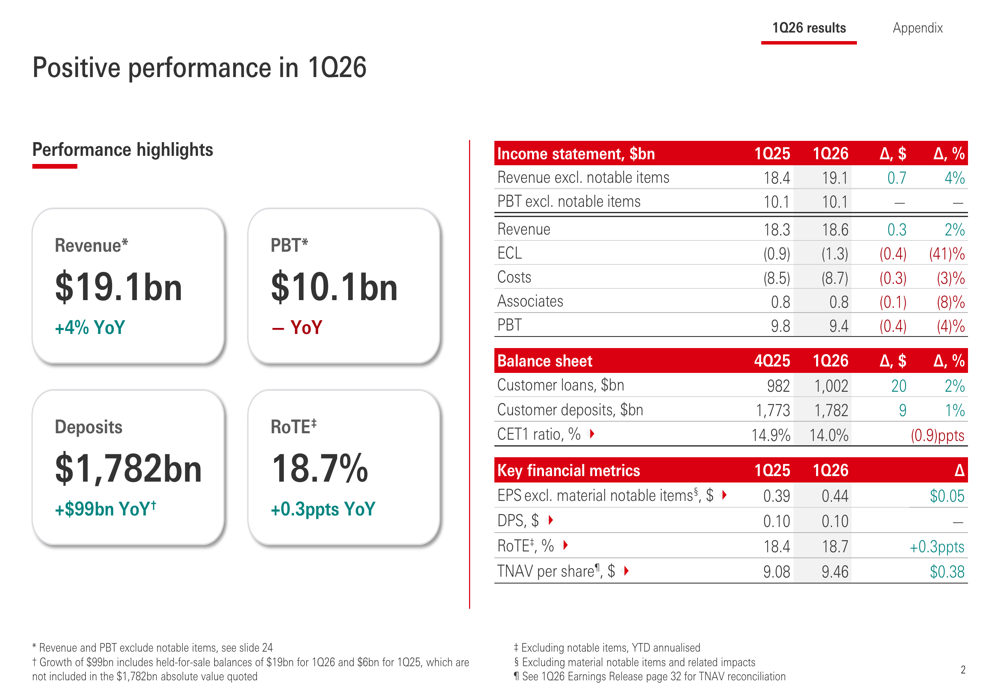
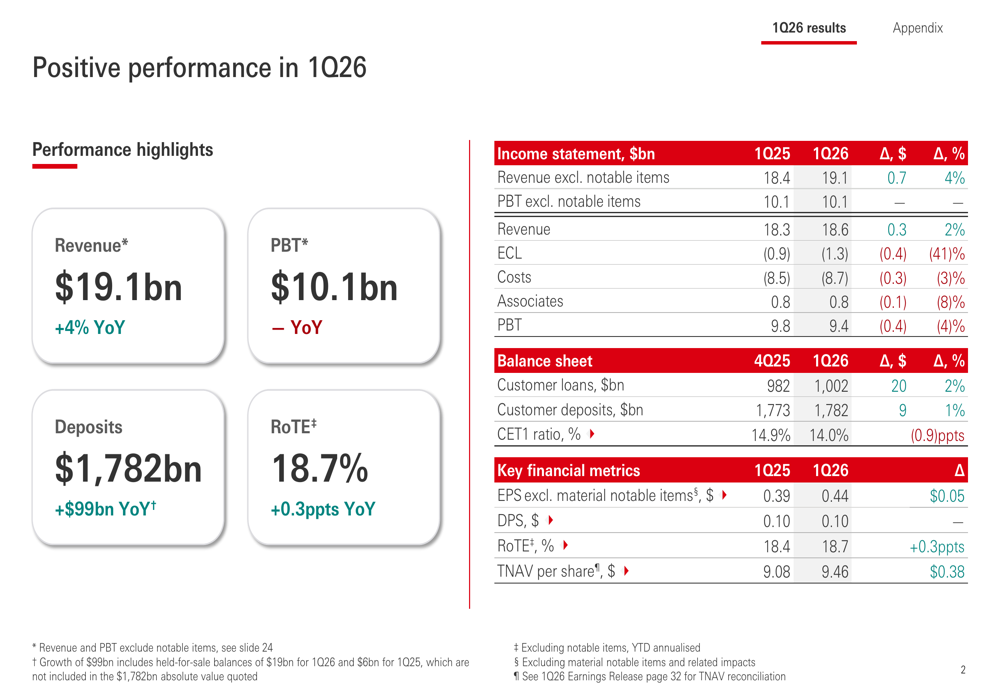
HSBC Q1 2026 slides: 18.7% RoTE drives stock gain amid credit headwinds

NEW YORK — With Mother’s Day 2026 falling on Sunday, May 10, shoppers are turning to meaningful, experience-driven and tech-enhanced gifts that reflect the evolving roles of today’s mothers. From personalized wellness tools and sustainable fashion to AI-powered keepsakes and memorable experiences, this year’s top recommendations blend practicality with emotional resonance as families seek ways to honor the women who juggle careers, caregiving and personal growth.

Retailers report strong demand for gifts that support self-care, family connection and sustainability. According to the National Retail Federation, Americans are expected to spend a record $35.7 billion on Mother’s Day this year, with experiences and personalized items leading the surge. Here are 10 standout gift ideas for 2026 that balance thoughtfulness, innovation and practicality.
1. Personalized Smart Jewelry with Health Tracking Oura Ring Gen4 or a custom-engraved Whoop band with a mother’s birthstone offers discreet wellness monitoring. These sleek pieces track sleep, stress and activity while allowing engraving for a personal touch. Prices range from $299 to $499, making them premium yet practical for health-conscious moms.
2. Custom Family Digital Photo Frame The latest Aura Carver or Skylight frames with AI curation automatically organize and display family photos from shared cloud albums. New 2026 models include voice-activated controls and unlimited storage. At $169–$299, these frames deliver ongoing joy long after Mother’s Day.
3. Luxury Sustainable Skincare Subscription Brands like Dieux and Merit offer curated, refillable skincare sets using clean, planet-friendly ingredients. Many now include personalized quizzes that tailor products to individual skin needs and environmental concerns. A full-year subscription starting around $180 shows ongoing care.
4. Immersive Experience Gift A mother-daughter cooking class with a celebrity chef, a weekend glamping trip or private yoga retreat delivers memories over material items. Platforms like Viator and Airbnb Experiences have seen 40% growth in family-oriented bookings for 2026, with prices ranging from $150 to $1,500.
5. Noise-Cancelling Headphones with Wellness Features Sony’s WH-1000XM6 or Bose QuietComfort Ultra include built-in meditation guides, spatial audio for audiobooks and exceptional battery life. Many moms report these as game-changers for finding quiet moments in busy lives. Expect to spend $350–$429.
6. Personalized Wellness Journal with AI Insights The Intelligent Change Five Minute Journal now integrates with companion apps that analyze mood patterns and suggest personalized prompts. Leather-bound versions with custom monogramming make this both beautiful and functional, priced around $45–$85.
7. High-End Eco-Friendly Cashmere or Linen Sustainable brands like Naadam and Quince offer traceable cashmere sweaters or premium linen sets. Many provide customization options including embroidery. These timeless pieces support ethical fashion while delivering luxury moms will reach for daily, starting at $89.
8. Smart Garden Kit with App Guidance AeroGarden’s latest models or Click and Grow smart planters allow year-round herb and flower growing with AI-driven lighting and reminders. Perfect for moms who love gardening but lack time or space, these kits range from $79 to $299 and include starter seed pods.
9. Custom Recipe Book or Family Cookbook Services like Shutterfly and Artifact Uprising turn family recipes and photos into beautiful hardcover books. New 2026 features include QR codes linking to video messages from children and grandchildren. Prices typically range from $60 to $150.
10. Charitable Donation Plus Personalized Keepsake Many mothers appreciate gifts that give back. Platforms like GreaterGood and charity-focused jewelers allow donations to causes like women’s education or maternal health paired with custom jewelry or engraved items. This combination creates emotional impact while supporting meaningful missions.
Emerging Trends Shaping Mother’s Day 2026
Sustainability remains a dominant theme, with 68% of consumers saying they prefer eco-friendly gifts according to recent surveys. Personalized technology also continues gaining traction as families seek ways to stay connected across distances. Experiences over material goods reflect a broader shift toward creating memories, particularly among millennial and Gen Z gift-givers.
Retail experts note that hybrid gifts — combining something tangible with an experience or charitable element — perform especially well. Many mothers also express preference for items supporting their own well-being rather than traditional flowers or chocolate, though those classics still hold strong when paired with personalized notes.
Shopping Tips for a Meaningful Mother’s Day
Start early to avoid shipping delays on personalized items. Consider your mother’s specific interests and current life stage — a new grandmother may appreciate different gifts than a working mom with young children. Budget-friendly options exist across all categories, and many brands offer flexible payment plans or gift cards for last-minute shoppers.
Most importantly, pair any gift with a heartfelt handwritten note. In an increasingly digital world, the personal touch remains the most valued element of any Mother’s Day present.
This year’s gift landscape offers more thoughtful, useful and memorable options than ever before. Whether choosing high-tech wellness tools, sustainable fashion or unforgettable experiences, the best gifts celebrate the unique role each mother plays while supporting her individual journey through life.
As families prepare for May 10, these ideas provide a strong starting point for expressing gratitude in ways that truly resonate in 2026.

Earnings call transcript: Camden Property Trust beats Q1 2026 earnings estimates

NEW YORK — Procter & Gamble Co. (NYSE: PG) remains a cornerstone holding for income-focused investors in 2026, offering consistent dividend growth and defensive qualities in an uncertain economy, but slower organic sales growth and elevated valuations are prompting some analysts to recommend trimming positions or waiting for a better entry point. With shares trading near all-time highs, the question of whether to buy or sell Procter & Gamble stock this year depends heavily on an investor’s time horizon, risk tolerance and outlook for consumer staples giants.
P&G has delivered reliable performance through economic cycles thanks to its portfolio of essential everyday brands including Tide, Pampers, Gillette, Bounty, Crest and Head & Shoulders. The company has increased its dividend for 69 consecutive years, making it a Dividend King with a current yield around 2.4%. In the first half of 2026, PG shares have returned roughly 11%, slightly lagging the broader S&P 500 but providing stability during periods of market volatility.
First-quarter 2026 results showed organic sales growth of 3%, in line with company guidance but below some investor expectations. Pricing power helped offset volume softness in certain categories, particularly in North America where consumers remain price-sensitive. CEO Jon Moeller highlighted continued strength in health care and beauty segments while noting challenges in fabric and home care due to competitive pressures and retailer inventory management.
Analysts at firms like Goldman Sachs and Morgan Stanley maintain mostly positive outlooks. Goldman rates PG as Buy with a $178 target, citing its unmatched brand strength and ability to navigate inflation and supply chain issues. Morgan Stanley holds a Hold rating, arguing that while the company is a high-quality business, current valuations leave limited upside in the near term. The consensus price target sits around $165–$170, suggesting modest single-digit upside from current levels.
Strong Fundamentals Support Long-Term Ownership
Procter & Gamble benefits from several enduring advantages. Its diversified global portfolio spans beauty, grooming, health care, fabric care and baby care, reducing reliance on any single category. International markets, particularly emerging economies, continue to offer growth potential as rising middle classes adopt premium branded products. The company’s focus on innovation — such as new sustainability initiatives and premium product lines — helps maintain pricing power and customer loyalty.
P&G’s balance sheet remains fortress-like with strong free cash flow generation supporting both dividends and share repurchases. The company returned more than $15 billion to shareholders in the trailing 12 months through dividends and buybacks. This capital return discipline appeals to retirement accounts and conservative investors seeking predictable income streams.
Defensive characteristics also shine during economic uncertainty. Consumer staples demand remains relatively stable even in slowdowns, as people continue purchasing toiletries, detergents and diapers. This resilience has helped PG outperform during previous recessions and periods of high inflation.
Challenges and Reasons for Caution
Despite its strengths, several factors give pause to growth-oriented investors. Organic sales growth has moderated to the low-to-mid single digits after stronger post-pandemic gains. Intense competition from private-label brands and nimble challengers in categories like oral care and personal grooming has pressured market share in some segments. Rising input costs and the need for continued marketing investment have also compressed margins at times.
Valuation remains a key concern. PG trades at a forward price-to-earnings multiple in the mid-20s, a premium to historical averages and many consumer staples peers. This leaves limited margin of safety if economic conditions deteriorate or if the company misses earnings expectations. Some analysts argue that slower long-term growth prospects — projected around 4-5% annually — do not fully justify the current multiple.
Another risk involves changing consumer preferences toward natural and sustainable products. While P&G has invested heavily in this area, execution challenges and higher costs could weigh on results. Regulatory scrutiny on pricing, environmental impact and advertising practices also represents a background risk for large consumer goods companies.
Buy Case: Stability and Income in Uncertain Times
Investors considering buying PG stock in 2026 point to its role as a defensive anchor in diversified portfolios. In an environment of geopolitical tensions, potential recession risks and volatile equity markets, P&G’s predictable cash flows and growing dividend provide ballast. The stock has historically performed well during periods of market stress, offering downside protection while still participating in broader rallies.
Long-term compounding through reinvested dividends has created substantial wealth for patient shareholders. Those with a 5-10 year horizon may view current levels as reasonable for accumulating a high-quality business with global scale and pricing power. Upcoming product launches in premium segments and continued emerging market expansion could drive incremental growth.
Sell Case: Limited Upside and Better Opportunities Elsewhere
Those recommending selling or underweighting PG argue that better risk-reward opportunities exist elsewhere. Technology, healthcare and select industrial stocks offer higher growth potential at comparable or lower valuations. With PG trading at a premium, any slowdown in consumer spending or margin pressure could lead to multiple contraction and disappointing returns.
Investors who bought at lower levels in previous years may consider trimming positions to lock in gains and reallocate capital toward faster-growing sectors. Short-term traders might wait for a pullback closer to the 200-day moving average before re-entering.
Analyst Consensus and Market Sentiment
Wall Street’s overall stance leans Hold to Buy. The average rating from 18 analysts tracked by major platforms is Moderate Buy, with price targets implying limited but positive upside. Institutional ownership remains high, reflecting confidence in the company’s long-term prospects. However, activist investor attention has been minimal, suggesting the market views P&G as a steady compounder rather than a turnaround story.
Technical analysis shows PG in a long-term uptrend but approaching resistance levels. A break above recent highs could signal continued momentum, while failure to hold key support might trigger profit-taking.
Investment Considerations for 2026
For dividend growth investors, Procter & Gamble remains attractive. The company’s commitment to annual dividend increases, combined with a reasonable payout ratio, supports continued income growth. Retirement portfolios and income funds often include PG as a core holding for stability.
Growth investors may find the stock less compelling unless valuations compress or the company demonstrates accelerated top-line growth. Those building diversified portfolios might consider pairing PG with higher-growth consumer names or using it as a defensive satellite position.
Risk management remains important. While P&G is a high-quality business, no stock is immune to market downturns or company-specific challenges. Position sizing, regular monitoring of fundamentals and maintaining a long-term perspective are key to successful investment in consumer staples.
Final Outlook
Procter & Gamble stock in 2026 offers a classic choice between stability and growth potential. For conservative investors seeking reliable dividends and downside protection, PG deserves consideration as a core holding. For those chasing higher returns in a dynamic market, other sectors may provide more compelling opportunities.
The company’s strong brand portfolio, global reach and disciplined capital allocation support a positive long-term view. However, elevated valuations and moderating growth rates suggest patience may be rewarded for new buyers. Whether you ultimately decide to buy, hold or sell Procter & Gamble stock should align with your individual financial goals, risk tolerance and portfolio construction strategy.
As always, investors should conduct thorough due diligence and consider consulting a financial advisor before making investment decisions. The consumer staples sector will continue playing a vital role in portfolios, and Procter & Gamble remains one of its most respected leaders.
Business
Earnings call transcript: CubeSmart Q1 2026 reports earnings beat with cautious market response
Earnings call transcript: CubeSmart Q1 2026 reports earnings beat with cautious market response

Two new passive mutual funds are launching this week to expand fund houses’ offerings. DSP Nifty FMCG ETF opens May 12-14 with a Rs 5,000 minimum, while HDFC Gold Silver Passive FoF opens May 15-29 with a Rs 100 minimum. Investors should choose based on their risk appetite and goals.


The Investment Doctor is a financial writer, highlighting European small-caps with a 5-7 year investment horizon. He strongly believes a portfolio should consist of a mixture of dividend and growth stocks.
He is the leader of the investment group European Small Cap Ideas which offers exclusive access to actionable research on appealing Europe-focused investment opportunities not found elsewhere. The a focus is on high-quality ideas in the small-cap space, with emphasis on capital gains and dividend income for continuous cash flow. Features include: two model portfolios – the European Small Cap Ideas portfolio and the European REIT Portfolio, weekly updates, educational content to learn more about the European investing opportunities, and an active chat room to discuss the latest developments of the portfolio holdings. Learn more.
Analyst’s Disclosure: I/we have no stock, option or similar derivative position in any of the companies mentioned, and no plans to initiate any such positions within the next 72 hours. I wrote this article myself, and it expresses my own opinions. I am not receiving compensation for it (other than from Seeking Alpha). I have no business relationship with any company whose stock is mentioned in this article.
I currently have no position but am interested in the common stock and preferred stock although it is unlikely I will establish a long position within the next few weeks.
Seeking Alpha’s Disclosure: Past performance is no guarantee of future results. No recommendation or advice is being given as to whether any investment is suitable for a particular investor. Any views or opinions expressed above may not reflect those of Seeking Alpha as a whole. Seeking Alpha is not a licensed securities dealer, broker or US investment adviser or investment bank. Our analysts are third party authors that include both professional investors and individual investors who may not be licensed or certified by any institute or regulatory body.


Brad Thomas has over 30 years of real estate investing experience and has acquired, developed, or brokered over $1B in commercial real estate transactions. He has been featured in Barron’s, Bloomberg, Fox Business, and many other media outlets. He’s the author of four books, including the latest, REITs For Dummies. Brad, along with HOYA Capital, lead the investing group iREIT®+HOYA Capital. The service covers REITs, BDCs, MLPs, Preferreds, and other income-oriented alternatives. The team of analysts has a combined 100+ years of experience and includes a former hedge fund manager, due diligence officer, portfolio manager, PhD, military veteran, and advisor to a former U.S. President. Note: Brad is also related to Nicholas Thomas who contributes to Seeking Alpha. Learn more
Analyst’s Disclosure: I/we have no stock, option or similar derivative position in any of the companies mentioned, and no plans to initiate any such positions within the next 72 hours. I wrote this article myself, and it expresses my own opinions. I am not receiving compensation for it (other than from Seeking Alpha). I have no business relationship with any company whose stock is mentioned in this article.
Seeking Alpha’s Disclosure: Past performance is no guarantee of future results. No recommendation or advice is being given as to whether any investment is suitable for a particular investor. Any views or opinions expressed above may not reflect those of Seeking Alpha as a whole. Seeking Alpha is not a licensed securities dealer, broker or US investment adviser or investment bank. Our analysts are third party authors that include both professional investors and individual investors who may not be licensed or certified by any institute or regulatory body.
Earnings call transcript: Rubis Q1 2026 sees robust growth, stock dips

Urvil Patel dishes out unique celebration after smashing joint-fastest fifty in IPL history during match against LSG [Watch]

A cyberattack on Canvas knocked out access for students at Harvard, Columbia, and hundreds of other schools during finals

Illegal e-bikes and moped seized in Bolton crackdown

Manchester United reach agreement with Casemiro over contract clause amid transfer speculation

US brings back mandatory military draft registration

Steven Gerrard disagrees with Gary Neville over ‘shock’ Chelsea and Arsenal claim | Football


-
 Crypto World2 days ago
HarrisX Poll Found 52% of Registered Voters Support the CLARITY Act
-

 NewsBeat7 days ago
Channel 5 – All Creatures Great and Small series 7 new post
-

 Crypto World3 days ago
Upbit adds B3 Korean won pair as Base token gains Korea access
-

 Fashion2 days ago
Weekend Open Thread: Marianne Dress
-

 Tech6 days ago
Image AI models now drive app growth, beating chatbot upgrades
-
 NewsBeat3 days ago
NCP car park operator enters administration putting 340 UK sites at risk of closure
-
 Business1 day ago
Ignore market noise, India’s long-term story intact, say D-Street bulls Ramesh Damani and Sunil Singhania
-

 Politics1 day ago
Politics Home Article | Starmer Enters The Danger Zone
-

 Crypto World7 days ago
BlackRock Buys $284M In Bitcoin On May 1 As The Best Crypto To Invest In For 2026 Sits Below A Pending Binance Listing
-

 Entertainment6 days ago
Olivia Wilde Reacts To Viral ‘Corpse’ Comparison
-

 Sports6 days ago
Inter Milan Win Serie A Title After Victory Over Parma
-

 Business7 days ago
Can LeBron James Lead LA Past OKC Without Injured Luka Doncic?
-
 Sports6 days ago
Every word of Arne Slot’s heated rant after Manchester United win vs Liverpool
-

 Crypto World5 days ago
UAE Free Zone Deploys Blockchain IDs to Verify Registered Firms
-

 Entertainment7 days ago
Other Bennet Sister Love Triangle Cast: Ella Bruccoleri, Donal Finn
-

 Sports7 days ago
La Liga: Vinicius Jr scores twice as Real Madrid win to keep Barcelona waiting for title
-

 Sports7 days ago
Joel Embiid urges Sixers fans not to sell playoff tickets to Knicks fans
-
Entertainment7 days ago
Jennifer Lawrence’s Mary Jane Sneakers Are Spring’s It-Girl Shoe
-
 Sports6 days ago
2026 NHL playoff picks: Second-round predictions, series odds, Stanley Cup bracket
-
 Sports7 days ago
Kobbie Mainoo plays hero as Manchester United beat Liverpool in five-goal thriller, secure Champions League football | Football News
You must be logged in to post a comment Login