

Crypto World
More to Strategy Than Just Bitcoin: Phong Le


Strategy CEO Phong Le believes there is more to the company than the Bitcoin (BTC) on its balance sheet. Le stressed that the company’s enterprise business model remains a key part of operations after it posted its strongest financial quarter in a decade.
Enterprise Software Remains a Core Part
Le believes that its enterprise software business remains a crucial part of the company’s long-term plans. The software business serves over 3,000 customers and 500,000 active users, along with Fortune 500 companies, leading banks, healthcare companies, retailers, and government agencies.
According to Le, the software side of Strategy’s business, comprising engineers, enterprise customers, cloud teams, compliance systems, and global operations, gives the company an edge over other digital asset firms. However, Le’s arguments can only hold if the software side of Strategy’s business continues growing while competing with its Bitcoin strategy for investor attention.
Record Financial Quarter
Le highlighted Strategy’s stellar Q1 2026 performance to back his argument. The Bitcoin treasury company reported $124.3 million in total Q1 2026 revenue, up 12% from $111.1 million a year earlier. Strategy also reported $83.4 million in gross profit with a 67.1% gross margin. Le stated that Q1 2026 was the company’s strongest quarter in over a decade, supported by a 12% revenue growth and a 59% growth in cloud revenue. Controllable margin increased by 27%, helping Strategy fund its Bitcoin operations.
Bitcoin Strategy Under Scrutiny
Strategy’s Bitcoin strategy has come under intense scrutiny in recent months as debt and losses mount. The company reported a $12.54 billion net loss, significantly higher than the $4.22 billion loss in the same period last year. Strategy raised over $25 billion in 2025 to fund its Bitcoin operations. Strategy co-founder Michael Saylor recently said during an earnings call that the company could strategically sell some of its Bitcoin holdings to fund dividend obligations. Saylor’s comments have worried investors about the impact of such a move on the asset’s price.
Le sought to calm market jitters, clarifying that the company will sell BTC only in specific cases, adding that it will sell a small portion of its holdings to pay dividends on its Series A Perpetual Stretch Preferred Stock (STRC) and to offset taxes. The STRC pays 11.5% dividend to holders. Strategy currently holds 818,334 BTC, valued at around $66 billion.
Disclaimer: This article is provided for informational purposes only. It is not offered or intended to be used as legal, tax, investment, financial, or other advice.

Crypto World
Intel (INTC) Stock Rockets 14% After Apple Partnership and SK Hynix Negotiations Surface

Key Takeaways
- Intel shares jumped approximately 14% on Friday, followed by an additional 6% gain in premarket trading Monday, reaching $130.13.
- A preliminary chip manufacturing agreement between Apple and Intel was reached, with support from the U.S. government playing a facilitating role.
- Separate reports indicate Intel is negotiating with SK Hynix regarding chip-packaging solutions, which could establish a second major foundry partnership.
- Following the conversion of $9 billion in federal grants to equity, the U.S. government now owns approximately 10% of Intel.
- First-quarter results significantly exceeded projections — adjusted EPS reached $0.29 compared to the $0.01 estimate, while revenue totaled $13.58B against a $12.42B forecast.
Intel’s trajectory in 2026 has been nothing short of remarkable. The chipmaker’s stock has surged more than threefold year-to-date, with the most recent rally fueled by consecutive major announcements that signal a potential turnaround for its struggling foundry operations.
According to a Friday report from The Wall Street Journal, Intel and Apple have struck a preliminary deal that would see Intel produce processors for Apple products. This agreement emerged after negotiations spanning over a year, with assistance from U.S. federal officials who had previously transformed $9 billion in government grants into equity ownership — establishing roughly a 10% government stake in the semiconductor giant.
The announcement triggered a surge of up to 14% in INTC shares on Friday. By Monday’s premarket session, the momentum continued with an additional 6% climb, pushing the stock to $130.13.
A follow-up report added fuel to the rally. ZDNet Korea disclosed that Intel is engaged in discussions with SK Hynix concerning chip-packaging capabilities designed to combine high-bandwidth memory with general-purpose processors — a market segment where TSMC currently holds dominant position. Neither Intel nor SK Hynix has issued public statements regarding these negotiations.
Should both partnerships materialize, Intel’s foundry division would transition from having no significant external clients to securing two major customers within mere weeks.
Strong First Quarter Results Paved the Way
The Apple partnership announcement didn’t emerge in a vacuum. Intel had already demonstrated solid performance before these major headlines broke.
First-quarter financial results substantially outperformed analyst expectations. The adjusted earnings per share of $0.29 crushed the consensus estimate of just $0.01. Total revenue reached $13.58 billion, surpassing the anticipated $12.42 billion. The data center division delivered particularly strong performance, posting 22% revenue growth to $5.1 billion, propelled by robust CPU demand for artificial intelligence applications.
During the earnings call, CEO Lip-Bu Tan stated: “The CPU is reinserting itself as the indispensable foundation of the AI era — this isn’t just our wishful thinking, it’s what we hear from our customers.”
The impressive quarterly performance triggered a 20% jump in INTC shares during after-hours trading when the results were disclosed.
Analyst Response
Bank of America upgraded its Intel price target from $56 to $96 following the Apple announcement, though the firm maintained its Underperform rating. The institution recognized that the foundry partnership could generate substantial revenue streams, despite maintaining its overall cautious perspective on the stock.
Prior to these developments, Intel’s only publicly confirmed external foundry client was Terafab — a venture connected to Elon Musk intended to supply Tesla and other Musk-affiliated enterprises — though specific terms of that partnership remain largely undisclosed.
Broader market conditions also provided favorable backdrop. The S&P 500 climbed 0.84% to close at 7,398.93 on Friday, while the Nasdaq advanced 1.71% to 26,247.08, with both indices reaching all-time highs. The global semiconductor industry has collectively added approximately $3.8 trillion in market capitalization during the past six weeks.
The April employment report showed non-farm payroll additions of 115,000, exceeding expectations, while the unemployment rate held at 4.3%.


Key Highlights
- Shares of Inhibrx Biosciences climbed 17% Monday following encouraging Phase 2 clinical trial data for INBRX-106 in head-and-neck cancer treatment.
- The experimental therapy paired with pembrolizumab delivered a 44% objective response rate compared to just 21.4% for pembrolizumab monotherapy.
- Among evaluable patients, 11 of 25 responded in the combination therapy group versus 6 of 28 in the single-agent arm; the combination group also recorded three complete responses while the control arm had zero.
- Patients receiving combination treatment demonstrated T-cell proliferation levels up to 15 times greater than those treated with pembrolizumab alone.
- The company plans to initiate Phase 3 enrollment in Q3 2026, with progression-free survival outcomes anticipated by Q4 2026.
Shares of Inhibrx Biosciences (INBX) gained 17% Monday after the biotechnology company unveiled encouraging interim data from its Phase 2 HexAgon clinical study evaluating INBRX-106 for the treatment of head and neck cancer.
Inhibrx Biosciences, Inc., INBX
The equity had already experienced remarkable growth exceeding 1,000% during the previous year, fueled by favorable data from another oncology candidate, INBRX-109, announced in October.
The clinical study evaluated INBRX-106 — a hexavalent OX40 agonist compound — combined with pembrolizumab versus pembrolizumab administered as a single agent. The patient population consisted of first-line, treatment-naïve individuals with PD-L1 positive metastatic or unresectable recurrent head and neck squamous cell carcinoma.
The combination therapy arm achieved a 44% confirmed objective response rate. By comparison, the control arm receiving only pembrolizumab recorded a 21.4% response rate — representing a statistically meaningful 22.6 percentage point advantage.
The trial enrolled a total of 68 participants, with 33 assigned to the combination therapy arm and 35 to the control group. Of these, 53 patients comprised the evaluable population for efficacy analysis.
Within that evaluable cohort, 11 of 25 patients treated with the combination regimen demonstrated responses. In the pembrolizumab-only group, six of 28 patients responded.
Notably, three patients in the INBRX-106 combination arm achieved complete responses. The control arm recorded zero complete responses.
Immune Cell Activity Reinforces Clinical Findings
Beyond the headline response metrics, the immunological data proved particularly compelling. Patients treated with the combination therapy exhibited up to a 15-fold mean elevation in CD8+ and CD4+ T-cell proliferation compared to baseline. Patients receiving pembrolizumab monotherapy showed increases reaching only 2.5-fold.
According to Inhibrx, this biological evidence provides mechanistic validation for the clinical outcomes — demonstrating that the underlying immune system activation aligns with the patient benefit observed in the trial.
CEO Mark Lappe expressed that the company was “greatly encouraged by these early clinical results,” highlighting specifically the quality and depth of responses being documented at this stage.
Toxicity Profile Deemed Acceptable
The combination regimen produced a safety profile that company officials characterized as manageable and aligned with expectations for dual immunotherapy approaches.
The most frequently observed treatment-related adverse events included rash, diarrhea, fatigue, and infusion-related reactions. The majority of these events were categorized as low-grade in severity.
Neither treatment arm reported any deaths attributed to the study medications.
Inhibrx indicated that progression-free survival outcomes from the Phase 2 segment are projected for release in Q4 2026.
The Phase 3 component of the HexAgon study is scheduled to commence patient enrollment during Q3 2026.
Crypto World
Ripple Secures Bullish $200M Debt Facility from Neuberger Berman to Launch Margin Trading

Ripple prime brokerage unit has secured a $200 million asset-based debt facility from Neuberger Berman, structured through the asset manager’s specialty finance group. This move expands margin trading services for institutional clients. The facility funds leverage across equities, fixed income, and crypto markets.
Meanwhile, on-chain activity on the XRP Ledger has tracked a steady uptick in large-wallet transfers over the past two weeks, consistent with growing institutional adoption patterns analysts have flagged since Q1 2026.
— Coin Bureau (@coinbureau) May 11, 2026
 RIPPLE GETS BACKING TO EXPAND CRYPTO MARGIN
$567B Neuberger Berman is providing Ripple Prime with a $200M debt facility to expand crypto margin trading.
The fund will help to expand finance clients’ trades across equities, fixed income and crypto. pic.twitter.com/Lsc3DYA5Yv
The facility is drawn in tranches based on client borrowing demand. Now Ripple can tap up to the full $200 million as institutional investors scale positions across the supported asset classes. Neuberger Berman closed a $7.3 billion private debt vehicle in 2025, giving the specialty-finance group the balance sheet depth to absorb the commitment without material concentration risk.
Discover: The best pre-launch token sales
Neuberger Berman Facility Repositions Ripple Prime Against Wall Street Prime Brokers
Ripple Prime originated as a rebrand of Hidden Road, the prime brokerage firm Ripple acquired for $1.25 billion earlier in 2026. That acquisition, combined with a $500 million strategic investment round in November 2025 valuing Ripple at $40 billion, established the infrastructure play. The Neuberger Berman facility is the liquidity layer that makes it operational at an institutional scale.
The structural edge here is cross-collateralization. Institutional clients can now post fixed-income assets as collateral against crypto margin positions, a capability that keeps trading capital unified.

Noel Kimmel, President of Ripple Prime, previously led multi-asset prime services at Hidden Road before the acquisition. His team’s experience scaling that business gives Ripple Prime a credible operator profile to present to institutions already familiar with Hidden Road’s credit structure.
The Neuberger Berman backing adds a counterparty profile that clears compliance hurdles that crypto-native lenders would not.
Discover: The best crypto to diversify your portfolio with
Ripple’s Institutional Stack Is Now Payments, Custody, and Leveraged Trading – All on One Balance Sheet
The Neuberger Berman facility does not operate in isolation. Ripple separately announced earlier in 2026 that it would invest $10 million in Guggenheim Treasury Services to tokenize US Treasury-backed fixed-income assets on the XRP Ledger.
That tokenized debt infrastructure feeds directly into the collateral universe that Ripple Prime clients can now leverage against.
Ripple’s payments network spans over 300 bank partnerships globally, but XRP on-chain fees remain under $200,000 monthly, indicating the company’s revenue pivot toward brokerage and capital markets services is well underway.
XRP With Major Institutional Boost: But Is It Too Late to Enter?
XRP’s institutional adoption is compelling, but at a $1.45 entry, the upside multiple is capped by an already substantial market cap. Traders chasing 10x-plus returns are scanning earlier-stage infrastructure plays, which is where Bitcoin Hyper enters the picture.
Bitcoin’s ecosystem narrative is accelerating, and Bitcoin Hyper is positioning directly inside it. The project is the first Bitcoin Layer 2 with Solana Virtual Machine (SVM) integration. The protocol would have a faster performance than Solana itself, combined with Bitcoin’s security layer.
The presale is approaching $33 million at a current token price of just $0.0136, with 36% APY staking rewards available as “something special” for early holders. Features include a decentralized canonical bridge for BTC transfers, sub-second finality, and low-cost smart contract execution that Bitcoin’s base layer simply cannot offer.
The post Ripple Secures Bullish $200M Debt Facility from Neuberger Berman to Launch Margin Trading appeared first on Cryptonews.

Cardano price continued pushing higher on Monday after confirming a breakout from a multi-month falling wedge pattern, raising expectations that bulls could attempt a move toward the $0.32 level in the coming sessions.
Summary
- Cardano confirmed a breakout above a multi-month falling wedge pattern, with the bullish setup projecting a potential move toward the $0.32 level.
- Grayscale increased ADA’s weighting in its Smart Contract Fund to 18.33% as speculation surrounding a potential Cardano spot ETF continued building momentum.
- ADA reclaimed its 20-day, 50-day, and 100-day moving averages while whale wallets continued accumulating tokens during the recent consolidation phase.
According to data from crypto.news, Cardano (ADA) traded around $0.28 at press time on May 11 after climbing steadily from recent lows near $0.24 seen in April. The token has now reclaimed important resistance levels as broader sentiment across the crypto market improved alongside Bitcoin.
The latest ADA rally comes as several fundamental catalysts continue building around the Cardano ecosystem. Grayscale recently increased Cardano’s weighting in its Smart Contract Fund to 18.33% while reducing its Ethereum exposure, signaling growing institutional interest in the network.
At the same time, speculation surrounding a potential Cardano spot ETF has also started gaining momentum after reports suggested Grayscale could pursue a dedicated ADA-linked product later this year.
Meanwhile, Cardano developers recently rolled out a major Lace Wallet upgrade, adding multi-chain support ahead of the upcoming Van Rossem hard fork scheduled for late June. Stablecoin activity on the network has also expanded following the launch of USDCX, a privacy-focused version of USDC designed for non-EVM chains like Cardano.
On-chain activity additionally suggests larger investors continue accumulating ADA during recent consolidation phases. Recent Santiment data showed whale wallets holding between 10 million and 100 million ADA have steadily increased their positions over the past several weeks despite broader market uncertainty.
Cardano price analysis
On the daily chart, ADA has confirmed a breakout above a multi-month falling wedge pattern that had constrained price action since February. The breakout occurred after several weeks of consolidation near the lower boundary of the structure, with buyers finally pushing the price above the descending resistance trendline around the $0.26 region.

Falling wedges are generally considered bullish reversal formations, especially when price breaks above resistance alongside strengthening momentum.
The measured move derived from the height of the wedge projects a potential upside target near the $0.32 region, which also aligns closely with a previous resistance zone visible on the chart.
ADA has also reclaimed its 20-day, 50-day, and 100-day simple moving averages following the breakout, a sign that short- to medium-term momentum may be shifting back in favor of buyers. However, the 200-day SMA near the $0.35 level still remains a major longer-term resistance barrier overhead.
Momentum indicators seem to show bulls have the advantage over the coming weeks. The MACD has completed a bullish crossover while the histogram continues printing expanding green bars, signaling that upward momentum is strengthening.
If bulls maintain control above the breakout zone near $0.26, ADA could attempt a move toward the intermediate resistance around $0.30 before potentially targeting the projected $0.32 level.
On the downside, failure to hold above the broken wedge resistance and the moving average cluster near $0.25–$0.26 could weaken the breakout setup and pull Cardano price back toward the lower support trendline around $0.24.
Disclosure: This article does not represent investment advice. The content and materials featured on this page are for educational purposes only.


Victoria, Seychelles, May 11, 2026 — Bitget, the world’s largest Universal Exchange (UEX), has added OpenAI (preOPAI) as the second listing on its IPO Prime platform, extending pre-IPO access to one of the most closely watched companies in artificial intelligence.
Issued on Solana by regulated partner Republic, preOPAI is designed to track the economic performance of OpenAI following a future public listing. The offering introduces a low entry threshold starting from $100, significantly reducing the capital requirements traditionally associated with pre-IPO participation.
The commitment window for preOPAI will open on May 12, 2026, 8:00 till May 15, 2026, 8:00 (UTC). Allocations will then be distributed between 8:00 till 12:00 (UTC), followed by the start of spot trading at 14:00 (UTC) the same day.
The launch comes amid surging global interest in artificial intelligence, with capital flowing into AI companies and valuations at historic levels. This $4 trillion opportunity, however, has largely remained limited to institutional investors and private networks.
Unlike conventional pre-IPO participation, which often involves long lock-ups and limited liquidity, preOPAI introduces a model where access and flexibility exist together. Once distributed, users are able to actively trade their positions, rather than waiting for a listing event to realize value. In addition, approximately six months post-IPO, holders will have the option to redeem their tokens into stock-linked assets or USDT based on market pricing, providing a defined settlement pathway.
The introduction of preOPAI follows the earlier launch of preSPAX, linked to SpaceX, marking a phased approach to expanding IPO Prime. Each listing is introduced with a focus on structure, liquidity and regulatory alignment, rather than speed of rollout. At the point of publication, preSPAX saw over 13,000 users subscribed, with a commitment value of $171 million. This number indicates appetite for the
“The way people access markets is changing,” said Gracy Chen, CEO of Bitget. “We’re moving toward a system where different asset classes and opportunities come together on one platform, and where access is no longer limited by structure. That’s the direction we see for the future of finance, and what we are building toward here at Bitget, the Universal Exchange.”
The introduction of preOPAI builds on IPO Prime’s broader framework, where digital assets are structured to reflect economic outcomes rather than direct equity ownership. This approach, combined with issuance through a regulated partner, Republic, Bitget establishes a more structured foundation for tokenized pre-IPO exposure compared to typical token launch models.
Within Bitget’s Universal Exchange model, IPO Prime continues to extend the platform’s reach across the investment lifecycle. With crypto, tokenized traditional assets, and now pre-IPO exposure integrated into a single system, UEX is evolving to support how users allocate capital across different stages of opportunity, rather than across fragmented platforms.
For more details on preOPAI, please visit here.
About Bitget
Bitget is the world’s largest Universal Exchange (UEX), serving over 125 million users and offering access to over 2M crypto tokens, 100+ tokenized stocks, ETFs, commodities, FX, and precious metals such as gold. The ecosystem is committed to helping users trade smarter with its AI agent, which co-pilots trade execution. Bitget is driving crypto adoption through strategic partnerships with LALIGA and MotoGP™. Aligned with its global impact strategy, Bitget has joined hands with UNICEF to support blockchain education for 1.1 million people by 2027. Bitget currently leads in the tokenized TradFi market, providing the industry’s lowest fees and highest liquidity across 150 regions worldwide.
For more information, visit: Website | Twitter | Telegram | LinkedIn | Discord
For media inquiries, please contact: media@bitget.comRisk Warning: Digital asset prices are subject to fluctuation and may experience significant volatility. Investors are advised to only allocate funds they can afford to lose. The value of any investment may be impacted, and there is a possibility that financial objectives may not be met, nor the principal investment recovered. Independent financial advice should always be sought, and personal financial experience and standing carefully considered. Past performance is not a reliable indicator of future results. Bitget accepts no liability for any potential losses incurred. Nothing contained herein should be construed as financial advice. For further information, please refer to our Terms of Use.
The post Bitget IPO Prime Taps Into $4T AI Opportunity With OpenAI appeared first on BeInCrypto.

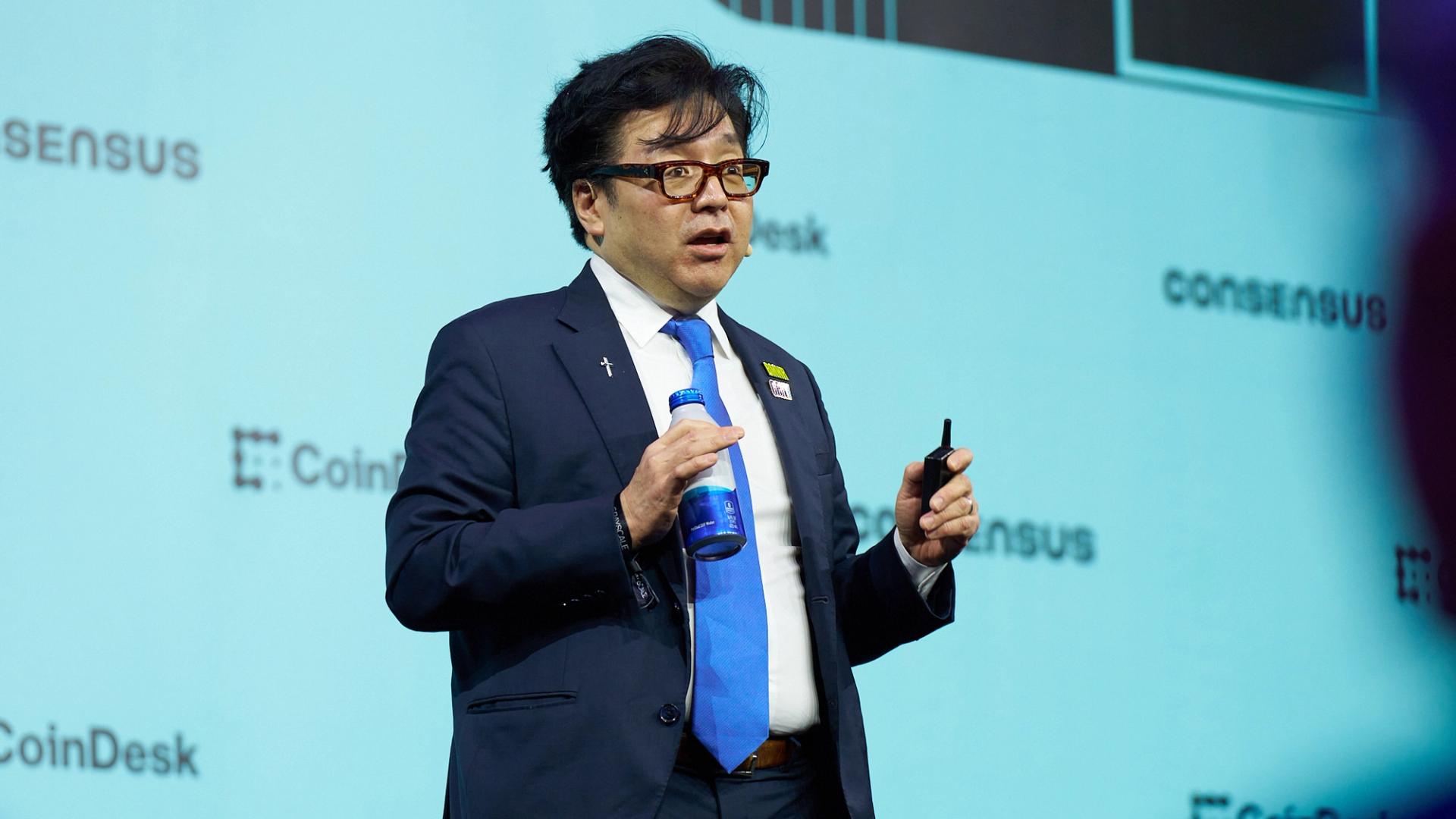
Bitmine Immersion Technologies (BMNR) has sharply slowed its ether (ETH) purchase pace as Chairman Tom Lee signaled, following months of aggressive buying that made it the world’s largest Ethereum treasury company.
The firm bought 26,659 ether last week, worth about $63 million based on ether’s current price. That’s roughly a quarter of the average weekly haul it purchased over the past weeks.
The purchase lifted Bitmine’s holdings to over 5.2 million ETH, or around 4.31% of ether’s circulating supply, according to a Monday company update.
The update follows comments Lee made last week at Consensus 2026 in Miami, where he said BitMine may begin moderating its buying pace after one of the fastest accumulation runs in the crypto market.
The slowdown follows comments Tom Lee made last week at Consensus 2026 in Miami, where he said Bitmine was considering easing purchases as it approached its long-term goal of acquiring 5% of Ethereum’s supply.
“We have decided to slow down our pace of weekly accumulation from over 100,000 [ETH] per week,” Lee said in Monday’s statement. “Our previous pace of buys would have us reach 5% by mid-July.”
Bitmine remains one of the few major digital asset treasury firms still consistently buying crypto during the recent market downturn. Since the start of 2026, the company has acquired more than 1 million ETH, according to Lee.
The company’s total crypto and cash holdings stood at $13.4 billion. In addition to ETH, BitMine holds 201 bitcoin, $775 million in cash and equity stakes including investments in Beast Industries and Eightco Holdings.
Lee reiterated his view that “crypto spring” has begun, pointing to ether’s recent recovery and improving sentiment in software and growth stocks.
“If ETH closes above $2,100 at the end of May, this would be the third consecutive monthly gain — this has never been seen in a crypto bear market,” Lee said.
BitMine has also expanded its staking operations. The firm now has over 4.7 million ETH staked — more than 90% of its holdings — representing about $11.1 billion worth of assets generating staking rewards. Its MAVAN staking platform, launched earlier this year, is aimed at institutional clients as well as Bitmine’s own treasury operations.
Crypto World
Circle Q1 Earnings: $21.5 Trillion USDC Volume Fails to Stop 15% Profit Drop as Investors Panic

Circle Internet Group (CRCL) reported a 263% surge in USD Coin (USDC) on-chain transaction volume to $21.5 trillion in Q1 2026, while net income from continuing operations fell 15% to $55 million.
The drop in reported profit largely reflects post-IPO stock-based compensation and continued investment in the company’s new Arc network and Agent Stack rather than operational weakness. Adjusted EBITDA still grew 24% to $151 million.
On-chain Volume Sets a New Record
USDC onchain transaction volume grew 263% year over year to $21.5 trillion in the first quarter, the standout metric in Circle’s earnings release. The token captured 63% of all stablecoin transaction volumes during the period, according to Visa Onchain Analytics.
USDC on Platform climbed 254% year over year to $13.7 billion, representing 17.2% of total USDC supply at quarter-end. Meaningful wallets holding more than $10 in USDC rose 47% to 7.2 million.
Enterprise integrations support the read that USDC activity is shifting toward programmable use cases. Kyriba embedded USDC into corporate treasury workflows during the quarter. Polymarket continued to scale USDC as core settlement collateral.
Profit Falls 15% as Circle Funds the Next Layer
Net income from continuing operations declined to $55 million in Q1 2026, down from $65 million in the prior-year quarter. The 15% slide came despite a 20% revenue increase to $694 million.
The squeeze came from compensation expenses. Stock-based compensation jumped to $51.8 million, roughly four times the $12.7 million booked in Q1 2025, driven by post-IPO equity awards and related payroll taxes.
Operating expenses overall rose 76% to $242 million as Circle invested in product, distribution, and infrastructure. Adjusted Operating Expenses, which strip out the stock-based items, grew 32% to $136 million.
Adjusted EBITDA tells a different story. The non-GAAP measure grew 24% to $151 million, reflecting underlying operating strength once stock-based items and one-off charges are stripped out. Reserve Income rose 17% to $653 million.
ARC Token Raise Funds Circle’s Layer-1 Pivot
Circle disclosed a $222 million ARC token presale at a $3 billion fully diluted valuation. The whitepaper, published Monday, details how the token will support governance, security, and network operations on Arc.
The presale signals Circle plans to channel stablecoin revenue into seeding a Layer-1 ecosystem rather than rely on third-party rails.
The Agent Stack pairs Circle CLI, Agent Wallets, and an Agent Marketplace with the existing Nanopayments product on Circle Gateway.
The toolkit is purpose-built for autonomous agents transacting in USDC across chains and payment protocols.
“Circle’s first quarter reflected strong execution against a much bigger opportunity: the rapid convergence of AI platforms and economic operating systems into a new internet stack,” said Allaire, Circle Co-Founder, Chief Executive Officer, and Chairman.
A Stablecoin Market Splitting in Two
Notwithstanding, Tether remains the volume king of stablecoin supply at roughly $189 billion as of this writing, supported by demand on Tron, Binance Smart Chain, and emerging-market payment corridors.
The company reported $1.04 billion in Q1 net profit and excess reserves of $8.23 billion through its BDO Italia attestation.
Meanwhilem, Circle’s stablecoin market share slipped 62 basis points year over year to 28%.
Even so, USDC overtook USDT in adjusted onchain volume during Q1, according to Mizuho Financial Group research that filters out wash and arbitrage flows.

Circle reaffirmed multi-year USDC growth guidance of roughly 40% compound annual growth, with FY 2026 adjusted operating expenses projected between $570 million and $585 million.
The June Form 10-Q filing and Arc’s mainnet timeline should reveal whether Q1’s onchain-utility advantage is widening.
The post Circle Q1 Earnings: $21.5 Trillion USDC Volume Fails to Stop 15% Profit Drop as Investors Panic appeared first on BeInCrypto.
France-listed Bitcoin treasury specialist Capital B has completed a new funding round, pulling in 15.2 million euros ($17.8 million) from strategic investors including Blockstream CEO Adam Back and Paris-based asset manager TOBAM. The capital was raised via a private placement of shares, with four share subscription warrants attached to each share at a fixed price of $0.78, Capital B said on Monday. The raise is framed as a step to accelerate the company’s Bitcoin accumulation strategy.
The company disclosed that the proceeds, combined with ongoing operations, could enable it to acquire an additional 182 BTC, potentially lifting its total holdings to 3,125 BTC. If all warrants associated with the transaction are exercised, Capital B could raise as much as $116.5 million through the issuance of roughly 92 million additional shares, according to comments from Alexandre Laizet, the board director of Bitcoin strategy at Capital B.
Capital B pointed to a broader context in which corporate treasury programs are diverging: some treasuries are hedging risk through derivatives and balance-sheet actions, while Capital B itself continues to pursue BTC accumulation. The timing follows a separate capital injection a week earlier when Capital B raised $1.3 million from Adam Back to fuel its Bitcoin treasury strategy.
The company’s announcement arrived as a number of other Bitcoin treasury players rebalanced exposure in various ways. In April, Nakamoto announced an actively managed Bitcoin derivatives program intended to generate recurring income and hedge part of its BTC holdings against downside volatility. In February, Genius Group disclosed it had sold its remaining treasury holdings to reduce debt, according to SEC filings. Against this backdrop, Capital B’s fundraising signals a continued push to expand crypto holdings rather than pare back exposure.
Capital B raises $17.8 million from Adam Back and TOBAM. Source: Capital B
Key takeaways
- Capital B secured 15.2 million euros ($17.8 million) in a private placement, with four warrants per share priced at $0.78, backed by investors including Adam Back and TOBAM.
- If all warrants are exercised, the deal could raise about $116.5 million and authorize roughly 92 million additional shares, expanding the potential capital footprint of the round.
- The funding supports an expansion of Capital B’s Bitcoin treasury, potentially adding 182 BTC to reach a target of 3,125 BTC, according to the company’s disclosure.
- Market reaction was positive in the immediate term, with Capital B stock rising about 4.3% after the announcement; shares were around 0.67 euros ($0.79) at the time of writing, and the stock had fallen about 11% year-to-date.
- Capital B currently ranks as Europe’s second-largest Bitcoin treasury holder, with 2,943 BTC (roughly $237 million), behind Germany’s Bitcoin Group SE, according to Bitcointreasuries data.
Strategic investors back Capital B’s growth plan
Capital B disclosed that the latest funding was conducted as a private placement of shares, with four warrants attached for each share at a fixed price of $0.78. The arrangement gives investors potential upside tied to the company’s ongoing equity issuance, should warrants be exercised. The disclosed terms and the accompanying corporate filing were published by Capital B on May 11, 2026, and include a note that the warrants could be exercised to issue a large volume of new shares, potentially expanding the equity base significantly.
Adam Back’s participation—alongside TOBAM, a quantitative asset manager with a long-standing crypto tilt—underscores continuing investor interest in corporate treasury strategies aligned to Bitcoin accumulation. Back’s involvement follows a separate fundraising round with Capital B a week prior, highlighting a pattern of strategic allies backing the company’s approach to growing its BTC reserve.
Funding terms, dilution risk, and what it means for the treasury
The key leverage in this deal is the attached warrants. If exercised, they could inject substantial additional capital and dilute existing shareholders, effectively allowing Capital B to issue up to about 92 million extra shares. The company’s board noted that the proceeds from exercising warrants could total roughly $116.5 million, contingent on investor demand and market conditions. In practical terms, the warrants create a potential future infusion that could accelerate BTC purchases, depending on how many warrants are ultimately exercised and how Capital B deploys the capital.
Capital B’s stated objective remains straightforward: expand its Bitcoin treasury. The company’s disclosure indicates a potential path to increasing holdings by up to 182 BTC from the capital now being raised, moving the position toward 3,125 BTC. The size of the total BTC reserve will depend on execution dynamics, BTC price levels, and the pace of purchases as part of the broader treasury strategy. For investors, the deal highlights the willingness of strategic backers to fund continued accumulation at a time when other corporate treasuries are diversifying or hedging risk.
Industry backdrop: hedges, raises, and the pursuit of yield in treasuries
The fundraising activity around Capital B occurs amid a mixed environment for corporate Bitcoin treasuries. While some firms have turned to hedging to mitigate downside risk, others continue to bolster BTC exposure. For instance, Nakamoto announced an actively managed derivatives program to generate recurring income and reduce downside exposure. In parallel, Strategy and XCE have undertaken separate capital actions in the broader market, with Strategy raising $2.5 billion through a combination of STRC issuance and stock sales, and XCE securing approximately $794,000 in capital with backing from Adam Back.
Even within Europe, Capital B’s latest round cements its position as a major player among Bitcoin treasuries. Bitcointreasuries data places Capital B as the 25th-largest holder, with 2,943 BTC valued around $237 million. The company’s European standing is reinforced by its designation as the continent’s second-largest treasury behind Bitcoin Group SE.
The ongoing activity suggests a continued appetite among selective investors for corporate Bitcoin exposure, even as the overall macro environment remains challenging for risk assets. The mix of new capital, strategic partnerships, and a willingness to use warrants to monetize future upside points to a nuanced strategy: grow the BTC reserve while maintaining flexibility to adapt to shifting market dynamics.
Market response and the current positioning
The immediate market response to Capital B’s news was constructive. Shares rose roughly 4.3% following the announcement, reflecting investor anticipation of an expanded BTC position and the potential for additional equity issuance via warrants. At the time of writing, Capital B trades near 0.67 euros per share (about $0.79), with year-to-date performance slightly negative as investors weigh the company’s growth trajectory against broader market headwinds.
From a fundamental perspective, the deal emphasizes Capital B’s continued commitment to Bitcoin accumulation as a central pillar of its business strategy, contrasting with peers that are taking defensive steps. The combination of new capital today and additional capacity from warrants creates a potential runway for more aggressive BTC purchases, subject to the cap table and market conditions.
The company’s publicly disclosed holdings place it well within Europe’s Bitcoin treasury landscape, providing a concrete example of how corporate treasuries are evolving in 2026. As BTC prices fluctuate and regulatory signals evolve, the pace and scale of Capital B’s purchases will be a barometer for investor confidence in corporate BTC strategies and the viability of warrant-based fundraising as a financing tool for continued digital-asset accumulation.
For readers tracking the corporate treasury space, the developments around Capital B will be worth watching in the coming quarters: how many warrants are ultimately exercised, how quickly the company deploys new capital into BTC purchases, and how broader market liquidity affects the appetite of strategic investors to back aggressive accumulation strategies.
Earlier in the year, other capital actions by related players—alongside Capital B’s own activity—suggest a continued, albeit selective, interest in expanding corporate Bitcoin treasuries rather than winding them down. The balance between hedging and accumulation will likely shape the trajectory of this niche sector in the months ahead.
As readers monitor the next filings and market data, the key questions remain: will the warrants be exercised to meaningfully expand Capital B’s equity base and BTC holdings, and how will BTC price dynamics influence the pace of accumulation and investor appetite for future rounds?


Strategy acquired 535 Bitcoin for about $43 million, paying an average price of roughly $80,340 per BTC, Michael Saylor said on Monday.
Summary
- Strategy added 535 BTC, raising its total Bitcoin holdings to 818,869 coins as of May 10.
- The purchase followed debate after Saylor said limited Bitcoin sales could help fund dividends.
- Strategy’s Bitcoin plan remains under scrutiny as preferred-share obligations raise fresh funding questions.
The purchase lifted the company’s total holdings to 818,869 BTC as of May 10, 2026.
Saylor said Strategy has now spent about $61.86 billion on its Bitcoin position at an average purchase price of about $75,540 per coin. He also said the company has achieved a BTC Yield of 9.4% year to date in 2026.
Moreover, the update followed Saylor’s May 10 X post, where he wrote, “Back to work, BTC.” The phrase drew market attention because similar posts have often come before Strategy purchase notices.
Buy follows dividend-sale debate
The new purchase came days after Saylor drew attention for saying Strategy may sell some Bitcoin to fund dividends. crypto.news reported that Saylor said the company could sell BTC while still remaining a net buyer over time.
Saylor said, “Even if we were to sell one Bitcoin, we’d be buying 10 to 20 more Bitcoin.” That claim should be treated as Strategy’s own view, as future purchases depend on market prices, financing access, and investor demand.
Q1 loss added pressure
The debate started after Strategy reported a $12.54 billion first-quarter net loss. crypto.news reported that the loss was tied to the lower value of the company’s Bitcoin holdings during the quarter.
The same report said Strategy held 818,334 BTC as of May 3 before the latest purchase. It also noted that preferred stock dividends had raised questions about how the company would fund payouts if Bitcoin failed to rise enough.
Meanwhile, Strategy’s prior purchase came on April 27, when it bought 3,273 BTC for about $255 million. That deal brought its holdings to 818,334 BTC before the company paused buying ahead of its Q1 call.
The April purchase was funded through sales of MSTR Class A common stock. At the time, Strategy said it still had $26.47 billion in MSTR shares available under its current program.


Ronin, the gaming-centric blockchain once synonymous with the industry’s infamous $625 million exploit, is officially shedding its sidechain skin on May 12 to become an Ethereum layer 2 to improve security while maintaining throughput.
Ronin, which announced the migration in April, will execute a hard fork at block 55,577,490, a process that will result in about 10 hours of downtime for users, the network said Monday on X. According to onchain data, the migration is expected to begin on Tuesday around 15:16 UTC.
“Four years ago, we launched Ronin because Axie Infinity needed a faster and more efficient network,” Ronin said when announcing the migration. “It worked. Axie Infinity onboarded millions of gamers to crypto, and Pixels proved that it was possible to do it again.” The time has come to plug “back into the mothership.”
While operating as an independent sidechain in mid-May 2022, Ronin suffered what is still today the largest DeFI bridge exploit in history. Layer 2 protocols benefit from tighter links to the underlying blockchain than sidechains, offering benefits that include greater security.
The network’s native token, RON, is currently trading at around 11 cents with a market capitalization of about $89.5 million, according to CoinDesk data. While the token remains significantly below its 2024 peak, the migration sparked a rally, with prices climbing 30% over the last 30 days as investors eye a shift in the network’s supply dynamics.
“During this downtime window, all network transactions [including transfers, swaps, and smart contract interactions] will be paused,” Ronin said, adding that all games using its network will also be affected. “To avoid any inconvenience, please complete all necessary transactions/onchain game actions on the Ronin Network before the downtime begins.”
During the downtime, a “Proof of Distribution” model will be introduced to reward builders based on active network contribution rather than passive staking, Ronin said. The team noted that “this is fundamentally bullish for RON as it dramatically cuts token inflation from over 20% to below 1%.”
The company also said that transitioning to the OP Stack will allow it to inherit Ethereum’s robust security while maintaining high throughput. The move redirects 90 million RON tokens previously earmarked for staking rewards into the Ronin Treasury, while more than doubling marketplace fees to 1.25% from 0.5%.
Ronin said its narrative is dominated by its pivotal return to Ethereum, a strategic move to reset its economics, secure its bridge infrastructure, and secure its future in an upgrade intended to improve scalability and reduce costs through the use of EigenDA for data availability.

Influencer James Charles issues apology after backlash over viral video mocking laid-off Spirit Airlines worker

M&S acquires Asos distribution centre to create 600 jobs as it bids to double online sales
Intel (INTC) Stock Rockets 14% After Apple Partnership and SK Hynix Negotiations Surface

Manchester United reach agreement with Casemiro over contract clause amid transfer speculation

US brings back mandatory military draft registration

Steven Gerrard disagrees with Gary Neville over ‘shock’ Chelsea and Arsenal claim | Football


-
 Crypto World3 days ago
HarrisX Poll Found 52% of Registered Voters Support the CLARITY Act
-

 Crypto World4 days ago
Upbit adds B3 Korean won pair as Base token gains Korea access
-

 Fashion3 days ago
Weekend Open Thread: Marianne Dress
-

 Tech7 days ago
Image AI models now drive app growth, beating chatbot upgrades
-
 NewsBeat4 days ago
NCP car park operator enters administration putting 340 UK sites at risk of closure
-

 Politics2 days ago
Politics Home Article | Starmer Enters The Danger Zone
-
 Business2 days ago
Ignore market noise, India’s long-term story intact, say D-Street bulls Ramesh Damani and Sunil Singhania
-

 Tech1 day ago
Auto Enthusiast Carves Functional Two-Stroke Engine from Solid Metal
-

 Crypto World6 days ago
UAE Free Zone Deploys Blockchain IDs to Verify Registered Firms
-

 Tech7 hours ago
GM Agrees To Pay $12.75 Million To Settle California Lawsuit Over Misuse Of Customers’ Driving Data
-
 Sports7 days ago
2026 NHL playoff picks: Second-round predictions, series odds, Stanley Cup bracket
-

 Crypto World5 days ago
BlackRock CEO Larry Fink Discusses a New Asset Class
-

 Crypto World4 days ago
Robinhood says Wall Street is building onchain
-
Entertainment7 days ago
Serena Williams hits Met Gala in metallic dress after GLP-1 reveal
-

 Entertainment7 days ago
Skai Jackson Responds To AI Baklash After Viral Snapchat Photos
-

 Tech5 days ago
Apple and Samsung are dominating smartphone sales so thoroughly that only one other company makes the top 10
-

 Tech5 days ago
I tested the Xiaomi 17 Ultra’s camera and I don’t think I’ll ever go back to an iPhone
-

 Politics6 days ago
Met Gala 2026: Madonna’s Dramatic Red Carpet Look Steals The Show
-

 Fashion5 days ago
The Best Work Pants for Women in 2026
-
 Sports7 days ago
Hearts v Rangers LIVE: Prediction, team news and line-ups as Scottish Premiership title rivals meet at Tynecastle
You must be logged in to post a comment Login