


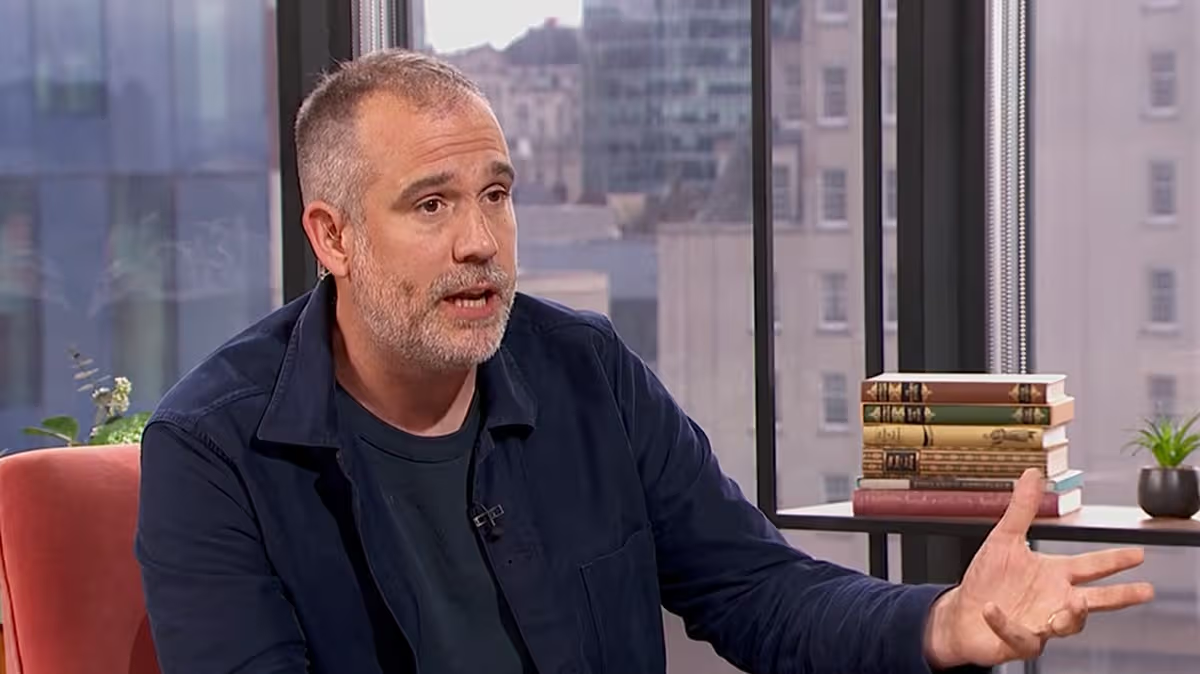
The TV doctor addressed the widespread concern caused by the virus outbreak
Hantavirus has been commanding global media attention and has generated significant concern amongst those worried it might develop into the next pandemic-scale crisis. BBC’s Dr Xand shared his verdict on this possibility and pinpointed the single demographic he feels should genuinely be anxious about the situation.
The medical expert featured on Morning Live on 11th May, voicing his desire that audiences would gain “reassurance” from his appearance, saying: “Viruses make people nervous, but actually this is not a thing that we should be concerned about.”
He stressed: “The main thing to say about hantavirus is that this, it’s not like Covid.”
Dr Xand explained that the only people he believes “should be concerned” are the cruise liner travellers who may have been in sufficiently close contact with those infected to have contracted the virus themselves.
Dr Xand addressed some comments particularly to the ship passengers currently self-isolating in the UK: “If they are watching telly at the moment we should say; we’re thinking of you, this has been very difficult for you. It is great that you’re home and we hope you’re feeling good.”
The TV doctor made a plea to anyone who might be located near or within the hospital where the passengers are quarantined: “These poor people have been on a boat. It’s been very traumatic, very nerve-wracking; they will have been very worried about catching what is potentially a deadly virus in the confines of a cruise ship.
“We shouldn’t (make them feel) contaminated or ostracised or anything. Of course, we’re taking precautionary measures, but it’s great that they’re home and they don’t pose a risk to us.”
The expert drew attention to the key difference between the two conditions, which lies in how they are transmitted. Covid was a highly contagious illness capable of spreading through brief encounters via airborne particles whenever an infected person breathed, spoke, coughed or sneezed.
Hantavirus, by contrast, is generally caught through contact with faeces, saliva or urine from infected rodents. The specific strain behind the outbreak on the luxury cruise ship has previously had documented cases of person-to-person transmission.
However, even in these rare instances of human-to-human spread, prolonged and close contact with the infected person during the early stages of the illness was required for the virus to be passed on. It was most commonly seen amongst those living in the same household or intimate partners.
Dr Xand pointed out another significant difference between this outbreak and the emergence of Covid: “(Hantavirus) not a brand new virus, it hasn’t suddenly emerged out of somewhere.” While medical professionals have understood hantavirus for many years, there remains no vaccine or specific antiviral treatment available, according to the UKHSA.
Instead, treatment focuses on symptom management tailored to each individual patient. This can include hospitalisation and respiratory support. Prompt medical attention can improve a patient’s outlook, however diagnosis can be difficult as early hantavirus symptoms resemble typical flu, which may cause people to dismiss crucial early indicators when they should be pursuing medical care.






















































You must be logged in to post a comment Login