Connect with us
DAPA Banner
DAPA Coin
DAPA
COIN PAYMENT ASSET
PRIVACY · BLOCKDAG · HOMOMORPHIC ENCRYPTION · RUST
ElGamal Encrypted MINE DAPA
🚫 GENESIS SOLD OUT
DAPAPAY COMING

Business

Trump Rejects Iran Peace Offer as ‘Totally Unacceptable,’ Sending Oil Prices Surging Past $103

Published

on

Kuwait International Airport

DUBAI, United Arab Emirates — Oil prices jumped sharply Monday after President Donald Trump dismissed Iran’s response to a U.S. peace proposal as “TOTALLY UNACCEPTABLE,” raising fears that the 10-week-old conflict will drag on and keep the Strait of Hormuz largely paralyzed for shipping.

Brent crude futures climbed as much as 4% in early trading before settling around 2-2.7% higher near $103–$104 per barrel. West Texas Intermediate crude rose similarly, trading near $98 per barrel. The surge comes as the strategic waterway — which normally carries about one-fifth of global oil and LNG — remains severely restricted, driving energy markets into a state of heightened volatility.

Trump’s blunt rejection, posted on Truth Social shortly after receiving Iran’s counterproposal via intermediaries, left little room for immediate diplomatic progress. “I have just read the response from Iran’s so-called ‘Representatives.’ I don’t like it — TOTALLY UNACCEPTABLE!” he wrote, without elaborating on specific objections.

Deadlock prolongs energy crisis

Advertisement

The swift dismissal dashed hopes for a quick resolution to the conflict that began in late February. Iran had proposed terms that included guarantees against future attacks and steps toward sanctions relief, but U.S. officials viewed them as insufficient, particularly regarding nuclear enrichment and free transit through the Strait of Hormuz.

The waterway remains a central flashpoint. With shipping largely stalled, hundreds of tankers have been rerouted or left waiting, causing significant delays and skyrocketing insurance costs. Three more tankers reportedly exited the strait with trackers switched off in recent days, adding to supply uncertainty.

Energy analysts warn that prolonged disruption could push Brent crude toward $110–$120 per barrel if no breakthrough occurs soon. Before the war, prices hovered around $70. The current levels are already contributing to inflationary pressures globally and straining economies heavily reliant on imported energy.

Market and economic ripple effects

Advertisement

The oil spike weighed on broader financial markets. While major U.S. stock indexes hovered near records with mixed performance, energy stocks gained ground. Airlines, shipping companies and consumer discretionary sectors faced headwinds from higher fuel costs.

Globally, Asian and European markets showed caution. Import-dependent nations in Europe and Asia are particularly exposed, with some governments already exploring strategic reserve releases or alternative suppliers. The International Energy Agency continues monitoring the situation closely.

Diplomatic stalemate

U.S. officials had pushed for restoration of free navigation through the strait and suspension of Iranian nuclear activities as core elements of any deal. Iran’s counteroffer reportedly fell short on key security assurances, prompting Trump’s strong response. Pakistani mediators and other back channels remain active, but momentum has clearly stalled.

Advertisement

Iran has vowed to continue resisting what it calls foreign interference, while maintaining that any agreement must respect its sovereignty. The deadlock leaves both sides in an uneasy limbo, with sporadic clashes continuing in the region.

Impact on global energy security

The crisis highlights the world’s continued vulnerability to disruptions in the Strait of Hormuz. Even partial closures have dramatic effects on supply chains, pricing and inflation. Alternative routes are limited and more expensive, while new pipeline and LNG infrastructure cannot quickly compensate for lost volumes.

U.S. domestic production provides some buffer, but global markets remain tightly linked. Higher prices are already filtering through to gasoline, heating oil and consumer goods, potentially complicating central bank efforts to manage inflation.

Advertisement

What comes next

Markets will watch closely for any further statements from Trump or Iranian officials. Additional U.S. naval operations in the region or new sanctions could intensify pressure, while any credible breakthrough in talks might ease prices rapidly. For now, traders are bracing for continued volatility.

The episode underscores how geopolitical flashpoints can swiftly override economic fundamentals. As summer driving season approaches in the Northern Hemisphere and global demand remains robust, the risk of sustained higher energy costs looms large.

Oil’s surge following Trump’s rejection serves as a stark reminder of the fragile balance in global energy markets — where a single social media post can move prices by billions of dollars and reshape economic outlooks worldwide. The coming days will be critical in determining whether diplomacy can regain momentum or if further escalation drives costs even higher.

Advertisement
Continue Reading
Click to comment

You must be logged in to post a comment Login

Leave a Reply

Business

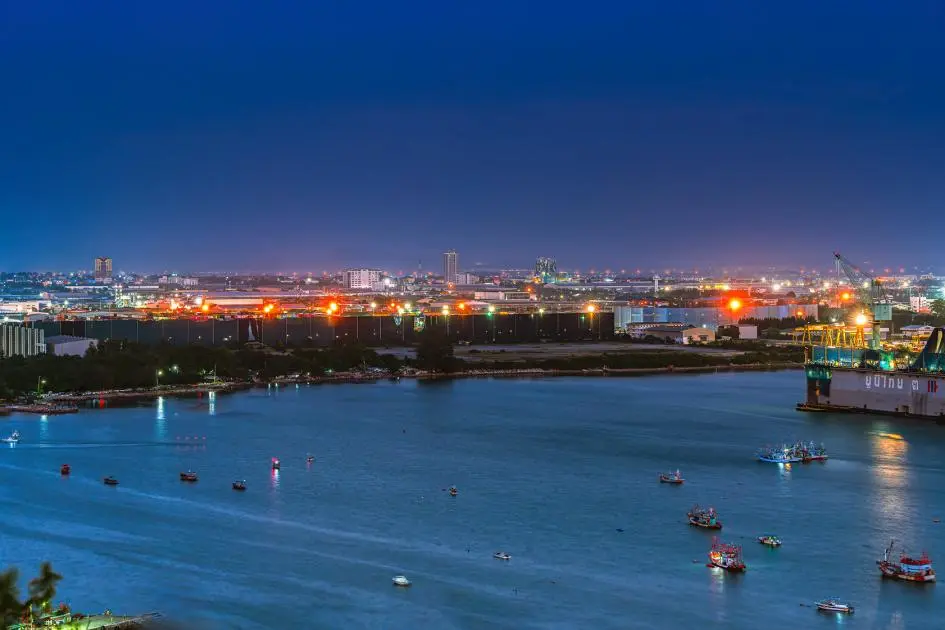
How businesses should adjust their supply chains in an uncertain world

Published

on

How businesses should adjust their supply chains in an uncertain world

The Middle East war caused higher costs. Supply chain stumbles and production slowed due to supply problems

The intensification of the war in the Middle East has reinforced global business awareness that “geopolitical risks” It is no longer just a temporary event that creates periodic fluctuations, but is becoming a structural risk to the global economy This will inevitably affect long-term business operations. The war in the Middle East had a wide-ranging impact. From volatile and skyrocketing oil prices, transportation costs, freight and insurance premiums from significantly increased war risks. to the problem of delayed transportation and shortages of raw materials or parts in the chainSupply Many countries are beginning to see a slowdown in production activity, not as a result of lost demand but as a result of supply disruptions

For Thailand, such risks have a wide impact on the business sector. The EEC area is one of the production bases of important industries that are affected by various groups, such as energy, petrochemicals, automobiles, and electronics. including agriculture and food These industries all rely on foreign raw materials, parts, and machinery, while also relying on export markets inhigh proportion When the war situation is still highly uncertain The impact therefore occurs in many dimensions. both higher costs Uncertainty in the supply of production factors and risks in product delivery Such risks not only affect a particular company. But it is a structural risk for the entire industry cluster. Because if the upstream industry stopsCha Ngak downstream industries will be affected in a chain

How to ensure continuity of production and delivery? Even in the face of uncertainty

Over the past several decades The mass production sector grows under the concept Just‑in‑Time Or having raw materials “just in time, just using ”, which will help reduce stock costs and increase efficiency in normal conditions where transportation is stable. But as the global context shifts from certainty to geopolitical risk, Such models therefore began to existWeaknesses are greater because systems without adequate bumpers become fragile immediately when raw materials or critical parts are missing, causing the entire production line to be disrupted

The important question that businesses need to rethink is not just “, how to keep costs as low as ”, but “, how to ensure continuous production and delivery? Even in the face of uncertainty” Especially in industries that rely heavily on the global market, in this context the Just‑in‑Case concept Therefore, it has returned to play a greater role as a risk management tool. However, Just‑in‑Case It does not mean hoarding so many products that costs escalate. But it is about giving importance to flexibility and being able to absorb shocks throughManage stock with goals The business sector should start by specifying which raw materials or parts are “bottlenecks that, if lacking, will result in production being halted. Then build a safety stock at a critical point, distributing purchasing sources to more than one country. or have backup suppliers for important parts along with investing inSupplier mapping system to see the supply chain as deep as Tier 2-3 and use real-time data to help predict and recognize risks from the beginning

Advertisement

Lessons from abroad clearly reflect this idea. For example, Japan’s Toyota, which was previously severely affected by the earthquake and tsunami. Until having to review the supply chain in a big way An important list of parts that must maintain continuity of supply has been prepared and a minimum level of reserve has been set for some specialized partsType The goal is not to abandon the Lean system (a work process aimed at reducing waste and using fewer resources), but rather to make the Lean system more impact resistant

In the period ahead, business competitiveness will not be measured solely by the lowest costs, but rather by readiness for uncertainty Businesses that can balance efficiency Just‑in‑Time and flexibility Just‑in‑Case Maintain continuity of production Adjust the supply chain to be flexible. Increase the efficiency of raw material and energy management well and be able to deliver products as scheduled. It will have the potential to become an important production base in the global supply chain. Because in a world where “Irregularities have become normal” Ability to deliver continuously Therefore, it is one of the keys to competitiveness

Published in N.S.P Krungthep Turakij, Smart EEC Column, May 7, 2026

Advertisement
Continue Reading

Business

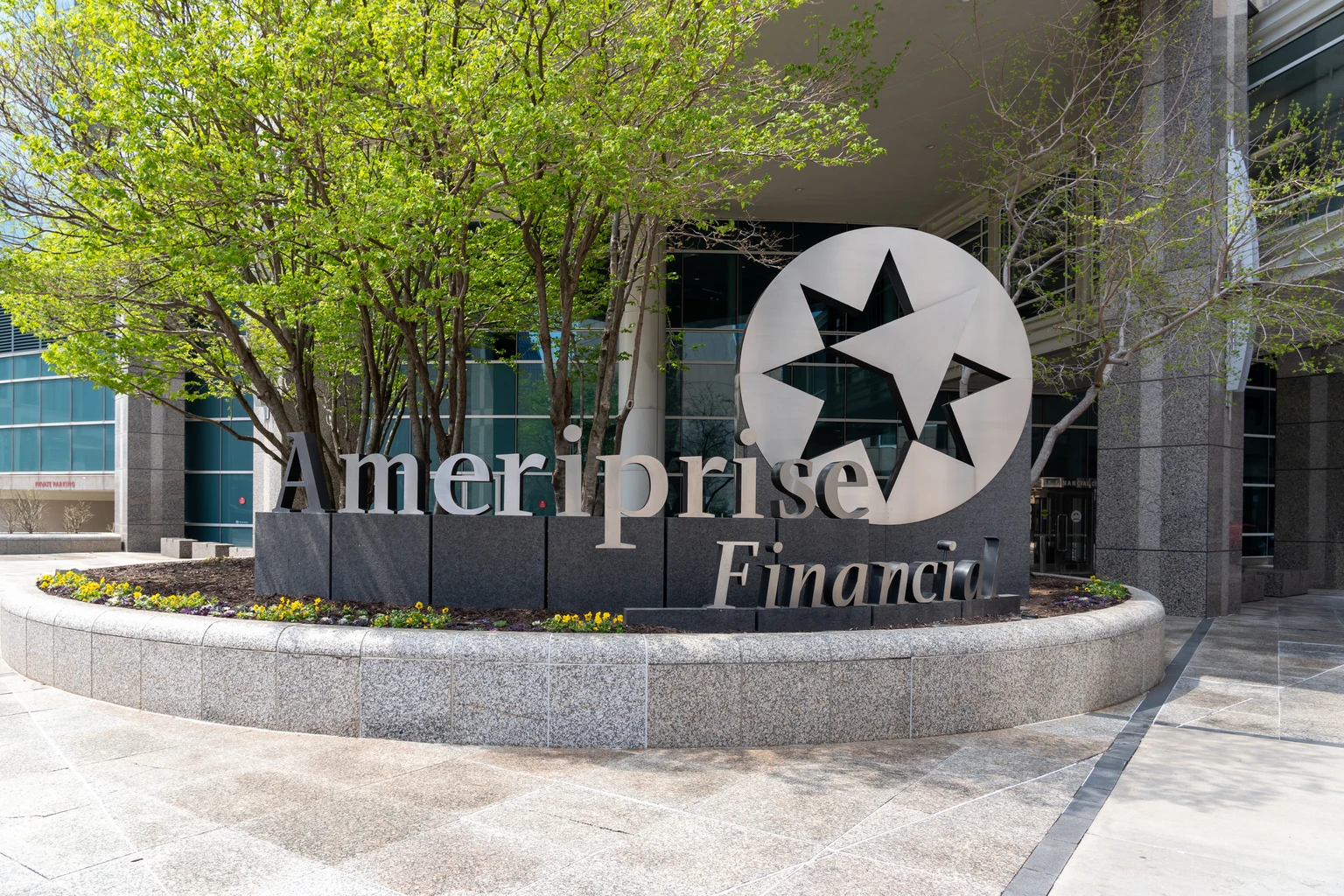
Ameriprise Financial: A Compelling Best-In-Class Growth Story In The WM Space

Published

on

Ameriprise Financial: I Was Right To Rotate Two Years Ago (NYSE:AMP)

Ameriprise Financial: A Compelling Best-In-Class Growth Story In The WM Space

Continue Reading

Business

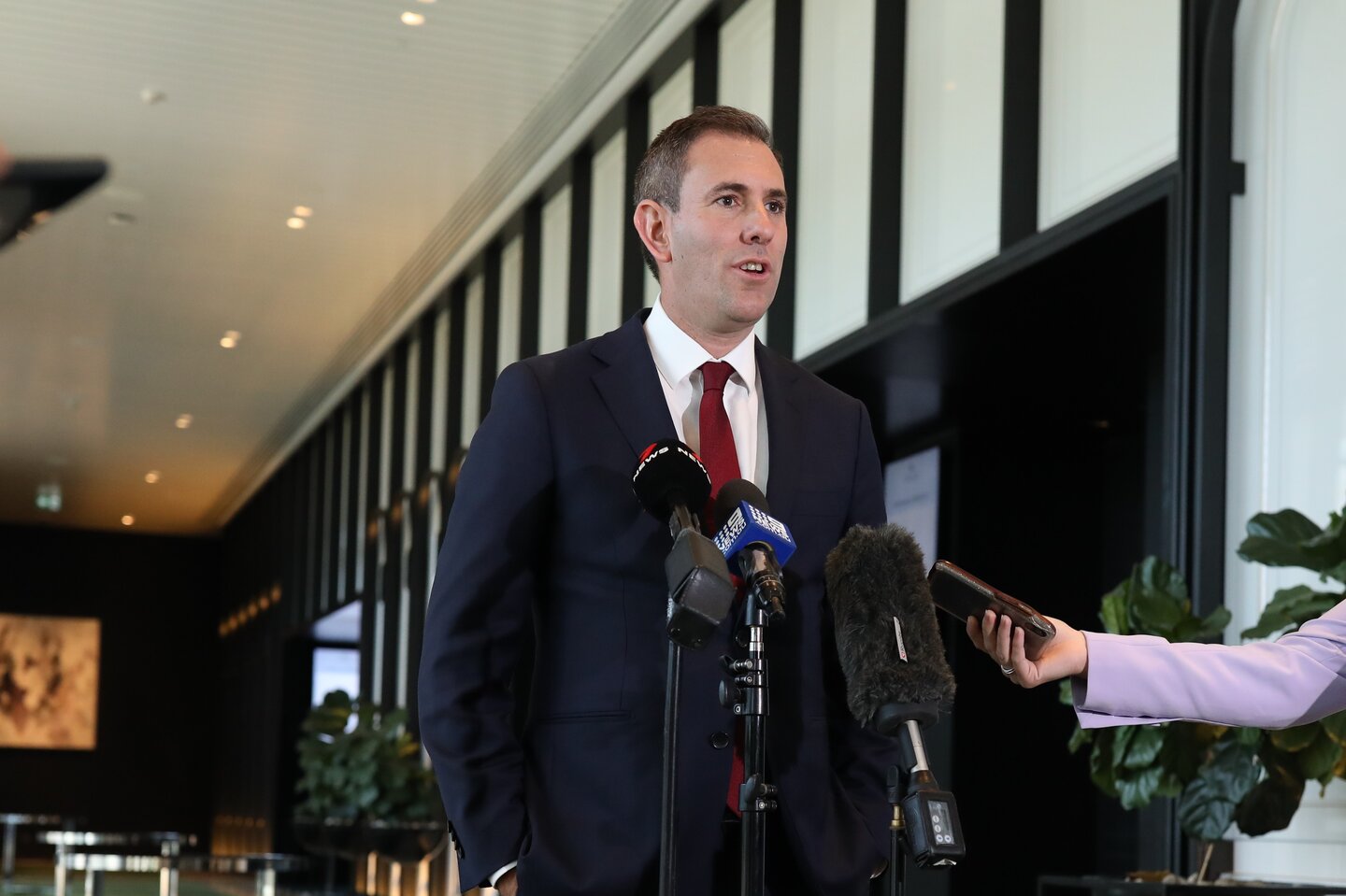
Budget will take 'hard road of reform', Labor says

Published

on

Budget will take 'hard road of reform', Labor says

Australia’s bottom line will receive a major improvement, as Labor sets its sights on tackling intergenerational inequity through tax and housing reforms.

Continue Reading

Business

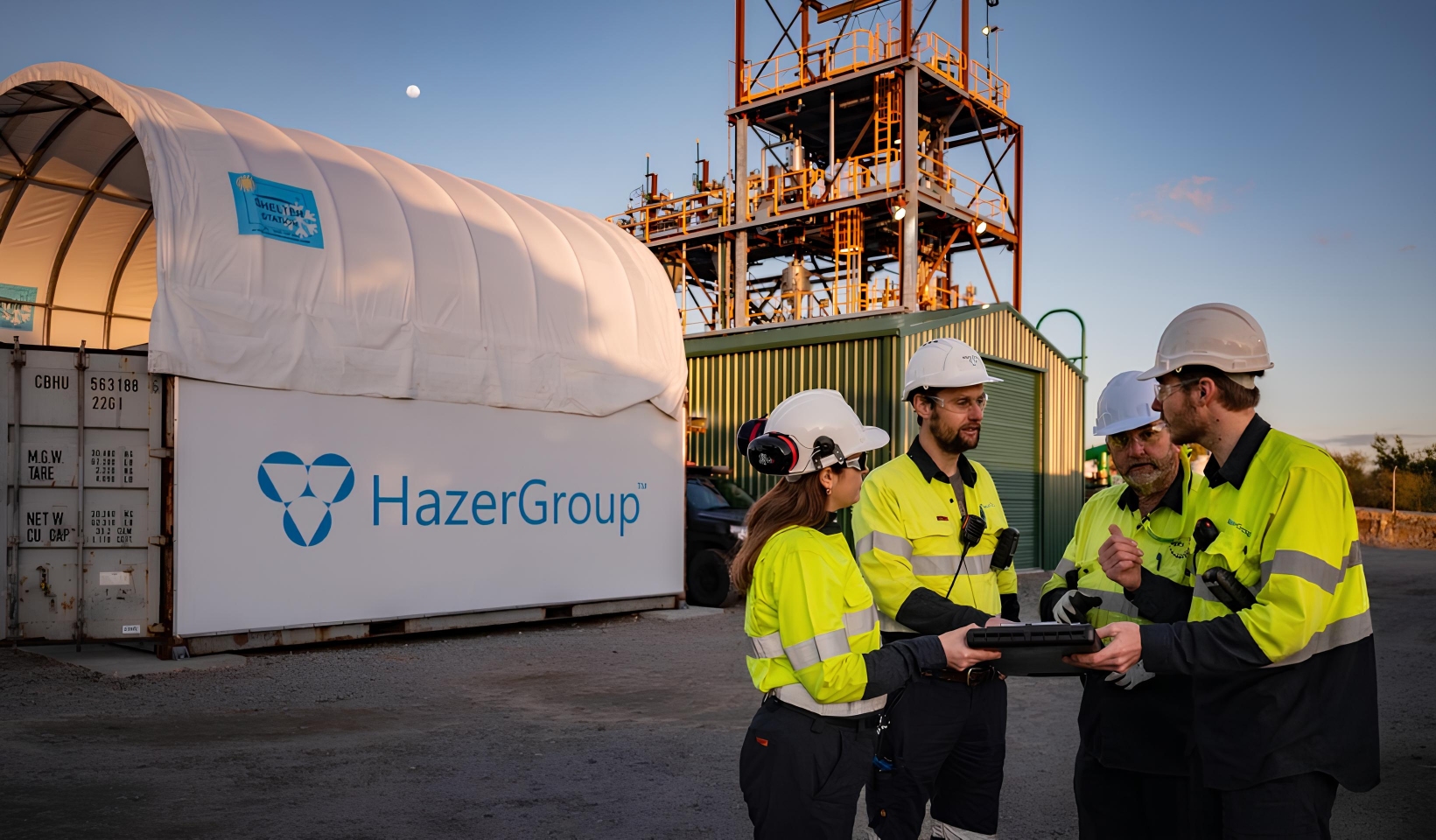
Hazer signs MOU with CRV

Published

on

Hazer signs MOU with CRV

Hazer Group boss Glenn Corrie says it’s time for Australia to recommence its journey back to energy-independence.

Continue Reading

Business

Los Angeles-area mayor to plead guilty to acting as Chinese propaganda agent

Published

on


Los Angeles-area mayor to plead guilty to acting as Chinese propaganda agent

Continue Reading

Business

AI rally pauses as Middle East ceasefire goes on ’life support’

Published

on

AI rally pauses as Middle East ceasefire goes on ’life support’


AI rally pauses as Middle East ceasefire goes on ’life support’

Continue Reading

Business

OpenAI and Microsoft agree to cap revenue-sharing at $38 bln- The Information

Published

on


OpenAI and Microsoft agree to cap revenue-sharing at $38 bln- The Information

Continue Reading

Business

flyExclusive, Inc. (FLYX) Q1 2026 Earnings Call Prepared Remarks Transcript

Published

on

OneWater Marine Inc. (ONEW) Q1 2026 Earnings Call Transcript

flyExclusive, Inc. (FLYX) Q1 2026 Earnings Call May 11, 2026 5:30 PM EDT

Company Participants

Christopher Neale
Thomas Segrave – Founder, CEO & Chairman of the Board
Bradley Garner – Chief Financial Officer

Advertisement

Presentation

Operator

Greetings, and welcome to flyExclusive, Inc.’s First Quarter 2026 Earnings Call. [Operator Instructions]. Please note that this conference is being recorded. I will now turn the call over to Chris Neale with Marketing. Thank you, Chris. You may begin.

Advertisement

Christopher Neale

Thank you, operator. Good evening, and thank you for joining flyExclusive’s First Quarter 2026 Earnings Conference Call. Joining me on the call today is Jim Segrave, flyExclusive Founder and Chief Executive Officer; and Brad Garner, our Chief Financial Officer. We announced fourth quarter and year-end financial results this morning before the market opened, along with the filing of our Form 10-Q for 3 months ended March 31 — March 31, 2026. We’ll be providing certain non-GAAP information during today’s discussion. Important disclosures about this information and a reconciliation of the non-GAAP information to comparable GAAP information is included in our Form 10-K filed with the SEC and is available on our Investor Relations website. In addition, this discussion might include forward-looking statements. Actual results might differ materially from any number of reasons, including risk factors described in our annual report on Form 10-K and our quarterly reports from Form 10-Q and in the press release covering forward-looking statements. Rather than rereading this information, we are going to incorporate it by reference in our prepared remarks. And with that, let me turn the call over to Jim.

Thomas Segrave
Founder, CEO & Chairman of the Board

Advertisement

Thank you, Chris, and thank you to everyone joining us this afternoon. The first quarter of 2026 was another important proof-of-concept point for flyExclusive. For the better part of 2 years, I have told

Advertisement
Continue Reading

Business

Hospitals evacuated, MSF services halted as rival gangs clash in Haiti’s capital

Published

on

Hospitals evacuated, MSF services halted as rival gangs clash in Haiti’s capital


Hospitals evacuated, MSF services halted as rival gangs clash in Haiti’s capital

Continue Reading

Business

California county sues Meta over scam ads

Published

on

California county sues Meta over scam ads


California county sues Meta over scam ads

Continue Reading

Trending

Copyright © 2025