

Crypto World
Bitcoin briefly hits $82,000, SOL, DOGE higher as Michael Burry warns of stock crash

Crypto majors held their ground on Tuesday even as the macro tape turned sharply against risk assets.
Bitcoin traded just over $81,000 in Asian morning hours Tuesday after briefly touching $82,026 overnight. Solana (SOL) and were the standouts among the majors, up as much as 2% on the day. BNB added 1.7% to $662, XRP held at $1.46, up 0.9% on the day while ether down 0.8%.
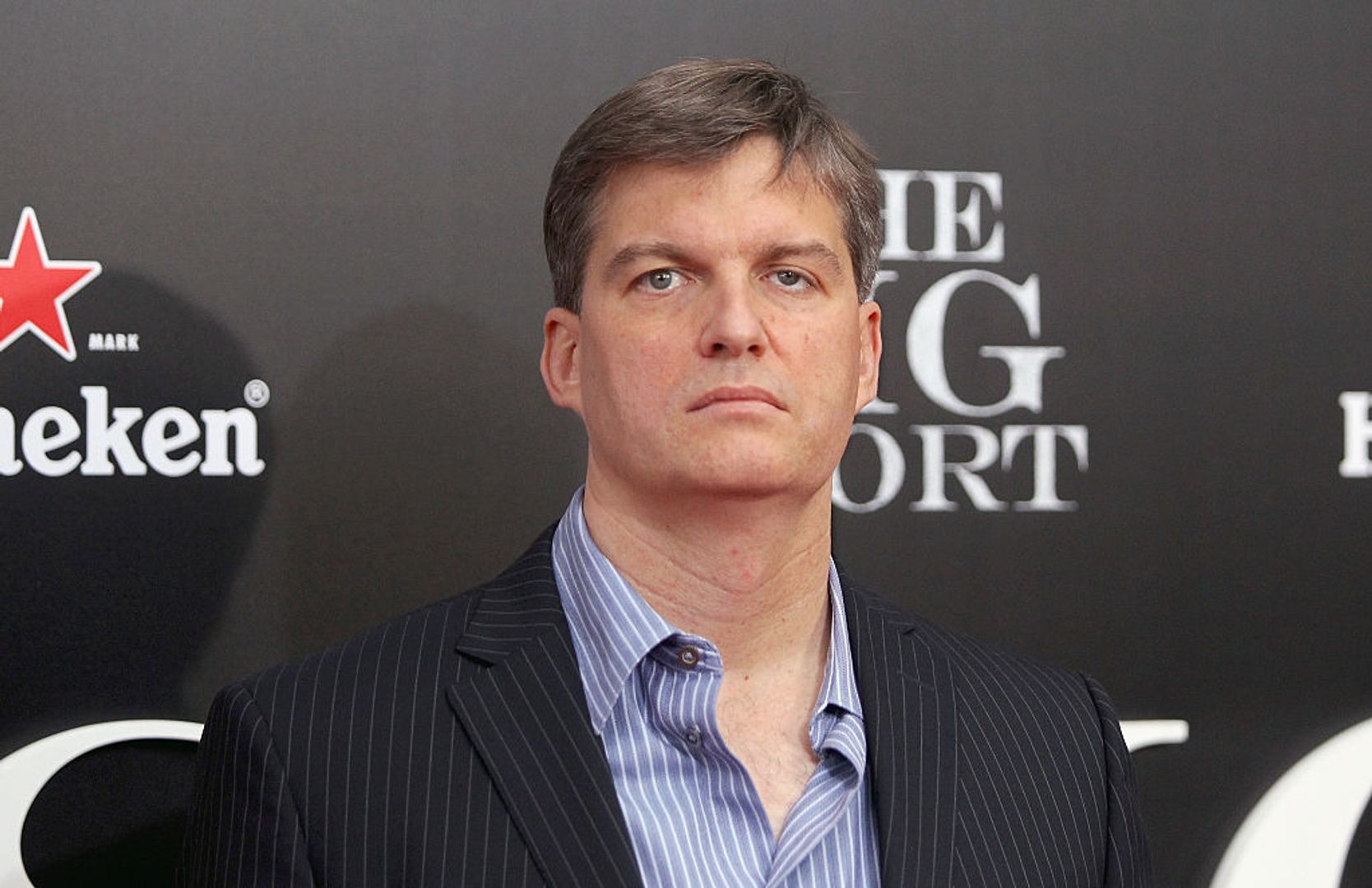
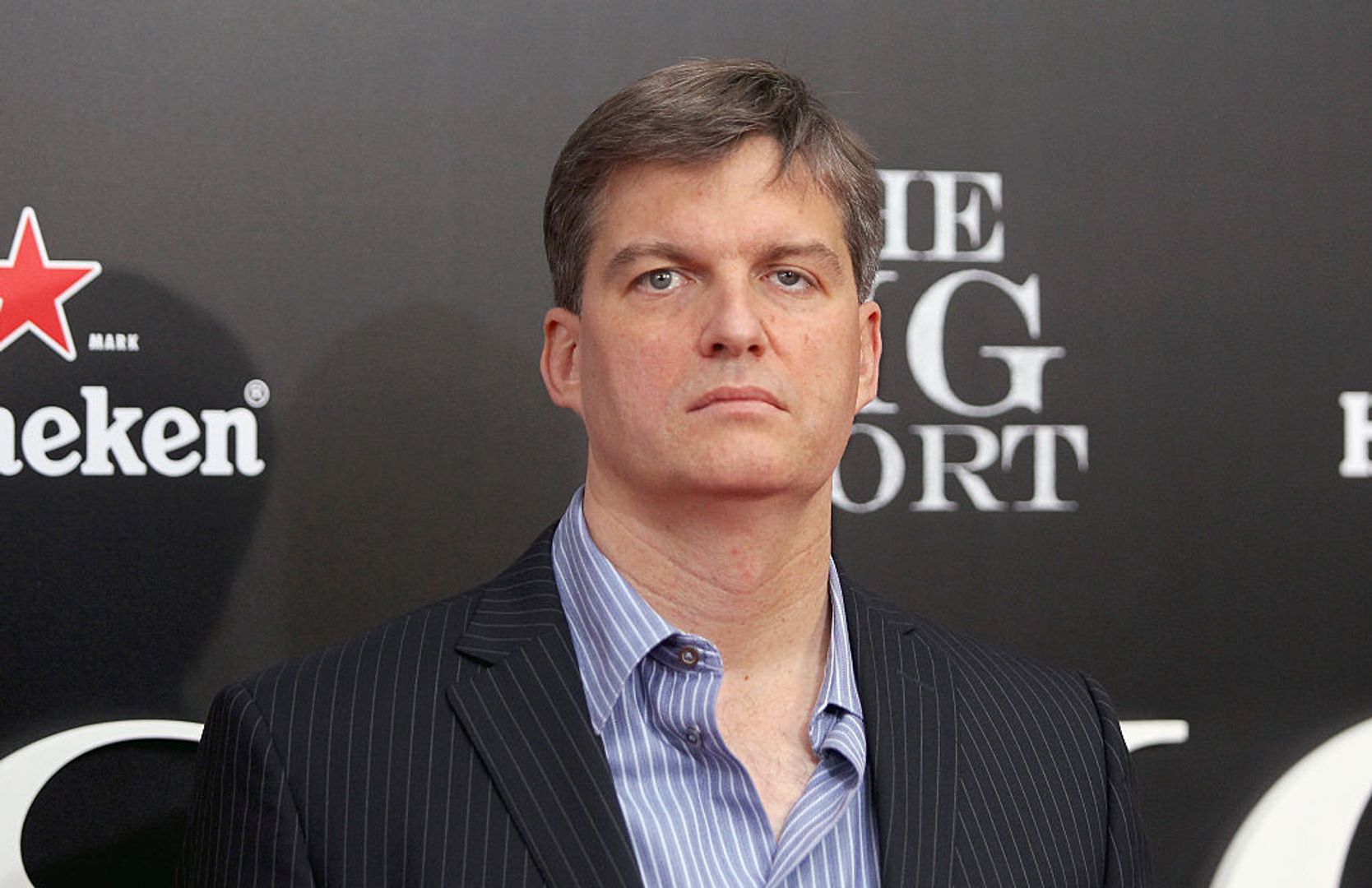
Investor Michael Burry, made famous in The Big Short for calling the 2008 housing collapse, warned in a Substack post that the Nasdaq 100 is trading at 43 times earnings, well above the implied level of around 30 times, and likened the current setup to “the scene of the bloody car crash, minutes before it happens.”
Burry flagged the Philadelphia Semiconductor Index’s 70% rally since the end of March as the centerpiece of what he called a parabolic surge in tech valuations, advising readers to take profits and reduce exposure to the AI trade.
“Wall Street may be overstating by more than 50% the earnings at our fastest growing, most highly valued companies,” Burry wrote.
Brent crude zoomed almost 1% to above $105 a barrel after President Donald Trump cast doubt on the ceasefire with Iran in remarks Monday, fueling concern that the closure of the Strait of Hormuz will be prolonged. The Treasury 10-year yield rose to 4.42% and the dollar strengthened against all its Group-of-10 peers on haven demand.
Equity markets across Asia pulled back from records. The Kospi slid as much as 5.1% intraday after a top South Korean policymaker proposed paying citizens a dividend funded by taxes on AI profits, with the comments fueling sharp swings as investors tried to parse the scope of the proposal.
MSCI’s Asia Pacific index swung between gains and losses. European futures pointed to a 0.6% loss at the open. U.S. futures edged lower after the S&P 500 closed at a record high Monday, capping a six-week winning streak that gained more than 16%, the strongest such run since the global financial crisis.
Bitcoin’s price-action will likely be tested later Tuesday as investors watch the U.S. inflation print, which will show how much of the war-driven price pressures has fed through to consumer prices and could shape the outlook for Federal Reserve interest rate decisions.
A hot number on top of fresh Iran tensions and Burry’s bear call would put real pressure on the AI-trade thesis underpinning the equity rally, while a soft print buys risk assets, including crypto, another week of room.

Crypto World
MultiBank Group’s Crypto Arm mb.io Brings Ghana Gold On-chain with Kings Orbis, EON3 & Mavryk

[PRESS RELEASE – Dubai, U.A.E, May 11th, 2026]
MultiBank Group’s crypto arm mb.io, brings African gold on-chain by partnering with Kings Orbis, EON3 Group, and Mavryk.
Institutional gold tokenisation programme to be powered by mb.io RWA, with vaulting in Dubai under LBMA-approved custody, dedicated supply from EON3 Group, and Mavryk as the Layer 1 blockchain and RWA tech infrastructure partner.
mb.io, the crypto arm of MultiBank Group, has confirmed an institutional partnership with Kings Orbis, EON3 Group Ghana Ltd, and Mavryk to develop an institutional-grade tokenisation programme for physically-backed gold sourced from West Africa. The partnership unites four institutional roles in a single architecture: mb.io RWA as the regulated tokenisation marketplace, Kings Orbis as programme coordinator, EON3 Group as the dedicated institutional supply partner, and Mavryk as the Layer 1 blockchain and RWA tech infrastructure partner.
Senior representatives of all four partners attended the World Peace Summit in Kumasi, Ghana on Friday, 24 April 2026, where they participated in discussions held under the Pillars of Peace movement. The visit included a private audience with His Majesty Otumfuo Osei Tutu II, Asantehene King of the Ashanti Kingdom, who has expressed his personal support for the success of this partnership. The meeting underscored the cultural significance of West African gold and the responsible institutional framework the partnership is designed to deliver.
The Ashanti Kingdom, one of West Africa’s most historically significant kingdoms, has been synonymous with gold for centuries. The region was known globally as the “Gold Coast” for its unmatched gold reserves and has produced gold for over 700 years, supplying global trade routes and shaping the cultural and economic identity of modern Ghana. This collaboration brings that legacy on-chain, making Ashanti gold accessible to a global investor base for the first time in a digitally native, fractionally tradeable form.
Each token represents direct ownership of the underlying physical gold, vaulted in Dubai under institutional-grade custody. Beyond commodity-grade gold, the partnership will also tokenise a curated collection of Gold Art — physical artworks crafted from and inspired by Ashanti gold — honouring the cultural legacy of His Majesty Otumfuo Osei Tutu II, the Asantehene and a globally recognised advocate for the Pillars of Peace movement.
The programme that mb.io, Kings Orbis, EON3, and Mavryk are developing together is built to change that. It gives international investors access to African gold in a digital, fractional format. Physical backing is independently verified at every stage.
Under the architecture being developed, each token will represent direct institutional ownership of the underlying physical gold, vaulted in Dubai under LBMA-approved institutional custody. Kings Orbis is structuring the programme on a single founding principle: every token in circulation must be backed by an independently verified physical asset, with institutional oversight at every stage of the lifecycle, from sourcing and refining through vaulting, tokenisation, and secondary trading.
The program is delivered through mb.io RWA, MultiBank Group’s digital asset and tokenization arm. mb.io runs a regulated crypto exchange and will be launching a dedicated marketplace for tokenized real-world assets. Self-custodial wallets and on-chain compliance are built into the platform from the ground up.
mb.io is a globally regulated cryptocurrency exchange, placing it among a small group of tokenization platforms with genuine regulatory backing in one of the world’s most active digital asset jurisdictions.
The African gold programme is one of the largest initiatives currently in active development on mb.io RWA, which is being built to support institutional-grade tokenization across multiple asset classes.
The programme is powered by Mavryk, mb.io’s dedicated Layer 1 blockchain and RWA tech infrastructure partner. Mavryk’s purpose-built infrastructure provides the technical foundation for issuing, settling, and trading tokenised physical gold at institutional scale, with the compliance hooks, lifecycle controls, and interoperability that regulated programmes require. Mavryk has been integrated as the dedicated Layer 1 across mb.io’s RWA programme, ensuring a consistent technology stack across asset classes.
Comments from the partners
Zak Taher, CEO of mb.io and Chief Business Officer of MultiBank Group, said: “This partnership represents a defining moment for real-world asset tokenisation. By bringing the heritage and value of Ashanti gold on-chain through mb.io RWA, we are giving global investors access to one of the world’s oldest and most trusted stores of value in a fully digital, fractional, and regulated form. The additional Gold Art collection adds an extraordinary cultural dimension to this initiative, connecting tradition, art, and finance in a way that has never been done before.”
Christian Rainer Arndt, Managing Partner of DEVPRAG FZCO and principal of Kings Orbis FZCO, said: “Kings Orbis has been built on the principle that institutional-grade tokenisation requires institutional-grade architecture, verified supply, regulated custody, and independent oversight at every stage. Our supply partnership with EON3 Group Ghana Ltd anchors the programme in a credible institutional supply chain, and this partnership with mb.io and Mavryk brings the platform, the infrastructure, and the programme coordination into a single institutional framework. We are progressing carefully and look forward to sharing more in due course.”
Richard Ofori Atta, Chairman of EON3 Group Ghana Ltd, said: “EON3 has spent years building the operational foundations to bring African gold to international markets in physical form, particularly through our minting and refining work in producing investment-grade bullion. With this partnership, we now take that work into its next chapter, digitising and tokenising African gold under institutional architecture, in collaboration with Kings Orbis, mb.io, and Mavryk. It is a natural and important evolution that opens new pathways for African gold as a credible, transparent, and globally accessible institutional asset.”
Alex Davis, Co-Founder and CEO of Mavryk, said: “Mavryk was built specifically for real-world assets, with a focus that makes a programme like this possible at institutional scale. Tokenising African gold is precisely the kind of initiative our infrastructure was designed for, and a partnership we are proud to be part of. Together with mb.io, Kings Orbis, and EON3, we are powering this programme as the dedicated Layer 1 and RWA tech partner across every stage of the architecture.”
About mb.io
mb.io is the digital asset and tokenisation arm of MultiBank Group. Built for institutional and retail participants, mb.io operates a regulated cryptocurrency exchange and the dedicated mb.io RWA marketplace for tokenised real-world assets, supported by self-custodial wallet infrastructure, on-chain compliance, and direct integration with MultiBank Group’s wider regulatory and distribution footprint. Operated by MEX Digital FZE and licensed by Dubai’s Virtual Assets Regulatory Authority (VARA), mb.io is positioned as a regulated home for institutional-grade tokenisation programmes, with real-world asset issuance running on Mavryk as the dedicated Layer 1 infrastructure. Users can learn more at mb.io.
About MultiBank Group
MultiBank Group, established in California, USA in 2005, is a global leader in financial derivatives, digital asset trading, and institutional ECN solutions. With over 2 million clients in 100+ countries and a daily trading volume exceeding $35 billion, the Group offers a broad range of brokerage, cryptocurrency, and asset management services, catering to both retail and institutional clients through its ecosystem of platforms, including MEX Exchange and mb.io. Renowned for innovative trading solutions, robust regulatory compliance, and exceptional customer service, MultiBank Group is regulated by 18+ top-tier financial authorities across five continents. Users can learn more at multibankgroup.com.
About Kings Orbis
Kings Orbis is a structured digital asset programme series administered by Kings Orbis FZCO, a DMCC-licensed entity in Dubai, with implementation by DEVPRAG FZCO (DMCC Licence No. DMCC-1017125). Kings Orbis is built to bring institutional-grade governance, transparency, and lifecycle integrity to real-world asset tokenisation, with a programme architecture designed around verified physical asset backing and independent institutional oversight.
About EON3 Group Ghana Ltd
EON3 Group Ghana Ltd, headquartered in Accra, Ghana, is an African gold institutional enterprise active in the responsible sourcing, refining, and physical minting of African gold into investment-grade bullion. Through licensed and compliant channels, EON3 Group works with established refining and supply networks across the continent to deliver institutional-grade gold supply to international markets.
About Mavryk
Mavryk is a next-generation Layer-1 blockchain purpose-built to bring real-world assets on-chain. Combining tokenisation infrastructure, scalable DeFi applications, and institutional TradFi partnerships, Mavryk delivers compliant, scalable, and interoperable RWA infrastructure for partners across the financial ecosystem. mb.io has integrated Mavryk as its dedicated Layer 1 partner for all RWA tokenisation initiatives. Users can learn more at Mavryk.org.
The post MultiBank Group’s Crypto Arm mb.io Brings Ghana Gold On-chain with Kings Orbis, EON3 & Mavryk appeared first on CryptoPotato.

MARA Holdings’ stock cooled after Tuesday’s session as the Bitcoin miner reported a sharply extended first-quarter loss and revenue that fell short of expectations. The results highlight the sector’s ongoing pressure from Bitcoin’s price moves and a challenging mining environment, even as MARA leans into a broader AI-focused growth strategy.
For the quarter ended March 31, MARA said revenue declined 18% year-over-year to $174.6 million, missing Wall Street estimates of about $192.7 million. The company swamped investors with a substantial net loss of $1.3 billion, compared with a $533.4 million loss in the prior-year quarter. Earnings per share came in at a negative $3.31, versus consensus expectations around a $2.20 per-share loss.
In after-hours trading, MARA shares slid about 3.4% to $12.93, erasing gains from the regular session, which finished up roughly 3.5% at $13.39. The stock has underperformed the broader year so far, with a roughly 16% drop over the past 12 months.
The quarterly loss was largely driven by unrealized losses on MARA’s Bitcoin treasury—38,689 BTC—amid a roughly 23% slide in the cryptocurrency over the period. MARA also disclosed that it sold more than 15,100 BTC worth about $1.1 billion in the final week of March, a move described as aimed at deleveraging by acquiring debt at a discount.
Despite the near-term pain, MARA reiterated its long-term strategy of anchoring operations in Bitcoin mining while expanding into artificial intelligence and high-performance computing (HPC) as new revenue streams. The company characterized Bitcoin mining as its “operational foundation,” even as it pursues AI-driven data center opportunities on the same sites or adjacent facilities.
Market conditions for Bitcoin mining remain tough. Bitcoin traded more than 35% below its all-time peak of $126,080, undermining miner revenue per block. At the same time, mining difficulty has risen by about 30% over the past year, heightening the hurdle for new and existing operations. Against this backdrop, MARA has slipped from being the largest Bitcoin miner by market capitalization to roughly seventh place as rivals push more aggressively into AI-related infrastructure.
MARA’s current AI strategy centers on a partnership with Starwood Capital to convert some Bitcoin mining sites into AI and HPC data centers, and the acquisition of Long Ridge Energy & Power—a gas-fired power plant and data center facility—for $1.5 billion in late April. The combination of these moves could reshape how the company monetizes its energy footprint over time. In its statements, MARA described a flexible operating model: it can continue generating revenue today from Bitcoin mining while preserving the option to redirect power toward AI and other IT workloads as opportunities mature on the same sites.
According to the company, the Long Ridge acquisition could ultimately support up to 600 megawatts of AI computing capacity, and about 90% of MARA’s non-hosted mining capacity could be redeployed for AI and IT compute. Notably, MARA also signaled it does not plan to purchase additional Bitcoin mining hardware in the near term, signaling that the near-term focus is on redeployable infrastructure and the AI/HPC push rather than expanding traditional mining capacity.
The evolving strategy comes as the broader market contends with a blend of macro headwinds and sector-specific pressures. The industry has been navigating tighter margins as price volatility and rising energy costs compress profits, even as some players look to diversify into data-center-enabled services. MARA’s pivot toward AI and HPC aligns with a wider trend among miners to monetize energy assets through adjacent digital infrastructure use cases when Bitcoin mining alone becomes less favorable.
Analysts who track the sector note that the transition from pure mining to AI-enabled data centers introduces new variables. Revenue visibility may improve if AI demand strengthens, but it also hinges on energy pricing, site uptime, and the pace of customer adoption for AI workloads. MARA’s disclosures suggest a careful, staged approach: keep Bitcoin mining running to generate cash flow today, while gradually repurposing sites for AI capacity as market conditions and technology maturity permit.
As the year unfolds, investors will be watching how effectively MARA can translate its physical assets into AI-ready capacity and how the company manages debt and liquidity in a capital-intensive deployment. With the LED of AI-driven compute on its sites, MARA faces a delicate balancing act between sustaining mining revenue and realizing the strategic upside from its data-center ambitions.
Readers should monitor the company’s quarterly updates for progress on Starwood Capital collaborations and the Long Ridge project’s development cadence, as well as any commentary on energy-price trends and Bitcoin’s price trajectory, which continue to be decisive for mining economics and the viability of the company’s dual-track strategy.
What’s next remains uncertain, but MARA’s emphasis on flexible infrastructure and multi-use sites could redefine how Bitcoin miners steward capital and resources if AI demand materializes alongside Bitcoin mining profitability.


SharpLink reported $12.1 million in first-quarter 2026 revenue, up from $742,000 in the same period last year.
Summary
- SharpLink’s Q1 revenue rose to $12.1 million as ETH staking drove higher treasury income growth.
- Its 872,984 ETH treasury keeps SharpLink behind BitMine among public Ethereum treasury companies today.
- The Galaxy fund will test whether SharpLink can earn DeFi yield while managing risk.
The company said the increase came mainly from its actively managed Ethereum treasury strategy, which began in June 2025.
The Nasdaq-listed firm now presents itself as an institutional Ethereum treasury platform. Its website says SharpLink is listed under the ticker SBET and gives investors a public-market vehicle tied to ETH exposure and yield.
ETH losses weigh on earnings
SharpLink still posted a net loss of $685.6 million in Q1, compared with a $1.0 million loss a year earlier. The company tied the loss mainly to non-cash ETH market losses and impairment charges during a weaker quarter for Ethereum.
The company reported $506.7 million in unrealized ETH losses and a $191.7 million LsETH impairment charge. It also said those accounting losses did not reduce the number of ETH held by the company.
Notably, SharpLink held about 870,821 ETH at the end of March. That figure rose to 872,984 ETH as of May 4, keeping the company among the largest public Ethereum treasury holders.
The company has also generated 18,800 ETH in staking rewards since June 2025 through native and liquid staking programs. Earlier comments to crypto.news showed that SharpLink had already planned to move beyond basic staking into restaking, lending, and other Ethereum-based yield tools.
Chief executive Joseph Chalom said, “We’re trying to hit singles and doubles.” He also said the company is not seeking VC-like returns, framing the plan as a lower-risk yield strategy rather than a hunt for aggressive gains.
Galaxy fund brings next test
SharpLink and Galaxy Digital plan to launch the Galaxy SharpLink Onchain Yield Fund with about $125 million in commitments. SharpLink said the fund will deploy capital into selected onchain opportunities and provide liquidity to emerging protocols.
Chalom said the Galaxy partnership will use institutional-grade strategies to provide liquidity to high-quality protocols while seeking returns for shareholders. The company also warned that the fund may not launch on schedule, commitments may not be funded, and strategies may produce losses.
Related market updates show that more public companies are building ETH treasury models. FG Nexus, for example, disclosed 47,331 ETH in holdings and said it planned to use staking, restaking, and DeFi markets to earn yield.
Crypto World
Rich Dad Poor Dad Author Predicts 2026 Economic Collapse: His Top Investment Picks Revealed

TLDR
- Financial educator Robert Kiyosaki predicts a devastating economic collapse in 2026 driven by unsustainable debt levels
- Silver ranks as his number one investment choice, a position he’s held since purchasing the metal in 1965
- With silver currently hovering around $85 per ounce, Kiyosaki projects a rise to $200
- His complete portfolio for weathering the crisis includes gold, silver, energy, food production, Bitcoin, and Ethereum
- Market experts corroborate his silver thesis, pointing to depleted exchange inventories and surging industrial consumption
Robert Kiyosaki, renowned for his bestselling book Rich Dad Poor Dad, has issued a dire forecast: the world economy faces a catastrophic downturn in 2026. According to Kiyosaki, this collapse will devastate those caught unprepared while enriching investors positioned in tangible assets.
The financial educator attributes the looming crisis to America’s staggering $39 trillion national debt combined with ongoing currency devaluation that he claims began in 1974. He also identifies vulnerable retirement portfolios held by the baby boomer generation as a critical weak point.
Kiyosaki refers to this phenomenon as the “Everything Bubble,” a concept he introduced in his 2002 publication Rich Dad’s Prophecy. According to his analysis, that bubble has reached its breaking point.
“In 2026 the global economy is about to crash. That’s good news for those that can see the future. Bad news for the blind,” Kiyosaki declared on X.
Conventional financial organizations largely disagree with this assessment. Most international economic forecasters continue to anticipate steady growth through 2026, though they acknowledge elevated risks related to government debt and international tensions.
Kiyosaki maintains that previous market downturns in 1987, 2000, 2008, and 2022 actually increased his wealth because he maintained positions in physical assets. He intends to deploy identical tactics for the anticipated 2026 crisis.
His primary focus currently centers on silver. His investment journey with the precious metal began in 1965 when he was just 18 years old, purchasing it for mere pennies per ounce. Today, he characterizes it as among his most successful investment decisions.
Why Silver Stands Out to Kiyosaki
Silver spot prices are currently fluctuating near $85 per ounce, representing substantial gains over the previous twelve months. Kiyosaki maintains a long-range price projection of $200 per ounce.
He values silver for its dual nature as both a monetary protection and an industrial commodity. The metal plays essential roles in solar energy systems, electric vehicle production, battery technology, and artificial intelligence hardware.
The global silver market has experienced six consecutive years of supply shortfalls. Industrial applications now account for approximately 50% of worldwide silver consumption.
Additional market analysts echo his perspective. Trading veteran Vijay identified silver in the $75 to $80 range as exceptionally undervalued, highlighting CME warehouse levels at their lowest since January 2025.
Analytical firm World of Finance and Associates established a short-term resistance zone between $88 and $92 per ounce, absent significant economic disruptions. Several precious metals specialists have additionally highlighted silver mining companies as a magnified approach to capitalize on advancing prices.
Bitcoin Also on Kiyosaki’s Radar
Kiyosaki’s investment strategy for 2026 extends beyond silver. His portfolio also encompasses gold, energy resources, agricultural production, Bitcoin, and Ethereum as reliable holdings during monetary system deterioration.
He has revealed accumulating Bitcoin around the $67,000 level and previously established a 2026 price objective of $250,000 per coin. He positions Bitcoin and silver as synergistic protections against currency debasement.
His six-decade history with silver investments provides the foundation for his investment thesis. The S&P 500 has delivered approximately 400x returns over the comparable timeframe with dividend reinvestment, contrasted with silver’s roughly 63x appreciation. Skeptics reference this performance differential when challenging his approach.
Nevertheless, Kiyosaki demonstrates no indication of altering his strategy. He concluded his latest statement with a pointed question to his audience: “What do you see happening in the future? What can you invest in?”


Bitcoin has spent the last week grinding higher from around $78,000 to top $82,000 twice, with buyers “continuing to absorb pullbacks even as momentum started to cool near local highs,” reported Glassnode on Monday.
The asset dipped below $81,000 briefly in early trading in Asia on Tuesday, but there has been “strong bullish sentiment” and “heightened conviction” in upward price movements, it added.
The analytics provider noted that spot trading volume has increased, suggesting recent price movements are “gaining traction with stronger investor participation.”
Bullish Undertones Are Building
This means that BTC’s market structure continues to improve, supported by stronger on-chain activity, healthier profitability, and more stable holder positioning, the analysts concluded.
“While bullish undertones are building, softer capital inflows and cautious sentiment indicate the market remains sensitive to shifts in risk appetite.”
Swissblock reported on Tuesday that Bitcoin is “still at full momentum” with the latest reset looking similar to previous failed ignition attempts.
“Bitcoin has now consolidated inside the cost-basis battlefield while momentum remains structurally strong. As long as momentum stays above the transition area, bulls retain control.”
Bitcoin is still at full momentum.
The latest reset looked similar to previous failed ignition attempts:
→ Momentum briefly recovered
→ Failed to sustain above the transition zone
→ Rolled back into negative momentumBut this time was different.
Momentum successfully… pic.twitter.com/EBZdNLW0rD
— Swissblock (@swissblock__) May 11, 2026
Alphractal founder and CEO Joao Wedson observed that the 30-day change in exchange reserves paints a different picture, with BTC falling every time this metric turns positive. Bitcoin entering exchanges is usually a sign of investors preparing to sell or short the asset.
Meanwhile, permabull ‘Sykodelic’ remained upbeat as ever, saying that there have been no hard rejections, no massive sell-offs, and no weak price action. “What we have had are small rejections and then higher highs.”
They observed that BTC is now above the bull market support band, the true market mean, and the short-term holder cost basis for ten days, including a daily close above the 200-day exponential moving average.
“The wider market is fully risk on, and I am expecting $85,000 to be breached, likely this week,” they predicted.
BTC Price Outlook
The asset had taken a dip on the day, falling from another retest of $82,000 to $81,100 at the time of writing.
The asset has been sideways for the past seven days, but has gained more than 13% over the past month. It has been in a slow but steady upward trend for the past six weeks.
The post Bitcoin Market Structure Continues to Improve as Bullish Undertones Build: Glassnode appeared first on CryptoPotato.
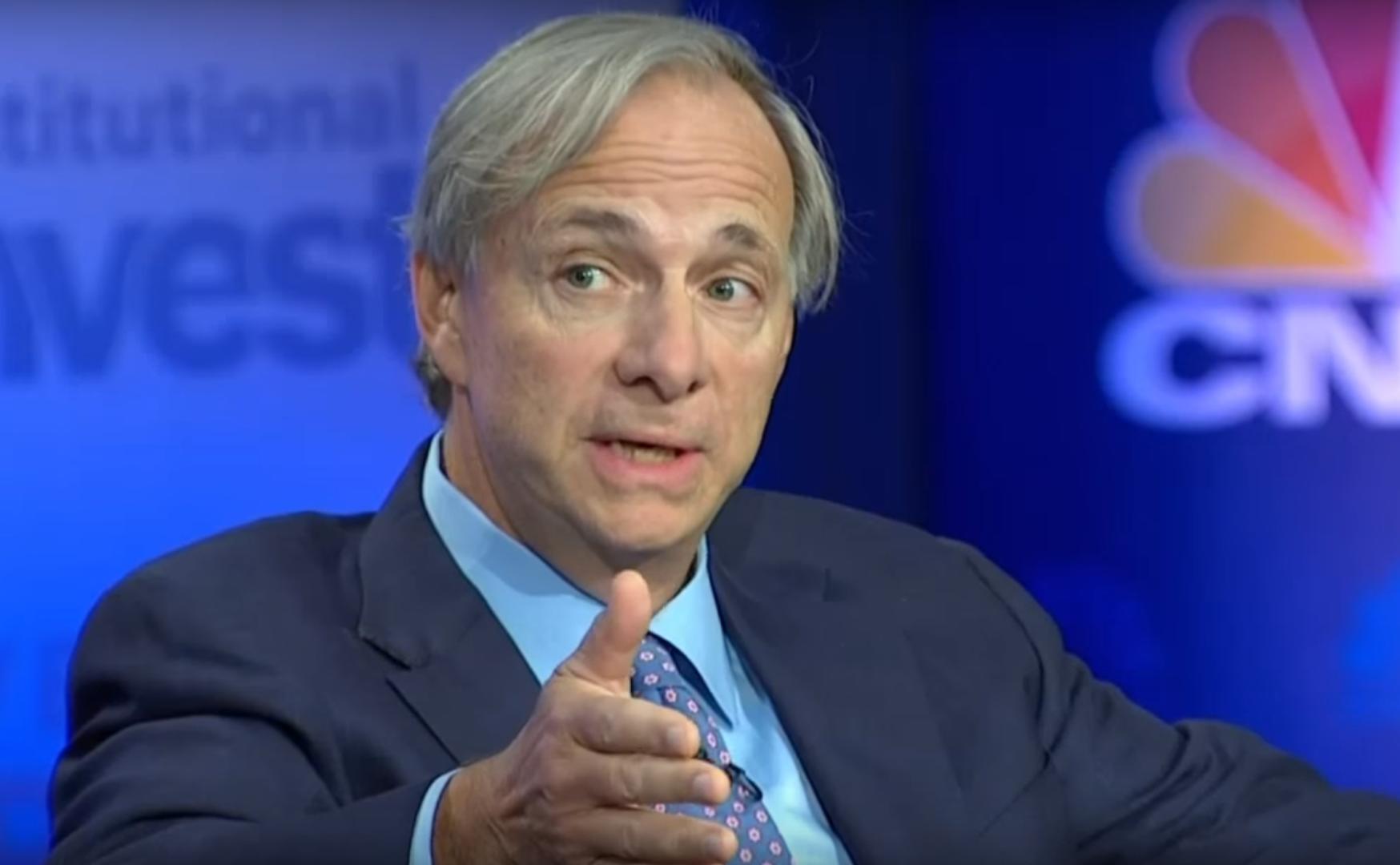
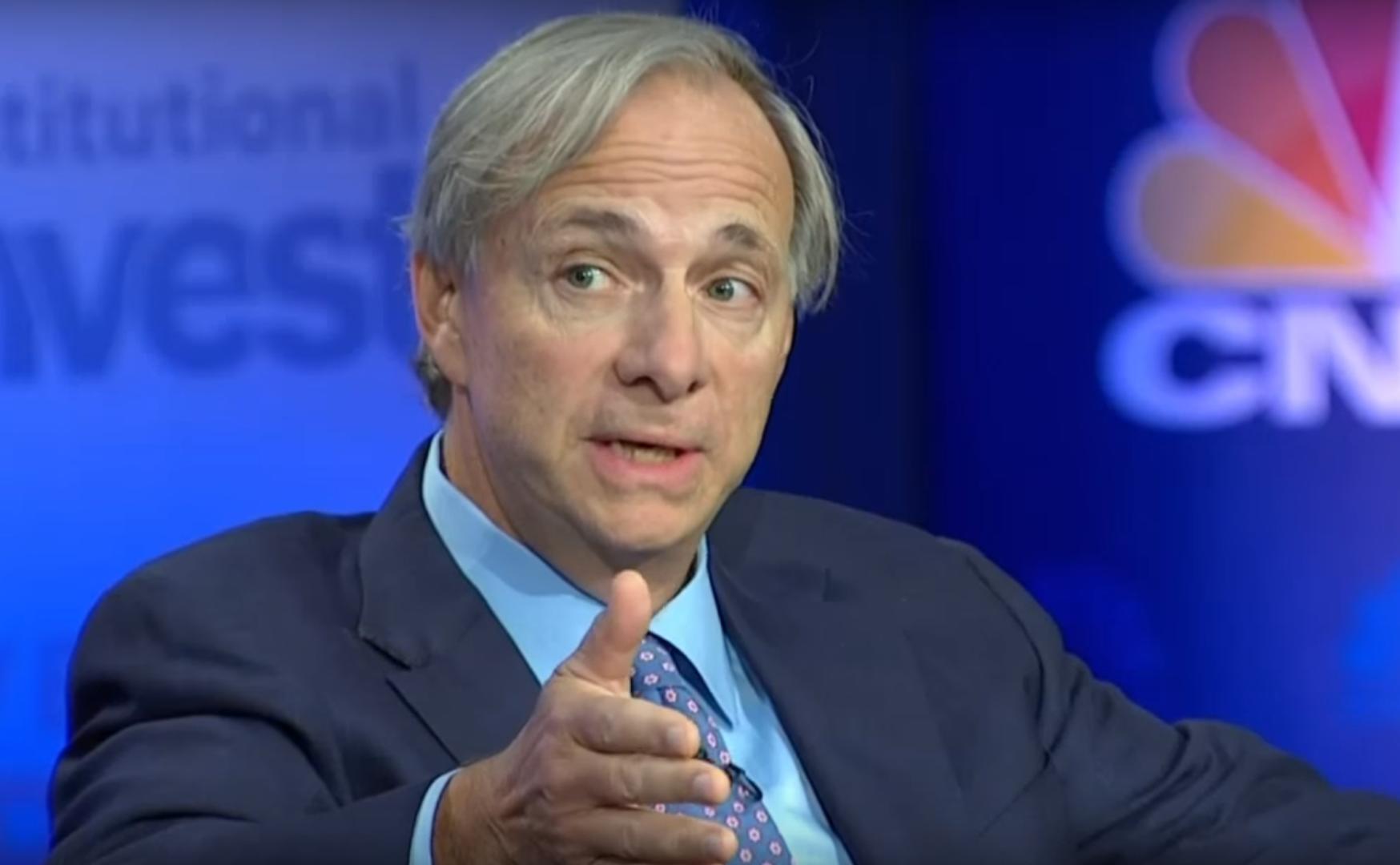
Bitcoin’s transparency was once considered one of its greatest strengths. Now, Ray Dalio says, it may be the very reason central banks won’t adopt it as a reserve asset, even though corporations and institutional investors have embraced it.
The billionaire hedge fund manager, who is also a bitcoin investor, said on X that, “Bitcoin lacks privacy. Transactions can be monitored and potentially controlled, which is why central banks aren’t looking to hold it.”
Ray Dalio has previously said he allocates about 1% of his portfolio to bitcoin.
Bitcoin, the world’s largest blockchain network, operates as a decentralized peer-to-peer system built on a public ledger. Every transaction is permanently recorded on this transparent ledger, allowing anyone to view it in real time.
Anyone can open a Bitcoin block explorer, enter a wallet address into the search bar, and view the entire transaction history associated with it. While wallet addresses are pseudonymous rather than directly tied to identities, blockchain analytics firms and law enforcement agencies can often trace the movement of funds and link activity back to individuals or institutions.
In other words, the flow of BTC, the blockchain’s native token, is highly transparent and traceable, even if it is not always directly tied to real-world identities.
This level of transparency, often praised by Bitcoin supporters, may also be what keeps central banks away. Imagine being a central bank and accumulating an asset whose flows can be tracked in real time on a public ledger.
The lack of privacy is also a concern for large institutional players. At Consensus Hong Kong in February, participants noted that the mass adoption of blockchain technology at the institutional level may ultimately depend on stronger privacy features, particularly for large transactions.
The market seems to align with the growing expert consensus on privacy. For instance, the privacy-focused coin zcash (ZEC) has surged over 800% since early 2025. Bitcoin, meanwhile, is down over 10%.
Correlated to stocks
Dalio’s concerns, however, go beyond central bank adoption. He pointed to structural issues that limit bitcoin’s appeal as a reserve asset compared to traditional alternatives like gold.
One of them is its tendency to take cues from Wall Street, especially the technology stocks, rather than acting as an independent store of value during periods of stress.
As of writing, the 90-day correlation coefficient between bitcoin and the Nasdaq, Wall Street’s tech-heavy index, was 0.89, according to data source TradingView. That translates into an R² of 0.79, meaning roughly 79% of bitcoin’s price movements can be explained by its relationship with the Nasdaq over the 90 days. The data points to BTC’s behavior more as a risk-on asset than an independent store of value.
The other issue Dalio highlighted is the market’s scale and structure. Unlike gold, which is deeply established, widely held, and exists outside any single digital system, bitcoin remains a relatively small and more easily influenced market. In his view, these factors further weaken its case as a global reserve asset, despite growing institutional participation.
“Ultimately, gold is more widely held, deeply established, and still plays a central role in the global system,” he said.
Dalio has repeatedly favored gold over bitcoin, and his views have been countered by crypto industry experts.


Google’s Threat Intelligence Group said it found a zero-day exploit that likely used artificial intelligence during discovery and weaponization.
Summary
- Google’s report links AI to a zero-day 2FA bypass targeting a popular admin tool today.
- The exploit needed valid credentials first, but removed the second authentication barrier for attackers later.
- Crypto users face added risk as AI agents, wallets, and connectors attract phishing attempts online.
The exploit targeted a popular open-source, web-based system administration tool and allowed attackers to bypass two-factor authentication after gaining valid login details.
The group said it worked with the affected vendor to disclose the flaw and stop the planned mass exploitation campaign. Google did not name the tool, the vendor, or the threat actor behind the operation.
Exploit needed valid credentials first
The flaw did not give attackers full access on its own. Google said the bypass required valid user credentials before the attacker could skip the second login step. That detail matters because two-factor authentication often protects crypto accounts, exchange logins, developer dashboards, and wallet-linked services.
Google said the weakness came from a logic error, not a common coding bug such as memory corruption or poor input handling. The company described it as a high-level semantic flaw, where a hardcoded trust assumption conflicted with the tool’s 2FA checks.
Moreover, Google said it had “high confidence” that the actor likely used an AI model to support discovery and weaponization of the vulnerability. The company said the exploit script included educational comments, a hallucinated CVSS score, and a clean Python format often linked to large language model output.
The company also said it does not believe Gemini was used in the operation. Its report noted that China and North Korea-linked actors have shown interest in AI-assisted vulnerability research, including prompt-based security testing and large-scale analysis of known flaws.
Crypto security risks widen
The warning adds to rising concern over AI tools in crypto security. Separate reports have tracked OpenClaw-related phishing, where attackers used cloned websites and malicious wallet prompts to target developers and drain crypto wallets.
Other security coverage has also warned that AI agents can create new weak points when they process outside content, connect to third-party tools, or act without enough human approval. Those risks are more serious when agents can access wallets, private files, browser data, or account credentials.
Google said threat actors are also testing AI for malware support, defense evasion, information operations, and access to AI systems. It named malware families such as PROMPTFLUX, HONESTCUE, and CANFAIL as examples of tools using LLMs for obfuscation or decoy code.


Bitcoin Ordinals explorer Ord.io will shut down on June 1, marking a fresh setback for the Bitcoin inscription market.
Summary
- Ord.io will shut down on June 1 after its creators said funding had run out.
- Zap users were told to export private keys to keep access to their assets.
- The closures come as Bitcoin Ordinals and Runes activity remains far below earlier highs.
The platform launched in 2023 and served more than 1 million users, according to the project’s public statement.
Creator Leonidas King said the team could no longer keep the project running. He wrote, “In the end we ran out of money and don’t see a path forward.” The statement points to funding pressure at a time when Ordinals activity has cooled from its 2023 and 2024 highs.
Zap also winds down
Zap, a consumer app linked to the same team, will also stop operations on June 1. The app aimed to let users sign up and buy bitcoin memecoins in under 30 seconds, but the team said it failed to reach the user growth needed to continue.
The platform told users to log in and export their private keys before the shutdown. Reports said users were advised to import those keys into Phantom to keep access to assets. Zap also said users who miss the deadline can still access funds through Privy Home.
Meanwhile, Ord.io said it plans to preserve part of its public history before going offline. The project said it would upload upvotes, replies, and public address profiles to GitHub so future developers can use that data if they build a new explorer.
The team also left the door open for another group to take over the platform. That leaves a possible path for Ord.io to survive, but no buyer or operator had been named at the time of the announcement.
Bitcoin inscription activity cools
The shutdown comes after a sharp boom-and-cool cycle for Bitcoin inscriptions. Ordinals allow users to attach data such as images, text, or code to individual satoshis, creating Bitcoin-native digital collectibles. Earlier explainers described Ordinals as a way to make specific satoshis distinct from others.
Runes later added another wave of activity around fungible tokens on Bitcoin. Earlier market updates showed Runes generated $135 million in fees in its first week after the 2024 halving, but activity dropped soon after. May 2024 data showed only two days in a 12-day period generated more than $1 million in fees.
The broader market has since shown mixed signals. OKX launched an Ordinals Launchpad in late 2024 and said trading volume for Ordinals, Runes, and BRC-20 collections on its platform had risen 50% since November. At the same time, Binance had already halted support for Ordinal assets, showing uneven demand across major platforms.
Ord.io’s closure adds to that split market picture. The protocol remains live on Bitcoin, but consumer apps need users, funding, and steady trading activity to survive. For builders, the next test is whether Bitcoin-native collectibles can move beyond short hype cycles and support products that stay open.
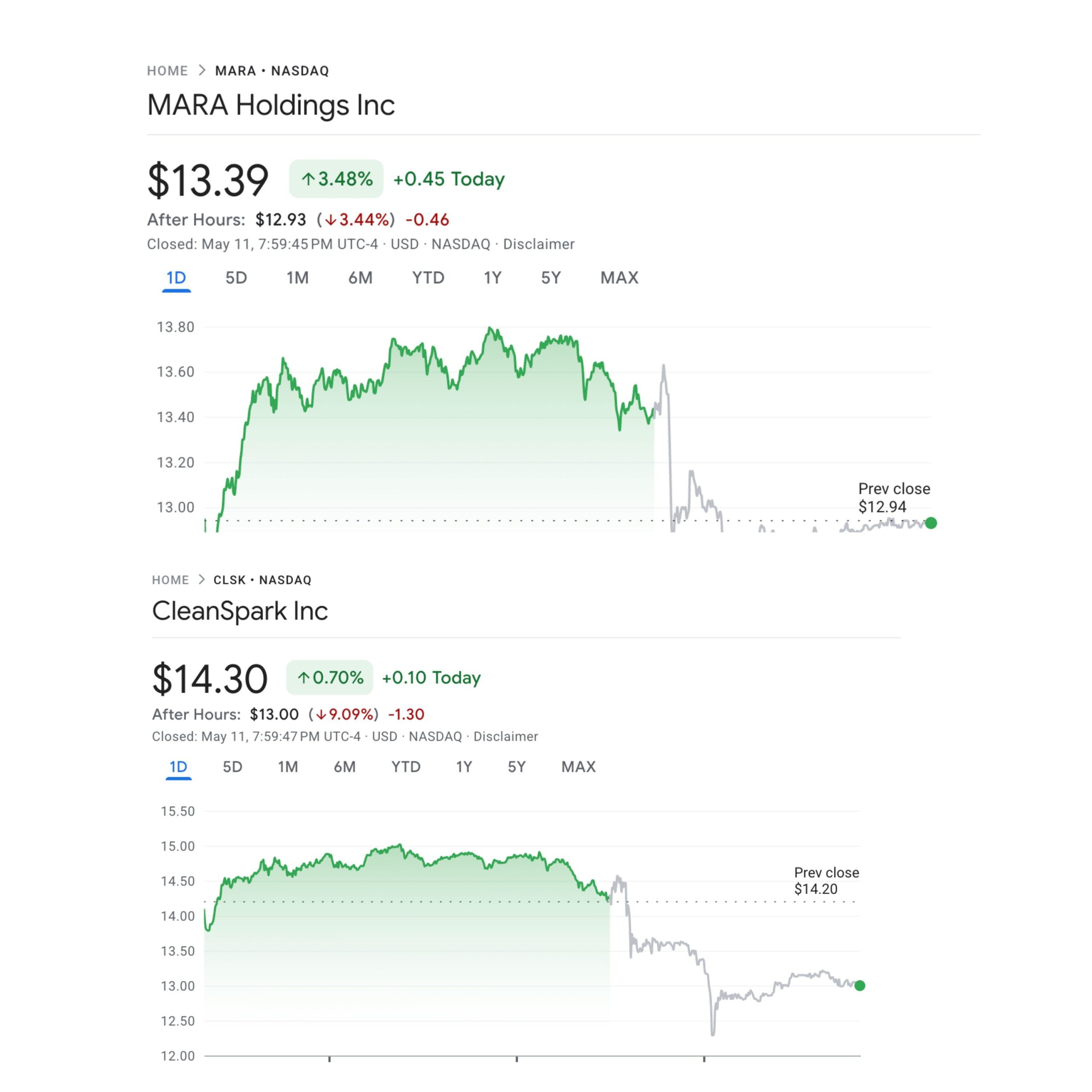
MARA Holdings (MARA) and CleanSpark, Inc. (CLSK) shares fell in after-hours trading after the two Bitcoin (BTC) miners released their latest quarterly results.
Both companies recorded a drop in revenue and wider net losses for the period, tied to their Bitcoin holdings.
Bitcoin Price Slide Hammers Miner Treasuries
According to Google Finance data, MARA closed at $13.39 on May 11, up 3.48% on the day, before dropping 3.44% in after-hours trading. CLSK posted an even steeper after-hours decline of 9.09%, after closing the regular session at $14.3, up 0.7%.
Follow us on X to get the latest news as it happens

MARA reported a net loss of $1.3 billion, or $3.31 per diluted share, compared with a $533.4 million loss a year earlier. The quarterly results were impacted by a $1 billion loss tied to changes in the fair value of its digital asset holdings.
In addition, MARA noted that revenue fell 18% year over year to $174.6 million. The miner produced 2,247 Bitcoin at an average cost of $76,288 and sold 20,880 BTC at an average price of $70,137, ending the quarter with 35,303 BTC, worth about $2.4 billion.
“We advanced the Starwood strategic partnership from announcement to execution, closed our acquisition of a majority interest in Exaion, retired approximately 30% of our outstanding convertible debt, realigned the organization, and, after quarter end, announced a definitive agreement to acquire Long Ridge Energy & Power (“Long Ridge”) from FTAI Infrastructure Inc,” the shareholder letter read.
Meanwhile, CleanSpark recorded a net loss of $378.3 million for its fiscal second quarter ended March 31, 2026. This marked a 173% increase from $138.8 million a year earlier.
The company said $224.1 million of the quarterly loss stemmed from declines in the fair value of its Bitcoin holdings, which were valued at $925.2 million at the end of the quarter.
The company’s revenue fell 24.9% year over year to $136.4 million, down from $181.7 million in the same quarter last year.
Despite weaker financial results, CleanSpark increased its Bitcoin holdings by 14% and boosted its average monthly hashrate by 18% year over year.
The results extend a broader pattern across the sector. Hut 8 (HUT), Core Scientific (CORZ), American Bitcoin (ABTC), Cipher Digital (CIFR), and Riot Platforms (RIOT) all reported quarterly losses earlier this month.
Subscribe to our YouTube channel to watch leaders and journalists provide expert insights
The post MARA and CleanSpark Stocks Slide as Bitcoin Losses Sink Quarterly Results appeared first on BeInCrypto.
Shares in MARA Holdings fell after the bell on Monday as the Bitcoin miner’s first-quarter losses deepened from a year ago and its revenues missed analyst estimates.
MARA’s earnings released on Monday reported its revenue for the quarter ending March 31 dropped 18% year-on-year to $174.6 million, missing Wall Street expectations of $192.7 million.
The company reported a loss of $1.3 billion for the quarter, widening from its $533.4 million loss from the year-ago quarter. Its earnings per share were a loss of $3.31, compared to estimates of a loss of $2.20.
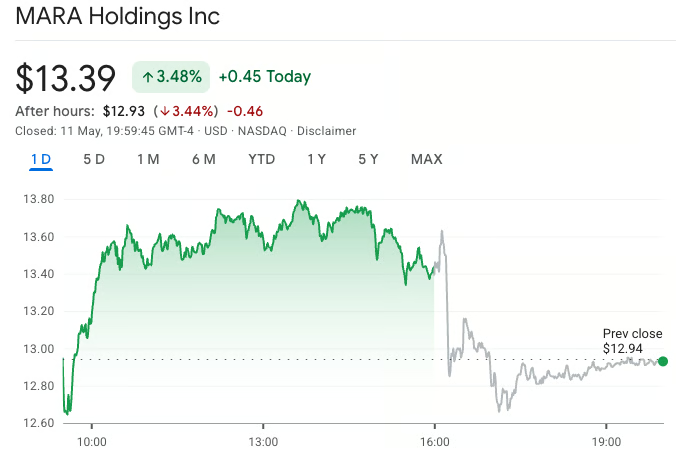
Shares in MARA Holdings (MARA) fell 3.44% in after-hours trading on Monday to $12.93, erasing gains over the trading day, which ended at a gain of 3.48% to $13.39.

MARA Holdings erased gains after the bell on Monday after the company’s earnings missed expectations. Source: Google Finance
MARA stock has fallen 16% over the last 12 months, but has begun to mount a return this year as it has focused on pivoting to build artificial intelligence data centers.
The company reported its first-quarter losses were largely attributed to unrealized losses in its 38,689 Bitcoin treasury as the cryptocurrency fell 23% during the quarter. MARA said it sold more than 15,100 Bitcoin worth $1.1 billion in the final week of March.
MARA said that Bitcoin mining remains the company’s “operational foundation,” even as it continues expanding into AI and high-performance computing to pursue additional revenue streams.
MARA is one of several US-based Bitcoin miners that have seen profits turn into losses as challenging mining conditions continue to weigh on the sector.
Bitcoin is trading more than 35% below its all-time high of $126,080, significantly reducing miner revenues per block, while mining difficulty, a measure of how computationally difficult it is to mine a block, has risen nearly 30% over the past year.
MARA has also lost ground to competitors, falling from the largest Bitcoin miner by market cap to seventh place as rivals have more aggressively expanded into AI.
Related: Saylor signals another Bitcoin buy after hinting at selling in Q1 earnings call
MARA’s current AI strategy centers on its partnership with Starwood Capital, aimed at converting Bitcoin mining sites into AI and HPC data centers, and Long Ridge Energy & Power, a gas-fired power plant and data center that it acquired for $1.5 billion in late April.
“Our strategy centers on co-locating new infrastructure with existing Bitcoin mining operations,” MARA said. “This approach creates flexibility: we can generate revenue today through Bitcoin mining while preserving the option to redirect power toward AI and critical IT loads as those opportunities mature on the same sites.”
MARA added that the Long Ridge Energy & Power acquisition could eventually support 600 megawatts of AI computing capacity and that around 90% of its non-hosted mining capacity could be redeployed for AI and IT compute.
The company said it does not have any plans to purchase additional Bitcoin mining hardware.
Magazine: Bitdeer sells all Bitcoin, Metaplanet rejects misconduct claims: Asia Express
MultiBank Group’s Crypto Arm mb.io Brings Ghana Gold On-chain with Kings Orbis, EON3 & Mavryk
Gilberto Ramirez reflects on David Benavidez fight in first statement since KO loss

Still haven’t upgraded to full fibre NBN? From next year, NBN Co will make it mandatory for some premises

Manchester United reach agreement with Casemiro over contract clause amid transfer speculation

US brings back mandatory military draft registration

Steven Gerrard disagrees with Gary Neville over ‘shock’ Chelsea and Arsenal claim | Football


-
 Crypto World4 days ago
HarrisX Poll Found 52% of Registered Voters Support the CLARITY Act
-

 Fashion4 days ago
Weekend Open Thread: Marianne Dress
-

 Crypto World5 days ago
Upbit adds B3 Korean won pair as Base token gains Korea access
-
 NewsBeat5 days ago
NCP car park operator enters administration putting 340 UK sites at risk of closure
-

 Fashion13 hours ago
Coffee Break: Travel Steam Iron
-

 Tech2 days ago
Auto Enthusiast Carves Functional Two-Stroke Engine from Solid Metal
-

 Politics8 hours ago
What to expect when you’re expecting a budget
-

 Politics3 days ago
Politics Home Article | Starmer Enters The Danger Zone
-

 Fashion1 day ago
What to Know Before Buying a Curling Wand or Curling Iron
-
 Business3 days ago
Ignore market noise, India’s long-term story intact, say D-Street bulls Ramesh Damani and Sunil Singhania
-

 Crypto World7 days ago
UAE Free Zone Deploys Blockchain IDs to Verify Registered Firms
-

 Tech24 hours ago
GM Agrees To Pay $12.75 Million To Settle California Lawsuit Over Misuse Of Customers’ Driving Data
-

 Crypto World6 days ago
BlackRock CEO Larry Fink Discusses a New Asset Class
-

 Entertainment5 days ago
Sarah Paulson Called Out For Met Gala ‘Hypocrisy’
-

 Crypto World5 days ago
Robinhood says Wall Street is building onchain
-
 Sports6 days ago
NBA playoff winners and losers: Austin Reaves is not loving Lakers vs. Thunder matchup, but Chet Holmgren is
-

 Entertainment4 days ago
General Hospital: Ric & Ava Bombshell – Ric’s Massive Secret Exposed!
-

 Entertainment5 days ago
Bold and Beautiful Early Spoilers May 11-15: Steffy Revolted & Liam Overjoyed!
-

 Tech6 days ago
Apple and Samsung are dominating smartphone sales so thoroughly that only one other company makes the top 10
-

 Fashion5 days ago
The Best Work Pants for Women in 2026
You must be logged in to post a comment Login