

Business
Oracle Stock Drops 3.6% to $186.83 as AI Spending Concerns Weigh on Cloud Giant Amid Market Volatility

NEW YORK — Oracle Corp. shares closed down 3.62 percent at $186.83 on Wednesday, May 13, 2026, extending recent weakness as investors continued to scrutinize the software giant’s aggressive capital spending on artificial intelligence infrastructure and cloud expansion. The decline of $7.01 per share came despite a modest pre-market rebound, reflecting ongoing unease about profitability, execution risks and broader tech sector rotation.
The move erased additional market value from the company, which has faced significant pressure throughout 2026 amid questions over the returns on its massive AI-related investments. Oracle, long a leader in enterprise databases and now a major player in cloud infrastructure, has poured billions into data centers and GPU capacity to capitalize on surging demand for AI services, but high costs and uncertain near-term margins have unsettled Wall Street.
Volume remained elevated as traders reacted to broader market signals, including mixed performance in big tech and persistent concerns about capital intensity in the AI boom. Pre-market trading Thursday showed a slight recovery to around $188, up about 0.63 percent, as some bargain hunters stepped in.
Key Factors Behind the Decline
Analysts point to several interconnected issues pressuring Oracle stock. First, ongoing skepticism about the company’s heavy capital expenditures persists. Oracle has committed tens of billions to expand its Oracle Cloud Infrastructure (OCI) to support large AI workloads, including high-profile partnerships. While cloud revenues have grown strongly, the scale of spending has raised fears of margin compression and elevated debt levels.
Second, earlier reports of Oracle canceling a major server order from Super Micro Computer — valued between $1 billion and $1.4 billion — continued to reverberate. The decision, linked to supply chain adjustments and risk management, fueled perceptions that AI infrastructure buildouts may face delays or cost overruns. This news, combined with analyst notes questioning the profitability of GPU-as-a-service offerings, has weighed on sentiment.
Third, broader market dynamics played a role. Tech stocks faced headwinds amid rotation toward other sectors and caution over valuation multiples in the AI space. Oracle’s premium positioning left it vulnerable to any signs of slowing momentum, even as the company reports robust remaining performance obligations in the hundreds of billions.
Oracle’s AI and Cloud Momentum
Despite the share price pressure, Oracle’s fundamentals show strength in key growth areas. Cloud revenues have accelerated significantly in recent quarters, with strong demand for multicloud and AI services. The company’s database business remains a cash cow, while new offerings in generative AI and enterprise applications gain traction.
Oracle has highlighted wins with major clients and raised long-term guidance in prior reports, pointing to a massive backlog. However, investors appear focused on the “show me” phase, demanding clearer evidence that heavy upfront investments will translate into sustainable profit growth and free cash flow.
Analyst Perspectives and Valuation
Wall Street reactions have been mixed. Some firms have trimmed price targets citing execution risks and financing needs, while others see the pullback as a buying opportunity in a company with durable competitive advantages. Oracle’s forward earnings multiples, while elevated historically, appear more reasonable after the year-to-date decline.
Longer-term bulls argue that Oracle’s integrated stack — combining databases, cloud infrastructure and applications — positions it uniquely for enterprise AI adoption. CEO Safra Catz and founder Larry Ellison have emphasized disciplined growth and shareholder returns, including dividends and buybacks.
Broader Implications for Tech Investors
Oracle’s performance reflects wider tensions in the AI trade. While enthusiasm for artificial intelligence remains high, questions about capital efficiency, power demands and actual monetization timelines have created volatility. Companies heavily exposed to infrastructure buildouts face particular scrutiny compared to software pure-plays with lighter balance sheets.
For Oracle specifically, the coming quarters will be critical. Investors will watch for updates on data center timelines, cloud revenue acceleration and margin trends. Any positive surprises on cost control or major new customer wins could catalyze a rebound, while further delays or spending overruns might extend the pressure.
Retail and institutional holders have felt the impact, with the stock well off its 2025 highs. Yet many long-term observers view current levels as potentially attractive for a company with strong secular tailwinds in cloud and AI. Diversification, careful position sizing and attention to upcoming earnings remain key themes for those navigating the name.
As markets digest Wednesday’s close, attention turns to any fresh corporate updates or sector catalysts. Oracle’s next earnings report will likely provide more color on progress and outlook, potentially shifting the narrative. For now, the 3.62 percent drop underscores persistent caution even as the company executes on its ambitious AI strategy.
The tech heavyweight’s path forward will hinge on balancing growth investments with shareholder returns in an environment where AI hype meets financial reality. Investors remain watchful as Oracle navigates this pivotal chapter in its evolution from database leader to AI infrastructure powerhouse.

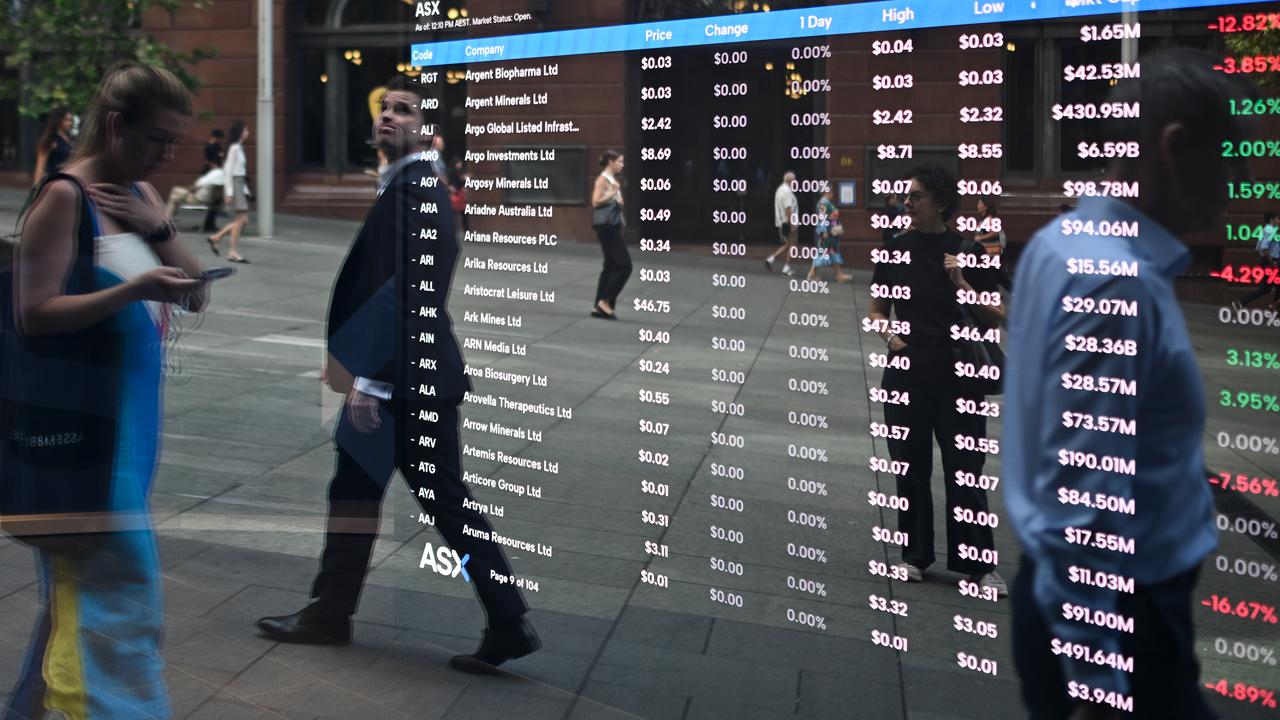
Australia’s share market has fallen for four of the past five weeks, following a storm of profit warnings, earnings disappointments, interest rate hikes and fuel security woes.
Claire Tyrrell speaks to Ella Loneragan about the state of major projects in South Perth, as development times ramp up.
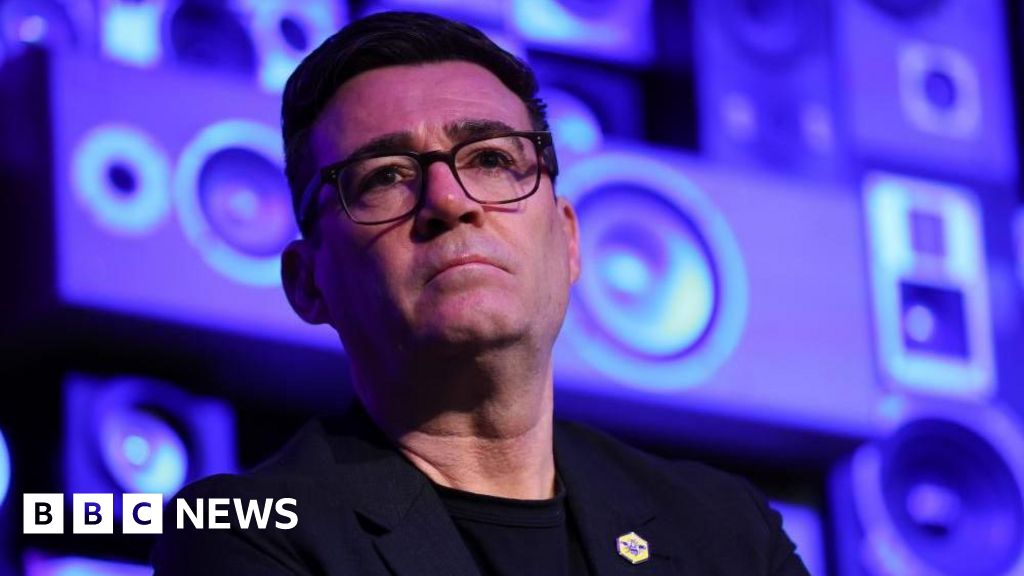
“Overall, UK politics is a mess, there are already signs that foreign buyers are ditching the gilt market. If there is a major rout in the pound and/or gilts in the coming days, prospective candidates may need to assess whether now was a wise time to make a move against the PM,” she said.

Intuitive Machines Set To Launch In The Space Race

Hargreave Hale AIM VCT allots 105,364 shares at 33.55p


Zelenskiy condemns Russia after strike on Kyiv apartment block kills 24
Vodafone appoints Olaf Koch as non-executive director
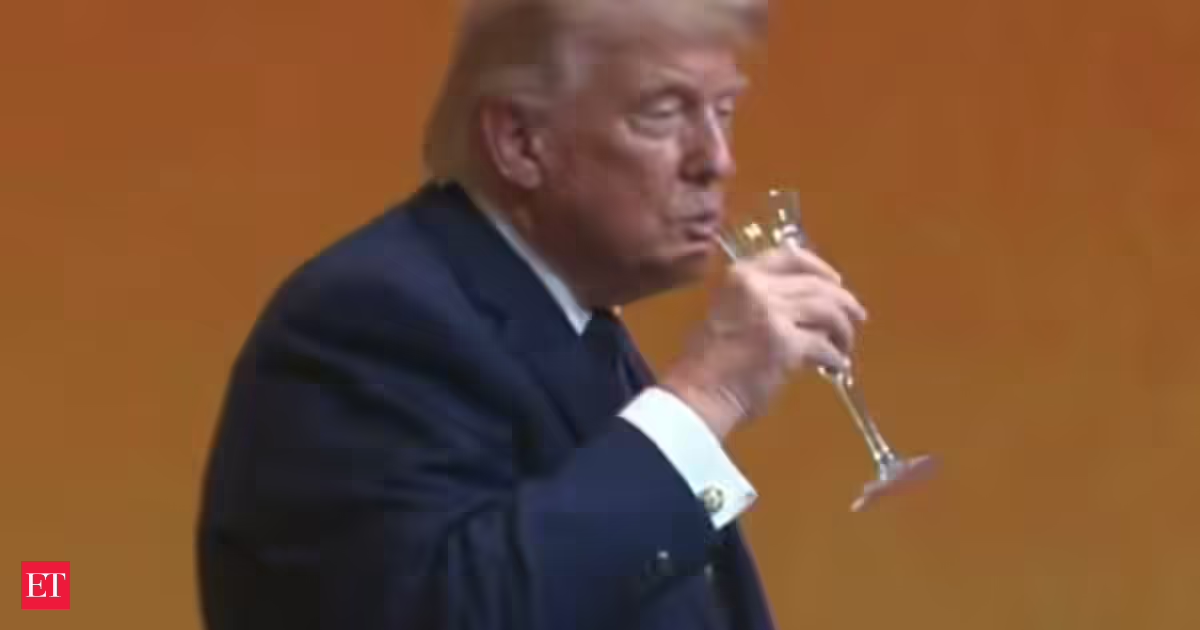
“Trump has never had alcohol in his life. China gave him a beverage to toast, and Trump drank it. This is a very subtle, but STRONG statement on who’s really in charge,” claimed one viral social media post.
According to the Asian Business Daily, “During the proceedings, President Trump was seen raising his glass containing the toasting wine and bringing it to his lips, appearing to take a sip. He then handed the glass to a staff member, and cameras caught him seemingly holding the wine in his mouth for a moment before swallowing.”
Trump has repeatedly said he has never consumed alcohol — a rare claim among modern US presidents.

“I’ve never had a drink,” Trump told Fox News after his election victory in 2017.
According to the BBC, Trump’s decision to avoid alcohol stems from the death of his older brother, Freddie Trump, who died at the age of 42 from complications related to alcoholism.
Trump has also reportedly advised his children to stay away from drugs, alcohol and cigarettes.
However, Bruce LeVell, a former Trump adviser and former White House small business advocate, dismissed the viral speculation in a post on X, saying, “It’s not alcohol, and I speak for the President.”
In another post, he added, “President Trump does not drink or do drugs. You want a president like that.”
Trump was on an official visit to China on an invitation from Chinese president Xi Jinping. It was the first visit to China by a US president in nine years.
What happened during Trump’s China visit
Trump departed China on Friday while highlighting several business agreements reached during the trip, even as Beijing warned Washington against mishandling the sensitive Taiwan issue and criticised the Iran war.
“We’ve settled a lot of different problems that other people wouldn’t have been able to solve,” Trump said after meeting Chinese President Xi Jinping in Beijing on the second day of talks.
The discussions reportedly covered the Iran conflict, Taiwan, trade ties and other major geopolitical issues. While Xi did not publicly comment on his talks with Trump regarding Iran, China’s foreign ministry later issued a strong statement expressing frustration over the conflict.

I’ve been researching companies in-depth for over a decade, from commodities like oil, natural gas, gold and copper to tech like Google or Nokia and many emerging market stocks, which I believe could help me provide useful content for readers. After writing my own blog for about 3 years, I decided to switch to a value investing-focused YouTube channel, where I researched hundreds of different companies so far. I would say my favorite type of company to cover are metals and mining stocks, but I am comfortable with several other industries, such as consumer discretionary/staples, REITs and utilities.
Analyst’s Disclosure: I/we have no stock, option or similar derivative position in any of the companies mentioned, and no plans to initiate any such positions within the next 72 hours. I wrote this article myself, and it expresses my own opinions. I am not receiving compensation for it (other than from Seeking Alpha). I have no business relationship with any company whose stock is mentioned in this article.
Seeking Alpha’s Disclosure: Past performance is no guarantee of future results. No recommendation or advice is being given as to whether any investment is suitable for a particular investor. Any views or opinions expressed above may not reflect those of Seeking Alpha as a whole. Seeking Alpha is not a licensed securities dealer, broker or US investment adviser or investment bank. Our analysts are third party authors that include both professional investors and individual investors who may not be licensed or certified by any institute or regulatory body.
SEOUL — Investors weighing Samsung Electronics against SK Hynix for 2026 portfolios face a classic choice between diversified stability and pure-play AI growth as the global memory-chip supercycle intensifies. SK Hynix has surged ahead in high-bandwidth memory leadership and profitability, while Samsung leverages its vast resources to close the gap and offers broader exposure across semiconductors, smartphones and consumer electronics.
Both South Korean giants posted record first-quarter 2026 results driven by explosive demand for AI servers, but analysts give SK Hynix a slight edge for investors seeking maximum upside from the HBM boom. SK Hynix commands roughly 54 percent of the global HBM market and secured about 70 percent of NVIDIA’s HBM4 orders for the Vera Rubin platform, with its entire 2026 chip supply already sold out in key categories. Samsung, traditionally the larger player in conventional DRAM and NAND, is pouring more than $73 billion into chip expansion this year to regain ground.
The memory supercycle shows no signs of slowing. Surging AI infrastructure spending has pushed DRAM and NAND prices higher, with some server memory categories up more than 60 percent since late 2025. SK Hynix reported operating margins near 72 percent in Q1, while Samsung’s memory division approached similar levels despite broader business losses in foundry and system LSI.
SK Hynix: Pure AI Play with Explosive Momentum
SK Hynix stands out as the clearer beneficiary of the AI tailwind. Its focus on high-margin HBM products, critical for training and running large language models, has translated into record profits. The company’s operating profit in recent quarters has outpaced Samsung’s memory segment, with analysts forecasting continued dominance through 2027 as HBM4 shipments ramp.
Investors benefit from SK Hynix’s tight alignment with NVIDIA and other hyperscalers. The firm’s technological edge in stacking and thermal management gives it pricing power and near-term market share gains. Shares have responded with strong year-to-date gains, though valuations reflect the premium for leadership.
Risks remain. SK Hynix’s heavy concentration in memory leaves it more exposed to any slowdown in AI spending. Geopolitical tensions around its China facilities and potential U.S. export restrictions on advanced chips could also weigh on operations.
Samsung: Diversified Giant with Catch-Up Potential
Samsung offers a more balanced risk-reward profile. While lagging in HBM, the company is accelerating investments and has already raised prices on key chips by up to 60 percent. Its foundry, mobile and consumer electronics businesses provide natural hedges against memory cyclicality.
The conglomerate’s scale allows it to fund aggressive R&D and capacity expansion without the same financing constraints faced by pure-play competitors. Samsung’s upcoming HBM4 products and planned early deliveries could narrow the gap with SK Hynix by late 2026. Analysts highlight its long-term ability to leverage synergies across the value chain.
However, near-term challenges persist. Labor union tensions at Samsung’s key Pyeongtaek campus — which produces half of global DRAM and vital HBM — threaten production if strikes materialize in May and June. The company also carries higher exposure to cyclical consumer markets compared with SK Hynix.
Analyst Consensus and Valuation Comparison
Wall Street remains bullish on both. Samsung carries a Strong Buy consensus from 37 analysts with an average 12-month price target around KRW 274,000. SK Hynix earns similar enthusiasm, with many firms citing its HBM leadership as justification for a premium multiple.
Valuations reflect differing stories: SK Hynix trades at a higher forward price-to-earnings multiple justified by faster growth, while Samsung appears relatively cheaper on a diversified basis. Both offer attractive dividends relative to global tech peers, though SK Hynix’s payout is more modest given reinvestment needs.
Currency movements also matter. The Korean won’s fluctuations against the dollar can amplify or mute returns for international investors. South Korea’s export-driven economy ties both stocks closely to global trade and tech spending.
Broader Market and Economic Context
The AI memory boom forms part of a larger semiconductor upcycle. Data-center buildouts by hyperscalers continue at record pace, with HBM demand outstripping supply through at least 2027. Traditional DRAM and NAND markets benefit indirectly as customers stockpile ahead of shortages.
South Korea’s semiconductor sector, which both companies dominate, accounts for a massive portion of the KOSPI index. The iShares MSCI South Korea ETF provides convenient bundled exposure, with the pair comprising more than 25 percent of the fund.
Global risks include U.S.-China trade tensions, potential AI spending pauses and commodity price swings. On the positive side, any resolution in Middle East conflicts could ease energy costs and support broader economic growth.
Investment Recommendation for 2026
For growth-oriented investors chasing the purest AI memory exposure, SK Hynix edges out as the stronger 2026 pick. Its technological lead, sold-out capacity and sky-high margins position it to capture disproportionate upside from continued HBM demand.
Conservative or diversified investors may prefer Samsung for its scale, multiple business lines and potential to close the HBM gap. The stock offers a margin of safety through non-memory revenue streams and remains undervalued relative to growth prospects.
A balanced approach — owning both or using the MSCI South Korea ETF — mitigates single-company risk while capturing the sector tailwind. Dollar-cost averaging and monitoring quarterly results, especially HBM shipment updates and Samsung’s labor situation, will be key.
Neither stock is without volatility. Memory cycles have historically been dramatic, and AI hype could moderate if economic conditions shift. Yet current fundamentals — tight supply, strong pricing and multi-year demand visibility — support an upbeat outlook for both through 2026 and into 2027.
As the AI infrastructure buildout accelerates, the Samsung-SK Hynix duel will remain one of the most watched battles in global tech. Investors who correctly time entry into the memory supercycle could see substantial returns, but thorough research and risk management remain essential in this fast-moving sector.

Virat Kohli breaks silence on 2027 ODI World Cup aspiration

Pharmaceutical Takeda to layoff 4,500 people from global workforce

My XRP Prediction For 2026 Will SHOCK YOU!! Raoul Pal

Manchester United reach agreement with Casemiro over contract clause amid transfer speculation

US brings back mandatory military draft registration

Steven Gerrard disagrees with Gary Neville over ‘shock’ Chelsea and Arsenal claim | Football


-

 Fashion7 days ago
Weekend Open Thread: Marianne Dress
-

 Fashion4 days ago
Coffee Break: Travel Steam Iron
-

 Fashion4 days ago
What to Know Before Buying a Curling Wand or Curling Iron
-

 Tech5 days ago
Auto Enthusiast Carves Functional Two-Stroke Engine from Solid Metal
-

 Politics3 days ago
What to expect when you’re expecting a budget
-
 Business6 days ago
Ignore market noise, India’s long-term story intact, say D-Street bulls Ramesh Damani and Sunil Singhania
-

 Politics6 days ago
Politics Home Article | Starmer Enters The Danger Zone
-

 Tech4 days ago
GM Agrees To Pay $12.75 Million To Settle California Lawsuit Over Misuse Of Customers’ Driving Data
-

 Crypto World6 days ago
PROS explodes 48% as Upbit and Bithumb listings ignite demand
-
 Crypto World5 days ago
CZ says US crypto rivals tried to block Trump pardon
-

 Tech3 days ago
GM agrees to $12.75M California settlement over sale of drivers’ data
-

 Entertainment7 days ago
YNW Melly Denied Bond Again Ahead Of Double Murder Retrial
-

 Crypto World6 days ago
Kraken Parent Seeks OCC Charter, Signaling Regulated Banking Access
-
Crypto World7 days ago
The Hantavirus Danger: Can a Potential Outbreak Spark a New Meme Coin Frenzy?
-

 Sports7 days ago
After Waka Waka, Shakira now drops first teaser for FIFA WC 2026 song | FIFA World Cup 2022
-
 Tech7 days ago
The Xperia 1 VIII leak finally gives Sony some swagger
-
 Crypto World6 days ago
Solana UFO Meme Coins Surge After Pentagon Reveals Alien Files
-

 Entertainment6 days ago
Bethenny Frankel Says She Loves ‘Torturing’ Men
-

 Sports7 days ago
Why Nathan Mackinnon Remains the Hart Trophy Favourite over Connor McDavid and Nikita Kucherov | NHL
-
Crypto World2 days ago
Bitcoin Suisse expands with Digital Asset License and Investment Business Act Registration Approval in Bermuda
You must be logged in to post a comment Login