

Business
With Aluminum In Short Supply, Regional Price Risks Emerge

Getty Images
By Ivan Castano
The Iran war has sent aluminum prices higher this year, unnerving a slew of global industries that rely on the base metal to manufacture cars, canned goods and aircraft.
Before the conflict began in late February, prices were hovering at $3,200 per metric ton (tonne) but rose to a four-year high of $3,500 per tonne a fortnight later as fears of supply shocks hit the market.
Wood Mackenzie had already predicted a 200,000-tonne deficit for this year, possibly rising to 800,000 tonnes by 2028. This was sharply higher than the roughly 50,000-tonne shortage expected as of late 2025, when electric vehicles (EVs), renewable energy (mainly solar panels) and AI data centers were taking demand to new heights.
Crucially, the war triggered the closure of the Strait of Hormuz, a vital waterway through which Middle East output – which accounts for 9% of the world’s total – reaches ports in Europe and the United States. Simultaneously, Aluminium Bahrain (Alba), which operates the globe’s largest smelter, announced it would cut output by 19% due to the maritime disruption.
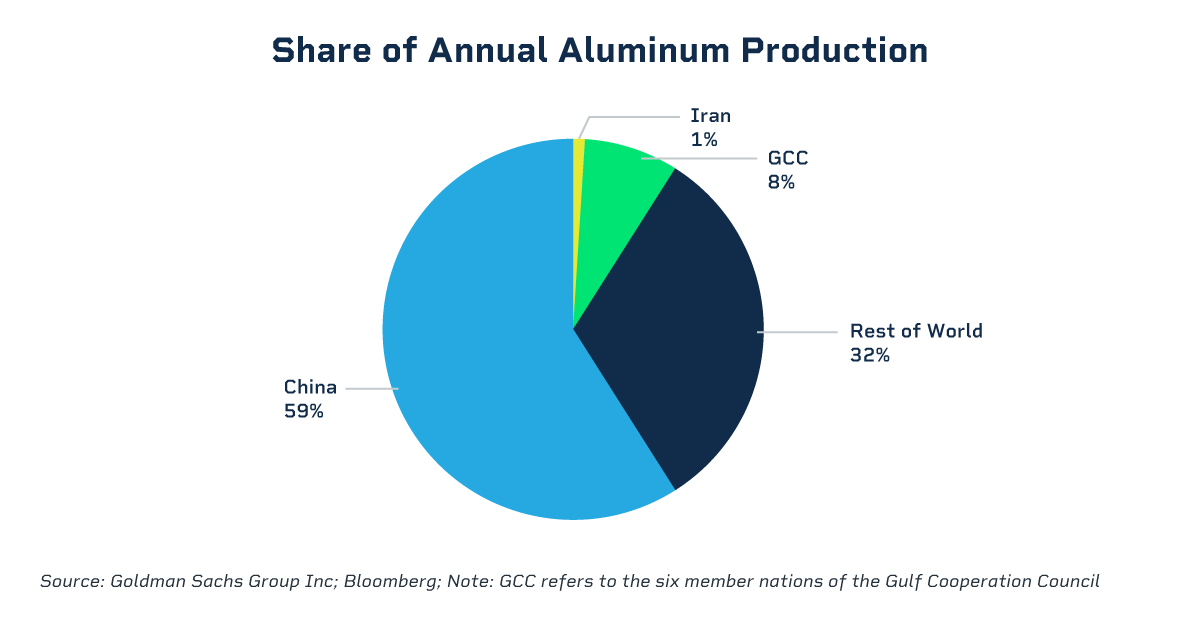
“The closure of ports and plants is likely to cause significant turbulence in the aluminum market,” according to a Wood Mackenzie report, which also noted that the loss of the Gulf States’ outflows “would significantly tighten the balance over the next 6-12 months.” There are no viable ways of offsetting the loss from interrupted shipping or prolonged shutdowns.
Some carmakers, particularly EV manufacturers who use around 25% more aluminum than combustion models, have also announced they will cut production until there is greater clarity about the supply chain’s future.
Regional Disparities in Aluminum Pricing
While the rising flat price of aluminum is in focus, current events are further widening regional price differentials.
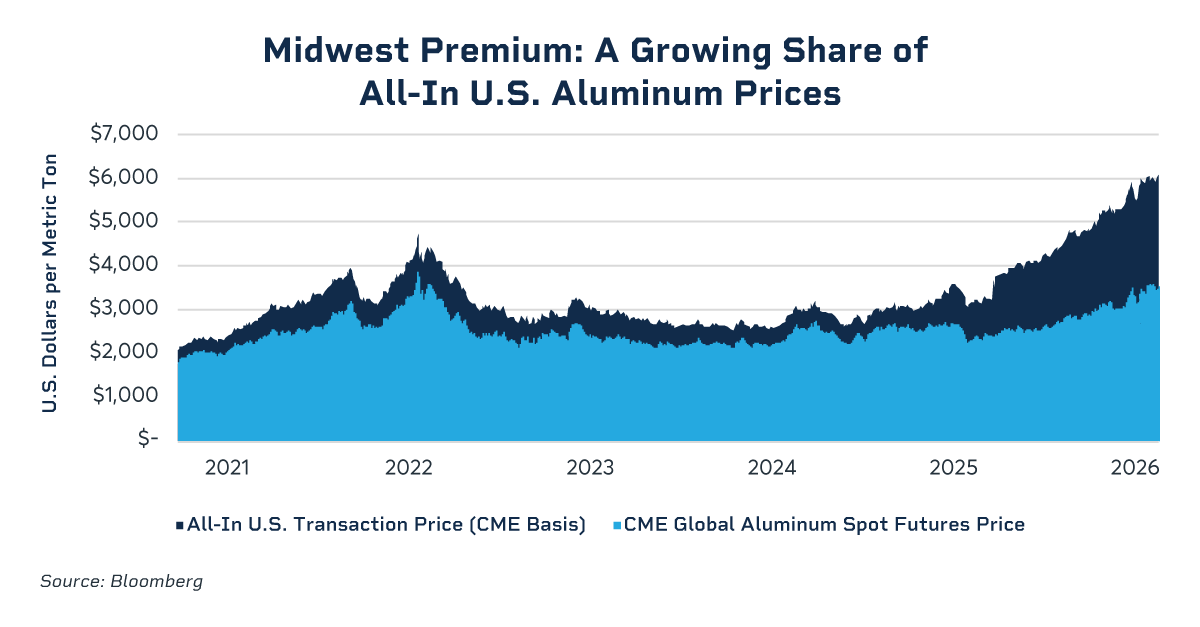
So-called physical premiums (a markup to the global price that reflects the regional fundamentals, cost of shipping and tariffs) are sharply above their pre-war baselines. The spreads – commonly called the Midwest Premium for the U.S.; the Rotterdam Duty-Paid, or European Premium Duty-Unpaid, for Europe; and the Japanese Premium for Asia – were trading around $2,529, $612, $507 and $302, respectively, as of early May. To help investors manage related price risks, CME Group offers futures on these regional premiums, in addition to futures on aluminum itself. Traders can either trade the regional premium as a standalone or the all-in price, covering the global price plus the premium.
With a historically high Midwest Premium, U.S.-bound aluminum is fetching over $6,000 per tonne, squeezing manufacturers in a country that imports the vast majority of supplies. Roughly 12% of these imports come from the Middle East, where American buyers have increasingly turned to with tariffs and sanctions significantly limiting the import and producer origins to choose from.
“Our contracts provide a key risk management tool for U.S. aluminum consumers and have become a critical piece to mitigate price risk and help protect margins,” said Ian Caton, Senior Director of Metals Products at CME Group.
The conflict in Iran expedited the expansion of an already-growing regional premium, he added. The introduction of Section 232 tariffs in 2018 first kicked off this increase for U.S. consumers, a trend further exaggerated as tariff policies broadened over the past year.
In contrast, European and Japanese markets face considerably smaller regional spreads, as they lack comparable tariff structures, though they have also jumped in the wake of the war.
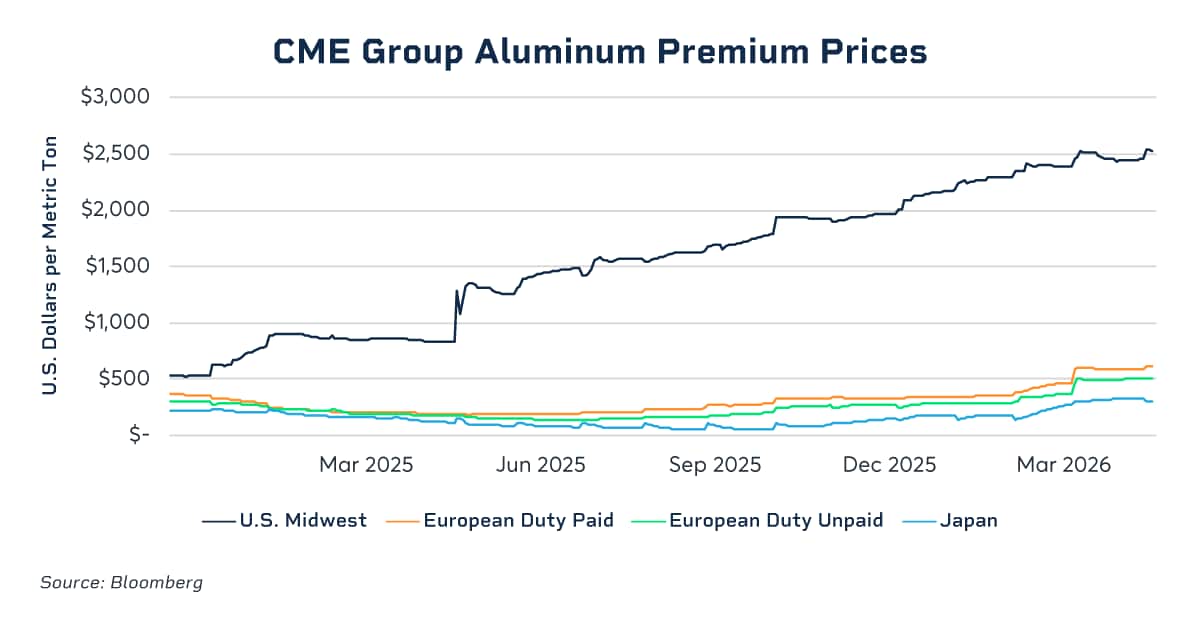
Europe’s premium is now roughly at $612 per tonne, while Japan’s is at $302 per tonne, both up around 70% from their pre-war levels.
Interestingly, however, Europe’s Rotterdam premium surged over 50% in 2025 as a shutdown at Iceland’s key supplier, Aluminum Iceland, a carbon tax for non-EU importers and an output slump in Mozambique strangled supply.
In Japan, opposite forces were at play. The Asian country faced an aluminum oversupply as the automotive industry slashed production and stocks were already abundant. This brought prices lower, hitting a $58 per tonne bottom late last year. Then, as demand began to pick up and the trade blockade started, prices surged to $181 a tonne in February before settling even higher as of late April.
“The impact depends on the region,” Caton noted. “The global price plays a role, but regional considerations have become an increasing proportion of the notional value of the all-in cost of aluminum. The U.S. Midwest premium, for example, now accounts for over 40% of the all-in transaction price for aluminum in the U.S.”
Recycling to the Fore
Amid supply headwinds, U.S. buyers are bolstering their recycling capacity to ensure they have sufficient aluminum stocks.
Subodh Das, CEO and founder of industry consultancy Phinix, said the United States has invested $10 billion in the process and has the capacity to increase repurposed output to 4 million tonnes this year, up from 3 million tonnes in 2025.
Beyond ramping up old facilities or installing new ones, there must be a bigger effort to leverage landfilled capacity, according to Das.
“One and a half million tons of scrap are landfilled every year, while 1.5 million are exported,” he said. “We need to stop landfilling, and we need to export less.”
The U.S. could also benefit from raising production, Das added, an effort that recently got a boost after Emirates Global Aluminium and Century Aluminum struck a joint venture to make 750,000 tonnes of the metal in Oklahoma, nearly doubling current capacity from a plant it claimed will be the nation’s largest.
Despite the war’s uncertainty, Das said the U.S. has a 120-million ton aluminum reserve in landfills, largely derived from used beverage cans, that could be put to work if the conflict further impacts global stocks.
Alan Taub, an engineering professor at the University of Michigan’s Electric Vehicle Center, agreed more must be done to buoy recycling, especially as automobile prices continue to skyrocket.
“The aluminum price impact is the most concerning coming from the war,” he said. “We are having an automotive affordability problem with average sales prices north of $50,000. While the industry tends to know how to cope by adding extra capacity, or using materials in different ways, after adding value [like turning the metal into an automotive casting], component prices have risen dramatically.”
By adding secondary or ‘scrap’ aluminum into the manufacturing mix, industries can reap huge cost savings from lower energy usage while cutting emissions, said Taub.
But this isn’t always easy.
“One of the challenges in shredding [a car dismantling process] is that you get secondary aluminum that can be contaminated with iron (from steel bolts or brackets),” which can undermine the structural integrity of the resulting material, Taub said. Consequently, the industry is developing more iron-tolerant variants such as aluminum alloys blended with manganese and/or magnesium.

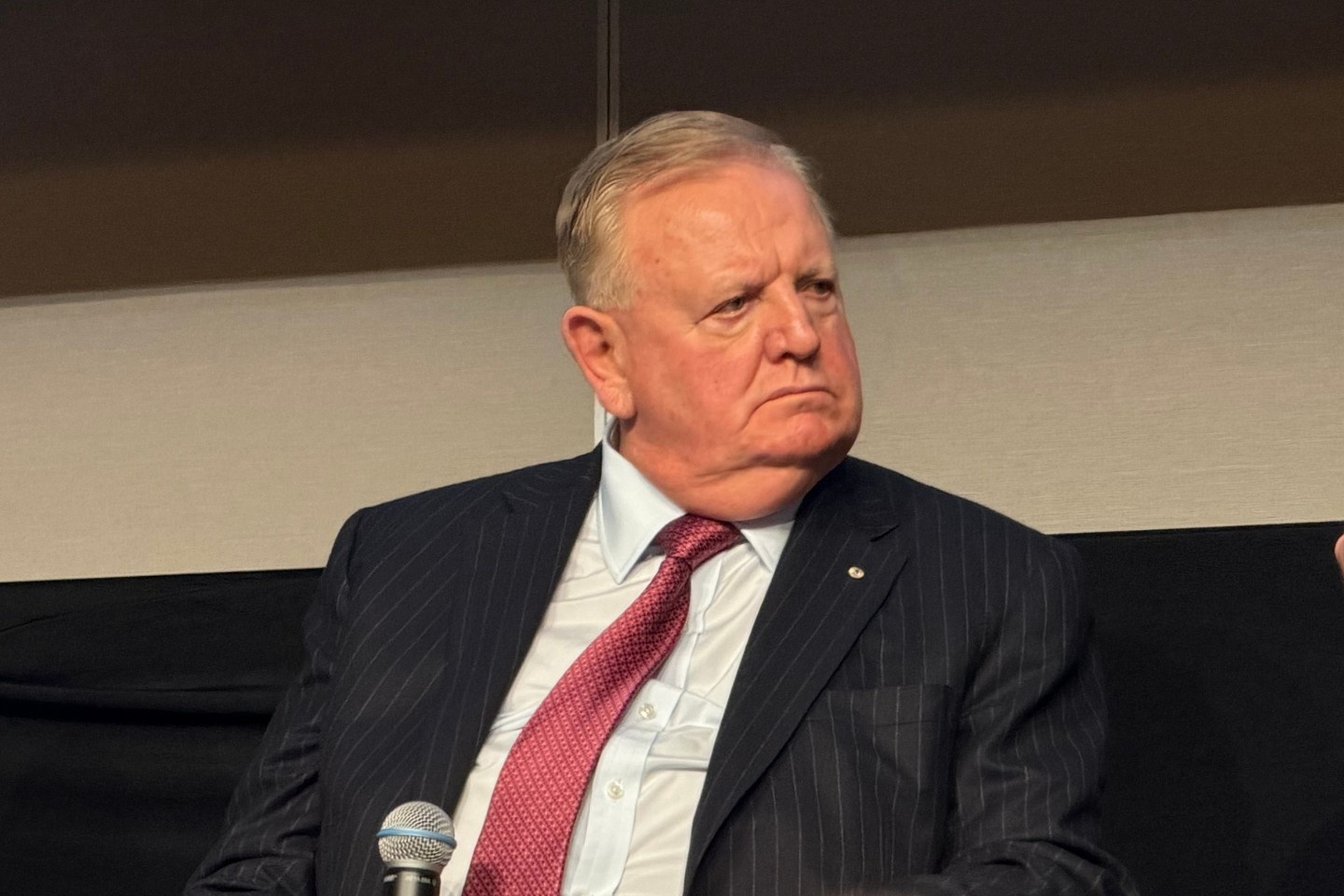
Nigel Satterley says the federal budget’s tax reforms will add pressure to developers’ ability to deliver new greenfield developments.
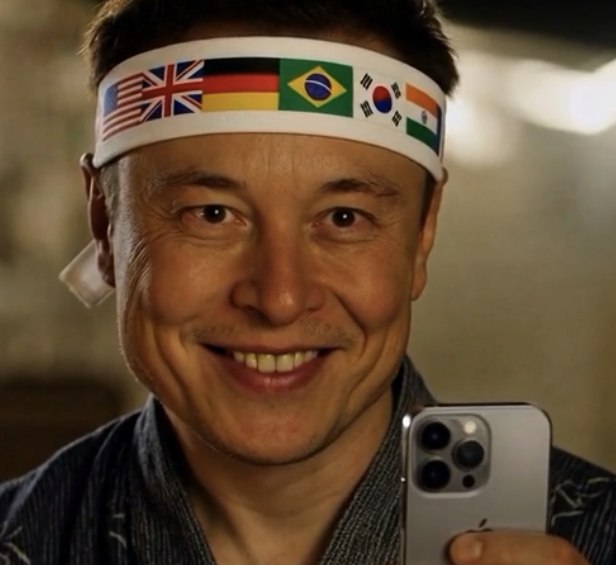
AUSTIN, Texas — Elon Musk offered a simple yet powerful affirmation Friday, replying “True” to a viral X post declaring that “the most important thing in life is having true friends,” accompanied by a photo of the Tesla and SpaceX CEO alongside NVIDIA’s Jensen Huang. The understated response quickly exploded online, amassing millions of views and sparking widespread discussion about friendship, loyalty and the human side of high-stakes tech leadership.
The original post by popular X account @cb_doge featured an image of Musk and Huang together in a relaxed, friendly moment, likely captured during their recent high-profile trip to China aboard Air Force One with President Donald Trump. The duo, both titans of the artificial intelligence and semiconductor worlds, have forged a close professional and personal bond over years of collaboration on cutting-edge technology. Musk’s two-word reply resonated instantly, striking a chord with users who saw it as a rare glimpse of vulnerability and warmth from one of the world’s most polarizing billionaires.
Within hours, the post and Musk’s reply generated more than 15 million views, 150,000 likes and thousands of reposts and replies. Users flooded the thread with their own stories of friendship, memes celebrating the tech leaders’ camaraderie and heartfelt messages about the value of genuine relationships in an often cutthroat industry.
Recent Trip to China Highlights Bond
The photo appears to stem from the May 13-14 Trump-Xi summit in Beijing, where Musk, Huang and other U.S. tech executives joined the presidential delegation to discuss trade, AI and semiconductor cooperation. Images and videos from the trip showed Musk and Huang traveling together on Air Force One, engaging in candid conversations and even sharing lighthearted moments at official events.
Musk has publicly praised Huang in the past, crediting NVIDIA’s early support for Tesla’s autonomous driving efforts and highlighting their shared vision for AI advancement. Huang, in turn, has described Musk as a visionary who believed in NVIDIA’s technology when few others did. Their partnership has deepened as both companies push the boundaries of AI infrastructure, with Tesla relying heavily on NVIDIA chips for its Dojo supercomputers and autonomous vehicle development.
The China trip itself drew significant attention, with Musk and Huang among the high-profile business leaders accompanying Trump. Photos of the group at the Great Hall of the People, including Musk performing his signature “photo-spin” for cameras, underscored the blend of diplomacy, business and personal rapport.
Friendship in the Tech World
Musk’s affirmation of true friendship comes at a time when the tech industry is often criticized for cutthroat competition, intense rivalries and fleeting alliances. Observers noted the post humanizes Musk, who frequently faces scrutiny over his public persona, work habits and controversial statements. Many replies celebrated the image of two visionary leaders supporting each other amid the pressures of building the future.
Replies ranged from heartfelt endorsements — “True friends are priceless” — to humorous takes on Huang’s signature leather jacket and Musk’s casual style. Some users drew parallels to other high-profile friendships in business, while others used the moment to reflect on personal relationships. A common theme emerged: in an era of digital connection, authentic bonds remain irreplaceable.
Industry analysts suggested the post subtly reinforces the collaborative spirit between Tesla and NVIDIA, two companies at the forefront of AI, electric vehicles and computing power. Their relationship stands in contrast to more adversarial dynamics seen elsewhere in Silicon Valley, such as ongoing tensions over chip supplies and market dominance.
Musk’s Philosophy on Life and Success
Musk has occasionally shared personal insights on X, from family values to the importance of long-term thinking. His “True” reply aligns with previous statements emphasizing loyalty, resilience and surrounding oneself with people who share a mission. Friends and associates have described Musk as someone who values deep, enduring relationships despite the demands of running multiple companies.
For Huang, the sentiment resonates with his own public comments about early supporters like Musk who backed NVIDIA during critical periods. The two have appeared together at conferences and events, often discussing the future of AI with mutual respect and enthusiasm.
Viral Impact and Cultural Resonance
The post’s rapid spread highlights X’s role as a platform for unfiltered moments from influential figures. Musk’s massive following — more than 200 million users — amplifies even brief comments into global conversations. The exchange has been covered by major outlets, with commentators praising its simplicity and authenticity in an age of polished public relations.
Social media users from diverse backgrounds shared how the post prompted personal reflection. Parents posted about teaching children the value of true friendship, while professionals discussed navigating workplace alliances. Some drew connections to broader themes of trust in leadership, both in business and politics.
Critics, however, noted the irony of a billionaire discussing friendship while navigating complex business and regulatory challenges. Others appreciated the reminder that even the most powerful figures prioritize human connection. The post has sparked countless memes, quote graphics and video edits celebrating friendship across industries.
Broader Implications for Tech Leadership
As AI reshapes industries and geopolitical tensions influence global supply chains, personal relationships among tech leaders can play a subtle but significant role. Musk and Huang’s rapport has facilitated collaboration on projects critical to U.S. innovation and competitiveness. Their joint presence in Beijing signaled unity in high-stakes diplomatic and economic discussions.
The moment also humanizes the often-intimidating world of big tech. In an era where executives are scrutinized for every statement and move, a simple affirmation of friendship offers a refreshing counterpoint. It underscores that behind the balance sheets and bold visions are individuals who value the same fundamental things as everyone else.
As reactions continue pouring in, Musk’s brief reply stands as a testament to the enduring power of genuine connection. In a world increasingly defined by algorithms and competition, the image of two trailblazers sharing a moment of camaraderie reminds millions that true friends remain one of life’s greatest assets — a sentiment Musk himself endorsed with just one word.
The post remains live and continues gaining traction, serving as a timely reminder amid fast-paced technological change. Whether viewed as a casual comment or a deeper philosophical statement, Musk’s agreement has resonated far beyond the tech community, sparking conversations about what truly matters in life.
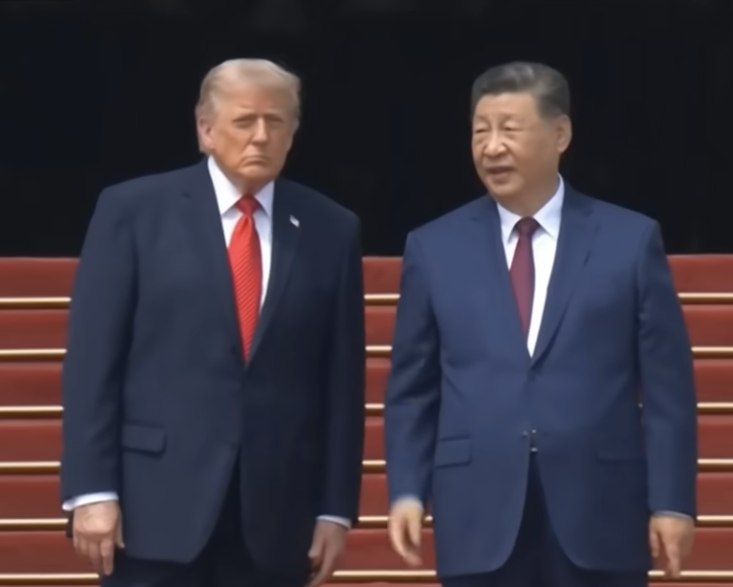
BEIJING — President Donald Trump emerged from two days of intense negotiations with Chinese President Xi Jinping with tangible victories that strengthen America’s economic position, as the United States extracted concrete commitments on energy purchases, Boeing aircraft orders and agricultural exports while holding firm on core strategic issues including Taiwan and technology restrictions.
The high-stakes summit, the first U.S. presidential visit to China in nearly a decade, concluded Friday with Trump declaring the meetings “extremely productive” and securing deliverables that directly benefit American workers, manufacturers and energy producers amid global disruptions caused by the Iran conflict. While both leaders projected warmth and mutual respect, analysts assessing outcomes say Trump achieved more measurable gains without making significant concessions on America’s strategic red lines.
Trump brought a powerful delegation of U.S. business leaders including Elon Musk, Tim Cook and Jensen Huang, leveraging their presence to push for expanded market access and fairer trade practices. The trip yielded commitments from China to significantly increase purchases of U.S. energy, Boeing aircraft and agricultural goods — moves designed to help offset global oil supply concerns and support American jobs.
Key Wins for the United States
White House officials highlighted several concrete outcomes. China agreed to ramp up imports of American liquefied natural gas and other energy products, providing crucial stability for U.S. producers facing volatile global markets. Boeing secured firm commitments for additional aircraft orders, a major boost for American manufacturing and aerospace workers. Agricultural exports also received a significant lift, benefiting Midwest farmers.
On the diplomatic front, both nations reaffirmed that Iran must not develop nuclear weapons and that the Strait of Hormuz must remain open for energy shipments — a critical priority for global markets and U.S. allies. Trump’s team successfully avoided major concessions on Taiwan, with no softening of America’s support for the island’s security despite Xi’s firm public statements on the issue.
Trump used the summit to reinforce America’s technological edge, with U.S. executives pressing successfully for improved regulatory conditions. The meetings also advanced discussions on fentanyl precursor chemicals, addressing a key domestic priority for the Trump administration.
China’s Limited Gains
While Xi hosted Trump with full state honors and emphasized “partnership over rivalry,” Beijing offered mostly incremental steps rather than structural reforms. Chinese state media focused heavily on optics and mutual respect, but analysts note that China conceded more on commercial purchases to secure stability during a period of global uncertainty. Xi’s warning on Taiwan was firm but produced no policy shift from the American side.
Trump’s approach — combining personal diplomacy with business leverage — proved effective. The inclusion of top American CEOs created direct pressure that translated into purchasing commitments, giving the U.S. side measurable economic wins that can be highlighted domestically.
Strong Domestic and International Reaction
In Washington, Republicans hailed the summit as a clear success for American interests, with many praising Trump’s ability to extract concessions while protecting strategic priorities. Business groups welcomed the energy and aircraft deals as immediate boosts for U.S. exporters. Democrats offered measured praise for the energy stability agreements while calling for stronger action on human rights.
Taiwanese officials expressed satisfaction that no major concessions were made on their security. European and Asian allies viewed the outcome as a net positive for global stability, with U.S. leadership helping maintain pressure on key issues like Iran.
Strategic Context and Long-Term Impact
The summit occurred against the backdrop of ongoing U.S.-China competition, but Trump’s team successfully framed the relationship as one of managed rivalry rather than outright confrontation. By securing commercial wins without compromising on technology export controls or Taiwan policy, the administration advanced America’s economic interests while maintaining strategic deterrence.
Analysts note that Trump’s personal rapport with Xi, built over multiple meetings, allowed for more direct and results-oriented discussions than traditional diplomatic channels. The presence of Musk, Cook and Huang amplified American leverage, demonstrating the synergy between U.S. government policy and private-sector strength.
For China, the visit provided valuable stability during a challenging period, but the tangible concessions on purchases and energy suggest Beijing blinked first on immediate economic pressure points. Xi maintained his public stance on Taiwan but failed to extract any softening of U.S. positions.
What Comes Next
Trump returns to Washington with deliverables he can tout as proof of his “America First” approach delivering results. Follow-up negotiations will focus on implementing the new purchase agreements and addressing remaining issues. Xi’s invitation to visit the White House in September keeps dialogue channels open.
The Beijing summit marks a notable chapter in U.S.-China relations, with Trump demonstrating that targeted diplomacy backed by economic leverage can produce favorable outcomes for American interests. While the broader strategic competition continues, this meeting delivered clear edges for the United States on trade, energy security and maintaining firm positions on core national security concerns.
As Air Force One departed Beijing, Trump’s team projected confidence that the agreements reached will strengthen the U.S. economy and global standing. In the ongoing superpower relationship, this round clearly tilted toward American priorities and practical wins. The true test will be in the months ahead as both nations implement what was agreed and prepare for future engagements.
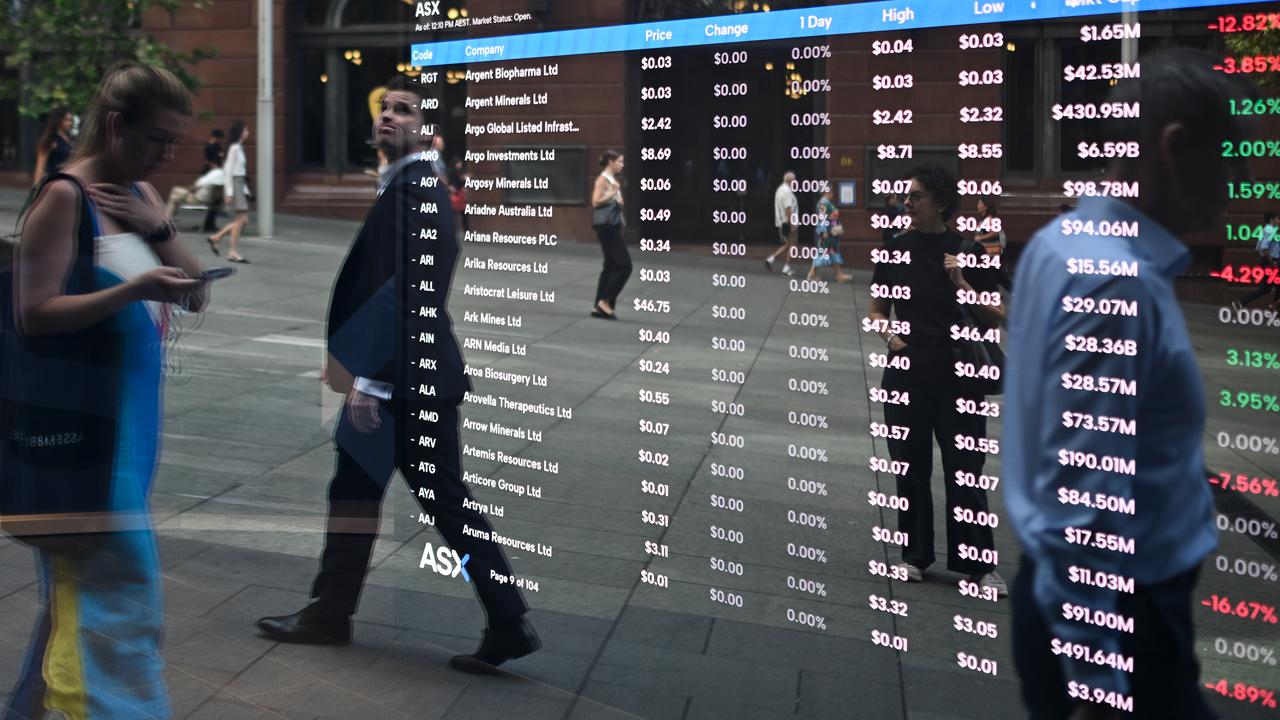
Australia’s share market has fallen for four of the past five weeks, following a storm of profit warnings, earnings disappointments, interest rate hikes and fuel security woes.
Claire Tyrrell speaks to Ella Loneragan about the state of major projects in South Perth, as development times ramp up.
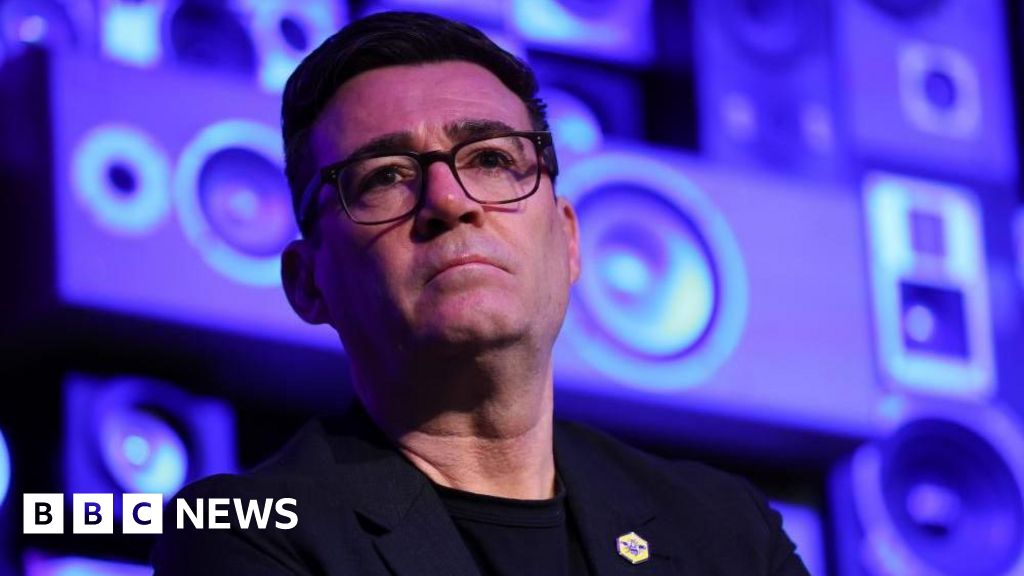
“Overall, UK politics is a mess, there are already signs that foreign buyers are ditching the gilt market. If there is a major rout in the pound and/or gilts in the coming days, prospective candidates may need to assess whether now was a wise time to make a move against the PM,” she said.

Intuitive Machines Set To Launch In The Space Race

Hargreave Hale AIM VCT allots 105,364 shares at 33.55p


Zelenskiy condemns Russia after strike on Kyiv apartment block kills 24
Vodafone appoints Olaf Koch as non-executive director

11 Of The Best Deals, Sales, Discounts This Week (11-17 May)

Marcus Rashford’s move to Barcelona under scrutiny as Man United target’s clause activated

SpaceX Unveils Sweeping Starship V3 Upgrades

Manchester United reach agreement with Casemiro over contract clause amid transfer speculation

US brings back mandatory military draft registration

Steven Gerrard disagrees with Gary Neville over ‘shock’ Chelsea and Arsenal claim | Football


-

 Fashion7 days ago
Weekend Open Thread: Marianne Dress
-

 Fashion4 days ago
Coffee Break: Travel Steam Iron
-

 Fashion4 days ago
What to Know Before Buying a Curling Wand or Curling Iron
-

 Tech5 days ago
Auto Enthusiast Carves Functional Two-Stroke Engine from Solid Metal
-

 Politics3 days ago
What to expect when you’re expecting a budget
-
 Business6 days ago
Ignore market noise, India’s long-term story intact, say D-Street bulls Ramesh Damani and Sunil Singhania
-

 Politics6 days ago
Politics Home Article | Starmer Enters The Danger Zone
-

 Tech4 days ago
GM Agrees To Pay $12.75 Million To Settle California Lawsuit Over Misuse Of Customers’ Driving Data
-

 Crypto World6 days ago
PROS explodes 48% as Upbit and Bithumb listings ignite demand
-

 Crypto World5 days ago
CZ says US crypto rivals tried to block Trump pardon
-
 Tech3 days ago
GM agrees to $12.75M California settlement over sale of drivers’ data
-

 Entertainment7 days ago
YNW Melly Denied Bond Again Ahead Of Double Murder Retrial
-

 Crypto World7 days ago
Kraken Parent Seeks OCC Charter, Signaling Regulated Banking Access
-
Crypto World7 days ago
The Hantavirus Danger: Can a Potential Outbreak Spark a New Meme Coin Frenzy?
-

 Sports7 days ago
After Waka Waka, Shakira now drops first teaser for FIFA WC 2026 song | FIFA World Cup 2022
-

 Tech7 days ago
Songs My Mother Gave Me: Editor’s Round-Up
-

 Tech7 days ago
The Xperia 1 VIII leak finally gives Sony some swagger
-
 Crypto World6 days ago
Solana UFO Meme Coins Surge After Pentagon Reveals Alien Files
-

 Entertainment6 days ago
Bethenny Frankel Says She Loves ‘Torturing’ Men
-

 Sports7 days ago
Why Nathan Mackinnon Remains the Hart Trophy Favourite over Connor McDavid and Nikita Kucherov | NHL
You must be logged in to post a comment Login