

Business
George Noble On Bonds, Private Credit, Consumer Stocks (& Tesla) Falling Apart


PM Images/DigitalVision via Getty Images

Listen here or on the go via Apple Podcasts and Spotify

Legendary investor George Noble talks inflation, bond markets disarray and the Best Income Ideas Online Summit (0:30) Bond yields, gold miners, and shorting consumer stocks (5:30) Avoid private credit, private equity (28:00) Tesla, SpaceX mega bearishness (31:10)
Transcript
Rena Sherbill: The man, the myth, the legend. It’s George Noble. We’re so happy to have him. Thanks for coming on.
George Noble: Thanks, Rena. Thanks for putting up with me.
Rena Sherbill: Put up with you very happily. We’re happy to have you on talking markets and analysis, but we also have something very special to share with our audience and with investors in general, you are putting on the absolute best conference that’s ever been seen to man and machine.
What is the conference? It’s May 20th. We have Steve Cress and some other familiar names from Seeking Alpha, but also some big hitters from outside the Seeking Alpha world.
Talk to us about this conference that’s coming next week. Share with us some of the main insights that will be gleaned and given and some of the biggest hitters that are going to be speaking, please.
George Noble: Thank you, Rena. So we’ve had three conferences so far, stock picking ideas. This conference is going to be dedicated to income investing, which I know is a topic that’s near and dear to many Seeking Alpha subscribers.
In a world of runaway fiscal deficits, irresponsible policy, bond markets, which are in disarray, think we’ve had four consecutive down years in bonds, and we’re looking at a fifth one now, what are you supposed to do with your income portfolio?
You take the traditional 60-40 portfolio. What are you supposed to do? And so, bonds historically, look at the 60-40 portfolio. Their inclusion has really been designed to hedge your equity exposure i.e. if we had a recession, profits went down, and markets went down, the bonds, the appreciation in bonds would offset that.
Historically, that’s worked. Stocks and bonds have been negatively correlated. Now they’re positively correlated. And the real risk is not one of recession and depression, but inflation. We have fiscal dominance running. Budget deficit is 7 to 8 % of GDP as far as the eye can see. We’re not, the dollar’s not the safe haven it once was.
And so bonds are, and we talked about this in our last time we were together, Rena, bonds are a very dangerous place to be. So what’s an investor supposed to do?
And so we’re trying to answer that question. There are other ways to generate income. We have on the one hand from Seeking Alpha, Steve Cress, who I understand is coming out with an income product next month. Steve’s going to speak about that and what he sees in the way of income.
And then we have a very nice array of other well-known Seeking Alpha group leaders. I can’t recall all of them, but people like Hoya Capital, Alex Pettee.
Leo Nelissen, Kirk Spano, Sam Kovacs, you go down the list. It’s some of the most popular and best SA authors. They’re going to come with a lot of great individual ideas in conjunction with an array of speakers who are coming from outside SA.
These are some of the best thought leaders out there. People like Michael Howell, who’s the world’s leading expert in liquidity. Luke Groman, who needs no introduction. He’s been in the Vanguard advocating gold and Bitcoin as a replacement for bonds. David Hay of Evergreen Gavekal. Jay Pelosky, formerly head of emerging markets at Morgan Stanley. And then finally, John Roque, who is my favorite technician on the street, is going to talk about the technical outlook for interest rates, bonds.
So you’re have a combination of macro and micro thinkers to try to make sense of the very challenged income environment that we’re in. All in one day on Wednesday, May 20 for only $99. This is crazy. You take someone like Michael Howell, he charges tens of thousands of dollars a year for institutional clients. You can get all of this in one place for $99. This is unprecedented.
I hate the term democratization of finance, but we really are democratizing finance. We are bringing the best intellectual capital we know to investors and it’s only $99. I couldn’t be more excited about this. Hopefully many of your viewers will attend.
Rena Sherbill: We’ll leave a link to sign up for that in the show notes. And it also runs from 10 a.m. to 6 p.m. Eastern. It’ll also have access to a full replay.
George Noble: Correct, replays should be available immediately. I don’t expect anyone to sit through 10 hours, 8 hours except me because I have to interview everybody but the replays will be available so you can listen to them in bite sized portions.
Rena Sherbill: J. Mintzmyer, by the way, one of the friends of the podcast, will also be in the conference.
George Noble: I forgot J. I just was emailing with J this morning. We’re trying to figure out when he’s going to talk. J’s one of my favorites and he talks shipping, which is related to energy. It’s one of the most topical things right now. So, I’m really excited to have J.
And I should also mention Michael Boyd, who works with J. Energy Investing Authority, it’s called. He’s going to be appearing.
So, in the show notes, in the flyer for the program, you’ll see everyone. I think we have eight people. I think we have 14 speakers and I believe eight or nine of them are from SA. It’s kind of like the SA All-Star team in combination with the best minds that I know, guys I’ve known for decades coming from the outside. I think it’s fantastic, but I know advice is worth what you pay for it, which is nothing.
Rena Sherbill: It sounds like an embarrassment of riches. That’s what it sounds like.
Last time you were on, you were talking about avoiding the S&P, avoiding bonds, as you mentioned, buying gold. Where are you at these days?
George Noble: Prices have fluctuated, to put it mildly. You look smart, you look stupid. I think all those trades worked until they didn’t work. I think they’re about to work again.
So people like to result on performance and there’s lies, more lies, and statistics. You always can adjust your starting point from wherever you want. Into May, I looked like a genius. The last five, six weeks, not so much.
But I think the big trends are still in play.
So, let’s talk about where we are, but I will reference where we were, this context where we’re going. We made a call on energy in December. We got, I just looked at it, I was like, you know what? If I’m wrong, we’re not going to lose much money. The sector was forgotten. If I’m right, you can kill it. It has nothing to with the Strait of Hormuz.
We killed it. The energy sector was on fire before the extra-curricular activities of February 28. Now that crude’s gone crazy, energy’s up, energy’s down.
My crystal ball isn’t any better than anybody else’s in terms of how high oil prices are gonna go, how long this is gonna continue.
My own personal view though for what it’s worth is I think this is rather take longer instead of sooner. It’s gonna be later rather than sooner in terms of when this gets resolved.
Each side is dug in. The Iranians have never had more leverage than they have now. And each side is asking of the other set of demands which I don’t think the other sides will want to accept.
So, in the for what it’s worth category, I think this is going to take quite a while to resolve.
However, even if we were to wave a magic wand today, and the whole thing was resolved, it’s going to take months for this to get resolved, and it’ll be until 2027 until the situation gets back to normal.
But what I want to point out to people is normal, again, think about what the energy patch looked like prior to February 28. Prices were going up.
Demand was inflecting. Consumption was at record highs. So use that as a baseline. But then on top of it, consider the over a billion barrels of crude by which global inventories have come down and all things being equal, which they never are, oil prices inversely correlate the level of inventory.
So whatever you thought was going to be the baseline for oil prices previously, it’s that much higher now. And so I look at the stocks.
They don’t in any way, or form reflect current oil prices. More importantly, you should look at deferred prices. Looking at the longer term contracts, December crude or whatever. Those have gone up a mere fraction of what the front has gone up. And I think the day this thing gets resolved and I hope it gets resolved, I have no idea when it’s going to get resolved. I’d fully expect oil prices to go down.
That’s Captain Obvious 101 thinking. That’s not what’s important. What’s important is what comes afterwards.
And I think we’re in a world where, you go back and you look at consumption at record highs and growing. We’ve got 5 % depletion roundabout, give or take. We’re not drilling for enough oil. I think the outlook for the energy patch is terrific.
Over time, I was trained in Fidelity. Back in the day, you want to invest in industries where you’ve had underinvestment and avoid industries that are over investment. Tech investors, please call your office.
I did a great interview last week with one fellow, points out to me that, you look at for instance, the drilling sector, you look at rigs, day rates, you look at the replacement cost of rigs, like 50 million bucks, you can buy them through publicly traded companies at like 10 or 20 million bucks.
Prices have to go up a lot in order to for drilling activity to increase and I think we are entering a period of drill baby drill.
So I like the energy sector a lot, in particular the drillers. We had a couple great calls in the offshore guys, energy guys early turn of the year, had Valaris (VAL), had Cenovus (CVE). Ensign (ESVIF) looks interesting. All the land drillers look really interesting. So I like the energy stocks a lot.
I’d stay away from the ETFs, from Exxon (XOM) and Chevron (CVX). They’re great companies, but they’re pretty expensive. They can do a lot better. So I like energy.
Gold. Gold was doing fantastically until the Mideast situation erupted. A lot of theories as to why gold sold off. Some people say, well, the Mideast nations are having to sell some of their gold. Who the heck knows? I mean, just to review the go to the videotape, gold and silver were doing great until the fall.
Momentum Bro and Tech Bro discovered (GLD) and (SLV) as their new favorite meme stocks and the thing went totally crazy. So it got to be a zillion percent or above the moving averages. We had a correction. That’s fine. That was in January, February, and then along came the Mideast. So gold and silver kind of got sideways for a while.
I think they’re now starting to go again. Silver’s poked its head up. More importantly, and I’m going to give a big shout out to SA alum, Zachary Marx, is now managing money. He’s been a champ, everyone should go look at some of the stuff Zach’s put out of hand on the podcast a couple times. He’s no most notably been recommending (SSRM), which is a stock we’ve written up. Stocks are in 35, I think it’s to give or take. It’s like six or seven times earnings. I didn’t say cash flow. I said earnings. I think the stock should double.
Just to start the conversation, then we can debate what happens from there. In other words, and Zach made the point, I totally agree, the gold miners, the (GDX) is the ETF for the gold miners, and (GDXJ), the gold miners and the silver miners are going to do incredibly well even if the metals prices just stay where they are.
So, and God forbid if gold goes up the way I think it’s going to go up, then no price is too high. So I really like the gold miners. If you’re too lazy to pick stocks, just buy the GDX or GDXJ.
I think inflation, generally speaking, and this gets back to the conference, is sticky and rising. The 10-year, I think we’re at 440, 445 today. I think we discussed this last time, but if I came to you and I said, Rena, I have income of $5 trillion, and I’m spending $7 trillion, I’m running a $2 trillion deficit and by the way, I owe the bank already $40 trillion. And by the way, there’s $125 trillion of off balance sheet liabilities. Rena, would you please lend me money for 10 years at 4.4%? I don’t think you would do that, right?
That’s the bond market today. So, I would run, not walk from the bond market.
And you’re starting to see bond yields in the US drift up. And again, don’t just look at the US, you have to look at the context.
Look at what’s happening on a global basis. US yields are relatively, remarkably quiescent. You have Japanese bond yields at 30-year highs and breaking higher. You have European bond yields at 20-year highs and breaking higher.
And so I think the direction of yields is up. I don’t know at what point we’ll get to the market now. At what point rising bond yields and rising oil prices finally pressure the stock market? That’s a simple question and I’m on a roll, so let me keep going as long as I’m making sense.
If you told me two months ago when this stuff, you told most people when these extra-curricular activities broke out that the S&P (SP500) would go straight up and the semis would go up 100% whatever in three weeks, whatever it was, I certainly didn’t predict that, most people didn’t.
But to be fair, people like to point out that earnings estimates have continued to rise. They’re at a very healthy clip the last couple of months, and that’s really the reason why the market’s been going up despite all the negative news.
I’m fearful that we’re approaching a point that once it all gets to a certain level or bond yields break through a certain level, I think it’s going to really hit the economy and hit the market. What that number is, I don’t know.
Many times people say it’s not the level, it’s the rate of change. But I think the equity market writ large is in a very dangerous place right now.
I don’t want to be hyperbolic, but I’m sure you follow all these things. The market breadth has been terrible. There’s been an increasingly smaller number of stocks that driving the indices, most notably technology, the semis.
I’m very negative on the AI trade. I’m not negative on AI itself. I think AI will be adopted. But, right now, show me the money. I mean, they’re spending hundreds of billions, about trillions of dollars on AI and hyperscalers. And I don’t see a path to monetization or one that’s going to justify the current valuations.
And then you look at the cash flow profile for the hyperscalers. This is disaster. I mean, look, these stocks, why they do so well over a long period of time? It’s deservedly so. Rising earnings, rising sales, rising earnings, strong cash flows, pristine balance sheets, buying back stock, moats, all good.
What’s changed? What’s changed is these companies have now become very capital intensive and their free cash flow is going out the window. They are spending money on data centers at such a prodigious pace the cash flow profile is a freaking disaster and that has big implications for what the valuations should be and one of the trades I think we talked about last time.
It worked and it didn’t work but it’s going to work again, you want to own the equal weighted S&P. Keep in mind tech is 40% broadly defined tech is 40 % of the S&P. So it’s a very tech-centric index and I think that’s a big risk that maybe investors don’t realize. So, it’s all come down to tech. It’s all tech all the time, right?
And the market has an inability to focus on more than one thing at a time. And it’s been focusing on tech, focusing on the horror moves. We put out a list of stocks late March, March 25th I believe. I put out like eight buys and eight sells. 8 shorts and 8 longs. Wasn’t making a market call. I just said, here are the stocks that are to outperform and here are the stocks that are going to underperform.
If you look at the spread between the longs and the shorts, the buys are up 14, the market’s up 13. It outperformed even though it had no tech stocks, which is freaking amazing. But the really interesting thing is the shorts are only up 4.
So you look at the spread between the longs and the shorts, it’s like 9-10%. Which gets to, as I mentioned earlier, the market can only focus on one thing at a time.
You look at our shorts, there a lot of consumer stocks in there. In fairness to my paying subscribers, I don’t want to give away all the secrets, but I’ll just mention one that we have been public on, Freshpet (FRPT), which by the way, was mentioned as an idea at our last conference by Tom Chanos, brother of Jim Chanos.
Everyone knows Freshpet. Those are the guys with the refrigerated dog food in the coolers in Costco (COST), in Walmart (WMT). Freshpet has been a great growth stock.
They pretty much have exhausted all their white space. Growth is slowing. Stock is still egregiously expensive and here comes the good part. The week after Tom recommended it as a short at 80, the stock’s down, I don’t know, 30%, 40%, whatever, since he recommended it.
Costco came out and said they’re coming out with their own competing product. Costco, by the way, is 10% of revenues. And Walmart also made a similar announcement, they’re 35% of revenues.
Not to mention the fact that General Mills (GIS) is also a big competitor. So earnings estimates have been collapsing for Freshpet. The stock is still extremely competitive, really expensive.
And you have two huge competitors entering their space. So even though it’s gone from 80 to 52, that’s what, down 35 %? I expect it’s gonna go down another 35%.
This is an investment short, all right? This is pure alpha. This is collapsed down 35%. I guess the backdrop of a market is up 10%. This is pure alpha.
So it’s longs and shorts. I mean, so this list, as I said, the longs are up 14, the shorts are only up 4. What’s really interesting, the shorts, largely I’m concentrating on the consumer area. I didn’t put any tech names in the shorts. Consumer names in. So it’s stocks like Freshpet.
I’ll give away one other name which I made public before. But Cava (CAVA), the salad guys everybody knows. I think it’s done alright so far, but it’s staring at a stupid valuation.
And you’re starting to see with the K-shaped economy, we all know this, low end consumers starting to get pressured. And I suspect like a lot of other consumer companies, they’re going to get hit as well.
And by the way, it’s not just the low end consumer that’s getting hit, you’re starting to see even the high end starting to get hit.
So I think consumer stocks, again, it’s a market of stocks. Everyone always asks, so what do think of the market? I don’t know.
It’s a market of stocks. I could find a lot of things I like in the sectors I mentioned, broadly speaking, resources, commodities, metals, gold, energy, all that kind of stuff. Things that Dennis Gartman would describe as if you drop them on your foot, it would hurt.
And the flip side is there a lot of things I would short. A lot of consumer names.
I think Tesla (TSLA), you might want to ask you about Tesla. I went into jihad the other day against Elon Musk and SpaceX (SPACE), which I think is going to be an epic disaster.
And I think the semis are totally overcooked. I think data centers are overcooked. And so there’s a lot to do here. So I don’t even know what the question was. I know I answered it and then some, but that’s my story and I’m sticking to it.
Rena Sherbill: About the miners. You said you could just get into the ETFs, but there’s upside to be had in the miners. How are you thinking about the miners? Like what is a miner that would make you bullish on them? What is the difference between a miner that you’re bullish on and a miner that you’re less bullish on slash bearish on?
George Noble: So I’m gonna again, I urge you to follow Zach. He’s so good. He points out that not only is (SSRM) selling on whatever, seven times earnings, it’s got three times cash flow.
They sold their biggest asset, the Turkish mine. They took in a billion five in cash for that. Plus they’re generating hundreds of millions of dollars in cash flow per year. Thing’s done three times cash flow. They have announced an buyback. I can’t even remember if it’s for 10 % of the stock, 20 % of the stock.
And one of the great points he makes is, he said, George, why were the hyperscalers, why were the Mag-7s such great stocks for so many years? It’s not just they had rising earnings and all that kind of good stuff. He points out they had huge share buybacks in place.
They were de-equitizing. There was a constant bid under the stocks. You’re seeing that now in the mining sector.
It’s same as the three times cash flow and they’re buying back some absurd amount of the market cap. Barrick (B) had knocked out numbers earlier this week and on top of that, he announced a huge stock buyback.
You look at the whole mining sector, they’re taking all this cash flow and they’re buying back stock. Miners, their costs are largely fixed. They go up with inflation a little bit, but the costs don’t go up anywhere remotely as much as the gold and silver prices.
Zach made the point. I think he’s right. A few weeks ago, he’s like, gold came out 10 % and the stocks are still double this year. And I believe that. The knee-jerk reaction of course is, oh, well, metals price goes down and sympathy, they’ll sell the stocks. Yeah. But when you’re at these cheap valuations and they’re buying back stock. It’s hard to see how they’re going go down very much.
The flip side is, again, these stocks can go up even if metals prices don’t do anything.
But I actually firmly believe that gold is going a lot higher. And they always say, give people a price, give them a date, but never give them the two together. The price is higher, alright? Whether gold is $6,000 at end of this year, $8,000 next year, I don’t know. People ask me, I said, George, when will you turn bigger stock in gold? Real simple.
I’ll turn bearish on gold when I turn bullish on the value of money. In other words, those little green paper bills in your pocket, they’re going down in value every day. So anything denominated in those American pesos is going up in value.
So I’ll turn bearish on gold when the value of money starts going up. I’ll turn bearish on gold when we start pursuing sensible monetary policy and stop printing money. I’ll turn bearish on gold when we stop spending money with reckless abandon, expansive fiscal, irresponsible fiscal policy. None of those factors seem to be in evidence right now.
To the contrary, to the contrary. I almost think like it’s pure day, I’m almost guaranteed you’re to have a bond market collapse.
There’s only one way it’s not going to happen. The reason I think you’re going to have a bond market collapse is you’d almost believe by what’s happened so far that the MMT guys were right. In other words, could spend as much money as you want, it wouldn’t matter. Okay. Yields are $440, $450. Last couple of years, you they had an epic crash.
And in the last year or so, they really haven’t done much. Yields are up, yields are down, yields are up, yields are down. I think one of the cost of yields is going up in a big way. I think it’s almost a definite, but it’s identity. They will keep spending more money as long as they’re allowed to.
In other words, as as Mr. Market, the bond market vigilantes, allow them to, they’ll keep doing more and more and more. I don’t want to make political. It’s not political. Both parties do it. Particularly Trump though, he believes in debt. So as long as they can keep running irresponsible deficits, they’ll keep doing it.
They’ll keep doing it and doing it and doing it until one day the market says no more. And I think we’re on the cusp of that. And I would say by reference, people say, well, George, know, the Cassandras have been worried about the bond market for years. That’s true. That’s true.
But not all circumstances are different. So if I say to you, Rena, you know what? Watch out, we have global warming. you you’re in a room, you’re in a sauna or whatever. I say, watch out, the temperature’s going up. Okay, from 50 to 60. Watch out, the temperature’s going up. Going from 60 to 70, 80, 80 to 90. And then for like the fifth time, I say, watch out, the temperature’s going up. Now we got from 90 to 100. Now you’re like, George, this doesn’t feel too good.
Or it’s like you’re filling up a bathtub of water. George, the water level is getting higher and higher and higher. Yeah, but it doesn’t matter. But you eventually get to the point where it doesn’t matter.
And that’s where I think we are with the bond market right now.
So I expect yields to go higher, which is a threat to the economy and to markets. Keep in mind, interest expense is the biggest, most rapidly growing component of the deficit.
At this pace, it’s destined to surpass social security relatively soon. So in foreign investors, they’re noticing this. And so, especially you throw in now the cocktail of what’s going on in the Mideast and what is the value of U.S. protection anymore, U.S. defense. Mideast nations want to pay for U.S. protection, keep recycling their surpluses here.
But now all of sudden, if some guys can blow up a $10 billion battleship with a few drones, What’s the value of that protection? I would note, you probably saw this the other day, the UAE, which, people misread this, but the UAE, which I think owns 95 billion in Treasuries, if I got this correctly, 95 billion in Treasuries, there was discussion about how to look into borrow money from the US. Borrow money from the US? Why are you doing that? You got 95 billion in Treasuries. Why did you sell so many Treasuries? Ooh, wait a second, wait a second. Scott Bessent’s not gonna like that.
You start selling our Treasuries because the model has been all these last few decades with this globalization thing. These are trading partners earn surpluses and they recycle those surpluses into dollar assets. Historically, US Treasuries got a lot of equities are getting a lot right now. Well.
If all of a sudden these economies abroad aren’t doing so great and the whole oil thing is hitting Europe and the Middle East and these other places, Asia and what it’s hurting us, and they’re like, hey, you know what?
Not only are our surpluses going away or we can’t recycle them in the same volume as we did before, but we need some of that money because we have some fiscal problems, we want to sell some of our bonds.
What’s that doing to our bond market? And so what happened? It was announced or suspected that instead of having those guys sell our bonds, we’re going to lend them money against their bonds. What’s the matter Scotty? You don’t want them selling our bonds? Nice bond market you got there. Be ashamed if something happened to it.
So I think we got a real problem here. I think you got pressure on oh, by the way, I’m going to be wrong with my bond market forecast, equity holders ain’t going to like that. The most obvious likely way I’m going to be wrong is we get a recession. How’s that going to work out for your corporate profits?
So in other words, I guess what I’m saying is Goldilocks is dead. Dead, dead, dead. She hasn’t been seen in quite a long time. She ain’t coming back. And that’s what equities need. That’s what equities want.
So, yeah, right here, right now, it’s intoxicating. George, you’re a boomer. Go back to the retirement home. I get all that, okay? But I think we’re in a very dangerous situation.
The valuations on technology in particular are incredibly stretched.
They don’t matter until they matter. But you know, buying semiconductor stocks at 8x book value? In a fickle industry? Are you kidding me? Now you want to do the Chuck Prince shuffle and say, hey George, I got this. Okay, fine. No matter, keep going. Okay, fine. But if you’re so sure you can be, if you want to invest and not speculate, this is not for you. I people tell all these stories about some new cycle, all this kind of stuff. No. I’m not a buyer of that story.
What was the question, Rena?
Rena Sherbill: Last time you were on, you were part of the chorus of voices calling private credit an unmitigated disaster. What are we had Samuel Smith on recently giving the opposite view of that and why he’s still a fan of Blue Owl Capital (OWL). What would you say about that part of the market?
George Noble: So Samuel, the way, who I have lot of respect for, he’s going to be at our conference next week. Great guy. Get ’em right, you get ’em wrong. I like to remind folks, we’re in a business where if you’re wrong 40 % of the time, only 40 % of the time, you’re a superstar. Just like in baseball, if you make it out only 70 % of the time, you can make $20 million a year.
Sam’s call on Blue Owl, how should we say, hasn’t been his finest hour. The news and private credit has gone from bad to worse as private equity. It’s alphabet soup. Every few days there’s another fund that’s locking gates, whatever. I think was a BlackRock or Blackstone one the other day. They went from a 23 % write down to a 46 % write down. It’s like Schroeder’s cat. Like, it’s worth this, it’s worth that. It’s illiquid, it can’t be sold.
Gee, imagine what would happen if rates were going up and oil prices were going up and maybe we’re going have a recession. Would that be good or bad for private credit and private equity? Sorry.
Rena Sherbill: Does sarcasm translate in audio?
George Noble: So, I think private credit. I’d run not walk from private equity and private credit. I can be totally wrong, but that’s just my view.
I spoke earlier about the inability of the market to focus on more than one thing at a time. Kind of interesting, right? Isn’t it? How the last few weeks, we’re talking so much about private credit and private equity. It’s all AI all the time, all semis all the time, or all hormones all the time, right?
But in the meantime, the termites are eating away in the backdrop, which gets back to, I mentioned earlier, the consumer stocks. That whole story is falling apart.
So, I think you’re going be hearing a lot more from private credit and private equity. I think all things being equal, which they never are. Keep in mind, one of the hallmarks of what I’m talking about here is, I think you’re looking at a rising cost of capital around the world.
Bond yields are going up. So, whatever one thought about private equity and private credit three months ago, you got to ask yourself, okay, yields are up.
And more importantly, what if yields continue to go up? What if the economy actually softens in response to higher yields and rising oil prices? So, you know, it’s a dynamic process. It’s not static. So far, my negativity on private equity and private credit has been correct.
And if anything, I feel even more strongly about this now. As Peter Lynch would always say, can you upgrade the story or downgrade the story? Forget about price. It won’t result in price. Stock will up, stock will down. No, no. It’s more important to fundamentals.
Are you more convinced or less convinced than you were before? What did you learn that was new? Can you upgrade the story or downgrade the story? And everything I see points in the wrong direction for private equity and private credit.
Rena Sherbill: What’s your take on the Muskian Empire? There’s some… All right, just go. Just wind him up.
George Noble: This is my favorite topic. I may have to go in the federal witness protection program for this one. I’ve not been shut down yet on X, although I have been muted. One of the things people don’t realize on X, yeah, there’s freedom of speech, but it’s not freedom of reach. So what happens is, if Rena goes on X and saying, Elon Musk is the greatest human being to ever live, they will take her posts and amp them up, multiplying by the factor of a gazillion.
But if a bear like me comes on, they’ll take my posts and compress them. So there’s freedom of speech, but there’s not freedom of reach. It’s like they took the pinball, they took the video game, the pinball machine, they completely tilted it. So let’s review the bidding on Tesla (TSLA), Elon and SpaceX (SPACE). I think maybe was since I was last on with you, but I’ve done a couple of podcasts, most notably with Gordon Johnson. If you do some of the parts of Tesla, it’s worth, I don’t know, 30, 40, 50 bucks a year or something like that.
When people say, well, what about the self-driving? What about the rockets? What about this? What about that? Self-driving, three weeks ago, I wrote two posts recently on X. Each one got over a million and half views. Million and a half impressions. Some random guy in Westchester County, New York. Me. I got more views than the Washington Post gets. I did one piece on Tesla and I one piece on SpaceX.
Tesla, in my opinion, represents the single biggest misallocation of resources in the history of stock markets. Tesla, which has a market cap of about a trillion five right now, give or take, in its history, has only ever made $38 billion total. And that’s despite receiving tens of billions of dollars in subsidies and admission credits from governments.
So Elon Musk has been subsidized by the government to no end. The grift is unbelievable. And the company has not delivered. Earnings estimates have gone down by 80%, from $8 to $2 for Tesla. But yet, for $50 in double jeopardy, somehow Elon Musk is the richest guy in the world.
And that’s because the people who are buying Elon Musk, I’ll keep it charitable, how shall we say, are not the most financially sophisticated people. They’re buying the hope in them, they’re buying the dream.
They’re not looking at cash flow or earnings. Well, I got news for you. The delivery date with the self-driving cars, they ain’t happening. Elon Musk said three weeks ago, they cannot have self-driving cars that’ll get regulatory approval with the existing technology that they have. He said it, not me.
People like Gordon Johnson and Motorhead have been ridiculed for saying this for the longest time. He now said it. But incredibly, the stock’s up.
We can talk about the value of Tesla and we can talk about the price of Value and price are two different things. So I am sorry to deal with fundamentals, but that’s just the way I’m wired.
To me, Tesla is all fairy tales and hopium. Self-driving cars, if you do with some of the parts, self-driving cars are the people put trillion dollars in for the value of that thing. The make-believe robots, it’s all hopium. You do with some of the parts, you comp every division they have.
You’re lucky on a good day to get to $50 a share. Elon Musk is the master carnival barker. He’s engaged in legal fraud, if not outright fraud.
And now we come to SpaceX. You think Tesla was bad? SpaceX is far worse. Here’s a company that has 15 billion revenues. They’re talking about trying to bring this public at a trillion seven, 1.75 trillion. The private market valuation of this thing has been walked off from 200 billion, 400 billion, 800 billion to where it is now.
It’s 120 times sales. They lose money. They receive billions in government aid. Oh, but what about the rockets? What about the rockets? This is cool. Usable rockets. Didn’t you see the video? It’s a publicly traded science experiment. Tell me about that cash flow from the rockets. He’s selling dreams and hopium and BS. And the reason I’m so impassioned about this—this is not just, oh—George is a boomer. Go back to your value stocks. You don’t understand tech. No, no, I put this post up. I literally got thousands of replies It wasn’t one single reply that mentioned anything about numbers valuation cash flow It’s all about I got EDS, Elon’s derangement syndrome blah blah. That’s nothing to do with it. People are in denial.
I was interviewed a couple months ago on one podcast by Guy Adami, CNBC guy, he said, George, used to be growing up, I thought people, you know, people want to know the truth. Now people don’t want to know the truth. They want to be made to feel good. They celebrate Elon Musk as this hero who’s accomplished all these things. No, he hasn’t. He’s destroyed capital. I’m not talking about the equity value.
I’m talking about if you look at Tesla and their cost of capital, I’m talking about cash flows. He’s destroyed capital. Tesla does not earn their cost of capital. But yet, he’s the richest guy in the world, and is worth a trillion five. So now we come to SpaceX.
SpaceX is pure hopium. And what’s really got me is I think NASDAQ has allowed fast-tracking, fast-track listing, and then on top of it, I can’t remember which index it is, the alphabet indices get me confused after a while. They’re putting in a five-time, the floats can be like five percent, they’re putting in a five-times weighting into the indices which will mechanically force index funds to buy the stock.
So, if your pension fund, your retirement fund is some index fund, depending what they’re indexed to, you will become an involuntary holder of SpaceX. It’s regulatory capture. It’s not, you know, yeah, it’s great. Everyone’s like, yeah, it went up, it made a lot of money, right? Is it in society’s interest to misallocate assets at such a grand scale. This is gonna be a real economic effect to this. Companies should be rewarded. Peter Luttrell used to say, company has higher sales, higher profits, higher cash flow, stock goes up. He would famously draw the example to Coca-Cola (KO). Coke went up 30X over a number of years. Well, guess what? The profits went up 30X over number of years, okay?
You look at the gap between Tesla’s stock price and earnings estimates. Stock price is basically flat over four years. Yet, the earnings estimates have collapsed by 80%. I’ll say that again. The stock has unchanged over four years. The earnings estimates have collapsed by 80%. He’s managed to bamboozle the market. He is dishonest and this idea of including SpaceX in the indices of 5X the size of its float. Why? Why?
It’s basically a transfer of wealth from the insiders to your pension fund, involuntary transfer. So I don’t want to be hyperbolic, but I am being hyperbolic.
Misallocation of resources is a very important topic. People may not understand that. Prices perform a valuable function. There’s information content in prices. If the price of bananas gets too high, Banana Farm will start making more bananas, and George, when he goes to supermarket, he’s not going to buy as many bananas. That’ll help equal supply and demand. If the price of bananas gets too low, Rena’s going to stop producing bananas, and George is going to buy more bananas.
So prices are crucial in allocating resources. You distort prices, you destroy the economy. You destroy financial markets, you destroy the economy. So this is not about EDS and, I’m jealous because he’s the richest guy. No, no, no, no, no, no, no, no, no. He’s destroying our capital markets. And you’ve got the feckless SEC is doing nothing, and you have an administration, and I don’t want a political statement, that’s doing nothing, and they’re 80 into betting.
Sidebar, you’re old enough to remember when you had a president come into office, they would put their assets in a blind trust. So there’d be no conflict of interest. We have a president whose family is made, I don’t know, $5 billion plus investing sh** coins and everything else. This is just wrong. I mean, anyone with any ounce of conscience, just call this out.
This is a hill I will die on. This is just wrong. You know it, and I know it, and Elon Musk knows it. But he’s being allowed to get away with it. I hope I made myself clear.
Rena Sherbill: Crystal. Well, first of all, the analogy that you made before about the pinball machine and it’s been turned, I think that’s an apt metaphor in a lot of cases in this market, in life right now.
Would you say that Tesla’s valuation and price, is that like what’s happening in the tech sector writ large? A and B, do you foresee any reality where Tesla and SpaceX are able to merge?
George Noble: They may merge. It’s possible the SpaceX IP might not even occur. I don’t want to get into those details right now. They may merge. But if you merge one overvalued piece of garbage, would it even more… And I don’t care. You know what? I’m speaking truth to power. People may not like what I have to say, but I’m saying what I believe to be the truth.
Tesla is wildly overvalued. SpaceX coming at this deal price would be even more wildly overvalued. So you put together two wildly overvalued pieces of crap. don’t know what’s going to happen.
As a matter of fact, talk about the tyranny of the benchmark indices. I’ve seen studies where if you put the two together, and at the reference price, if you talk about a market capital of $3 trillion, the amount of forced index buying that would occur could drive the price up even more.
So we can talk about the value, we talk about the stock price. But we’re dealing with this corrupted, haunted house of a capital market that is allowing this stuff to happen because we’ve got feckless regulators. Damn it, SEC, where are you? Damn it, Donald Trump, don’t you have one ounce of decency in you? They’re feeding it to trough, and you know what? Right now people are like, boomer, go shut up.
History is not kind to people who engage in wild speculation like this, okay? And when Tesla goes down 90 % and SpaceX goes down 90 % and your pension fund will be invested in that, you can then apologize to me. You know, people who spoke up about Enron as it was happening, we owe them a debt of gratitude. Harry Markopolos, please call your office. Highfield’s Capital, John Jacobson, please call your office.
Those people should be lauded and feted. I’m calling out this bullshit right now. This has to stop. And I got news for you. It’s gonna stop. I just don’t know when. It may be that they pull off this offering and eventually it’ll crash. Everyone’s gonna get hosed. And say, well, if we only knew. Open your eyes, people. Don’t just celebrate the stock price going up. This is wrong. I know I’m moralizing.
But more importantly, and yeah, I’m short the stock. So what? That’s not the point. And someone’s gonna rebut me is gonna say, well, he’s long the stock, so we shouldn’t listen to him. How is the misallocation of resources in such a grand scale? How does that serve society’s interest? It doesn’t.
So they may merge. But so what and the stock price may go up. But no good is going to come out of this. From a societal standpoint, we should not be allowing this period.
And by the way, one other thing I’ll say, one other thing I’ll say, it’s kind of interesting. You asked me, is it writ large in Techland? Yes, it is.
And you look at the compensation plan that Musk has, it’s kind of funny. It’s not, well, gee, if the earnings go up X amount, we’ll pay you Y amount. No, it’s all these bullshit things.
How many self-driving cars are you going to have? How many cyber trucks are you going to have? Now the most recent thing for SpaceX, put a million people on Mars and all this other stuff, that was put there deliberately.
That’s a distraction. No one should take that seriously. But the point is, up until now, you look at Tesla, the incentives he’s been given aren’t based on producing profits. Yeah, you produce profits, you pay for profits. But who gives a flying F if he’s these reasonable rockets? If they don’t make any profits, so what? he’s advancing the cause of humanity. No, he’s not. The Tesla cars do not save on carbon if you do a proper carbon accounting, right? All he’s done is steal tens of billions of dollars from government coffers. So this is just wrong. And people are too… in the post-truth society. It’s corruption writ large, speculation, the whole market’s been gamified.
I know you didn’t ask this question, I’m going off on a tangent here, okay? But I’m telling you, this is going to end very badly. When markets crash… Listen. Go back to 1999. And you had the dot com bust. Lucent, Nortel, Cisco going down 98%.
By the way, I see Cisco’s (CSCO) through the roof the last couple days. Here we are 26 years later. That wasn’t exactly a good thing. That is what we are setting up for right now. And yes, it is writ large in technology. The private market values. Show me the cash flow.
Show me the cash flow. There’s never been a time, you saw this the other day, I have to go find the article where you can do these calculations. How much of the stock market’s valuation is a function of present cash earner, earn profits and revenues? I think I saw the calculation the other day. 75 % of the market’s value is ascribed to future profits, like way out in the future. Hopium.
This is going to be an epic disaster. Which is why, again, it’s a market of stocks.
I still think gold is going to do well, metals are going to do well. So I’m not saying sell the market. But there’s a lot to do. Again, we put out a list of stocks in late March. The longs are up 14, the short’s only up 4, would mean 10%. I have no idea what the market’s going to do in terms of sound buying indices. But there a lot of things to be long and a lot of things to be short. So, it’s a market of stocks.
That’s the way I was trained. That’s what Peter Lynch would always say. That’s the fidelity way.
Rena Sherbill: I started my podcasting career with The Cannabis Investing Podcast in 2019 and I’m a big believer in plant medicine and what it can do for people. And in 2019 and 2020 and 2021, I thought I was like part of a change in the world and everybody can see that that’s not exactly what happened.
So part of me wants to ask you, how do you keep your mind kind of straight and sane as you’re weaving through the machinations of nonsense? But I’m not sure if that’s a really wise place to go or if there’s any good to be gotten from that question. So I think what I will ask you is as we end this conversation, A, we’ll leave a link to the conference that’s coming up. Don’t forget May 20th, 10 a.m. to 6 p.m. and replays available.
I’ve been asking people at the end of these conversations what their motto is in life and investing, and I think that’s probably a better place to end if you have one.
George Noble: I’ll answer that. Before I do that though, I wasn’t aware of that chapter in your life. Rena, I’m sure you remember Tilray at 300 bucks a share.
Rena Sherbill: I sure do, friend. I sure do.
George Noble: Just to mention one, okay. When it’s all gone great, we get drunk on the bullish enthusiasm, it’s wonderful, but there are cycles in life. So model to live by, and I’ve not always lived to this standard. Live in your integrity.
Live, honor the truth, live in your integrity. And so my impassioned outburst the last few minutes about Tesla and SpaceX, I know I speak truth. We’re in a crazy world right now.
And yes, you asked me to keep my sanity. Sometimes I can’t, alright? But, that’s why I still keep fighting the good fight and all this stuff. And yeah, okay, look, you gotta ask yourself, is George a marketer, a rational, long-term, and solvent, and George or more than that? I get all that, okay?
And I’m not short Tesla all the time. But I really think this is the year the Tesla collapses because they’re turning seriously cash flow negative this year, right? So live in your integrity. Stick to first principles. Do not give in to FOMO.
You remember ’99, 2000, cocktail parties, this neighbor’s getting wildly rich on AOL or MySpace or Lucent or Nortel, whatever, and we all know how that ended. And the greatest investors in history, pick whoever you want, George Soros, Stan Druckenmiller, Peter Lynch, Warren Buffett. Go down the list.
I was asked the other day by someone else, why not give into the hype? This is the way the market’s going right now. Name me one great investor. One who’s been successful chasing hype.
It’ll work until it doesn’t work. And right now, I totally get it. It’s like, people don’t want to hear it. But, I’d point out to folks, Tesla’s unchanged over four years. Despite all the hype, all the hopium.
I’d point out that the breadth in the market is narrowing. There are fewer and fewer stocks going up. I’d point out to you that if you buy Scott McNeely in 1999, I believe it was, who was then the CEO of Sun Microsystems, pointed out the folly of buying stocks on 10x sales.
He said, if you buy a stock on 10x sales, in order to get paid back, they have to give you every dollar of every revenue that they receive for 10 years. No cost of goods sold, no labor cost, no interest expense.
Just for you to break even. That’s 10x sales. We have stocks at 20, 30, 40, 50, 100x sales. Think about it for a second. Liars figure, but figures don’t lie.
If you’re buying SpaceX at 120 times revenues, how do you ever expect to make a profit? Okay, greater fool’s theory, I get it. But, it’s the old line about those sardines are for trading, not for eating. It ain’t investing, it’s speculating.
So is SpaceX. So is Tesla. And the problem is, there’s just been so many, again, I’ll be charitable, financially unsophisticated folks who just say, oh, I like my car, it’s great, the Tesla. Again, the stock is not the product, the product is not the stock.
So you ask, live in your integrity, and if you’re serious about investing, then I’m not shilling for you. Learn some investor education. Take a finance class. Watch your favorite YouTube guys. Subscribe to Seeking Alpha. Learn what Steve Cress has to say.
Steve Cress has run rings around 99.99% of investors in the world. Alpha Picks is like nothing. It’s like $400 bucks, it’s like nothing. So swallow your pride, just say no to SpaceX and Elon Musk, and just invest in Steve Cress’s Alpha Picks. And no, to all the haters, oh George, no, I’m not being paid to say that.
I’m saying that because I’ve been taking his product for three years and I know what the man does and the process is systematic, repeatable and transparent. That is investing. Not chasing some stock like SpaceX at 130 times sales.
Rena Sherbill: We’ll take that free advertising. We’ll take that on conviction every single time.
George, where can people find your work, find out more about you?
George Noble: Thanks very much, Rena. Yeah, I’m on Substack. Oh, one other thing I gotta mention. This is really important. So, they can find me on X (gnoble79) or on Substack, the Noble Update.
Allow me 60 seconds. We got another product coming out. I don’t wanna sound like a used car salesman. This one’s gonna blow your mind. I’m gonna give you a freebie on this one. We have something called, um, Pod Street Week. Named after Wall Street Week with Louis Rukeyser. Basically, what we do is we take say a dozen of the most important podcasts during the week and we put them into one thing.
Now, who’s got time to listen to 12 podcasts? It’s a real time suck, it’s 12 hours. What we do is, we don’t give you the transcripts, because I think it’s a long time to read. We have an AI-generated one-page summary of each of the podcasts. So it could take one minute, it’s 12 podcasts, instead of 12 hours, it’s 12 minutes. Then, we just add in this cool new feature. We have an AI, we have a conversation, AI-generated conversation, audience can listen to it, runs about 15 minutes. in 15 minutes you have two people talking to you. It actually sounds real. So in 15 minutes you get a summary of 12 hours worth of podcasts. What people like about this product, the response has been extraordinary so far. Right now it’s free. We’re gonna start charging the huge price of $9.99 a month.
Next month, let’s talk about democratization and finance. If we have 12 podcasts on an episode, we do that once a week for a month. It’s 48 podcasts. It’s 48 hours of time you would have wasted. And instead, it’s only going to take you an hour. So we’re going take to listen to the audio. 48 hours becomes one hour.
And there’s also valuation, aggregation, curation and annotation. I.E. you don’t know what to listen to. There’s too many podcasts out there. Like do we listen to Rena’s podcast, this guy’s podcast, who do we listen to? So I pick out the ones that we think are interesting. So it saves. It’s like kind of when you, you know, you don’t know what video to watch or what movie to go to. There is no TV guide for podcasts. There is no Rotten Tomatoes for podcasts. So we’ve developed this. We put together this thing. We’re picking out, we think are the 12 best. That’d be 12 best, 12 of the best.
And in a month, it takes you one hour to get the Cliff Notes audio replay version from us, our summary of 40 hours worth of podcasts for $9.99. So we’re telling you what we think is important to listen to. We serve it up to you with commentary. This product is free right now. You can find it. It’s on Podstreet week on my Substack we’re going to be going to a paid model next month for $9.99.
So people want to say, George is shilling stuff. Yeah, you’re right. I’m robbing people for $9.99. So by the way, democratization of finance in the last point, in a digital world, if you can’t scale, you’re nowhere.
Seeking Alpha understands this. We understand this. So that’s why this conference is so good, because we’re able to give you such content in such a short period of time. And I personally, I’m extraordinarily optimistic about this podcast product because nobody’s doing it. So you can find it on YouTube, I’m on Substack, and I’m on X.
Register for the Best Income Ideas Online Summit happening May 20, 2026. Today’s top investing minds will be sharing their #1 highest-conviction income idea for 2026. Actionable names and frameworks for putting capital to work in this market for just $99.
Editor’s Note: This article discusses one or more securities that do not trade on a major U.S. exchange. Please be aware of the risks associated with these stocks.



Wolf Report is a senior analyst and private portfolio manager with over 10 years of generating value ideas in European and North American markets, and the owner of Wolf of Value, a service focusing on international dividend-paying value investments.He further covers the markets of Scandinavia, Germany, France, UK, Italy, Spain, Portugal and Eastern Europe in search of reasonably valued stock ideas.
Analyst’s Disclosure: I/we have no stock, option or similar derivative position in any of the companies mentioned, and no plans to initiate any such positions within the next 72 hours. I wrote this article myself, and it expresses my own opinions. I am not receiving compensation for it (other than from Seeking Alpha). I have no business relationship with any company whose stock is mentioned in this article.
While this article may sound like financial advice, please observe that the author is not a CFA or in any way licensed to give financial advice. It may be structured as such, but it is not financial advice. Investors are required and expected to do their own due diligence and research prior to any investment.
Short-term trading, options trading/investment and futures trading are potentially extremely risky investment styles. They generally are not appropriate for someone with limited capital, limited investment experience, or a lack of understanding for the necessary risk tolerance involved.
I own the European/Scandinavian tickers (not the ADRs) of all European/Scandinavian companies listed in my articles. I own the Canadian tickers of all Canadian stocks I write about.
Please note that investing in European/Non-US stocks comes with withholding tax risks specific to the company’s domicile as well as your personal situation. Investors should always consult a tax professional as to the overall impact of dividend withholding taxes and ways to mitigate these.
Seeking Alpha’s Disclosure: Past performance is no guarantee of future results. No recommendation or advice is being given as to whether any investment is suitable for a particular investor. Any views or opinions expressed above may not reflect those of Seeking Alpha as a whole. Seeking Alpha is not a licensed securities dealer, broker or US investment adviser or investment bank. Our analysts are third party authors that include both professional investors and individual investors who may not be licensed or certified by any institute or regulatory body.

Asia FX muted, yen on intervention watch as dollar recoups recent losses

Running a business requires more than just hard work—it also requires smart financial management. Whether you’re a startup founder, freelancer, online seller, contractor, or owner of a growing SME, having the best business credit card in the Philippines can help improve cash flow, earn valuable rewards, simplify expense tracking, and even provide emergency funding when needed.
Business credit cards have become an essential financial tool for entrepreneurs because they offer benefits that personal credit cards often don’t. From cashback on office supplies to travel rewards for business trips and extended payment terms for inventory purchases, choosing the right card can save your business thousands of pesos every year.
In this guide, we’ll discuss how business credit cards work, their advantages, and the factors you should consider before applying.
Why Your Business Needs a Business Credit Card
Many Filipino entrepreneurs still rely on personal credit cards for business expenses. While this may work initially, it often creates accounting problems and makes expense tracking difficult.
A dedicated business credit card allows you to:
- Separate personal and business expenses.
- Improve bookkeeping and accounting.
- Manage company cash flow more effectively.
- Build your business credit profile.
- Earn cashback, travel miles, or reward points.
- Receive purchase protection and insurance benefits.
- Access installment plans for large purchases.
For businesses that regularly purchase supplies, pay for digital advertising, or travel frequently, these benefits can quickly outweigh the annual fees.
Benefits of Business Credit Cards
1. Better Cash Flow Management
One of the biggest advantages is extending your payment period. Instead of paying suppliers immediately, you can use your credit card and pay during the next billing cycle.
This provides additional working capital that can be used for inventory, payroll, or operational expenses.
2. Cashback Rewards
Many business credit cards offer cashback on categories such as:
- Fuel
- Office supplies
- Utilities
- Dining
- Online advertising
- Telecommunications
These savings accumulate over time and reduce overall operating costs.
3. Reward Points
Reward points can often be redeemed for:
- Gift certificates
- Office equipment
- Travel vouchers
- Airline miles
- Cash credits
For businesses with high monthly spending, rewards can become a valuable source of additional savings.
4. Travel Benefits
Business owners who travel frequently can enjoy:
- Airport lounge access
- Travel insurance
- Airline miles
- Hotel discounts
- Priority check-in
These perks improve the overall travel experience while reducing travel expenses.
Features to Look for in a Business Credit Card
Low Annual Fees
Compare annual membership fees and determine whether the benefits justify the cost. Some banks waive annual fees based on spending requirements.
High Credit Limits
Businesses with significant monthly expenses should look for higher credit limits to avoid maxing out their cards.
Flexible Installment Options
Installment conversion allows businesses to spread payments over several months without straining cash flow.
Expense Management Tools
Some banks provide online dashboards and downloadable statements that simplify accounting and tax preparation.
Fraud Protection
Choose cards with:
- Real-time SMS alerts
- Mobile app controls
- Purchase protection
- Zero liability protection
Common Business Expenses You Can Charge
- Office rent
- Utilities
- Internet subscriptions
- Software subscriptions
- Facebook Ads
- Google Ads
- Office furniture
- Laptops
- Printers
- Business travel
- Hotel bookings
- Fuel
- Inventory purchases
- Courier services
- Employee meals during meetings
How to Choose the Right Business Credit Card
Not every business has the same spending habits.
Consider these questions:
- Do you spend heavily on fuel?
- Do you travel frequently?
- Do you run online advertisements?
- Do you need installment financing?
- Do you prefer cashback over reward points?
- Will multiple employees use supplementary cards?
Answering these questions helps narrow down the most suitable option.
Tips for Using Business Credit Cards Responsibly
Pay the Full Balance Every Month
Avoid carrying balances whenever possible. Interest charges can quickly outweigh any cashback or rewards earned.
Track Employee Spending
If your company issues supplementary cards, establish clear spending limits and regularly review transactions.
Keep Receipts
Maintain receipts for accounting, tax filing, and auditing purposes.
Monitor Your Statements
Review your monthly statement to identify unauthorized transactions and billing errors.
Who Should Get a Business Credit Card?
Business credit cards are ideal for:
- Small business owners
- Freelancers
- Online sellers
- Importers
- Contractors
- Consultants
- Professionals with business expenses
- Corporations
- Partnerships
- Startups
Common Requirements When Applying
Although requirements vary by bank, applicants are commonly asked to provide:
- Government-issued IDs
- Business permits
- SEC or DTI registration
- BIR Certificate of Registration
- Latest Income Tax Return
- Bank statements
- Financial statements
- Proof of business income
Some banks may also require a minimum annual business revenue or years in operation.
Mistakes to Avoid
- Using business cards for personal shopping.
- Making only minimum payments.
- Applying for multiple cards simultaneously.
- Ignoring annual fees.
- Missing payment due dates.
- Not monitoring employee purchases.
- Exceeding your available credit limit.
Frequently Asked Questions
Can sole proprietors apply?
Yes. Many Philippine banks allow sole proprietors with registered businesses to apply, provided they meet income and documentation requirements.
Can freelancers get a business credit card?
Yes. Freelancers with consistent income and proper business registration may qualify depending on the bank’s underwriting policies.
Is a business credit card different from a corporate card?
Yes. Business credit cards are generally intended for small businesses and entrepreneurs, while corporate cards are designed for larger companies with multiple employees and centralized expense management.
Does using a business credit card improve credit history?
Responsible usage, such as paying on time and maintaining low balances, can strengthen your financial profile with the issuing bank and may support future financing applications.
The right business credit card is more than just a convenient payment method—it is a valuable financial tool that helps entrepreneurs manage cash flow, simplify accounting, earn rewards, and finance business growth.
Before applying, compare annual fees, interest rates, reward programs, cashback categories, travel benefits, and eligibility requirements. The best choice depends on your company’s spending habits and financial goals.
Used responsibly, a business credit card can become an important part of your company’s financial strategy while helping you save money, improve operational efficiency, and access additional purchasing power whenever opportunities arise.

Business News Philippines was launched in October 2015 as a portal for readers to learn more about operating a business in the Philippines.

This is the forum for daily political discussion on Seeking Alpha. A new version is published every market day.
Please don’t leave political comments on other articles or posts on the site.
The comments below are not regulated with the same rigor as the rest of the site, and this is an ‘enter at your own risk’ area as discussion can get very heated. If you can’t stand the heat… you know what they say…
More on Today’s Markets:
Moderation Guidelines:
We remove comments under the following categories:
- Personal attacks on another user account
- Anti-Vaxxer or covid related misinformation
- Stereotyping, prejudiced or racist language about individuals or the topic under discussion.
- Inciting violence messages, encouraging hate groups and political violence.
Regardless of which side of the political divide you find yourself, please be courteous and don’t direct abuse at other users.
For any issue with regards to comments please email us at : moderation@seekingalpha.com.
Seeking Alpha’s Disclosure: Past performance is no guarantee of future results. No recommendation or advice is being given as to whether any investment is suitable for a particular investor. Any views or opinions expressed above may not reflect those of Seeking Alpha as a whole. Seeking Alpha is not a licensed securities dealer, broker or US investment adviser or investment bank. Our analysts are third party authors that include both professional investors and individual investors who may not be licensed or certified by any institute or regulatory body.
Business
(VIDEO) Erling Haaland Scores Twice as Norway Stuns Brazil 2-1 to Reach First-Ever World Cup Quarterfinal

EAST RUTHERFORD, N.J. — Erling Haaland scored two goals in the final stretch of Sunday’s match to lift Norway past Brazil 2-1 in a Round of 16 upset at the 2026 World Cup, sending the five-time champions home earlier than they have exited in more than three decades.
The victory, secured at New York New Jersey Stadium, marks Norway’s first-ever appearance in a World Cup quarterfinal. Brazil’s exit is its earliest since 1990, extending a difficult recent pattern for the storied program: it has now been eliminated by European opposition in six consecutive World Cup tournaments.
Norway goalkeeper Orjan Nyland was the standout performer for much of the match, delivering a string of key saves that kept Brazil off the scoreboard for most of regulation. Early in the second half of a scoreless opening period, Nyland stopped a penalty kick from Bruno Guimaraes, diving to his left to push away a tame attempt from the Newcastle midfielder. That save came after Brazil had been awarded the penalty when defender Kristoffer Ajer collided with forward Matheus Cunha inside the box. Referee Ismail Elfath initially waved off Brazil’s appeal, but the call was overturned following a video review.
Nyland continued to frustrate Brazil’s attack throughout the match, getting a decisive touch on a low drive from Arsenal winger Gabriel Martinelli to deny Guimaraes an easy tap-in, and later sticking out a leg to stop a shot from Vinicius Junior after Norway captain Martin Odegaard lost possession near his own box. The goalkeeper also made a diving stop to deny a powerful strike from Rayan and reached back to prevent a scramble in his own box from turning into an own goal off Ajer late in the match.
Norway’s best chance in the first half came when Haaland, who had otherwise struggled to find space against Brazil’s central defenders Gabriel Magalhaes and Marquinhos, created an opening that fell to Odegaard. Brazil goalkeeper Alisson made a strong save to keep the match level heading into halftime.
Brazil made a lineup change ahead of kickoff, inserting Martinelli for the injured Lucas Paqueta, while Norway welcomed back defender Julian Ryerson, who had missed the team’s previous two matches with a thigh injury. Norway’s head coach, Stale Solbakken, made two substitutions at halftime, bringing on Oscar Bobb and Andreas Schjelderup in place of Antonio Nusa and Alexander Sorloth.
Brazil manager Carlo Ancelotti, hired in part to help end the country’s lengthy wait for a sixth World Cup title, turned to teenage forward Endrick shortly after the break in search of a breakthrough. The substitution nearly paid off immediately when Vinicius Junior threaded a clever pass to Endrick with the outside of his foot, but the young striker’s effort drifted wide as Nyland rushed out to close down the angle.
The match’s deadlock was finally broken in the second half when Schjelderup rose above Brazil’s Gabriel to head home a cross delivered from the left flank, giving Norway a 1-0 lead. Brazil brought on forward Neymar in the 67th minute to a loud ovation from a crowd that skewed heavily in support of the South American side, but the hosts’ rescue effort did not immediately materialize.
Haaland put the result further out of reach in the 90th minute, driving a low shot into the corner of the net from the edge of the penalty area to make it 2-0. The goal was his second of the match and gave him seven for the tournament, pulling him level with Lionel Messi atop the World Cup’s scoring charts.
Brazil was awarded a second penalty deep into stoppage time after a physical incident involving an elbow on midfielder Casemiro, and a tense exchange followed between Neymar and Nyland before the veteran forward converted the spot kick in the 10th minute of stoppage time to pull Brazil within one. The late goal proved to be only a consolation, as Norway held on to secure the win and advance in the tournament.
Norway will now face the winner of the Round of 16 match between co-hosts Mexico and England in the quarterfinals, a game scheduled to take place in Miami on July 11. The result sets up what would be a historic run for Norway, a team long known for producing individual talent but which had never previously advanced past the Round of 16 stage at a men’s World Cup.
For Brazil, the loss raises fresh questions about the team’s ability to translate individual star power into deep tournament runs, a challenge that has now persisted across multiple coaching changes and generations of talent. Ancelotti, one of the most decorated club managers in the sport’s history, was brought in with the explicit goal of ending Brazil’s championship drought, which now stretches back more than two decades. Sunday’s defeat means that goal will have to wait at least another cycle, as the team heads home earlier than it has since a 1-0 loss to archrival Argentina in the Round of 16 36 years ago.
Norway’s win has already resonated well beyond the stadium. Video circulating from Oslo showed large crowds gathering to celebrate the result with an impromptu, viral display of synchronized cheering following the final whistle, reflecting the significance of the moment for a country making its first appearance in a World Cup quarterfinal.
With the result finalized, attention now shifts to Sunday night’s late Round of 16 match between Mexico and England in Mexico City, the winner of which will meet Norway in next weekend’s quarterfinal in Miami. The broader knockout stage continues through the coming days, with additional Round of 16 matches, including Portugal against Spain, still to be played before the tournament moves into the quarterfinal round.
Edited excerpts from a chat:
Following 4 consecutive weeks of gains, what levels is Nifty eyeing in the July series?
Despite the consecutive weeks of gains, Nifty has only reached the April’s highest closing figure from where a multi month downtrend had begun. Friday’s pull back is good in a way, because it keeps the uptrend from premature collapse, as the oscillators had begun to show signs of exhaustion. We see the near term base getting higher from 23800 to 24170 now, thus making 23800 a strong downside marker while we chase short term upsides with an eye on 24170. Expect whip saw moves to 24600, which may not be sustainable initially. However, a close above 24400 could render the trend stable for a 24800-24250 move.
Nifty IT index hit fresh multi-year lows in the week but displayed signs of bottom-fishing in previous 2 days. Is this bounce sustainable?
The Nifty IT index may have finally found near-term support after slipping to fresh multi-year lows, but the sustainability of the rebound remains uncertain. Technically, the setup has improved meaningfully. A Morning Star pattern on the daily chart, coupled with a weekly pin-bar doji after a prolonged decline, indicates strong bottom-fishing interest at lower levels. Momentum indicators are also turning constructive, with the weekly MACD nearing a bullish signal crossover, often an early sign of trend stabilization.
However, derivatives data presents a mixed picture. Nearly 60% of IT stocks witnessed short covering on Friday, supporting the sharp rebound, but a similar proportion still carries week-on-week short additions, suggesting that bears have not completely exited their positions. This indicates that the current move could still be a combination of bargain hunting and short-covering rather than a confirmed trend reversal.

Overall, the odds favour an extension of the recovery in the coming week, particularly if follow-through buying emerges. Yet, the durability of the bounce remains clouded as long as the index trades below the 28,200 zone, which is likely to act as a key resistance. A decisive close above this level would strengthen the case for a sustainable reversal; until then, the move is best viewed as a tactical rebound within a corrective trend.
PSU banks were among the biggest losers in the week. How would you go about trading the pack?
PSU Banks were among the weakest pockets of the market this week, and the technical as well as derivative setup suggests traders should continue to maintain a cautious bias. The PSU Bank index formed a bearish Marubozu candle on Friday, highlighting aggressive selling pressure, while the daily MACD generated a bearish signal crossover earlier in the week. More importantly, a failed weekly MACD crossover attempt indicates that bullish momentum lacked conviction and sellers have regained control.The derivatives picture reinforces this weakness. Around 70% of PSU bank stock futures witnessed either short addition or long unwinding on Friday, while a similar proportion carried net short positions on a week-on-week basis. This suggests traders are not merely booking profits but are actively holding on to bearish bets, increasing the probability of further downside.
From a trading perspective, rallies should be viewed as opportunities to reduce longs or initiate selective shorts until the sector shows signs of stronger accumulation. Stocks such as Bank of Baroda, PNB, Indian Overseas Bank and Indian Bank appear particularly vulnerable and could continue to weigh on the index.
Unless the index quickly reclaims recent breakdown levels, the path of least resistance remains lower, with 8,250 emerging as the next key downside objective.
GE Vernova, Hitachi and Siemens Energy fell on Friday amid negative news flow around Chinese firms being allowed in India in the power equipment sector. Do you think that these stocks can bounce back and those who missed the rally can buy now?
Their turn lower follows an RSI negative divergence signal, suggesting that downtrend could have more legs. But as they all are near or at their respective 20 week SMA, we might expect some respite early next week However, they have all formed topping patterns, and favoured view sees them unlikely to get back to a sustainable uptrend right away.
Give us your top ideas of the week ahead.
SUMICHEM (LTP: 502)
View: Buy
Target: 540
SL: 480
Sumichem has delivered a strong bullish breakout after spending the past few weeks in a corrective phase. The stock witnessed a decisive daily Supertrend breakout, signaling a potential shift in the short-term trend from bearish to bullish. This move was further reinforced by a positive MACD signal crossover, indicating improving momentum and the possibility of sustained follow-through buying.
What stands out is the exceptional surge in volumes, with trading activity reaching multi-year highs. Such volume expansion accompanying a sharp price breakout often reflects strong institutional participation and lends greater credibility to the move.
The stock has also reclaimed the psychologically important 500 mark and closed near the day’s highs, suggesting that buyers remained in control throughout the session. If the breakout sustains, the stock could target the 540 zone over the coming weeks.
That said, given the magnitude of the single-day rally, some consolidation or profit booking cannot be ruled out in the near term. Any pullback towards the 490 could attract fresh buying interest. As long as the stock holds above the breakout zone, the bias remains bullish with scope for further upside.
AZAD (LTP: 2149)
View: Buy
Target: 2255
SL: 2090
Azad Engineering is showing early signs of a bullish turnaround after a period of consolidation. The stock has attracted strong buying interest, as evident from a multi-session volume breakout, indicating renewed participation and strengthening conviction behind the recent move.
Momentum indicators are also turning supportive. The MACD is on the verge of a bullish signal crossover, suggesting that downside momentum is fading. Additionally, the RSI has crossed above its moving average, reflecting improving relative strength and a shift in momentum in favour of the bulls.
Price action has also seen the stock reclaim the 2,100 zone, which could act as an important support area in the near term. Sustaining above this level may pave the way for a move towards the 2,255-2,300 zone.
Overall, the near-term bias appears positive, with traders likely to focus on follow-through buying and the stock’s ability to sustain above key support levels.
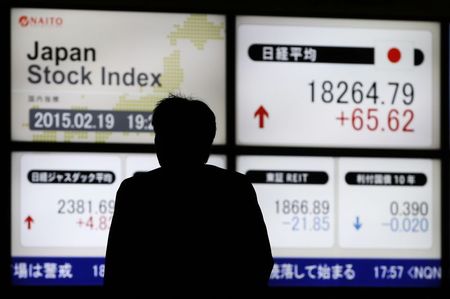
Japan defense stocks jump on report govt is planning export-focused bureau

Perth-based Equatorial Resources is in a $4.85 million scrap with its former legal advisers Clifford Chance over allegedly unpaid bills.
Business
Bonus issue alert! Last day to buy this Ashish Kacholia-backed multibagger stock for 5:1 bonus reward. Do you own?

Only those shareholders who hold V Marc India shares in their demat accounts as of Tuesday will be eligible to receive the bonus shares. Due to SEBI’s T+1 settlement norm, investors must purchase the company’s shares at least one trading day before the record date so they are credited to their demat accounts by that date and qualify for the corporate action. This effectively makes today the final day for investors to buy the shares to be eligible for the bonus issue.
All about V Marc India’s bonus issue
V March India in May announced that its board of directors have considered and approved the plan to issue bonus shares in the ratio of 5:1. This means that an eligible shareholder will get 5 new bonus shares with a face value of Rs 10 each, for every share held in the company as on the record date.
The cable maker proposed to issue 12.21 crore shares out of its free reserves or share premium as available on March 31, 2026, which stood at more than Rs 143 crore. “The bonus issue shall be implemented within two months from the date of the meeting of its board of directors wherein the decision to announce the bonus issue was taken subject to shareholders’ approval through Postal Ballot,” the company had said.
This marks the company’s first ever bonus issue. A bonus issue consists of free shares distributed by a company from its reserves and is often seen as a sign of strong financial health and growth prospects. While the issue of bonus shares increases the total number of outstanding shares, it does not change the company’s market capitalisation. However, it can improve liquidity and affordability, allowing more investors to add shares of the company to their portfolio.
Also read: Canara Bank, Bank of Baroda, Indian Bank pay Rs 7,023 cr dividend to govt for FY26
V Marc India shareholding pattern (6,61,000)
Ace investor Ashish Kacholia owned 2.71% stake in V Marc India, as per data on the company’s shareholding pattern as on March 31, 2026. At the previous closing price of Rs 1,546.35 apiece on NSE, his total stake in the company would be worth more than Rs 102 crore.
Around 2,331 retail shareholders held nearly 14% stake in the company as at the end of the financial year 2026. Promoters and promoters meanwhile held nearly 65% stake.
V Marc India share price
V Marc India shares have jumped around 128% in 2026 so far. In the longer term, the shares of the cable maker have delivered stellar returns of 288% in one year, 1,828% in three years and 4,691% in five years.
The shares have fallen around 3% in one week but gained around 7% in one month. The company currently has a market capitalisation of nearly Rs 3,756 crore.
Also read: Bajaj Auto’s Rs 5,633 crore buyback opens. How much profit can retail investors make by tendering shares?
(Disclaimer: Recommendations, suggestions, views and opinions given by the experts are their own. These do not represent the views of The Economic Times)

Japan, South Korea lead Asia lower as chipmakers pull back after rebound

Erling Haaland scores twice to send Norway past Brazil at World Cup

Hundreds Support Legal Defense for Engineer Charged with Destroying Flock Surveillance Cameras
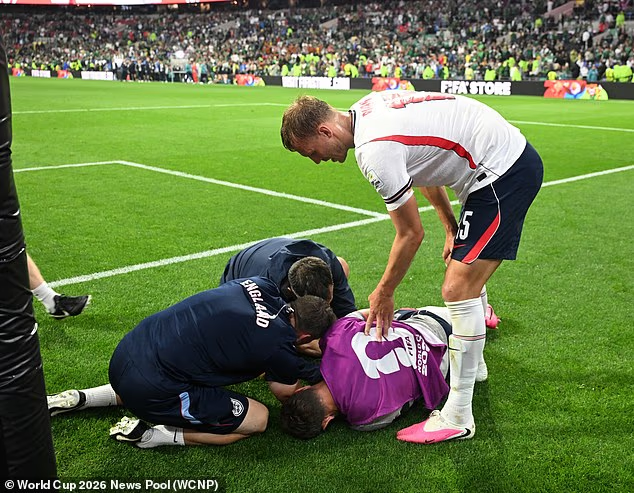
Harry Kane loses his voice in hilarious post-match interview at the Azteca – but Jordan Henderson is taken away on a stretcher


-

 Fashion2 days ago
Weekend Open Thread: High Hopes
-

 Politics3 days ago
The House | “Reframing the debate from a binary discussion of winners and losers”: Yuan Yang reviews ‘We Are Not Machines’
-

 Crypto World6 days ago
Strategy authorizes up to $1.25B in Bitcoin sales under new capital plan
-
 News Videos6 days ago
How to Build INSANE Live Financial Dashboards With Claude
-

 Tech6 days ago
Anonymous researcher drops 0-day ‘exploitarium’ repo
-

 Business6 days ago
Australia treasurer says alleged access of prime minister’s bank data ’incredibly concerning’
-
 NewsBeat1 day ago
Taylor Swift and Travis Kelce wedding staffer hilariously struggles to keep her cool while checking in megastars
-
 Business6 days ago
The AI boom won’t burst all at once. It will pop in ‘rolling bubbles’: Macquarie
-

 Sports5 days ago
Broncos roster: OL Ben Powers (No. 74) entering final year of contract
-
 Crypto World5 days ago
Airdrop Registration Becomes Key Focus For Remittix As RTX Launch Updates Approach
-

 NewsBeat5 days ago
Presenter Caroline Flack’s brother Paul Flack dies aged 55
-

 Crypto World4 days ago
Binance stock trading tops $1B in first month after launch
-

 Crypto World4 days ago
Alibaba-affiliate Ant Group enters the humanoid robot market with 12 deals
-
 NewsBeat4 days ago
New exhibition reflects five decades of movement between island of Ireland and GB
-

 Crypto World14 hours ago
South Africa proposes crypto tax guidance under existing rules
-
 Tech17 hours ago
Lenovo laptops are now shipping with YMTC SSDs, a sign of Chinese NAND entering the mainstream
-

 Business3 days ago
What a 10 Percent Drop Means for Buyers, Sellers and Renters
-
 Crypto World2 days ago
Standard Chartered Secures MiCA License as ESMA Adds 37 New Crypto Firms
-

 Business4 days ago
Meta Platforms Stock Jumps 7% Today as Bloomberg Reports Company Plans to Enter the Cloud Business
-

 Crypto World3 days ago
Binance Re-Enters Philippines As EU MiCA Rules Restrict Access
You must be logged in to post a comment Login