

Business
Kuwait International Airport Advances Phased Recovery Months After Drone Strike Closure

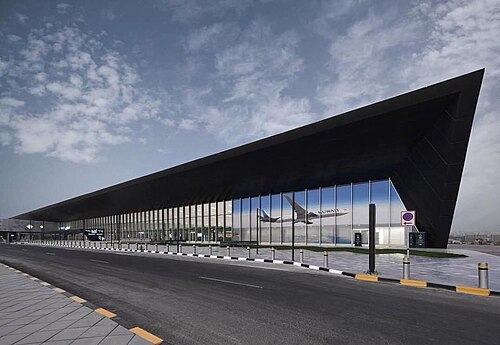
KUWAIT CITY — Kuwait International Airport is continuing a gradual return to operations more than three weeks after reopening its airspace in late April, following a nearly two-month closure triggered by regional security tensions and drone strikes that damaged parts of the facility.
The airport reopened April 23, 2026, with commercial passenger flights resuming April 26 from Terminals 4 and 5, according to the Directorate General of Civil Aviation and multiple aviation sources. The closure began February 28 amid escalating Middle East conflicts, affecting more than 200,000 passengers and disrupting regional connectivity.
Kuwait Airways initiated phased services from Terminal 4 on May 9, initially serving select destinations and expanding to roughly 29 routes by mid-May. Jazeera Airways resumed full operations from its dedicated Terminal 5 on May 3, serving 27 destinations after temporarily relocating to hubs in Saudi Arabia and Egypt during the shutdown.
The airport has not yet returned to pre-crisis capacity. Officials describe the current phase as a controlled ramp-up that prioritizes safety over speed, emphasizing rigorous protocols before expanding operations further. Daily flight volumes remain well below normal levels, though exact figures have not been confirmed by the civil aviation authority.
The closure began after multiple drone strikes hit Kuwait International Airport on March 27, 2026, causing significant damage to radar systems and other critical infrastructure. Terminal 1 was evacuated and has remained closed for repairs with no official reopening timeline announced. Technical teams have completed essential repairs on runways, fuel systems and security infrastructure, though full restoration depends on ongoing assessments.
Sheikh Hamoud Mubarak Al-Sabah, Chairman of the Civil Aviation Authority, personally oversaw readiness reviews and commended staff for restoring operations under challenging conditions. Civil aviation officials emphasized that safety remains the absolute priority as the airport continues its phased recovery.
Travelers currently face restrictions and operational challenges. Many passengers report delays and cancellations as airlines work through compressed schedules that strain crew rotations and ground handling. Foreign carriers are operating cautiously, with some routes rerouted or scaled back during the recovery period. Passengers are advised to check flight status frequently and arrive early at the airport.
The economic impact of the closure has been significant. Kuwait Airways and Jazeera Airways reported revenue losses during the suspension, with stranded passengers and disrupted supply chains affecting regional connectivity. Businesses reliant on air cargo and tourism also suffered during the shutdown, particularly during the peak spring travel period.
Enhanced security measures remain in place at both active terminals, including stricter inspections and coordination with the Ministry of Interior. Check-in processes have been streamlined for security reasons, contributing to longer processing times for passengers. Travel experts recommend verifying terminal assignments, as most international flights currently use Terminal 4 or Terminal 5.
Kuwait Airways added routes incrementally in recent weeks, including new services to Cairo. Jazeera Airways is focused on restoring its low-cost network, with passenger numbers rising steadily as confidence returns. However, the airport remains far from its pre-February operational levels, and full recovery is expected to take additional months depending on regional stability.
International carriers have begun restarting limited services, though many long-haul routes remain curtailed. The airline industry is watching closely to see whether the phased approach will continue or accelerate as infrastructure assessments improve and regional tensions ease.
The long-term modernization project continues unaffected despite the disruption. Kuwait’s ambitious new Terminal 2, designed by Foster + Partners and built by Limak İnşaat, remains on track for a late 2026 opening. The facility will dramatically boost capacity to 27 million passengers annually once operational, transforming Kuwait into a more competitive regional hub.
Looking ahead, airport authorities aim for progressive expansion in the coming weeks and months. Officials hope to increase daily flight numbers and operating hours as confidence in infrastructure stability grows. Full normalization could take additional months, depending on completion of remaining repairs and sustained calm in the region.
The episode underscores the vulnerability of Gulf aviation to geopolitical events. Kuwait’s quick response in repairing damage and implementing a structured reopening has drawn praise from regional partners, even as travelers express frustration over lingering limitations. Qatar and Bahrain offered support during the recovery period.
As the summer travel season approaches, demand for flights through Kuwait is expected to surge. Authorities and airlines have pledged continued coordination to minimize disruptions while maintaining the highest safety standards. The phased recovery represents a cautious but determined return to normalcy after one of the facility’s most serious disruptions in modern history.
Kuwait International Airport’s story in 2026 reflects both resilience and the realities of operating in a volatile neighborhood. From near-total shutdown to a steadily expanding operation, the hub is rebuilding step by step. While not yet fully recovered to pre-crisis levels, clear progress offers hope for a stronger facility in the months ahead.
For travelers planning to use the airport in the coming weeks, the advice remains clear: verify all flight details directly with airlines, allow extra time for security procedures, and remain flexible as schedules continue to evolve. Many passengers are grateful to have direct flights again, while others continue to voice disappointment over limited destinations.
Aviation industry analysts view the current situation as a positive but incomplete step. Kuwait’s quick decision to resume limited operations shows resilience, though full recovery will depend on completing repairs to Terminal 1 and restoring confidence among international carriers. The DGCA continues working closely with airlines and international partners to expand the flight schedule safely.
The skies above Kuwait are once again seeing increasing activity, symbolizing a cautious but determined return to connectivity after a difficult two-month period. Officials and airlines alike are committed to restoring full service as safely and quickly as conditions allow.

Business
ASX 200 Ends Flat at 8,820 After Volatile Day, Even as Neuren Pharmaceuticals Stuns With 36% Surge
SYDNEY — Australia’s benchmark S&P/ASX 200 index closed essentially unchanged Monday, slipping just 3.3 points, or 0.04%, to settle at 8,820.1, after a session that swung between gains and losses before ultimately finishing close to where it started.
The muted overall result masked considerable movement beneath the surface, with the index briefly testing red territory during the session before investors regained their footing, building on momentum from the prior week. Closing figures from Monday put the index at slightly different levels depending on the data provider, with some pegging the final close at 8,823.4, a gain of roughly 0.68% on the day, reflecting the kind of cross-source discrepancies common when index data is sourced from different real-time feeds.
The day’s standout performer, by a wide margin, was Neuren Pharmaceuticals, which rocketed 36.07% to close at $16.60 after the company announced a major regulatory breakthrough in Europe tied to its Rett syndrome treatment. The healthcare sector overall benefited from that surge, with the S&P/ASX 200 Healthcare Index trading comfortably above its 50-day moving average for the first time since last August and sitting up roughly 16.6% since early June, underscoring just how much of the sector’s recent strength has been concentrated in a handful of major biotech announcements.
Beyond healthcare, gains were broad-based across most major sectors. Financial stocks climbed between 0.75% and 0.9% to 1.4%, with all four of Australia’s major banks posting advances on the day. Energy shares added roughly 0.69%, recovering some ground after a rough finish to the prior week driven by falling oil prices. Consumer staples rose about 0.65%, communications stocks gained 1.11%, consumer discretionary names jumped 1.02%, and mining and materials stocks lifted 0.85%, with strong iron ore prices helping push heavyweight names like BHP Group and Fortescue Metals Group higher. Among individual movers, Computershare added 2.6%, Pro Medicus gained 1.9%, and Ramelius Resources climbed 2.3% after agreeing to sell its Edna May Gold Hub. Not every major name participated in the rally, however; telecommunications giant Telstra slipped around 1.4% on the day.
The relatively calm finish to Monday’s trading came against a more encouraging geopolitical backdrop than markets had faced through much of the prior week. Washington and Tehran reached an agreement over the weekend to halt direct attacks on one another, easing a fragile period of tit-for-tat strikes that had rattled global markets and pushed oil prices higher in recent days. The clashes had begun the previous Thursday when Iran struck a container ship, prompting retaliatory U.S. strikes, with further exchanges over the weekend after Iran targeted a vessel carrying Qatari oil and launched missiles and drones at military installations in Kuwait and Bahrain. According to U.S. officials, both sides agreed to stand down for the time being while allowing commercial vessels to continue moving freely through affected waterways, with fresh negotiations between the two countries scheduled to resume in Doha later in the week, focusing particularly on reopening shipping routes through the Strait of Hormuz, a passage through which roughly a fifth of the world’s oil and gas supply flows.
That de-escalation helped lift sentiment across global markets overnight and into Monday’s Asia-Pacific session, with U.S. futures strengthening as investors grew more confident that the worst of the regional conflict risk had passed, at least for now. The improved mood also coincided with fresh economic data out of China, Australia’s largest trading partner, showing industrial profits surged 18.8% year-over-year across the January-to-May period, a figure analysts attributed in part to continued strength in artificial intelligence-driven investment and ongoing policy support for advanced manufacturing sectors in China.
Despite that encouraging trade-partner data, some caution lingered heading into the back half of the week. Investors remained wary ahead of China’s official June purchasing managers’ index data, due for release in the coming days, which is expected to offer further insight into the health of demand from Australia’s largest export market. Closer to home, attention has also turned to the Reserve Bank of Australia’s minutes from its most recent June policy meeting, with some market watchers flagging the possibility that the central bank could maintain a hawkish tilt aimed at containing inflation, particularly following stronger-than-expected employment figures released earlier in the month.
Monday’s session also fell during a period in which a sizable group of ASX-listed names traded ex-dividend, a technical factor that typically weighs modestly on individual share prices without reflecting any underlying change in company fundamentals. Stocks affected included infrastructure and property names such as APA Group, Transurban Group, Goodman Group, Dexus, Mirvac Group, Charter Hall Group and Centuria Industrial REIT, with Transurban set to pay shareholders a 35-cent-per-share final dividend in mid-August.
Zooming out, Monday’s near-flat finish capped what has otherwise been a solid stretch for Australian equities. The ASX 200 has risen approximately 1% so far in June, putting it on track for a third consecutive monthly gain, supported by resilient consumer spending and a rebound in domestic employment figures. On a quarterly basis, the index is tracking its first quarterly rise in three quarters, up roughly 4% so far, while the benchmark remains up about 3.3% over the trailing 12 months, with a 52-week trading range spanning from 8,262.40 to 9,202.90.
For now, Monday’s session reflects a market in a holding pattern of sorts: broadly supported by easing geopolitical risk, encouraging trade-partner economic data and a standout, headline-grabbing biotech rally, but still keeping a close eye on upcoming Chinese manufacturing data and the Reserve Bank’s policy commentary for clearer signals on where the index heads from here.
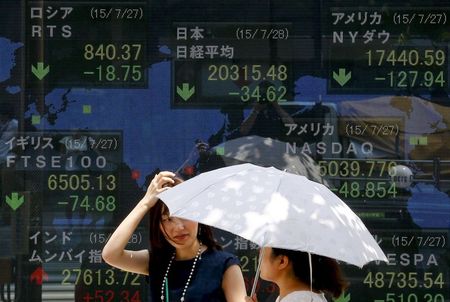
Asian stocks mixed as China PMI offsets caution ahead of U.S. jobs data
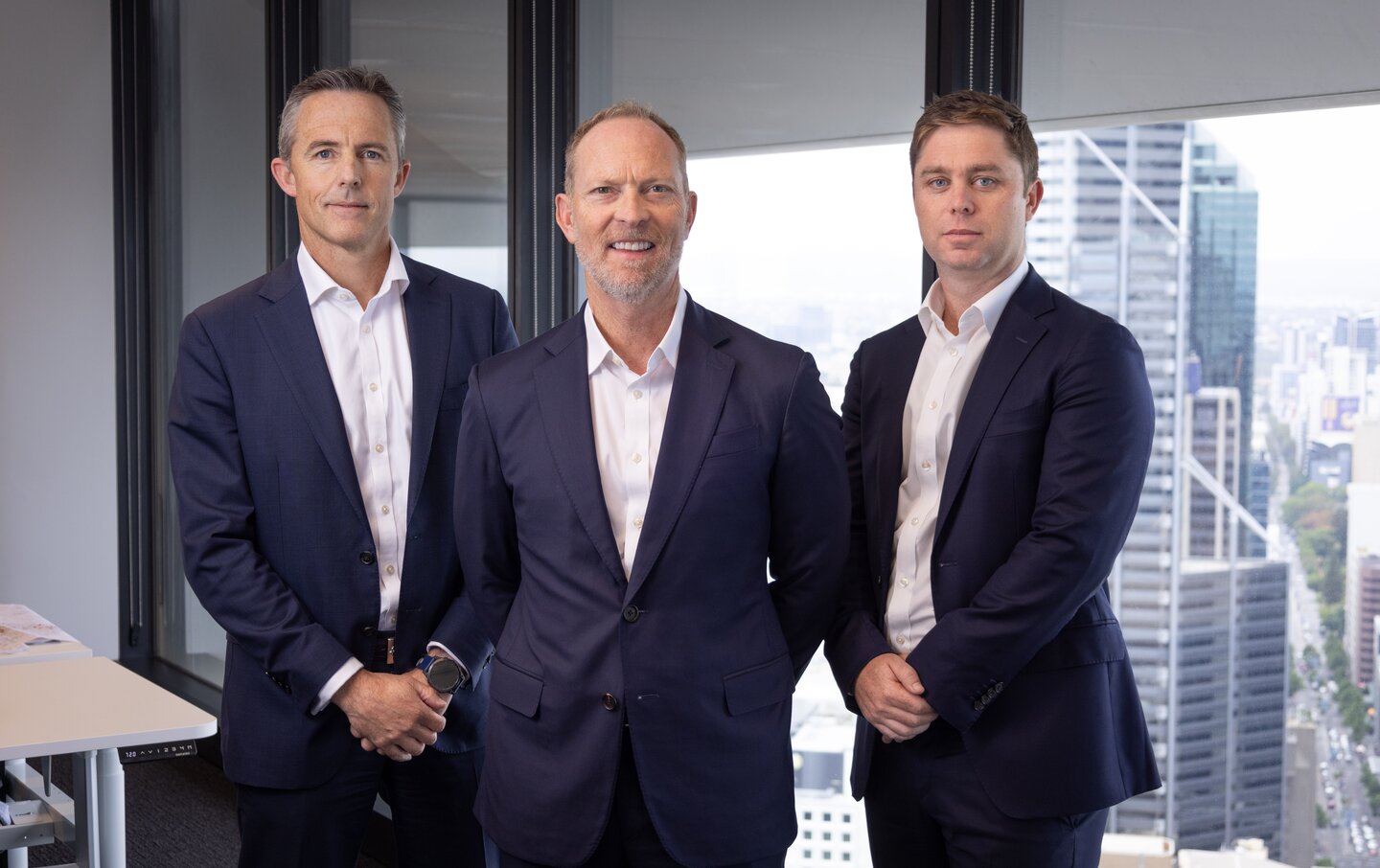
Perth stockbroker Euroz Hartleys has shaken hands with the Bank of Montreal to sell its corporate finance division for $145 million while retaining its wealth management arm.
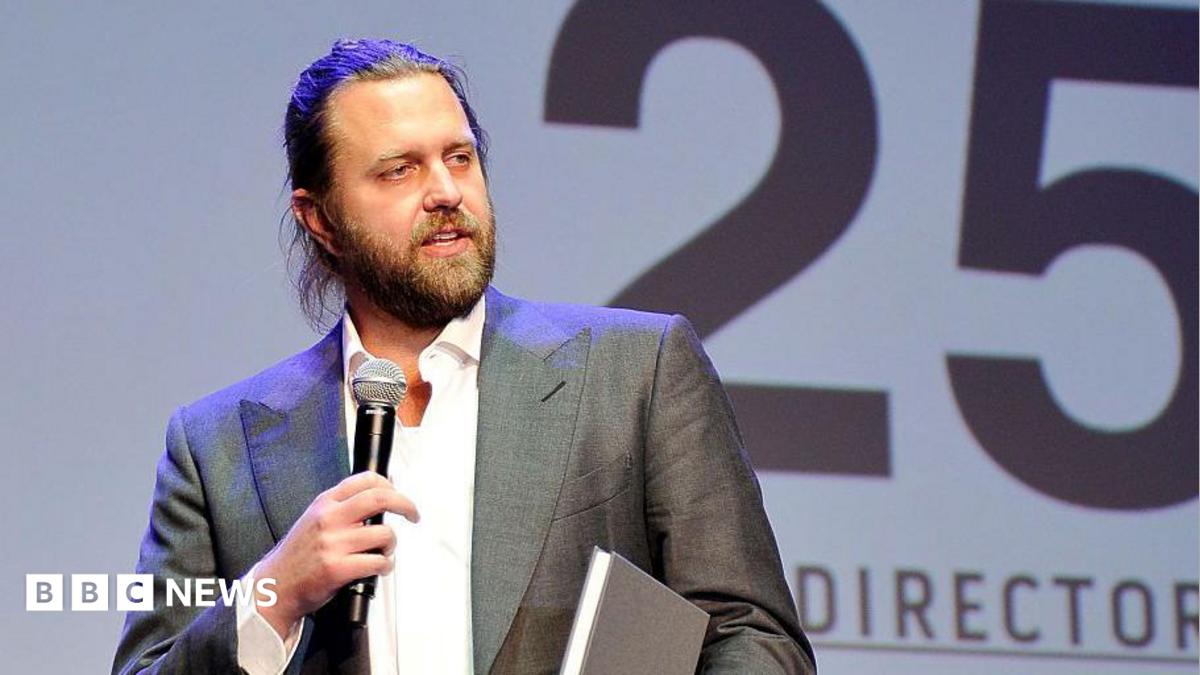
A Hollywood director convicted of defrauding Netflix of $11m (£8.3m) last year has been sentenced to two and a half years in prison.
Carl Erik Rinsch was accused of using Netflix funds intended to complete a science fiction series to buy cars, cryptocurrency and other luxuries for himself.
The 48-year-old, best known for the 2013 film 47 Ronin, was convicted of federal fraud and money laundering for misusing funds.
Rinsch faced up to 90 years in prison, but was expected to receive a lighter sentence.
Judge Jay Rakoff also sentenced Rinsch to three years of supervised release, $11m in forfeitures, and a $700 fine.
Speaking to the court before the judge issued his sentence, Rinsch apologised and said he accepted responsibility for his crimes.
“Today’s sentence sends a deterrent message: Fraud will not be tolerated,” US Attorney Jay Clayton said in a statement.
Prosecutors said Netflix gave Rinsch roughly $55m for the unfinished sci-fi show, initially named White Horse, including $11m he told them he needed to complete production.
Instead, prosecutors said, he put the money in a personal account where he invested it and lost half within a couple of months.
He put funds into cryptocurrency, and spent money on lavish purchases such as Rolls Royce cars and mattresses costing hundreds of thousands of dollars, according to prosecutors.
During his one-week trial in New York, several Netflix executives were called to testify, saying they only agreed to one season of the show, which Rinsch failed to deliver.
Rinsch took the stand as well – a rare move for a defendant in a criminal case – claiming the situation was a misunderstanding and he believed the money was meant to keep the show going during the pandemic.
The New York Times reported, external that friends and colleagues described Rinsch as growing increasingly erratic shortly after he signed the Netflix deal.
The outlet reported that he believed he could predict lightning strikes and volcanic eruptions and knew about a “secret transmission mechanism” for Covid-19.
Business
Australia treasurer says alleged access of prime minister’s bank data ’incredibly concerning’
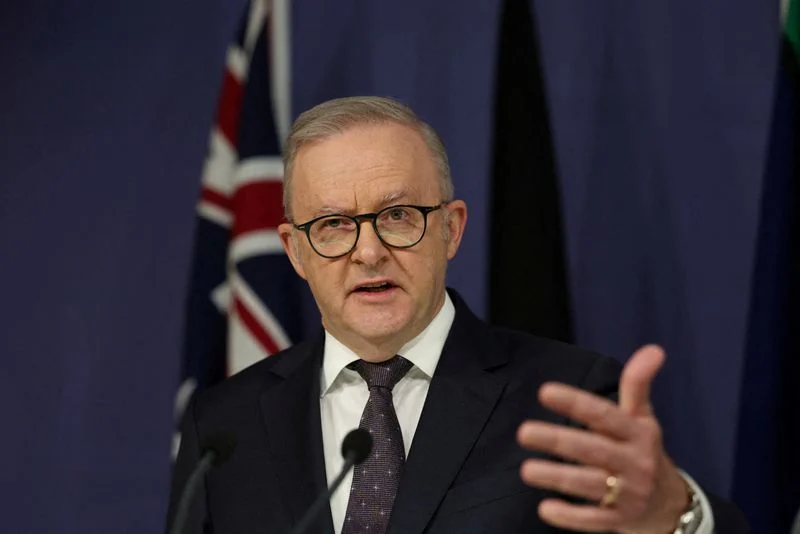

Australia treasurer says alleged access of prime minister’s bank data ’incredibly concerning’
In late March, the central government mandated that households with access to piped gas infrastructure must transition from LPG (liquefied petroleum gas) to PNG within three months. This is expected to accelerate MGL’s volume growth to double digits from the current single-digit pace. It reported 8.3% volume growth for FY26. While its core compressed natural gas (CNG) business, which accounted for 72% of revenue in FY26, will continue to grow at a steady pace, MGL management expects overall volume growth to be driven by the PNG segment. The company aims to add between four-five lakh PNG customers in the near term.
 Agencies
Govt push to promote piped gas to lift sales; co could sacrifice near-term profits to accelerate infrastructure deployment
The company is willing to sacrifice near-term profits to fast-track infrastructure deployment and drive volume growth. The strategy is intended to maximise market penetration while prices of alternative fuels like petrol, diesel, and LPG remain volatile. MGL has provided a capex guidance of ₹1,200 crores for FY27 to expand the network. However, it faces execution risk as pipeline laying on public roads is expected to experience a temporary slowdown during the monsoon months. Additionally, a shortage of labour, plumbers, contractors and material may also affect execution. With all city gas distribution companies in expansion mode, MGL is competing with peers for the same pool of skilled workers.
According to brokerages, MGL’s stock valuation looks attractive given future earnings growth. Motilal Oswal Financial Services expects 9% overall annual volume growth over FY26-28. “At around 10.8x FY28E P/E, valuations appear attractive offering scope for re-rating as margin pressures ease,” the broking firm said in a report.
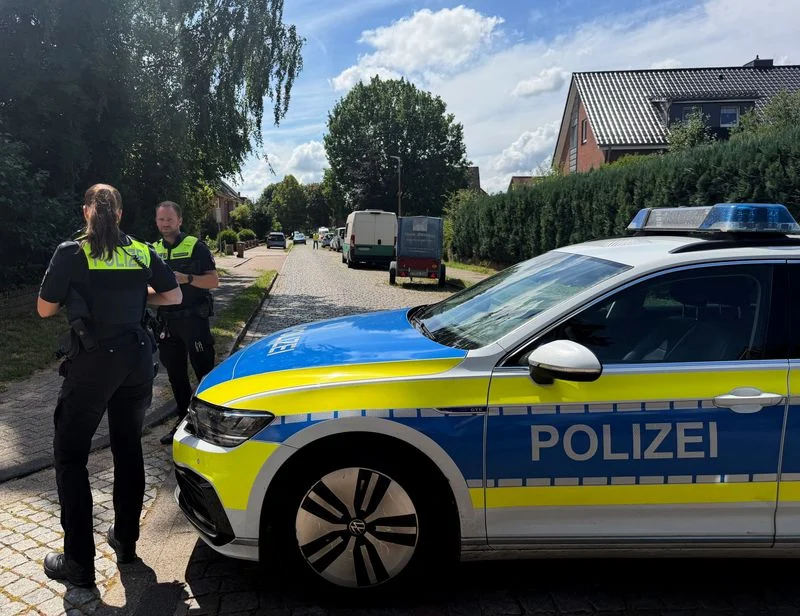

Six killed in shooting at mother-and-child shelter in northern Germany
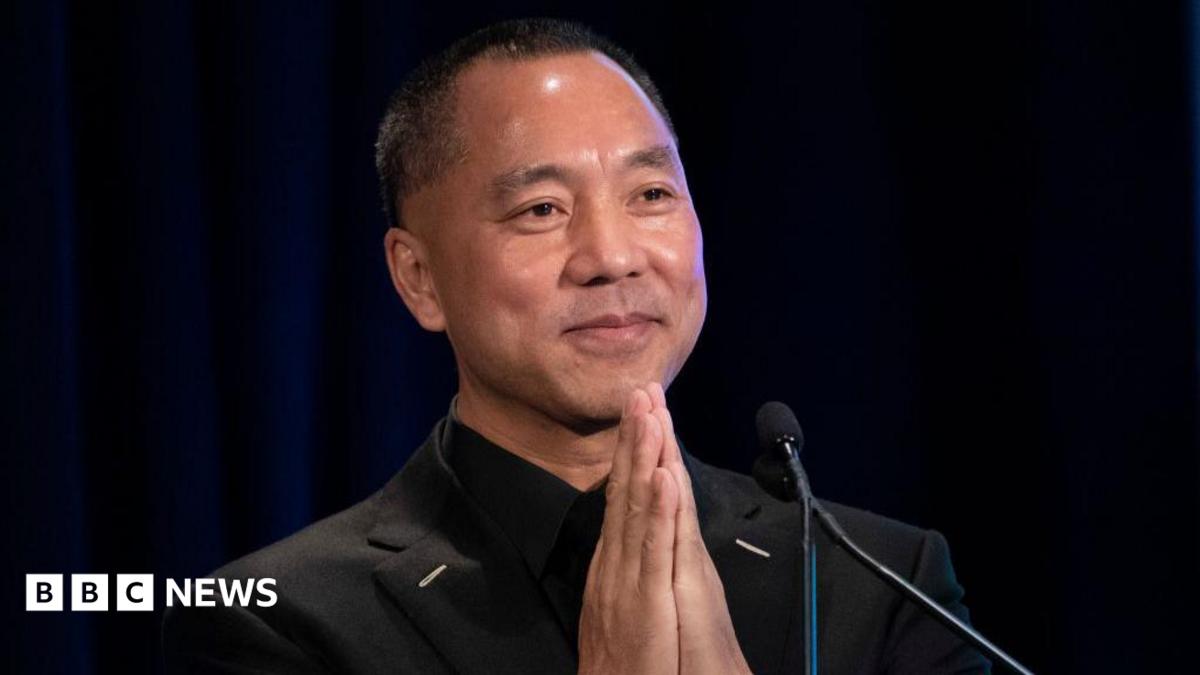
Guo Wengui, who was once believed to be one of China’s richest businessmen, has been sentenced to 30 years in jail in the US for running a billion dollar scam.
The former property tycoon had fled China to the US in 2017, where he reinvented himself as a Communist Party critic and built a loyal online following.
But Guo was later convicted on charges of racketeering, fraud and money laundering.
New York court judge Analisa Torres said Guo had “preyed on those seeking to bring democracy to China”, taking their money to fund his lavish lifestyle.
The BBC has contacted Guo’s representatives for comment.
Guo – who goes by several names, including Miles Guo and Ho Wan Kwok – was sentenced in a courtroom packed with his supporters.
US attorney Sean S Buckley told the BBC: “Rather than being satisfied with the many legitimate opportunities afforded to him, Guo exploited the trust that thousands had placed in him for his own greed.”
“Today’s sentence shows that fame and wealth do not place you above the law, and that fraudsters who victimise families to enrich themselves will be met with significant consequences,” Buckley said.
Before fleeing China, Guo built a fortune as a property developer and had good ties with the country’s government.
But he sought asylum in the US after being accused by top Chinese officials of corruption.
Guo became a critic of China’s Communist regime and cultivated a wide online following among the Chinese community in the US.
Prosecutors said Guo raised more than $1bn (£760m) from online followers, who joined him in investment and cryptocurrency schemes between 2018 and 2023.
The money he raised was used to fund Guo’s lavish lifestyle which included a 50,000 square foot mansion, a $1m Lamborghini and a $37m yacht, they said.
Guo denied the allegations, saying the funds were used for his political activism.
He had built ties with other China critics, including Steve Bannon, a former adviser to US President Donald Trump.
Bannon and Guo often appeared in online videos and, in 2020, launched a campaign called the New Federal State of China, with the goal of overthrowing the Chinese Communist Party.
Later that year, Bannon was arrested on Guo’s yacht in Connecticut. Bannon was charged in an unrelated case with fraud in an alleged scheme to defraud people who funded a not-for-profit company to build a US-Mexico border wall.
Bannon entered a guilty plea in a Manhattan court to a first degree scheme to defraud charge and received a sentence of conditional discharge for three years.
He also faced federal charges over the wall campaign after he was indicted by a federal grand jury, but the prosecution came to a halt after Trump pardoned him in the final hours of his first White House term.
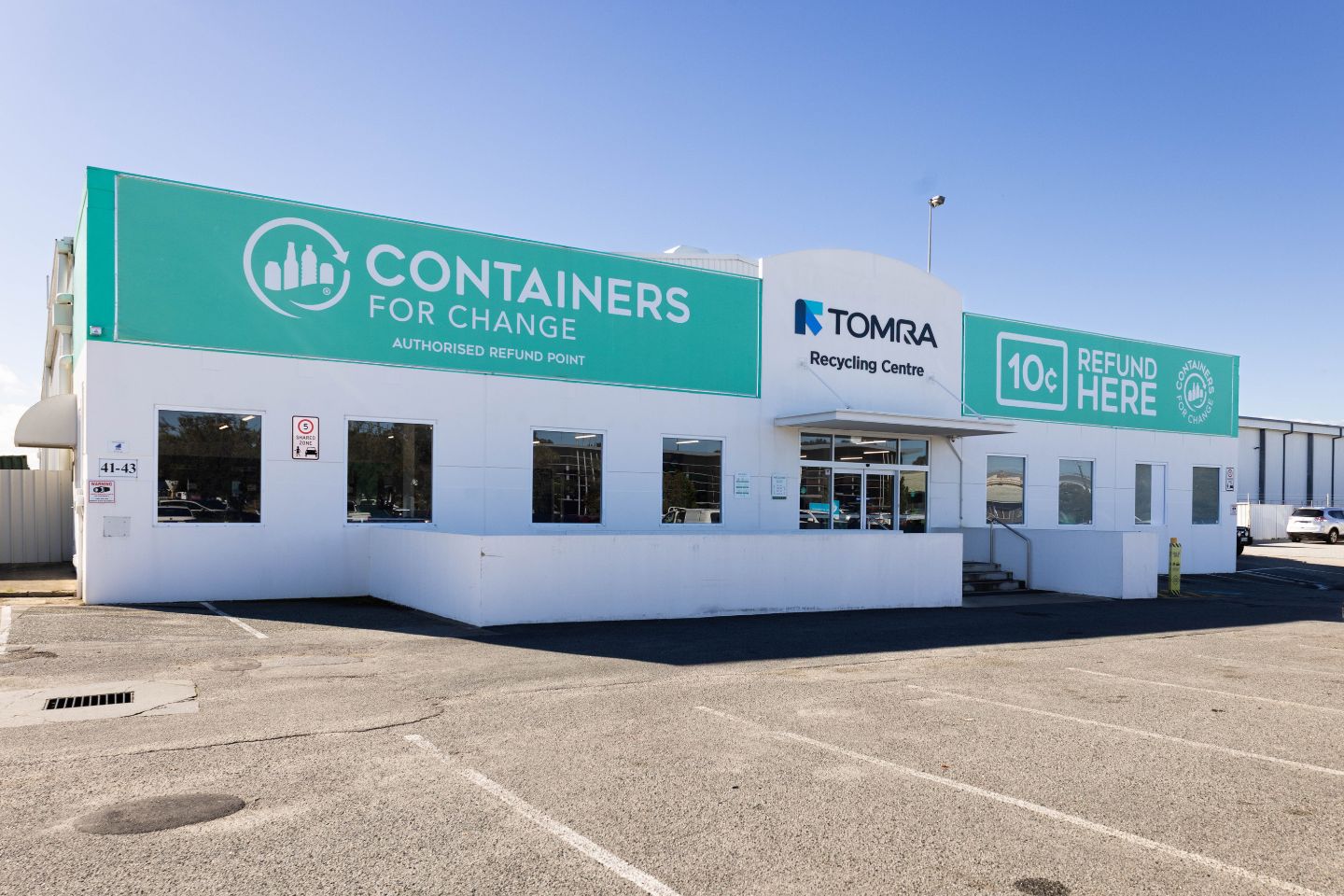
The wine sector is concerned about the burden of becoming part of the state’s Containers for Change program.
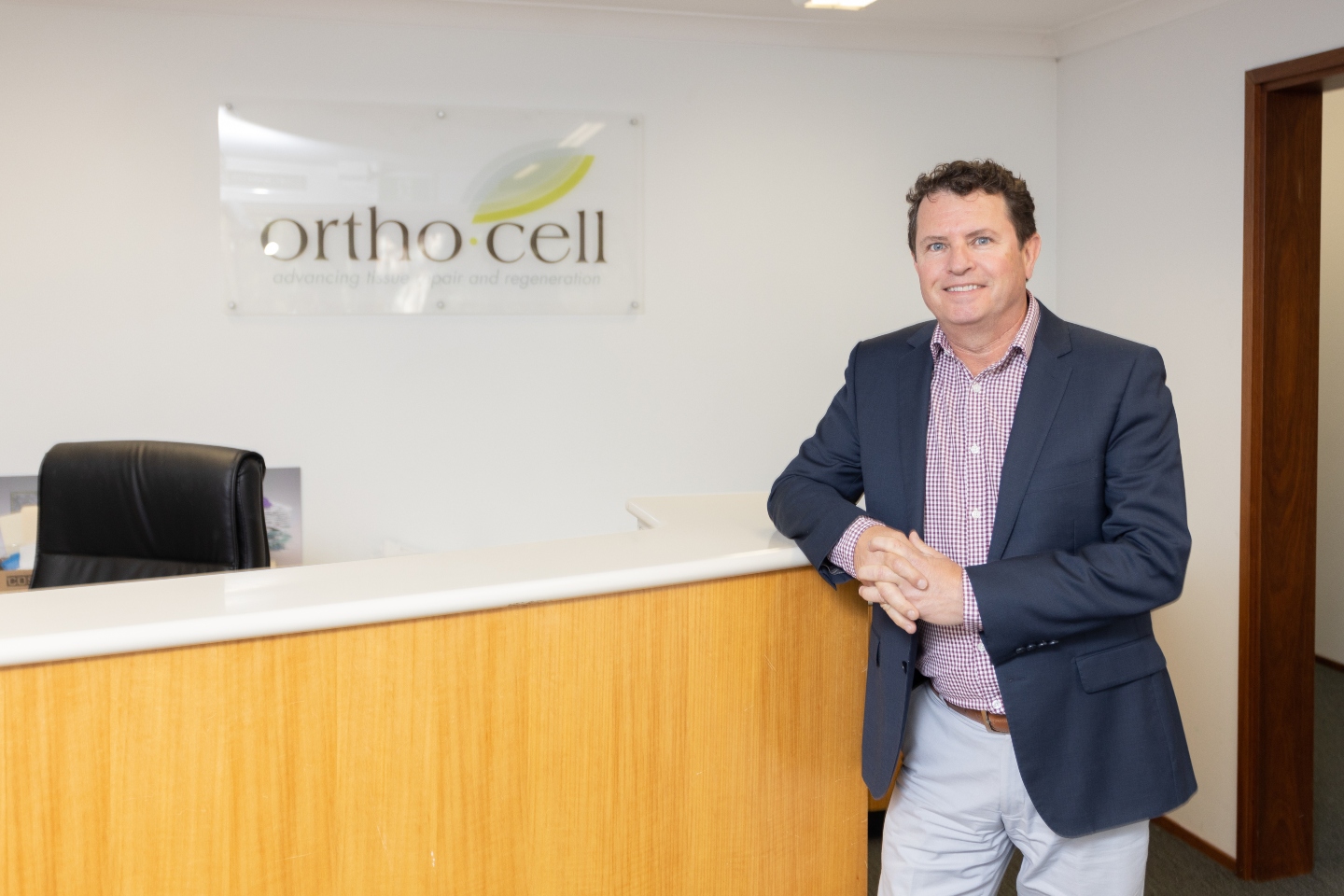
The Murdoch-based regenerative medicine company is shipping another 200 nerve repair products to assist injured Ukrainians with the backing of big Perth funders.
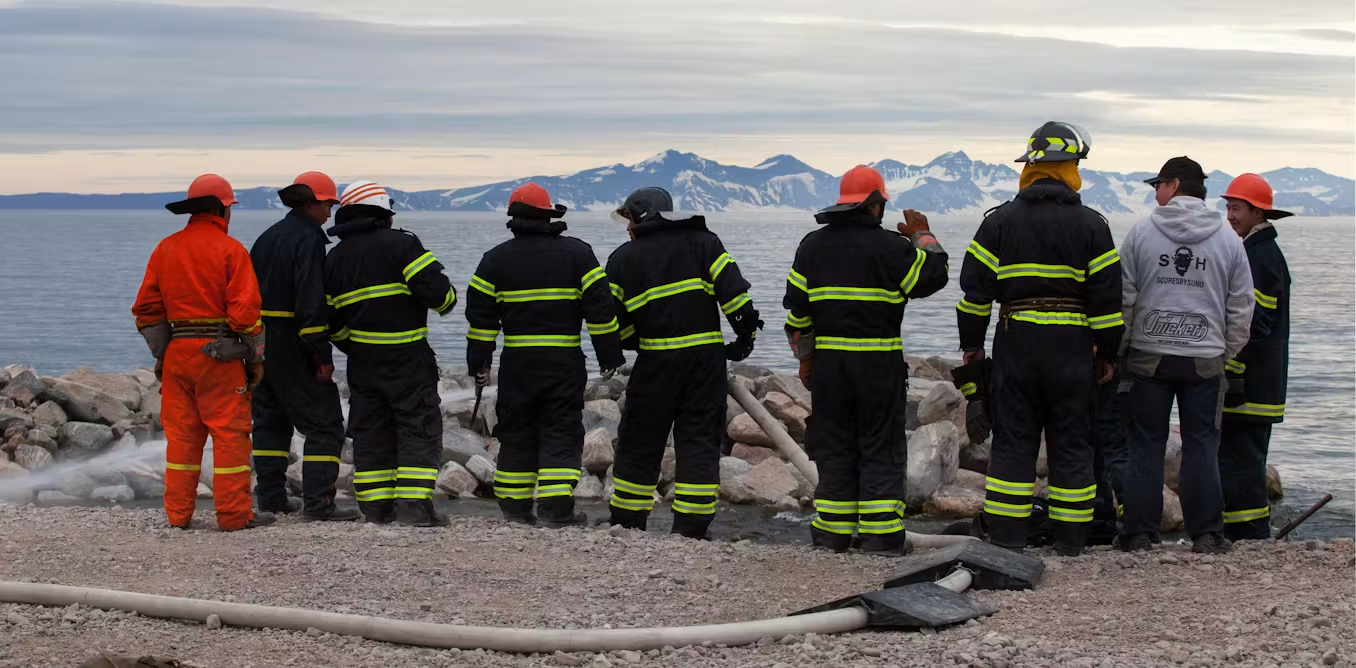
what people in Greenland told us about learning to live with wildfires

ASX 200 Ends Flat at 8,820 After Volatile Day, Even as Neuren Pharmaceuticals Stuns With 36% Surge

What are “the trenches”? Solana memecoin culture


-
 Sports6 days ago
Two goals and an assist by sheer aura: Cristiano Ronaldo just entered the World Cup chat
-

 Fashion3 days ago
Weekend Open Thread: Staud – Corporette.com
-

 Politics4 days ago
The House | Manchesterism won’t survive the painful trade-offs unless it gets citizens on board
-

 Politics4 days ago
Potential 2028er World Cup attendee leaderboard
-

 News Videos1 day ago
MAJOR BITCOIN & MARKET UPDATE!!!! (MUST WATCH ASAP!!!)
-

 Business4 days ago
Asia stock markets slide as tech shares slump
-

 Tech4 days ago
A Look At A Gaggle Of Transputer Boards
-

 Crypto World6 days ago
Securitize Wraps Roubini's SEC-Registered ETF as Dubai VARA Digital Security
-
Crypto World6 days ago
Bitcoin (BTC) Dips Below $62K, Ethereum (ETH) Plunges 6% Daily: Market Watch
-
 Crypto World4 days ago
Dell (DELL) Shares Tumble Over 5% Following Analyst Downgrade to Hold
-

 Crypto World2 days ago
Coinbase, Circle Deepen Crypto Stock Losses Despite Resilient S&P 500
-
Business6 days ago
Entergy settles forward sale agreements, raises $672 million in cash proceeds
-

 Crypto World3 days ago
Kraken's xStocks Opens Bending Spoons IPO Registration to EEA Retail
-

 Sports3 days ago
FIH Pro League: India defeat Pakistan 7-1, register biggest win of campaign | Other Sports News
-

 Tech2 days ago
Bluekit phishing kit adopts browser-in-the-middle for login theft
-

 Tech3 days ago
Russian hackers now target Signal backup recovery keys
-

 Crypto World4 days ago
Bitcoin Sparks $600M Hourly Liquidations With $65,000 Set To Become Resistance
-
 Crypto World4 days ago
Hyperliquid Named on Singapore MAS Investor Alert Register
-

 Crypto World3 days ago
RTX holders must register wallets before token distribution begins
-

 Crypto World5 days ago
Ripple and SBI launch RLUSD in Japan after JFSA approval
You must be logged in to post a comment Login