



Connect with us
DAPA Banner
DAPA Coin
DAPA
COIN PAYMENT ASSET
PRIVACY · BLOCKDAG · HOMOMORPHIC ENCRYPTION · RUST
ElGamal Encrypted MINE DAPA
🚫 GENESIS SOLD OUT
DAPAPAY COMING

Tech

Researchers achieve 112Gbps wireless speeds in breakthrough for future 6G networks

Published

on


The researchers noted that this marks the first time any technology has achieved 100Gbps-class wireless communication beyond 420GHz, potentially opening a new frontier in high-frequency wireless communications and paving the way for 6G cellular networks, which promise extremely high speeds, ultra-low latency, and massive network capacity.
Read Entire Article
Source link

Continue Reading
Click to comment

You must be logged in to post a comment Login

Leave a Reply

Tech

Apple TV went from skepticism to Cannes Lions recognition under Eddy Cue

Published

on

Apple SVP of Services Eddy Cue. Photo credit: Re/Code

Cannes Lions is honoring Apple Services chief Eddy Cue after Apple turned its once-questioned Apple TV push into a credible prestige entertainment business with growing influence in Hollywood.

Cue will receive Cannes Lions’ Entertainment Person of the Year honor during the Cannes Lions International Festival of Creativity, which runs June 22 through June 26 in Cannes, France. Cue is also scheduled to appear in a keynote conversation with producer Jerry Bruckheimer, whose “F1” became one of Apple’s highest-profile theatrical films.

Cannes Lions is recognizing Apple’s growing power across entertainment, advertising, and subscription services as much as it is honoring Cue himself. The festival focuses heavily on marketing, audience engagement, and platform influence instead of traditional Hollywood prestige.

Advertisement

Cue fits naturally into that environment because Apple controls both the devices people use and the services delivered through them.

Apple launched its Apple TV streaming service in November 2019 after years of speculation about whether it could establish itself in Hollywood. Instead of trying to match Netflix or Disney in sheer content volume, Apple leaned into prestige projects, high-profile talent deals, and awards campaigns.

Critics questioned whether Apple could compete seriously with a much smaller catalog and no Hollywood track record. Many also doubted the company would stay committed to such an expensive business before the strategy started producing major awards and prestige hits.

Apple has built a credible position in Hollywood since launching Apple TV in 2019. “CODA” became the first streaming film to win the Academy Award for Best Picture, and shows like “The Studio” helped the company collect major Emmys.

Advertisement

Earlier hits like “Ted Lasso” also helped establish Apple TV as a serious awards contender. Those wins gave Apple a reputation for prestige programming without forcing it to match the scale of larger streaming rivals.

Why Cannes Lions picked Eddy Cue

Cannes Lions focuses far more on advertising, branding, audience engagement, and media technology than traditional Hollywood awards do. Its emphasis on platform influence helps explain why Apple services chief Eddy Cue received the honor instead of a studio executive or filmmaker.

Simon Cook, as reported by Variety, said Apple has “redefined how audiences engage with culture” through the company’s platforms and experiences. His comments reflect how Apple uses entertainment to strengthen a much larger business built around hardware, subscriptions, payments, and software services.

Middle-aged man in a dark double-breasted suit stands on a glamorous event carpet beside a sleek black Formula 1 race car, with a modern, brightly lit backdrop and crowd behind.Eddy Cue will receive Cannes Lions’ Entertainment Person of the Year honor. Image credit: Variety

Cue oversees Apple’s services business as the company’s senior vice president of services and health. Apple had a record year for Services in 2025, giving products like Apple TV, Apple Music, and subscription bundles a larger strategic role within the company.

Recognition from Cannes Lions also arrives during a period when technology companies are exerting more influence over content financing, theatrical distribution, streaming rights, and sports programming. Apple, Amazon, and Netflix now compete directly with legacy studios across much of the entertainment business.

Advertisement

Apple’s entertainment business now carries more industry credibility than it did at launch. Executives have repeatedly framed the service around quality programming instead of massive content libraries.

Prestige programming doesn’t guarantee the kind of mass-market subscriber growth larger streaming rivals chase, though the strategy fits Apple’s preference for tighter curation and premium positioning. Cue’s honor signals that Apple’s strategy earned real credibility within the entertainment industry.

Source link

Advertisement
Continue Reading

Tech

Meta axes thousands of roles, forcibly transfers 7,000 more

Published

on

AI + ML

Staff protest overhaul and mouse tracking at ‘Employee Data Extraction Factory’

Meta’s massive role reshuffle begins today, with thousands of staff being transferred to AI-focused teams and their managers reportedly laid off.

The tech giant is reassigning 7,000 workers to AI projects, eliminating around 10 percent of its current workforce, and closing 6,000 open positions, according to Reuters, which saw copies of the internal memos.

Advertisement

The workforce changes, the latest in a series of moves that started 2022, will affect roughly 20 percent of Meta’s approximately 78,000 employees.

Janelle Gale, Meta’s chief people officer, penned the memos to affected staff. Some have already begun their new AI-related duties, while the rest will be told of their fates today, she reportedly said.

“As org leaders worked on the changes, many of them incorporated AI-native design principles ⁠into their new org structures,” Gale’s memo read. 

“We’re now at the stage where many orgs can operate with a flatter structure with smaller teams of pods/cohorts that can move faster and with more ownership.”

Advertisement

This flatter structure will involve, in part, managers being either laid off or moved into roles where they are producing work instead of overseeing teams.

Previous memos sent to staff in April stated that top engineers – those who represented the company’s “strong software engineering talent” – were being “selected” for brand-new divisions within the business.

Among these were the Applied AI Engineering and Agent Transformation Accelerator units, as well as Central Analytics.

Once famed for letting its staff pick and choose their projects, Meta said those selected for this new AI mission had no say in the matter.

Advertisement

Responding to an employee’s question, Maher Saba, VP of AAI Engineering, wrote: “AAI is one of the company’s highest priorities and we’re resourcing it by moving our strongest talent to address it. Therefore, the transfers aren’t optional.”

Both AI units were established for engineers to develop AI agents capable of automating and taking over duties previously undertaken by human employees.

Those transferred to Central Analytics will work on ways of assessing productivity and analytics for agent development.

According to Gale’s memo, another new unit called Enterprise Solutions will soon be established, but Meta has not yet revealed details. The Register asked Meta for a statement, but it did not immediately respond.

Advertisement

The Great Flattening

Gale’s language regarding “flatter structures” echoes chief Mark Zuckerberg’s wording from Meta’s January earnings report, promising to flatten teams over the coming year.

“We’re elevating individual contributors, and flattening teams,” Zuck wrote in a post-earnings note on January 28. “We’re starting to see projects that used to require big teams now be accomplished by a single very talented person. 

“I want to make sure as many of these very talented people as possible choose Meta as the place they can make the greatest impact – to deliver personalized products to billions of people around the world. And if we do this, then I think we’ll get a lot more done and it’s going to be a lot more fun.”

Reports surfaced around the same time about a major round of job cuts at the company, equivalent to 20 percent of its workforce, or around 15,000 roles, but it was unclear when or if this would materialize.

Advertisement

Meta’s latest round of layoffs follows a smaller-scale round in March, affecting 700 roles across Reality Labs, the social media division, and recruitment.

The changes come against a backdrop of Meta investing heavily in AI, with the company saying it plans to spend between $162 billion and $167 billion this year, up from $118 billion in 2025.

The company has reportedly also tried tempting top AI talent to join its ranks with nine-figure pay packets, and ex-OpenAI players with $100 million sign-on bonuses.

The revolt

Meta slashing roles to embrace AI replacements has led to protests across its Menlo Park HQ and internal Workspace comms platform, Reuters reports.

Advertisement

First announced in April, Meta said it would be tracking mouse clicks and keystrokes to train AI rather than assess staff productivity.

A company spokesperson told the BBC: “If we’re building agents to help people complete everyday tasks using computers, our models need real examples of how people actually use them.”

They said the data is not used for any other purpose, and there are safeguards in place to protect sensitive content.

But Meta staff have expressed their disdain for the changes in various ways, including by setting up an online petition – which now has over 1,000 signatures – and plastering flyers all over US offices referring to the company as an “Employee Data Extraction Factory.” ®

Advertisement

Source link

Continue Reading

Tech

Kickstarter is walking back mature content rules after backlash

Published

on


Last week, the crowdfunding platform introduced new rules on the subject of adult content that were meant to give creators more clarity up front before launching projects. Instead, the revised rules had the opposite impact and reportedly clouded the category with more confusion.
Read Entire Article
Source link

Continue Reading

Tech

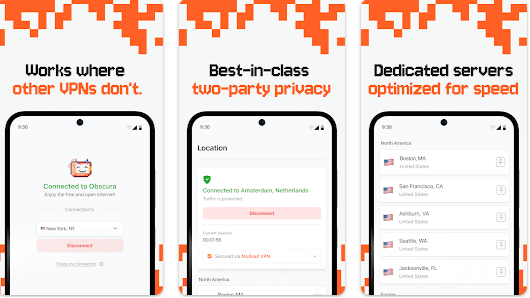
Android users have just gained access to a new VPN app as Obscura VPN lands on Google Play and Obtainum

Published

on


  • Obscura VPN is now available for Android users via Google Play, Obtainium
  • Users can also claim a 25% discount for a limited time
  • Dedicated apps for Windows and Linux are currently in development

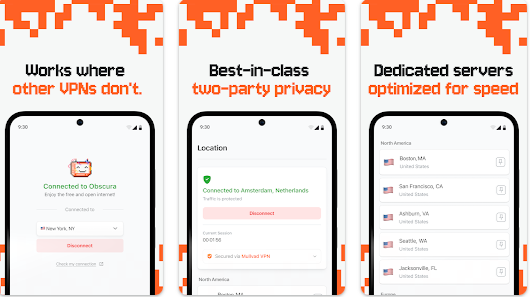
If you’ve been searching for the best VPN to protect your mobile device, a fresh and highly secure contender has just entered the chat. Obscura VPN has officially landed on Android, bringing its unique flavor of privacy to the world’s most popular mobile operating system.

Previously limited to iOS and macOS, the provider is now available to download on Google Play and the open-source app manager Obtainium. It marks a major milestone for the privacy-focused company, which aims to shield the vast amounts of personal data and location history stored on our smartphones.

Source link

Advertisement
Continue Reading

Tech

OpenAI Co-Founder Andrej Karpathy Joins Anthropic

Published

on

OpenAI co-founder Andrej Karpathy has joined rival AI lab Anthropic. “The hire is a major coup for Anthropic in the high-stakes competition for elite AI talent — and another sign the company is emerging as a magnet for some of the industry’s most respected technical minds,” reports Axios. From the report: Karpathy will start this week on Anthropic’s pre-training team, which is responsible for the massive training runs that give Claude its core knowledge and capabilities, according to Anthropic. Karpathy will help launch a new team focused on using Claude itself to accelerate pretraining research — an increasingly important frontier as AI companies race to automate parts of AI development. “I think the next few years at the frontier of LLMs will be especially formative. I am very excited to join the team here and get back to R&D,” Karpathy said in a post on X.

Karpathy is a rare AI figure with credibility across research, industry and education. He was a founding member of OpenAI before serving as Tesla’s director of AI, where he led the computer vision team behind Autopilot. Karpathy coined the term “vibe coding” and recently described himself as being in a “state of AI psychosis” since December — embracing “tokenmaxxing” and aggressively stress-testing frontier models.

Source link

Continue Reading

Tech

Why Device Security Has to Share the Load

Published

on

Specops laptops

Identity has long been the load-bearing wall of cybersecurity. The logic was simple: verify the employee, secure the access. But as professionalized threat actors weaponize AI and sophisticated phishing kits, that wall is cracking. Identity is being forced to carry a structural burden it was never designed to support.

While identity isn’t obsolete, in ecosystems defined by SaaS sprawl, BYOD, and hybrid work, a valid credential is no longer a guarantee of a safe connection. The real danger is not authentication failure, but whether the right signals are being verified. Without real-time device checks, a legitimate login could just as easily be a compromised session.

The post-authentication blind spot

Multi-factor authentication (MFA) was supposed to close this gap. However, phishing kits now let attackers sit between a user and the real login portal, proxying the authentication in real time and stealing the session token that gets issued after MFA succeeds. The victim completes every security check exactly as intended. The attacker walks away with the cookie that proves it.

NIST Special Publication 800-207, the foundational framework for Zero Trust architecture, anticipated this problem. It warns against relying on implied trustworthiness once a subject has met a base authentication level, and specifies that access decisions should account for whether the device used for the request has the proper security posture.

Advertisement

In practice, most organizations still treat authentication as a one-time check. Identity is verified, MFA passes, a session begins, and trust holds until the token expires. But a session token in an attacker’s browser looks identical to the same token in the user’s browser. Traditional authentication logs cannot tell them apart.

Verizon’s Data Breach Investigation Report found stolen credentials are involved in 44.7% of breaches. 


Effortlessly secure Active Directory with compliant password policies, blocking 4+ billion compromised passwords, boosting security, and slashing support hassles!

Try it for free

Where Zero Trust breaks down

Most Zero Trust implementations have ended up heavily identity centric. They focus on strengthening authentication, enforcing MFA, reducing password reliance, and introducing risk-based sign-in policies. Device verification, meanwhile, is inconsistently applied. It often stops at the point of login, or it applies only to browser-based workflows inside modern conditional access frameworks. Legacy protocols, remote access tools, and API integrations tend to inherit trust implicitly once identity has been established.

The result is a fragmented model. Personal and third-party devices may be loosely controlled or entirely unmanaged. Session trust persists even if device posture degrades mid-session. Identity signals and endpoint signals sit in separate tools with limited integration. Identity gets scrutinized heavily at login, and then access is rarely reassessed in any meaningful way.

Advertisement

The device is the other half of the answer

A stolen password used from an attacker-controlled laptop should not be treated the same as the same password used from an enrolled, encrypted, compliant corporate endpoint. Yet that is exactly what happens when identity alone governs access.

Device posture answers questions identity cannot. Is the device encrypted? Is endpoint protection active and healthy? Is the operating system patched? Has the configuration drifted from policy? Is this approved hardware?

More importantly, those answers have to stay current beyond the initial login and across the entire session. An update can be delayed, endpoint protection can be disabled, unapproved software can be installed. Conditions at login are not conditions at hour three of a session. Continuous device verification reduces the value of stolen credentials and intercepted tokens, because access becomes bound not just to an identity, but to a trusted, healthy endpoint.

Four principles for a stronger model

A more defensible approach combines identity with continuous device verification. In practice, that looks like this:

Advertisement
  1. Continuously verify both the user and the device: Access should stay conditional on device health, not just identity proof. If endpoint protection is turned off or encryption is disabled mid-session, trust should adjust in real time. This reduces the effectiveness of stolen credentials, token replay, MFA fatigue, and attacker-operated endpoints in one move.
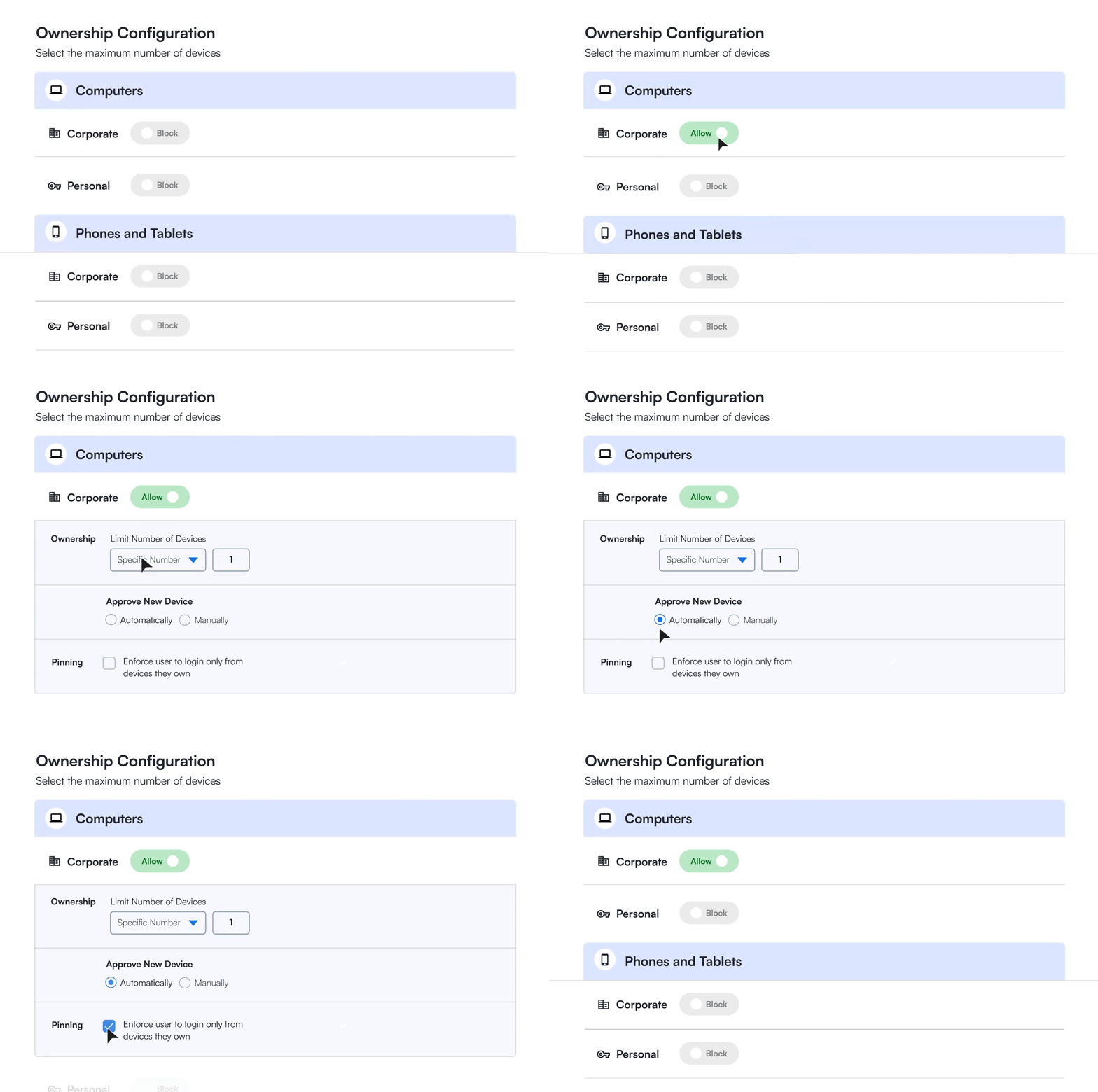
  2. Bind access to approved hardware: Device-based controls let organizations enroll trusted hardware and differentiate between corporate, personal, and third-party endpoints. Valid credentials used from an unrecognized device should not simply proceed because MFA succeeded.
  3. Apply proportionate enforcement: Rigid controls create workarounds. A mature posture strategy can apply conditional restrictions, reduced privileges, or time-bound grace periods instead of defaulting to a hard block. That balance matters for hybrid and remote teams.
  4. Enable self-service remediation: If trust is tied to device health, users need a way to restore that trust. Guided fixes for encryption, OS updates, or endpoint protection let employees resolve posture issues without filing a ticket or losing access unnecessarily.

Solutions like Specops Device Trust operationalize this model by extending trust decisions beyond identity and maintaining enforcement as conditions change. It authenticates users and verifies their devices continuously across Windows, macOS, Linux, and mobile platforms, not just at the point of login.

Specops Device Trust

Identity still matters. It just can no longer carry the full weight of an access decision on its own.

If you’re looking to evolve your identity security strategy to include device trust, contact Specops today or book a demo to see how our solutions could work in your environment.

Sponsored and written by Specops Software.

Advertisement

Source link

Continue Reading

Tech

StitcherAI emerges from stealth with $3M and a different take on the AI spending problem

Published

on

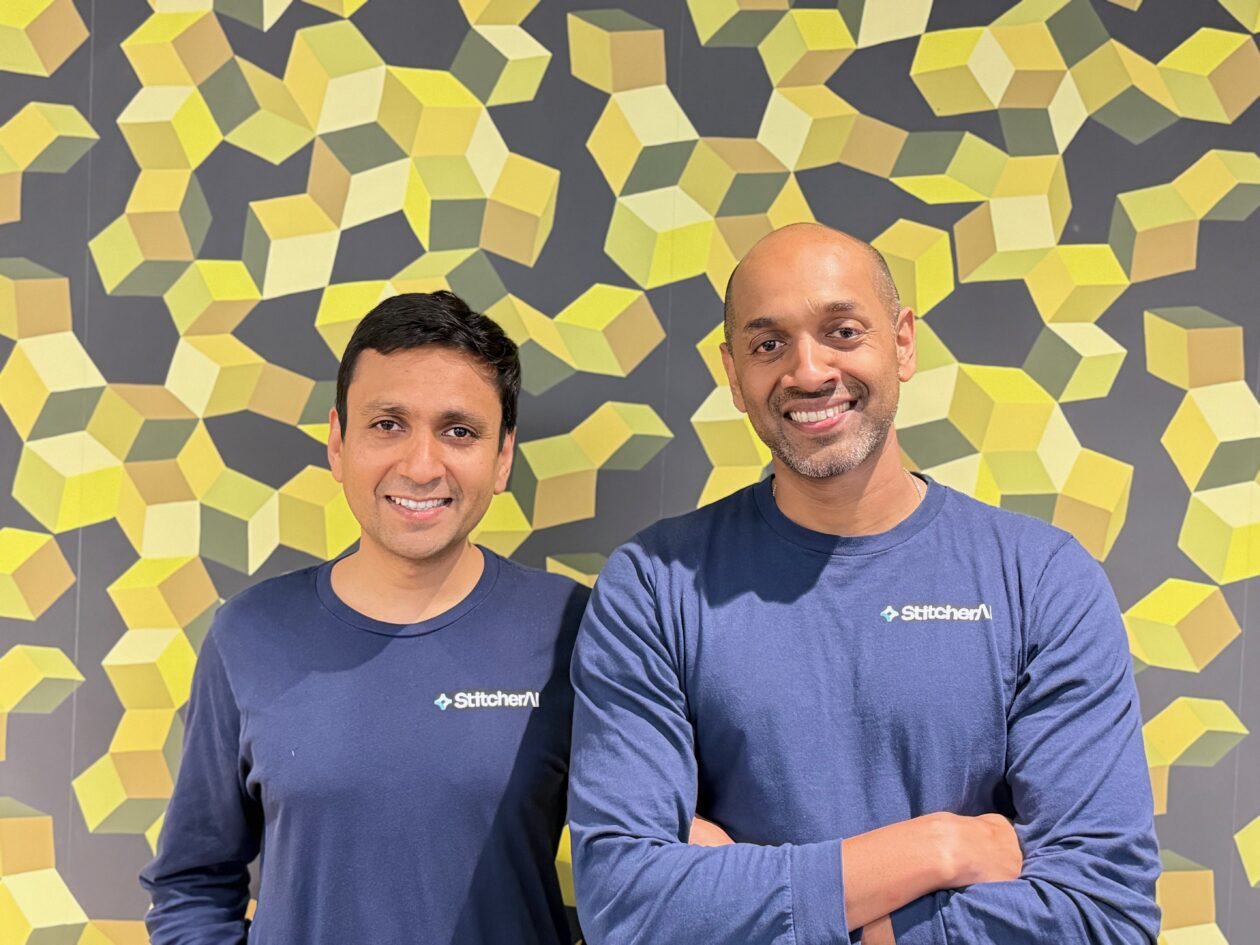
StitcherAI co-founders Varun Mittal (left) and Udam Dewaraja. (StitcherAI Photo)

StitcherAI, backed by $3 million in pre-seed funding, launched today with an unusual approach to help companies get a handle on AI and cloud spending before the bills get out of control.

Founded by a pair of Seattle enterprise tech veterans, the startup is avoiding the traditional FinOps dashboard, instead pushing real-time cost data directly into apps and services where engineers — and increasingly AI agents — are making spending decisions.

The idea is to catch spending problems before they happen. AI agents, in particular, often have no context for the company’s budget or existing contracts. For example, an agent might choose an expensive AI model when the company has already prepaid for a cheaper alternative.

“It’s really important to get that context into the places where the decisions are happening, whether it’s human or the agent,” said StitcherAI CEO and co-founder Udam Dewaraja.

The 10-person company emerged from stealth Tuesday morning with the announcement of the general availability of its product. Its $3 million pre-seed round, raised last fall, was led by Founders Co-op with participation from Sunshine Lake VC, Ascend, and Plug & Play Ventures. 

Advertisement

Dewaraja built the global IT finance practice at Citi, one of the world’s largest technology spenders. He also co-created the FOCUS open billing data standard now used by AWS, Microsoft, and Google, which StitcherAI also uses as part of its system.

Co-founder Varun Mittal is an AI researcher and natural language processing specialist who previously ran NLPCore, a Seattle-based NLP platform company, for eight years.

Dewaraja and Mittal previously worked together at Apptio, the Bellevue-based IT financial management company that was taken private in 2019 and acquired by IBM in 2023.

Apptio is one of the companies StitcherAI will be competing against in the broader field of tracking IT spending. Dewaraja led engineering for Cloudability, Apptio’s cloud cost management product. Other established players in the space include Flexera and VMware’s CloudHealth, along with many startups focused on cloud and AI cost management.

Advertisement

Dewaraja said he saw the limitations of the dashboard approach firsthand when he moved to Citi and became a buyer of the tools he’d helped build. Engineers are too busy juggling security, performance, and deployment issues to check a financial dashboard.

“Cost becomes a forgotten part,” he said.

StitcherAI’s platform pulls in cost data from across the different services used by a company, including cloud providers, AI services, SaaS subscriptions, and PDF invoices. It then creates a unified cost model with information on different products, teams, and revenue streams.

The platform presents the data in whatever tools the organization uses, including data platforms like Snowflake, business intelligence tools like Tableau, or workplace apps like Slack and Jira. It can also feed financial context into AI coding tools like Cursor and OpenAI’s Codex, so agents making technical decisions have visibility into the budgets and contracts.

Advertisement

The company says it is already working with several large customers, including nine-figure cloud spenders with rapidly growing AI budgets. One early customer is a Fortune 500 employment marketplace. StitcherAI says those beta customers reduced the cost of building and maintaining internal IT finance infrastructure by 80% on average.

Dewaraja said the startup plans to use the funding to grow the team and continue developing its platform, with the FinOps X conference in San Diego in June as its next major milestone.

Source link

Advertisement
Continue Reading

Tech

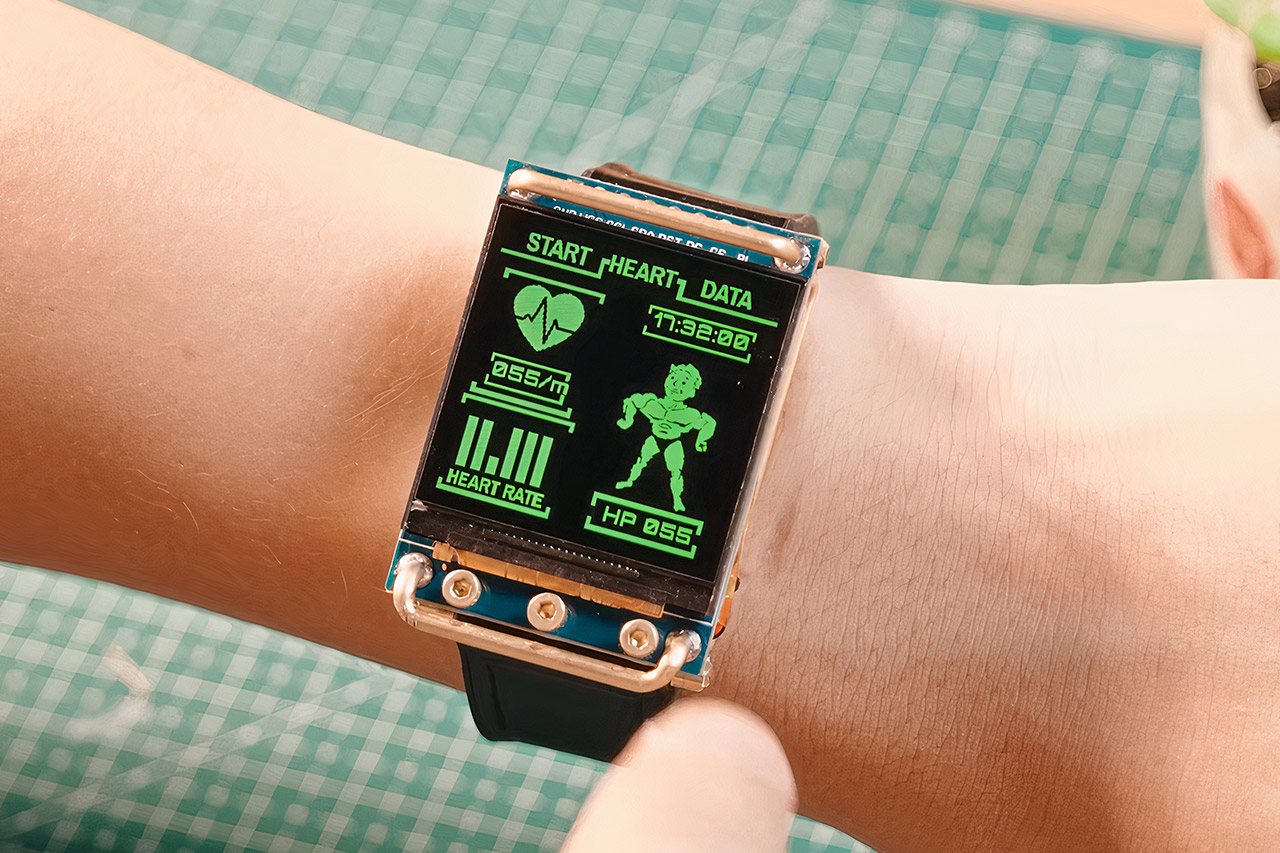
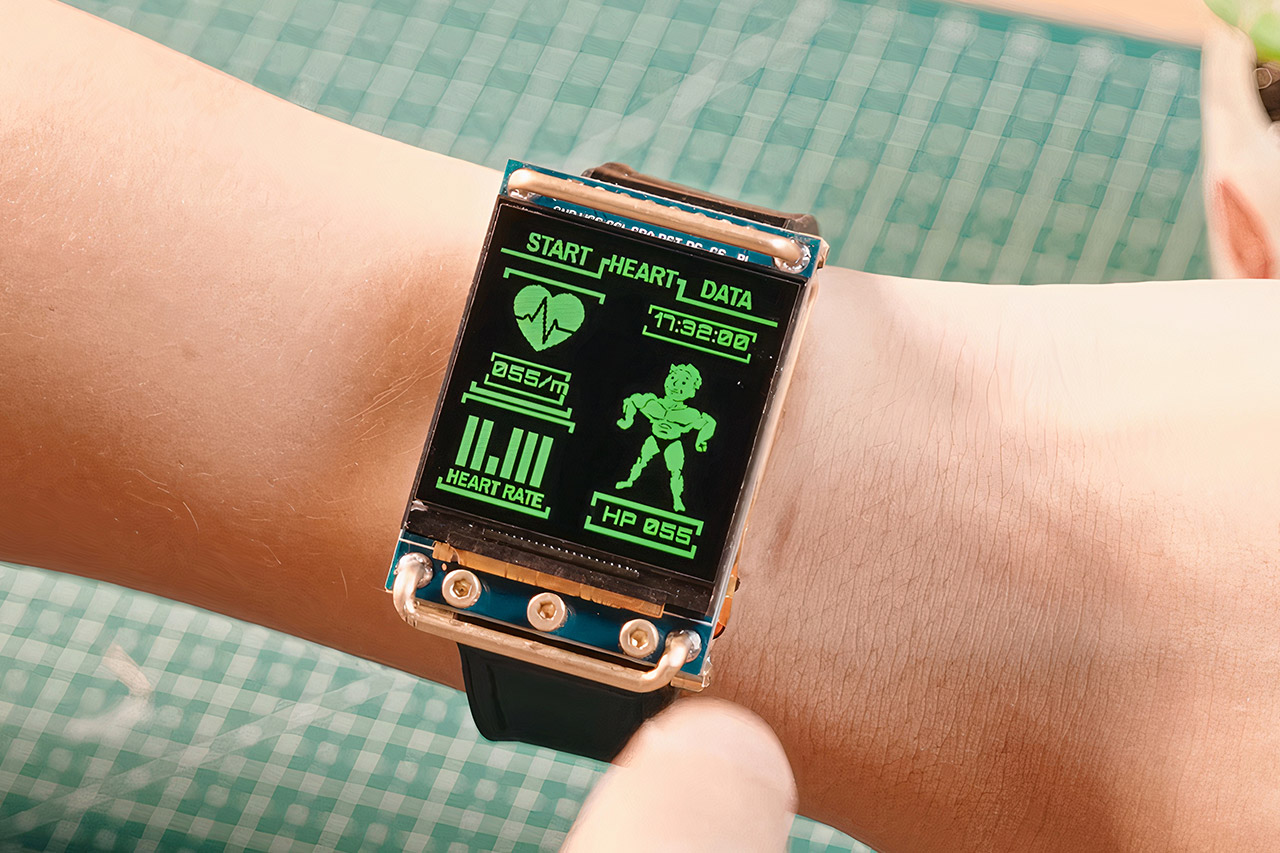
Fallout Fans Finally Get a Pip-Boy They Can Wear on Their Wrist in the Form of a Custom Smartwatch

Published

on

Fallout Pip-Boy Custom Smartwatch
Huy Vector turned a childhood obsession with the Fallout games into a working smartwatch that looks and feels like it came straight from the vaults. The finished piece sits comfortably on the wrist with a simple leather strap, yet every detail echoes the classic Pip-Boy design from the series. Green text scrolls across a small screen against a black background, vital signs appear in the familiar retro font, and the whole thing runs on everyday parts anyone can order online.


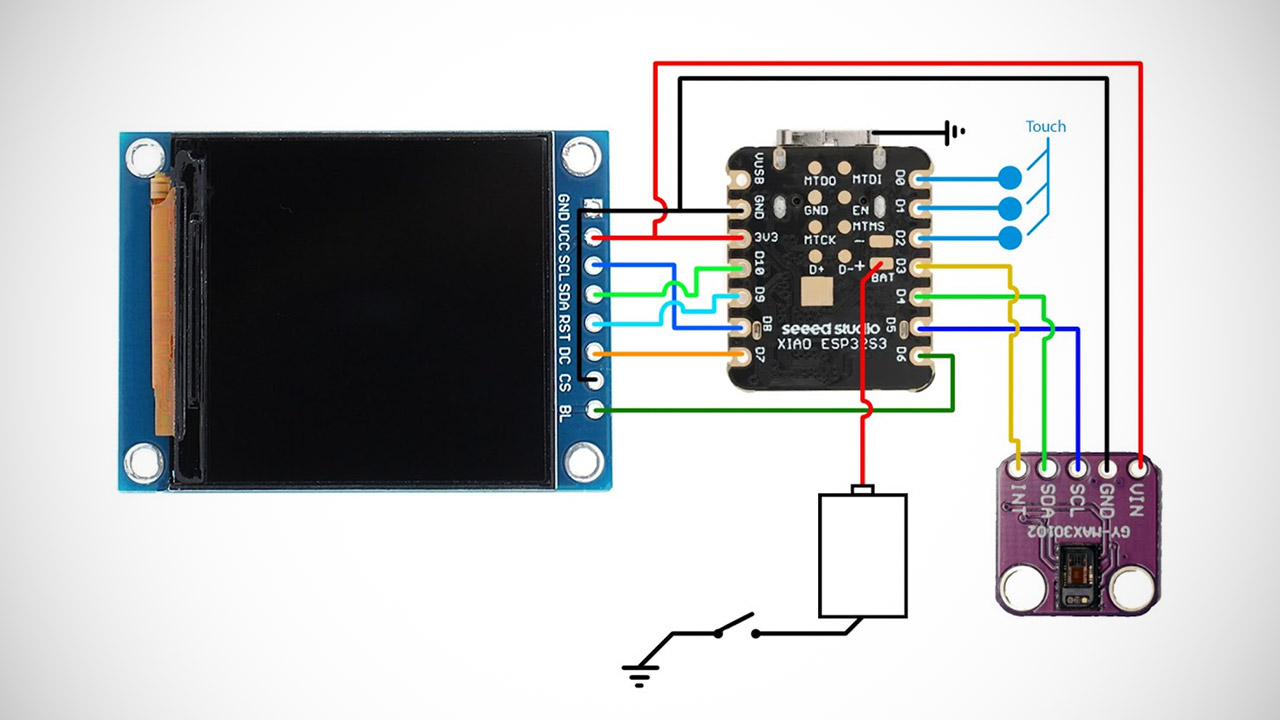
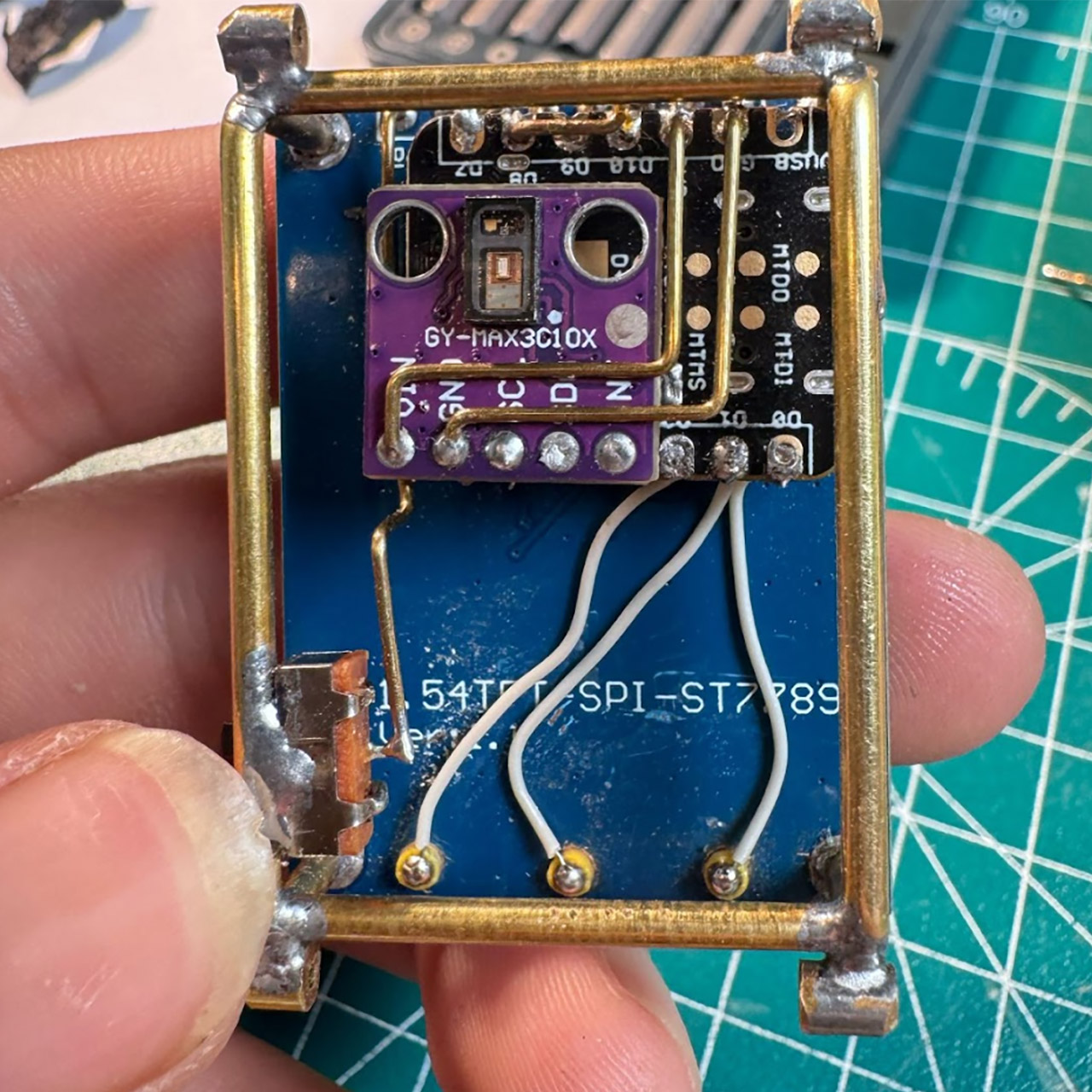
Vector used the Seeed Studio XIAO ESP32-S3 board for the Vector project, which crams a microcontroller, Bluetooth, and Wi-Fi into an extremely compact device that fits beneath the display. He chose a 1.54-inch LCD for the panel, which replicates the green-on-black image that gamers fondly remember. A MAX30102 sensor is nestled into the back to monitor heart rate and blood oxygen levels in real time, which is ideal for keeping an eye on things while playing. The entire system is powered by a small lithium-ion battery that is discreetly hidden. It’s all held together with copper tubing and some clever brass hardware that also serves as controls.

Fallout Pip-Boy Custom Smartwatch
Vector’s assembly requires some careful soldering and a few simple tools. Vector constructed the frame with 0.8 millimeter copper wire, a handful of M2 brass screws, and some short parts of brass tube. Once he had tidied up the wiring and ensured its stability, the screws served as touch points. To prevent accidental triggering, the bases of those screws are encased with heat-shrink tubing. There’s a little switch that allows you to turn on and off the unit without having to reach for your phone. If you’re curious about the parts list, Vector lays it down on his website and links directly to the vendors, even the solder and flux, so if you have basic abilities, you should be fine.

Fallout Pip-Boy Custom Smartwatch
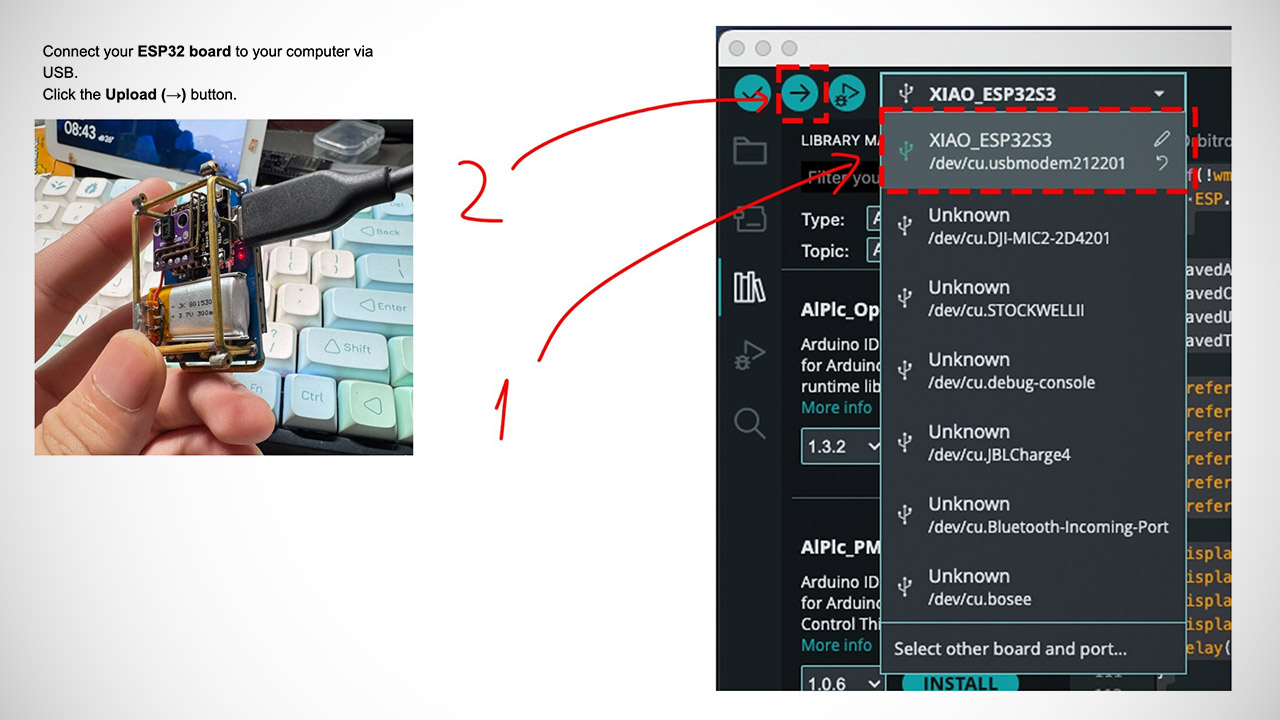
Vector programmed his own code to extract data from the heart rate sensor and send it to the Pip-Boy interface, using the Adafruit GFX library for visuals and the SparkFun MAX3010x library for readings. The program can be downloaded onto the ESP32 board via a typical USB connection. Once it’s running, you’ll see live heart rate and SpO2 data in a clean, game-accurate interface. Toggling the brass points navigates between the various panels, and the wireless functionality is still in the works, waiting for future upgrades that may include notifications or other data.

Fallout Pip-Boy Custom Smartwatch
He also made the complete list of parts, wiring schematic, and code file available on his website for free. There aren’t any kits for sale currently, but if you’re the sort to tackle a project like this, you can get the individual parts and make one yourself. Just be aware that it may be one-of-a-kind, but that’s all part of the excitement.
[Source]

Source link

Advertisement
Continue Reading

Tech

Daily Deal: The 2026 Complete Firewall Admin Bundle

Published

on

from the good-deals-on-cool-stuff dept

Transform your future in cybersecurity with 7 courses on next‑level packet control, secure architecture, and cloud‑ready defenses inside the 2026 Complete Firewall Admin Bundle. Courses cover IT fundamentals, topics to help you prepare for the CompTIA Server+ and CCNA exams, and more. It’s on sale for $25.

Note: The Techdirt Deals Store is powered and curated by StackSocial. A portion of all sales from Techdirt Deals helps support Techdirt. The products featured do not reflect endorsements by our editorial team.

Filed Under: daily deal

Source link

Advertisement
Continue Reading

Tech

Webb Discovers One of the Universe’s First Galaxies

Published

on

Astronomers using the James Webb Space Telescope have identified an ultra-faint galaxy seen just 800 million years after the Big Bang. The galaxy contains almost no heavy elements, shows signs of intense early stellar radiation, and could offer a rare glimpse into the first stages of galaxy formation. Phys.org reports: In a paper published in the journal Nature, a team of scientists led by Kimihiko Nakajima, an astronomer at Kanazawa University, Japan, describes how they used the telescope to study a part of the deep universe and discovered a faint galaxy called LAP1-B. “LAP1-B establishes a ‘fossil in the making,’ a direct high-redshift progenitor of the ancient ultra-faint dwarf galaxies observed in the local universe,” they wrote. Because the galaxy is so small and distant, it would normally be impossible to see. However, it was spotted due to a phenomenon known as gravitational lensing, in which a massive cluster of closer galaxies acts like a giant magnifying glass, boosting the light from LAP1-B by 100 times.

The scientists realized that most of the light from the galaxy wasn’t coming from the stars, but from glowing clouds of gas. They analyzed this light by splitting it into a spectrum and studying the emission lines, which revealed the chemical composition of the gas. They found that the galaxy contains almost no heavy elements, and its oxygen abundance is about 240 times lower than the sun’s, making it one of the most primitive star-forming galaxies ever observed. The emission lines also revealed intense ionizing radiation, which is what scientists expect to see from the first generation of stars.

The team also measured an elevated carbon-to-oxygen ratio. This matches the predicted chemical signature for the first star explosions in history from Population III stars, the first stars to exist in the universe. The stars we see today are Population I stars, which formed later and contain more heavy elements. Another fascinating finding is that, after measuring the gas’s motion and speed, the researchers concluded that the galaxy is held together by a massive cloud of invisible dark matter.

Source link

Advertisement
Continue Reading

Trending

Copyright © 2025