







 The man of the hour, Pedro Pascal





We hope you love the products we recommend! All of them were independently selected by our editors. Just so you know, HuffPost UK may collect a share of sales or other compensation from the links on this page if you decide to shop from them. Oh, and FYI — prices are accurate and items in stock as of time of publication.
One day, someone will invent an injection that means we never have to reapply sunscreen again. But until that day comes, it is a sad and unfortunate truth that sunscreen is a daily skincare essential – and more so in the sunny months than ever.
Despite the undeniable benefits of wearing SPF – it protects against skin cancer, and prevents visible signs of ageing, etc, etc – it is a pretty spenny necessity, which can make it all the more tempting to skip it. Fine, we’ll admit it.
If you need a little extra nudge to stock up on sunscreen this year, that’s completely understandable. Or at least iHerb seems to think so, because it’s launched a ‘buy one, get one 50% off’ promotion on its entire sunscreen range. Can we get a ‘whoop whoop’ for iHerb?
If you’ve not yet stocked up on sunscreen for the season ahead – and even if you have – now’s the time to do it.
But this isn’t one of those sales that applies to just one or two items. Whether you’re looking for a kids’ sunscreen, one that’s suitable for sensitive skin, or a face sunscreen, iHerb has every kind of SPF you could want. We’re talking over 300 products – woah.
To make sure you don’t miss it, we’ve rounded up our tried and tested favourites from its summer sale to stock your baskets with right now.
Best sunscreens to shop now

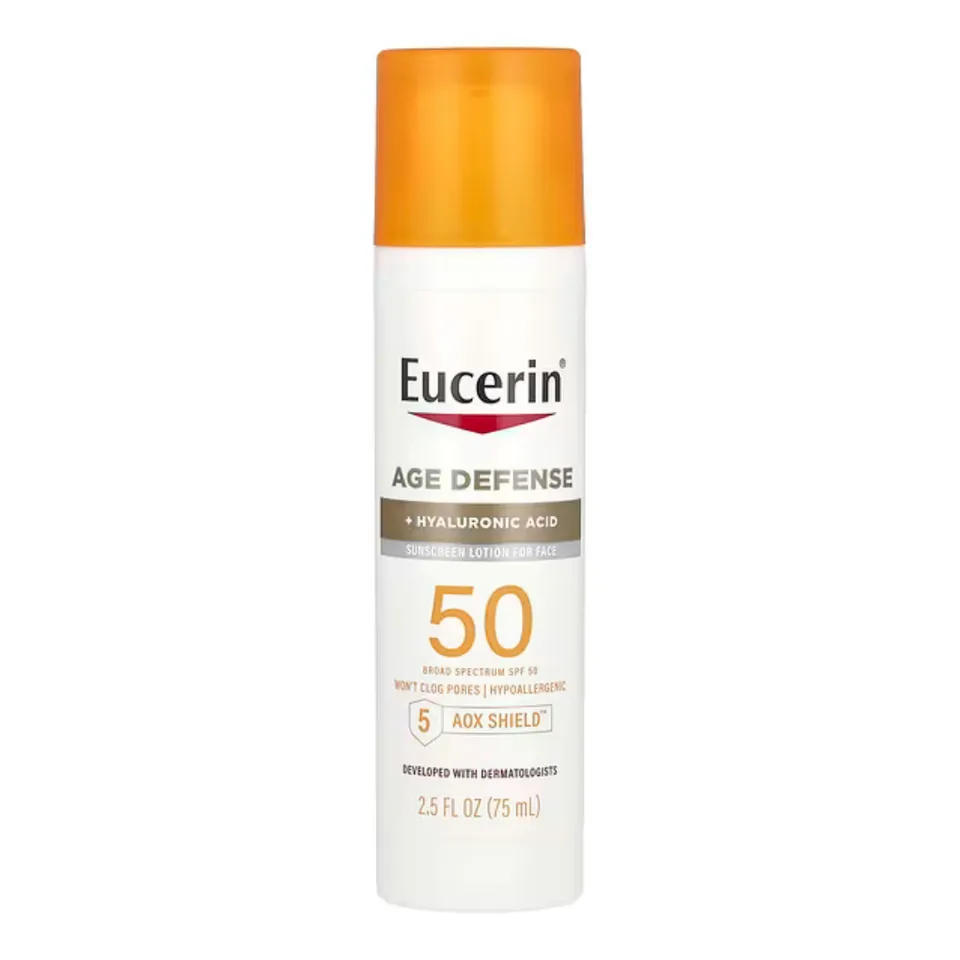
If you’re looking for a face sunscreen, it’s gotta be fragrance-free. This one from Eucerin is super lightweight, and it’s even loaded with hyaluronic acid to help lock in hydration.

Not every sunscreen works under makeup, but this one from Aveeno absorbs so quickly, you won’t have any problems with pilling. It also won’t leave a white cast, making it ideal for darker skin tones.

If you have oily skin, you’ll know the struggle of finding a sunscreen that doesn’t break you out. But Cetaphil is a go-to high street brand for a reason: it actually works at keeping skin clear. This moisturiser contains SPF30, but just be aware you’ll need to top up after a couple of hours.

One of the trickiest things with body sunscreen is finding one that won’t stain your clothes and leave you with a pile of white-turned-yellow clothes at the end of the summer. This one from Eucerin might take a little while to sink in, but it passes the colour transfer test, and it’s hydrating so it leaves your skin feeling great, too.

Looking for a sunscreen to take with you on the go? This baby one from Cetaphil comes in stick form, so you won’t have to worry about getting dirty hands creamy, and slots neatly into the tiniest of bags.

If you’re swimming in the sea – lucky you – this sunscreen is formulated to be reef-safe, and is water-resistant for up to 80 minutes so you don’t have to reapply every time you need a cool down. It even has a light shimmer to it, if you’re in the market to channel Edward Cullen in the sunshine.

We all need to be kept on our toes, which is why this sunscreen feels on the thicker side upon application, but later sinks in completely. Thrilling! This zinc formula is also suitable for kids and adults alike, so you won’t have to worry about keeping two different lotions on you at the same time.

If there’s one thing that’s going to convince your kids to wear sunscreen, it’s if it smells like tangerine and vanilla. This SPF 40 zinc formula might leave a little greasy layer on your skin, but it’s water resistant for over an hour, and it’s made from 98% natural ingredients.

When you have .2 seconds to slather your baby in sunscreen before they start wriggling, there’s no time for messing around with squeezy bottles and screw caps. This mineral sunscreen stick makes application quick and easy, and it’s hypoallergenic so it’s great for sensitive skin.

With an SPF ranking of 60+, this sunscreen will keep your face ultra-protected in even the sunniest of conditions. Plus, Hawaiian Tropic just smells like summer, so it’s a must (if you know, you know).










![After 12 Years, I'm Leaving Crypto. [Not Clickbait]](https://wordupnews.com/wp-content/uploads/2026/03/1774463833_maxresdefault-80x80.jpg)






































You must be logged in to post a comment Login