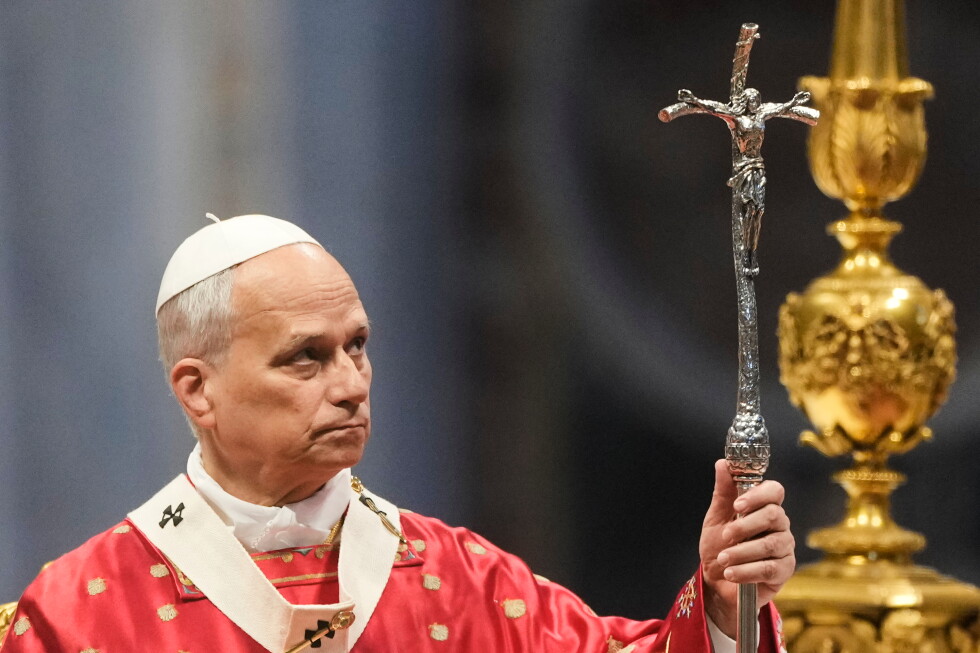
VATICAN CITY (AP) — Pope Leo XIV made a historic apology on Monday for the Holy See’s role in legitimizing slavery and for having failed to condemn it for centuries, calling the Vatican’s record a “wound in Christian memory.”
Past popes have apologized for Christians’ involvement in the trans-Atlantic slave trade. But no pope had ever publicly acknowledged, much less apologized for, the role that past popes played in giving European sovereigns explicit authority to subjugate and enslave “infidels.”
History’s first U.S.-born pope, whose family history includes both enslaved people and slave owners, delivered the apology in his first encyclical, “Magnifica Humanitas,” (Magnificent Humanity), which was released Monday.
Pope Leo XIV called Monday for robust regulation of artificial intelligence and for its developers to work for the common good rather than profit, issuing a sweeping manifesto on safeguarding humankind as the technology impacts everything from work to war.
Advertisement
The sweeping manifesto is about safeguarding humanity in an era of increasing reliance on artificial intelligence. Leo raised the slave trade in relation to what he called the new forms of slavery and colonialism that the digital revolution is fueling.
Advertisement
Black American Catholics, activists and scholars have long called for the Holy See to atone for its role in the colonial-era trade in human beings, beyond generic apologies for the involvement of individual Christians.
“It is impossible not to feel deep sorrow when contemplating the immense suffering and humiliation endured by so many in stark contrast to their immeasurable dignity as persons infinitely loved by the Lord,” Leo wrote. “For this, in the name of the church, I sincerely ask for pardon.”
Advertisement
Vatican Secretary of State Cardinal Pietro Parolin, right, talks to theologian Leocadie Lushombo during the presentation of his first encyclical, “Magnifica humanitas: On Safeguarding the Human Person in the Time of Artificial Intelligence,” at the Vatican, Monday, May 25, 2026. (AP Photo/Alessandra Tarantino)
Advertisement
Vatican Secretary of State Cardinal Pietro Parolin, right, talks to theologian Leocadie Lushombo during the presentation of his first encyclical, “Magnifica humanitas: On Safeguarding the Human Person in the Time of Artificial Intelligence,” at the Vatican, Monday, May 25, 2026. (AP Photo/Alessandra Tarantino)
Advertisement
Advertisement
Shannen Dee Williams, historian at the University of Dayton and author of the 2022 history of American Black Catholic nuns, “Subversive Habits,” welcomed the apology as a “monumental step toward the kind of essential truth-telling and reparation that many Catholics have prayed and worked to witness.”
“The Catholic Church has never been an innocent bystander in the history of white supremacy,” said Williams. “Black Catholics have waited a long time to hear the Vatican speak honestly about the church’s leading roles in the trans-Atlantic slave trade and chattel slavery–and thus by extension the enduring systems of anti-Black racism in the world today.”
Advertisement
Centuries of legitimizing slavery for European colonizers
The Vatican has insisted that it always upheld the dignity of all human beings as children of God. But a series of 15th-century directives from the Vatican authorized Portuguese sovereigns to conquer Africa and the Americas and enslave non-Christians.
In 1452, for example, Pope Nicholas V issued the papal bull Dum Diversas, which gave the Portuguese king and his successors the right “to invade, conquer, fight and subjugate” and take all possessions — including land — of “Saracens, and pagans, and other infidels, and enemies of the name of Christ” anywhere.
The bull also gave the Portuguese permission “to reduce their persons to perpetual slavery.”
That bull and another issued three years later, Romanus Pontifex, formed the basis of the Doctrine of Discovery, the theory that legitimized the colonial-era seizure of land in Africa and the Americas.
Advertisement
Nicholas V’s permissions to the Portuguese were confirmed or renewed by Pope Callixtus III in 1456, Pope Sixtus IV in 1481 and Pope Leo X in 1514, according to the Rev. Christopher J. Kellerman, a Jesuit priest and author of “All Oppression Shall Cease: A History of Slavery, Abolitionism, and the Catholic Church.”
Spanish kings received the rights for the Americas.
In 2023, the Vatican formally repudiated the Doctrine of Discovery, but it never formally rescinded, abrogated or rejected the bulls themselves. The Vatican insists that a later bull, Sublimis Deus in 1537, reaffirmed that Indigenous peoples shouldn’t be deprived of their liberty or the possession of their property, and weren’t to be enslaved.
Advertisement
Pope Leo XIV, left, arrives with Vatican Secretary of State Cardinal Pietro Parolin for the presentation of his first encyclical, “Magnifica humanitas: On Safeguarding the Human Person in the Time of Artificial Intelligence,” at the Vatican, Monday, May 25, 2026. (AP Photo/Alessandra Tarantino)
Advertisement
Pope Leo XIV, left, arrives with Vatican Secretary of State Cardinal Pietro Parolin for the presentation of his first encyclical, “Magnifica humanitas: On Safeguarding the Human Person in the Time of Artificial Intelligence,” at the Vatican, Monday, May 25, 2026. (AP Photo/Alessandra Tarantino)
Advertisement
Advertisement
Holy See late to condemn slavery, Leo says
In his encyclical, Leo recalled that his namesake, Pope Leo XIII, was the first pope to explicitly condemn slavery in 1888, long after many countries had abolished it. Before that, in antiquity and the Middle Ages, church institutions and even popes — Gregory the Great — had slaves, Kellerman said.
In acknowledging the 15th century papal bulls, Leo wrote in his encyclical: “Already in the early modern period, the Apostolic See of Rome, responding to the requests of sovereigns, intervened several times in order to regulate and legitimize forms of subjugation, and, in certain cases, including the enslavement of ‘infidels.’”
Advertisement
Leo said it wasn’t possible to judge the morality of the decisions with today’s standards.
“Yet neither can we deny or diminish the delay with which both society and the church came to denounce the scourge of slavery,” he said.
The pope said that the church has long affirmed the dignity of every human being as the basis of its doctrine, “even if it took eighteen centuries for its full incompatibility with slavery to be explicitly recognized.”
“This constitutes a wound in Christian memory, one from which we cannot consider ourselves detached,” he said.
Advertisement
Leo said that the church must firmly condemn all forms of trafficking related to the digital technological revolution “if we want to avoid the need to ask for pardon again in the future for having failed to respect the treasure of human dignity that is required by our faith.”
Pope Leo XIV, left, attends the presentation of his first encyclical, “Magnifica humanitas: On Safeguarding the Human Person in the Time of Artificial Intelligence,” at the Vatican, Monday, May 25, 2026. (AP Photo/Alessandra Tarantino)
Advertisement
Pope Leo XIV, left, attends the presentation of his first encyclical, “Magnifica humanitas: On Safeguarding the Human Person in the Time of Artificial Intelligence,” at the Vatican, Monday, May 25, 2026. (AP Photo/Alessandra Tarantino)
Advertisement
Advertisement
Advertisement
Advertisement
Anthea Butler, senior fellow at the Koch History Center, Oxford University, said Leo needed to acknowledge and atone for the church’s complicity in historic slavery if he wanted to credibly “speak to the current issues of technological enslavement.”
“For descendants of enslaved persons, this is once again a much needed apology from the pope,” said Butler, who is Black.
Leo’s own family history and past apologies
Kellerman, the scholar, welcomed Leo’s apology but said more needs to be done to further acknowledge how the Catholic Church legitimized and expanded slavery.
“Pope Leo has strengthened the moral credibility of the church with this admission and apology today,” he told The Associated Press. “Hopefully a future document will explain in more detail the church’s involvement with slaveholding. As a scholar I have some quibbles with the wording, but this is a truly remarkable moment.”
Advertisement
During a 1985 visit to Cameroon, St. John Paul II asked forgiveness of Africans for the slave trade on behalf of Christians who participated in it, but not the popes. In a 1992 visit to Goree Island, Senegal, which was the largest slave-trading center in West Africa, he denounced the injustice of slavery and called it a “tragedy of a civilization that called itself Christian.”
According to genealogical research published by Henry Louis Gates Jr., 17 of Leo’s American ancestors were Black, listed in census records as mulatto, Black, Creole or a free person of color. His family tree includes slaveholders and enslaved people, Gates wrote in The New York Times.
During a visit to Angola last month, Leo prayed at a Catholic shrine at the site of an important hub of the African slave trade during Portugal’s colonial rule. While at the Sanctuary of Mama Muxima, Leo recalled the “sorrow and great suffering” Angolans endured for centuries, but he didn’t refer specifically to slavery.
Advertisement
Pope Leo XIV listens to Cardinal Víctor Manuel Fernández, prefect of the Dicastery for the Doctrine of the Faith, right, during the presentation of Pope Leo XIV’s first encyclical, “Magnifica humanitas: On Safeguarding the Human Person in the Time of Artificial Intelligence,” at the Vatican, Monday, May 25, 2026. (AP Photo/Alessandra Tarantino)
Advertisement
Pope Leo XIV listens to Cardinal Víctor Manuel Fernández, prefect of the Dicastery for the Doctrine of the Faith, right, during the presentation of Pope Leo XIV’s first encyclical, “Magnifica humanitas: On Safeguarding the Human Person in the Time of Artificial Intelligence,” at the Vatican, Monday, May 25, 2026. (AP Photo/Alessandra Tarantino)
Advertisement
Advertisement
___
Winfield reported from Middletown, Connecticut.
Advertisement
___
Associated Press religion coverage receives support through the AP’s collaboration with The Conversation US, with funding from Lilly Endowment Inc. The AP is solely responsible for this content.
“If this is you, we are asking you to come forward to police now.”
18:53, 13 Jun 2026Updated 18:57, 13 Jun 2026
Police have issued an appeal to identify a man they wish to speak to following serious public disorder in Newtownabbey.
Issuing two photographs a PSNI spokesperson: “Can you identify the following individual? Police would like to speak with the person in these images in connection with serious public disorder on 9th June 2026 in the Newtownabbey area.
“If this is you, we are asking you to come forward to police now. Anyone who can assist in identifying this person, please contact police.
Advertisement
“If you have any information or wish to submit photos and footage, including CCTV, mobile phone or dash cam footage please contact police.
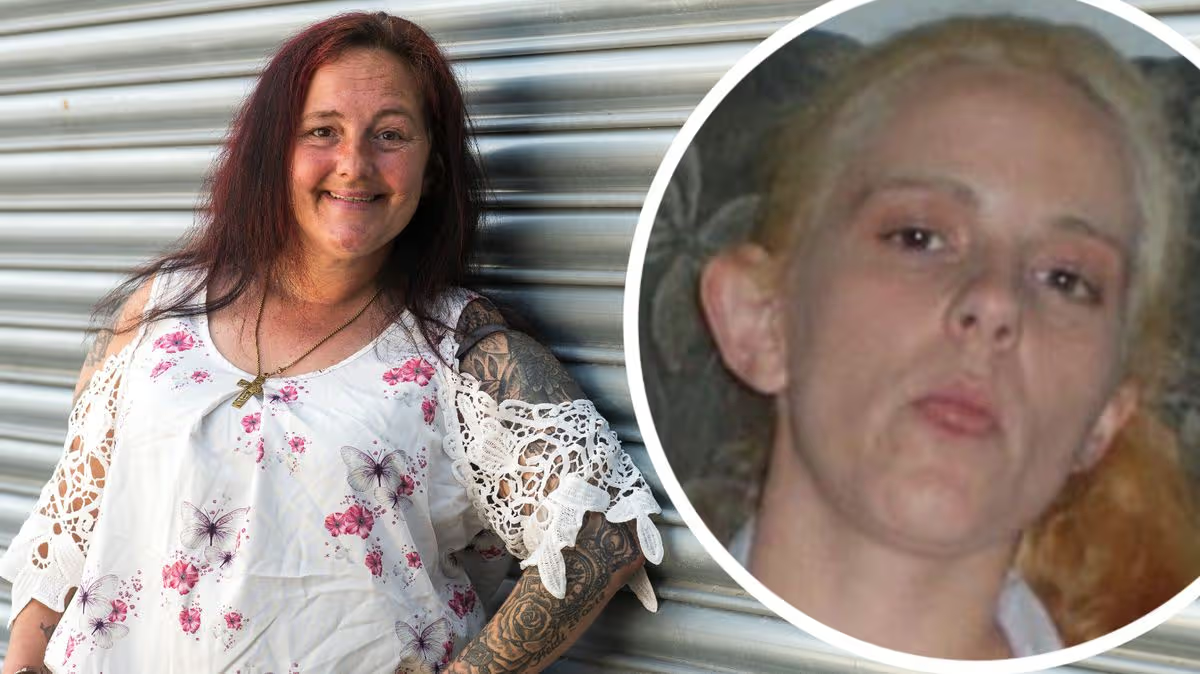
An unrecognisable woman who spent years trapped in addiction, homelessness and dangerous situations says she is lucky to be alive after turning her life around.
Jodie Davies, from Tonyrefail, has gone from sleeping in tents, on friends’ sofas and in drug dens to rebuilding her life, raising her children and supporting others through her own experiences.
Advertisement
She has shared a picture of herself taken in the depths of her drug taking, not only to show how far she has come, but also in the hope that it will inspire others to get help.
Jodie’s journey into addiction began when she was still a child, after struggling with experiences that she says left her trying to escape from what was happening around her.
“I started using it just before my 13th birthday,” the now 44-year-old said. “I went through a lot as a child and I ended up losing myself to substances; and when I say losing my way, I mean badly. My two daughters went to live with my mother and sister.”
Jodie’s drug use eventually spiralled into an eight-year period where heroin and crack cocaine dominated her life. “For eight years then I ended up really bad on heroin and crack cocaine. Loads of things,” she said.
She describes that time as less about chasing a high and more about trying to shut out everything she was carrying.
“I managed to stop doing drugs when I had my two daughters but then I split with their dad and I crumbled,” she said.
“Mentally I was so stressed and it was about blocking out, forgetting everything. I didn’t want to speak to anyone. It wasn’t the case that I wanted the drugs because I was going out all the time. It was a blocking out mechanism.”
Advertisement
During those years, her addiction took her into situations she says she never should have been in as a young woman.
“I got into loads of dangerous situations,” she said. “I went from Rhondda as far as London and places. I was a young girl in situations which I should never have been in. I’ve been attacked; I’ve ended up with black eyes, broken ribs. I was attacked by men and women. In the drug world, they don’t discriminate.”
The reality of addiction became a daily cycle of finding money, finding drugs and trying to avoid withdrawal.
Advertisement
“I’ve had to wake up every single day just wanting to use. Having to find the money, needing to find all these different things to make myself feel better.
“It was hell. You only have two jobs as an addict: finding money to score, and scoring. I know it sounds easy, but trust me, even with all the dealers from here to the moon, it’s still hard when you need it. You feel like hell and you’re sweating and shaking, you’re back and forth to the toilet being sick.”
Her health suffered as her addiction continued, with Jodie describing a period where she became dangerously thin and withdrawn.
Advertisement
“I’m five foot seven and I went down to about seven stone at one point. I was really, really, skinny and withdrawn. I would turn over in bed and I would bruise on my shoulders on the springs I was that bad.
“I work for a foodbank 1781408560. Back then all I thought about was getting drugs, I didn’t think about eating. People saw how skinny I was, but I didn’t. I just saw myself in the mirror. When I would get completely starving, that’s when I would go to the foodbank.”
The turning point came when she discovered she was pregnant with her eldest son. “But then I found out I was pregnant with my eldest boy. That was enough for me. I didn’t want to keep on living the life I was living. I decided to sort my life out. Now I’m going into my 17th year heroin free.”
With support from what is now Barod, Jodie began the long process of recovery. “I had a fantastic drug and alcohol worker who basically told me that if I was going to mess her around she would sit there and go: ‘Yeah, yeah yeah,’ but if I wanted to put the work in she would put the work in with me.
Advertisement
“She put me on medication Buprenorphine – but it was the intervention as well [that worked].”
By the time her son was born, Jodie says she was able to start experiencing a normal family life again. “I was able to become a mother straight away. By the time my son was born I was able to get up and cope with having a normal life again.”
That recovery became the foundation for the work she does today. Jodie trained as a peer mentor and began using her own story to show people that change is possible.
“[I tell] my story to people that actually need to see that there is hope,” she said. “People who are trying to get out of things but haven’t been able to, but then see me and what I used to look like. It shocks them.”
Advertisement
She now runs Families Supporting Families, a community support group and warm hub based in and around Tonyrefail, helping people access support and connect with services.
She said: “Through that voluntary work I work with different agencies, therapists, drug and alcohol counsellors and people with housing. If someone wants to speak to me one on one, I do that as well. If someone rings me at 4am and I’m awake, I will answer their call.”
Detailing some of the workshops she runs and facilitates, she said: “I run Families Supporting Families on Monday morning at Rethink Reuse Tonyrefail, and then I take a team to learn self defence for domestic violence with Counter Force, then Narcotics Anonymous Wales on Wednesday at Rethink Reuse, all others days I’m helping with Dinas TRA community centre and Friends of St John’s Tonyrefail.
Advertisement
“[Then] my therapist Janine not only helps me with my childhood trauma but runs group sessions to help people in my Monday sessions too.”
Jodie also campaigns around hepatitis C after contracting the virus during her addiction, encouraging others not to avoid treatment because of shame.
She said: “Yes it’s embarrassing when you find out you have it, especially when you were the cleanest of clean like I was – I would give everyone clean needles – but at the same time you don’t want to die of liver cancer. You don’t want to not have treatment because you feel so ill. Now it’s just one tablet a day for 8 to 12 weeks.”
She said the treatment today is far less invasive and unpleasant than the treatment she was prescribed many years ago: “Previously I had to take two tablets a day and I had to do an injection in my stomach once a week. Once I took that injection I couldn’t take my head off the sofa for three days; I was really ill with it. I lost my hair and my appetite.”
Jodie said that although there are great resources out there for people struggling with addiction today, she particularly worries about the rise of certain dangers associated with drug taking.
“The people who start using drugs these days are seeing them as fun,” she said. “They aren’t seeing it from my eyes of having lost everything.
“Today people are using ketamine, people are using spice and it’s scary, Nitazenes (a group of highly potent, synthetic opioids) are being mixed into the drugs [including cannabis].
Advertisement
“If this was my life now, I probably would be dead because I was the greedy one who would look for the stronger stuff. And that’s the truth. I’m surprised that I’m still here now because I would be the one that if I heard there was stronger stuff out there, I would look for it. There is no doubt.”
For all her hard work helping people in the community, it is unsurprising that Jodie recently won Tonyrefail’s Citizen of the Year 2026. Despite her efforts, she said it’s a real pinch me moment.
“To go from the girl that I was to the girl I am now, even being nominated I tell everyone it feels surreal,” she said. “Even now I never would never have thought I would get nominated. People hated me and they had every right. I hadn’t done anything to them personally, but I was in the circles with people who had.”
Advertisement
Jodie said there is one huge reason behind all of the work she does to try and make her community a safer and happier place.
She said: “It’s for my children, and for my children’s children. Because it’s even worse with the drugs now, it’s not getting better.”
Her message to anyone struggling is to seek support from people who understand. “I tell everyone to reach out and get a peer. Reach out to someone, this day and age the services have people like us. Ask for a lived experience peer straight away because it helps a lot.”
The DWP has outlined the process for stopping State Pension and Universal Credit payments when a claimant dies, including how Government departments are notified via the Tell Us Once service and when payments are brought to an end
The Department for Work and Pensions (DWP) has outlined what happens to State Pension and Universal Credit payments following a claimant’s death, detailing how government departments receive notification and when payments cease.
Advertisement
DWP minister Andrew Western set out the procedure in Parliament after being questioned about what measures the Government was implementing to enhance the speed and accuracy of death notifications across public services. Mr Western described how the Government’s Tell Us Once service enables bereaved families to notify multiple departments of a death through one single communication, helping to ease the administrative load during a challenging period.
The service operates across all local authorities in England, Scotland and Wales and is intended to ensure official records are amended quickly once a death has been formally registered, reports the Express.
Speaking in Parliament, Mr Western said: “The service allows recently bereaved citizens, at a very stressful time in their lives, to inform participating Government departments of a registered death.
“The choice of who is informed of the event of death and the supplementary information regarding the deceased is also dictated by citizen choice – thus providing the best possible experience with fairness, respect, compassion and dignity.”
Advertisement
He noted that participating organisations are usually notified by the next working day after a death is reported through the service. Once notification has been received, the DWP is informed so it can halt payments including Universal Credit and State Pension, and update its records accordingly.
The Tell Us Once service also notifies HM Revenue and Customs (HMRC), allowing it to handle tax matters and cease payments such as Child Benefit where necessary.
Further organisations contacted through the service include the Passport Office, which cancels British passports, and the Driver and Vehicle Licensing Agency (DVLA), which revokes driving licences and can remove the deceased as the registered keeper of vehicles.
Local councils are additionally notified so they can terminate Housing Benefit, Council Tax Reduction and Blue Badge entitlements.
Advertisement
Meanwhile, Veterans UK is alerted regarding Armed Forces Compensation Scheme payments, while Social Security Scotland receives notifications to cease devolved benefits, including Scottish Child Payment.
The Government states that the service is designed to make the process as straightforward as possible for bereaved relatives by reducing the number of organisations they need to contact individually.
Tell Us Once can be used when the deceased person resided in England, Scotland or Wales. It may also be available if the person passed away while temporarily abroad, such as during a holiday or a work trip.
However, the service is unavailable when the deceased was residing in Northern Ireland at the time of their death. In such instances, families are encouraged to contact the relevant departments individually via NI Direct.
Advertisement
Those who had been living permanently abroad are also ineligible for the scheme, and deaths must instead be registered through the appropriate authorities in the country where they were residing.
Government guidance indicates that once a death has been reported, HMRC and the DWP may reach out to relatives or representatives to address any outstanding tax matters, benefits, overpayments or entitlements connected to the deceased person’s estate.
Families registering a death can either complete the Tell Us Once process with the registrar during their appointment, or be issued a unique reference number enabling them to access the service online or by telephone.
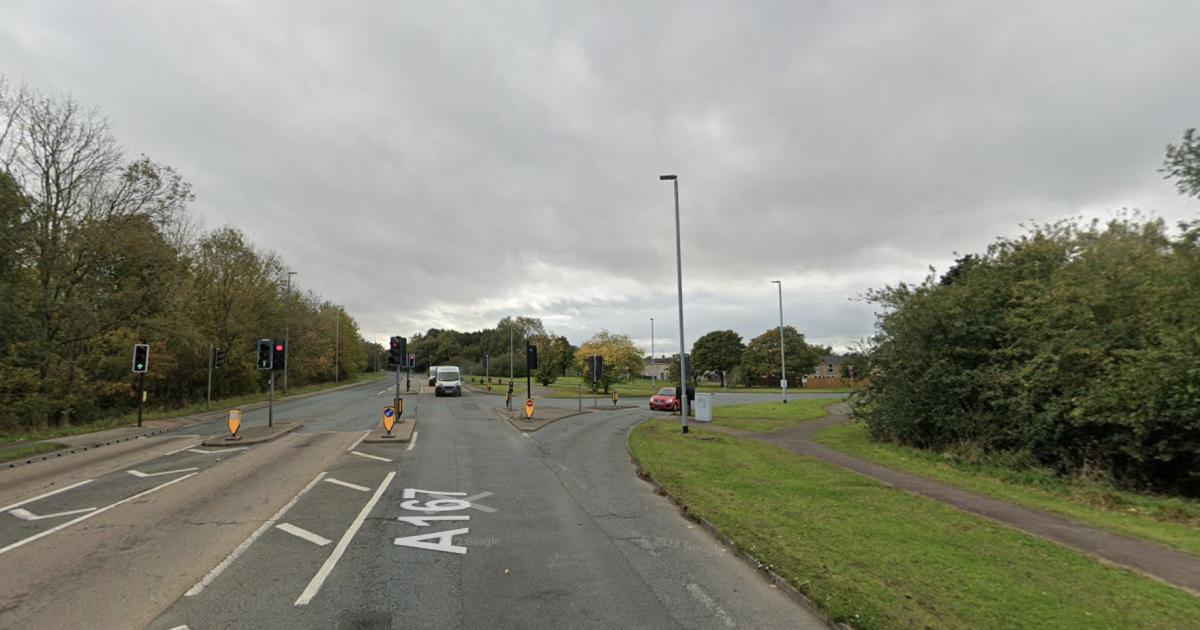
The scheme will charge utility companies and contractors for occupying sections of the road network during peak traffic periods, encouraging them to complete work more quickly and schedule projects outside the busiest times.
The scheme will focus on major routes and key junctions where congestion is most severe, including roads in Durham City, Bishop Auckland and Newton Aycliffe.
Durham County Council estimates suggest the programme could generate around £2.3 million a year, with annual operating costs of approximately £337,000. Any surplus income would be reinvested in maintaining and improving the county’s road network.
Advertisement
Stephen Gray, cabinet member for transformation, efficiency, digital and procurement, said the proposal was intended to minimise disruption for road users.
He added: “This scheme is designed with one clear priority: keeping our network moving, especially for motorists at peak times.”
Cllr Gray said the charges would create a financial incentive for utility companies and contractors to plan works more efficiently, avoid peak-hour road closures and complete projects as quickly as possible.
The council said that the scheme would encourage greater co-operation between organisations carrying out highway works, reducing repeated excavations and improving coordination between projects.
Advertisement
“The scheme will ensure works are delivered more efficiently with a focus on getting on and getting out as quickly as possible,” Cllr Gray said.
He described the approach as “practical” and “proven”, adding that it would help reduce delays and improve journey reliability for road users.
Under the scheme, charges will only apply during peak traffic periods, with incentives available for companies that work during off-peak hours or complete projects ahead of schedule.
If approved by the government, Durham will join a growing number of local authorities across England using lane rental schemes to manage disruption from roadworks.
Angus Gunn – Very fortunate not to concede after spilling a fairly routine shot. Otherwise, Haiti’s erratic finishing meant he was not overly tested. 6
Aaron Hickey – Lapse in concentration early on almost cost Scotland dear, but one vital intervention to deny Ruben Providence. 6
Jack Hendry – Great bit of defending to prevent Wilson Isidor from heading home. Largely restricted Haiti to efforts from long range. 7
Grant Hanley – Solid display from the big centre-back. Great ball over the top to Adams which led to McGinn’s goal. 7
Advertisement
Andy Robertson – Some outstanding deliveries from wide on the left could have brought more goals. Linked-up well with McGinn. 7
Ben Gannon-Doak – Pace and directness caused alarm bells in Haiti backline every time he got the ball. Final delivery can still frustrate, but he has become Scotland’s chief creative force. 9
Scott McTominay – Unlucky to see a curling effort come crashing off a post. Robbed of possession in dangerous areas on a couple of occasions. Short of his imperious best. 6
Lewis Ferguson – Anticipated and cut out the danger on numerous occasions as the Haitians broke at pace. 8
Advertisement
John McGinn – Scored Scotland’s first goal at a men’s World Cup since Craig Burley’s strike against Norway at France ’98. Missed a huge chance for a second. 8
Lawrence Shankland – Did his defensive work, but struggled to get into the game. Unable to find the sort of form in his goalscoring displays in the warm-up games against Curacao and Bolivia. 6
Che Adams – Great run and exquisite first touch in build-up to McGinn’s opener. Partnership with Shankland did not quite click. 6
A tornado has hit Kansas City just hours after England touched down at their World Cup base in the city.
Thomas Tuchel’s side arrived down in the Midwest on Saturday lunchtime after a day and a half off in Florida, holding a community training session at their Swope Soccer Village base at 5pm local time (11pm BST).
The sun was still searing when the squad took to the field, with temperatures at 30 degrees Celsius, but a tornado warning was put out for parts of the city as storms were due to hit in the early evening.
Fears of extreme weather have now come to fruition, with the National Weather Service alerting those in the area: “SEVERE THUNDERSTORM WARNING in effect for this are until 9pm CDT for DESTRUCTIVE 80mph winds.
Advertisement
“Take shelter in a sturdy building, away from windows. Flying debris may be deadly to those caught without shelter.”
The incoming warning saw Kansas City’s fan festival shut early for safety reasons.
A statement from organisers read: “Due to anticipated severe weather, Fifa fan festival will be closing early at 5pm and will not reopen today.
“The safety of the public, staff, volunteers and entertainers remains our top priority.”
All 26 members of England’s squad trained in the heat – well before the weather turned – after checking into their hotel, the Inn at Meadowbrook in the south of the city.
A couple of hundred people greeted them at their hotel before 700 spectators watched the training session.
England’s arrival came after their base suffered a theft of training equipment, with items that include some of the team’s boots and official tournament balls stolen on Friday.
Advertisement
Tuchel’s men open their World Cup campaign against Croatia on Wednesday before further Group L games against Ghana and Panama.
It’s the highly anticipated Italian return everyone is talking about
19:05, 13 Jun 2026
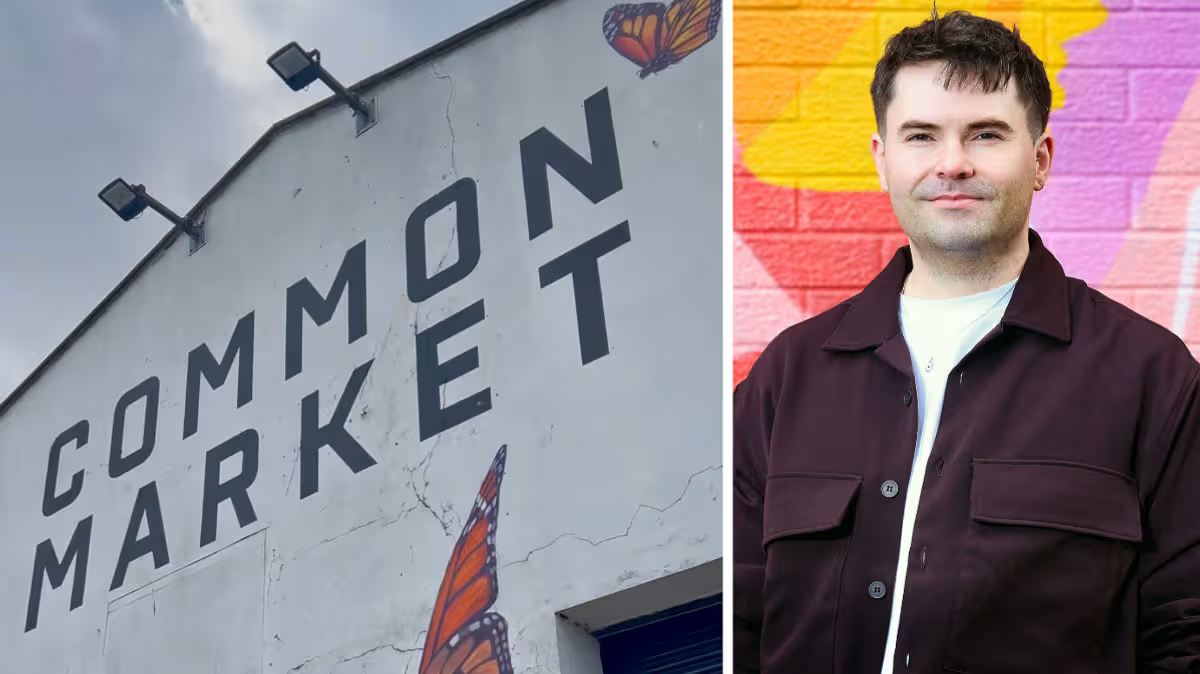
Sal’s has just opened in Common Market
In May, we got the sad news that Zeus Gods of Food was leaving Common Market, leaving a gap to be filled in the busy food market.
This was quickly filled with a slightly familiar face. Sal’s was announced to be coming into the space, and while it’s not a complete newcomer to the Belfast food scene, it was exciting nonetheless. In a former life, this was called Fat Sal’s and was found at Trademarket and 39 Gordon Street, so this is a rebrand and a new location for the food spot.
Advertisement
It was billed as ‘your neighbourhood Italian joint’, which will specialise in red-sauce Italian food like pasta, garlic bread, and meatball subs. Once I heard it was opening, I immediately headed in that weekend because I knew I had to give it a go.
Here’s what we ordered:
Spicy vodka rigatoni, which was topped with spicy vodka sauce, N’Duja, chilli and parmesan.
The sandwich of the month which was a meatball sub.
Cheesy chilli garlic bread.
What we liked:
Immediately, you will notice that Sal’s stands out from the rest of its neighbours because of its unique look and its stripey awning. The menu here is also pretty simple, which I don’t mind because it means they’re working hard on the few dishes that they do have. It consists of four pastas, a sandwich of the month, two types of garlic bread and some Sicilian spuds, which all sounded pretty delicious.
We went for the vodka pasta, which has been doing the rounds on TikTok for a few years now, so it is pretty trendy and that always draws me in. It was a pretty hefty portion, which did not hold back on the ‘Nduja and sauce. It had a nice kick to it, but certainly wasn’t an overpowering level of spice. This was a really great pasta, with a perfect blend of flavours that I couldn’t get enough of.
However, the meatball sub was the star of this show for me, and I would urge them to keep it on the menu permanently because right now it is just a special. The bread on this sub was so soft and fresh, which goes a long way for me. The meatballs inside were absolutely huge, and paired with the sauce and melted cheese, it was one of the best subs I’ve had in this country.
What we would change:
Common Market is entirely street food, which we’ve come to expect, and I didn’t know what I’d think of pasta in that style, but it works in this setting. I do think there are a few tweaks, mostly just to the presentation or how it comes out, to make it perfect. The pasta came on a paper plate, and I think it would be better suited in a box, which might better reflect a pasta bowl, and this would elevate it a lot. Some people may prefer a plate, but I always go for a bowl when it comes to pasta dishes.
How much it cost:
Everything we got would have come to around £30, which was between two people and I thought it wasn’t too bad. It definitely is on the more expensive side of things in Common Market, but it does offer a good premium option there, which is definitely more than welcome.
I am very pleased to see Sal’s back, and even without the fat, this one is a winner in my eyes. It was very tasty food, which I think will be very popular amongst the crowds in Common Market.
It very much lives up to the promise that it’s going to be your ‘neighbourhood Italian joint’ in bucket loads with a simple but hearty offering. When you head in to try it out, you will be immediately planning your return because this, paired with the great vibes in Common Market, is a definite must-visit.
In the interest of fairness and transparency, we pay for all the meals and drinks we review. This ensures that we are giving accurate and honest representations of the food and service that we receive. So, unless we state otherwise that we were invited down, we have paid for the meal ourselves and visited without the knowledge of the eatery, so you can trust our opinions aren’t skewed by a freebie.
Two teenagers have been arrested on suspicion of causing serious injury by dangerous driving after a girl was rushed to hospital in critical condition over the weekend
03:30, 14 Jun 2026Updated 03:30, 14 Jun 2026
A teenager girl is in critial condition after an incident involving a small articulated loading vehicle.
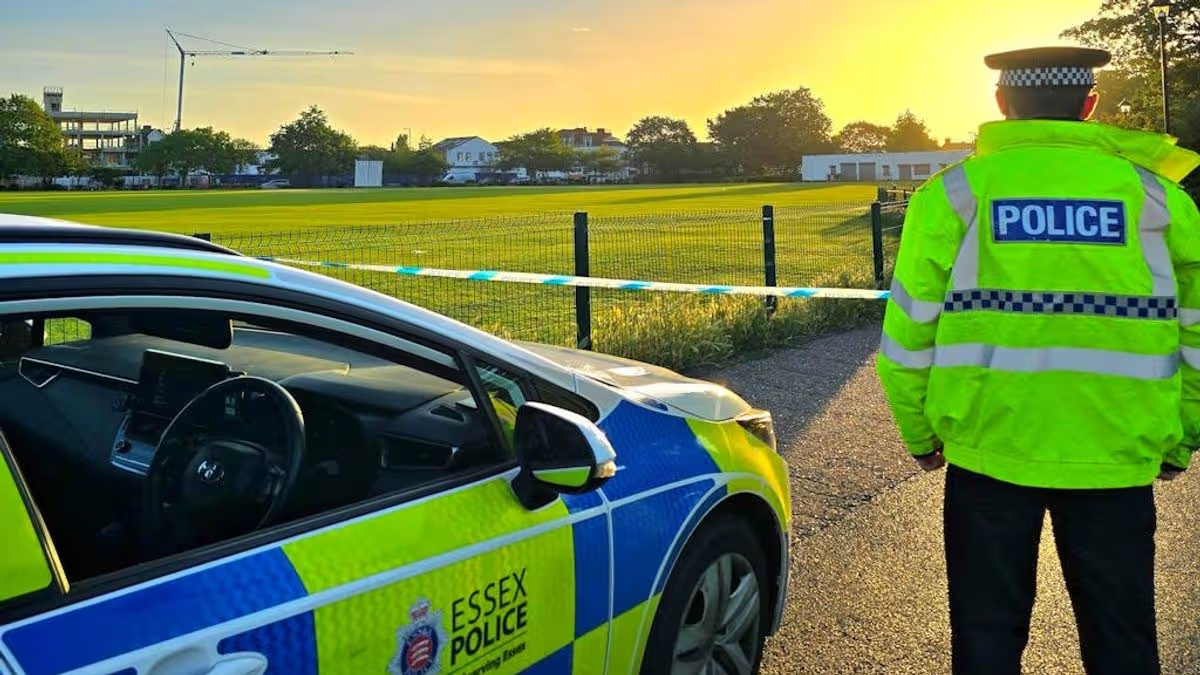
Essex Police rushed to the area of Chalkwell Park in Southend at around 12.30am on Saturday June 13. Upon arrival officers found the girl had sustained significant injuries. Two teenagers have since been arrested on suspicion of causing serious injury by dangerous driving.
Police are now urging the public to come forward with any information that may help their investigation.
Advertisement
An Essex Police spokesperson said: “Two people have been arrested after a teenage girl was seriously injured in an incident involving a vehicle in Southend. We were called at around 12.30am on Saturday 13 June to an incident in the area of Chalkwell Park.
“A group was reported to have taken unauthorised control of a small articulated loading vehicle. The girl is believed to have been involved in an incident with the vehicle and sustained significant injuries.
“Officers and ambulance crews attended promptly, and a cordon remains in place. Paramedics took the girl to hospital, where she remains in a critical condition. Her family has been informed and are being supported.
Advertisement
“As part of our early enquiries, officers have arrested an 18-year-old man from Westcliff and a 17-year-old boy from Leigh-on-Sea. They remain in custody on suspicion of causing serious injury by dangerous driving.
“We know there were a large number of young people in the area at the time, and we believe some may have witnessed what happened. We urgently need to hear from anyone with information or footage.
“You can contact us by submitting a report on our website or via our 24/7 Live Chat service at www.essex.police.uk, or by calling 101 quoting incident 39 of 13 June.”
An area of peatland bigger than 730 football pitches is being restored across greater Manchester.
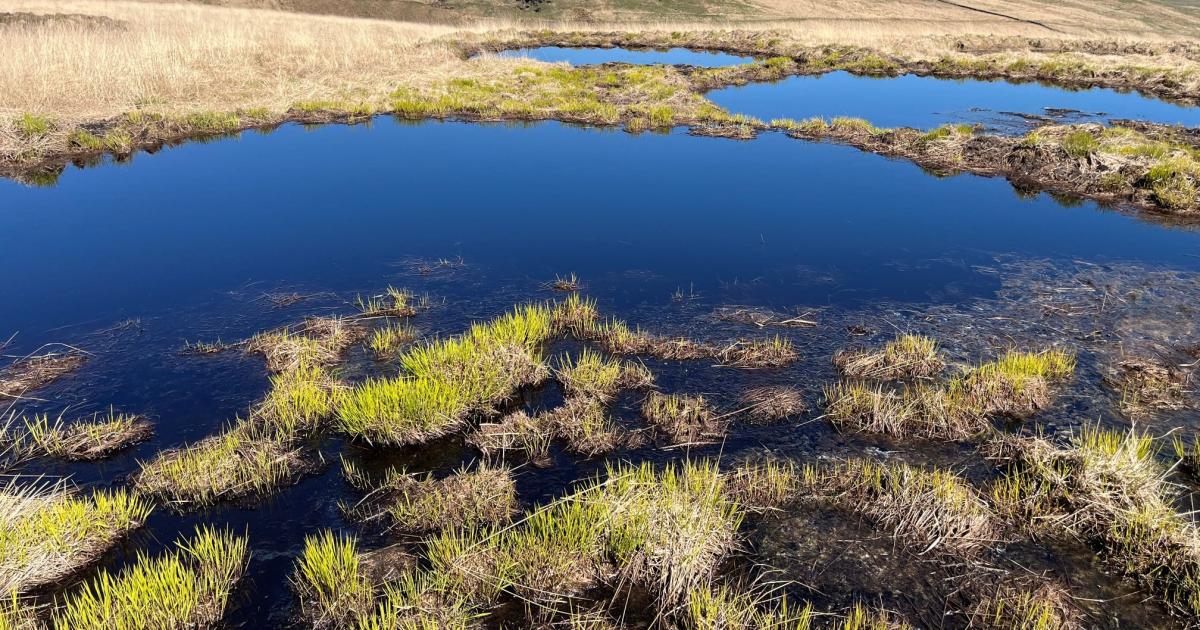
Since October peatland restoration work has been carried out on the West Pennine Moors close to Winter Hill and in the Goyt Valley at Dovestone with 524 hectares – the equivalent of more than 735 football pitches – benefitting from restoration work, essentially bring bogs back to life.
Healthy peatlands provide numerous benefits to both communities and wildlife.
As well as acting like giant natural filtration systems which improve water quality, they support natural flood management by storing more water in the landscape for longer and slowing the flow of rainwater that runs off the hills.
Advertisement
The picture shows some the work already undertaken by United Utilities on the West Pennine Moors, the stunning backdrop to Bolton and beyond, to restore peatland across the North West. Picture United Utilities (Image: United Utilities)
Jim Airton, Estates and Land Manager at United Utilities said: “Healthy peatlands provide numerous benefits for our customers and the environment of the North West.
“These natural filtration systems not only reduce sediment in the water which means they are excellent at improving the quality of water that runs off the land into rivers, streams and our reservoirs, they also capture carbon from the atmosphere.
“Holding water in the land for longer boosts biodiversity by creating a tapestry of different habitats for plants and wildlife to flourish and makes the land more resilient to dry spells and drought.”
Nature-based solutions are also helping United Utilities improve its operational resilience.
Advertisement
Jim Airton added: “Slowing the flow not only protects natural waterways, it reduces stress on urban drainage systems.
“We’re working across our estate, and with partners on a range of biodiversity-enhancing projects ranging from tree planting and peatland restoration to urban rainwater management schemes.”
United Utilities has worked in partnership with Moors for the Future Partnership, Lancashire Peat Partnership, RSPB and Natural England to deliver the work.
In the last five years has already improved over 3,000 hectares – or 4,200 football pitches – of peatland across the North West.
A historic World Cup tie will take centre stage tonight as Scotland kick off their group stage campaign, facing Haiti in Boston. For the Scots, who have travelled to New England en masse and drank the city dry in a matter of hours, it is a first finals appearance since 1998, when they were dumped out in the group stage following defeats by Brazil and Morocco. They have never progressed from the group stage in eight previous visits to a World Cup, but with victory tonight, they stand a very good chance of doing exactly that.
















































You must be logged in to post a comment Login