ONCE again, the ugliness of juvenile crime has hit the headlines, this time in the shape of victims of rape.
And once again, the perpetrators cannot be named because of their age. These three monsters, at 13, 14 or 15 years of age were fully aware of what they were doing or about to do.
We have just learned that the offenders have escaped custodial sentencing. Youth rehabilitation orders hardly cover the seriousness of the offences against these girls of similar age to the offenders
Advertisement
How long must we prevail with this limp excuse for the most heinous of crimes?
If it’s not rape, it’s stabbings – schoolboy on schoolboy; if it’s not stabbings it’s extreme cases of anti-social behaviour.
I think it’s about time that the anonymity law for some underage crimes were scrapped and the offenders should be named and shamed regardless of age.
At the ages 13, 14 and 15, (and in the case of young Jamie Bulger’s torture and subsequent murder, only 10) they were all well aware of what they doing, or about to do.
Advertisement
At this age you know rape and murder is wrong.
These archaic laws were imposed when youngsters were committing what we used to refer to in the 60s as ‘petty crimes’ which included burglary, theft, unruly behaviour etc, (none of which were ‘petty’ should you have been on the receiving end of these).
Rape and murder are not mistakes that can be wrapped up in the adage ‘boys will be boys’ – and it is mostly boys who are the perpetrators, although not exclusively.
These serious crimes should not come under the umbrella of youthful mistakes.
Advertisement
If ‘under-the-cosh’ Prime Minister Keir Starmer wants to show some political clout, he could do worse than address this issue and ban this out-of-date law.
W Martin
Holgate,
York
Advertisement
—
Rape sentencing is a ‘wake-up call to us all’
THE recent court case in Hampshire, where two youths who carried out multiple rapes were given community sentences, must act as a wake up call to us all.
The judge’s rationale for not giving them a custodial sentence was that he did not want to criminalise them unnecessarily.
Advertisement
I’m afraid that, by carrying out multiple rapes and placing videos of their actions on you tube, they had already criminalised themselves. It is essential that the appeal court reviews this sentence, otherwise it will reinforce the message that misogynists like Andrew Tate have been spreading: that violence against women and girls is acceptable for male gratification. It certainly isn’t in the sort of civilised society I want to live in. and the legal system must impose sentences which deter contrary views.
Tony Fisher,
(Liberal Democrat councillor for Strensall ward)
West End,
Advertisement
Strensall,
York
—
Rather be a judge than a coalminer…
Advertisement
A SKETCH by Peter Cook once stated that he would rather be a judge than a coalminer because, when you become too stupid and silly to work, the mine gets rid of you.
Where the exact opposite can be said of a judge.
This certainly seems to be the case in Southampton where a number of vicious, scheming, predatory teenaged boys have basically got away with rape because a judge thinks that perpetrators with ADHD or a lower than average IQ or stress cannot be held responsible for their (planned) actions and therefore should not receive a custodial sentence!
Unbelievable.
Advertisement
I pray their victims can live a life in the future with at least some semblance of normality. Though I doubt it.
Nigel Cummings,
Charlton Street,
York
Advertisement
What do you think?
Feel strongly about an issue? Write us a letter. Please write no more than 250 words and you must provide your full name, address and mobile number. Send your views by email to: letters@thepress.co.uk
Write a comment
Join the debate and leave a comment in our comments section below this article – we may use your comments for a follow up article.
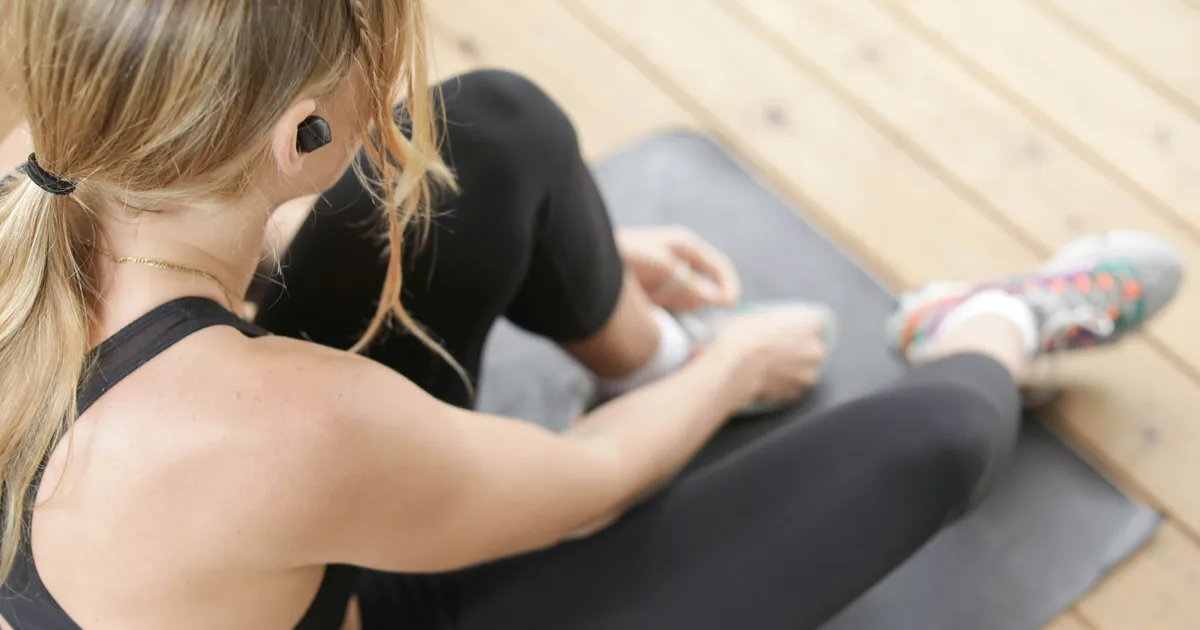
Exercise is linked to a longer life. Strength training, for instance, is associated with up to four years greater lifespan, while one paper found that a combination of weight lifting and aerobic exercise resulted in the best longevity gains.
Speaking to HuffPost UK, Dr Harpal Bains, a longevity doctor and medical director at Harpal Clinic, seemed to agree with those findings.
“Exercise is one of the most powerful investments women can make in their future health,” she said.
“The key is consistency: moving regularly, avoiding long periods of inactivity and making sure exercise supports the four pillars of healthy ageing: cardiovascular fitness, strength, flexibility and stability.”
Advertisement
She suggested that, for longevity, women shouldn’t rely on cardio alone.
“Strength training is one of the most important things women can do because muscle supports metabolism, bone density, insulin sensitivity and long-term independence,” added the expert.
We asked Dr Bains to share the best exercise for women to do, by age.
Best exercise for women’s longevity, by age
Advertisement
1) 20-30
Now is the time to build a strong foundation of muscle, the doctor told us.
She advised: “Build your reserve. Prioritise strength training, brisk cardio, running, cycling, swimming, Pilates or yoga and balance-based movements. This is when you build muscle and bone density that protects you later.”
One study found that people whose cardiovascular health dipped between their 20s and 40s were 10 times as likely to experience heart health issues in their 60s.
Advertisement
2) 40-50
“This is where exercise becomes non-negotiable,” Dr Bains advised. “Strength training is key as oestrogen shifts can accelerate muscle and bone loss. Add brisk walking, intervals, cycling or swimming for heart and metabolic health, plus mobility and balance work to maintain joint range and coordination.”
Strength training during the menopause, meanwhile, has been linked to better bone density and improved hormonal and metabolic levels.
Advertisement
3) 60+
“Focus on independence,” advised the doctor. “Walking, swimming, cycling, light weights, resistance bands, Tai Chi, yoga and balance drills are excellent.
“The goal is to preserve muscle, balance and confidence, which lowers frailty and fall risk.”
Balance training – including Tai Chi, walking backwards, dancing, and single-leg training – has been described as a “neglected” way to help your balance and mobility as you age.
Jonathan Meehan from West Belfast appeared in court charged with rape and sexual assault following the incident
14:25, 15 Jun 2026Updated 14:31, 15 Jun 2026
A woman in England called the police after claiming she had seen her friend being sexually assaulted during a video call, a court heard today.
Jonathan Meehan, 40, from West Belfast appeared in Belfast Magistrates Court on Monday, June 15, charged with rape, sexual assault and false imprisonment following an incident that took place on Sunday, June 14.
The court heard Meehan did not know the 24-year-old alleged victim prior to messaging her on social media on June 13. Following an argument with her boyfriend, she had gone to Meehan’s home in the Suffolk Road area as he had said it was somewhere that “she could be safe”.
Advertisement
While at the property, they drank and took drugs together with Meehan allegedly attempting to kiss the victim at some point, but she kept turning her head away. It was alleged that he had put his hands around her throat.
The victim then tried to leave the property but was stopped by Meehan, who grabbed her by the neck before sexually assaulting and raping her.
The court heard the victim had taken videos during the incident that showed her repeatedly saying no and begging to leave the property. She also reportedly video called a friend who lived in England who witnessed Meehan sexually assaulting her and attempting to take her top off; her friend then called the police who contacted the PSNI.
Meehan’s representative told the court that Meehan had not instigated the alleged victim coming to his home and that she had wanted to do it. He said the two had taken alcohol and drugs together at the property and had consented to any activity.
Advertisement
Meehan’s bail was refused by the judge, who said his actions were “predatory” and “premeditated” and that he would be remanded in custody due to the “risk of harm to females and the wider public”. He is due to appear again on Tuesday, July 7.
The UK government has announced plans to introduce a ban on social media use for children under the age of 16. This follows a consultation on the impact of social media on young people’s mental health, wellbeing and safety. It represents one of the most significant interventions in children’s online lives since the Online Safety Act.
The announcement has generated strong reactions. Many parents welcome the idea, arguing that social media companies have failed to create safe environments for children. Others question whether a ban will work in practice, or whether it risks oversimplifying a much more complex issue.
Perhaps most significantly, Ian Russell – one of the most influential and respected campaigners in the UK online safety debate – has questioned whether a blanket social media ban for under-16s is the right solution. Russell, whose daughter Molly died after being exposed to harmful online content, is strongly critical of social media companies. But he argues that the focus should be on making platforms safer by design and enforcing stronger regulation, rather than relying on a ban that many young people may simply find ways to circumvent.
Here are some key questions answered for parents trying to make sense of the headlines.
Advertisement
What is actually being announced?
The government’s intention is to prevent children under 16 from accessing mainstream social media platforms. This would be likely to include services such as Instagram, TikTok, Snapchat and X, although the final list has yet to be confirmed. However, it seems messaging platforms such as WhatsApp are not included the scope of the ban.
The proposal would require platforms to verify users’ ages and prevent underage access. This means the success of any ban will depend heavily on age-assurance technology. Such systems range from simple self-declaration to more sophisticated approaches such as facial age estimation or identity verification.
There are also proposals to restrict engagement with strangers on gaming platforms, such as limiting unsolicited contact. Livestreaming and endless scrolling on platforms will be banned for young people.
The prime minister, Keir Starmer, has said that the ban could come into effect in spring 2027.
Advertisement
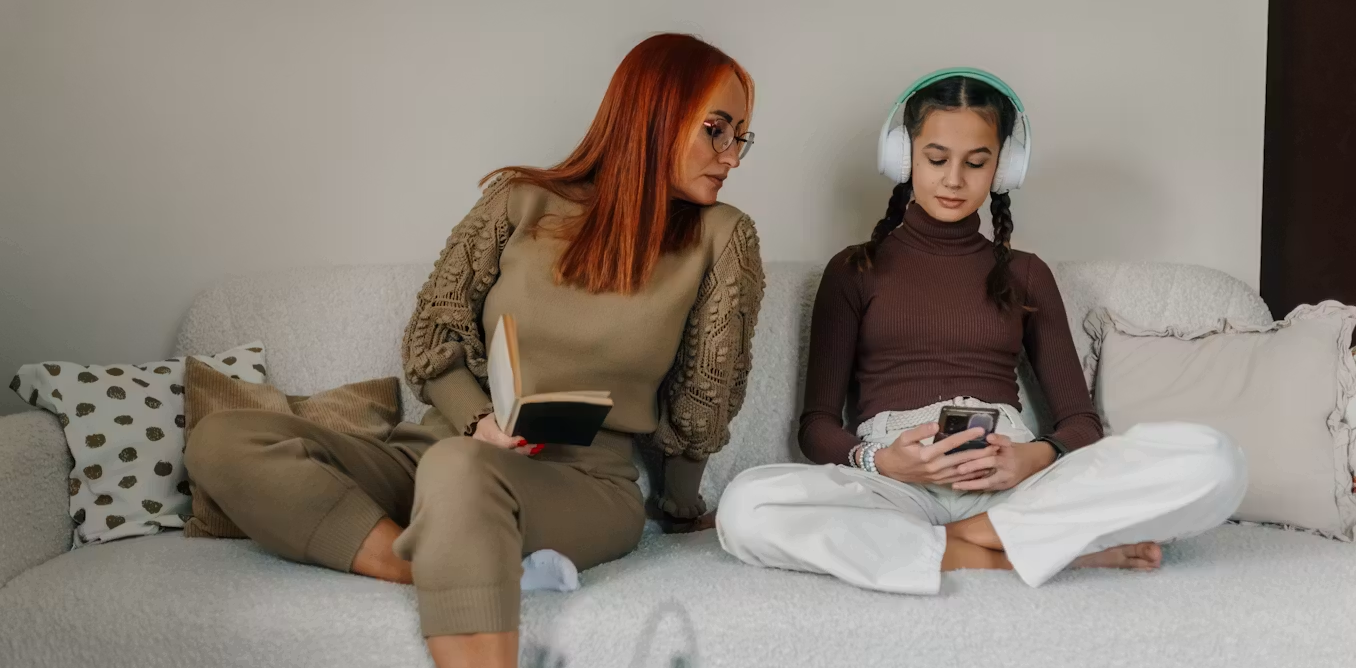
Teens’ access to livestreaming platforms is likely to become more restricted. SeventyFour/Shutterstock
However, importantly, this is not simply a question of passing a law. The practical challenge is enforcement. Millions of children already have social media accounts, and many young people are highly skilled at navigating online restrictions. Experience from other countries suggests that some children will inevitably find ways around any barriers that are introduced.
The government has acknowledged this reality. The argument being made is not that a ban will be perfect, but that reducing access and raising the barriers to entry will reduce overall exposure to potential harms.
Why is the government doing this?
The proposal reflects growing political concern about children’s online experiences. In recent years there has been increasing attention on issues such as cyberbullying, exposure to harmful content, online exploitation, algorithmic recommendation systems, endless scrolling and excessive screen time.
Advertisement
Many parents will recognise these concerns. Stories about harmful content reaching children and social media-related anxiety regularly attract media attention. Campaign groups raised concerns about the “addictive” design of social media.
At the same time, concerns about children’s mental health have become increasingly linked to debates about smartphones and social media. While researchers continue to argue that the evidence for this is not clear, the perception that social media is contributing to a wider wellbeing crisis has become influential in public and political discussions.
The government’s proposal reflects a broader international trend. Australia has already introduced legislation to restrict social media access for younger users, while policymakers in several other countries are considering similar measures.
Advertisement
Will it work?
This is where the debate becomes more complicated.
Supporters argue that society already accepts age restrictions in many areas. Children cannot legally buy alcohol, cigarettes or gambling products. From this perspective, introducing age limits for social media is a reasonable response to evidence of harm.
Critics, however, point out that social media differs from many other age-restricted activities. Young people use these platforms not only for entertainment but also for communication, social connection, creativity and access to information. For many teenagers, social media is woven into everyday social life.
There are also questions about whether bans address the root causes of concern. Some researchers argue that platform design may be more important than access itself. Engagement-driven business models can affect users of all ages. Restricting younger users’ access may reduce their exposure to these features, but it does not necessarily address the systems that created concern in the first place.
There is also the possibility of unintended consequences. Some young people may simply migrate to less regulated platforms, use VPNs, create false accounts or access services through older friends and family members. Others may become less willing to discuss their online experiences if they fear losing access altogether.
What does this mean for parents?
Perhaps the most important point is that legislation cannot replace parenting, education and support.
Even if a ban is introduced, young people will continue to encounter digital technology, online communities and social platforms throughout their lives. The skills they need to navigate these spaces safely will remain important regardless of what the law says.
Advertisement
The government’s proposal represents a significant shift in online safety policy and reflects genuine public concern about children’s digital lives. Whether it becomes a transformative intervention or another chapter in a long-running debate about technology and childhood remains to be seen.
What is certain is that the challenge facing parents, educators and policymakers extends beyond social media itself. The real question is not simply how to keep children away from online risks, but how to help them develop the skills, confidence and resilience they need to navigate an increasingly digital world.
What are the ways you can increase running stamina?
Mave, South East
There are many ways that you can increase running stamina. The one thing that I know is in terms of training, which means more mileage, more distance. So for example, if you want to have more endurance, then you have to do more intervals, like 800m and then increase your mileage weekly.
Do you think ordinary runners will benefit from investing in carbon-plated shoes?
Simon, London
Advertisement
Yes, they will benefit because it means you’re saving your feet [with the carbon-fibre shoes]. It means that you can do more runs. You can do more, faster runs. And you’re not beating up [your feet] as much.
Do you think middle-aged people without any running experience can take up running safely?
Eleni, London
I’ve heard amazing stories where people in midlife pick up running and suddenly they’re enjoying it. But one thing I’ve always said is to have a goal, whatever that goal is.
If you want to compete at 5k, do that. If you want to compete [at] 10k, aim for that. If you want to run a personal best, you always have to have a goal. If you don’t have a goal, it’s hard to motivate yourself.
Advertisement
Outside of running, what is the one hobby that has helped keep you balanced over the years?
Brandon, London
For me, it is just going to the gym. I’ve always gone to the gym and done lifting, as well as core and stuff. And that keeps my body in good nick.
What’s the best piece of advice you’ve ever been given?
Zoe, London
The best piece of advice I got given is to join the running club.
Continuing with Mr Green’s statement, Mr Pitter KC said he checked on landing two where Fellows was residing. He said he spoke to him and Fellows ‘thanked him for being quiet’.
“I found it peculiar that he spoke to me as he normally speaks to me in the day,” he said.
He said as Fellows was a category A prisoner, he was checked hourly. He said he checked on Fellows at midnight and he was lying in his bed, either ‘looking at his TV or looking at the ceiling’.
Advertisement
Mr Green said he checked on Bevan and said he saw him lay on his front. He said Bevan was category B and checks were on roll call. He said Taylor and Newell were checked three or five times a night.
He said Newell was on the CSC (close supervision) unit because he was ‘unsafe to himself and others’. “I know he does not like sex offenders or offenders against children, neither does Fellows,” he said.
“I would say they [Newell and Fellows] are sociable, and friendly together.” Mr Green saoid Fellows was in charge of menus and keeping the area clean.
He added: “I always found him to be polite but he occasionally shouts and rants at others. He is a germaphobe, I recall one occasion when officers went to conduct checks in his cell and did not wear sterile gloves.
Advertisement
“He was unhappy they touched his belongings without wearing sterile gloves. Fellows has a dislike of offenders who committed crimes against children and he does not mix with sex offenders.”
He said Fellows, Taylor and Newell have been seen to spend time together. Mr Green said a new system had been introduced which left prisoners feeling like in a ‘category B jail’.
He said around two weeks before Bevan’s death, he received an application by Fellows to move prisons. “The reason he gave was because Ms Metcalfe was a joke, Ms Metcalfe is the new governor,”| he said.
He said he forwarded this onwards, and was unsure if he received a response.
Gareth Malone, known for his hit BBC series The Choir, will bring his latest live tour Sing-A-Long-A-Gareth: At The Movies to York Grand Opera House on the corner of Clifford Street and Cumberland Street on Saturday, November 7.
The new show invites audiences to sing along to some of the most iconic songs from cinema, offering the full enthusiasm and warmth for which Mr Malone is known.
Recommended reading:
He said: “I’m thrilled to be whisking you away to the movies for a night celebrating the power of song.
Advertisement
“We’ll raise the roof together one more time in a night of Oscars-inspired fun and laughter.
“Don’t miss out on this chance to sing your heart out.”
Sing-A-Long-A-Gareth: At The Movies, led by Gareth Malone, comes to York Grand Opera House on November 7 (Image: Olivia Hemingway)
Backed by his live band, singers, and local choirs, Mr Malone will guide the audience through a playlist of cinematic favourites.
The evening will include classics such as Singin’ in the Rain and Moon River from Breakfast at Tiffany’s, as well as modern hits like City of Stars from La La Land and family favourites from Frozen and Moana.
Advertisement
Gareth said: “We’ll raise the roof together one more time in a night of Oscars inspired fun and laughter.” (Image: Olivia Hemingway)
No singing experience is necessary—just a love of music and movies.
Mr Malone has become a household name through his television work and live tours.
He has achieved three number one records in the UK, including with the Military Wives Choir, and was awarded an OBE in 2012 for services to music.
“This will take it to the next stage though for broader society, having a social media restriction in place for our young people is the right thing to do because of the harm that it causes in so many areas around anxiety, mental health, depression, low self-esteem, eating disorders, many caused by young people getting access to this technology much too early, even before they are 10-years-old,” he said.
A two-year-old boy has been seriously injured after a car crashed into a nursery school playground, police said.
A 63-year-old woman has been arrested on suspicion of causing serious injury by dangerous driving after a car drove through a fence and into the playground of the school on Vale Road in the Whitby area of Ellesmere Port at around 9.54am on Monday, Cheshire Constabulary said.
Police and the North West Ambulance Service attended and the boy was taken to hospital with “what are thought to be serious injuries”.
His next of kin have been made aware, the force said.
Advertisement
Two other children sustained minor injuries in the crash.
A Cheshire Constabulary spokesperson said: “Officers are currently on scene and are conducting a number of inquiries to fully establish the circumstances of what is believed to be an isolated incident.”
Jorvik Immersive Theatre will stage a series of performances at York’s Barley Hall between June 18 and August 27, 2026, inviting audiences to step inside the story of Ubbe Ragnarson, son of the legendary Ragnar Lothbrok.
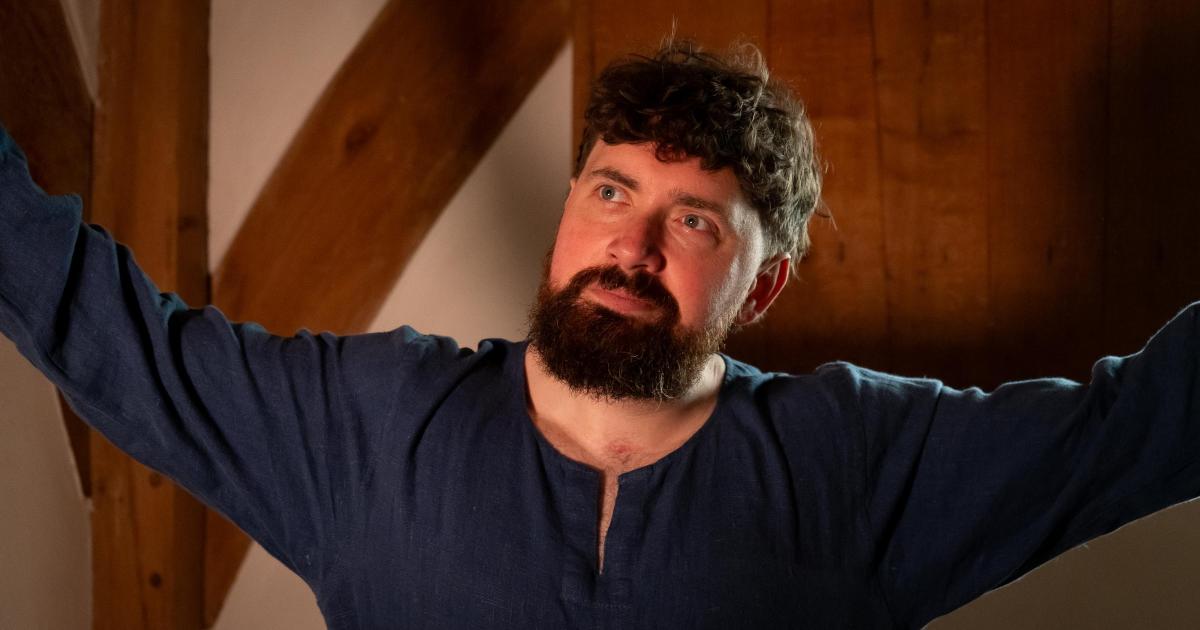
Viking York comes alive in immersive theatre at Barley Hall (Image: Submitted)
Set in the aftermath of the The Great Viking Army claiming victory over the Anglian settlement of Eoforwic in AD866, the production examines themes of power, legacy and belief, including a dramatic encounter with Odin.
Performed in the atmospheric surroundings of Barley Hall’s Great Hall, the show blends storytelling, combat and live music, with audience interaction shaping each performance.
Advertisement
Richard Jones, events manager at York Archaeology, said the venue enhances the experience.
“Barley Hall’s Great Hall is a wonderfully atmospheric space, with its high table, central fireplace and wonderfully high roof, making this a unique venue for the show but one which adds to the atmosphere.
“Each show has a limited number of tickets – the audience will feel as though they are part of the performance, and at times they are. This is the sister-attraction to JORVIK Viking Centre, and a wonderful place to see this Viking-themed play performed.”
The play is written by Hull-based Charlie Blanshard, and performed by Charlie and Oliver Strong. It received strong reviews during its national tour and previously sold out during the JORVIK Viking Festival.
Advertisement
A review in The Stage awarded the show four stars, praising its “rich, impressionistic language” and “love of Norse lore”.
Charlie said he was pleased to bring the show back to York. “Our audiences in York have always been incredibly welcoming, and with so many visitors to the city over the summer, having the chance to perform this eight times is amazing.”
Performances will take place on June 18, July 2, August 6 and August 27, with shows at 6pm and 7.30pm. Tickets cost £20 and can be booked via the Barley Hall website.
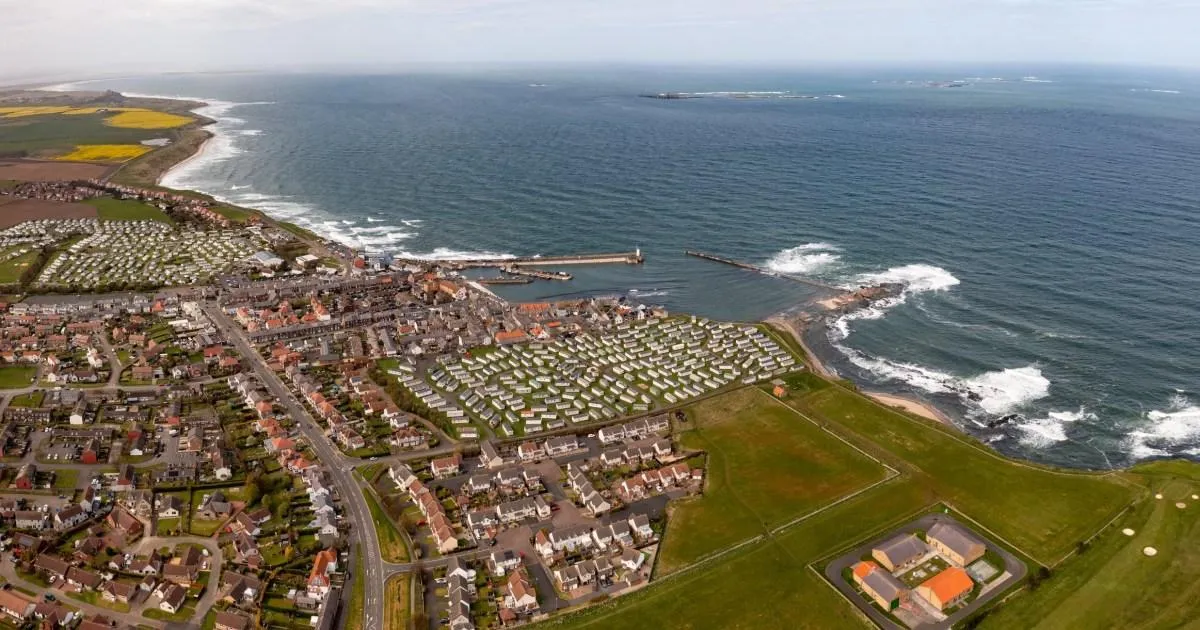
Property prices in Seahouses dropped more than any UK coastal region in the past year (Picture: Getty Images)
While seaside living is a goal for the majority of Brits, a new report has revealed some locations are more sought-after than others.
Research by estate agent Yopa found that while many coastal hotspots continue to command hefty premiums, others have seen house prices tumble as the post-pandemic property boom cools.
And nowhere has the drop been steeper drop than in Seahouses, Northumberland, where the average property price has plunged 38% year-on-year – the largest decline of the towns analysed.
Although other beachfront locations have also followed this downward trend — with Portmeirion, Wales, next on the list with a 20.2% decline, followed by Cornwall’s Fowey at 18.3% — demand from buyers is resilient overall.
Advertisement
In fact, homes in Sandbanks, Dorset, command an average of 75.6% more than the wider local authority average, while those in Padstow in Cornwalland Salcombe in Devon come in at around 70% higher.
So what’s causing this fall in Seahouses, and is it still considered a desirable place to live?
Ready to start your homebuying journey?
You can access completely fee-free mortgage advice with London & Country (L&C) Mortgages, a partner of Metro. Customers benefit from:
– Award winning service from the UK’s leading mortgage broker
Advertisement
– Expert advisors on hand 7 days a week
– Access to 1000s of mortgage deals from across the market
Unlike many mortgage brokers, L&C won’t charge you a fee for their advice.
Mortgage service provided by London & Country Mortgages (L&C), which is authorised and regulated by the Financial Conduct Authority (registered number: 143002). The FCA does not regulate most Buy to Let mortgages. Your home or property may be repossessed if you do not keep up repayments on your mortgage.
The fishing village is a popular spot with holidaymakers (Picture: Getty Images)
Property prices in Seahouses
According to Yopa, the average property price in Seahouses now sits at £259,346, down from £418,476 in March 2025.
Verona Frankish, the firm’s chief executive, says this is likely a ‘price correction’, as ‘many of Britain’s coastal hotspots enjoyed exceptional levels of house price growth during the pandemic’, but ‘the market has normalised’ in the years since.
Advertisement
Nathan Khider, founder of Nathan K Real Estate tells Metro that Londoners leaving the city for a seaside retirement created an ‘artificial market’, which has collapsed as people look towards spending their later years in areas with better ‘access to transport, hospitals and doctors.’
Sellers have to work extra hard to get the price they want (Picture: Getty Images)
Saif Derzi, founder at Property Buyers Today, also notes that while seaside locations still attract some interest, ‘weaker or overpriced stock is having to be reduced to meet today’s more cautious buyer demand.’
In terms of this region more specifically, he tells Metro: ‘Northumberland remains a very location-specific market, with stronger demand for good-quality homes in desirable rural, commuter and coastal spots, but more pressure on properties that are dated, overpriced or harder to mortgage.
‘I would not see this as a blanket market crash, but as a sign that buyers are being more selective.’
Things to do in Seahouses
Despite the recent dip in house prices, it’s easy to see why Seahouses remains one of Northumberland’s most popular seaside destinations.
Advertisement
The bustling fishing village is the gateway to the Farne Islands, where visitors can hop on a boat trip to spot grey seals, puffins and a wealth of other seabirds.
Back on land, the harbour is lined with fish and chip shops — including the top-rated Neptune Fish Restaurant or Lewis’s Fish & Chips — along with an array of pubs, cafés and independent shops.
Meanwhile, the long sandy beach offering spectacular views of Bamburgh Castle and plenty of space for dog walks, picnics, and sunbathing (when the British weather plays ball, of course).
Seahouses also makes an ideal base for exploring the wider Northumberland coastline, an Area of Outstanding Natural Beauty famed for its dramatic castles and windswept bays.
Advertisement
Seahouses beach stretches along the Northumberland coast to Bamburgh (Picture: Getty Images)
History lovers can explore nearby Bamburgh Castle or visit Lindisfarne, the tidal island known as the cradle of English Christianity, while outdoorsy types can tackle the Northumberland Coast Path or head to the watersports hub of Beadnell for kitesurfing, windsurfing, surfing, and wakeboarding.
What locals say about living in Seahouses
As with many parts of the UK, residents of Seahouses have a wide range of opinions about what it’s like to live there.
Having recently relocated to the area, Hayley Norris said in a local Facebook group: ‘I can hand on heart tell you you’d never regret moving here. It’s a stunning place, friendly locals, close to other towns, great pubs and restaurants too.’
Some love its quaint streets, but others see it as too quiet (Picture: Getty Images)
Elsewhere, Rachelle Watson commented that they ‘absolutely love it’ in Seahouses, in particular due to the ‘warm, friendly people’, a sentiment echoed by Marina Hayfield who added: ‘Best move we ever made… Really good community spirit here that you don’t get in big towns anymore.’
There are some criticisms though. On an r/AskUK thread about the best Northern seaside towns to relocate to, GrumpyOldFart74 called Seahouses and neighbouring Bamburgh ‘coastal and nice’, but warned they’re ‘very small and even further from anywhere.’
Some on Facebook also lamented the lack of public transport options and distance from amenities like a hospital, while Reddit user, SparklePenguin24, recommended Amble instead, writing: ‘Seahouses is a ghost town in the winter, and when the tourists arrive it’s terrible.’
Advertisement
This viewpoint is backed up slightly by Liveable, which scored it a C for transport and schools. However, with B+ ratings for amenities and outdoor space, as well as a low crime rate, it was deemed a ‘nice place to live’ — particularly for retirees or young professionals.



















































You must be logged in to post a comment Login