Connect with us
DAPA Banner
DAPA Coin
DAPA
COIN PAYMENT ASSET
PRIVACY · BLOCKDAG · HOMOMORPHIC ENCRYPTION · RUST
ElGamal Encrypted MINE DAPA
🚫 GENESIS SOLD OUT
DAPAPAY COMING

NewsBeat

Hiker dad’s chilling four word message before he and his family all found dead

Published

on

Daily Record

John Gerrish, his wife, Ellen Chung, and their one-year-old daughter Miju, were found dead in a baffling scene in a National Park. It took months for authorities to work our what had happened.

A mysterious set of circumstances led to the death of a couple, their baby daughter and their dog on a hike – with the father sending a chilling and desperate final message before the bodies were found.

Advertisement

Jonathan Gerrish, 45, Ellen Chung, 31, their one-year-old daughter Aurelia Miju Chung-Gerrish and their dog Oski, eight, set out on an eight-mile hike in California’s Sierra National Forest. The temperature reached 42°C.

All four were found dead on a remote hiking trail on August 18, 2022. Despite the FBI working tirelessly to discover more about what happened to the family – their phone records revealed the truth of their horrifying last moments.

There was no mobile reception where the family was discovered, but records show Jonathan had tried to send multiple text messages.

One heart-breaking attempt read: “Can you help us.” The father also tried to make five phone calls, none were to emergency services. Ellen’s body was found further up the trail and it looked as if they had all sat down in the sun, according to Strange Outdoors.

Advertisement

The family’s babysitter raised the alarm two days before they were found when she turned up to look after their daughter and found no one at home.

She contacted their family who then reported the three missing that night. Search and rescue teams first found the family’s car, but were initially baffled at the cause of death when they found their bodies.

Mariposa County Sheriff’s spokeswoman Kristie Mitchell said, “Coming across a scene where everyone involved, including the family dog that is deceased, that is not a typical thing that we have seen or other agencies have seen. That is why we’re treating it as a hazmat situation. We just don’t know.”

Advertisement

Mariposa County, Sheriff Jeremy Briese said: “When we located the family there were no apparent causes of death.”

Multiple causes of death ruled out over the course of the investigation including: suicide, being caused by a gun or other weapon, alcohol, illegal drugs, a lightning strike, extreme heat and exposure to cyanide, carbon monoxide or carbon dioxide, according to The Fresno Bee.

Briese, said: “I’ve been here for 20 years and I’ve never seen a death, with any case, like this. There are no obvious indicators of how it occurred . . . you have two healthy adults, you have a healthy child and what appeared to be a healthy canine all within a general same area, deceased. It’s frustrating and we’re not going to rest . . . it’s devastating to everyone”

Advertisement

Jonathan, a Lancashire man who moved to the US to work for Google had texted someone saying: “On savage lundy trail heading back to Hites cove trail. No water or ver [over] heating with baby.”

Briese previously said one empty water bladder backpack was found with the families’ bodies alongside some snacks and baby formula, but they had no other water containers with them.

Two months later, after autopsies and extensive investigations, it looked like the family had simply run out of water and shelter.

The Mariposa County Sheriff’s Office released messages supporting the the coroner’s ruling that the family died due to environmental exposure.

Advertisement

In October of that year, Briese said what happened was “an unfortunate and tragic event due to the weather.”

Photos recovered from the phone showed the family left for the walk at 7.45am, with the final image of a creek taken at around 12pm.

Mariposa County Sheriff Jeremy Briese said: “The cell phone data results were the last thing both the family and detectives were waiting on. The extracted information confirms our initial findings.

“I am very proud of my team and our partner agencies for all the work they put in. Their dedication has allowed us to close this case and answer lingering questions the family had, bringing them a little peace.”

Advertisement

Tragically, the family had completed most of the hike before they died. One theory circulating was they were killed by toxic algae found in the nearby water.

Investigators worked with toxicology experts to determine whether the algae could have poisoned the family. Sheriff Briese confirmed there was “no evidence they drank any of that water”.

The area around the trail was also known to contain mines. Sheriff Briese said one mine was also located close to where the family were found but that there was no evidence the family had come into contact with it.


Source link

Advertisement
Continue Reading
Click to comment

You must be logged in to post a comment Login

Leave a Reply

NewsBeat

BUSINESSiQ, Chamber, Esh to connect hundreds of pupils

Published

on

BUSINESSiQ, Chamber, Esh to connect hundreds of pupils

Esh’s Building My Skills is an award-winning programme which first launched in 2009 to help students develop essential employability skills and make informed decisions about their future by bringing businesses into their classrooms to talk about the opportunities for them.

Esh’s Director of Corporate Affairs Darush Dodds said this year the new partnership would help the project push even further ahead to make connections with as many pupils as possible.

Darush Dodds of Esh GroupDarush Dodds of Esh Group (Image: Sarah Caldecott)

​“For 2026-27, we’re aiming to deliver the biggest programme yet, launching in October/November and targeting 100 schools and 20,000 students. That ambitious target will require around 100 businesses across a mix of sectors – but we know the region’s leaders will respond as enthusiastically as they always do.

“A lack of awareness of careers and sectors remains a key barrier to success. Young people can’t be what they can’t see so, working together Esh, BUSINESSiQ and the Chamber hope that careers sessions directly with pupils will mean employers can bring their sector to life with passion and heart, helping to inspire young people while building a stronger, more sustainable future workforce.

Advertisement

“Crucially, we will make sure the programme is accessible to all – SEND, ESOL, PRU – schools in most need of support.”

The search is now on for businesses who will give their time to helping give these young people their first view of the world of work.


A website is already waiting at www.eshgroup.co.uk/building-my-skills for companies to sign up and find out more about how the programme will operate.


BUSINESSiQ Editor Mike Hughes said he saw this as a chance to make a real difference in the region: “This is an opportunity we have been looking for for some time. As part of The Northern Echo, we don’t believe in just reporting what others are doing to build a bright future for the North East – we want to be a driver of that success as well.

Advertisement

“We have reported for many years on the passion Esh and the Chamber bring to their work – and the commitment to be changemakers in the many communities they work in. So we are very proud to be asked to join the Building My Skills team and will use all the resources we have to echo what is being done here and provide a platform for what we hope will be its biggest year so far.”

John McCabe, Chief Executive of the North East Chamber of Commerce, said Chamber members had a vital role to play in connecting the region’s future workforce with the businesses they might one day join, support or lead.

John McCabe Chief Executive of the North East Chamber of Commerce in the Newcastle HQ. 7.5.2025. Photograph: Stuart Boulton/NewsquestJohn McCabe Chief Executive of the North East Chamber of Commerce (Image: Stuart Boulton)

He said: “The North East has enormous potential, but we will only fulfil it if young people can see the opportunities available to them and understand the range of careers they can build here.

“That is why Building My Skills matters. By bringing employers directly into schools, the programme helps young people make the link between what they are learning now and the jobs, sectors and businesses shaping our region’s future.

Advertisement

“We will be speaking to Chamber members and the wider business community about how they can get involved, share their experience and help bring the idea of a career in the North East to life for thousands of school pupils.”

All participating schools will receive four workshops – each delivered by a different company – in an assembly format to a whole year group. Businesses choose the sessions they deliver, with workshops carefully planned by sector to ensure students get the maximum exposure to the wide range of possibilities that are local to them. Students will then complete a ‘checkpoint’ after each workshop and those who complete all checkpoints are invited to a regional interview day.

Mike Hughes added: “This is a big challenge, but we each bring something to this project that we are passionate about. We are all up for it and we know North East businesses will back it as well.”

Advertisement

Source link

Continue Reading

NewsBeat

Brunel’s SS Great Britain site in Bristol changes historic name in rebrand

Published

on

Brunel’s SS Great Britain site in Bristol changes historic name in rebrand

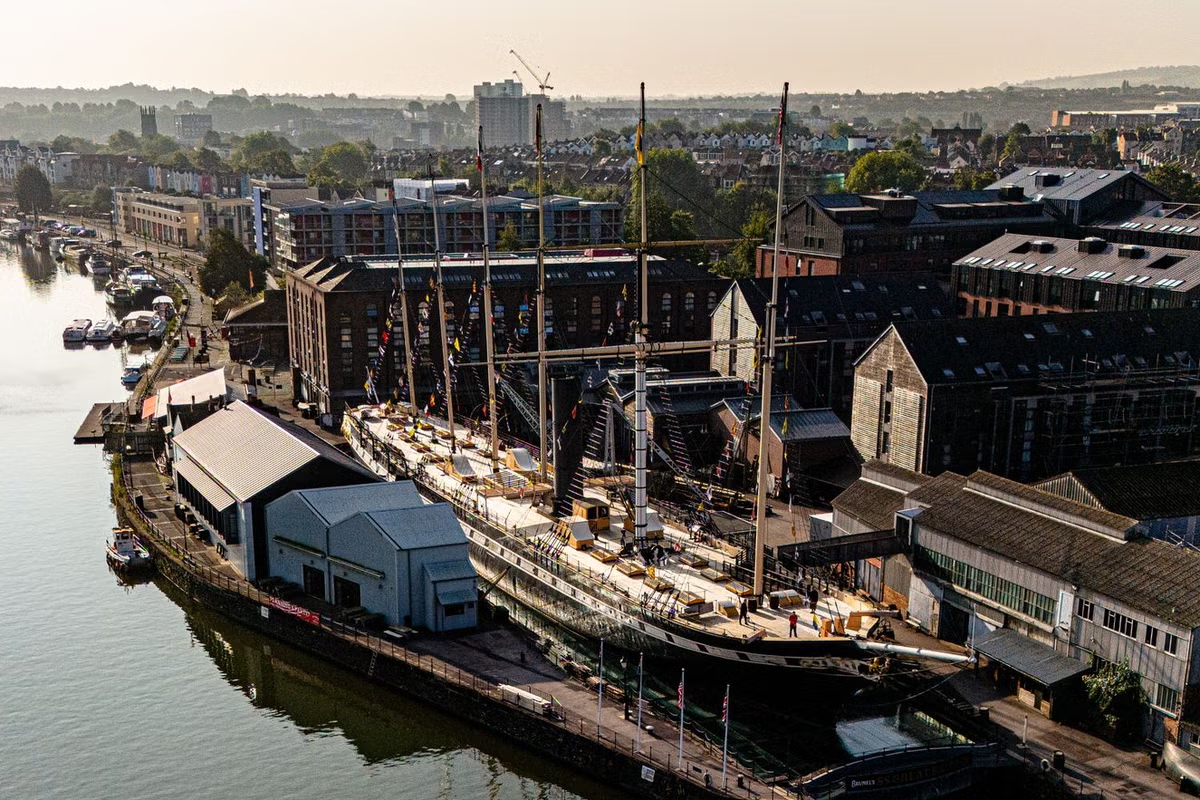
The dockland site in Bristol which is home to the historic ocean liner SS Great Britain will change its name as part of a rebrand to make it more inclusive.

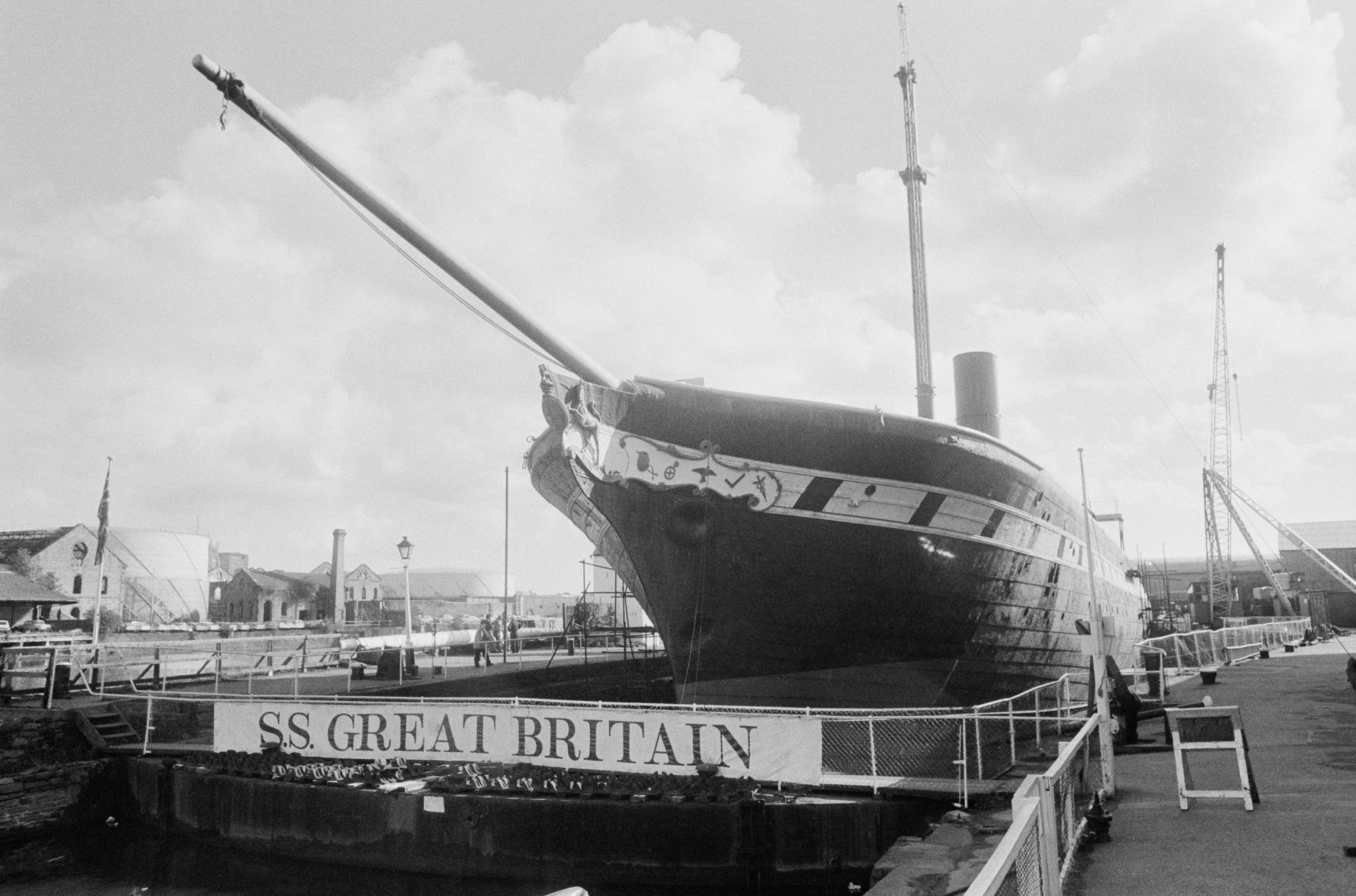
The 19th century passenger ship, which was once the largest in the world, was designed by Isambard Kingdom Brunel for transatlantic voyages between Bristol and New York. Now a tourist attraction, the ship is found in the dry dock where it was constructed.

The ship and associated museum is billed as Brunel’s SS Great Britain but it will relaunch in July as Bristol Dockyards, as it seeks to focus on the role played by the ship in the days of Empire.

Chief executive of the SS Great Britain Trust Andrew Edwards told The Guardian that some people might view the decision as “woke” but added: “Change is never easy.”

Advertisement

Mr Edwards said: “You’ll always get those that are resistant, but when we were shaping the vision, I tried to take stock of where the city was and what the city was all about.

“We’ve consciously tried to avoid falling into those stereotypical ideas of what a maritime museum should look like and tried to present something that feels a little bit more rooted in Bristol.”

SS Great Britain was designed by Isambard Kingdom Brunel for the Great Western Steamship Company, and was once the world's largest passenger ship
SS Great Britain was designed by Isambard Kingdom Brunel for the Great Western Steamship Company, and was once the world’s largest passenger ship (Getty Images)

Mr Edwards said some visitors think “SS” in the name of the ship stands for “slave ship”. However, it means “steamship” and SS Great Britain was built following British abolition of the slave trade.

The new name for the site comes as it is set to open an expanded museum in July.

This museum will focus less on the engineering behind the vessel and more on the human stories associated with it, such as passengers’ personal histories and its impact on communities in the Caribbean, India, Australia and the US.

Advertisement

Mr Edwards said: “We live in a very diverse world and we live in a very diverse city in Bristol.

“I believe the role of organisations like us is to represent that diversity as best we can and to be able to provide a little bit of something that appeals to everybody, whoever they are and wherever they’ve come from.

“Heritage really only works, in my view, when it has ownership within the community within which it sits.”

Though it is changing its name, the site will still be described as “home to the SS Great Britain”, Mr Edwards said, so the ship’s name will not be completely removed from its branding.

Advertisement

Source link

Continue Reading

NewsBeat

How North Yorkshire’s Natural Health Service helps wellbeing

Published

on

How North Yorkshire’s Natural Health Service helps wellbeing

WHEN people think of our county, what do they think about? For many people, it will be the moors and the dales. The purple heather, rolling hills and mile after mile of dry-stone walls. Being among not only our county’s greatest asset, but our country’s, invokes a feeling that only pure, fresh Yorkshire air in your lungs can.

In meetings with my team, or with companies looking to work in our region, I often say that our geography is our greatest challenge. Unlike most mayoral areas, our county is sparsely populated, with mile after mile of open green space. In pure economic terms, that means the way mayors have always done things will not work here.

We have to play to what we have, whether that is backing our micro, small and medium-sized businesses, or investing in communities to give them the spaces they need to bring people together.

Advertisement

Last week, I launched what I think is going to be the single best example of using the make-up of our region to benefit both our residents and our communities.

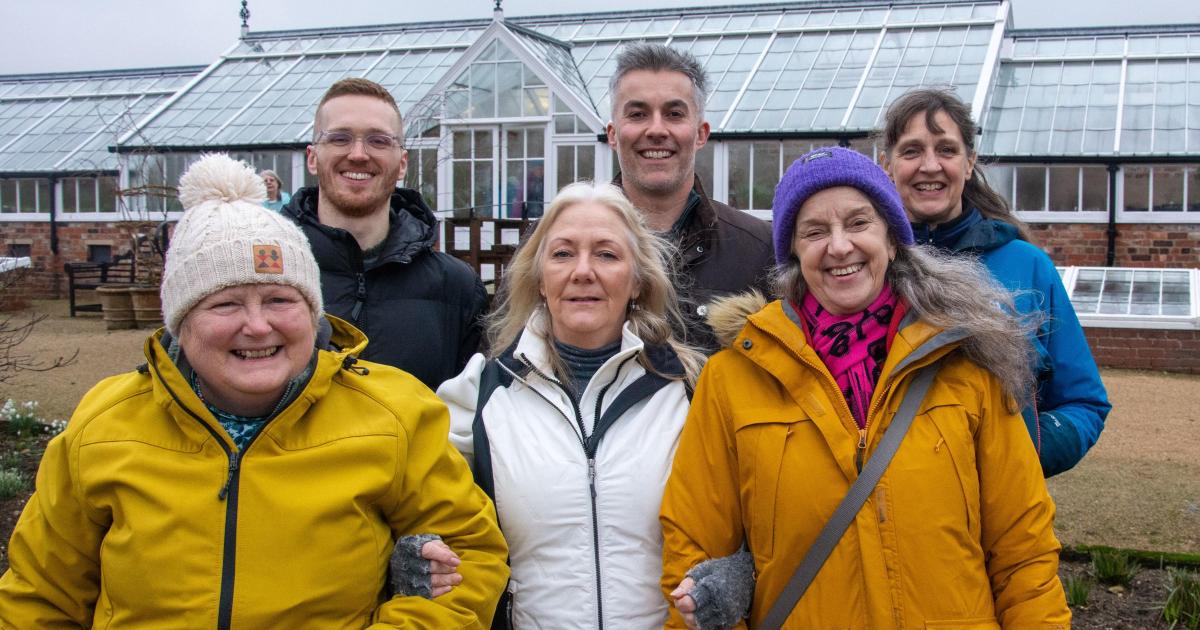
Our Natural Health Service for North Yorkshire is doing just that. It is the UK’s first protected landscape-led programme of its kind. Led by the North York Moors Trust, the project is bringing together both national parks and two of our national landscapes for the first time.

Working alongside health services and our communities, it aims to do something simple yet radical: use nature as a way of treating and caring for people.

After a short pilot, I can say with real confidence that it works. Not in theory, but in real life. Over the ten-week trial, research by York St John University found that mental wellbeing increased by 24 per cent, social wellbeing by 17.5 per cent, physical wellbeing by 13.5 per cent, and loneliness fell by 15per cent.

Advertisement

And this is more important than ever because recent statistics from the Health Foundation have shown that healthy life expectancy has fallen across North Yorkshire: down 1.9 years for men and 2.3 years for women. While people are living longer, the amount of time they spend in good health is declining.

That is unacceptable, and it is why we need to see greater investment in prevention across our health service. That is something I have been passionate about and have directed funding towards in our police service and in many of the projects we have supported since I became Mayor.

Investing now not only saves money in the future, but also makes people’s lives healthier and more fulfilling as we live longer.

That is what this is all about to me: people. In a county like North Yorkshire, where many of our residents are objectively prosperous and live in good health, those who do not too often get overlooked for funding and intervention.

Advertisement

Too many people who struggle, or need a helping hand, have been overlooked for too long. That stings even more when you live a mile away from some of Britain’s wealthiest communities.

That is what our Natural Health Service is seeking to address: bringing nature closer to people through supported and guided time outdoors.

It is the people involved who make this so compelling. One participant from Catterick said: “January is just a really bad month. So for me personally, it starting then and having that positive thing to come and do was really, massively helpful for my brain and my emotions.”

Those groups have stayed in touch, with another participant from Catterick saying: “It’s just what we do on a Tuesday now.”

Advertisement

It is not just the obvious health and wellbeing benefits either. Someone from the York Carers Centre group said: “I’m even thinking that it might be the right time to think about doing a few hours of employment, which I’ve not participated in for 20 years.”

The trial has proven to be a great example of how we can achieve results when we think outside the box and do things differently. It is a credit to the team at North York Moors Trust and all the partners involved.

That is why the opportunity to continue this project could not be missed. Last week, I was really pleased to commit additional funding for our Natural Health Service to run for the rest of my mayoral term.

We know it works. We have seen it, we have heard it, and we cannot and should not ignore it. This investment means more people reached and more lives changed.

Advertisement

And if the results continue in the same direction, which I am sure they will, I know this can be a ‘greenprint’ for the rest of the country to adopt.

These are Yorkshire solutions to Westminster’s problems, and I cannot wait to see how the over 1,500 participants get on in the next eighteen months.

Source link

Advertisement
Continue Reading

NewsBeat

28st football fan told he ‘wouldn’t make 30’ collapsed at first weigh-in but it was wake-up call

Published

on

Daily Record

John MacDonald was rushed to hospital after his first weigh-in with a suspected heart attack but he turned his life around with 17st weight loss

When football fan John Macdonald was warned by his doctor that he wouldn’t live to see his 30th birthday he got the wake-up call he needed. The stark deadline was just a few years away and despite only being in his 20s, at almost 28st he already had prediabetes, sleep apnoea and high blood pressure.

Advertisement

But the warning was the kick he needed to transform his life and last month he marked his big birthday with the friends who made it possible after he lost 16st 12lbs (107kg) at Slimming World. John joined his local group in 2023 weighing nearly 28st, after his visit to the doctor – but it was not all plain sailing and in fact it almost ended before it began.

His weight loss journey began with a shock rush to hospital after he collapsed with what he thought was a heart attack at his first weigh-in at the group. But he said the terrifying experience became the spur he needed for his life-changing transformation.

Now weighing 10st 13lbs, John thanks his group for the support, structure and shared expertise that helped him achieve his “impossible” goal.

Advertisement

John said: “Being told I might not make my 30th birthday if I didn’t lose weight was the wake-up call I needed. Everything changed in that moment – all I could think about was my family, especially my mum who I live with, and everything I’d miss.”

At his first Slimming World session at Carrina McGovern’s group in Easterhouse, Glasgow, a panic attack left him in Glasgow Royal Infirmary. He said: “As I stepped on the scales I felt sick, my chest tightened and I collapsed – I thought I was having a heart attack.

“Kind members drove me to A&E. Looking back it was anxiety, made worse by barely eating in the lead-up to joining. I’d built up such a fear of seeing the number on the scales. Facing the challenge ahead hit me all at once.”

Advertisement

Despite his embarrassment he returned to the group the following week, marking the start of John’s long-term success. While nervous of what people would think of him, he soon found everyone was just relieved he was well.

John said it wasn’t all straightforward explaining: “I’ve had ups and downs, but now I understand how to manage it. I trust the plan and I trust myself. My life has been completely transformed. I’ve gone from a 52in waist to a 31in waist and can now wear the designer clothes I’ve always longed to.”

John said his life was completely different now and while he once relied takeaways spending “£30 most nights ordering enough for four” he now “steers clear of junk food and takeaways”, instead eating a lot more vegetables.

Advertisement

He said: “Carrina suggested I start planning my meals and I’ve enjoyed trying new recipes from the Slimming World app. I’d never really cooked anything before and now I love being in the kitchen making meals from scratch – Slimming World’s Cajun chicken pasta is my go-to.

“Carrina helped me focus on small changes that really add up. I swapped two litres of sugary fizzy drinks and four sugary teas a day for low-calorie squash and sugar-free hot drinks.”

Losing the weight along with the changes he has made have had huge impact on John’s health and day-to-day life. He said: “I’ve gone from doing no activity to gradually starting to walk to the local shops. It’s a 15-minute walk but it took me an hour. I slowly built up my fitness until that walk took me five minutes. Now I walk everywhere and I love it. My sleep apnoea has gone, my breathing’s better and I’ve got so much energy.”

Advertisement

Then last month, John hit the milestone the doctor told him he wouldn’t reach without change, celebrating his 30th birthday surrounded by the people who supported him. He said: “To celebrate turning 30 at my Slimming World group meant everything. A few years ago, I didn’t think I’d get here. This whole experience has completely changed my life. I’ve gone from being told I might die young to feeling healthy, confident and excited for the future.”

John’s Slimming World Consultant Carrina said: “John’s achievement is extraordinary and it’s a testament to his determination and willingness to lean into the support around him. We know men can sometimes feel unsure about joining a Slimming World group, yet John’s success shows exactly what’s possible.

“Our groups are welcoming, supportive spaces where everyone can succeed. I’m so proud of John – he kept going – even when it felt tough. That’s what made the difference.”

Laura Holloway, from Slimming World’s Nutrition, Research and Scientific Affairs team, said John’s journey reflected the proven benefits of group-based weight management. She said: “Our groups make a real difference to long-term weight loss. The accountability, shared ideas and practical strategies all help members like John create lasting habits and achieve truly life-changing results.”

This Men’s Health Week, which starts on Monday, men are being encouraged to prioritise their wellbeing. John, who has maintained his weight loss for over two years, said he hopes his journey will inspire others.

He said: “I was terrified walking through the door that first time, but it’s the best decision I’ve ever made. I didn’t think in the beginning I’d ever get this far. If you’re thinking about it – just take that first step. It could change your life like it changed mine.”

John’s success story features in the current issue of Slimming World Magazine. For details of how to join your local Slimming World group or sign up online visit slimmingworld.co.uk or call 0344 897 8000.

Advertisement

John MacDonald

  • Start weight: 27st 11lbs (176.4kg)
  • Weight at group finals 10st 13lbs (69.4kg)
  • Height: 5ft 6in (168cm)
  • Weight lost: 16st 12lbs (107kg) in one year and five months

John’s day on a plate

Before

  • Breakfast: Sausage and tattie scone (square sausage with a triangular, flat potato scone in a morning roll with brown sauce) from the van near work. Tea with two sugars
  • Lunch: Cheesy chips and curry sauce from chip van, two or three chocolate bars. Full sugar cola
  • Dinner: Indian takeaway. Full sugar cola
  • Snacks: Tube of BBQ Pringles, cakes, crisps. Coffee and tea with sugar

After

  • Breakfast: Weetabix, fat free natural yoghurt with banana. Tea with sweetener
  • Lunch: Chicken salad bowl from local cafe. Water or low-calorie fruit squash
  • Dinner: Slimming World’s Cajun chicken pasta with salad or vegetables or Slimming World kebab in a wholemeal pitta bread with lettuce, onion, tomatoes and gherkins. Diet cola or water
  • Snacks: Fruit, two high fibre snack bars, low fat yoghurts. Coffee or tea with no sugar or sweeteners

Source link

Continue Reading

NewsBeat

Andy Burnham is running in a UK election that could make him Britain’s next leader

Published

on

Andy Burnham is running in a UK election that could make him Britain's next leader

ASHTON-IN-MAKERFIELD, England (AP) — About 75,000 voters in a pocket of northwest England are about to make a momentous decision. They will cast ballots in a contest that may well pick the U.K.’s next prime minister, or plunge Britain’s febrile politics into even more turmoil. Possibly both.

Some of them aren’t too enthusiastic.

“I think they’re all a waste of time,” said Shirley Prior on the choice of candidates in Makerfield, where a special election on June 18 has drawn interest from journalists around the world. That level of attention is all-but unheard of for a midterm by-election to fill one of the 650 seats in the House of Commons.

If Andy Burnham from the center-left Labour Party wins, there’s a strong chance he will replace embattled Prime Minister Keir Starmer as leader of both party and country. He’s up against Reform UK, a hard-right party hoping to prove that this longtime Labour stronghold is fertile ground for its anti-immigration message, with potentially seismic consequences for British democracy.

Advertisement

This district has elected Labour lawmakers for 120 years, but Burnham is not a shoo-in. Reform, led by the veteran anti-immigration politician Nigel Farage, won 24 of the 25 council seats up for grabs in local elections in this area last month.

“I always voted Labour because my dad, my grandad, everybody voted Labour then,” Prior said. “I’ve never done that for a lot, a lot of years.”

Immigration is a top issue

The election is taking place amid heightened tensions over immigration. A stabbing in Belfast this week, for which a Sudanese man has been charged with attempted murder, triggered violent protests in Northern Ireland in which cars and houses torched.

In the constituency’s main town of Ashton-in-Makerfield, 200 miles (320 kilometers) northwest of London, some voters echo Reform claims that recent arrivals are straining housing and public services.

Advertisement

“Immigration’s too high, all the services are being put under pressure and Labour just keep inviting more and more people into the country and it’s the taxpayer who has to pay for them,” said retiree Phil Arrowsmith.

Annual net migration to the U.K. reached more than 900,000 in 2023, under the previous Conservative government, before falling to 171,000 last year.

That decline has done little to boost a Labour government that has floundered since winning election in July 2024.

Starmer has struggled to deliver promised economic growth, repair tattered public services and ease the cost of living, and been hamstrung by repeated missteps, including his decision to appoint Peter Mandelson, a scandal-tarnished friend of Jeffrey Epstein, as Britain’s ambassador to Washington.

A dismal performance in local elections last month sparked a clamor from Labour lawmakers for Starmer’s resignation. He has refused, but Cabinet minister Wes Streeting quit so he can run in a leadership contest that could come soon.

Burnham, the popular mayor of Greater Manchester, also harbors leadership ambitions, but needs a seat in Parliament if he wants to challenge Starmer. An opening emerged when Josh Simons, the Labour lawmaker for Makerfield, stepped down to trigger a special election.

Advertisement

Burnham said he understands that voters are “fed up” and calls the large Reform UK vote “a cry for real change” that Labour must heed.

The ‘King of the North’ eyes power in London

The Makerfield constituency is a capsule of British history, a collection of former coal-mining communities turned commuter suburbs. The slag heaps and slum housing in the area described by George Orwell in his 1937 book “The Road to Wigan Pier” have been replaced by suburbs of tidy modern houses amid Victorian workers’ cottages, interspersed with farmers’ fields.

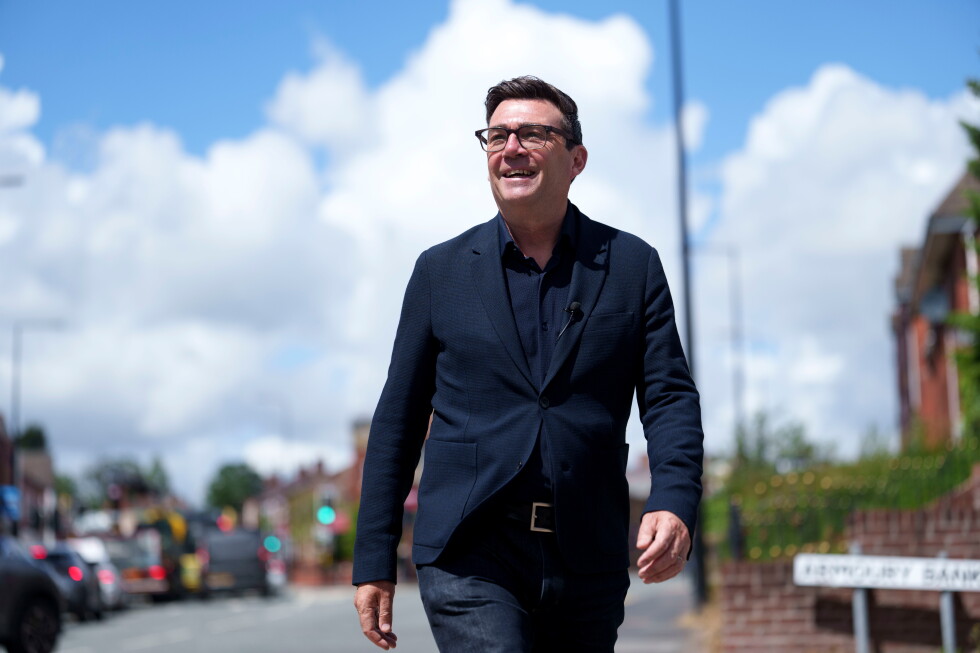
Though far from the city center, it is part of Greater Manchester, and Burnham gets honks and thumbs’ ups from passing drivers as he walks down the street in his smart-casual uniform of dark jeans with a navy blue shirt and jacket.

The 56-year-old has been mayor of the region of 3 million people since 2017, a period that has seen central Manchester boom, with skyscrapers blooming on postindustrial sites. Many residents praise him for championing the city, and for taking a piecemeal public transport system under municipal control as the Bee Network.

Advertisement

For a decade and a half before that he was a lawmaker in Parliament, and a minister in Labour governments. He doesn’t emphasize that part of his CV, preferring the outsider status that has seen him nicknamed the King of the North.

“What we’ve built in Greater Manchester needs to go national,” Burnham told reporters during a campaign event this week. “I know what it is to turn places around.”

Many predict a close contest

The campaign is an odd mix of the local and the international. Some voters cite immigration as a top concern. Others mention struggling main street shops, potholes and petty crime.

Burnham’s main rival is Reform UK candidate Rob Kenyon, a 41-year-old plumber and local councilor who came second to Labour here in the 2024 national election. He says he’s an unpolished regular bloke, though opponents have criticized him over crude, sexist and anti-vaccine comments on social media.

Advertisement

Reform voters are also being targeted by Restore, an even more hardline anti-immigration party.

Michael Poultney, a retired teacher and Labour supporter, thinks the unpopularity of Starmer’s government means Burnham faces a stiff challenge.

“Without his personal vote, I think we would struggle,” he said. “Keir Starmer has done reasonably well on the international stage, but the government are yet to be in control of the economy.”

Burnham insists he is running for the people of Makerfield, not his own ambition, and is not taking victory for granted.

Advertisement

“I am making no assumptions beyond the 18th of June,” Burnham said.

But he stressed that “this is a change byelection.”

“I will take the fight for the changes I want to see in politics as far as I can take it,” he said.

Advertisement

Source link

Continue Reading

NewsBeat

Phone thefts halve in central London as Apple joins police crackdown to make stolen handsets ‘unusuable bricks’

Published

on

Phone thefts halve in central London as Apple joins police crackdown to make stolen handsets 'unusuable bricks'

“If we share the data we have on the phone stolen, with the data they have on things like reactivations and future uses of phones, we can get a global picture of phones being stolen, are they being reactivated, are they being broken down for parts, where they’re being exported to in the world,” he said.

Source link

Continue Reading

NewsBeat

Tzatziki dip will come out tastier and even richer if you do one simple task before making it

Published

on

Daily Mirror

A homemade tzatziki sauce is perfect for a summer barbecue or picnic, but it can often turn out watery if you do not do a simple two minute task before making it.

June marks the official start of summer in the UK, and as we enjoy abundant sunshine, nobody fancies spending hours confined indoors preparing dinner. Greek food is ideal for this season as it’s light, flavoursome and typically remarkably swift to whip up, with tzatziki being among the easiest recipes to create.

Advertisement

Tzatziki is a creamy garlic dip frequently served alongside grilled meats at a barbecue or tucked into wraps for a picnic, though it’s equally moreish on its own with warm bread or crisps. It often delivers better results when homemade, as it requires just a few minutes to prepare and calls for basic ingredients that most people already have in their cupboards.

However, Jeanine Donofrio, a cook and founder of Love and Lemons, has revealed that while tzatziki is straightforward to make, it’s crucial to use a tea towel if you want it to be as creamy and thick as possible.

Jeanine explained: “Squeeze the water out of the grated cucumber. This step is essential for making a creamy tzatziki – if you skip it, the water from the cucumber will cause your sauce to separate. Squeeze the cucumber directly over the sink, or press it lightly between kitchen or paper towels.”

Advertisement

Cucumber is vital in tzatziki because it provides the dip with its fresh flavour, but it holds a considerable amount of water and adding it directly to the bowl can leave the mixture saturated with excess moisture.

This can dilute the tzatziki sauce and render it watery, which means it won’t stick properly to bread, crisps, vegetables or meat.

Failing to get rid of this excess moisture will also cause the dip to carry an overpowering cucumber flavour rather than a satisfying garlicky kick, meaning it simply won’t be as tasty as it ought to be.

Many people just chuck all the ingredients into a bowl, but if you’re after a tzatziki that tastes creamier, richer and more authentic, it’s well worth spending two minutes preparing the cucumber properly.

How to make proper tzatziki sauce.

You will need:

  • 240g of Greek yoghurt
  • Half a cucumber (around 75g)
  • One tablespoon of lemon juice
  • One garlic clove (grated)
  • One tablespoon of chopped dill
  • One tablespoon of mint (optional)
  • Half a tablespoon of extra-virgin olive oil
  • A pinch of sea salt

Method:

Start by grating the cucumber and garlic. Next, place the cucumber in a clean tea towel and gently squeeze out as much excess water as possible.

Then, in a medium bowl, combine the cucumber, garlic, yoghurt, lemon juice, olive oil, salt, dill and mint (if using). Stir everything together until you achieve a smooth, consistent sauce.

Advertisement

You can serve it straight away if you’re in a hurry, but for a superior flavour, cover the bowl and pop it in the fridge for at least 30 minutes.

This allows all the ingredients to meld together, resulting in a much brighter and more garlicky taste, as the sauce tends to develop a better texture once properly chilled.

Tzatziki works brilliantly on its own as a dip alongside crisps, crackers or chopped vegetables. It also pairs wonderfully with Mediterranean salads, sandwiches and even draped over grilled meat for anyone firing up the barbecue this summer.

Advertisement

Source link

Continue Reading

NewsBeat

Transfer news LIVE: Arsenal FC target Williams, Vinicius Jr decision; Anderson bid; Man Utd, Liverpool latest

Published

on

Transfer news LIVE: Arsenal FC learn Kroupi fee; Alvarez bid; Wharton to Man Utd; Chelsea, Liverpool latest

Arsenal, Chelsea, Liverpool and Manchester United have run out of time to get business done before the World Cup begins this evening, though they are all working hard behind the scenes with the summer transfer window fast approaching. The Premier League champions, Arsenal, hold an interest in Morgan Rogers, Eli Junior Kroupi and Sandro Tonali, are in talks for wonderkid Jeremy Monga and have been linked with a stunning swoop for Vinicius Junior as well as Nico Williams.

Source link

Continue Reading

NewsBeat

Savage House’s filth and farce are closer to the real bawdiness of the 18th century

Published

on

Savage House’s filth and farce are closer to the real bawdiness of the 18th century

Although critics have praised the performances in Savage House, the film itself has received a frosty reception.

Tim Robey in the Telegraph described its “putrid stylings” as making it “impossible to enjoy”, dismissing it as a “rancid” and “rotten” period drama. Yet this allegedly “lowbrow” film captures the spirit of 18th-century culture more effectively than many glossy period dramas. Savage House seems outrageous because we have forgotten how outrageous the 18th century could be.

Set during the Jacobite Rising of 1715 and a smallpox outbreak, the film follows Sir Chauncey Savage (Richard E. Grant), a former highwayman whose gambling addiction and taste for luxury have left his Yorkshire estate on the brink of ruin. When the Duke and Duchess of Devonshire announce a visit, the Savages see one final chance to restore their social standing.

What follows is a classic farce, structurally and thematically reminiscent of 18th-century plays like John Gay’s The Beggar’s Opera (1728) or Richard Brinsley Sheridan’s School of Scandal (1777). As the visit approaches, disasters accumulate: disease spreads, affairs threaten exposure, Chauncey’s gout worsens, and panic grows over an impending eclipse. Along the way there is madness, mutilation, vomit, chamber pots and an astonishing amount of human excrement.

Advertisement

Far from being anachronistic, much of this owes a great deal to 18th-century literature and art. However, the modern imagination struggles to see this era as impolite, largely because Jane Austen’s literary vision of Georgian Britain (1714 to 1837) has become so dominant.

Austen’s stories depict a culture shaped by manners and social refinement where sex and dirt are practically non-existent (or buried beneath layers of polite language). Such ideas of the period have more recently been cemented by the Regency-era period drama Bridgerton. How could the early 18th century, then, be so different from Austen’s depictions of the later Georgian period? It can’t, is what many of The Savage’s critics have concluded. However, in reality, earlier 18th-century writers often revelled in something much earthier.

In a poem addressed to the Irish writer and essayist Jonathan Swift, Lady Mary Wortley Montagu joked that Swift’s verses would “furnish paper when I shite”. She was responding to Swift’s notorious satire The Lady’s Dressing Room (1732), in which a servant discovers that the seemingly perfect Celia is, in fact, a human being who uses the toilet. Upon glimpsing the contents of her lavatory, the servant emerges running and shouting “Oh! Celia, Celia, Celia shits!”

Advertisement

Scatology, an interest in bodily waste, runs throughout Swift’s writing, including Gulliver’s Travels (1726). When Gulliver finds himself locked up by the miniature citizens of Lilliput, one of his most urgent concerns is how he is going to discharge his body of its “uneasy load”, since he hasn’t had the opportunity for any toilet time since his ship sunk hours earlier.

Much later in the novel, when he encounters the Yahoos, a species of degenerate humans, he is appalled to discover that they throw excrement at one another. For Swift (who is name checked in Savage House as a potential guest for the Devonshire’s visit) such moments served a satirical purpose. They punctured human vanity by reminding readers that, however refined they imagined themselves to be, they remained creatures of flesh, appetite and bodily functions. Everything else was artifice.

That tension between appearance and reality lies at the heart of Savage House. As literary historian Pat Rogers observed, 18th-century Britain was a “freakish age”, one that celebrated refinement while indulging its basest appetites. Small wonder that bathos (the sudden collapse of the elevated into the ridiculous) became one of the period’s favourite satirical techniques.

William Hogarth A Rake’s Progress, In The Madhouse.
Wikimedia, CC BY

Savage House’s clearest influence is William Hogarth’s A Rake’s Progress (1733 to 1735), a sequence of satirical paintings charting the rise and fall of Thomas Rakewell, a young heir who squanders his fortune on gambling, luxury and vice before ending up in the psychiatric hospital, Bedlam. A “rake” is someone committed to hedonism, whose voracious appetites lead them to live their lives to excess in all matters. Like Rakewell, Chauncey Savage is a classic rake, and the connection becomes explicit in the film’s closing moments, which directly echo Hogarth’s final image.

Advertisement

Unlike Rakewell, however, Chauncey is not born wealthy but cons his way into respectability. In this respect he resembles the ambitious adventurers and social climbers of Henry Fielding’s fiction, especially Tom Jones (1749). Modern readers often forget just how unruly many 18th-century novels were. Laurence Sterne’s Tristram Shandy (1759 to 1767) famously includes a scene in which its hero suffers a catastrophic window-related injury to his genitals, Frances Burney’s Evelina (1778) features a monkey in a suit attacking a man and chewing his ear and Daniel Defoe’s Robinson Crusoe (1719) sees a dancing bear get shot point blank in the face.

None of this means that Savage House is a perfect reconstruction of 18th-century Britain. No historical drama is. But it does draw on aspects of 18th-century culture that have become strangely unfamiliar. There is more to the 18th century than elegant ballrooms and carefully managed courtships. It was also an age fascinated by vice, bodily functions, social climbing, scandal and satirical humiliation.

The film’s chamber pots, rotting bodies and collapsing pretensions are more than a “low-brow” attempt to shock modern audiences. They belong to a long literary and artistic tradition stretching from Swift and Fielding to Hogarth and the 18th-century stage. Bridgerton’s world of romance and refinement has historical foundations. But so too does Savage House’s world of filth, farce and excess. The difference is that we have become much more accustomed to seeing one than the other.

This article features references to books that have been included for editorial reasons, and may contain links to bookshop.org. If you click on one of the links and go on to buy something, The Conversation UK may earn a commission.

Advertisement

Source link

Continue Reading

NewsBeat

Bolton loft conversion approved after exceeding planning limits

Published

on

Bolton loft conversion approved after exceeding planning limits

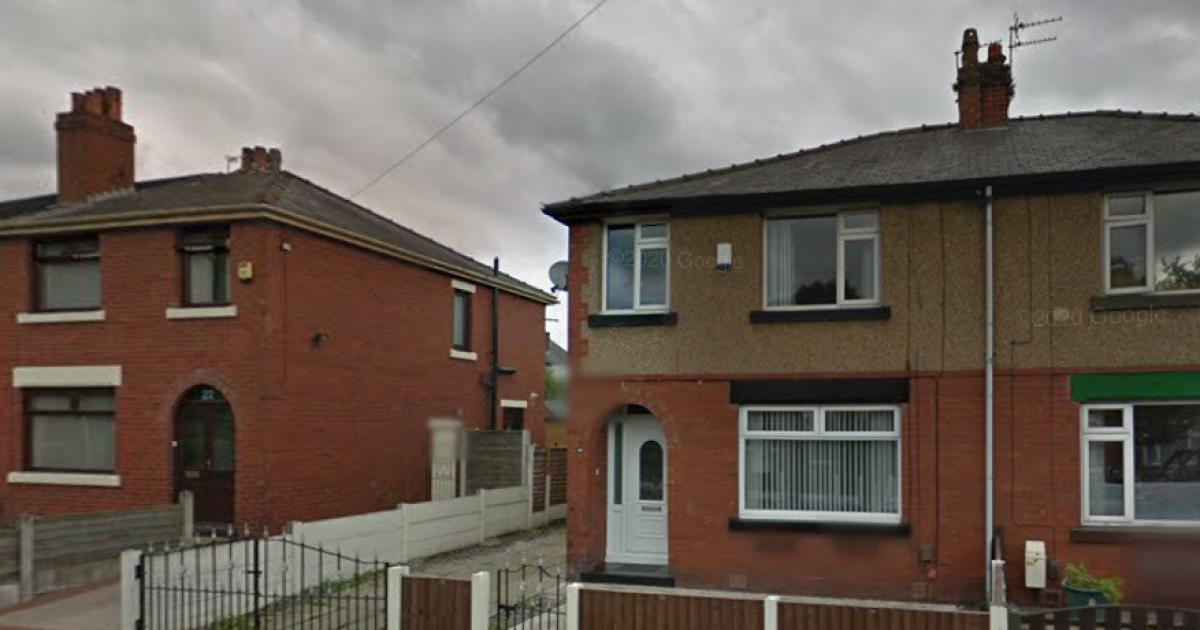
The works, carried out at a semi-detached property on Fern Street in Farnworth, included a hip-to-gable roof extension and a large rear dormer to create additional living space within the roof.

Planning documents revealed the scheme had previously been unable to proceed under permitted development rules because the combined size of the extensions exceeded the volume allowances set out in national planning legislation.

A retrospective application was therefore submitted, allowing council planners to assess the development on its design, scale and impact on the surrounding area.

Advertisement

The council heard that the alterations had created a new bedroom and bathroom in the loft while remaining largely hidden from public view due to the dormer being positioned on the rear roof slope.

Supporting documents argued that the design was in keeping with the character of the property and the wider residential area, where similar extensions and roof alterations are common.

Planners ultimately concluded that the development was acceptable and granted permission, subject to approved plans being followed.

In its decision notice, the council said the proposal complied with planning policy and represented sustainable development.

Advertisement

The approval highlights how homeowners can still secure planning permission for extensions that fall outside permitted development rights, provided councils are satisfied that the design and impact are appropriate for the area.

Source link

Advertisement
Continue Reading

Trending

Copyright © 2025