Connect with us
DAPA Banner
DAPA Coin
DAPA
COIN PAYMENT ASSET
PRIVACY · BLOCKDAG · HOMOMORPHIC ENCRYPTION · RUST
ElGamal Encrypted MINE DAPA
🚫 GENESIS SOLD OUT
DAPAPAY COMING

Business

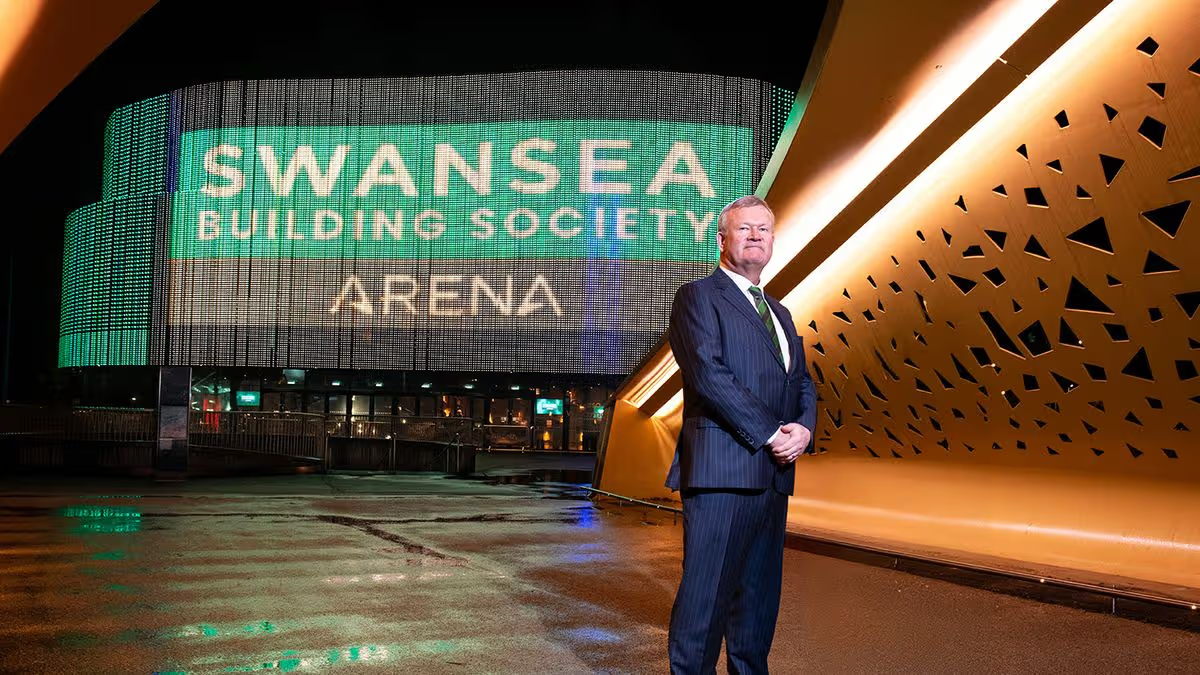
Alun Williams marks quarter of a century as CEO of Swansea Building Society with new charity fund

Published

on

Business Live

He is the longest serving CEO of any UK mutual

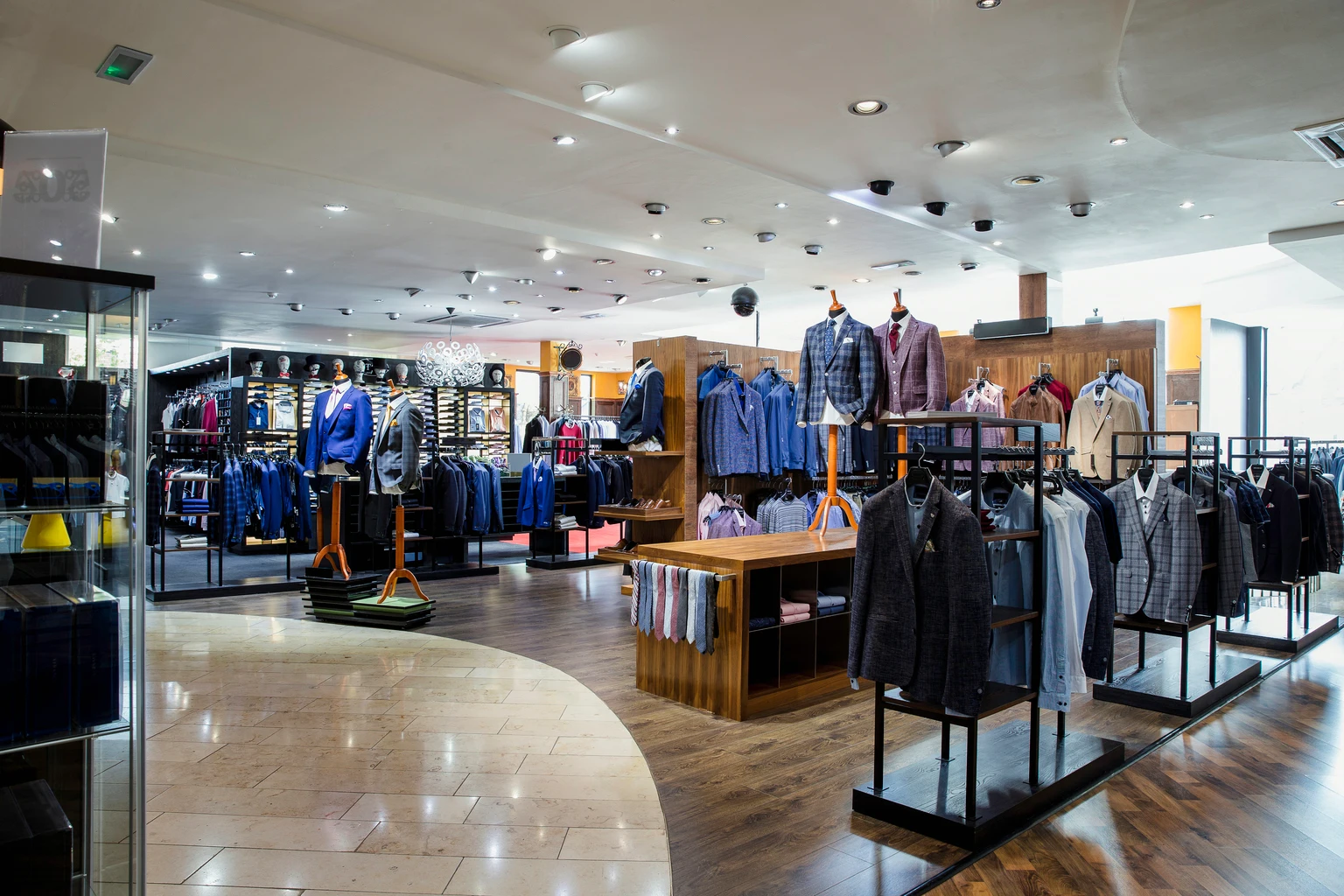
CEO of Swansea Building Society Alun Williams.(Image: Adrian White ©)

Alun Williams is celebrating 25 years at the helm of Swansea Building Society with a charitable fund to support good causes across Wales this year.

The £25,000 funding will be distributed to charities and community organisations and is addition to the mutual’s ongoing charitable giving, including its support for Prostate Cymru, the society’s official charity partner for 2026.

Advertisement

Appointed in 2001 at the age of just 36, he became one of the youngest building society chief executives in the UK. At the time Swansea Building Society had total assets of £34m and a modest operational footprint. Under his leadership, the society has grown into one of the strongest-performing mutuals in the UK, with total assets reaching £715m the end of 2025.

Over the same period, annual profits have increased significantly, while the society has consistently ranked among the top-performing building societies in the UK over the past decade. This sustained success has been achieved while remaining true to its mutual model, funded entirely by members’ savings and retained profits, without reliance on wholesale funding.

A Swansea native, Mr Williams, who is the UK’s longest serving chief executive of a building society, has remained committed to a local, community-first approach throughout his tenure. From expanding the Society’s branch network across Wales – with a clear ethos of opening, not closing, branches – to investing in digital innovation.

The Society has strengthened its presence across the region through long-standing partnerships, sponsorships and community initiatives, including support for local charities such as Wales Air Ambulance, Maggie’s and Prostate Cymru. Last year it entered into a naming rights partnership with the Swansea Building Society Arena.

Advertisement

Over the years, the Society has supported a wide range of initiatives, from grassroots organisations to major regional institutions including Swansea City AFC, Ospreys, Swansea RFC and Glamorgan County Cricket Club. During its centenary year it distributing £100,000 to local charities and community projects.

The newly announced £25,000 charitable fund forms part of that ongoing commitment to giving back to the communities the society serves.

Mr Williams said:“It has been a privilege to lead Swansea Building Society over the past 25 years. When I joined, the priority was clear, to grow the Society in a sustainable way while staying true to its purpose as a mutual organisation.

“I’m incredibly proud of what we’ve achieved together as a team. Our success is built on the trust of our members, the dedication of our staff, and our commitment to the communities we serve. Ensuring the society remains strong for future generations has always been at the heart of every decision we’ve made.

Advertisement

“As we mark this milestone, it felt important to recognise the communities that have supported the society throughout its history. The additional £25,000 charitable fund is a way of giving something back and supporting organisations that make a genuine difference to people’s lives across Wales.”

To commemorate a quarter of a century with the mutual, Mr Williams has taken part in a special filmed interview with Swansea-born musician and broadcaster Mal Pope. Mr Williams has no retirement plans.

Continue Reading
Click to comment

You must be logged in to post a comment Login

Leave a Reply

Business

Top Brands Unveil Creative Campaigns for Father’s Day 2026

Published

on

Top Brands Unveil Creative Campaigns for Father's Day 2026
As Father’s Day is being celebrated today, it’s a good time to think beyond the usual gifts and give your father something that can truly benefit him in the long run—financial security. While gifts and celebrations are always special, helping your father plan for a comfortable retirement or strengthen his financial future can provide peace of mind that lasts well beyond Father’s Day.

ETMutualFunds reached out to two experts to understand how to build the portfolio allocation, plan financial security for the fathers and how fathers can leverage mutual funds to achieve financial independence and leave a lasting legacy.

Also Read | Retirement savings gap after a career break? Expert shares how to recover without taking big risks

Start early to achieve financial independence

Planning for financial independence is a long-term journey, and the sooner a person starts, the easier it becomes. Starting early gives investments more time to grow and benefit from compounding, where returns earned over the years generate further returns. Experts believe there is no fixed age to begin planning, but those who start investing in their 20s or 30s generally have a much better chance of building a comfortable retirement corpus than those who delay it until later in life.

Advertisement

Shivam Pathak, CFP and Founder of Asset Elixir said that fathers should ideally begin planning in their late 20s or early 30s.


“The earlier, the better—ideally from the late 20s or early 30s. Money needs time to grow, and a SIP started at 30 will grow much bigger by 60 than one started at 40, simply because it had more years to compound. Mutual funds make this simple—a father just invests a fixed amount every month and lets it grow, without needing to time the market. Returns also tend to be better when given enough time,” he said.
Manish Kothari, Co-Founder & CEO, ZFunds shared similar thoughts. Kothari said that the importance of an early start, emphasizing the power of compounding.”There’s no magic age. The earlier you begin, the more the heavy lifting is done by compounding rather than by your monthly contribution. For instance, to build Rs 5 crore by age 60 at an assumed return of around 11%, someone starting at 30 needs to invest about Rs 18,000 a month, while someone starting at 40 would need nearly ₹58,000 a month for the same goal,” Kothari said.

He further said that mutual funds are a strong vehicle here as they fit every stage – SIPs to accumulate, STPs to deploy a lump sum gradually, SWPs to draw a planned income once you reach independence

Best or right mutual funds for generational wealth

Creating wealth that can benefit not just you but also your children and future generations requires planning over several decades. Since such goals have a very long time horizon, investors can afford to stay invested through market ups and downs and focus on assets that have the potential to grow over time.

Experts believe that building generational wealth is not just about investing more money, but also about choosing the right investment mix that can generate long-term growth while ensuring the wealth remains intact for future generations.

Advertisement

Kothari said that the ideal allocation depends on an investor’s surplus income and time horizon. “For wealth genuinely earmarked for the next generation, the bigger risk isn’t volatility; it’s being too conservative and letting inflation quietly erode purchasing power over 20-30 years. Therefore, the centre of gravity should remain in equity for longer than a standard retirement plan would suggest,” he said.

He further said that the retirement corpus and the wealth you intend to pass on are different goals with different horizons; they shouldn’t carry the same risk profile. The legacy bucket can stay aggressive precisely because you may never need to draw on it,” Kothari added. He further noted that nominations, wills, and ownership structures are essential to ensure wealth is transferred smoothly to future generations.

Also Read | MF Tracker: Nippon India Small Cap Fund tops all equity funds over 10 years. Is it too late to invest?

Pathak said a diversified approach for goals that are 15-20 years away or longer. “A simple mix works well for long-term goals. Large-cap funds offer a stable, lower-risk core holding, while flexi-cap funds act as an all-rounder by investing across large, mid, and small companies. A limited allocation to mid-cap and small-cap funds can also help, given the long investment horizon involved,” he said.

Advertisement

Common mistakes fathers make while planning retirement

Many fathers spend most of their lives focusing on their family’s needs—whether it’s their children’s education, household expenses, or other responsibilities. However, in the process of taking care of everyone else, they often overlook their own financial future.

Experts say that not planning adequately for retirement or long-term financial security can lead to financial stress later in life, making it important for fathers to strike a balance between supporting their family today and securing their own future.

Pathak said many fathers delay planning for their own retirement while focusing entirely on their children’s needs and keeping too much money in safe options like fixed deposits is another mistake, since these often fail to beat inflation.

He further said that many also stop their SIPs when markets fall, instead of staying invested, and end up mixing up goals-dipping into retirement savings for a child’s education, leaving both short.

Advertisement

Kothari said that funding children’s education or weddings at the expense of one’s own retirement may feel selfless, but there are loans and scholarships for those goals and none for retirement.

“The second is treating insurance as an afterthought inadequate term and health cover means a single hospitalisation or untimely event can unravel years of disciplined saving”

He further said that the third is not getting professional guidance. It is important that families work with a distributor who can handhold and guide them through all cycles of investing and wealth creation

Lessons to teach children about investing

A father’s role in financial planning goes beyond earning and saving money for the family. The habits and values children learn at home often shape how they manage money as adults.

Advertisement

Experts believe fathers can play an important role in teaching children basic financial concepts such as saving regularly, spending wisely, investing for the future, and understanding the value of money. These lessons, learned early in life, can help children make better financial decisions as they grow up.

Also Read | Sunil Singhania-backed Abakkus Flexi Cap Fund increases stake in HDFC Bank, RIL and 29 others in May

Kothari said that the most valuable lessons are about behaviour and discipline and the greatest wealth a father can pass on is not just money, but the wisdom to manage and grow it. So educate and involve kids early – for example, before buying something, ask the child to classify it as a need, a want or a future goal as this develops better money habits or ask them to choose a goal, estimate its cost and decide how much they need to save or invest every month.

Pathak said fathers can teach their children to start early, since even small amounts grow meaningfully with time, and to stay consistent rather than waiting for a big lump sum to invest.

Advertisement

He further said that staying invested through market ups and downs matters more than panicking during a downturn and beyond investing, fathers can also help children develop the habit of saving and spending wisely-giving them pocket money and letting them learn to manage within that budget.

As Father’s Day celebrations honour the role fathers play in their families, experts believe that financial planning is an equally important part of fatherhood. By starting early, staying invested, and passing on sound financial values, fathers can help ensure not only their own financial independence but also a stronger financial future for generations to come.

(Disclaimer: Recommendations, suggestions, views and opinions given by the experts are their own. These do not represent the views of The Economic Times)

If you have any mutual fund queries, message on ET Mutual Funds on Facebook/Twitter. We will get it answered by our panel of experts. Do share your questions on ETMFqueries@timesinternet.in alongwith your age, risk profile, and twitter handle.

Advertisement
Add ET Logo as a Reliable and Trusted News Source

Continue Reading

Business

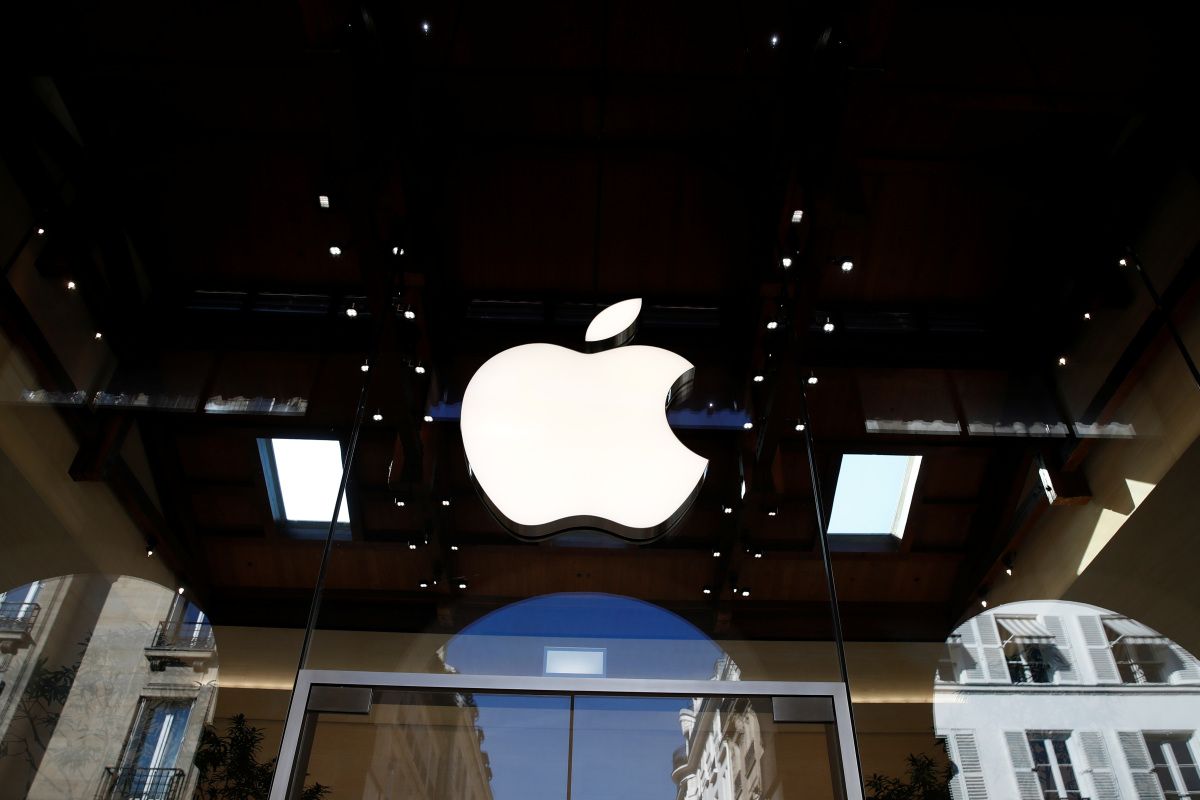
Apple Closes Three U.S. Stores, Including Its First Unionized Location, Amid Union Backlash

Published

on

Ismael Saibari

Apple is moving forward with permanently closing three of its retail stores in the United States, including the company’s first unionized location, drawing accusations of potential union-busting from labor leaders even as Apple maintains it is simply honoring the terms of an existing labor contract.

The Stores Closing

The locations closing on the evening of Saturday, June 20, are Apple Trumbull in Trumbull, Connecticut; Apple North County in Escondido, California; and Apple Towson Town Center in Towson, Maryland. In April, Apple said it made the “difficult decision” to close the stores due to “declining conditions” at the shopping malls in which they are located.

A Historic Union Location

Advertisement

The closure of the Towson Town Center store carries particular significance given its place in Apple’s labor history. Notably, the staff at the Towson Town Center location became Apple’s first retail employees in the U.S. to unionize in 2022. They belong to the International Association of Machinists and Aerospace Workers’ Coalition of Organized Retail Employees, known as IAM CORE, and they signed a collective bargaining agreement with Apple in 2024.

Protests From Workers and Politicians

The union and the store’s employees have been protesting the planned closure, and some politicians in Maryland have voiced their support for the workers’ position as the closure date approached.

The Core Dispute Over Employee Transfers

Advertisement

At the heart of the controversy is a disparity in how Apple is treating workers at the closing locations. The union is upset that Apple is allowing non-unionized employees at the Trumbull and North County stores to transfer to nearby locations, but not extending this offer to unionized employees at the Towson location. For its part, Apple said it is simply honoring the terms of the collective bargaining agreement that the employees agreed to.

According to Apple, the contract states that in the event of a store closure, Apple would transfer or rehire employees if the company opened a new store within 50 miles of the current location at Towson Town Center. In any other circumstance, the union negotiated for employees to receive severance, which is being provided.

Apple said it has no current plans to open a new store in the area, but if it were to do so within 18 months after the collective bargaining agreement was ratified, the affected employees would have the right of first refusal.

The Union’s Response

Advertisement

Despite Apple’s framing of the situation as a straightforward application of the negotiated contract terms, IAM has accused Apple of potential union busting and said that the agreement “requires equal treatment.” IAM President Brian Bryant issued a pointed statement criticizing the company’s handling of the closure. “Apple workers in Towson voted to join the IAM, fought for and won a contract, and are now being punished for it,” said Bryant. “Apple signed a collective bargaining agreement that requires equal treatment. It is time for Apple to honor that agreement and do right by these workers before June 20.”

A Mall in Genuine Decline

Beyond the labor dispute, there is evidence suggesting broader economic factors may also be playing a meaningful role in Apple’s decision to exit the location. Towson Town Center is genuinely in a state of decline and has lost many other major retailers in recent years, so it is very likely that Apple is exiting the shopping mall at least partly due to the worsening conditions.

Potential Wider Implications for Unionization Efforts

Advertisement

Despite the apparent economic justification for the closure, the situation carries broader implications for how Apple employees elsewhere might view the value of organizing. The situation might lead employees at other stores to worry that joining a union does not always work out, and that could be advantageous to Apple given that the company has discouraged unionization at its retail locations more broadly.

That dynamic places the Towson closure at the center of a sensitive moment for organized labor within Apple’s retail workforce, given that the Towson store’s 2022 unionization vote represented a landmark moment that has since influenced organizing efforts at other Apple retail locations and other companies’ workforces watching closely for precedent.

With all three stores now permanently closed as of Saturday evening, attention turns to whether Apple and the IAM can resolve their dispute over employee treatment in the weeks and months ahead, particularly regarding the 18-month window during which displaced Towson workers would retain a right of first refusal should Apple open a new location nearby. For now, the contrast between Apple’s treatment of unionized versus non-unionized employees affected by the same round of closures is likely to remain a point of contention, with the union continuing to frame the situation as a test of whether collective bargaining agreements meaningfully protect workers during corporate restructuring, even when a company’s stated rationale for closure centers on external factors like a declining shopping mall rather than the unionization itself.

Advertisement
Continue Reading

Business

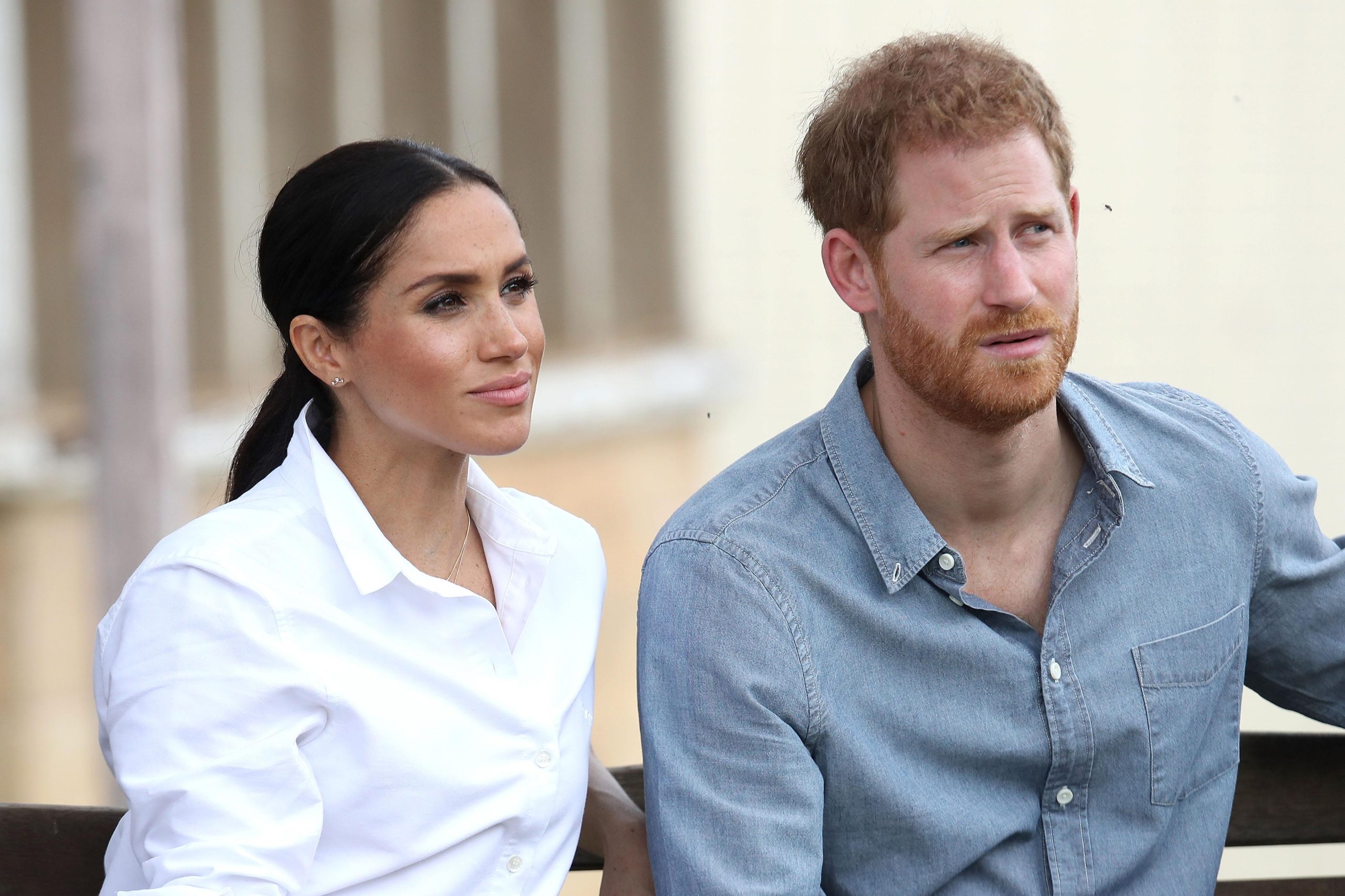
Harry and Meghan Offered Royal Residence as Family Plans First UK Visit With Children in Four Years

Published

on

Blake Lively

The Duke and Duchess of Sussex have been offered a royal residence to stay in during their visit to the UK with their children next month, marking the family’s first trip to the country together in four years.

A Significant Family Trip

Prince Harry and Meghan will be accompanied by their children, Archie, 7, and Lilibet, 5, for what represents a notable milestone in the family’s relationship with the United Kingdom after an extended absence. BBC News understands that the family has been offered accommodation on a royal estate but have not yet responded to the invitation.

A History of Declining Buckingham Palace

Advertisement

The specific residence offered to the family for this visit has not been disclosed, though Prince Harry’s past responses to similar offers provide some context for how the family has approached accommodation during prior trips. On previous visits, Prince Harry has declined the offer to stay at Buckingham Palace due to security concerns over using such a high-profile, visible building. It is not clear which royal residence has been made available to the family this time around.

The Reason Behind the Trip

The visit is tied to a specific commitment Prince Harry made well before any broader family travel plans were finalized. Prince Harry had already committed to a series of events in the UK next month to mark a year to go to the Invictus Games for injured military personnel. The Games will be hosted in Birmingham next July.

Harry’s Past Comments on Reconciliation

Advertisement

The planned visit comes against the backdrop of Prince Harry’s previously stated hope for repairing his relationship with the wider Royal Family. In a BBC News interview last year, Prince Harry spoke of his desire for a “reconciliation” with the Royal Family.

A Limited Recent History of In-Person Contact

The extended gap since the family’s last UK visit together has also meant limited opportunities for King Charles to see his grandchildren in person. The last time the King saw his grandchildren in person was during Queen Elizabeth II’s Platinum Jubilee celebrations in 2022.

There has, however, been more recent direct contact between Prince Harry and his father. During a visit to the UK in September last year, Prince Harry met his father at Clarence House, which was their first face-to-face meeting since February 2024.

Advertisement

Security Arrangements Remain Unresolved

While the residence offer has been extended, questions remain about what additional security measures, if any, will accompany the family’s visit. While the security arrangements around the family visit remain unclear, it is understood that no extra security provision has been offered by Buckingham Palace. Any additional security provision will be a matter for the Home Office.

That distinction is significant given Prince Harry’s past public statements and ongoing legal proceedings related to his security arrangements when visiting the UK, an issue that has previously factored into his decisions about where to stay and how to structure his trips to the country.

Buckingham Palace Stays Silent on a Possible Reunion

Advertisement

Despite the significant interest surrounding the visit, particularly the prospect of King Charles meeting his grandchildren and son in person for the first time in years, Buckingham Palace has declined to comment on the matter. Buckingham Palace will not comment on the possibility of the King meeting his son, daughter-in-law and grandchildren, describing it as a private family matter.

That measured, non-committal stance from the palace reflects the broader sensitivity surrounding the Sussexes’ relationship with the rest of the Royal Family, an area where official statements have historically remained scarce regardless of the level of public and media interest in any potential reconciliation.

A Visit Shaped by Both Public Duty and Private Family Matters

The trip’s dual nature — combining Prince Harry’s public commitment to promoting the upcoming Invictus Games with the deeply personal question of whether and how the family might reconnect with the King and other senior royals — has placed it at the intersection of royal duty and private family dynamics. The family has not yet responded to the accommodation offer, leaving open the question of whether they will accept the residence currently being made available to them, or whether security or other considerations might lead them to seek alternative arrangements, as Prince Harry has done on past visits when offered stays at Buckingham Palace specifically.

Advertisement

With the visit’s date now approaching and the accommodation offer still pending a response from the Sussexes, attention will likely turn in the coming weeks to whether the family accepts the royal residence offer, what security arrangements the Home Office ultimately puts in place, and whether the trip produces any in-person contact between King Charles and his grandchildren or son beyond the scheduled Invictus Games events. Given Buckingham Palace’s continued reluctance to address the matter publicly, any developments regarding a potential family reunion are likely to emerge gradually, through royal correspondents’ reporting rather than official palace statements, as the visit draws closer.

Continue Reading

Business

The Government Is Intel's Floor

Published

on

Intel Deutschland GmbH

The Government Is Intel's Floor

Continue Reading

Business

Top 5 Players Who Could Help Steph Curry Win a Championship by 2027

Published

on

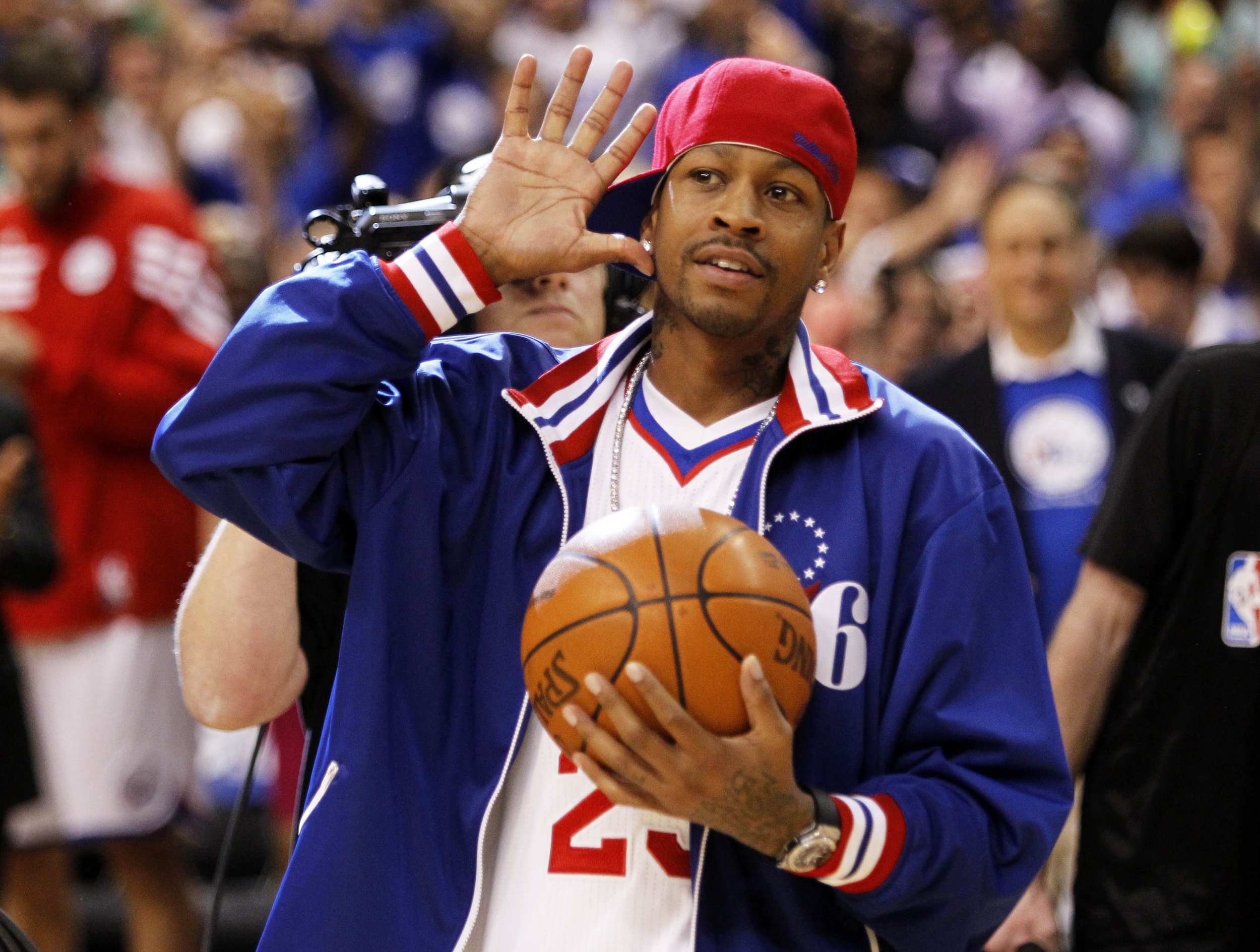
Former Philadelphia 76ers star Allen Iverson spoofs his infamous "practice" rant in a new Reebok "Retro Shop" commercial.

With Stephen Curry entering his 18th NBA season and the Golden State Warriors facing one of the most consequential offseasons of his career, the front office is reportedly pursuing aggressive moves to surround its franchise star with enough talent to chase one more title before his window closes. Here are five players generating the most serious buzz as potential difference-makers for Curry’s championship push.

1. LeBron James

No name has generated more speculation than the future Hall of Fame forward, whose own free agency could intersect directly with Golden State’s roster-building plans. The Warriors are prepared to pursue significant moves, including gauging LeBron James’s interest. ESPN’s Ramona Shelburne and Anthony Slater reported that the Warriors are expected to test the waters again on LeBron while also looking at other big swings. Marc Stein also reported that the Warriors have had long-standing interest in bringing him to Northern California.

The pursuit faces significant financial obstacles, however. The Warriors could clear room for the full $15.1 million nontaxpayer midlevel exception — a team-friendly, low-risk bargain. The direct free-agent path is only possible if LeBron takes a major pay cut, since the Warriors are not opening $40 million or $50 million in cap space. If he wants anything close to his old number, this becomes a sign-and-trade with the Lakers.

Advertisement

Despite the interest, recent reporting has tempered expectations considerably. “Wednesday brought a bout of pessimism on the Golden State Warriors’ chances of landing LeBron James in free agency,” according to one report, suggesting Golden State’s pursuit might already be fading before free agency formally opens.

2. Kawhi Leonard

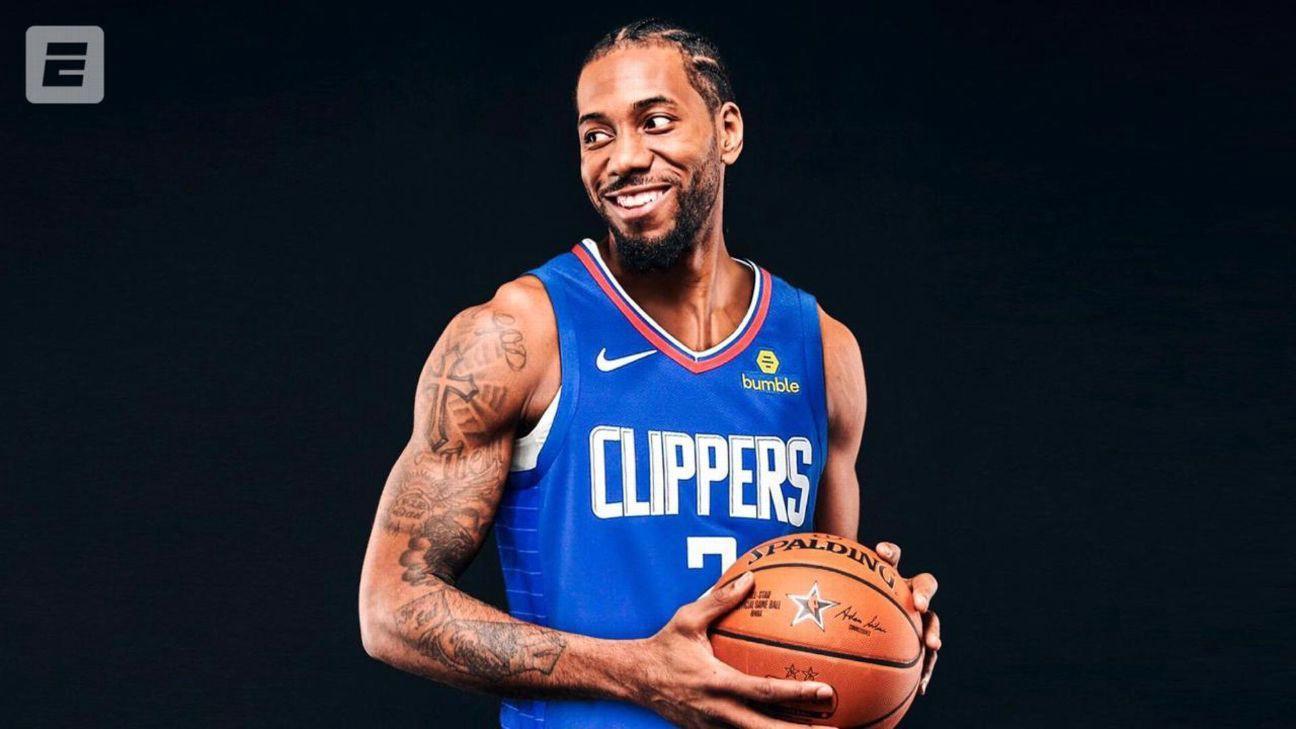
Beyond James, the Warriors have also re-engaged with another superstar whose situation in Los Angeles has generated its own share of speculation. The Warriors are prepared to pursue significant moves, including re-engaging the Clippers regarding Kawhi Leonard’s availability. The Golden State Warriors’ interest in Kawhi Leonard now sounds much stronger than background offseason noise, with the franchise continuing to search for one more star around Stephen Curry.

That said, the Clippers’ own organizational stance — with owner Steve Ballmer reportedly committed to keeping Leonard — could complicate any realistic path toward acquiring him, regardless of how much interest Golden State has shown.

Advertisement

3. Trey Murphy III

Among players with a genuinely plausible trade path to Golden State, the New Orleans Pelicans forward stands out as perhaps the most realistic addition. Murphy continues to be the most ideal trade target connected to the Warriors. He’s just 26 years old and under contract for three more seasons at a bargain rate of $27 million in 2026-27, $29 million in 2027-28, and $31 million in 2028-29. He plays the Warriors’ biggest position of need — big wing — and he’s a three-level scorer who can take some pressure off Stephen Curry.

ESPN’s Anthony Slater reported that Murphy could be more attainable this offseason and that the Pelicans are hoping to get a 2026 first-round pick after trading one last year. The 6-foot-8 small forward is already a fringe star after averaging 21.4 points over the last two seasons, with a plus-3.3 net rating this past season, according to Cleaning the Glass.

4. Kristaps Porzingis

Advertisement

Rather than chasing an external blockbuster, the Warriors also appear increasingly focused on retaining a piece already on the roster. The Warriors appear increasingly optimistic about bringing back Kristaps Porzingis. According to ESPN’s Anthony Slater, there is growing momentum toward a new contract between Golden State and the veteran big man, who is set to become an unrestricted free agent.

The retention path is made easier by the team’s existing rights to the player. It would make sense for the Golden State Warriors and Kristaps Porzingis to agree to a new contract. After all, the Warriors gave up Jonathan Kuminga for him, and they have his Bird rights, which will allow them to sign him without using any of their mid-level exception money. A realistic deal would likely fall in the $21 million to $24 million range to keep him alongside Curry, Butler, and Green for another championship run.

5. John Collins

Among the more attainable free-agent targets the Warriors have been linked to, the veteran frontcourt scorer offers a complementary skill set without requiring a major roster overhaul. John Collins is not a star-level acquisition, but he represents a sensible frontcourt target for the Warriors. The 28-year-old forward will enter unrestricted free agency in 2026 after completing a five-year, $125 million contract.

Advertisement

In the 2025-26 season, Collins averaged 16.2 points, 7.8 rebounds, 1.8 assists, 1.0 steals, and 0.6 blocks per game while shooting 52.6% from the field and 36.4% from three. A realistic offer from the Warriors would likely start with the non-taxpayer mid-level exception, roughly three years and $45 million, provided they remain below the second apron.

The Bigger Picture for Golden State

Despite the array of names connected to the team, the Warriors’ general manager has acknowledged the broader uncertainty hanging over the entire roster-building process. “Let’s see where we go when the trade deadline comes around and into the spring,” Warriors general manager Mike Dunleavy said. “I think the last couple of years we can say we’ve added talent in a good way in February. Who knows where we’ll be come April, March, May. … But by the end of the year, if you have Steph Curry on your team, Steve Kerr is the coach and Jimmy Butler is back, in a seven-game playoff series, I don’t want to say we can’t beat anybody.”

Teammate Brandin Podziemski outlined the kind of player the organization should prioritize, particularly with the team’s first-round pick in the upcoming draft. “I think the obvious answer is someone who’s ready to play or he can play right away,” Podziemski said. “Someone that has experience, is physically mature enough to play in the games right away. I think that’s kind of, as an organization, where we’re at. We’re at the stage where we’re trying to win as much as we can.”

Advertisement

Curry’s Own Future Remains Tied to Golden State

Despite occasional speculation about a potential trade given the team’s recent struggles, most reporting continues to suggest Curry’s future remains firmly in the Bay Area. “The Warriors wouldn’t dream of fielding any offers for Curry. If they were remotely interested in that kind of restart, Steve Kerr never would’ve signed on for two more seasons as head coach,” one analyst noted, pushing back against any notion that Golden State might move on from its franchise centerpiece.

Curry himself is eligible for a contract extension on August 29, which he has stated he wants — a clear signal of his own intention to remain with the only franchise he has ever played for as he chases a fifth championship.

With the NBA Draft set for June 23 and free agency negotiations opening shortly after, the coming weeks will be critical in determining which, if any, of these five players ultimately joins Curry’s supporting cast. Given the financial complexity surrounding James and Leonard, the more realistic paths to immediate roster improvement likely run through retaining Porzingis, pursuing a trade for Murphy using draft capital, and adding complementary depth pieces like Collins through the mid-level exception — moves that, collectively, could determine whether the Warriors mount one final serious championship push before Curry’s illustrious career eventually winds down.

Advertisement
Continue Reading

Business

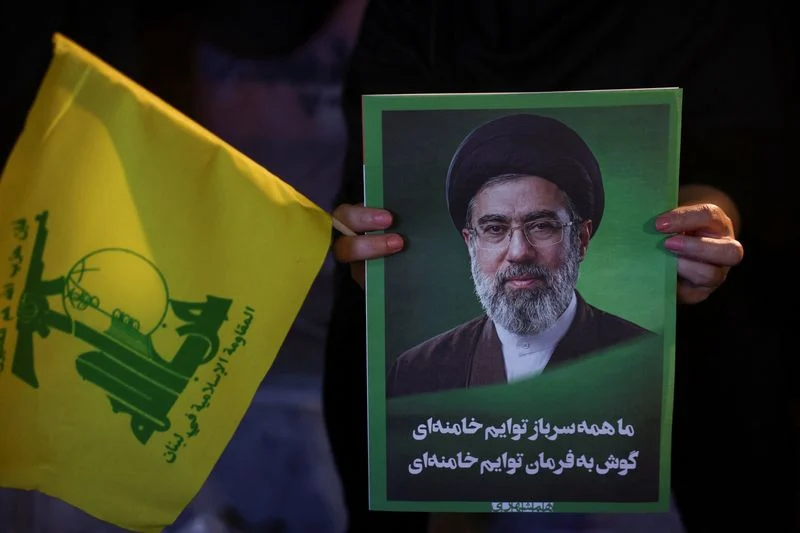
Trump says US will resume attacks if Iran does not restrain Hezbollah allies

Published

on

Trump says US will resume attacks if Iran does not restrain Hezbollah allies


Trump says US will resume attacks if Iran does not restrain Hezbollah allies

Continue Reading

Business

Father’s Day: The financial legacy children truly inherit

Published

on

Father’s Day: The financial legacy children truly inherit
For generations, fathers in India have measured responsibility through provision. A stable income. A family home. Gold put away for the future. Insurance for security. Savings for children’s education. Quiet sacrifices made over decades to ensure the next generation lives with greater comfort and opportunity. Traditionally, this has been the idea of legacy, what one leaves behind. But in today’s India, the meaning of financial legacy is beginning to evolve. The most enduring inheritance fathers may pass on to their children may no longer be limited to physical assets or accumulated wealth. Increasingly, it is the financial behaviour children witness every single day at home: how money is discussed, how priorities are set, how discipline is maintained during uncertainty, and how patiently long-term goals are pursued.

This shift has been driven by the way investing itself has evolved. What was once seen as a milestone decision is now becoming an everyday behaviour. Earlier, investing was something one did after accumulating surplus. Today, it can begin alongside earning and spending, often with very small amounts. Digital platforms have made this possible by reducing friction, simplifying access, and integrating investing into daily financial life.

Micro Investing and the Power of Small Starts

This is where micro-investing becomes important. It is not just about investing smaller amounts; it fundamentally changes how people approach money. Instead of waiting for the “right time” or a large surplus, individuals can begin early and build momentum gradually. Over time, it is this consistency of participation, rather than the starting amount, that shapes outcomes.However, starting small is only one part of the story. What truly defines long-term success is the ability to sustain that behaviour. This is where digital investing ecosystems have created a meaningful shift—from behaviour to system. Investing no longer depends entirely on memory, discipline, or timing. It can be automated, aligned with income cycles, and sustained with minimal effort.

As a result, consistency is no longer just a matter of intent; it is increasingly built into the structure of financial decision-making. This becomes especially relevant in the context of the modern Indian household. Today’s fathers are navigating multiple financial responsibilities such as EMIs, education costs, healthcare, and rising lifestyle expectations—all at the same time. In such an environment, investing often gets delayed, not because of a lack of awareness, but because of competing priorities.
Also Read | Father’s Day 2026: How fathers can build financial independence and generational wealth through mutual funds
Simpler, more accessible investment systems help address this gap. They allow investing to proceed alongside other financial commitments without requiring a perfect starting point or a large surplus. Over time, these small, consistent actions begin to shape how money is managed within the household. That, in turn, shapes what children learn. Financial behaviour is rarely taught explicitly; it is absorbed through observation. When children see regular investments, even in small amounts, they begin to understand that wealth creation is a continuous process, not a one-time decision. When investing is integrated into everyday routines, it becomes normal, not exceptional.
Leading in a Digital First Environment

In a digital-first environment, this visibility becomes even stronger. Children are not just seeing the outcomes, but the process, which includes the regularity, the simplicity, and the discipline involved. They see that investing does not require complexity or large starting points, but it does require consistency. This is where the idea of legacy begins to shift. It moves away from accumulation alone and towards participation and behaviour. Financial success is increasingly defined by how early one starts, how consistently one stays invested, and how effectively one navigates uncertainty over time.

Micro-investing and digital access have made this possible at scale. They have lowered the barriers to entry while reinforcing the importance of long-term discipline. In doing so, they are not just changing how individuals build wealth but also how future generations understand and engage with money.

Advertisement

Conclusion

This Father’s Day, perhaps it is worth recognising that a father’s legacy is no longer defined only by the assets eventually transferred to the next generation. It is also reflected in the habits demonstrated over time: planning instead of postponing, investing instead of merely intending to invest, staying patient during uncertainty and building steadily towards long-term goals.

Assets may support one generation. But financial wisdom, discipline and healthy money habits have the power to guide many more.

(Boniface Noronha is a Head at Digital, Axis Mutual Fund)
(Disclaimer: Recommendations, suggestions, views and opinions given by the experts are their own. These do not represent the views of The Economic Times)

Advertisement
Continue Reading

Business

FDIS: Consumer Discretionary Dashboard For June

Published

on

FDIS: Consumer Discretionary Dashboard For June

FDIS: Consumer Discretionary Dashboard For June

Continue Reading

Business

Bolivia crisis begins to ease after lawmakers back state of emergency

Published

on

Bolivia crisis begins to ease after lawmakers back state of emergency


Bolivia crisis begins to ease after lawmakers back state of emergency

Continue Reading

Business

(VIDEO) Allen Iverson Downplays Legendary Crossover on Michael Jordan as Just Another Move

Published

on

Former Philadelphia 76ers star Allen Iverson spoofs his infamous "practice" rant in a new Reebok "Retro Shop" commercial.

PHILADELPHIA — Allen Iverson, the electrifying former Philadelphia 76ers guard known for his fearless style of play, has long been associated with one of the most iconic moments in NBA history: his crossover dribble on Michael Jordan. Yet Iverson maintains the play was not even among his sharpest, attributing its enduring fame largely to the opponent on the receiving end.

The sequence unfolded on March 12, 1997, during Iverson’s rookie season. Facing Jordan, then with the Chicago Bulls and widely regarded as the game’s premier defender, the Georgetown product executed a hesitation crossover at the top of the key. Jordan lunged, and Iverson blew past him for a basket. The moment, replayed endlessly on highlight reels, symbolized the passing of the torch from one generation’s superstar to the next.

In a 2022 conversation with Dan Patrick, Iverson reflected on the play with characteristic candor.

Advertisement

“I always told my friends growing up that if I ever got an opportunity to try my move on the best that ever played the game, I would,” he recalled. “It just happened. You know, I backed him up, and I did it. I really didn’t know the significance of it when it first happened because I was just into the game, just playing the game.”

Iverson, who idolized Jordan growing up and emulated his moves on neighborhood courts, emphasized that the crossover’s legend grew because of Jordan’s stature.

“But thinking back on it, I had gotten guys way worse than that,” Iverson said. “It was just the fact that it was him.”

The 1997 encounter came at a pivotal time. Jordan was in the midst of his second three-peat with the Bulls, while Iverson, the No. 1 overall pick in the 1996 draft, was injecting new energy into the league with his crossover and scoring prowess. The move, though not invented by Iverson — Tim Hardaway popularized an earlier version — became synonymous with his game due to his speed and ball-handling flair.

Advertisement

Iverson’s career was defined by such audacity. Standing at 6 feet tall and weighing around 165 pounds, he routinely took on bigger defenders and emerged as one of the NBA’s most dynamic scorers. His four scoring titles, 11 All-Star selections and MVP award in 2001 underscored a relentless competitive fire that resonated with fans.

The crossover on Jordan quickly entered basketball lore. Analysts and players alike marveled at the rookie’s willingness to challenge the six-time champion. Jordan, never one to shy away from competition, reportedly showed respect for Iverson’s talent in subsequent years.

Years after both had retired, the two Hall of Famers shared a lighthearted moment. Iverson recounted the exchange during a visit to a Charlotte Hornets game.

“I went to a Hornets game. Me and him were in an area in the back where he chilled at halftime. He had me back there and we were just talking. And I just kept telling him how much I loved him and how much he meant to my life and my career,” Iverson said.

Advertisement

“And he was like, ‘You don’t love me that much. You wouldn’t have crossed me like that,’” Iverson added. “We laughed about it.”

Jordan’s response highlighted the mutual respect between two competitors who pushed each other and the league forward. Iverson frequently cited Jordan as a major influence, blending admiration with the drive to carve out his own legacy.

Beyond the highlights, Iverson’s career encompassed far more. Drafted by the 76ers, he led the franchise to the 2001 NBA Finals, falling to the Los Angeles Lakers in five games. His playoff performances, including a memorable step-over of Tyronn Lue, became etched in franchise history.

Off the court, Iverson’s impact extended to fashion and culture. His cornrows, tattoos and baggy shorts influenced a generation of players and fans, challenging NBA dress codes and broadening the league’s appeal.

Advertisement

The 76ers retired his No. 3 jersey in 2013, honoring his contributions. Iverson was inducted into the Naismith Memorial Basketball Hall of Fame in 2016, cementing his place among the all-time greats.

Today, discussions about Iverson often circle back to moments like the Jordan crossover. While he downplays its technical difficulty, the play endures as a symbol of fearlessness. In an era dominated by Jordan’s excellence, Iverson represented a new wave of guard play emphasizing quickness and creativity.

Analysts note that Iverson’s crossover technique — holding the ball high to freeze defenders before whipping it across — built on predecessors but added unmatched explosiveness. His battles with Jordan, Kobe Bryant and other stars defined an exciting period of NBA history.

Iverson’s post-playing life has included broadcasting appearances and community work. He remains a revered figure in Philadelphia, where fans still chant his name at games.

Advertisement

The 2022 remarks to Patrick offered a rare glimpse into Iverson’s mindset. Far from dwelling on past glories, he contextualized the crossover within a career full of similar maneuvers against lesser-known opponents. The difference, he suggested, was the spotlight Jordan’s presence created.

Jordan, for his part, has spoken sparingly about the play but has acknowledged Iverson’s skill. Their hallway conversation underscored a bond forged through competition.

As the NBA continues to evolve with new generations of guards, Iverson’s influence persists. Players like Kyrie Irving and Stephen Curry have cited elements of his game, from handle wizardry to scoring mentality.

The crossover on Jordan stands as more than a single highlight. It represents Iverson’s arrival as a star capable of challenging the league’s established order. Decades later, it continues to inspire, even as its architect views it with humility.

Advertisement

For basketball fans, the moment captures the essence of the sport: one player testing limits against the greatest, creating a memory that transcends statistics. Iverson’s reflection reminds observers that legends often grow from context as much as execution.

Continue Reading

Trending

Copyright © 2025