A range of acts competed for the coveted title, £250,000 prize, and a performance slot at the Royal Variety Performance.
But tonight, there was only one winner,
It’s Showtime ⭐️
Ant & Dec host a dazzling night of performances as Britain’s Got Talent reaches the spectacular live final where one act will be crowned this year’s winner.
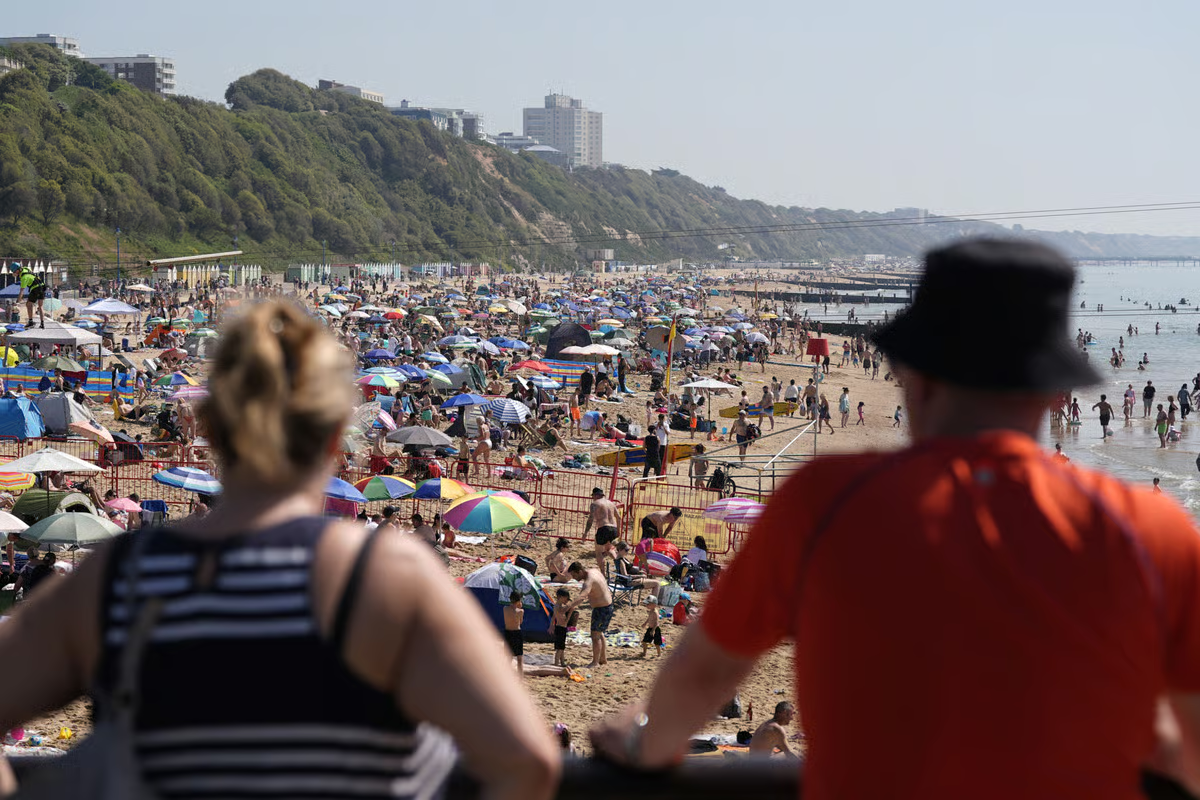
Clacton-On-Sea was once a glorious coastal destination that drew holidaymakers in their droves from across Britain.
A once-bustling seaside town that has tumbled down the rankings used to be home to a massive Billy Butlin’s resort — today, though, you’d never know it existed.
Clacton-On-Sea was once a glorious coastal destination that drew holidaymakers in their droves from across Britain. It was celebrated for its award-winning pier, sweeping sandy beaches and classic fairground rides – but last year it came third-from-last in Which?’s annual ranking of the UK’s finest seaside towns.
Advertisement
Clacton scraped a paltry 42 per cent — a stark contrast to Bamburgh, which topped the charts with an impressive 84 per cent destination score.
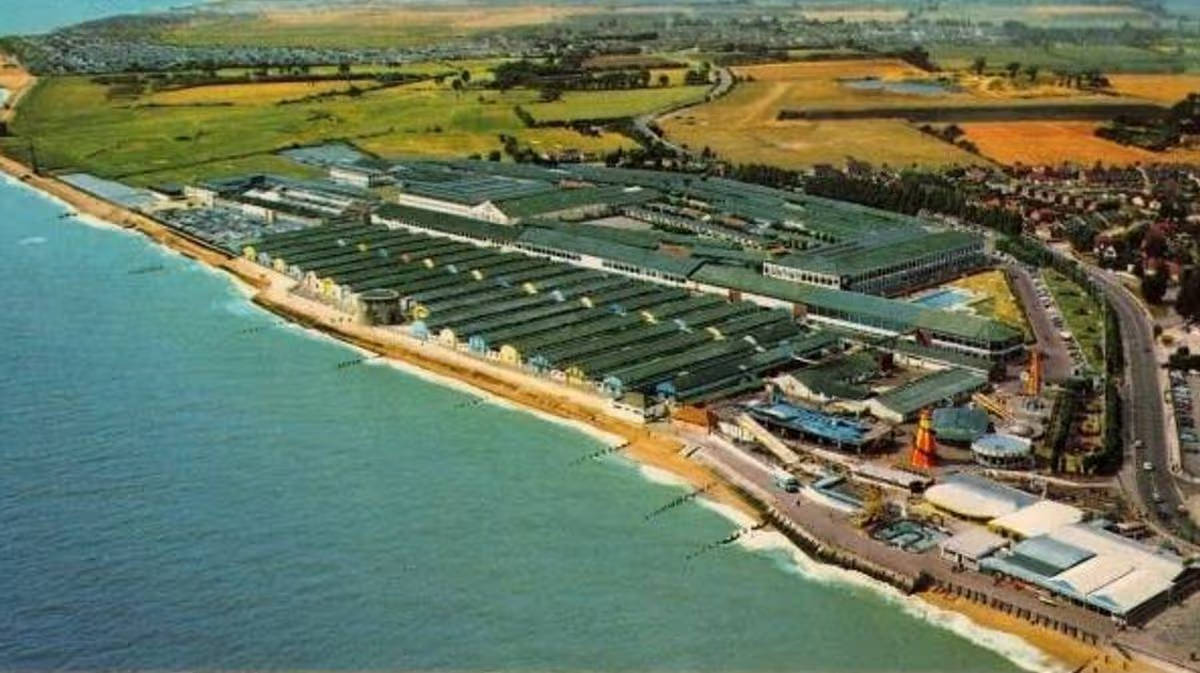
Yet in its heyday, before the Benidorm boom tempted Brits away from British shores in favour of budget package holidays to Spain, the town was a very different place. Billy Butlin purchased the West Clacton Estate in 1936 — which already boasted a miniature golf course and boating lake — and transformed it into the iconic Red Coat resort that became a beloved British institution.
As reported by the Mirror, the resort shut down when war broke out, with the Army temporarily commandeering the site. In 1946, though, it was relaunched as a holiday camp — and subsequently acquired neighbouring land for expansion.
Advertisement
“By the late 1950s, Butlin’s had become a national institution and to some extent, Clacton was able to bask in its reflected glory,” Clacton History explained. “The combination of Butlin’s and Clacton had become firmly established and for both their futures as family holiday venues seemed unshakeable.”
As with other Butlin’s locations, visitors flocked to enjoy the extensive amenities available, including comfortable chalets, an enormous outdoor swimming pool, fairground attractions, a ballroom for dancing, a bowling green, retail outlets, a miniature railway, and top-notch entertainment. Stars such as the Beverley Sisters, Michael Holliday, and Jack Douglas are said to have graced the camp’s stages during their early careers.
Unable to match the appeal of affordable flights to sunny Spain, though, and damaged by rowdy teenagers treating the venue as a drinking destination, Butlin’s tragically shut its gates in 1983 — the same year the Filey resort was also closed down.
According to Butlin’s Memories, the site was snapped up for approximately £2 million by Amusement Enterprises Ltd — who revealed bold proposals to transform the complex into a ‘Disneyland’ style theme park. With a fresh identity, Atlas Park, the site reopened in 1984 but stayed largely as it was during the Butlin’s years. The project lasted just four months before encountering financial troubles, and the land changed hands once more. By 1987, everything had been torn down.
The location now functions as a housing estate for local residents, perfectly positioned close to the seafront. It feels a far cry from Butlin’s heyday — which is still fondly remembered by many locals.
Despite sitting just 60 miles from London – one of the richest cities in Europe – Clacton and Jaywick suffer from low wages and poor public perception, with dark tourists and American influencers venturing there to report on their struggles.
Happily, there is a lot of hope on the horizon for the area. The District Council is working on a raft of regeneration projects across Clacton, Jaywick Sands and Dovercourt after successfully applying for millions of pounds in Government funding.
Advertisement
The Council entered into a Community Regeneration Partnership (formerly the Levelling Up Partnership) in late 2024 and was awarded £20million in funding from the Ministry of Housing, Communities and Local Government to regenerate Clacton and Jaywick Sands.
In Clacton, these include proposals to repurpose the 200-year-old Martello Tower on Clacton seafront and bring it into regular use, in a project TDC says will convert “a disused public convenience close to Clacton Pier into a vibrant cultural venue and providing a free-to-use BMX pump track, learn-to-cycle and climbing facility at Clacton Leisure Centre.”
A further £20million was also secured from the Local Regeneration Fund (formerly Levelling Up Fund) for Clacton Town Centre which was granted to create the new ‘Clacton Civic Quarter’.
Advertisement
Clacton Library is also being redeveloped into a new multi-story building that will be built on the current library site, to include a centre for Adult Community Learning and local registration services.
Get more Daily Record exclusives by signing up for free to Google’s preferred sources. Click HERE.
Previews of every single World Cup team in your inbox, featuring the players to look out for, games you shouldn’t miss and Metro’s big England predictions.
Having a playground in a pub garden is an easy way to keep children happy for an afternoon.
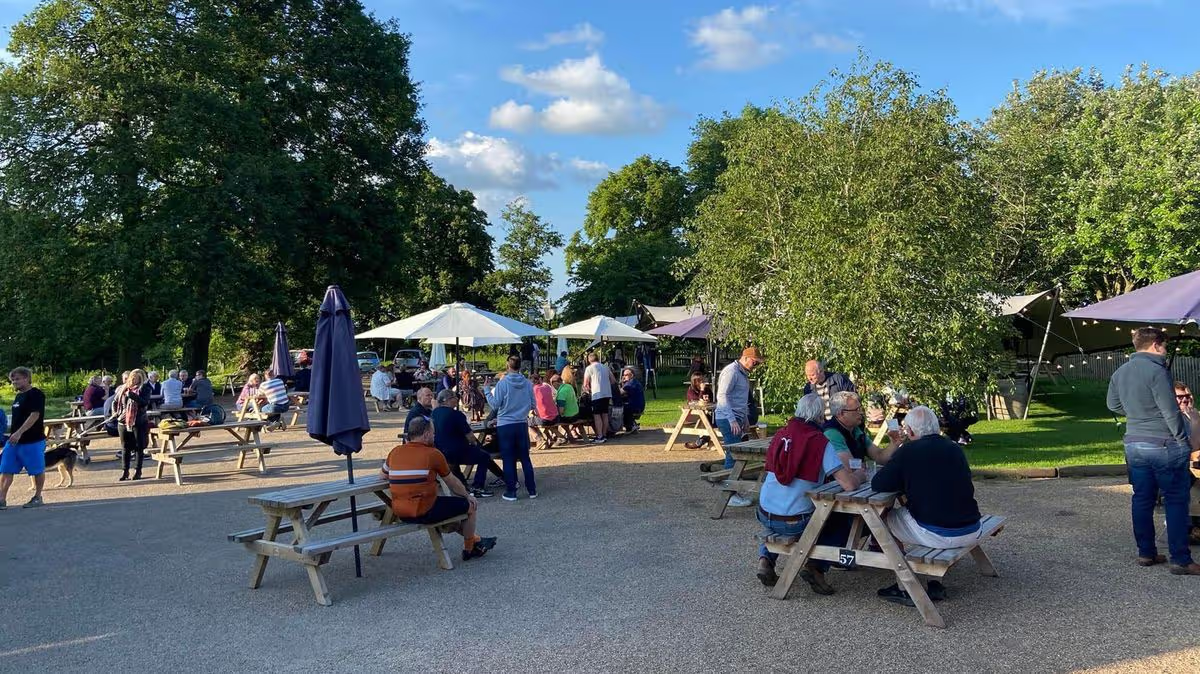
Going to the pub is a staple activity throughout the summer. It is a great way to get the whole family together to enjoy a meal alongside a few relaxing pints, while being able to soak up some sun in a pub garden.
Advertisement
However, if you want to a spend a few hours in the pub, it can be hard to finds way to keep your children entertained. To help everyone have fun while out and about, many pubs have added playgrounds and activities for kids to let off some steam.
Whether it has a huge pub garden with plenty of grass for children to run around on or an impressive playground with swings and climbing frames, there are a lot of reasons why you might love a family-friendly pub. Many pubs across Cambridgeshire will also have kid’s menus or special family deals to help you save some money throughout the summer holidays.
CambridgeshireLive wants to know what your favourite pub to visit with your kids is and where has the best playground for children to enjoy. You can nominate your favourite family-friendly spot in Cambridgeshire by using our survey below.
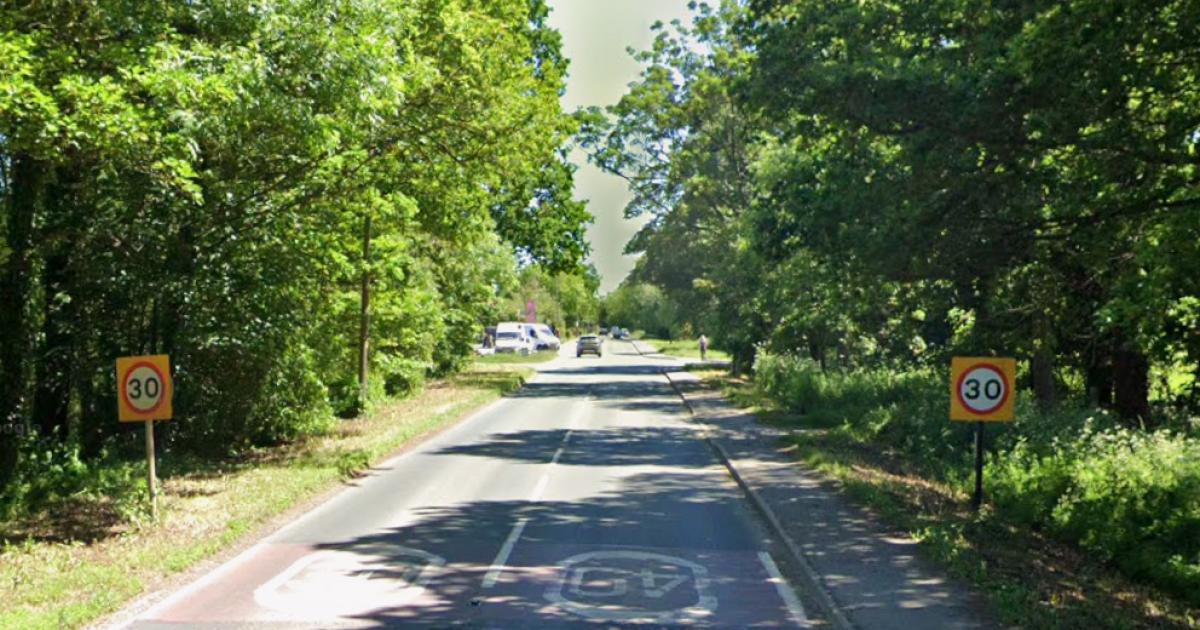
Andrew Stanley admitted breaking the 30mph speed limit in Elvington Lane, Elvington, on June 17 last year.
The 50-year-old company director who lives off Clifton Park Avenue, Rawcliffe, York, already had points on his licence so should have been disqualified for at least six months under the totting up procedure, Harrogate magistrates heard
But they decided he would suffer exceptional hardship if he were banned and decided not to disqualify him. Instead they gave him three penalty points and fined him £284.
Advertisement
The court heard that he had been a finance director for 20 years for a company that employs 70 people, and he believed that if he lost his driving licence he would be unable to do his job.
Although he mostly worked in an office, he had to travel for work purposes to construction sites.
As well as work purposes, he also needed his licence for family matters, the court heard.
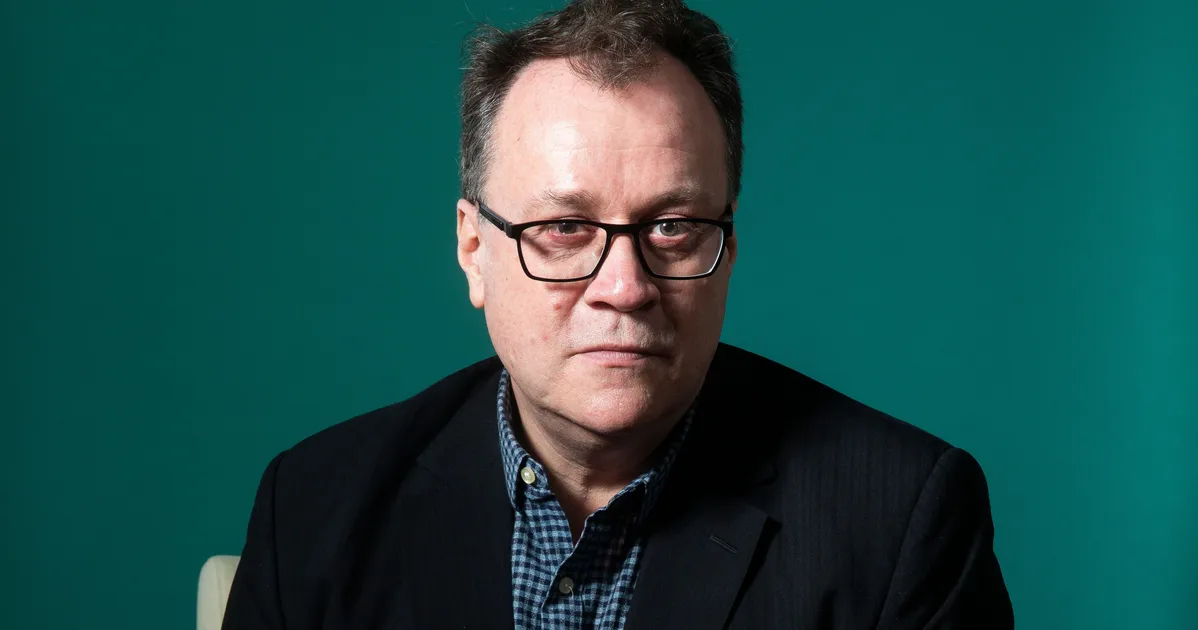
Thanks to acclaimed dramas like Cucumber, Years And Years and It’s A Sin, Bafta-winning screenwriter Russell T Davies has been responsible for some of the most heartbreaking scenes in recent TV history.
But even compared to the most jaw-dropping and breath-taking moments of his past works, his latest offering, Tip Toe, stands apart as his most unflinching work to date.
Taking an up-close look at modern life, the hard-hitting drama introduces us to two neighbours – played by Alan Cumming and David Morrissey – who have tolerated living next door to one another for more than a decade.
However, in an ever-divided society and a culture that increasingly pits people against one another, the two men find themselves suddenly at war over their deeply-held beliefs, with ugly consequences as their feud drags them both over a point of no return.
Advertisement
Speaking to HuffPost UK ahead of the show’s release, Russell told us that there were “various incidents” both in his own life, and in those of “every friend I’ve got”, that led to the inception of Tip Toe.
“Things happened both at work and at home – in ways that I’m not going to go into because it’ll only encourage them to happen again, genuinely – that made me think ‘that’s enough’,” he explains.
“If this anger, this violence and these lies are getting close to my life – I’m in a very privileged, lucky and well off position, so for those who are not so well off, then this must be really bad. These times must be getting worse and worse and worse.”
Bafta winner Russell T Davies’ new series may be his most hard-hitting to date
Fabio De Paola/Shutterstock
Advertisement
While his friends in the queer community are “feeling more and more pressure, and more and more attacks upon them” in the current climate, Russell notes that these fears are also being felt by other marginalised people.
“I have a friend who is a wheelchair user, and someone turned up at her door, rang the doorbell, and when she opened the door, there was a man saying, ‘you’re lying, you can walk, you’re claiming this on benefits’. To her face!” he recalls.
“And the fear of physical proximity was so terrifying. The anger that I always thought was online is now visibly stepping into the modern world.”
He says these feelings of fear, anxiety and division only continued to “rise up and rise up”, until he “literally felt driven to write” the script that eventually became Tip Toe.
Advertisement
“I had to,” he explains. “There was no way I was not going to write it. If they’d then refused to make it, I still would have felt happy [to have written it], because I would have got it out of my system.”
Tip Toe touches on timeless themes like family relationships, sexuality, gender expression and tolerance, but also hones in closely on more thorny topics relevant to today’s world, from misinformation and online radicalisation to the resurgence of far-right politics, the “manosphere”, transphobia and the dangers and consequences of unregulated social media.
Episode one actually starts at the end of the story, in the aftermath of an act of unspeakable violence and hatred, before rewinding to just days earlier, leaving viewers pondering how the hell things could reach that point (and, as Russell puts it, “how the hell is society reaching this point? Which we are!”).
Unlike some of his other most popular works, for Tip Toe’s writer, the show isn’t so much a cautionary tale as a reflection of Britain in 2026 as he sees it.
Advertisement
Tip Toe – starring Alan Cumming and David Morrissey – makes for tough viewing in its darker moments
“I think it’s here,” he insists. “If this was a drama about a Jew living next door to someone [targeting them because of their religion], not one person would be doubting the credibility of the story. In fact, I’d be told that I was out of date, because it’s literally already happening out there, in front of us.”
As a result, both he and Channel 4 – with whom he’s been collaborating since the 1990s – both felt it was “urgent and needed and necessary” to get Tip Toe on the air as quickly as possible.
“I love that,” he enthuses. “That’s a clarion call for me.”
Throughout his TV career, beginning with Queer As Folk through to the aforementioned Years And Years and even Doctor Who, Russell has been commenting on all aspects of society (“I’ve done an awful lot to try and stop these terrible things happening – and it just gets worse,” he observes) for a quarter-century.
Regrettably, he now believes things are in a more dire state than ever.
Advertisement
“Queer As Folk went out in 1999 when the age of consent was 18, section 28 was in place, there was no gay marriage, there was no gay adoption,” he points out. “All those things have come in within those 26 years. Those are extraordinary leaps. But those are also the very things now that are being weaponised against us.”
“All this time I thought visibility was the answer, or the cure,” he laments. “To the extent that I dragged my gayness into every interview that I’ve ever done. You could literally be asking about the weather and I’ll say, ‘yes, I’m gay… and it’s sunny’ – because I genuinely believe in [the importance of] visibility.
“[I think about] someone sitting at home, trapped in a closet. or trapped in a lonely house, or trapped in a lonely town, where they’ve never heard anyone say that before – and I will be that person to say it. And I still believe in that!”
“But now, I also have to reckon with, ‘what happens then?’,” he continues. “I never thought ahead! It’s as if I were imagining some sort of a future nirvana, which no society ever has. We’re always at war with something. And here we are at war with ourselves.
Advertisement
“So, yes, you can point to things that are demonstrably better. Yet now, they’re being weaponised to make it worse.”
Russell T Davies believes that progress made in the last 20 years for the LGBTQ+ community is now being “weaponised”
“What happens when we’ve got visibility, when we’ve got equality, when we’ve got representation?” he adds. “What happens when they see us and they still don’t like us?”
These are the same questions Alan Cumming’s Tip Toe character, Leo, is found asking himself in the drama’s first episode following when reflecting on fresh attacks on the queer community.
As the owner Leo is the owner of a popular venue in Manchester’s iconic Canal Street, Leo who has fought for LGBTQ+ equality over the decades. As he reflects on progress made for queer people, a friend reminds him that as a community figurehead, and the employer of trans bar staff, he’s still on the frontline of the culture war whether he likes it or not. As Russell quotes these character’s concerns verbatim, it’s not difficult to see similarities between Leo and Russell himself in these moments.
“Oh! The weaponisation against me online began the moment I put a trans character into Doctor Who,” he agrees.
Advertisement
After helming the hugely successful reboot of Doctor Who in the mid-2000s, he returned to the franchise in the early 2020s, and remains its showrunner.
During his tenure, he’s been repeatedly forced to defend his vision for the show against far-right critics who have argued that it’s “too woke”.
The backlash against him personally, he says, “began then, on that date” when it was first announced he’d be introducing a transgender character into the long-running series.
“And it has never stopped,” he says, before quickly clarifying: “With lunatics. And idiots. I mean, there is no measure of their lack of intelligence. But that is now crossing over into the real world. That’s the scary thing.
Advertisement
“Lunatic action is being taken. Violent thoughts are being expressed and then violent action is being taken.”
This harsh introduction to the sinister side of social media included things being “aimed at me professionally, and in my own house, that really seriously make me fear for what the situation might be in the future”.
“I had always imagined that a death threat was not deathly and not threatening,” he claims. “And now, you realise they are becoming deathly, and they are becoming threatening.
“And they’re being aimed in all directions – there are people whose views I profoundly disagree with who are also receiving death threats. It’s become part of normal language. And you have to wonder what the hell is happening to us and where are we going, with no end to this in sight.”
Advertisement
Russell T Davies poses similar questions to Alan Cumming’s Tip Toe character Leo in light of recent attacks on LGBTQ+ people
The root of it all, Russell says, began “right there”, gesturing to his phone “the moment we all went online”.
“We all love it so much that we don’t question it,” he observes. “It’s a brand new form of communication in the history of the human race. This has never happened before.
“They say when the printing press was invented there were then 200 years of war. And the printing press was a lot slower – believe you me, Bibles did not reach those villages as fast as the internet does
“Now, we’re all connected to each other all of the time, and we’re not evolved to communicate like that. It is absolutely wrong in every shape and form.”
“I know for a fact that communicating what you think in the form of writing is very, very difficult,” he says. “Now that we’re all typing, we’re all led on as though it’s easy – and it’s not.
Advertisement
“People are expressing their thoughts when they’re not always their thoughts. They haven’t worked out how to say things properly, so they say things simply, and they say things brutally. And then, because that’s said so often, they do end up thinking that. It becomes a self-fulfilling prophecy.
“We’re absolutely trapped in that loop. It’s utterly the wrong way to communicate. And now, we sit here wondering why children’s mental health is so bad. It’s completely fucking obvious.”
Indeed, as tensions continue rising in the world of Tip Toe, preventable situations are exacerbated even more by characters’ online lives, whether they’re using social media as a well-intentioned means to connect or being drawn into the dark underbelly of these platforms.
Online radicalisation is just one of the many themes examined in Russell T Davies’ new series
Addressing the fact where we now live in a world where “hatred” can be “monetised” and “rewarded” rather than “challenged”, Russell says: “If you’re a YouTube channel now, expressing this hate, you can attract adverts, and you get paid. And that makes you angrier, and express it more, and more money comes in.
“This is the revolution that’s happening. This is why everything’s going completely wrong. And we’re letting it happen! I’m describing something we all know is happening, every single day, and then we’ll go and have our tea tonight and do nothing about it.”
Advertisement
Russell is similarly critical of X, the platform once known as Twitter, which he’s not posted on since 2021, branding it a “hate site”.
He goes on to share that he’s recently run into some “very big problems” in his work at the BBC, having “refused to be part of any press release that went on Twitter”.
“I said, I’m taking my name off anything [that goes on Twitter],” he claims. “There is no way a publicly-funded corporation should be posting on a hate site. And it is a hate site now – it’s run by one man with an aim to increase hatred, and all the safeguards have been taken off, and public bodies still post on it. It should stop immediately.”
“In fact,” he offers. “We should sue those public [bodies]. We pay for the BBC – we pay for Channel 4 as well – and they’re public bodies. They should absolutely stop posting on a site that is not a public forum, but is a hate site.”
Advertisement
Last year, these questions around online radicalisation were raised with the release of another well-received drama, Netflix’s Adolescence, in which a teenage boy is sucked into the so-called “manosphere” and winds up murdering a young girl at his school.
A key difference between Adolescence and Tip Toe is that, in the latter, it’s the adult characters who find themselves being radicalised by content they’re viewing on social media.
“Go and look at the venom that was directed at Jack Thorne. He became public enemy number one,” Russell says. “Go and look at the tweets despising him, calling him a liar, calling him a fraud… all because it was a white child and not a Black child [depicted in the series].
Advertisement
“He is absolutely under attack to this day, still. [After Adolescence’s release], the bile and anger festered and [was] weaponised more than ever.”
Alan Cumming and David Morrissey on the set of the new Channel 4 drama Tip Toe
Increasingly divided though the world of Tip Toe may be, Russell was adamant when sitting down to write it that he didn’t want to portray either side of any argument as perfect. Deplorable though some characters’ actions might be, we discover they’re capable of kindness and compassion in the most surprisingly and seemingly unlikely of places.
He claims: “I think I’d be a terrible writer if I didn’t do that. I think that’s why I love writing, is exploring people like that.
“I’ve absolutely no interest in just being nice about people, because I think people are complicated and strange, and that’s why I write.”
As for what’s next, Russell admits he’s not sure how we get ourselves out of the corner we’re now backed into – or if people even want to.
Advertisement
“I don’t feel particularly optimistic,” he admits. “Great people will always do great things. That’s the story of the human race. But I think we’re now out of control in a way that we won’t even contemplate, because getting rid of your WhatsApp thread for your street, so you know what days the bins go out, is more important than children’s mental health.
“We’ve got every standard wrong, and we’re trapped. And we’re monetised to stay in this position – and you cannot vote against an algorithm and I think actually there’s no hope. That’s what I think. There is no hope.”
Prompted for a solution as to how we reverse things, he jokes: “You tell me! That’s why I wrote it. I put something like this into the world so that somebody can come up with something we can do.”
He does, however, have a warning for anyone standing by complacently as persecution against minorities in all forms continues to increase.
Advertisement
“That world out there is going to ‘other’ all of us,” he states. “It’s going to find ways to do this to every single one of us.”
This interview has been edited for clarity and length. Tip Toe premieres on Channel 4 on Sunday 31 May.
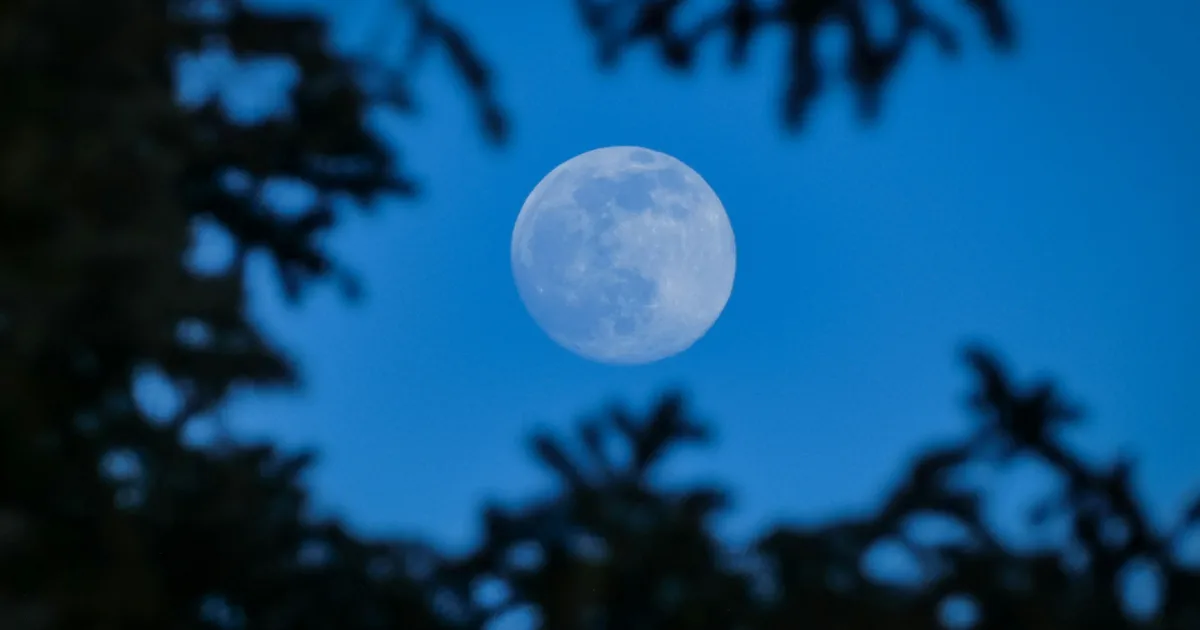
May’s “Flower Moon”, or the full moon which marked the beginning of the month, has come and gone. But its second “blue moon” is yet to come.
In a relatively uncommon cosmic event, May 2026 will be bookended by a second moon – a “monthly blue moon,” to be precise.
Here’s what that means and when to see it.
What’s a monthly blue moon?
Advertisement
There are two types of blue moons: seasonal and monthly.
The one we’ll see this May is a monthly moon. These are a little easier to understand than seasonal blue moons and, BBC Sky At Night Magazine explained, technically “astronomically incorrect”.
A monthly blue moon just means you see two full moons in the same month. That happens because while the moon takes 29.5 days to complete all of its phases, most Earth months have 30 or 31 days.
So, while our years have 365 days (except for leap years), 12 cycles of the moon take about 354 days. That’s a pretty big discrepancy.
Advertisement
As a result, every two to three years, we experience a 13th moon in the calendar year rather than a single full moon every month. This is called a “blue” moon, because unlike our regular moons, which are all called things like the “flower”, “blood”, and “wolf” moons, they aren’t named.
But this is a fairly new idea, first invented in 1946. They came about because of James Hugh Pruett, who misunderstood some dates in a farmer’s almanack.
The much older, original “blue moon” type is a seasonal blue moon, though the newer term is arguably the more common definition now.
What’s a seasonal blue moon?
Advertisement
Instead of looking at moons in an Earth month, seasonal blue moons relate to the astronomical season, which is marked by solstices and equinoxes.
The period between a solstice and an equinox is one astronomical season.
Most of the time, these only get three moons, but sometimes, because (like the Earth) the moon cycles aren’t perfectly aligned with these seasons, we get four.
A seasonal blue moon is the third moon in an astronomical season of four moons.
Advertisement
The next monthly blue moon, like the kind we’ll have on Sunday, will be on December 31, 2028.
But the next seasonal blue moon will fall on 20 May 2027.
When can I catch the May 2026 blue moon in the UK?
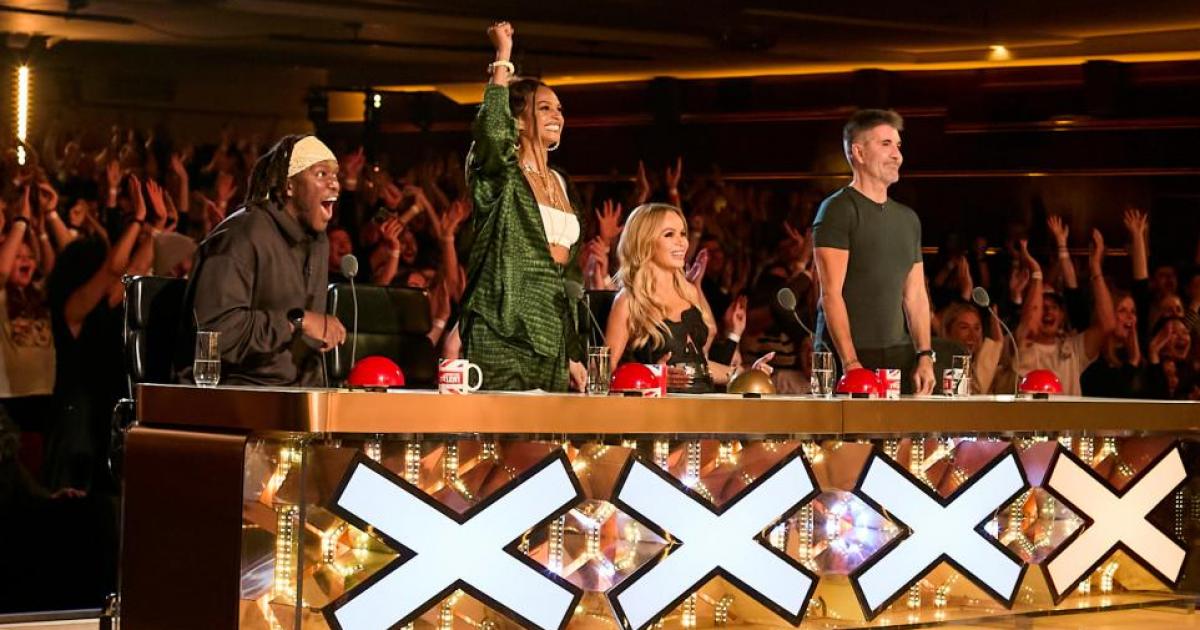
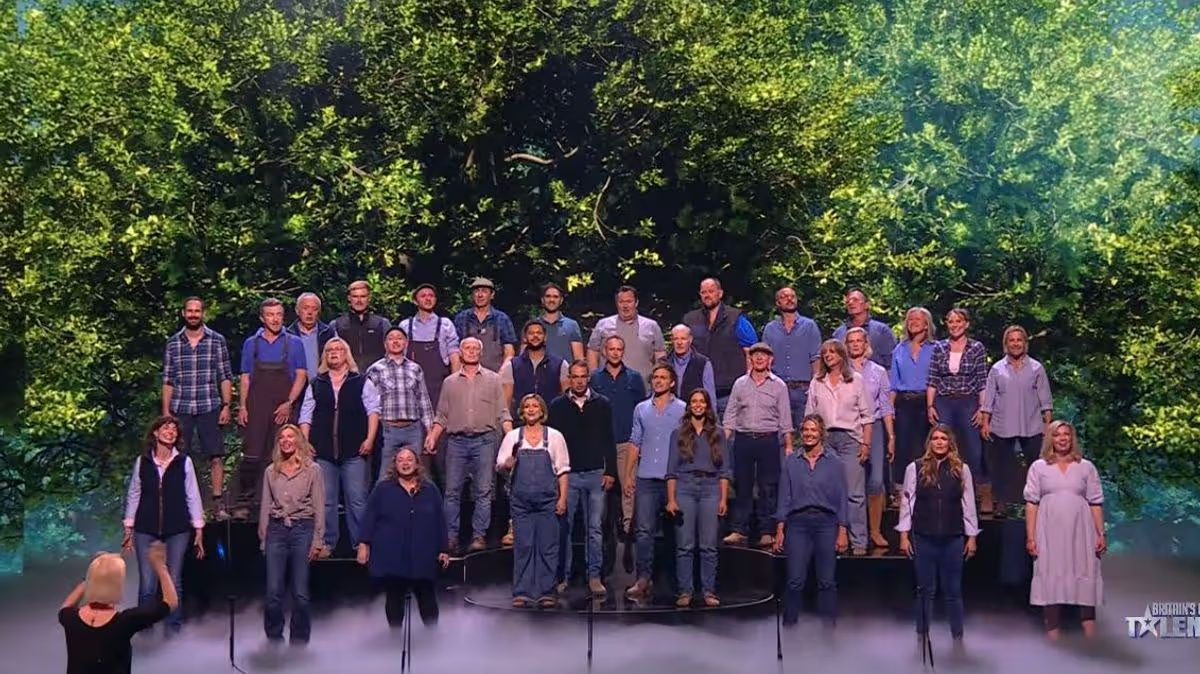
Hawkstone Farmers’ Choir was crowned the Britain’s Got Talent 2026 winner in Sunday’s live final, making history as the first choir to win the show
As Britain’s Got Talent returned tonight (May 30) for its 19th series finale, just one of the 10 remaining acts could be crowned the ultimate winner. ITV‘s beloved talent show first aired in 2007 and has since cemented itself as a fixture of British TV, attracting millions of viewers annually.
Advertisement
Over the years, the programme has produced a wealth of memorable winners, including Diversity, Ashleigh and Pudsey, Sydnie Christmas and Paul Potts, each of whom captured the nation’s hearts before going on to perform in front of the Royal Family.
This year’s winner will pocket a £250,000 cash prize and secure a coveted spot on The Royal Variety Performance later this year.
Get MEN Premium now for just £1 HERE – or get involved in our WhatsApp group by clicking HERE. And don’t miss out on our brilliant selection of newsletters HERE.
Viewers were treated to an evening packed with entertaining performances as judges Simon Cowell, Amanda Holden, Alesha Dixon and KSI took their seats on the judging panel for the final time this series.
Advertisement
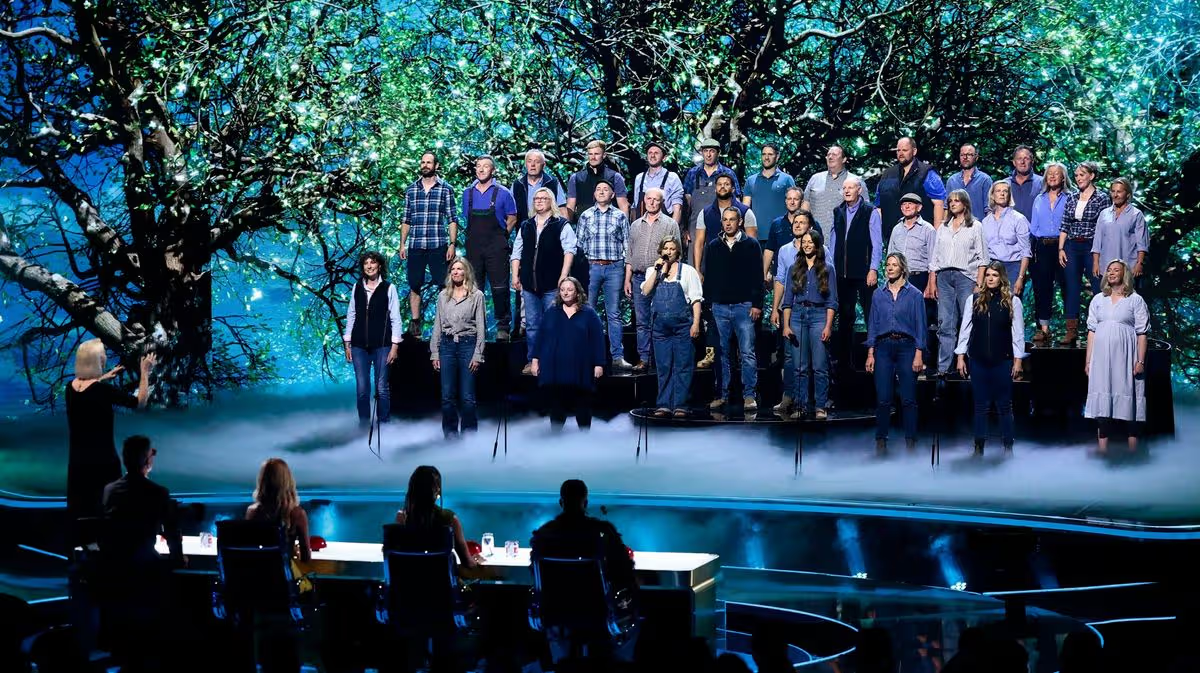
Following months of auditions, semi-finals and one million votes, the popular talent show crowned The Hawkstone Farmers’ Choir as the winner of the latest series. The singing group made history by becoming the first choir ever to win the programme.
The group comprises farmers and agricultural workers from across the United Kingdom. Originally established in 2024 with backing from television presenter and farmer Jeremy Clarkson, the choir was founded to celebrate and champion the farming community.
Viewers at home were quick to take to social media to congratulate the group, but not everybody was in agreement with the outcome.
Advertisement
Many fans flocked to X, formerly Twitter, to state that one act, singer Matty Juniosa, had been “robbed”.
@lyla_fletcher wrote: “Matty robbed #bgt,” as @DannyLeeDawber agreed: “Matty was robbed #BGT.”
@CookDan184724 shared: “Matty got robbed there but it was probably the wrong song. Still gave him fifteen votes all the same #BGT.”
@j_amyyy added: “Matty was robbed! As was the Liverpool dancers. Shocking results !! #bgt,” as @supergela echoed: “Matty J got rigged! It’s heartbreaking!.”
Visitors and performers have shared that they are ‘truly gutted’ about the closure
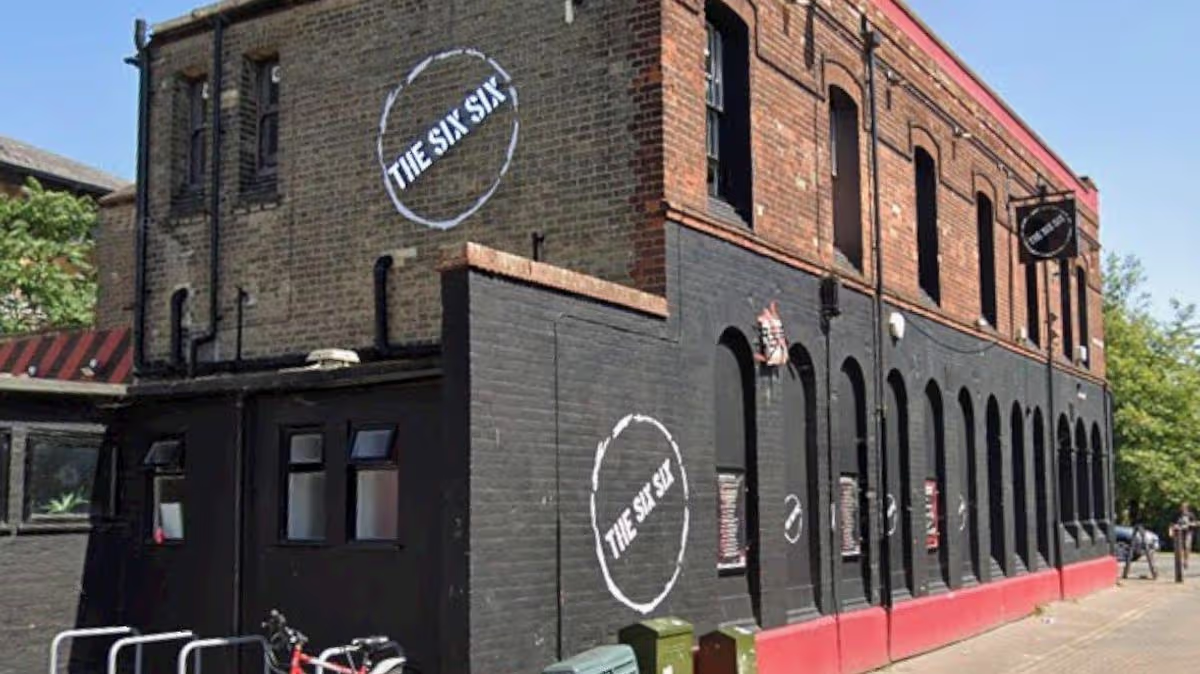
A popular city centre music venue has announced it’s upcoming closure after four years of business. The Six Six Bar in Cambridge has announced that “after an unforgettable journey” their “time has come” to “close this chapter at 170 East Road”.
Advertisement
An official date has not yet been decided for the closure but the venue said they are working closely with Music Venue Trust and Stonegate to confirm the date.
In a statement announcing the upcoming closure, the music venue wrote: “What was built here was never just a bar or a music venue. The Six Six became a home for music, for misfits, for artists finding their voice, and for a community that showed up night after night and turned four walls into something far bigger than any of us imagined. And we walk away incredibly proud of what this venue achieved.”
In just four years, the independent venue and rock bar built a reputation “far beyond Cambridge“, it said. The venue worked with artists, agents and creatives from Nashville, Los Angeles, New York, Canada, Australia, Europe and Asia.
The statement adds: “Like many independent venues, we faced relentless pressure behind the scenes. Rising operational costs. Increasing supplier prices. Energy costs. Licensing costs. A hospitality industry becoming harder and harder for independents to survive within.”
Advertisement
A realistic weekly breakeven point for The Six Six adds up to roughly £8,300–£9,300 before profit equalling to four sold out shows a week, according to the venue. They added: “We could have continued we had a large financial package ready to implement if we decided to continue.
“This is not a collapse. This is not us being forced out. This is not the story some people hoped it would become. This is a conscious decision to evolve, move forward and build something new and exciting from everything we’ve learned and experienced over the last four years.”
The owner of the venue, Adam, said that the team are already exploring future events, touring concepts, collaborations and new projects. He said: “This isn’t the end of the story. It’s the end of one chapter in Cambridge.”
Adam feels as though what is “forcing” venues like theirs into “impossible positions” is the “wider economic climate in the UK”. He added: “The cost of operating independent venues has become unsustainable.”
Advertisement
Since announcing the closure on Wednesday, May 27 on social media, the post has received more than 70 comments in response. One person wrote: “Sad to see such an amazing venue go, after all that you put into it. Excited to see where your next venture takes you.”
Another commented: “Truly gutted to read this post, The Six Six has been an amazing venue to perform at, each and every time.”
Since the announcement, the team at the venue have launched a Go Fund Me to keep the establishment going for longer. The Six Six said that the fundraiser is “not about begging for sympathy” but giving them the “chance to exit properly, responsibly and with dignity while buying a little more time to continue doing what [they] love for as long as possible”.
The venue was formally known as The Boat Race, which saw a number of well-known acts perform there. Among them were Snow Patrol, Placebo and one of its most famous acts, who performed there in the 1990s, were Britpop legends, Oasis.
Advertisement
A spokesperson for Music Venue Trust said they are “saddened by the loss of another beloved grassroots venue”. The spokesperson added: “For four years, and in the face of significant pressures faced across the sector, the team behind Six Six have been dedicated to supporting grassroots music in Cambridge. The venue has platformed local, national and internationally touring artists alike, while providing a space for a community to thrive around the music.“MVT supports the Six Six team’s decision to step away from the venue in the interests of their wellbeing. Running a grassroots music venue is a job which demands a great deal from operators. We wish Adam and his staff all the best for the future and hope they enjoy their well-earned break.”
“Our schools do an excellent job in educating children on personal safety and I know the community will work together to ensure this message is reinforced”
An investigation has been launched following reports of suspicious approaches towards two children in a Co Down town.
Advertisement
Police are investigating the incidents which took place in the Spa Road area of Ballynahinch on Thursday, May 28, when an “unknown individual” approached two schoolchildren and offered to give them lifts home.
The reports have caused concern in the area with local DUP councillor Alan Lewis calling for increased police patrols and greater community awareness.
Councillor Lewis said: “Thankfully the children involved did exactly the right thing. They continued on their journey, did not engage and immediately made adults aware of what had happened.
“While there is no cause for alarm, incidents of this nature are understandably concerning for parents and the wider community. It is important that they are treated seriously and that appropriate steps are taken to provide reassurance.”
Advertisement
He said: “I will be engaging directly with PSNI and other relevant agencies to ensure every possible step is taken to reassure families. I would encourage parents to take the opportunity to speak with their children about road safety, stranger awareness and the importance of reporting any incident that makes them feel uncomfortable.
“Our schools do an excellent job in educating children on personal safety and I know the community will work together to ensure this message is reinforced.”
A PSNI spokesperson told Belfast Live: “Police received a report of a suspected suspicious approach towards two children in the Spa Road area of Ballynahinch on Thursday afternoon, 28th May.
“Enquiries are ongoing. Anyone with information, or who witnessed what happened, is asked to contact police on 101, quoting reference number 1420 28/05/26.”
10 acts battled it out for a place in the Royal Variety Show in the Britain’s Got Talent live final tonight.
A choir established by Jeremy Clarkson has been voted as the winner of this year’s Britain’s Got Talent final. Hawkstone Farmers Choir made history as the first choir to win the 19th edition of the talent competition.
Advertisement
They group wowed judges Simon Cowell, Amanda Holden, Alesha Dixon and KSI to reach the live semi-finals before winning over the voting public to be crowned champions and earn a spot at the Royal Variety Performance.
Clarkson, dubbed their “biggest cheerleader”, erupted into cheers when the choir won along with several members of the group.
Drone precision group Celestial finished as runner-up while dog act Anastasia Beaumont and Salsa were third following an enthralling final.
Advertisement
However, not everyone seemed happy with the result. Though the choir’s win was met with cheers, the audience booed when dance group LMA and singer Matty Juniosa failed to crack the top three, reports the Mirror.
One BGT fan has slammed the show as “brutal” after they notice a hidden detail in the music choices.
Ed Sheeran‘s single Celestial began to play after Hawkstone Farmers Choir were announced as the winners.
The fan said: “Celestial losing the BGT final then Celestial by Ed Sheeran playing in the background is brutal.”
Advertisement
A special guest performance from girl group Mis-Teeq featured in the final before the results were announced. The group has recently reunited after a 21-year hiatus.
Judge Alesha was joined by bandmates Sabrina Washington and Su-Elise Nash
Alesha, Sabrina and Su-Elise have reunited on the BGT stage for a performance to celebrate the 25th anniversary of their first studio album.
Advertisement
The three started on a raised platform in red and black outfits. They performed a medley of songs – One Night Stand, Scandalous and All I Want – as they danced around the stage.
At the end of the performance, Alesha said that the trio would be performing a show in September at Wembley.
Get more Daily Record exclusives by signing up for free to Google’s preferred sources. Click HERE.
































You must be logged in to post a comment Login