

Crypto World
Real Finance, Anchorage Digital partner to expand RWA infrastructure



- Real Finance and Anchorage Digital form RWA infrastructure pact.
- Partnership combines tokenization, custody, and settlement tools.
- Firms target institutional adoption of on-chain capital markets.
Real Finance and Anchorage Digital have entered into a strategic partnership aimed at supporting the full lifecycle of tokenized assets, as institutional interest in real-world asset (RWA) tokenization continues to grow.
The collaboration combines Real Finance’s blockchain-based tokenization infrastructure with Anchorage Digital’s regulated custody, treasury management, settlement, and institutional security capabilities.
The companies said the partnership is designed to address key operational challenges that have slowed broader institutional adoption of tokenized financial products.
Under the agreement, the two firms will work together across asset issuance, custody, settlement, servicing, and secondary market liquidity.
The initiative is intended to provide a more integrated framework for institutions looking to participate in on-chain capital markets.
Focus on custody and tokenization infrastructure
Real Finance operates an Ethereum Virtual Machine (EVM)-compatible Layer 1 blockchain developed specifically for real-world asset tokenization.
Anchorage Digital, meanwhile, is the parent company of the first federally chartered crypto bank in the United States and serves as a qualified institutional custodian.
As part of the partnership, Anchorage Digital will provide regulated custody and treasury infrastructure for the Real Finance ecosystem and its native ASSET token.
The companies also said Anchorage Digital will act as a foundational custody layer for tokenized financial instruments launched on the Real Finance blockchain.
The arrangement is intended to support broader institutional participation by offering regulated custody services alongside tokenized asset issuance.
In addition, both firms will support each other’s institutional client pipelines.
Real Finance expects to generate additional demand for custody services through asset issuers and onboarding initiatives, while Anchorage Digital plans to connect institutional clients with tokenization and blockchain infrastructure solutions built on Real Finance.
Companies target institutional adoption
Executives from both companies said the partnership is focused on building the infrastructure required for institutional-scale adoption of tokenized assets.
Ivo Grigorov, CEO of Real Finance, said:
“Real Finance and Anchorage Digital are collaboratively building the institutional infrastructure for the next generation of tokenized financial markets. Tokenization alone is not enough. Institutions need trusted, regulated layers that integrate custody, servicing, settlement, and lifecycle management. Together we are moving the industry from experimentation toward functional on-chain capital markets and delivering the unified experience institutions demand.”
Nathan McCauley, Co-Founder and CEO, Anchorage Digital, added:
“RWAs are one of the clearest examples of how blockchain can modernize capital markets, but institutions need more than tokenization rails alone. They need regulated, secure infrastructure that can support custody, settlement, and lifecycle connectivity at scale. Our partnership with Real Finance brings together the core building blocks institutions need to move from isolated pilots to real onchain capital markets.”
Addressing fragmentation in tokenized markets
The companies said the tokenized asset ecosystem remains fragmented across issuance, custody, compliance, settlement, servicing, and liquidity infrastructure.
According to the firms, institutions frequently cite operational trust concerns and disconnected counterparties as obstacles to wider adoption.
The partnership is intended to create a more connected framework by combining blockchain infrastructure, regulated custody, treasury management, settlement capabilities, and tokenization tools.
Real Finance and Anchorage Digital said the framework could support a range of tokenized asset classes, including private credit, investment funds, real estate, structured products, and bank-integrated financial instruments.
The announcement comes as financial institutions continue exploring tokenized assets as a way to modernize capital markets infrastructure and expand access to blockchain-based financial services.
By integrating custody, settlement, and tokenization capabilities within a single ecosystem, the two companies aim to address some of the operational challenges that have limited the growth of institutional on-chain markets.


[PRESS RELEASE – Tel Aviv, Israel, June 3rd, 2026]
The market moves, $GCOIN leads. Today, $GCOIN officially lists on leading global exchange WEEX – marking the powerful start of five major exchange listings scheduled for this June alone. This coordinated global expansion is engineered to significantly expand accessibility , lower entry barriers for retail users, and scale the token’s footprint across key international markets. Behind this massive rollout is a single, undeniable reality: a token backed by real infrastructure, real utility, and an economy that never sleeps.
An Economy That Never Sleeps
$GCOIN is the core utility layer of the Playnance ecosystem – a unified, 24/7 on-chain iGaming economy processing approximately 1 million transactions daily. Every bet, every game, every partner platform, every payout flows through $GCOIN – across casino games, sports and esports betting, live trading, prediction markets, and jackpots. All verticals, all on-chain, all powered by one utility token- $GCOIN. As the ecosystem expands, $GCOIN continues to be used through staking, rewards, platform operations, and participation across every vertical. This is not a single-use asset, this is the engine of an entire digital economy.
Be The Boss: The Growth Engine Powering It All
At the heart of $GCOIN’s growing demand is Be The Boss – Playnance’s AI-powered Web3 iGaming protocol that has redefined what it means to be an operator. Anyone, including entrepreneurs, influencers, or streamers can launch a fully branded Web3 iGaming platform in under 5 minutes. AI technology handles the creation and backend operations automatically – partners focus entirely on growth, community, and traffic.
The results speak for themselves: 3,300+ active bosses operating globally, 500+ new platforms launching every week, and over $2.4M paid out to partners – with more than $700K distributed directly in $GCOIN. Each boss is an ambassador. Each platform is a distribution channel, each new operator expands the reach and utility of $GCOIN across every corner of the world.
Token Strength Built on Fundamentals
$GCOIN currently has a market capitalization of approximately $49.6M with five exchange listings still ahead this month. With over 1.26B $GCOIN staked across four staking pools, and a 164M token reward treasury, the staking ecosystem alone reflects deep, long-term conviction from the community.
$GCOIN is already live and actively traded on MEXC and a DEX within the Playnance ecosystem- with real volume, real users, and real ecosystem activity behind it. Today’s listing on WEEX marks the beginning of an aggressive June expansion, as five major exchange listings roll out to scale global accessibility and cement $GCOIN’s position as the leading utility token of the on-chain iGaming industry.
Coming soon: Vertical Staking Pools – a major evolution that will allow $GCOIN holders to stake directly into the specific verticals they believe in most, whether Casino, Sports, Prediction, or Trading – with rewards tied directly to each vertical’s activity.
Infrastructure That Sets the Standard
Built on a proprietary high-performance blockchain – gasless, instant, and fully scalable – the infrastructure delivers real-time settlements, instant on-chain payouts, and non-custodial shared wallet architecture that other platforms simply cannot replicate. It processes over 10,000 casino games, 2.5M live sports and esports events annually, and a growing suite of live products including live casino, live trading, and prediction markets.
”$GCOIN keeps rising because it was built right,” said Pini Peter, CEO of Playnance. “We built a protocol where every single interaction – every game, every platform, every partner – creates genuine utility for the token. The global iGaming industry is moving on-chain, and Playnance is not waiting for that future – we are building it. WEEX is one more milestone in a journey that is just getting started.”
About Playnance
Founded in 2020, Playnance is a Web3 iGaming infrastructure company developing live, non-custodial, on-chain products designed to onboard mainstream Web2 users into blockchain environments. The company builds consumer-facing platforms powered by shared wallet systems and high-volume on-chain execution, currently processing approximately 2 million transactions per day. Playnance focuses on removing friction between user experience and blockchain infrastructure by abstracting complexity while maintaining full on-chain transparency and non-custodial architecture.
The post $GCOIN Lists on WEEX: Five Exchanges This June as Real Utility Drives Global Expansion appeared first on CryptoPotato.


STRC, a dividend-paying preferred stock that Strategy (formerly MicroStrategy) founder Michael Saylor has outrageously promoted as a competitor to high-yield bank accounts, traded 5.3% below its par value at one point today.
Multiple crypto derivatives of STRC are mirroring the crash.
No US bank account or money market is allowed to lose money like that, and such customers would enjoy FDIC and SIPC protection against loss, anyway.
Unfortunately, STRC has no insurance. Nor does Strategy guarantee its price or dividends. As of writing time, STRC and its unauthorised crypto proxies remain about 4% below their formerly stable trading range.
Despite its incredible risks, STRC has grown to a market capitalisation of $10 billion, more than triple its size at the start of the year.
It grew for one reason. Backed by a company holding tens of billions of dollars worth of bitcoin (BTC), STRC pays an annualized dividend rate of 11.5% — far higher than traditional USD savings products.
Its promoters, like Saylor, CEO Phong Le, and a legion of others online, repeatedly insinuated that Strategy would pay dividends while STRC traded near $100, its quasi-peg that has nonetheless repeatedly failed to hold — including another panic this week.
Although Strategy will pay a monthly dividend of 0.96% on the full $100 par value of STRC this month, its stock price has already lost 3.8% of its value this month as of writing time, including a momentary loss of -5.3% intraday.
Read more: STRC controversy goes mainstream
STRC-backed stablecoins de-peg
As STRC has grown in size and popularity, crypto proxies proliferated for DeFi traders to buy, sell, leverage, loop, and borrow STRC-like products outside of the Nasdaq stock exchange.
Today, protocols like Apyx and Saturn offer derivatives partially backed by STRC. Enjoying demand for STRC’s generous dividends and supposed stability in a crypto-native wrapper, these protocols created stablecoins like apxUSD and Saturn sUSDat that traded near $1 with alluring stability for months.
This week, they’re mirroring the crash in STRC. Saturn sUSDat, with a market cap near $100 million, is trading 3.7% lower this week. Apxy’s stablecoin partially backed by STRC, apxUSD, has lost 4.1% of its value this week.
The collapse has Saylor to blame, as well as another factor beyond his control. First, Saylor decided this week to renege on years of promises to never sell BTC, the asset that underpins his entire strategy, including STRC, by having Strategy voluntarily sell BTC for the first time since 2022.
Second, within 24 hours after the relatively small sale, BTC plunged 4.4%. Worse, it kept crashing. Over the past week, BTC has crashed 12%, and Strategy’s common stock is down 15%.
Saylor spent three years insisting that nobody should sell BTC, including himself, but even he probably couldn’t have predicted that reversing his stance would precede such an immediately devastating crash.
STRC crashes alongside Strategy and its BTC
Despite ads that liken STRC and its DeFi proxies to a low-volatility savings product with above-average yield, its quick decline this week demonstrates its broadly misunderstood risks.
Following the wider downward trend in crypto, STRC isn’t only dragging confidence in Strategy with it, but also a small cluster of crypto tokens.
Wrapping a wobbling dividend and a volatile stock inside a synthetic stablecoin was a clever idea, but it only proves that stablecoins are, despite their namesake, often unstable.
Between May 26 and May 31, Strategy sold 32 BTC for roughly $2.5 million. It was the company’s first sale since December 2022, and the first net reduction in a stash that it had built to over 843,700 coins.
In its securities filing, the company noted that “proceeds from the BTC sales are expected to be used to fund distributions on preferred stock.”
On Strategy’s Q1 earnings call last month, Saylor said the company would “probably sell some BTC to fund a dividend just to inoculate the market.”
STRC launched in July 2025 paying 9%. Strategy has since raised the rate seven times, to 11.50%. The high payouts exist because the stock keeps slipping below the $100 share price Strategy promises to defend.
During STRC’s worst trading day in November 2025, shares hit $90.52.
Got a tip? Send us an email securely via Protos Leaks. For more informed news and investigations, follow us on X, Bluesky, and Google News, or subscribe to our YouTube channel.

Bitwise Chief Investment Officer Matt Hougan said the “brutal” cryptocurrency market is no longer the “belle of the ball,” as digital assets are increasingly becoming a contrarian investment.
In his latest memo, Hougan flagged three factors influencing the market, beginning with crypto’s struggle to attract investor enthusiasm as prices remain under pressure and momentum fades.
On Contrarian Bet and Clarity
Bitcoin is down 24% this year, while Ethereum has fallen 36%, Solana 40%, and XRP 32%. At the same time, exchange-traded funds have recorded outflows and spot trading volumes have dropped to their lowest levels in years. Hougan attributed part of the weakness to investors’ growing preference for artificial intelligence-related opportunities, including AI stocks, robotics companies, and private firms such as SpaceX, while noting that the Nasdaq-100 has gained 43% year-over-year.
According to the Bitwise exec, the dominance of the AI trade has forced crypto to evolve from a momentum investment fueled by excitement into a “contrarian” bet that requires patience, a long-term perspective, and a focus on fundamentals. He said this pivot helps explain why investors are paying greater attention to revenues and favoring projects with clear fundamentals, such as Hyperliquid.
Hougan said that crypto is not disappearing but is changing the types of investors and projects it rewards. The second factor weighing on the market, he said, is uncertainty surrounding the Clarity Act, a proposed market structure bill designed to establish a comprehensive regulatory framework for cryptocurrencies in the United States. Although the legislation recently cleared a hurdle in the Senate, the Bitwise exec noted that prediction market Polymarket currently assigns only a 55% probability that it will be approved before year-end.
The D.C. insiders he recently spoke to estimated the chances of passage between 5% and 30%. Hougan said this ambiguity is discouraging institutional investors, who can either allocate capital to rapidly rising AI-related assets or invest in crypto while facing the possibility of a major regulatory setback. He even argued that large-cap crypto assets are unlikely to experience a sustainable rally until this uncertainty is resolved, and added that the resolution itself is more important than the outcome because crypto can adapt whether the legislation passes or fails but struggles to thrive while uncertainty continues.
Crypto Winter Nearing an End?
Zooming out, Hougan also observed that the current downturn differs from previous crypto bear markets. Rather than rotating into Bitcoin, investors are moving toward smaller, less established cryptocurrencies with “credible fundamentals.” He pointed to one-month gains of 73% for Hyperliquid, 50% for Zcash, and 44% for Stellar, despite declines in larger assets.
Hougan said this rotation demonstrates that fundamentals are becoming more important as crypto moves away from momentum-driven trading and suggested that it may indicate that the market is “closer to the end of this winter than the beginning,” while acknowledging that the coming weeks could remain “painful.”
However, not all analysts share Hougan’s view. Analyst Doctor Profit has repeatedly warned that the worst could still lie ahead. He expects Bitcoin to enter a capitulation phase below $60,000 and ultimately bottom in the $40,000-$50,000 range between September and October 2026.
CryptoQuant CEO Ki Young Ju, on the other hand, cautioned that the current bear market could extend into early 2027.
The post Crypto Is No Longer the ‘Belle of the Ball,’ Warns Bitwise’s Matt Hougan appeared first on CryptoPotato.

Meta has come up with an artificial intelligence business agent that helps companies deal with customers on WhatsApp, Messenger and Instagram. They made this announcement at the Meta Conversations event in London. This is a step for Meta into the artificial intelligence market for businesses.
The Meta Business Agent is a tool that does more than just answer questions like a robot. It lets businesses do things like book appointments, answer customer questions, make sales and take payments within a conversation. Meta says this system will help companies streamline tasks and provide better service to their customers. The Meta Business Agent is primarily about making things easier for companies and their customers on WhatsApp, Messenger and Instagram.
From Customer Support to Full Business Operations
Meta says that more than one million businesses have used its AI customer service tools on WhatsApp and Messenger. Now Meta has a version of these tools that can do more than answer questions.
The AI tool can help businesses find people who want to buy, suggest products to customers, set up meetings and help complete purchases. Meta is also testing features that help business owners see what people are talking about in chats, understand customers better and figure out how to run their businesses. Someday Meta may add tools to help businesses learn more about the market and integrate with business software.
WhatsApp Becomes a Bigger Revenue Driver
This development shows that Meta wants to make money from WhatsApp. WhatsApp has not generated as much revenue as Facebook and Instagram, but more businesses—especially medium-sized companies around the world—are using it to talk to customers.
Meta plans to make this AI tool available to businesses. At first it will be free; later, businesses will likely pay to use it. Meta is working with companies like Shopify and Zendesk to help businesses use the AI tool with the software they already use. Meta’s AI tool will gain capabilities through these integrations.
Growing Competition in Enterprise AI
Meta is now competing with companies like OpenAI, Google and Anthropic, all of which are building AI tools for businesses. Meta believes it has an advantage because of its large user bases on WhatsApp, Instagram and Facebook, which could help attract companies that want to use AI to engage customers.
Conclusion
Meta’s new artificial intelligence tool for businesses aims to make WhatsApp more than a messaging app and turn it into a platform for customer support, sales, bookings and payments in one place. Meta wants to be a player in the enterprise AI market, and many businesses are likely to try the tool.
However, concerns remain about AI security, privacy and reliability. These issues will need to be addressed as businesses increasingly adopt automated AI tools.
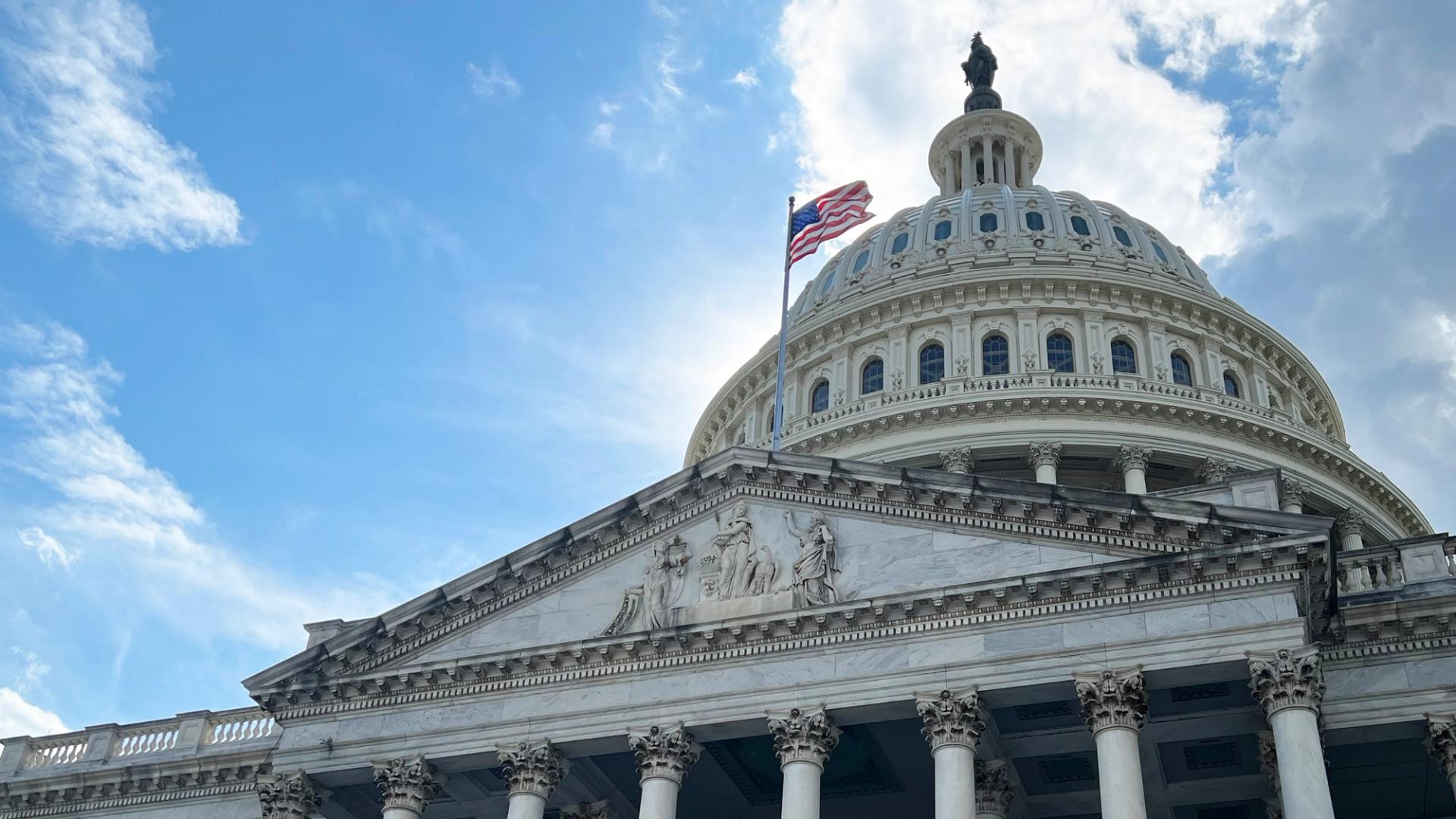
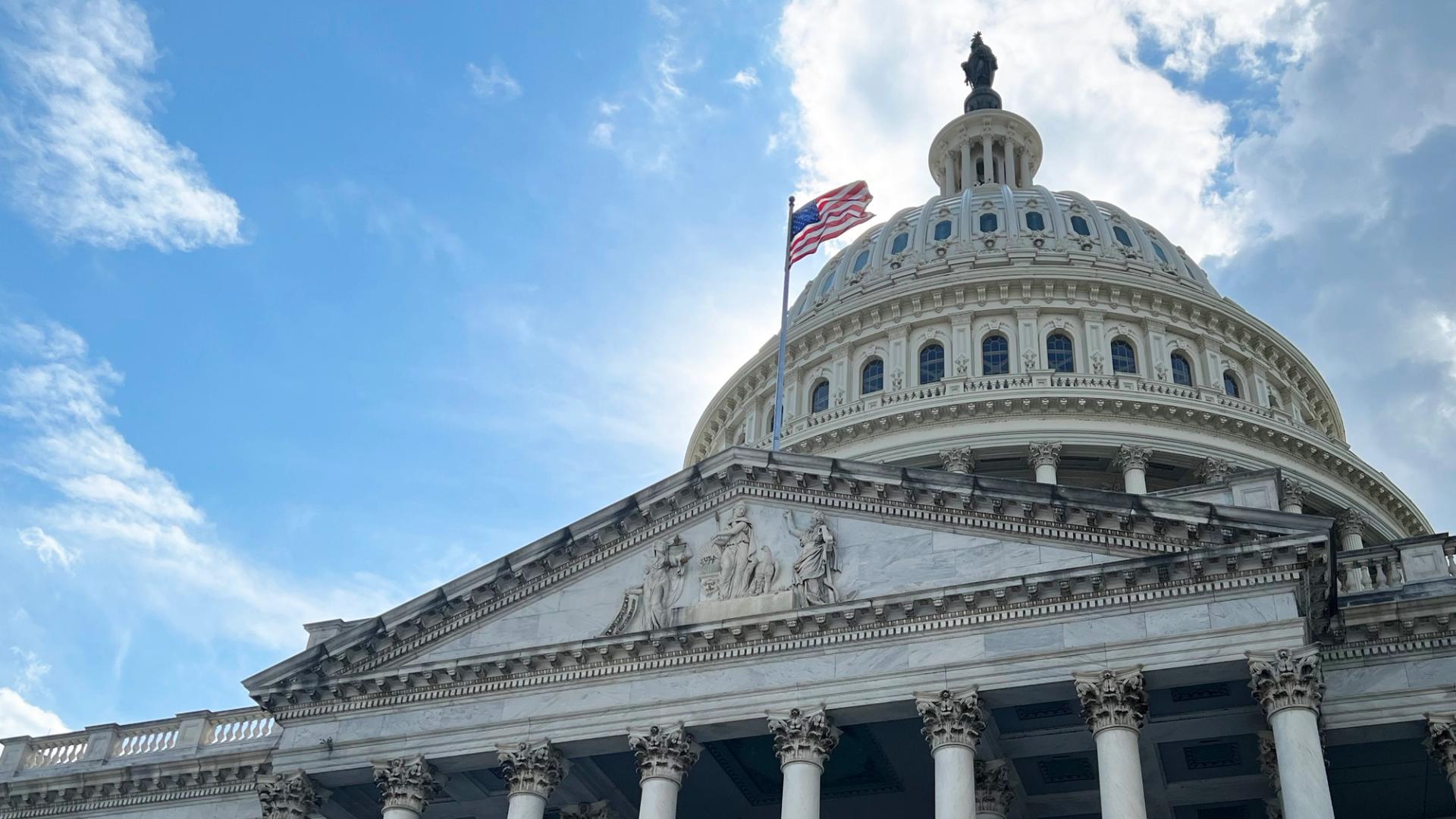
At some point, the progress of the crypto sector’s top policy priority — the Digital Asset Market Clarity Act — becomes an insurmountable math problem, with not enough time left in the U.S. Senate’s work calendar to allow for passage. But the bill has now been formally offered for the Senate calendar, and the industry’s lobbyists are still shooting for a last-moment win.
There are about eight weeks of floor time available in the Senate before the lawmakers scatter for the summer break and the political demands of the midterm congressional elections. And as the election season grows more urgent, the appetite for legislative cooperation could also take a hit.
In that brief work window in Congress’ upper chamber, the Clarity Act would need to go through several procedural steps that can only begin once the market structure bill is finalized — a goal that still requires some big-ticket disputes to get ironed out between the political parties and the White House.
The Clarity Act would establish a tailored regulatory regime for crypto in the U.S. — an idea that carries significant bipartisan support. But even if the bill were ready for action, a significant array of Senate business items are competing for time and attention. And some of them haven’t been going very well.
A deadline is looming this month for extending the Foreign Intelligence Surveillance Act (FISA), and getting a long-term deal on U.S. spy powers has been a challenge, including over the insertion of a ban on central bank digital currencies (CBDCs). Senate leadership had warned that the CBDC component could kill the effort in that chamber, and an impasse had set in between the House of Representatives and Senate that’s still being resolved, but the latest version of the bill reportedly includes a temporary ban that ends in three years.
Even more fireworks, though, had erupted from the process to approve an immigration-enforcement funding bill. The spending plan was derailed by an internal outcry from Republicans opposing President Donald Trump’s $1.8 billion Department of Justice “anti-weaponization” fund to compensate allies. A court ordered the plan halted during the dispute over its legality, and Acting Attorney General Todd Blanche reportedly gave in to the pressure on Tuesday to assure lawmakers that the idea is dead, which is expected to re-open the path for the immigration bill.
Must-pass bills
Those two bills — FISA and immigration — must pass in order for aspects of the federal government to continue functioning, giving them priority over other work. Crypto lobbyists are expressing quiet confidence that they’ll be resolved soon.
But once they’re approved, that doesn’t necessarily mean smooth sailing for the crypto bill, which was formally forwarded to the Senate calendar this week.
Adding some potential drama has been President Trump’s insistence that one of the legislative efforts — FISA or a bill overhauling U.S. housing regulations — be saddled with his effort to impose voter identification and proof of citizenship at the polls before the congressional midterm elections, which he has said will lead to his impeachment if Democrats win. Adding that controversial bill atop another would sharply decrease the odds of its host bill’s passage, but Trump has previously threatened to halt congressional progress on other matters if lawmakers don’t make it happen.
That housing bill he’s looking at may be among the Clarity Act’s big competitors for floor time. The bipartisan legislation to encourage U.S. home building (while also restricting certain institutional investors) has been lobbed back and forth by the House and Senate, but leaders in the two chambers are reportedly working on a version that will satisfy both. Even if it all goes well, the Senate calendar is a zero-sum proposition at this stage, meaning every hour devoted to anything that isn’t Clarity reduces the odds for the chamber having enough bandwidth for the bill.
The Senate is also wrestling with a debate over a war-powers resolution aimed at halting U.S. military action in Iran. And the coming days are also expected to see action on the legislation known as the farm bill that may get a hearing in the Senate Agriculture Committee that’s also supposed to be working on a final version of the Clarity Act, plus potential movement on the National Defense Authorization Act for next year.
Summer plans
Though White House officials had expressed an Independence Day goal for the Clarity Act to clear Congress at the start of next month, various lawmakers have suggested end-of-July timing or even early August — the final week before the start of the long congressional break.
“Under my Leadership, we will codify a FUTURE-PROOF Digital Asset Market Structure that cannot be undone by the Crypto Haters,” the president wrote in a recent post on his social-media site. “The new Frontier of Finance is being Built in America, and ‘TRUMP’ will NEVER let Crypto down!”
His codifying promise may be dependent on what Trump is willing to allow into the Clarity Act involving an ethics provision aimed straight at him: banning government officials from personal stakes in the crypto industry. A bill without such limits is widely considered to be a dealbreaker for Senate Democrats, but crypto insiders are suggesting that a runway period has been raised that may not force Trump to divest from his own interests.
The Clarity Act recently cleared the Senate Banking Committee in a narrow bipartisan vote that drew loud fanfare from the industry. But a party-line approval of a parallel version in the Senate Agriculture Committee is now being litigated on certain points to bring that committee’s Democrats on board, including the potential requirement that the Commodity Futures Trading Commission — a leading regulator of crypto activity — get nominations from the White House to fill all four of its commissioner vacancies (two Republicans and two Democrats).
Ongoing fights
Lobbyists from the banking industry are also expected to keep hammering away at the bill, which includes a section on stablecoin yield that bankers see as a threat to their deposit base. And the decentralized finance (DeFi) interests are still trying to acquire more legal shielding for developers who don’t want to be punished for illicit usage of their work.
So the bill isn’t done, and crypto advocates in Washington say it hasn’t leapt into June with a particularly quick start. Once the legislation is finished, including combining the versions from the banking and agriculture panels and adding an ethics provision, Senate leadership would need to set up some floor time — potentially a full week (one of the precious eight remaining before the August recess).
If not by then, there’s another smidge of time in September, and then comes the biggest wild card of the congressional calendar: the so-called “lame duck” session in which the members of this Congress will keep working for about four weeks after the elections have effectively fired some of the lawmakers and others are retiring. Desperate deals have been made for significant legislation during those sessions, but the odds are long.
Senator Cynthia Lummis, who chairs the digital assets subcommittee on the Senate banking panel, has been posting a steady stream of encouragement for pushing the Clarity Act.
“We are closer to a functioning digital asset market structure than we have ever been,” Lummis posted Tuesday on social media site X. “Now is not the time to flinch.”
Read More: Clarity Act clears U.S. Senate committee, on its way to a final test in Congress


IREN (IREN) shares rose more than 4% in pre-market trading on Wednesday after the company announced plans for an 800-megawatt data center campus in South Australia, marking its first major Australian data center project.
The agreement secures a high-voltage grid connection capable of supporting up to 800MW of power for the campus without requiring major network upgrades.
IREN said the project remains on track for initial energization beginning in 2028, subject to regulatory approvals and other conditions. The site will also benefit from submarine fiber connectivity linking it to key Asia-Pacific markets, including Singapore, Indonesia, South Korea and Japan.
Management highlighted strong regional demand for AI infrastructure, noting a widening gap between projected computing needs and available capacity across Asia-Pacific. South Australia’s push toward 100% net renewable energy by 2027 was also cited as a key competitive advantage for the development.
Co-Founder and Co-CEO Daniel Roberts said the project combines access to abundant renewable energy, international connectivity and a supportive policy environment. The campus is expected to create more than 500 construction jobs and over 200 permanent skilled positions once operational.
Recently, Daniel Roberts said the company’s long-term AI strategy is built on owning power, land and data centers.
Crypto World
Kraken parent plans to offer tokenized IPO access as investors await SpaceX, Anthropic debut
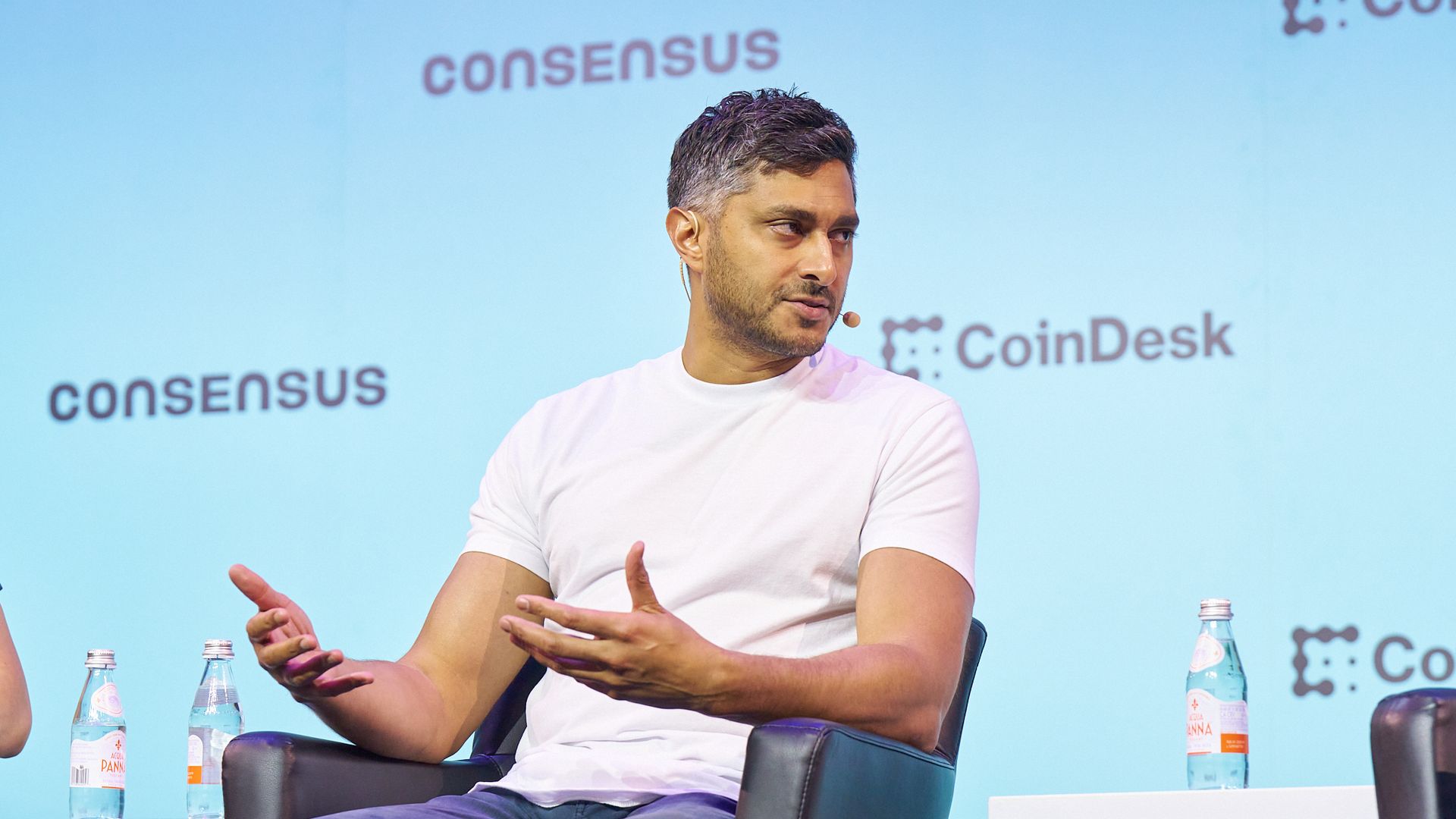
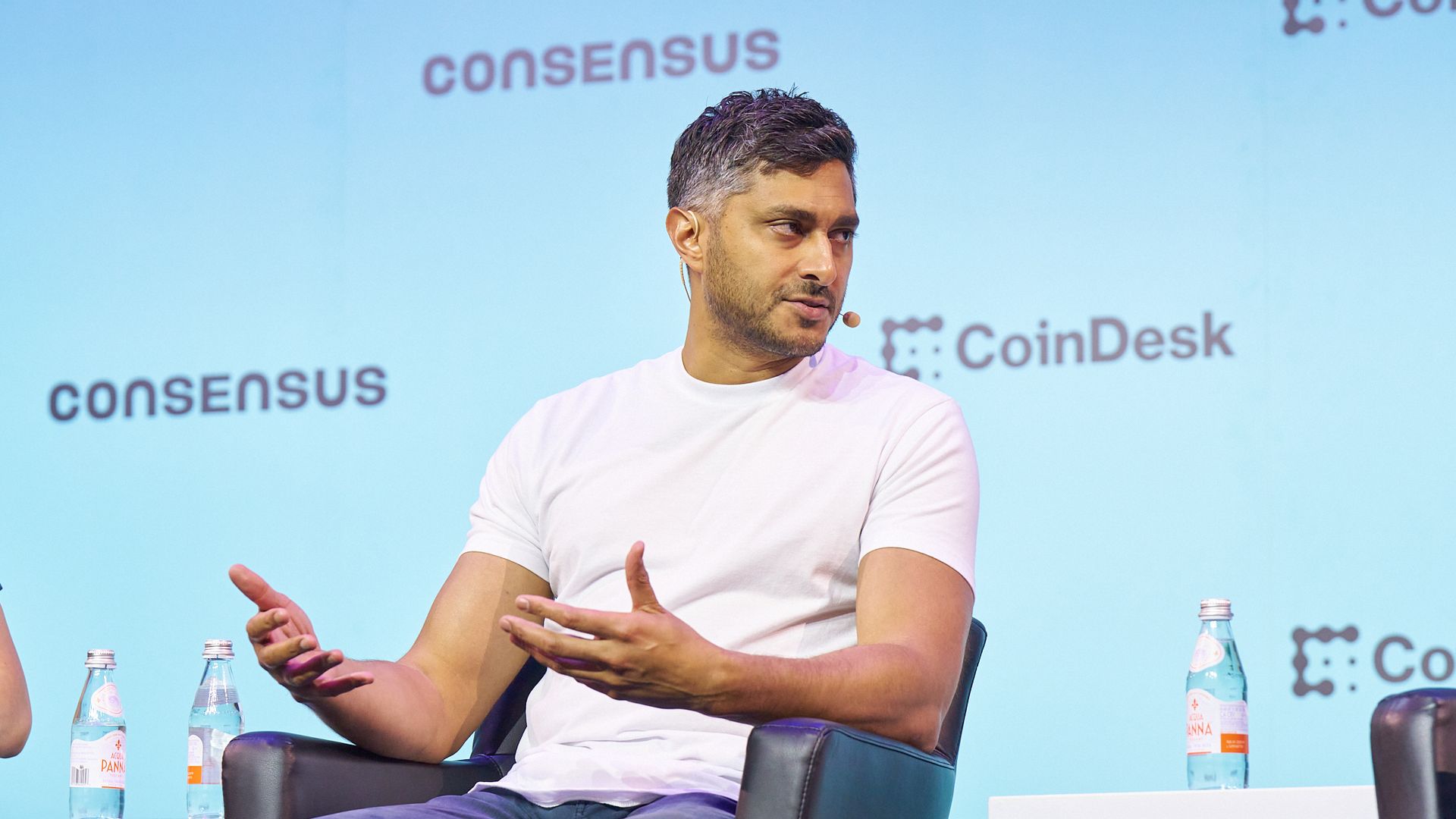
Kraken’s parent company is bringing one of Wall Street’s most coveted opportunities to crypto investors: buying into IPOs at the same price as institutional investors.
Payward, the parent company of the crypto exchange, said Wednesday it will “soon” allow customers of Kraken and other members of its xStocks Alliance to participate in U.S.-listed initial public offerings through tokenized shares. The offering would give eligible investors a chance to receive allocations at the IPO price rather than purchasing shares after trading begins on public markets.
The first tokenized IPO offerings are expected to become available through Kraken and other xStocks Alliance members in the coming weeks, the firm said.
The launch comes as investors await a new crop of high-profile public offerings. SpaceX and AI startups Anthropic and OpenAI are among the companies widely viewed as potential IPO candidates in the coming months, fueling demand for access to deals that have traditionally been dominated by institutional investors, private banks and wealthy clients.
Under Payward’s model, investors would submit non-binding indications of interest before an IPO. The company would aggregate demand across participating exchanges and work with underwriting syndicates to secure allocations. Once a company lists, shares would be tokenized, backed one-for-one by the underlying stock held by a regulated custodian and distributed to investors through participating platforms.
The initiative is part of a broader push to use blockchain technology to expand access to capital markets.
Tokenization — the process of creating blockchain-based representations of traditional assets — has become one of the fastest-growing areas of digital assets. The sector has expanded beyond cryptocurrencies into Treasury funds, private credit, money-market products and, increasingly, equities.
Supporters argue tokenization can make assets easier to access, transfer and trade across jurisdictions. For equities, the technology could help remove some of the geographic and brokerage barriers that have historically limited access to IPOs and foreign-listed stocks.
Still, pre-IPO investing carries risks. IPO allocations are often oversubscribed and not guaranteed, offering prices can change during the book-building process and newly listed stocks frequently experience sharp price swings once public trading begins.
The firm will only offer IPOs where it has secured allocations for investors, a Payward spokesperson told CoinDesk.
Payward said its xStocks framework currently supports tokenized equities backed one-for-one by underlying shares held in custody. The company said the framework has processed more than $30 billion in transaction volume and over $6 billion in onchain settlements across more than 125,000 holders.

Chainalysis’ analysis shows more than 100 million agentic transactions on Coinbase’s Base network via the x402 protocol within roughly nine months of its launch, signaling that machine-to-machine payments are advancing from proof-of-concept to a functioning on-chain pattern.
In a report published this week, wallets interacting with x402 completed these transactions on Base, underscoring a shift toward autonomous payments where software agents can request resources and settle with stablecoins without human intervention.
Key takeaways
- Over 100 million agentic transactions on Base through the x402 protocol within nine months of launch, according to Chainalysis.
- The early growth was propelled by the PING memecoin experiment, which required users to transact via x402 to mint tokens.
- Value moved through x402 has shifted from micropayments toward higher-value transfers, rising from about 49% of total value above $1 in early 2025 to roughly 95% by early 2026.
- Weekly wallet retention for agentic payments on Base has been trending upward, suggesting durable usage beyond initial hype.
- Industry observers see AI agents as a potential driver of on-chain activity and stablecoin demand, with implications for developers, users, and investors.
Agentic payments take root on Base
The x402 protocol is designed to let software agents perform on-chain payments directly through web requests. When an agent seeks access to a resource—such as a data feed or an API—it can automatically complete a stablecoin transfer without awaiting human approval. This capability embodies a broader push toward autonomous, programmatic commerce on public networks and could redefine how apps interact with blockchain ecosystems.
From memecoin surge to sustained activity
The initial surge in activity was tied to PING, a memecoin experiment that incentivized users to pay via x402 to mint new tokens. That burst attracted large user participation and a rapid uptick in transaction volume. Once the frenzy subsided, activity did not collapse; usage persisted, and the total value moved through the protocol continued to climb, signaling a transition from novelty to practical utility in agentic payments.
Value moves up the chain: from micropayments to larger transfers
Chainalysis highlights a notable evolution in the types of transfers. In early 2025, payments valued at more than $1 accounted for approximately 49% of the total value moved through x402. By early 2026, that share had risen to about 95%, indicating a shift toward more substantial on-chain value being processed through agentic payments.
Observers have pointed to the broader implications of this trend. The growth of higher-value transactions suggests that AI-driven, automated payments are finding practical use cases beyond microtransactions, potentially expanding the scope of what autonomous on-chain interactions can support.
The underlying data and trendlines are drawn from Chainalysis’ ongoing monitoring of the Base ecosystem’s agentic activity. For readers seeking the upstream data, Chainalysis’ analysis on x402 is available in their report on agentic payments adoption.
Industry voices and what to watch
As AI tooling becomes more capable, leaders in the crypto space have framed agentic payments as a possible accelerant for on-chain activity. Coinbase CEO Brian Armstrong has suggested that AI agents could soon account for a meaningful share of on-chain transactions, while Circle CEO Jeremy Allaire has articulated a similar optimistic view about automated payments in crypto networks. Earlier coverage highlighted Changpeng Zhao’s assertion that crypto could serve as the native currency for AI agents, underscoring a cross-pollination between AI and blockchain ecosystems.
Beyond the Base/X402 narrative, the concept has gained attention in related tech and payments circles. A Forrester report highlighted Stripe’s Machine Payments Protocol as a potential catalyst for reviving micropayments through AI agents, while Bernstein analysts have noted that AI agents could boost demand for stablecoins—an outcome that would reinforce the role of ecosystems like x402 in automating on-chain value transfers.
Industry data points to an expanding landscape for agentic payments, including on-demand resources in decentralized computing and data marketplaces where automated transactions enable seamless access to services and data. The interplay between AI-driven automation and programmable money is likely to be a central theme as ecosystems test how far autonomous on-chain payments can scale.
As this space evolves, market participants will be watching not only for continued growth in transaction counts but for durability in value flows, ecosystem incentives, and how regulators respond to automated, recurring payments on public blockchains. Weekly wallet retention metrics cited by Chainalysis offer a first glimpse that interest is translating into repeated use rather than a one-off spike.
Related reading and ongoing coverage explore how AI agents intersect with prediction markets, arbitrage opportunities, and broader DeFi security considerations. For background on the AI-agent theme across crypto media, see coverage of how AI agents could reshape arbitrage and other on-chain activity, as well as discussions around Stripe’s and other providers’ approaches to automated payments.
What remains uncertain is how quickly larger value transfers will stabilize across diverse networks, how developers will optimize agentic payment flows, and how regulators will approach automated, programmatic payments in a cross-border, cross-application context. Keep an eye on Base’s evolving ecosystem, new agentic-use cases, and any regulatory signals that could shape the path of autonomous on-chain commerce.
Crypto World
Blockmaze Defines the Future of RWA Tokenisation with Compliance-First Infrastructure for a $500T On-Chain World
[PRESS RELEASE – Dubai, UAE, June 3rd, 2026]

Backed by Finvasia Group, Blockmaze bridges traditional finance and blockchain through compliance-first infrastructure designed to bring trust, transparency, and legal recognition to tokenised assets
Blockmaze, the largest regulated ecosystem for tokenised assets backed by Finvasia Group, is setting new standards by building the most compliant infrastructure to bridge traditional financial markets and blockchain technology in a way that has never been done before. Built to solve one of the biggest challenges in tokenisation—trust and legal ownership, Blockmaze connects digital assets with real-world regulatory frameworks through its presence across 45+ regulatory registrations, including Europe, the GCC, and Asia, with licenses across eight jurisdictions.
Designed to accelerate the adoption of real-world asset (RWA) tokenisation, Blockmaze ensures tokenised assets are not just created, but legally recognised, compliant, and connected to real-world ownership across a global asset market estimated at more than US$500 trillion. This strengthens the tokenisation ecosystem, enabling issuers to bring assets on-chain faster, more securely, and with greater regulatory confidence.
Through its regulated ecosystem, Blockmaze provides ready-to-launch solutions for issuers, institutions, brokers, exchanges, and financial platforms looking to participate in the next era of on-chain finance. Built for compliant players, by compliant players, Blockmaze enables traditional assets to move on-chain at a time when the world is moving rapidly into the Web3 blockchain environment. More than US$2 trillion worth of assets could move on-chain by 2030, according to McKinsey.
Tokenisation and Real-World Assets (RWAs) represent the next evolution of financial markets by bringing traditional assets onto blockchain infrastructure. While the current crypto market is approximately US$3 trillion, global investable assets represent an estimated US$500+ trillion opportunity across real estate, stocks, bonds, gold, commodities, and other financial assets.
Blockmaze’s growth comes at a time when the momentum to tokenise RWAs is accelerating worldwide but the industry continues to face a critical challenge – bridging the gap between digital tokens and legally recognised ownership. As governments and regulators worldwide build clearer frameworks for tokenised assets, regulated infrastructure will become the foundation for sustainable adoption.
Blockmaze is addressing this gap by embedding compliance at the core of its infrastructure rather than treating it as an additional layer. Through its regulatory-first framework, the platform enables issuers to build tokenised assets supported by licensing, verification, and connectivity with traditional financial systems. This foundation is designed to unlock institutional confidence and support the next phase of RWA adoption, where the future of tokenisation will be defined not just by technology, but by trust.
“The future opportunity is not limited to crypto. The larger transformation is bringing the world’s existing financial assets on-chain. Current penetration remains extremely low, with only around US$40 billion of the US$500 trillion global asset opportunity tokenised today. While the technology to create tokens already exists, the biggest challenge has always been connecting those tokens to real-world ownership, regulatory acceptance, and institutional trust. This is the gap Blockmaze was built to solve,” said Tajinder Virk, Co-Founder & CEO of Blockmaze and Finvasia Group.
“The next era of tokenisation will not be defined by who can create compliant and licensed digital tokens the fastest. It will be defined by who can create trusted, legally recognised assets backed by strong regulatory frameworks. The world is moving fast towards a regulated blockchain environment where tokenised assets will need to be supported by licensing, compliance, and legal recognition to build long-term trust.”
“Blockmaze combines regulatory-first infrastructure with the finality of blockchain to enable secure, transparent and verifiable ownership of tokenised assets – protecting both issuers and investors across the asset lifecycle”, he added.
“Although blockchain technology has been around for more than a decade, mainstream adoption requires institutions, regulators, and governments to transition from legacy financial systems into trusted digital infrastructure” Tajinder Virk explains.
“The biggest challenge is not token creation — it is trust, legal recognition, and regulatory acceptance. Today, anyone can create a token, but the question is whether the token represents a genuine underlying asset and whether ownership is recognised and enforceable beyond the blockchain,” he stresses.
“A token representing real estate only creates true value when ownership rights are recognised beyond the blockchain and connected to the legal framework of that jurisdiction. Tokenisation needs to connect digital ownership with real-world ownership – and Blockmaze has been built to bridge this gap.
“We are future-proofing tokenised assets through legal compliance, transparency, real-time transactions, and blockchain efficiency to support secure adoption at scale.”
Blockmaze enables traditional financial assets to transition into the digital asset economy by connecting real-world ownership with blockchain technology. Unlike conventional crypto platforms, Blockmaze is purpose-built to enable issuers and institutions to transform traditional assets into secure, accessible, and compliant digital investment products. Developed through first-hand experience in regulated financial markets, Blockmaze combines deep financial expertise, regulatory understanding, and blockchain innovation to support the future of tokenised finance.
It has been built specifically for real-world assets with a regulation-first infrastructure, focused on security, compliance, and institutional adoption. Designed for issuers and institutions, Blockmaze is backed by a strong licensing footprint across key financial jurisdictions including the UAE, Europe, and the GCC. The company has built regulatory coverage through licenses and registrations across multiple jurisdictions, supporting its global vision for trusted tokenised finance.
Blockmaze is a Layer-1 blockchain infrastructure designed to power the inevitable tokenisation of real-world assets. It is not just another blockchain — it is a regulated financial infrastructure designed for a future where real-world assets can move on-chain securely, transparently, and with legal recognition.
About Blockmaze
Blockmaze is a regulated tokenised asset infrastructure platform backed by Finvasia Group, focused on bridging traditional finance and the digital asset economy. Positioned as one of the largest regulated ecosystems for tokenised assets, Blockmaze enables businesses and institutions to launch, manage, and scale compliant tokenised asset offerings across multiple jurisdictions.
The platform provides enterprise-grade solutions spanning tokenised stocks, tokenised CFDs, tokenised gold, tokenised real estate, and white-label tokenisation infrastructure, supported by integrated payment, compliance, custody, and regulatory frameworks. By combining blockchain innovation with institutional-grade governance, licensing, and operational trust, Blockmaze aims to accelerate the adoption of legally recognised real-world asset tokenisation globally.
Blockmaze operates across key financial jurisdictions, including the UAE, Europe, and the GCC, helping financial institutions, brokers, exchanges, wealth managers, fintechs, and payment providers participate in the next evolution of global capital markets.
For more information, users can visit www.blockmaze.org
Users can tag Blockmaze when sharing this information on their social media accounts.
Twitter – @BlockmazeRWA
Linkedin – https://www.linkedin.com/company/bmzcoin
Telegram – https://t.me/blockmazeRWA
The post Blockmaze Defines the Future of RWA Tokenisation with Compliance-First Infrastructure for a $500T On-Chain World appeared first on CryptoPotato.

TLDR:
- Variant Fund has closed a $222M fourth vehicle targeting early-stage crypto and AI startups globally.
- The firm’s thesis has evolved from digital ownership to a broader focus on user autonomy and agency.
- Recent portfolio bets include agentic memory, cryptographic location proofs, and AI artifact ownership.
- Crypto VC activity is rebounding, with a16z and Haun Ventures also closing large funds in 2026.
Variant Fund has raised a new $222 million vehicle targeting early-stage crypto and AI startups. The fund, announced on Wednesday, marks the firm’s fourth vehicle and reflects an evolved investment thesis centered on “autonomy.”
Founder Jesse Walden said the firm will lead at the earliest possible stage while participating in liquid and growth investments as projects mature.
The raise arrives amid a broader uptick in crypto venture activity, with The Block Pro data showing $1.63 billion in VC investments so far in Q2 2026.
Variant Reframes Its Thesis Around Autonomy
Variant’s updated thesis represents a natural extension of its founding principles. Since its inception, the firm has gravitated toward permissionless markets, open-source software, composability, and decentralization.
By 2020, those themes had coalesced into a focus on digital ownership — covering money, identity, data, and everyday products.
The firm now frames digital ownership as one pillar within a broader concept: autonomy. Walden described it as fundamentally about human agency — the degree to which users control their lives, assets, and identities.
“Autonomy is fundamentally about human agency: the degree to which users are in control of their lives, assets, and identities,” he wrote in an X post announcing the fund.
Walden was also careful to separate autonomy from mere automation. He noted that intelligent automation is a major technological frontier, but whether it enhances agency depends on who it ultimately serves.
“We distinguish autonomy from mere automation,” he wrote, adding that this distinction remains a guiding principle in evaluating which projects the firm pursues.
Past investments already reflect this principle. The portfolio has consistently backed projects where users hold meaningful control over the systems they participate in.
This includes category leaders in public blockchains, developer infrastructure, and consumer-facing applications such as Phantom and World Network.
Agentic and Permissionless Finance in Focus
Among the firm’s newest portfolio companies are several projects at the intersection of AI and blockchain. Walden outlined three in his announcement: “These include Honcho, a solution for self-custodial agentic memory; Octet, which lets applications cryptographically verify a user’s physical location as a building block of digital identity; and here.now, a ‘cloud for agents’ that enables ownership and composability of generated artifacts.”
Octet expands what users can verify about themselves on-chain, functioning as a building block for decentralized identity systems. here.now, meanwhile, targets the growing agentic computing space by giving users ownership over the outputs their AI agents generate.
Both projects align with Variant’s broader argument that the next phase of the internet will shift agency back toward users.
Walden summarized this outlook directly: “It’s likely that agentic intelligence and open, global financial rails will transform the structure of the internet: from one where users are often the product to one where they have unprecedented agency.”
The fundraise arrives alongside a broader resurgence in crypto venture capital. Competitor a16z recently announced a new $2.2 billion crypto fund, its fifth, while Haun Ventures closed a $1 billion vehicle targeting blockchain and AI projects.
Despite crypto VC activity remaining below the peak levels seen in 2022, recent quarters have shown a clear uptick in both deal volume and capital deployed.


Cookies supporting focus, protein and sleep launch
$GCOIN Lists on WEEX: Five Exchanges This June as Real Utility Drives Global Expansion

Summer House’s Kyle Cooke Talks Salley Carson, Meghan King



-

 Tech6 days ago
Waymo dominates autonomous vehicle registrations as Tesla trails behind
-

 News Videos5 days ago
This is BROKEN! INSANE 5x MONEY CAR WASH WEEK! The NEW GTA Online UPDATE Today! (GTA5 New Update)
-
 Tech4 days ago
SpaceX just won a second Golden Dome contract. This one is $4.16 billion.
-

 Business2 days ago
Jade Biosciences, Inc. (JBIO) Discusses Positive Interim Results From JADE101 Phase I Healthy Volunteer Study and Development Plans Transcript
-

 News Videos5 days ago
SHE IS KILLING XRP!!! WATCH URGENT AND ACT FAST
-
 NewsBeat5 days ago
FIRST NIGHT REVIEW: Take That bring the Circus back to life in spectacular sun-soaked style
-
Crypto World5 days ago
CFTC Has Approved the First Regulated Bitcoin Perpetual Contract in the U.S.
-

 Business4 days ago
Is the Spurs Phenom Already Better Than Prime Diesel?
-
 NewsBeat5 days ago
Novak Djokovic v Joao Fonseca LIVE: French Open latest scores and results after Jannik Sinner’s shocking collapse
-
 Crypto World5 days ago
Snowflake (SNOW) Stock Rallies on Strong Q1 Results and AI Product Growth
-
 Entertainment5 days ago
Weak ‘Supergirl’ Box Office Tracking Amid Milly Alcock Backlash
-

 Business5 days ago
Demand Conditions Improve In Chemicals Sector In April 2026
-
 Crypto World5 days ago
MicroStrategy Moves $30 Million in BTC to Coinbase Prime: Is the Bitcoin Sell-Off Already Here?
-

 Politics5 days ago
The House | Inside Andy Burnham’s Makerfield Campaign: “Nobody Thinks This Is In The Bag”
-

 Tech5 days ago
This Week In Security: Ubiquiti Fixes, And FreeBSD Joins The Club You Don’t Want To Join
-
 Entertainment4 days ago
One of the Greatest Sitcoms of All Time Shoots Up Apple TV’s Charts 11 Years Later
-

 Entertainment5 days ago
Maddox Jolie-Pitt Legally Requests to Drop Brad’s Surname
-
 Crypto World1 day ago
Seagate (STX) Stock Surges to Record High on AI Boom and Legal Settlement
-
 Entertainment5 days ago
Britney Spears Shares Troubling Update After Hard Year
-
 Entertainment5 days ago
Bruce Willis’ Generosity Resurfaces Amid His Dementia
You must be logged in to post a comment Login