
Business
Top 5 Personal Injury Lawyers and Firms in Perth Australia for 2026

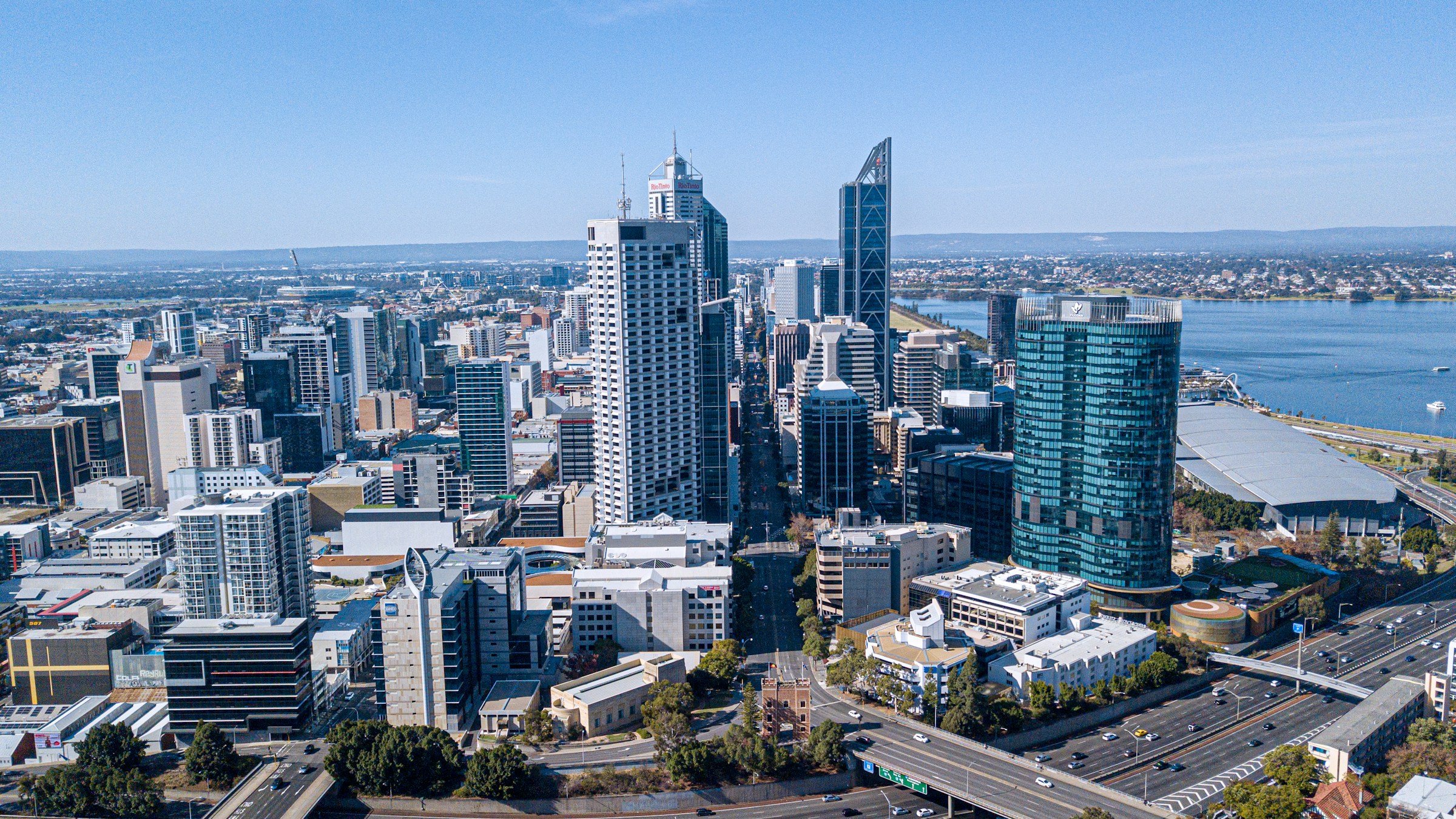
PERTH, Australia — Residents of Western Australia seeking expert legal representation after accidents, workplace injuries or medical negligence have several standout options in Perth’s personal injury law sector. Leading firms and practitioners recognized through peer reviews, client feedback and industry guides like Doyle’s Guide and Best Lawyers continue to deliver strong results in compensation claims as of mid-2026.
Personal injury law in Perth focuses on motor vehicle accidents, workers’ compensation, public liability and medical negligence cases. Many firms operate on a “no win, no fee” basis, offering initial consultations at no cost. Selection often depends on case specifics, success rates and client rapport, with local expertise in Western Australian courts proving valuable.
1. Maurice Blackburn Lawyers (Perth Office) Maurice Blackburn stands out as one of Australia’s largest and most experienced plaintiff firms with a strong Perth presence. The team handles a wide range of personal injury matters, including car accidents, work injuries and medical negligence, leveraging national resources while maintaining deep local knowledge. Lawyers like Marie Eberlein, recognized for medical negligence expertise, contribute to high success rates and substantial settlements for clients.
The firm emphasizes compassionate client service and has built a reputation for fighting large insurers effectively. Its Perth team combines community understanding with specialized litigation skills, making it a frequent choice for complex claims requiring thorough investigation and court advocacy.
2. Turner Freeman Lawyers Turner Freeman ranks highly in Doyle’s Guide for personal injury and workers’ compensation in Western Australia. With a dedicated Perth office, the firm boasts decades of experience securing compensation for accident victims, asbestos-related diseases and workplace injuries. Its “no win, no fee” model and client-focused approach have earned consistent praise.
The team’s track record includes major payouts, reflecting strong negotiation and litigation capabilities. Clients appreciate the firm’s commitment to clear communication and maximizing outcomes under Western Australia’s compensation schemes.
3. Peninsula Personal Injury Lawyers This family-owned firm with offices in North Perth and Mandurah has gained recognition for its 99% success rate claim and client-centric service. Specializing in car accidents, workers’ compensation and public liability, Peninsula offers free initial consultations and operates on a no win, no fee basis for eligible cases.
Reviewers frequently highlight the team’s accessibility and dedication, describing them as “always in your corner.” The firm’s local focus allows personalized attention, making it suitable for clients preferring smaller, responsive practices over larger national entities.
4. Stephen Browne Personal Injury Lawyers With over 40 years of experience across Perth and regional Western Australia, Stephen Browne Personal Injury Lawyers has earned multiple awards as a leading injury law firm. The practice handles motor vehicle accidents, workplace claims and negligence cases with a track record of favorable outcomes.
Its top-rated team emphasizes local knowledge and aggressive advocacy. Clients value the firm’s commitment to securing the best possible compensation while providing support throughout the often stressful claims process.
5. Foyle Legal / Blumers Personal Injury Lawyers Foyle Legal has secured notable compensation payouts and earned recognition as a top compensation firm in Perth through client reviews and industry awards. Blumers, led by figures like Noor Blumer (recognized in Doyle’s Guide and honored in 2026 with an Order of Australia), offers specialized expertise in workers’ compensation and public liability.
Both practices focus on practical, results-oriented representation. Their combined reputation for high-value settlements and client satisfaction makes them strong contenders for injury claims in the Perth area.
Choosing the Right Representation
Experts advise potential clients to research lawyers based on specific case needs, such as motor vehicle versus medical negligence expertise. Factors like communication style, fee structures and past results should guide decisions. Many Perth firms provide free case evaluations, allowing injured individuals to assess fit without upfront costs.
Western Australia’s legal framework, including the Workers’ Compensation and Injury Management Act, requires timely action. Statutes of limitations vary by claim type, underscoring the importance of early consultation with qualified professionals. Peer-reviewed recognitions from Best Lawyers and Doyle’s Guide serve as reliable indicators of excellence.
Industry Trends in 2026
Personal injury practices in Perth report increased demand amid rising road accidents and workplace incidents. Firms increasingly incorporate technology for case management and client updates while maintaining personalized service. Competition remains strong, with emphasis on transparency and ethical practices.
Client reviews on platforms like Google and independent directories consistently praise firms that deliver not only financial compensation but also guidance through recovery processes. Success often hinges on thorough evidence gathering and skilled negotiation with insurers.
Broader Context for Claimants
Perth’s personal injury sector benefits from a supportive legal community focused on plaintiff rights. While major national firms offer scale, boutique and mid-sized practices provide agility and dedicated attention. Potential clients should verify current credentials and seek referrals where possible.
Regulatory bodies like the Legal Practice Board of Western Australia oversee practitioner standards, providing additional consumer protection. As the year progresses, firms continue adapting to legislative changes and court precedents that influence compensation outcomes.
Advice for Those Seeking Help
Injured individuals should prioritize firms with proven track records in similar cases. Initial consultations offer opportunities to discuss claim viability and expected timelines. Documentation of injuries, medical records and incident details strengthens cases from the outset.
Community resources and legal aid services may assist those with limited means. However, most personal injury specialists offer accessible entry points through contingency arrangements. Prompt action preserves evidence and maximizes recovery potential under applicable schemes.
Looking Ahead
Perth’s personal injury lawyers play a vital role in supporting accident victims and holding negligent parties accountable. The highlighted practices represent a cross-section of highly regarded options based on 2026 recognitions and client feedback. Individuals facing injury-related challenges are encouraged to reach out for tailored advice.
The sector’s commitment to justice and compensation remains strong, with ongoing professional development ensuring lawyers stay abreast of best practices. As Western Australia grows, demand for skilled representation in personal injury matters is expected to continue.
For those affected by accidents or negligence, consulting one of Perth’s top practitioners can make a significant difference in navigating the complex path to fair outcomes. Thorough research and direct engagement with firms help ensure the best possible advocacy during difficult times.


The benchmark S&P 500 hit its lowest level in a month, while the tech-heavy Nasdaq was down about 9% from its June record high.
Investors had mostly expected the Fed to keep rates unchanged. Inflation has been running above the central bank’s target for more than five years, and up until last month it was accelerating as the war in the Middle East pushed up global fuel and food prices.
“The Fed held pat, as expected. The bigger question now though becomes, how much pressure will they have to hike in September? Inflation is running hot and with surging crude oil, the market expects the next hike to indeed be in September,” said Ryan Detrick, chief market strategist at Carson Group.

Microsoft and Meta Platforms are set to report quarterly results after the bell. Their shares are down in 2026 as investors question the sustainability of their AI spending boom. Investors worry that major U.S. companies are deepening a web of AI-linked investments and continuing to funnel billions into the emerging technology at the expense of free cash flow. Meanwhile, competition from China has been heating up, both in the race to develop advanced chips and as Chinese firms roll out cheaper AI models.
Speaking to reporters, Fed chief Kevin Warsh said spending on AI was laying the groundwork for future growth.
AI-related chipmakers added to recent losses after a sixfold jump in SK Hynix’s quarterly profit fell short of lofty investor expectations. The South Korean company’s shares fell 10%.
AI infrastructure company Vertiv slumped after missing quarterly revenue expectations.
According to preliminary data, the S&P 500 lost 111.36 points, or 1.50%, to end at 7,317.42 points, while the Nasdaq Composite lost 420.02 points, or 1.68%, to 24,460.08. The Dow Jones Industrial Average fell 1,129.03 points, or 2.14%, to 51,618.29.
Analysts on average expect S&P 500 aggregate second-quarter earnings to jump 40% from a year ago, with AI-related stocks accounting for much of that growth, according to LSEG I/B/E/S.
Strong earnings forecasts and Wall Street’s recent decline have left the S&P 500 trading at about 20 times expected earnings, just above its 10-year average of 19, according to LSEG data.
Ford Motor gained after raising its annual profit outlook for a second time this year. Lennox tumbled after the HVAC solutions maker lowered its annual profit forecast.
Visa rose after the company beat estimates for quarterly profit, helped by World Cup-fueled travel demand.

Bloom Energy Just Proved Bears Wrong

Operator
Good day and welcome to the BrightSpire Capital Second Quarter 2026 Earnings Conference Call.
[Operator Instructions] Please note, this event is being recorded.
I would now like to turn the conference over to David Palame, General Counsel. Please go ahead.
David Palamé
Executive VP, General Counsel & Secretary
Good morning and welcome to BrightSpire Capital’s Second Quarter 2026 Earnings Conference call. We will refer to BrightSpire Capital as BrightSpire, BRSP or the company throughout this call.
Speaking on the call today are the company’s Chief Executive Officer Mike Mazzei, President and Chief Operating Officer Andy Witt, and Chief Financial Officer Frank Saracino.
Before I hand the call over, please note that on this call, certain information presented contains forward-looking statements. These statements, which are based on management’s current expectations, are subject to risks, uncertainties, and assumptions. Potential risks and uncertainties could cause the company’s business and financial results to differ materially. For a discussion of risks that could affect results, please see the risk factors section of our most recent 10-K and other risk factors and forward-looking statements in the company’s current and periodic reports filed with the SEC from time to time.
All information discussed on this call is

A Carvana sign and signature vending machine in Tempe, Arizona.
Michael Wayland | CNBC
Shares of Carvana fell drastically during after-hours trading Wednesday after the company reported full-year guidance that failed to meet some of Wall Street’s expectations for the auto retailer.
Carvana’s stock fell by more than 20% shortly after the company reported its second-quarter results and guiding for earnings of between $2.7 billion and $3 billion this year. The stock recovered some of those losses, but was still trading down roughly 15% before the company’s earnings call with analysts, which was set for 5:30 p.m. ET.
The guidance was lower than analyst expectations, which included forecasts of $3 billion to $3.2 billion from Deutsche Bank and $4.45 billion from Morgan Stanley.
The guidance means the company expects a relatively flat second half of the year compared with the first six months, with between $1.3 billion and $1.6 billion in adjusted earnings during the second half of this year. Such results would easily top Carvana’s record $2.2 billion in adjusted earnings from 2025.
The new guidance follows the company reporting $1.4 billion in adjusted earnings before interest, taxes, depreciation and amortization during the first half of this year, including a record $769 million during the second quarter.
Carvana’s second-quarter results included net income of $513 million, up $205 million from a year earlier; revenue of $7.38 billion compared to analyst estimates compiled by LSEG of $6.91 billion; and a 38% increase in vehicle sales to 197,325 units from April through June.
The company did not break out its sales of used versus new vehicles, which Carvana has been expanding into through Stellantis franchised dealerships.
Carvana said it expects a sequential increase in retail units sold in the third quarter compared to the second quarter, which the company said marked its 10th straight quarter of being “the fastest-growing and most profitable automotive retailer – achieving both by large margins.”
“Q2 2026 was Carvana’s 10th consecutive quarter of industry-leading growth and profitability, and it was made possible by the foundations we laid in the 10 years prior,” Carvana CEO Ernie Garcia said in a release. “We built an experience customers love, our model gets better as we get bigger, and our execution is the key driver of our progress from here.”
Garcia in a quarterly letter to shareholders said the company remains on track to selling 3 million cars per year and achieving a 13.5% adjusted EBITDA margin by 2030 to 2035.
The company’s adjusted margin during the second quarter was 10.4%, down 2 percentage points from a year earlier as it pushes its expansion efforts.
“We have only 2% market share of used retail and 1.5% market share of all automotive retail. Our runway is huge,” Garcia said in the investor note.
Business
Abbott Shares Climb 2.4% to $109.87 Following Strong Q2 Results and Raised Full-Year Outlook

CHICAGO — Shares of Abbott Laboratories advanced 2.37% on Wednesday to $109.87, gaining $2.54, as investors continued to respond positively to the healthcare company’s solid second-quarter performance and increased full-year earnings guidance.
The stock extended its recent recovery, trading higher after Abbott reported results on July 16 that exceeded expectations and lifted its profit forecast for 2026. The shares have climbed notably since the earnings release, reflecting renewed confidence in the diversified medical products maker’s growth trajectory across diagnostics, devices and other segments.
Abbott, based in Abbott Park, Illinois, posted second-quarter sales of $12.59 billion, an increase of 13.0% on a reported basis and 4.8% on a comparable basis that adjusts for acquisitions, divestitures and foreign exchange. GAAP diluted earnings per share came in at $0.53, while adjusted diluted EPS, which excludes specified items, reached $1.31.
The company reaffirmed its full-year 2026 comparable sales growth guidance of 6.5% to 7.5% and raised its adjusted diluted EPS outlook to a range of $5.45 to $5.60, up from the previous $5.38 to $5.58. Abbott returned $2.1 billion to shareholders in the second quarter through dividends and share repurchases.
“Our second-quarter results reflect the momentum we are building,” said Robert B. Ford, chairman and chief executive officer. “We expect this momentum to continue and drive accelerating sales and earnings growth in the second half of the year.”
The results were supported by broad-based contributions. Medical Devices, Abbott’s largest segment, delivered solid comparable growth led by electrophysiology, rhythm management, diabetes care and heart failure. Continuous glucose monitoring systems, including the FreeStyle Libre franchise, continued to expand in the U.S. and international markets.
Diagnostics sales rose sharply on a reported basis, boosted by the March 2026 acquisition of Exact Sciences Corporation for approximately $20.6 billion. The deal added leading cancer screening and diagnostic products such as Cologuard and Oncotype DX to Abbott’s portfolio, establishing a stronger position in oncology diagnostics. Comparable diagnostics growth was more modest once the acquisition was factored into prior-period comparisons.
Nutrition showed signs of stabilization and sequential improvement after earlier challenges related to pricing and volume. Established Pharmaceuticals also contributed positively in key emerging markets.
Pipeline progress provided additional support for the outlook. Abbott completed enrollment in its TECTONIC U.S. pivotal trial evaluating an investigational Coronary Intravascular Lithotripsy system for treating severe calcification in coronary arteries. The company also completed its FDA submission seeking approval for the Amulet 360 left atrial appendage device. In May, the American Cancer Society updated colorectal cancer screening guidelines that reaffirmed Cologuard and Cologuard Plus as preferred options for average-risk adults age 45 and older.
Management pointed to four areas expected to drive much of the anticipated second-half acceleration: Nutrition, Electrophysiology, Core Laboratory diagnostics and Cancer Diagnostics. Visibility into demand drivers in these businesses has improved, according to company commentary on the earnings call.
Foreign exchange was slightly better than expected in the quarter. Adjusted gross margin expanded, and cash generation remained strong, supporting both pipeline investment and capital returns. Third-quarter adjusted EPS was guided to a range of $1.38 to $1.46.
The Exact Sciences acquisition, completed in late March and funded largely with new long-term debt, has begun contributing to results. Integration is progressing, and early performance in cancer diagnostics has helped ease some investor questions about the strategic fit and near-term dilution.
Abbott operates across a range of healthcare categories, from diabetes management and cardiovascular devices to diagnostics, nutrition and established pharmaceuticals. This diversification has historically provided resilience through varying market conditions. Procedure volume trends in hospitals and the competitive landscape for continuous glucose monitors and structural heart products remain areas of focus for investors.
The stock has experienced volatility over the past year, trading in a 52-week range from the low $80s to the high $130s. Recent gains have recovered ground lost earlier in 2026 amid broader medtech concerns and questions surrounding the Exact Sciences deal and nutrition volumes.
Analysts have generally maintained constructive views following the second-quarter report, citing the raised guidance, sequential improvement and pipeline milestones. Consensus price targets sit above the current trading level, though individual firm targets vary.
Looking ahead, investors will monitor execution on the second-half acceleration, the ramp of newly acquired cancer diagnostics products, regulatory progress on key devices and any further updates to guidance. Demand for healthcare products and services is expected to remain supportive longer term, driven by demographic trends, chronic disease prevalence and technological advances in diagnostics and monitoring.
Abbott’s combination of established franchises and newer growth platforms positions it to benefit from these trends. The second-quarter results and guidance increase have provided a clearer picture of near-term momentum after a period of investor caution.
Wednesday’s share price advance reflected ongoing digestion of the positive earnings update and confidence that the company can deliver on its raised outlook. With several catalysts still ahead in the second half, including potential product launches and further data on acquired businesses, attention remains on operational delivery and sustained growth across the portfolio.

Most businesses can tell you when the boiler was last serviced, when the fire alarm was last tested, and when the lift was last certified. Ask when the mature beech at the edge of the car park was last inspected by someone qualified to assess it, and the answer is usually a pause.
Trees occupy an odd position in commercial risk management. They are conspicuous, they are often the most valuable landscape feature on a site, and they are almost never on the maintenance schedule. Then a limb comes down on a parked car, or a whole tree fails across a footpath, and the question of who was responsible for knowing it was going to happen becomes a very expensive one.
The duty is not optional and it is not passive
If your business occupies land with trees on it, you owe a duty of care under the Occupiers’ Liability Act 1957 to anyone lawfully on that land, and a lesser but real duty under the 1984 Act even to trespassers. Where a tree overhangs a road or footpath, the Highways Act 1980 gives the highway authority powers to compel action and to recover costs.
The important word in all of this is reasonable. The law does not require that trees never fail. Trees are living structures and some proportion of them will shed limbs regardless of what anyone does. What the law asks is whether the occupier had a reasonable system in place for identifying foreseeable risk, and whether that system was actually followed.
Courts have consistently framed the test around inspection. Not around outcome, and not around whether the defect was obvious in hindsight, but around whether a landowner had arranged for someone competent to look at the trees at sensible intervals, and whether that person would have spotted the problem. Where a business can produce records showing a periodic inspection regime by a suitably qualified person, the defence is strong even when a tree has failed. Where there are no records at all, the position is weak even when the failure was genuinely unforeseeable.
The absence of a paper trail is, in practice, the liability. This is why arboricultural contractors such as Red Oak Tree Care are increasingly asked for written condition surveys rather than a verbal quote to take a tree down. A quote is a commercial document. A survey is evidence.
What a defensible regime actually looks like
The National Tree Safety Group, whose guidance is widely treated as the reference point in this area, sets out an approach based on proportionality rather than blanket inspection. The core idea is straightforward. Assess trees according to the likelihood that a failure would hit somebody.
A tree in the middle of a fenced field poses a negligible risk to people regardless of its condition. The same tree, in the same condition, standing beside a school gate or a busy loading bay, requires a different level of attention. Zoning a site by target occupancy is the first step, and it is the step that keeps the cost of the whole exercise proportionate.
For most commercial sites, a workable regime looks like this. An informal walkover by a member of staff who has been briefed on the obvious warning signs, carried out a few times a year and particularly after severe weather. A formal inspection by a qualified arboriculturalist at intervals determined by the risk zoning, typically somewhere between one and five years. A written record of both, retained.
The warning signs a non specialist can be trained to spot are not subtle. Fungal fruiting bodies at the base or on the stem. Cracks or splits in major limbs. Cavities and decay pockets. Soil heaving or lifting on one side of the root plate. Sudden leaf loss out of season. A distinct lean that was not there last year. None of these confirms a tree is dangerous. All of them justify a call to someone who can tell you.
The insurance dimension people forget
There is a second financial exposure that has nothing to do with falling branches.
Across much of southern England, and particularly on the shrinkable clay soils that run through Surrey and the surrounding counties, tree roots are implicated in a significant share of subsidence claims. Clay expands when wet and contracts when dry. A large tree drawing moisture from beneath a shallow foundation during a dry summer can cause differential movement in a building, and the resulting cracking is expensive to remediate.
Where a claim is made against a neighbouring landowner whose tree is alleged to be the cause, the question of whether that landowner knew, or ought to have known, about the risk becomes central. Insurers examine tree management records. A business that has been actively managing its trees, with crown reductions carried out at appropriate intervals and documented, is in a materially better position than one that has left everything to grow unchecked for twenty years.
The inverse problem also exists. Remove a mature tree that has been drying out clay soil for decades, and the ground can rehydrate and heave, lifting foundations upward. This is why the reflexive answer to a tree near a building is not always to fell it, and why the decision should not be made by whoever happens to be holding the chainsaw.
Development sites and the cost of finding out late
For anyone acquiring or developing commercial property, trees carry a distinct category of risk that surfaces at exactly the wrong point in the transaction.
Tree Preservation Orders and conservation area designations restrict what can be done to trees regardless of who owns the land. A protected tree standing where the access road needs to go is a planning problem, a programme problem, and occasionally a deal breaker. Breaching a preservation order is a criminal offence, and sentencing takes account of any financial benefit the offender obtained, which means the calculation that it might be cheaper to fell the tree and pay the fine has been closed off deliberately.
BS 5837, the British Standard covering trees in relation to design, demolition and construction, sets out how an arboricultural impact assessment should be produced and how root protection areas should be calculated. Planning authorities expect to see it. Commissioning that work at the feasibility stage, before the design is fixed, costs a fraction of redesigning around a constraint discovered at planning committee.
Where businesses go wrong
Three failures account for most of the exposure.
The first is treating tree work as a grounds maintenance line item to be awarded on price. The gap in competence between a certificated arboriculturalist and a two person outfit with a chainsaw and a van is enormous, and it is invisible until something goes wrong. Ask for NPTC or equivalent certification covering the specific operations involved, and ask for the public liability certificate rather than accepting an assurance.
The second is failing to keep records. An inspection that happened but was not written down provides no protection whatsoever in a claim.
The third is reacting rather than planning. Emergency tree work carried out after a storm, at short notice, in poor conditions, costs several times what the same work would have cost as a scheduled operation, and it happens at the moment when every contractor in the region is fully booked.
A modest suggestion
Trees are assets. They raise property values, they contribute to biodiversity commitments that increasingly appear in reporting frameworks, and they do things for the experience of a workplace that no amount of interior design achieves. They are also structures that can kill people, and the law treats them accordingly.
Put them on the risk register. Establish who is responsible for them. Get a qualified survey of anything large enough to hurt someone. Keep the paperwork. The cost of doing all of that, for a typical commercial site, is smaller than most organisations spend annually on the coffee machine.
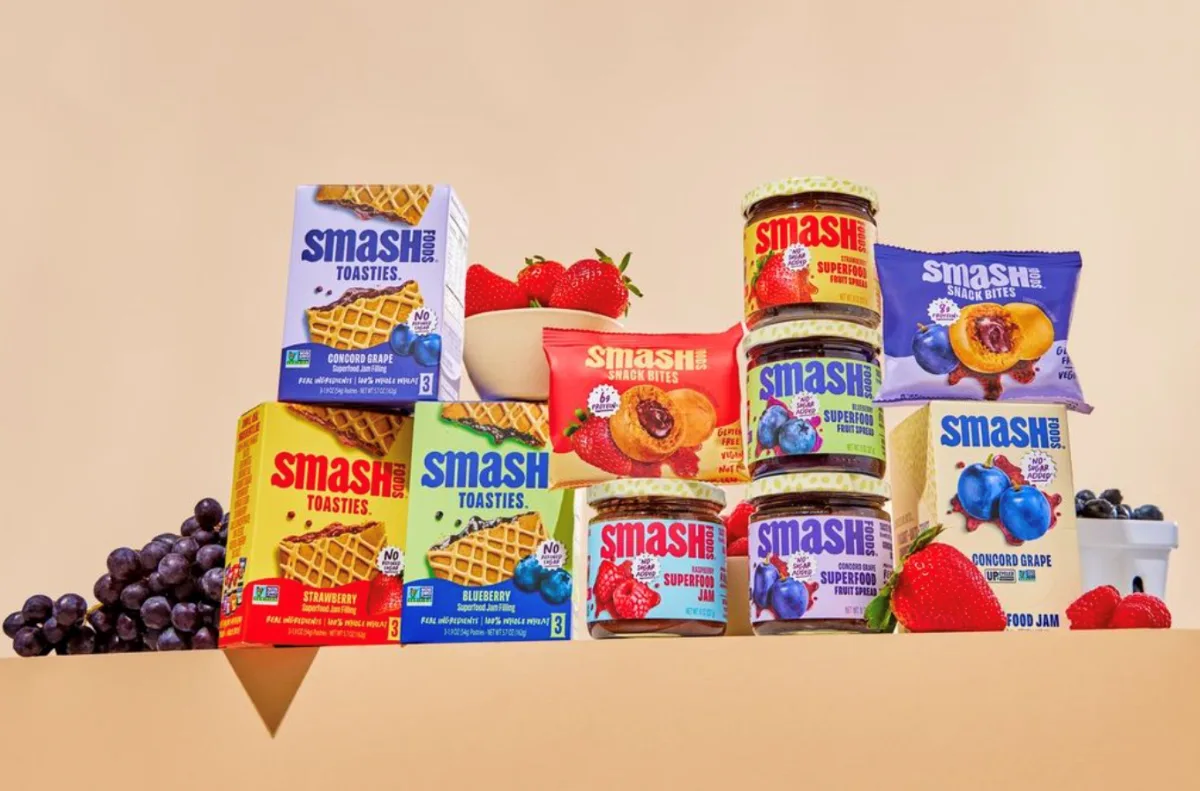

Investment of $18 million from L. Catterton will grow retail, team and brand.

Form 4 D Wave Quantum Inc For: 29 July

Cbiz shareholders will receive $55 per share, a 17.8% premium to the stock’s previous close. The shares rose 17.5% in premarket trade after the announcement.
The deal will make Grant Thornton the fifth-largest provider of professional, tax and advisory services in the US, behind Deloitte, EY, KPMG and PwC. The combined platform will have a presence in more than 20 countries and territories and generate nearly $7.5 billion in revenue.
“By combining our multinational platform with CBIZ’s strong market presence, we’re broadening our ability to support businesses through every stage of growth — from early development to global scale,” Grant Thornton Advisors CEO Jim Peko said.
The transaction is expected to close in the fourth quarter of 2026. It includes a “go-shop” period that allows CBIZ to seek competing offers until August 27.
Goldman Sachs advised CBIZ on the transaction. Deutsche Bank is the lead financial adviser for Grant Thornton Advisors.
Also Read: Vertiv shares crash 14% in pre-market after Q2 revenue misses estimatesDeal overshadows mixed earnings
The acquisition announcement came alongside CBIZ’s second-quarter results, which showed a clear earnings beat but weaker-than-expected revenue.
For the quarter ended June 30, 2026, CBIZ reported adjusted diluted earnings per share of $0.91, above analysts’ estimate of $0.8046. Revenue came in at $682.2 million, about 3.2% below the $704.9 million expected by analysts.
Revenue was down 0.2% from a year earlier, hurt by a similar decline in the company’s core financial services business. Adjusted EBITDA fell 14.3% year-on-year to $103.1 million. Adjusted EBITDA margin narrowed to 15.1% from 17.6%.
On a GAAP basis, net income dropped 55.6% to $18.6 million, or $0.31 per diluted share. The decline reflected higher operating expenses and acquisition-related costs tied to the integration of Marcum, which CBIZ bought in 2024.
The CBIZ deal is another sign of consolidation in the US accounting industry, where mid-tier firms are trying to build scale and narrow the gap with the Big Four.
Baker Tilly and Moss Adams combined last year in a $7 billion deal. CBIZ had also expanded through acquisitions, including its $2.3 billion purchase of accounting firm Marcum in 2024.
Grant Thornton has been expanding since receiving investment from a consortium led by New Mountain Capital in 2024. New Mountain is making a fresh investment to support the CBIZ transaction, which the companies said is the largest deal of its kind in more than 25 years.
Business
Bitcoin Steadies Near $64,000 as Crypto Traders Brace for a Pivotal Federal Reserve Rate Decision Today

Bitcoin traded at $63,860.26 as of Wednesday afternoon, up a modest $13.14, or roughly 0.02%, as cryptocurrency markets settled into a holding pattern ahead of a Federal Reserve interest rate decision that traders across both traditional and digital asset markets have described as unusually difficult to predict.
Bitcoin opened Wednesday at $63,853.49, up 0.2% from Tuesday’s opening price, before climbing as high as $64,244.18 during the morning session, according to pricing data. The cryptocurrency’s relatively flat overall movement Wednesday followed a volatile stretch earlier in the week, including a sharp pullback Tuesday when bitcoin opened 2.5% lower than the previous day, dropping to around $63,327 as investors broadly reduced exposure to riskier assets ahead of the Fed’s two-day policy meeting.
The Federal Reserve’s rate decision, due later Wednesday, has emerged as the dominant catalyst shaping crypto market sentiment this week. According to data from the CME Group’s FedWatch tool, market participants assigned a 35.8% probability to a rate increase following the meeting’s conclusion, up sharply from 25.7% just a week earlier. Separate estimates cited by CoinDesk showed a somewhat different split, with roughly a 70% probability assigned to rates remaining unchanged and a 30% chance of a surprise quarter-point increase. Some analysts have characterized the meeting as among the hardest Fed decisions to forecast in recent years, given the unusual combination of economic signals policymakers are currently weighing.
Ether, the second-largest cryptocurrency by market value, moved somewhat more sharply than bitcoin during the same period. Ethereum opened Wednesday at $1,919.73, up 1.5% from Tuesday’s opening price, before slipping back to $1,904.82 by mid-morning, according to pricing data. Bitcoin and ether moved in opposite directions for stretches of Wednesday’s session, a divergence that market watchers attributed to renewed airstrikes in the Middle East combined with the approaching Fed announcement, both of which have added competing sources of uncertainty for crypto investors this week.
Broader cryptocurrency market data showed modest overall improvement heading into Wednesday. The total global cryptocurrency market capitalization rose 0.4% to reach approximately $2.28 trillion, recovering from a 1.6% decline recorded the previous day, according to data from CoinMarketCap. Bitcoin’s dominance within the broader crypto market held steady at approximately 56.3%, while ether accounted for roughly 10.2% of total market value. Despite the modest recovery in headline prices, a widely tracked measure of investor sentiment, the Fear and Greed Index, remained in “fear” territory at a reading of 28 to 29, reflecting continued caution among traders even as prices stabilized somewhat.
Institutional flows into bitcoin exchange-traded funds showed signs of softening in recent sessions. Spot bitcoin ETFs recorded a net outflow of $11.6 million on July 27, ending a streak of seven consecutive sessions of net inflows, with asset managers BlackRock and Fidelity leading the pullback, according to data on ETF flows. Even so, some corporate treasury activity continued during the same window, with Hyperscale Data disclosing a bitcoin treasury holding of 1,106 bitcoin, valued at approximately $71.7 million, as of July 28, signaling that at least some institutional accumulation of the cryptocurrency has continued despite broader market softness.
Macroeconomic factors beyond the Fed decision have also weighed on crypto sentiment this week. Rising oil prices, driven by renewed hostilities between the United States and Iran, have added to broader inflation concerns across financial markets, a dynamic that traditionally creates headwinds for risk assets including cryptocurrencies. At the same time, a strengthening U.S. dollar has added further pressure, with analysts noting that the combination of higher oil prices and dollar strength has increased overall macro-volatility risk heading into the Fed’s announcement.
Trading data suggested bitcoin has largely oscillated within a defined range in recent sessions, generally trading between roughly $62,700 and $65,500. Some market analysts have pointed to that range as a key technical zone to watch in the near term, with the lower boundary near $62,700 serving as a support level and the $64,500 to $65,500 zone acting as resistance that bitcoin has struggled to convincingly break through in recent trading.
Beyond bitcoin and ether, individual cryptocurrency tokens showed more significant divergence Wednesday. Jupiter, a decentralized finance token, rose nearly 6% to lead gains within a broader recovery among DeFi-focused tokens, while artificial intelligence-linked tokens continued to struggle, with Fetch.ai falling more than 4% on the day as AI-related crypto tokens continued unwinding gains posted the previous month.
Bitcoin’s current price level remains well below its all-time highs reached earlier in the cryptocurrency’s price cycle, though the asset has still posted substantial gains compared with prior years, with its market capitalization standing at approximately $1.27 trillion to $1.33 trillion depending on the specific pricing snapshot used, maintaining its position as by far the largest cryptocurrency by market value, well ahead of ether’s market capitalization of roughly $233 billion.
With the Federal Reserve’s decision expected to be announced later Wednesday, crypto traders and analysts broadly expect increased volatility to follow the announcement, regardless of whether the central bank opts to raise rates, hold steady, or signal a different policy path than markets currently anticipate, given how closely digital asset prices have tracked broader shifts in monetary policy expectations throughout the past several weeks of trading.
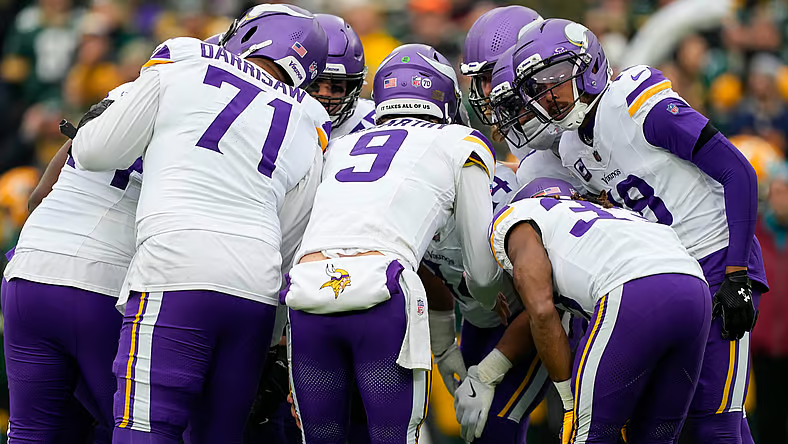
MIN O-Line Gets Nice Boost as Vikings’ Star Left Tackle Said to be Fully Ready

Scrap Pinball Parts Become Beautiful Wall Art
US stocks: US market closes down sharply after Fed holds rates unchanged


-

 Fashion5 days ago
Weekend Open Thread: Brooks Brothers
-
 Sports3 days ago
Commonwealth Games boxing: Jadumani Singh seals dominant 5-0 win over Pakistan’s Sumama Rehman to enter quarter-finals | Commonwealth Games News
-

 Tech3 days ago
Intel is reversing course and bringing hyper-threading back to its server chips
-

 Crypto World7 days ago
Ethics, other provisions in crypto Clarity Act to be further discussed
-

 Politics2 days ago
Luke Littler dismantles Gerwyn Price to retain title in Blackpool
-

 Crypto World4 days ago
Ripple bought a bank in pieces. The $4 billion audit
-
 Entertainment5 days ago
A New Post-Apocalyptic Gundam Anime Series Blasts Into SDCC
-

 News Videos3 days ago
BITCOIN JUST ENTERED THIS CRITICAL ZONE…
-

 Politics2 days ago
The Part of the Electric Transition Nobody Wants to Discuss
-

 Sports6 days ago
2026 3M Open leaderboard: Scottie Scheffler finds putter in Round 1, sits three back
-

 Fashion6 days ago
16 Dresses for the High Summer Event
-

 News Videos6 days ago
The Peugeot Family: How 200 Years of an “Old Money” Dynasty Died in A Boardroom
-

 Business16 hours ago
Major shareholder moves on Canyon
-

 Crypto World4 days ago
XRP Ledger adds $2.6B as RWA inflows rank second
-

 Politics3 days ago
Spain sweeps the board at 2026 World Cup with individual awards
-

 Crypto World6 days ago
Uniswap (UNI) pushes deeper into tokenized RWAs with permissioned trading pools
-
 Entertainment1 day ago
‘Stargate’ Creator’s New Sci-Fi Series Returns for Season 3 Tomorrow
-
Crypto World7 days ago
SEC Agrees to Overhaul Recordkeeping After Settling Coinbase Lawsuit Over Gensler’s Lost Texts
-

 Tech5 days ago
Anthropic launches Claude Opus 5, a cheaper AI model for coding, agents and enterprise workflows
-

 Entertainment4 days ago
Sara Gilson Killed By Husband After Viral “Pedophile” TikTok Video
You must be logged in to post a comment Login