




By SuperWest Sports Staff
Sports
Why NBA Players Earn More Than Footballers — The Truth About Sports Salaries

One of the most common debates in sports is surprisingly simple:
Which athletes make more money?
Whether it’s football versus basketball, football versus baseball, or even footballers versus musicians, fans are constantly comparing salaries and wondering why one superstar appears to earn significantly more than another.
The latest example involves New York Knicks star Jalen Brunson and Paris Saint-Germain forward Ousmane Dembélé.
On paper, Brunson reportedly earns substantially more in annual salary than Dembélé despite football being the world’s most popular sport and Dembélé being one of the biggest names in the game.
At first glance, it doesn’t seem to make sense.
But the reality is that comparing salaries across different sports often tells only part of the story.
The systems that generate and distribute money in football, basketball and even the music industry are completely different.
The Brunson vs Dembélé debate
The comparison that recently went viral showed that Brunson’s annual NBA salary is significantly higher than Dembélé’s reported fixed salary at Paris Saint-Germain.
That immediately raised questions.
How can an NBA player earn more than a footballer who plays for one of the biggest clubs in the world?
How can a player competing in a sport followed by billions of people earn less than a basketball player whose league is largely concentrated in North America?
The answer lies not in popularity, but in economics.
Why NBA salaries are so high
The NBA operates under a salary-cap system that is directly tied to league revenues.
Players receive a significant share of Basketball Related Income (BRI), meaning the league’s earnings are shared between owners and players.
More importantly, NBA rosters are small.
Each franchise typically carries around 15 players.
That means billions of dollars in league revenue are divided among far fewer athletes.
As a result, elite NBA players regularly sign contracts worth $40 million, $50 million or even $60 million per season.
Jalen Brunson’s contract reflects not only his value as a player but also the financial structure of the NBA itself.
Dembele would be the 96th highest paid player in the NBA. NBA money is different pic.twitter.com/SEQPX1Da0v
— Banter FC (@FCBanter_) June 12, 2026
Football clubs spend money differently
Football operates under an entirely different model.
When a club signs a player, the cost goes far beyond wages.
Clubs may have to pay:
- Transfer fees
- Agent commissions
- Signing bonuses
- Loyalty bonuses
- Image-rights agreements
- Performance incentives
- Salaries
When Paris Saint-Germain signed Neymar from Barcelona, the French club spent a world-record €222 million transfer fee before accounting for wages.
Real Madrid paid over €100 million to acquire Jude Bellingham.
Those costs do not exist in the NBA.
Basketball teams generally spend their money directly on player salaries rather than transfer fees.
That is one of the biggest reasons NBA salaries often appear larger.
Squad sizes matter
Football clubs also carry much larger squads.
A Champions League club may have 25 to 30 senior players, plus academy players regularly training with the first team.
NBA teams typically have only 15 roster spots.
That means football clubs must spread their resources across far more players.
Even when football generates enormous revenue, the money is distributed differently.
Popularity doesn’t equal salary
One mistake many fans make is assuming popularity automatically determines earnings.
Football remains the world’s most popular sport.
Players such as Lionel Messi, Cristiano Ronaldo, Kylian Mbappé and Ousmane Dembélé are recognised across virtually every continent.
Yet popularity alone doesn’t dictate salary levels.
The NBA’s revenues are concentrated within a single league featuring just 30 franchises.
Football’s revenues are spread across hundreds of leagues and thousands of professional clubs worldwide.
The structure of the business matters more than follower counts on social media.
Why some musicians earn more than footballers
The same debate exists outside sports.
Fans often wonder why some musicians appear to earn more than elite footballers.
Again, the answer depends on where the money comes from.
A footballer’s income generally comes from:
- Club salary
- Bonuses
- Sponsorship deals
- Image rights
A musician can earn through:
- Touring
- Streaming royalties
- Publishing rights
- Merchandise sales
- Brand endorsements
- Ownership of music catalogues
- Investments
Unlike athletes, musicians are not restricted by salary caps, squad budgets or transfer markets.
A global tour can generate hundreds of millions of dollars.
Artists such as Taylor Swift, Drake, Beyoncé, Burna Boy and Davido have built business empires that extend far beyond music itself.
In many cases, their total earnings can rival or exceed those of elite athletes.
The hidden value footballers create
Another factor often overlooked is the transfer market.
Football clubs treat players as assets.
A club may pay €100 million to sign a player and later sell him for another massive fee.
That transfer value becomes part of the player’s overall economic worth.
In the NBA, most of that value is reflected directly in salaries.
In football, it is split between wages and transfer fees.
That is why a player earning less than an NBA star may still represent a far greater overall financial investment.
The real takeaway
The next time a graphic comparing the salaries of an NBA player, footballer or musician goes viral, remember that salary alone rarely tells the full story.
Jalen Brunson earning more than Ousmane Dembélé does not mean basketball players are more valuable than footballers.
Likewise, a musician earning more than a footballer does not automatically mean the music industry is richer than football.
Each industry distributes money differently.
Different business models create different pay structures.
And while the numbers on the paycheck may grab attention, they are only one piece of a much bigger financial puzzle.
Continue Reading
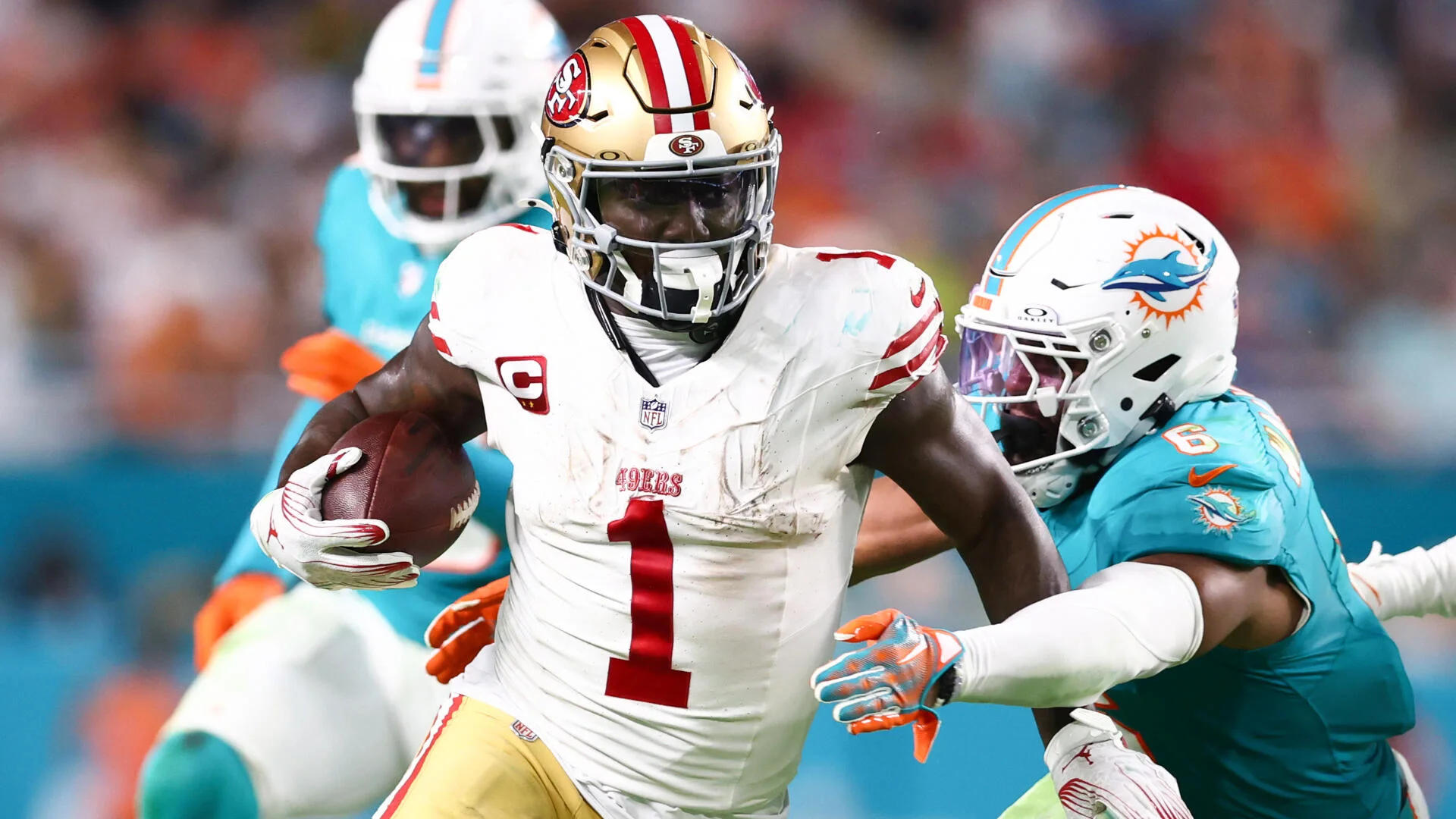
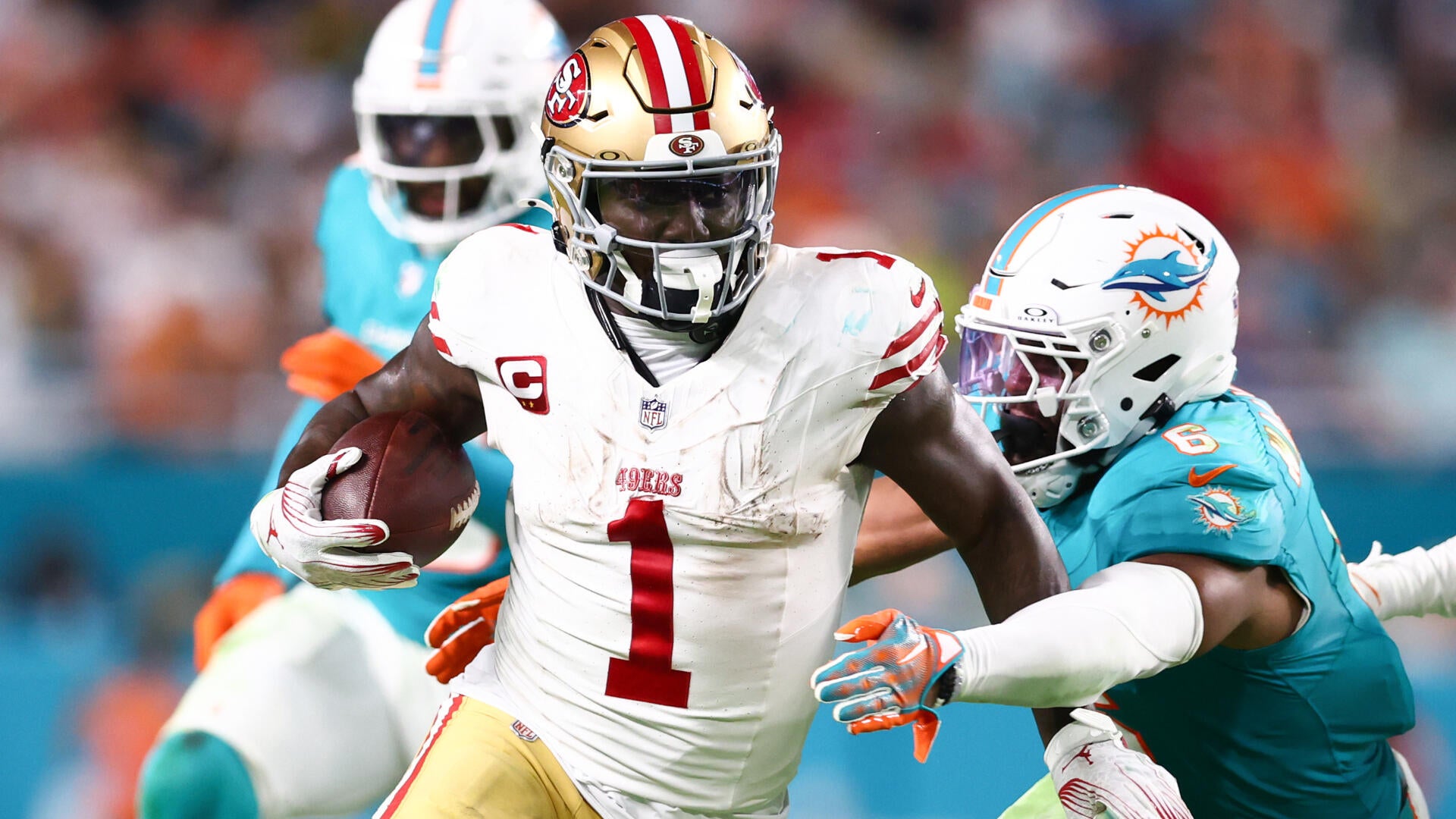
Deebo Samuel and the 49ers are reuniting, with the do-it-all offensive weapon agreeing to a one-year, $7 million deal with a San Francisco team in need of wide receiver reinforcements, per ESPN/NFL Network’s Ian Rapoport.
Samuel, 30, spent the first six years of his career with the 49ers, who selected him in the second round of the 2019 NFL Draft. Samuel’s outstanding ability with the ball in his hands came to a peak in 2021, when the South Carolina product had 1,405 receiving yards, 365 rushing yards and 14 total touchdowns, earning him All-Pro and Pro Bowl honors. Samuel was a key part of two NFC Championship-winning teams during his time in San Francisco.
Samuel spent last year with the Commanders, catching 72 passes — his most since 2021 — for 727 yards and five touchdowns. He led Washington in all three categories.
Samuel’s return to the Bay Area comes as the 49ers are dealing with multiple injuries in their receiving corps. Ricky Pearsall, a 2024 first-round pick, is dealing with knee swelling related to the PCL injury he sustained last year. He has appeared in just 20 of a possible 32 regular-season games since joining the team. Christian Kirk, acquired this offseason, suffered a calf injury on the opening day of training camp.
That’s left the 49ers with free-agent signing Mike Evans and second-round rookie De’Zhaun Stribling as the top wide receivers on the roster. Veteran Demarcus Robinson would likely be next in line.
Samuel is expected to slide into the “Z” receiver spot for the 49ers, per The Athletic’s Matt Barrows, where he thrived during his time in San Francisco. Though Samuel won’t handle as heavy a workload as he did during his prior stint with the team, he showed last year he can still bring value as a yards-after-catch receiver, and coach Kyle Shanahan has lined him up in the backfield plenty, too.
Samuel was the No. 53 free agent in this class according to Pete Prisco.

Fifa’s contentious proposal to sell stakes in a World Cup company appears to have been dealt a decisive blow, following the Asian Football Confederation’s (AFC) decision to join Uefa and Concacaf in rejecting the plan.
The future of Fifa president Gianni Infantino now seems increasingly uncertain. The AFC’s statement not only condemned the plan but also highlighted “fundamental weaknesses in Fifa’s consultation and decision-making processes that must now be addressed”.
It is understood that the 41 nations comprising Concacaf, representing North and Central America and the Caribbean, are losing, or have already lost, confidence in Infantino’s leadership. Meanwhile, Uefa has vowed to boycott Fifa competitions should the proposal not be withdrawn.
Infantino had previously stated that the creation of a new company to manage the World Cup and other Fifa competitions would require the approval of a majority of Fifa’s 211 member associations. With the collective opposition of the AFC’s 47 members, Concacaf’s 41, and Uefa’s 55, a formidable bloc of 143 nations now stands against the plan, making its passage highly improbable.
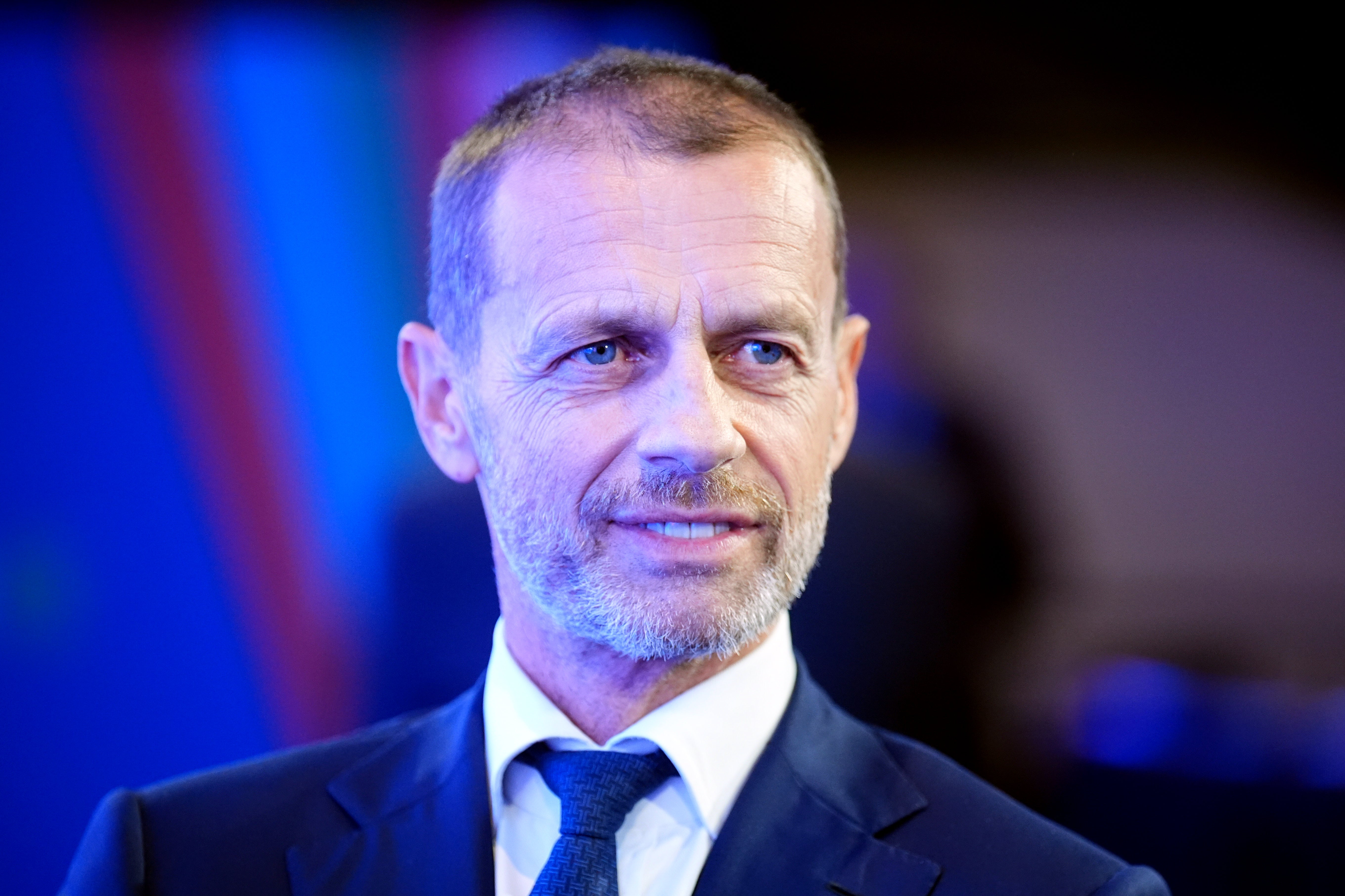
The proposal involved establishing Fifa Forward Enterprise (FFE) and selling a 20 per cent stake to private investors, with Joshua Kushner’s Thrive Eternal reportedly earmarked as the lead investor group. Joshua Kushner is the brother of Jared Kushner, who is the son-in-law of United States President Donald Trump.
Both the AFC and Uefa have expressed dismay that member associations were reportedly unaware of the plans until media reports surfaced.
The AFC’s statement read: “The AFC stands in solidarity with Uefa and Concacaf in expressing serious concerns over Fifa’s proposal to introduce private investment into Fifa’s flagship competitions and the decision-making process around FFE.”
It continued: “The fact that the situation has reached the point where the real possibility of a Fifa World Cup boycott has entered public discourse should concern everyone who cares about the future of our game. Football should never have been placed in such a position.”
The confederation further elaborated on its concerns: “While the immediate debate centres on FFE, the AFC considers this issue extends far beyond a single proposal. Rather, it has exposed fundamental weaknesses in Fifa’s consultation and decision-making processes that must now be addressed.
“While the AFC notes Fifa’s latest clarification on the proposal, the central concerns surrounding governance, institutional process and meaningful consultation remain unanswered.”
Fifa has been approached for comment regarding these developments.
Sports
Lovepreet Singh: Son Of A Tailor Who Clinched CWG Record In Weightlifting, Missed Gold By 1 Kg
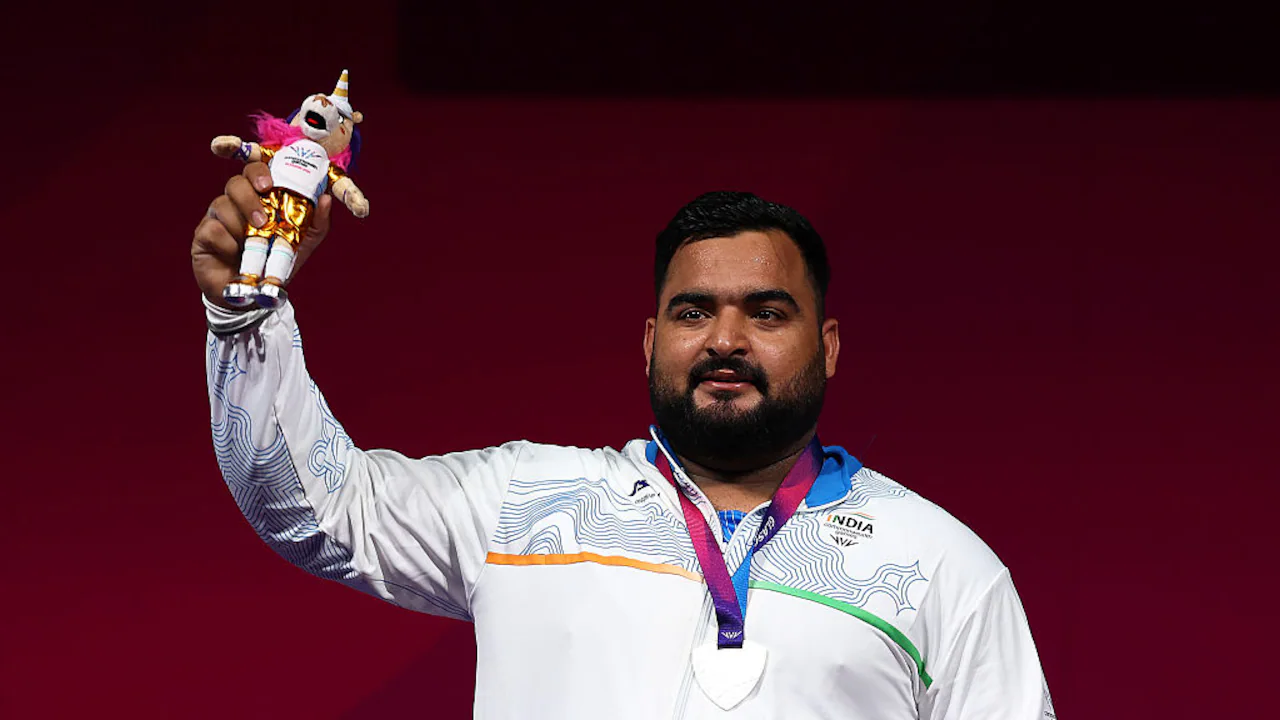
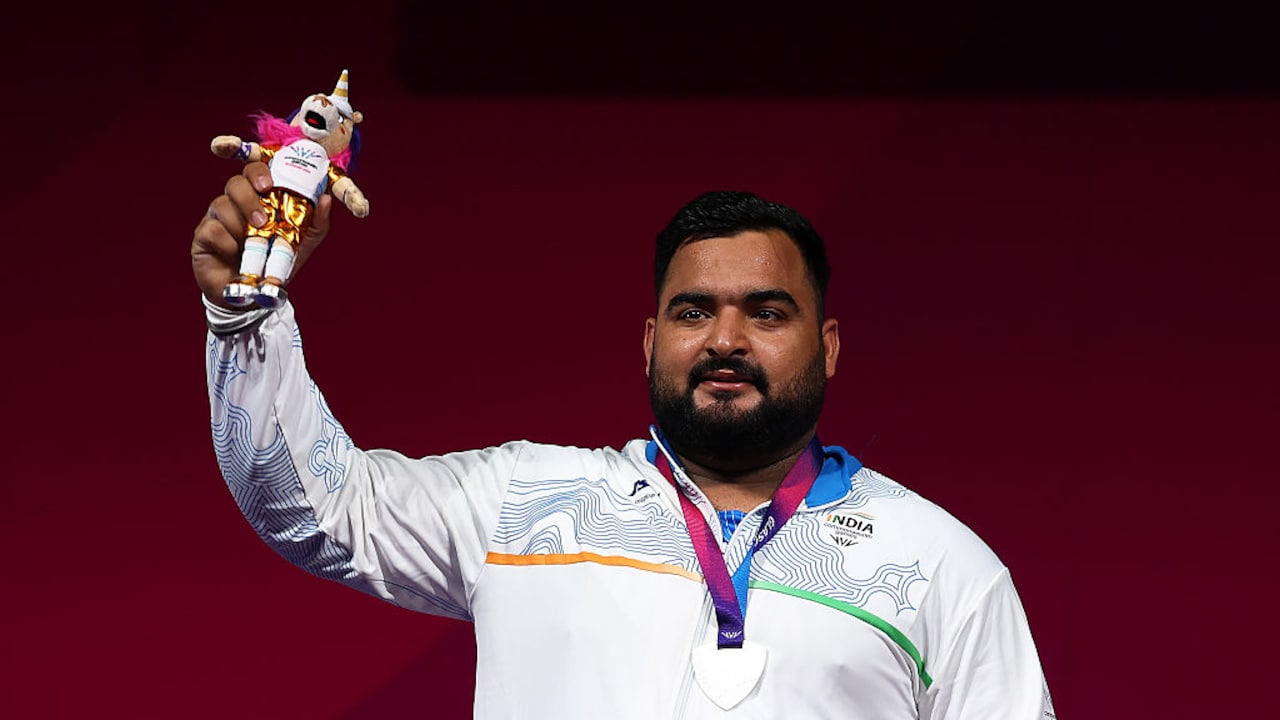
India’s Lovepreet Singh shattered the Commonwealth Games snatch record and came agonisingly close to gold before finishing just a kilogram behind New Zealand’s David Andrew Liti to claim silver in the men’s 110kg weightlifting competition on Thursday. The 28-year-old totalled 388kg (176kg in snatch and 212kg in clean and jerk), was pipped by Liti, who clinched gold with 389kg (166kg 223kg) after a Games record lift in clean and jerk. England’s Andrew Griffith claimed bronze with a distant 356kg (165kg 191kg). A bronze medallist at the previous edition, Lovepreet went one better this time, ending India’s run of three medal-less weightlifting events and capping a successful campaign for the contingent, which finished with eight medals — one gold, six silver and one bronze.
Hailing from Bal Sikander village in Punjab’s border district of Amritsar, Lovepreet comes from a humble family. His father is a tailor, while his grandfather earned a living selling vegetables. Encouraged by his family to pursue sport instead of the family profession, he took up weightlifting at the age of 13 at the DAV Ground and has since emerged as one of India’s leading heavyweight lifters.
The Punjab lifter was in sublime touch in the snatch, opening with a comfortable 168kg before effortlessly raising the bar to 173kg.
He then smashed the Games record with a flawless 176kg in his third attempt, taking a commanding 10kg lead into the clean and jerk.
The early exit of Samoa’s fancied Sanele Mao, who failed all three attempts at 175kg in the snatch, further strengthened Lovepreet’s position as he emerged the favourite for gold.
But Liti mounted a remarkable comeback in the clean and jerk.
The New Zealander began with 207kg to reduce the deficit before Lovepreet successfully matched his personal best of 212kg in his second attempt.
Roared on by chants of “Come on Jatta” and “Come on Singh”, Lovepreet opted for a bold 217kg in his final attempt, a lift that would have broken the Games record and secured gold.
He managed to clean the weight but could not summon enough strength to jerk it overhead.
That opened the door for Liti, who produced a massive 223kg, a new Games record in clean and jerk, to snatch the gold by the slimmest of margins.
Featured Video Of The Day
Spain’s Royal Family Welcomes World Cup Champions To Zarzuela Palace
Topics mentioned in this article
Sports
Quote of the day by Neeraj Chopra: “Medals are decided on the day, not before…” – why success is earned in the moment, not predicted in advance | Commonwealth Games News
Quote of the day by Neeraj Chopra (AP photo)
Sport is full of predictions made long before anyone actually competes, favourites picked out in advance, rankings treated almost like guarantees. Neeraj Chopra, India’s Olympic javelin champion, put it more simply than most. “Medals are decided on the day, not before that,” he said. Past results and world rankings can build confidence going in. None of it actually decides anything until the competition itself is over. Chopra’s own career has proved this point more than once, sometimes in his favour and sometimes against it, which is really what gives the quote its weight rather than treating it as a comforting slogan.
Quote of the day by Neeraj Chopra
“Medals are decided on the day, not before that”
What is the meaning behind Neeraj Chopra’s quote
Past achievements, world rankings and public expectation can all build genuine confidence, but none of them actually determine what happens on the day itself. The only thing that really counts is how well someone performs at the exact moment it matters. A champion cannot simply coast on what they did last year. Every new competition brings new conditions, new opponents and a fresh set of challenges that have to be met all over again.
Why reputation on its own never guarantees anything
Being seen as the favourite can build real confidence. It can also create real pressure, sometimes more than any athlete really expects going in. Plenty of highly ranked athletes have fallen short precisely because they assumed their past success would simply carry over automatically. Just as often, athletes given little chance beforehand have won by focusing entirely on the actual task in front of them rather than what anyone expected of them.
Why staying present matters so much in competition
Plenty of people get distracted thinking about the outcome long before the moment actually arrives, worrying about failure before they have even taken the first step. Elite performers tend to focus somewhere much narrower, one throw, one race, one decision at a time. Chopra has described this directly himself, saying he prefers to take each competition as it comes rather than thinking ahead to milestones or medals.
Why real preparation is what actually creates confidence
Performance on competition day rarely happens by accident. It reflects months, sometimes years, of disciplined training, recovery, nutrition and mental preparation, all of it happening long before the actual event. Chopra has spoken about knowing almost instantly how a throw has gone, from the rhythm and technique alone, a kind of instinct built entirely through that accumulated preparation rather than something that simply appears on the day itself.
Why respecting every competitor genuinely matters
Chopra has spoken often about taking every rival seriously regardless of their ranking or reputation. Every competitor training at that level has put in serious work and deserves to be approached with real respect rather than assumed inferiority. Underestimating anyone tends to breed exactly the kind of complacency that costs athletes results, sometimes at the worst possible moment.
Why this lesson clearly reaches beyond sport
The same principle shows up everywhere. Students prepare for exams, but the actual mark depends entirely on performance during the exam itself. Professionals might spend months preparing a presentation, but success still comes down to delivering it well on the day. Preparation matters enormously. Execution, in the actual moment, tends to matter even more.
Why humility is such a large part of real greatness
Despite Olympic gold, an Olympic silver, and a World Championship title, Chopra consistently avoids assuming victory before he has actually competed. After his Tokyo win, he presented his own medal to his parents, Saroj Devi and Satish, saying in Hindi, “Ye medal mera nahi hai, ye desh ka medal hai,” this is not my medal, this is our country’s medal. That same humility runs directly through today’s quote. Past medals provide experience. They were never meant to provide entitlement to the next one.
Other famous quotes by Neeraj Chopra
- “Personally, I don’t think about milestones or medals, but like to take each competition as it comes and focus on doing my best and becoming better with each competition.”
- “Once I throw, I immediately know how well I have done, or how badly, from the effort I have put in and the way the rhythm and technique comes together.”
- “I will never say this, the greatest of all time.”
- “This is not my medal, this is our country’s medal.”
Why this quote continues to inspire millions of people
People today spend a lot of time preoccupied with rankings, forecasts and public expectation, none of which actually decides a real result. Chopra’s words are a reminder that what matters is preparation, composure, and the ability to actually deliver once the moment genuinely arrives, whether that moment happens on a track, in an exam hall, or anywhere else something real is finally on the line.
By Kath Hudson 31 Jul 2026
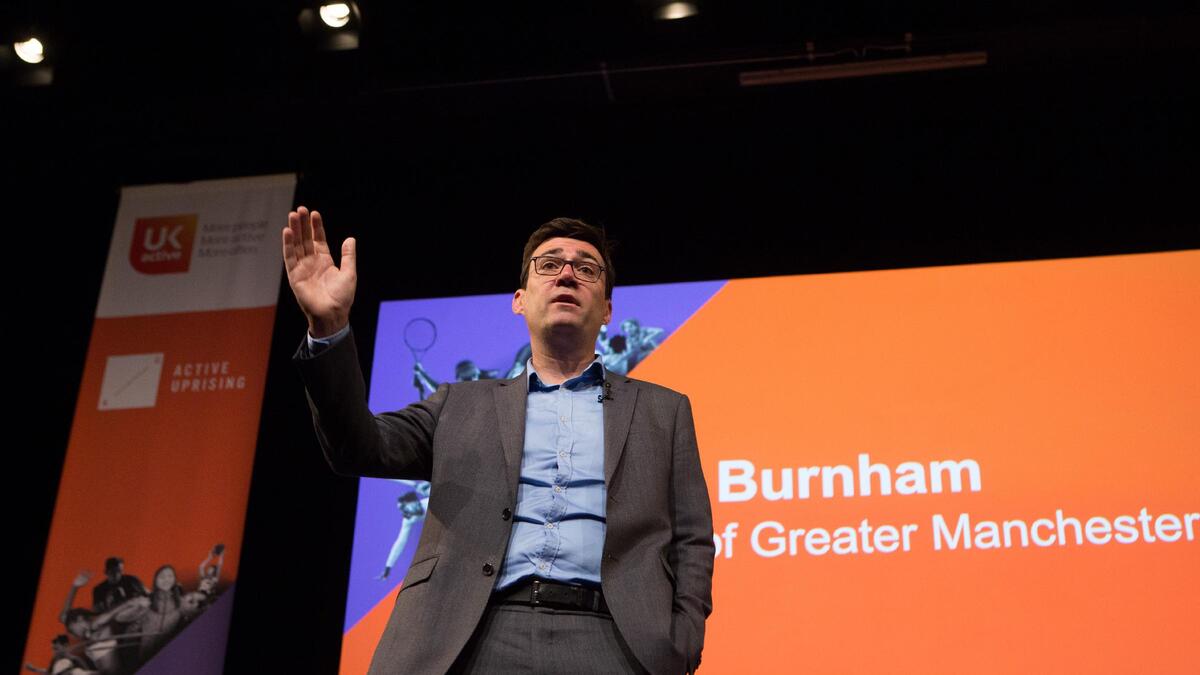
UK Active CEO, Cameron Saunders, has written an open letter to the UK’s new Prime Minister, Andy Burnham, congratulating him on his appointment and expressing a willingness to work with his government.
There’s hope Burnham could be a gift for the sector, as he fully understands the importance of physical activity – as explained in an interview with HCM’s sister publication, Sports Management in 2019.
Burnham has repeatedly advocated for integrating leisure facilities into primary care and recognised the sector as a driver of economic productivity.
As mayor of Greater Manchester, he made systemic changes to get 75 per cent of the city’s population active by 2025, including investing in active travel infrastructure.
During the pandemic he repeatedly lobbied central government for emergency relief funds to prevent the closure of leisure centres and swimming pools across the city.
During his tenure as Health Secretary in 2009-2010, he was one of the first politicians to frame physical activity as a core pillar of preventative medicine. In this role he was the primary architect of the national Free Swimming Scheme and Change4Life campaign.
Burnham says he wants to disrupt the status quo, create growth in every postcode and to give back hope. “Our job won’t be done until people aren’t just living, but living well,” he says.
In his first week as Prime Minister he launched a national drive to end rough sleeping; announced a tax cut on energy bills, a £2 cap on bus fares and a 20 per cent cut on business rates on pubs, clubs and music venues, as well as opened Number 10 North.
Here is Saunders’ letter in full:
Dear Prime Minister,
I am writing as the CEO of UK Active, to congratulate you on your appointment as Prime Minister and set out how the physical activity sector can work with your Government to drive change.
During your speech as Mayor of Greater Manchester at our ‘Active Uprising’ conference in 2018, you spoke passionately about the national role and importance of physical activity. We welcomed your commitment to “put physical activity at the heart of everything we do”, and your recognition of it as “the most cost-effective way of dealing with some of biggest challenges we face”. I hope these beliefs still ring true and you will build on your track record, helping us to scale nationally your work embedding physical activity across Greater Manchester.
Gyms, swimming pools and leisure centres are critical in tackling the nation’s most pressing challenges: relieving pressure on the NHS, tackling economic inactivity and driving economic growth. In the face of an overburdened health service with unsustainable waiting lists, rising levels of unemployment, stubborn inequalities and sluggish national growth, physical activity delivered by these facilities can form a central part of the solution.
Our sector is already producing results across these priorities, with the UK Health and Fitness Market Report showing a record 12.2 million members of health and fitness clubs and 679 million visits in 2025, equating to £15.9bn in healthcare savings annually.
These clubs also provide important employment opportunities, particularly for young people aged 16-24, who are most at risk of long-term unemployment and make up 30 per cent of the sector’s workforce.
Our vision is of a gym on every high street, a leisure centre serving every place, improving the health and social cohesion of communities up and down the country, but also driving local regeneration and footfall to other local businesses.
However, major barriers prevent services from reaching the underserved communities where health inequalities persist. The ageing stock of public leisure facilities calls for a long-term strategy, with around 60% of sports halls and swimming pools beyond their expected lifespans or in need of refurbishment. The £400m of grassroots funding announced by DCMS will do little to address this crisis.
Meanwhile, private sector growth is hamstrung by operating conditions, with successive Autumn Budgets raising employment costs and business taxation. These force higher prices, limited expansion plans, reduced services and closures, undermining the chance for healthier, wealthier places.
Pro-growth and pro-prevention, you have a generational opportunity to help people of all ages to be active and we invite your team to meet and discuss how we can help you deliver change.
Yours sincerely,
Cameron Saunders, CEO, UK Active
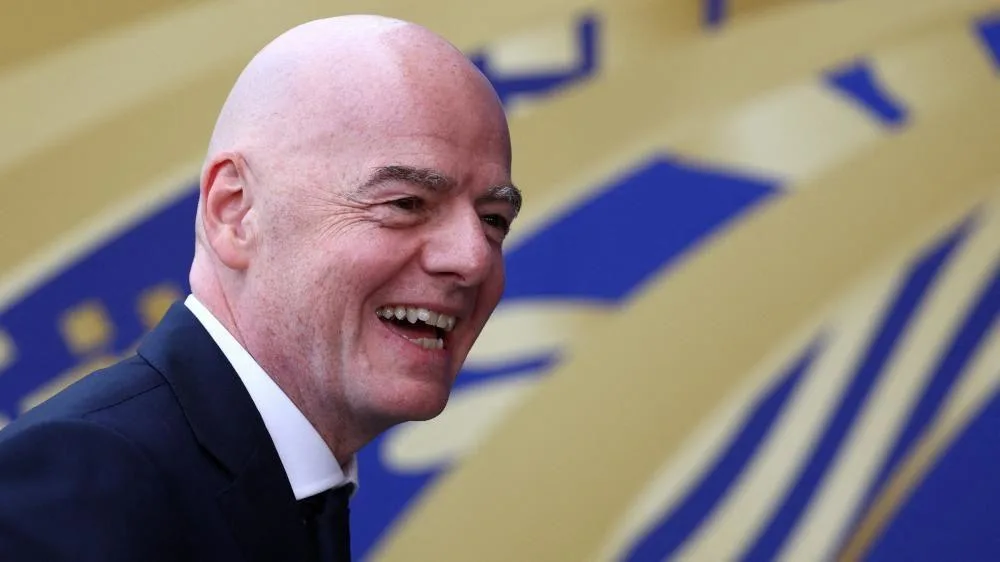
Fifa says that “nobody is selling football” as it vowed to continue with the controversial plan to sell stakes in its competitions to private investors.
Uefa – the body that governs European football – voted on Thursday to boycott World Cups if the plan proceeded.
Advertisement
Concacaf, which governs football in North and Central America and hosted this year’s World Cup, said its 41 member associations also “rejected” the proposal made by Fifa president Gianni Infantino.
Fifa oversees world football and Infantino would need 106 of its 211 members to vote in favour for the proposal to go through. Uefa and Concacaf members combined make up 96 of those votes.
In a statement released on Friday, Fifa claimed the consultation process had been “disrupted by incorrect media reports”.
“We respect the feedback and concern aired in public and reaffirm our commitment to an open and democratic consultation,” the statement read.
Advertisement
“We will proceed with this consultation process to ensure that each MA (member association) has the ability to express its vote based on facts.
“Nobody is selling football. This is not something Fifa would ever entertain.”
What are Infantino’s plans?
Fifa wants to create a commercial subsidiary to run its main events, including its World Cups, and external investors will be able to buy stakes in it.
It said it would “invite third parties to make minority, non-controlling investments” in a new subsidiary – Fifa Forward Enterprise (FFE).
In a 25-page document created by investment bank JP Morgan, it is made clear that Fifa’s tournaments will expand to hit an estimated increased pay-out of 24m euros per member association in the 2035-2039 cycle.
Advertisement
It mentions “new business initiatives” and “attracting top talent with incentive-driven compensation”.
The World Cup is described in it as the “most widely viewed” sporting event but Fifa, by contrast, is said to be “under-monetised”.
There is no mention in the document of the women’s game.
On Friday, Fifa said FFE had been proposed “to ensure all Fifa member associations have the opportunity to take meaningful ownership of the commercial opportunity of football in their respective countries”.
“This does not come at the cost of either the spirit or the governance of Fifa or football itself,” it added.
Advertisement
Infantino previously wrote to Fifa members saying they will receive $40m (£30m) if they back his controversial proposal. He set a deadline of 19 September for federations to accept his plans if they want to access an initial $20m (£15m).
However, Uefa has accused Fifa of using football “to enrich themselves and their friends”.
If approval is granted, Fifa says Thrive Eternal is expected to lead the proposed investor group for FFE.
Thrive is an American venture capital firm founded by Joshua Kushner – the brother of US President Donald Trump’s son-in-law Jared.
What did Uefa and Concacaf say?
Uefa and Concacaf have led the opposition to Infantino’s plan.
Advertisement
“The World Cup cannot be treated as an investment product,” Uefa’s statement on Thursday read.
“It is one of football’s greatest sporting legacies. It has been built over generations by players, national teams and supporters across every continent.
“No part of it should ever be surrendered to private investors. The World Cup is not for sale.
“This is not merely a profound failure of leadership, but an abdication of Fifa’s duty as the custodian of world football.”
Concacaf said its members “expressed deep concerns about the lack of due process surrounding the proposal” and the “artificially short deadline imposed”.
Advertisement
It also questioned the need for private investment after what Fifa claimed was the most profitable World Cup in history.
The Asian Football Confederation (AFC) said that it is “deeply concerned that Fifa’s unilateral actions appear to undermine the very foundations of continental football”.
The AFC also said it was “unacceptable” that it had not been consulted before the proposal was publicly announced, nor provided with “detailed governance, financial or legal analysis”.
The governing body overseeing football in South America, Conmebol, is yet to publicly comment on the proposals. The governing bodies in Africa (CAF) and Oceania (OFC) have said they will discuss Fifa’s plan in August.
Advertisement
Chelsea manager and 2010 World Cup winner Xabi Alonso was asked about the situation during his side’s pre-season tour of Australia.
“I think that football has to be for the people, not in private hands and I think that the way we love it is this way and we have seen a great World Cup and it’s good to defend the interests of all the people,” he said.
“Hopefully it won’t happen and we will do it – we will keep the game as attractive and as authentic as we like it and that’s why it creates these emotions, these passions.”
What happens now?
It feels as though no-one who matters knows how this situation is going to play out just yet.
Advertisement
“Not sure the detail was considered when deciding the overall policy,” was the response from a senior European football source when asked what this decision means for the U20 Women’s World Cup, starting on 5 September, being hosted by Poland and featuring plenty of European nations.
Uefa’s boycott threat will be activated if Infantino’s funding deal is accepted.
Given 19 September is the deadline for countries to accept Fifa’s deal and bank $20m (£15m) on 1 January, in theory, countries could be pulling out of that tournament in the middle of the quarter-finals and before the semis.
After that, the next senior matches in a Fifa competition are the Women’s World Cup play-offs in October, which feature England, Scotland, Wales and Northern Ireland among others.
Advertisement
Infantino became Fifa president in 2016 when he beat Asian Football Confederation president Sheikh Salman al-Khalifa by 115 votes to 88. The Swiss is due to stand for a fourth term in March.
Prior to this week, it had been anticipated he would be re-elected unopposed. FAs around the world, including some in Europe, have already confirmed their intention to support the 56-year-old.
But sources say in addition to rejecting Infantino’s plan, the vast majority of the Concacaf members are either losing faith in the Fifa president’s ability to govern the game, or have lost it altogether.
Do ‘smaller’ nations need more support?
While Uefa members are among the richest on the planet, many nations elsewhere rely on Fifa funding for basic infrastructure.
Advertisement
“There are the aspirations and needs of small nations, but you’ve also got large nations who have the power,” former Football Association chief executive Mark Palios told BBC Breakfast.
“It’s not dissimilar to the attempts to form a European Super League. On one end you’ve got the people who create the cash, but on the other end you still need competition.”
Rogers Byamukama of the Ugandan Football Federation argued that any avenue that could lead to more resources for nations like his should be explored.
“First and foremost, you need to understand that football is a very expensive venture, especially on the African continent where the resources are not easy to come by,” he told Newsday on BBC World Service.
Advertisement
“For instance in Uganda, the number of infrastructure projects that have been funded by Fifa from the resources generated by Fifa, especially at the World Cup, both from ticket sales as well as sponsors.
“On top of that, there are many grassroot programmes that have been funded by Fifa, including schools for football.
“From my perspective, any avenue that brings in more resources is good because those resources would be distributed and given to federations, especially on the African continent and that would inspire growth.”
Byamukama acknowledged Uefa’s right to speak out, but suggested that its members are not reliant on Fifa funding like many associations in the rest of the world where Infantino remains popular.
Advertisement
In the first two cycles of the Fifa Forward development programme, through to 2022, $2.8bn (£2.08bn) was made available for investment across the 211 member associations.
Fifa Forward 3.0 – covering the years 2023 through to 2026 – has produced a 30% increase in funding.
Fifa has provided a further $5m (£3.7m) for every member association, with another $60m (£44.48m) paid to each confederation for their own projects.
After being re-elected unopposed in 2019 and 2023, Infantino is expected to win another term in 2027.
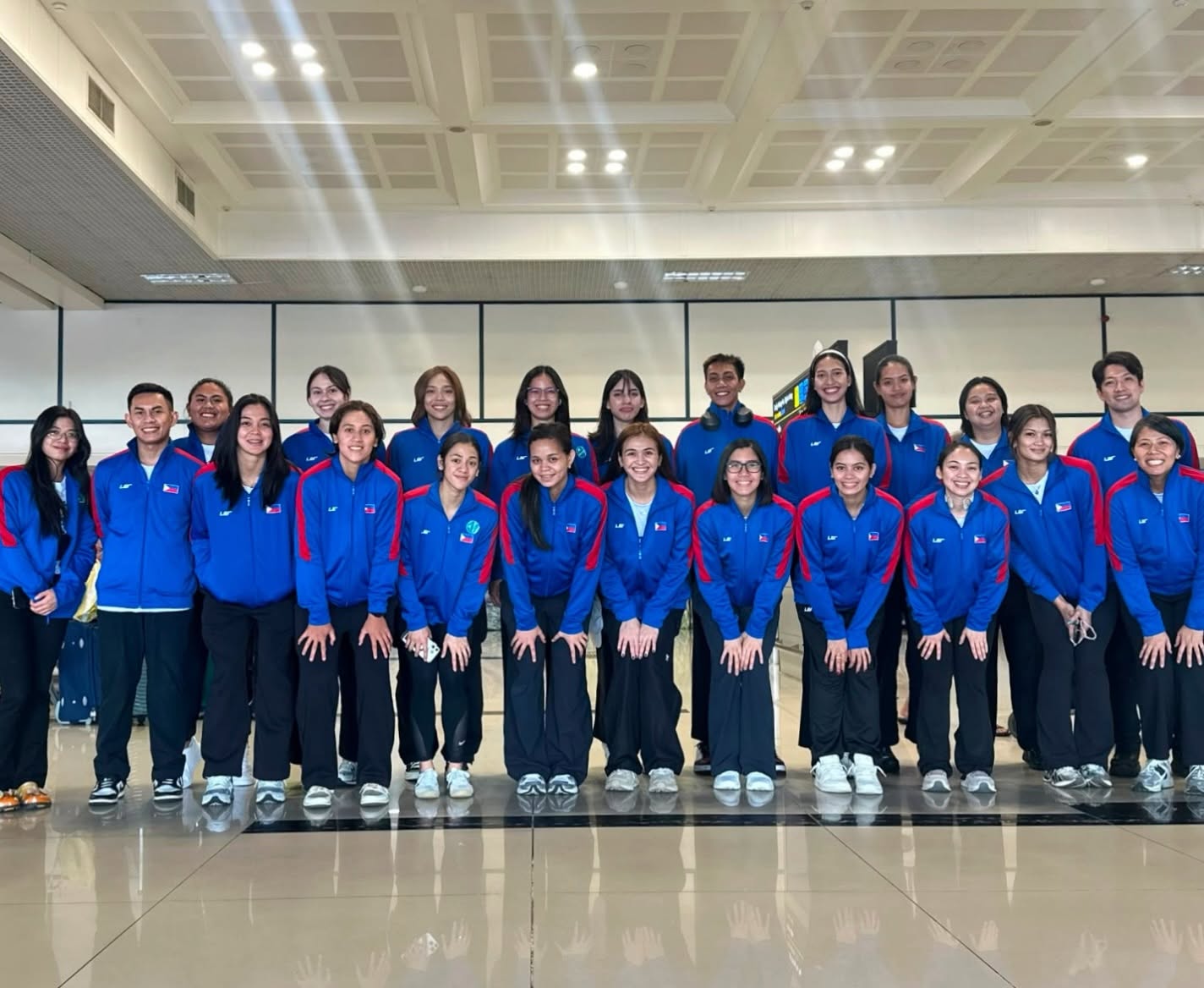
MANILA, Philippines–Alas Pilipinas women’s volleyball team opens a new era under Japanese coach Taka Minowa in the SEA V Cup Leg 1 at Dong Anh Gymnasium in Hanoi Vietnam.
The Filipinos will play a single round-robin tournament, in which the records of four participating nations, including Vietnam, Thailand, and Indonesia, will determine their rankings.
The best record will rule the tournament.
Article continues after this advertisement
In the past four editions, the same core, led by captain Jia De Guzman, won bronze, beating Indonesia in their past meetings.
Alas Pilipinas women at SEA V Cup Leg 1 – schedule
July 31, Friday
- 5pm – Indonesia vs Thailand
- 8pm – Alas Pilipinas vs Vietnam
August 1, Saturday
- 5pm – Alas Pilipinas vs Thailand
- 8pm – Indonesia vs Vietnam
August 2, Sunday
- 5pm – Alas Pilipinas vs Indonesia
- 8pm – Thailand vs Vietnam
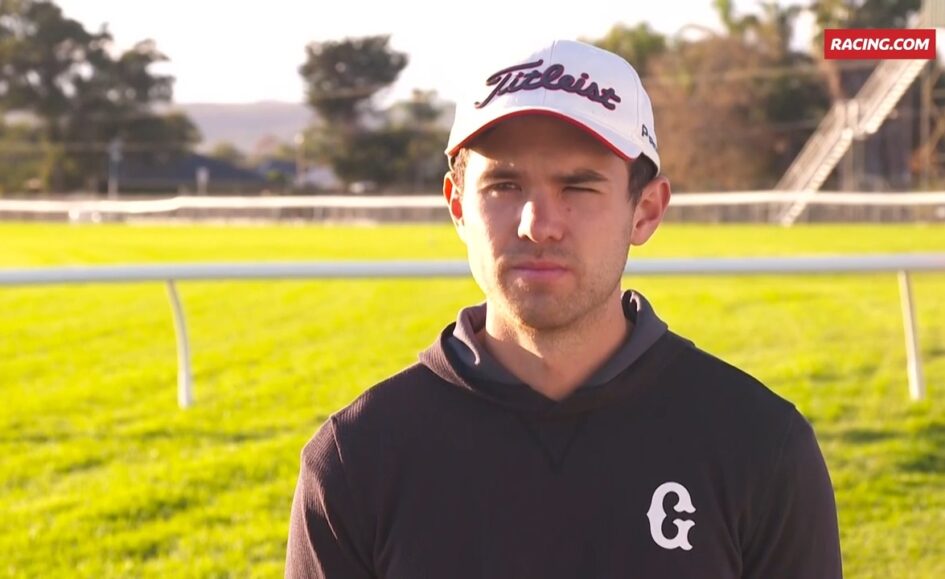
Tommy Stokes believes that patience has been instrumental in his progression within his racing career, as he officially enters a training partnership with his father, Phillip Stokes. The Stokes name will officially feature on the race card as a training partnership for the first time this weekend, with Tommy expressing confidence that the added experience gained over the past year has adequately prepared him for the new responsibilities.
Phillip Stokes had encouraged his son to join him for several racing seasons, particularly after Tommy took charge of the stable’s Adelaide operation just before the COVID-19 pandemic. However, Tommy felt he still had more to learn before fully committing to the partnership.
“Dad’s asked me probably the last three or four seasons, but I just felt like I needed to learn more about the business and needed to move over to Victoria before joining in a partnership,” Stokes shared. “I made the move about 12 months ago to Pakenham and got a season under my belt there and really feel that I’m ready now.”
Tommy has an immediate opportunity to celebrate his inaugural win as a trainer when Street Legal lines up as the favourite in the opening race at Morphettville Parks. The Exceedance gelding is set to contest the $50,000 PFD Food Services Maiden Plate (1250m) after accumulating six minor placings from his seven career starts.
Despite his consistent performances, Street Legal is still in pursuit of his maiden victory, having finished third as the $1.65 favourite over 1000 metres at Morphettville Parks in his most recent outing. “He’s obviously the class runner of the field, it’s just a case of him doing everything right and getting luck at the right point of the race,” Stokes commented. “The step up in trip does look ideal, especially with a low draw (barrier three). It all looks positive, so hopefully it plays out that way.”
Street Legal will be partnered by Noel Callow, who is commencing a fresh chapter in South Australia after returning from a suspension. Callow will also ride Bold Secret, the favourite in Race 8, where the Stokes stable will also have Australia Forever running, with Will Price in the saddle. Price has also been booked for the emergency runner Lafont in Race 3, and Brooke King will partner Nicish, the second favourite in Race 5. The stable’s Victorian team will also be competing on Saturday, with Rebel Tuesday scheduled for Race 2 at Flemington and I Am Velvet engaged in Race 4.
Compare the latest Morphettville and Flemington markets with Australia’s leading betting sites.

Away-game victories as a favorite indicate that a college football program is performing as expected on the road, under pressure.
The tables below show the wins, losses, and win percentages for the region’s top programs as the away team favorite over the last 15 seasons.
San Diego State leads the way, followed by Boise State, Oregon, Colorado, and Stanford.
Winning % and Records as Away Favorite by Program Since 2011
| Win % | Team | Record |
|---|---|---|
| 82.9% | San Diego State | 34-7 |
| 80.6% | Boise State | 54-13 |
| 78.4% | Oregon | 40-11 |
| 77.8% | Colorado | 7-2 |
| 77.5% | Stanford | 31-9 |
| 77.1% | Utah State | 27-8 |
| 76.2% | Arizona | 16-5 |
| 75.0% | Fresno State | 30-10 |
| 74.5% | USC | 35-12 |
| 73.3% | UCLA | 22-8 |
| 72.7% | San Jose State | 16-6 |
| 72.7% | UTEP | 8-3 |
| 71.8% | Washington | 28-11 |
| 71.4% | New Mexico State | 5-2 |
| 70.0% | BYU | 28-12 |
| 66.7% | Air Force | 28-14 |
| 66.7% | UNLV | 12-6 |
| 66.7% | Wyoming | 18-9 |
| 65.5% | ASU | 19-10 |
| 65.4% | Colorado State | 17-9 |
| 65.2% | Nevada | 15-8 |
| 65.2% | Utah | 30-16 |
| 63.6% | WSU | 14-8 |
| 57.9% | Oregon State | 11-8 |
| 54.6% | Cal | 12-10 |
| 53.3% | New Mexico | 8-7 |
| 46.2% | Hawai’i | 6-7 |
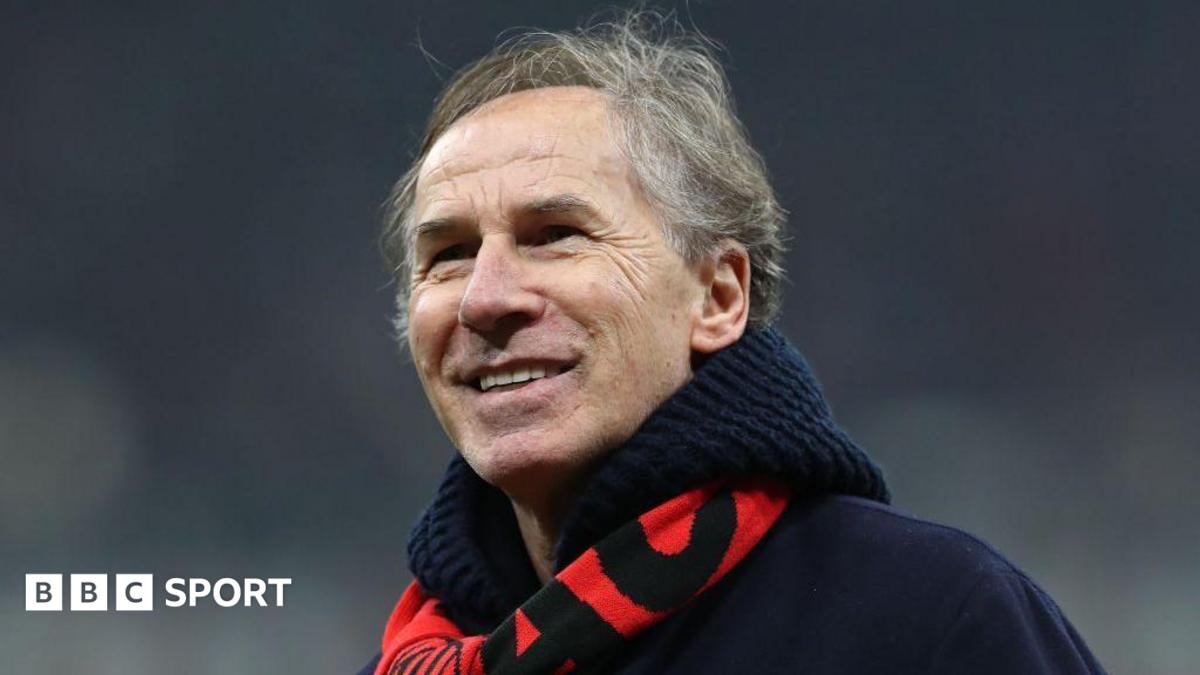
Franco Baresi has died at the age of 66, with AC Milan saying their former captain’s “example and integrity will be forever etched into the club’s DNA”.
Baresi spent his entire 20-year playing career with the club from 1977 until he retired in 1997, winning six Serie A titles and three European Cups/Champions Leagues.
Regarded as one of the greatest defenders to play the game, Baresi captained Milan for 15 seasons, making 719 appearances and scoring 33 goals.
He was capped 81 times by Italy and was part of the squad which won the 1982 World Cup. He played in the 1994 final, which Italy lost to Brazil.
In 2020, Baresi became honorary vice-president of AC Milan, with the club retiring his number six shirt four years later.
Baresi formed part of one of European football’s most celebrated defences alongside Paolo Maldini, Alessandro Costacurta and Mauro Tassotti.
He also lifted four Supercoppa Italianas, two European Super Cups and the Intercontinental Cup twice.
In the 1994 World Cup, he returned from a knee injury to play in the final and largely nullified the threat of Brazil’s Romario and Bebeto in a 0-0 draw.
It was the first World Cup final to be decided by a shootout and Baresi missed the first penalty, with Brazil eventually winning it 3-2.
Baresi had surgery in August 2025 to remove a lung nodule, and his last public appearance was at the San Siro Stadium for the Winter Olympics opening ceremony in February.
In a statement on X, AC Milan wrote: “Milan is in tears following the passing of Franco Baresi. His example and integrity will be forever etched into the club’s DNA, just as his iconic number 6 shirt is.”
In a further post on the club’s website,, external they added: “Announcing the loss of someone who embodied the heart and soul of AC Milan is incredibly difficult. But everyone at the club and all the Milanisti must live up to Franco Baresi’s memory.
“In memory of Franco, we stand united, knowing he’ll guide and push us throughout our Rossoneri journey. Forever. Because Baresi is forever.”

Business41 seconds ago
Wright to delay remedy pick, awaits Hancock appeal

Crypto World2 minutes ago
What It Means to Plead the Fifth Amendment
Entertainment3 minutes ago
Where is Bryan Kohberger today? Everything to know before Netflix’s Idaho murders documentary


-

 Fashion7 days ago
Weekend Open Thread: Brooks Brothers
-
 Sports5 days ago
Commonwealth Games boxing: Jadumani Singh seals dominant 5-0 win over Pakistan’s Sumama Rehman to enter quarter-finals | Commonwealth Games News
-

 Business2 days ago
Why Trees Belong on the Risk Register
-

 Tech4 days ago
Intel is reversing course and bringing hyper-threading back to its server chips
-

 Crypto World6 days ago
Ripple bought a bank in pieces. The $4 billion audit
-

 Politics4 days ago
Luke Littler dismantles Gerwyn Price to retain title in Blackpool
-
 Entertainment7 days ago
A New Post-Apocalyptic Gundam Anime Series Blasts Into SDCC
-

 Politics3 days ago
The Part of the Electric Transition Nobody Wants to Discuss
-

 News Videos5 days ago
BITCOIN JUST ENTERED THIS CRITICAL ZONE…
-

 Business2 days ago
Major shareholder moves on Canyon
-

 Crypto World5 days ago
XRP Ledger adds $2.6B as RWA inflows rank second
-

 News Videos22 hours ago
Bitcoin Enters the 3rd Stage of the Bear Market
-

 Politics5 days ago
Spain sweeps the board at 2026 World Cup with individual awards
-
 Entertainment3 days ago
‘Stargate’ Creator’s New Sci-Fi Series Returns for Season 3 Tomorrow
-

 Entertainment5 days ago
Sara Gilson Killed By Husband After Viral “Pedophile” TikTok Video
-

 Crypto World2 days ago
Kraken Enables Retail Access to Jersey Mike’s IPO via Tokenized Shares
-

 Tech6 days ago
Anthropic launches Claude Opus 5, a cheaper AI model for coding, agents and enterprise workflows
-

 News Videos3 days ago
Claude: Build Financial Dashboards in Minutes (2026)
-

 Politics17 hours ago
Luke Littler’s dominance sparks GOAT debate
-

 Tech3 days ago
New macOS Sequoia & Sonoma security updates for older Macs
You must be logged in to post a comment Login