Connect with us
DAPA Banner
DAPA Coin
DAPA
COIN PAYMENT ASSET
PRIVACY · BLOCKDAG · HOMOMORPHIC ENCRYPTION · RUST
ElGamal Encrypted MINE DAPA
🚫 GENESIS SOLD OUT
DAPAPAY COMING

NewsBeat

Change to law ‘now in force’ for people taking sick day

Published

on

Cambridgeshire Live

The government has confirmed that roughly 15 million people — half of the entire workforce — are set to benefit from the Employment Rights Act 2025

Major reforms affecting all workers have now taken effect – with the Government confirming that approximately 15 million people, representing half of the entire workforce, stand to benefit. Seven crucial measures within the Employment Rights Act are now legally enforceable and will have implications for anyone feeling unwell before going into work.

Advertisement

One notable new change will affect anybody who calls in sick. Further employment law updates include ‘day one’ rights for parental and bereavement leave, as well as an end to exploitative fire and rehire practices.

Officials say the reforms will eradicate insecure work, unfair pay and poor working conditions, putting more money in workers’ pockets and raising living standards. These include extending sick pay to up to 1.3 million of the lowest-paid employees.

In a recent parliamentary question, Labour’s Dr Beccy Cooper asked Secretary of State for Work and Pensions, Pat McFadden: “What assessment they have made of the adequacy of Statutory Sick Pay in meeting essential living costs for low-income workers.”

In response, Dame Diana Johnson, Minister of State at the Department for Work and Pensions, highlighted the new laws which are now in force. She said: “Statutory Sick Pay (SSP) is designed to provide a minimum level of support and financial security for employees when they are unable to work due to sickness whilst also balancing the cost to employers.”, reports the Mirror.

Advertisement

“The government has made key changes to SSP, which came into force last month. Through the Employment Rights Act, we have removed the Lower Earnings Limit for SSP. Previously, employees had to earn at least £125 per week to be eligible to receive SSP from their employer. The removal of the Lower Earnings Limit has meant this threshold no longer applies.

“This means up to 1.3 million more employees will be covered, supporting low-income workers and those who work for more than one employer. We have also removed the waiting period, so people can access sick pay from their first day of sickness absence.

“These changes will mean that employees receive around an extra £400 million a year in sick pay.”

The changes include:

Advertisement
  • Statutory sick pay is paid from the first day of absence, instead of the fourth day. The lower earnings limit has also been removed.
  • Parental leave is more readily available – including paternity leave and ordinary parental leave, or unpaid parental leave, which became a day one right, and bereaved partner’s paternity leave.
  • Disclosure of sexual harassment has become a ‘qualifying disclosure’, giving protections from dismissal and detriment.
  • Fines for employers who do not consult in collective redundancy situations have doubled to 180 days’ pay for each employee affected.
  • Trade unions can use a simplified statutory recognition process to gain the right to negotiate with employers over pay and conditions.
  • Employers must keep records of annual leave and holiday pay.

At Work and Pensions questions following the introduction of the plans, Labour MP Yuan Yang put it to Secretary of State for Work and Pensions Pat McFadden: “What assessment he has made of the adequacy of rates of statutory sick pay.”

For further details on rule changes, click here. Mr McFadden outlined the changes: “I believe my hon. Friend will welcome the changes the Government have made to statutory sick pay, which came into force earlier this month. For the first time ever, we have removed the lower earnings limit for statutory sick pay, as well as the waiting period so that people can access sick pay as soon as they need it. These changes will mean that up to 1.3 million more people will be covered, helping the low paid and those who work for more than one employer in particular.”

Ms Yang emphasised a crucial element was the immediate payments: “I am indeed very proud of this Labour Government’s historic Employment Rights Act 2025, which, from this month, means that workers will get statutory sick pay from the first day they are ill, rather than having to wait till the fourth. Too many people in Reading-even those working in health and care settings-are working through their illnesses; this measure will protect them, their clients and patients and improve the productivity of their workplaces.

“While the ERA is an important step forward, does the Secretary of State accept that the current flat rate of statutory sick pay-at four fifths of average earnings-remains a barrier to those on low incomes, and thus remains a barrier to tackling illness in the workplace?” Mr McFadden added: “I believe that removing the three-day limit and giving access to statutory sick pay from day one, as well as making it available to those who work for multiple employers, should decrease the pressure on workers to have to work through illness.

“My hon. Friend will be aware that the “Keep Britain Working” review led by Charlie Mayfield also aims to work with employers to help keep people in jobs while they cope with some of the long-term sickness issues that can develop as workers get older.”

Advertisement

The TUC has stated that the new Act will bring significant advantages for the nation, including enhanced health, wellbeing and job satisfaction, together with reduced workplace disputes, resulting in higher economic output and employment rates.

TUC general secretary Paul Nowak said: “The Employment Rights Act will deliver vital common sense reforms for millions of people across the country, including sick pay for all workers from day one, banning exploitative zero hours contracts and protecting workers from harassment.

“Too often in this debate the facts are ignored, but stronger rights at work are good for workers and employers – driving up labour market participation, improving health, raising productivity and boosting demand.

“The Employment Rights Act will deliver an estimated £10 billion boost to the economy – gains that far outstrip any costs. Britain will now be brought into line with other countries where workers already have better protections and, crucially, the legislation will give working people the higher living standards and secure incomes that are needed to build a decent life.

Advertisement

“Good employers will also welcome these changes: the Act protects them from competitors whose business models are built on low-paid, insecure employment.”

Research suggests that new sick pay entitlements are set to carry the greatest significance for both employees and businesses alike.

Fred Jerrome, Head of Workplace Policy at Acas (Advisory, Conciliation and Arbitration Service), cautioned that employers could face considerable financial penalties. He said: “6 April marked more than the new tax year – it saw the roll out of the first major employment law changes in the Employment Rights Act 2025.

“But bringing new laws into force is just the first step. At Acas, we’re working on how these reforms can be successful in practice. As well as training managers and communicating with staff about individual rights, Acas encourages employers to take a proactive approach to dealings with trade unions. Our collective conciliation service is on hand to assist with emerging disputes. It will be employers and unions who are ready to work well together who see the most benefits from the changes in April and beyond.”

Advertisement

A study commissioned by conciliation service Acas examining the Employment Rights Act’s reforms revealed that new protections against unfair dismissal were also recognised as significantly impactful.

Firms identified new paternity leave entitlements as their third most pressing concern, while workers attached greater significance to the revised flexible working provisions. Acas stated the research would enable it to target support for employees and employers where it is most required.

Niall Mackenzie, Acas chief executive, said: “The Employment Rights Act is a major shake-up in employment law and will impact businesses and workers across the country.

“It’s crucial that both employers and employees get to grips with the new rules, and Acas remains best placed as independent experts helping everyone at work throughout this period of change.

Advertisement

“Acas will be working with employers, workers and their representatives on the implementation of the Employment Rights Act and we will be updating our advice and training.”

Source link

Continue Reading
Click to comment

You must be logged in to post a comment Login

Leave a Reply

NewsBeat

Trafford Centre Quiz store to close as chain shuts all shops

Published

on

Trafford Centre Quiz store to close as chain shuts all shops

Quiz fell into administration back in February, for the second time in 12 months, after a “tough start” to 2026, with Alistair McAlinden and Geoff Jacobs from Interpath appointed joint administrators.

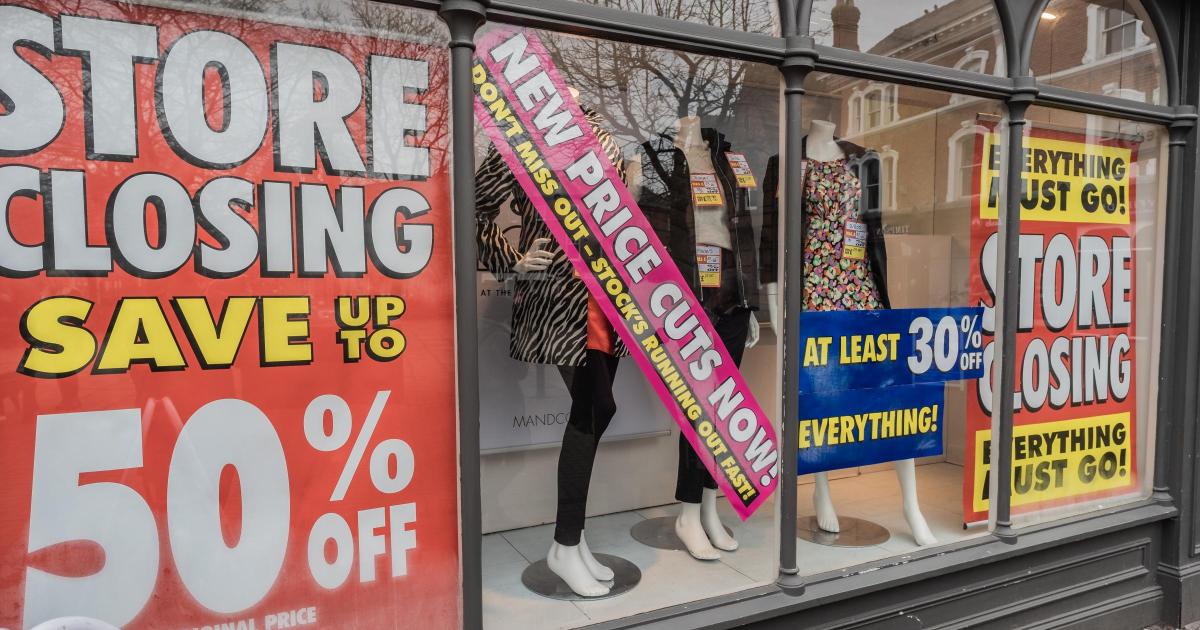
Interpath announced last month that Quiz would implement a “closure plan” for its final stores, with all 37 remaining shops to shut before the end of June.


Mr Jacobs, managing director at Interpath and joint administrator, said: “We’d once again like to say a huge thank you to Quiz staff who have shown such dedication and professionalism under difficult circumstances.”

Advertisement

Full list of Quiz stores set to close

Interpath confirmed that three Quiz stores had already shut before its “closure plan” announcement last month:

  • Belfast (Castlecourt Shopping Centre)
  • Leeds
  • Romford

Administrators have continued to wind down Quiz‘s store estate, with a further six shops having now shut down for good, according to Drapers:

  • Aberdeen
  • Basingstoke
  • Bracknell
  • Dunfermline
  • Inverness
  • Warrington

Another 11 stores are set to close within the coming days:

  • Hanley (June 13)
  • Mansfield (June 13)
  • Carlisle (June 14)
  • Eastbourne (June 14)
  • Watford (June 16)
  • Clydebank (June 17)
  • Irvine (June 19)
  • Portsmouth (June 20)

Quiz’s Northampton location could also close this weekend if remaining stock sells through, Drapers added.

While exact dates are yet to be confirmed, Quiz stores in Castleford and Leicester are also expected to shut down by the end of next week.

The remaining 20 Quiz sites are set to close by the end of June:

  • Cardiff, Wales
  • Craigavon, Northern Ireland
  • Derby, Derbyshire
  • Gateshead Metro, Tyne and Wear
  • Glasgow Braehead, Scotland
  • Glasgow Buchanan Galleries, Scotland
  • Glasgow Fort, Scotland
  • Glasgow St Enoch, Scotland
  • Hull, East Yorkshire
  • Livingston, Scotland
  • Manchester Arndale, Greater Manchester
  • Manchester Trafford Centre, Greater Manchester
  • Merryhill, West Midlands
  • Newry, Northern Ireland
  • Newtownabbey, Northern Ireland
  • Norwich, Norfolk
  • Sheffield Meadowhall, South Yorkshire
  • Stirling, Scotland
  • Telford, Shropshire
  • Thurrock Lakeside, Essex

The number of workers impacted by all these closures remains unknown.

Advertisement

Heavy discounts of up to 80% will be on offer at these remaining Quiz stores as administrators seek to sell off as much as possible to help pay the collapsed firm’s outstanding debts.

Mr McAlinden, head of Interpath in Scotland and joint administrator, said: “We would encourage shoppers to visit their local store as we commence our final closing down sale.”

Quiz concessions in New Look and Matalan stores in the UK are not included in the administration and will remain open.

Other UK companies that have closed or entered administration/liquidation in 2026

It has been a tough year for the UK high street, with several retailers entering administration and others announcing widespread store closures.

Major high street brands LK Bennett and Claire’s both closed all their stores in April, having previously fallen into administration.

Advertisement

UK fashion retailer Leading Labels is set to close its remaining 15 stores after falling into liquidation.

Other retailers have been forced to close stores this year, including:


Four UK travel companies have closed in 2026:

Advertisement

Luxury UK holiday company Salamander Voyages also shut down back in April after entering administration.

Meanwhile, four UK airlines have fallen into administration or liquidation:

UK delivery company Yodel is set to be phased out over the coming months after being acquired by InPost.


RECOMMENDED READING:

Advertisement

It’s also been reported that Morrisons is looking to sell some of its in-store pharmacies as it continues to cut costs.

It’s not been all bad news for the UK high street, with several major brands announcing new store openings for 2026, including Aldi, M&S, and Superdrug.

Plus-size clothing brand Evans has also returned to the UK high street in 2026 after closing all its stores and concessions in December 2020.

Is there a Quiz store closing near you? Let us know in the poll above or in the comments below.

Advertisement

Source link

Continue Reading

NewsBeat

British couple abandoned three young children at Spanish hotel to ‘go partying’ | News UK

Published

on

British couple abandoned three young children at Spanish hotel to 'go partying' | News UK
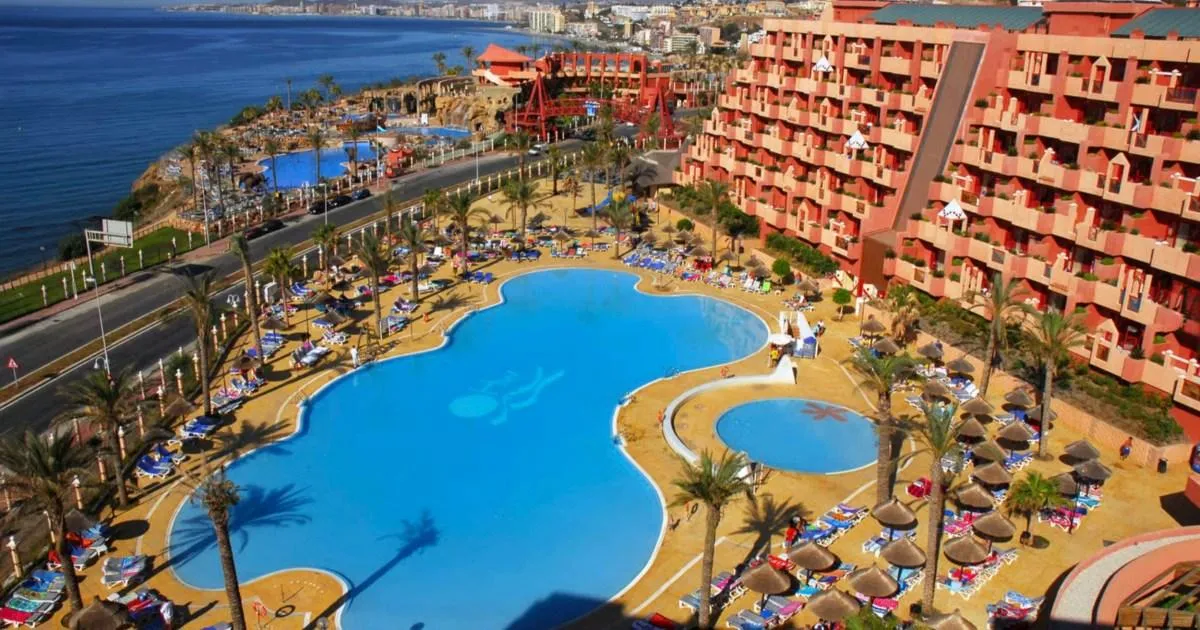
The three children were found alone inside their hotel room at the Holiday World Resort in Benalmadena (Picture: SOLARPIX.COM)

A British couple arrested yesterday for abandoning their children at their Costa del Sol hotel ‘to go out partying’ have been sentenced.

The kids, a baby aged six months, a toddler aged one and a four-year-old, were found alone inside their hotel room at the Holiday World Resort in Benalmadena.

They were taken to hospital, while their British parents, a man aged 41 and a 28-year-old woman, were arrested and charged with abandonment.

The youngest child had also tested positive for cocaine at a Malaga hospital before being taken into care, according to some reports. Although the parents did not admit to this.

Advertisement

The parents were given prison sentences, suspended for a year and a half and have also been banned from seeing their kids for two years.

Sign up for all of the latest stories

Start your day informed with Metro’s News Updates newsletter or get Breaking News alerts the moment it happens.

Advertisement

Emergency foster families had now been found to look after the youngsters.

A spokesman for Andalucia’s High Court of Justice said: ‘They are disqualified for two years and eight months from exercising parental authority, and for a period of two years they will be prohibited from going within 500 meters of the children.

‘The children are under the guardianship of the Social Services of the Regional Government of Andalusia, which, in compliance with this judgment, plans to contact the British consulate so that it can arrange for the three children to be transferred to their home country.’

The National Police in Malaga said: ‘A specialist branch of the National Police called UFAM, a family and women assistance unit, is involved and the Junta de Andalucia’s social services’ unit has taken temporary charge of the children.’

Advertisement

They are understood to have spent a night in police custody before being hauled to court.

It later emerged the family were staying at Holiday World Resort, a massive complex made up of three hotels and a collection of premium apartments totalling more than 850 rooms.

Get in touch with our news team by emailing us at webnews@metro.co.uk.

For more stories like this, check our news page.

Advertisement

Source link

Advertisement
Continue Reading

NewsBeat

Do you lose your whole day to one appointment? ‘Waiting mode’ may be why

Published

on

Do you lose your whole day to one appointment? ‘Waiting mode’ may be why

You have a 3pm appointment. It’s now 10am and somehow your entire day already feels out of reach. Maybe you find yourself unable to start anything properly. You feel on edge, waiting for something to begin, or end. You check the time again and again. Even a positive, planned event, like a friend visiting later, can leave you feeling stuck.

For many neurodivergent people, this experience has a name: “waiting mode”.

Waiting mode describes a state of mental standby before an upcoming event, where focusing on anything else becomes difficult, sometimes even impossible. The event itself does not have to be negative. In fact, it can be something anticipated, neutral or even enjoyable. What matters is that it exists in the near future – later that day, or sometimes days ahead – shaping everything that comes before it.

It is not only triggered by fixed appointments either. In fact, vague time-frames can make it worse: “this afternoon”, “sometime today”, or a delivery due “between 8am and 1pm” can cause anxiety and feelings of being overwhelmed. Without a clear boundary, the waiting expands to fill the entire day.

Advertisement

Waiting mode can be experienced differently person to person. For some, it is cognitive, described as a kind of fog, mental disorientation or even “torment” that makes it hard to concentrate. For others, it is physical – a slowing down, a heaviness, an inability to get started. Many report a sense of paralysis, as though they are suspended in time.

A mind in standby

The feeling of not being able to do anything until it’s over is a commonly discussed phenomenon in online discussions. Tasks that would normally be manageable suddenly feel impossible to begin. Time is watched closely, but not used particularly effectively. There is often an underlying anxiety too: a fear of forgetting, of being late, of getting the timing wrong.

That anxiety can turn inward. People speak about replaying the upcoming event in their minds, running through possibilities, planning for what might go wrong in an attempt to feel more prepared. But this rumination can deepen the sense of being stuck. With no clear sense of what can comfortably be achieved before the event, even small decisions, like what task to start or what to prioritise, can become overwhelming.

Delays and uncertainty tend to intensify the experience. When a plan shifts or remains undefined, it can feel as though control over the day has been lost entirely.

Advertisement
Waiting mode can be experienced differently person to person.
Prostock-studio/Shutterstock

Despite how widely recognised this phenomenon is within neurodivergent communities, waiting mode is not a formal clinical term. Instead, it overlaps with several well-documented traits, particularly in attention deficit hyperactivity disorder (ADHD). For example, researchers have explored differences in time perception, sometimes referred to as “time blindness”, “time dilation” or “time agnosia”. This affects how people estimate time, judge duration and track its passing.

Within this context, waiting mode may be understood as a response to uncertainty. If time is difficult to measure or predict, staying in a kind of mental holding pattern can feel safer than misjudging it altogether. It also connects to executive functioning differences, which can make it harder to start or switch between tasks, particularly under pressure.

Differences in time perception have also been noted in dyslexic and autistic people. It may suggest that this experience is not limited to one group, but part of a broader neurodivergent relationship with time.

Taking back control of the day

For those who experience waiting mode, small adjustments can help. One of the most effective is scheduling important events earlier in the day, which reduces the amount of time spent in anticipation. Where that is not possible, adding structure can make a difference. This may include breaking the day into smaller, defined blocks, or choosing specific, low-pressure tasks to complete beforehand.

Advertisement

External supports are often helpful too. Timers, alarms and digital reminders can reduce the mental load of having to hold the event in mind. Setting multiple reminders, rather than relying on one, can also help interrupt periods of hyperfocus and provide gentle prompts to shift attention.


À lire aussi :
What neurodivergent people really think about the words used to describe them


Preparation can ease the pressure further. Laying out what is needed the day before, or planning the steps required to get ready, can create a sense of control and free up mental space. Over time, tracking how long tasks actually take can also make it easier to judge what is realistically achievable before an event begins. This is often accompanied by the creation of a schedule to follow.

But alongside these strategies, there is a quieter, more important element, which is recognising the experience for what it is. Naming waiting mode allows people to understand that this is not simply procrastination or poor time management, but a genuine way of experiencing time and anticipation.

Advertisement

For many, that recognition alone brings a degree of relief. The day may still feel fragmented, the hours still shaped by what is to come. But it is no longer a personal failing – just another way the mind tried to make sense of time.

Source link

Advertisement
Continue Reading

NewsBeat

World Cup 2026 golden boot standings: Folarin Balogun emerges as front-runner

Published

on

World Cup 2026 golden boot standings: Folarin Balogun emerges as front-runner

The race for the golden boot at World Cup 2026 is expected to be fierce, with Harry Kane, Kylian Mbappe, Erling Haaland and Lamine Yamal all leading contenders to finish as the tournament’s top scorer.

France captain Mbappe and England skipper Kane are the previous two winners of the award, after all. Mbappe scored eight in 2022, including a hat-trick in the final, while Kane struck six for England in 2018.

Folarin Balogun scored twice in the USA's opener against Paraguay
Folarin Balogun scored twice in the USA’s opener against Paraguay (Reuters)

The first ever 48-team World Cup features an additional round of 32, offering the world’s top strikers an additional opportunity of bagging an extra goal as they dream of embarking on a deep run into the tournament.

If players are tied for goals, the number of assists will determine who ranks higher. If there is still a tie, it comes down to minutes played and the goals-per-minute ratio. Here are the latest 2026 World Cup golden boot standings.

World Cup golden boot standings

Advertisement

Two goals

1. Folarin Balogun (USA)

One goal

2. Hwang In-Beom, plus one assist (South Korea)

Advertisement

3. Eight other players (Jovo Lukic, Cyle Larin, Ladislav Krejci, Raul Jimenez, Julian Quinones, Mauricio, Oh Hyeon-gyu, Gio Reyna

Source link

Continue Reading

NewsBeat

Haiti vs Scotland: World Cup 2026 prediction, kick-off time, team news, TV, live stream, h2h results, odds today

Published

on

Haiti vs Scotland: World Cup 2026 prediction, kick-off time, team news, TV, live stream, h2h results, odds today

Scotland’s first World Cup since 1998, the party atmosphere – despite the VISA issues of some fans – is in full swing as fans arrive in Boston for their first game of the tournament against Haiti.

Kenny McLean’s goal against Denmark in the final qualifier sent those fans at Hampden Park into dreamland and they will be hoping Boston Stadium can be a similar Mecca.

Source link

Continue Reading

NewsBeat

The Hoppings brings Texas style hoedown to Newcastle

Published

on

The Hoppings brings Texas style hoedown to Newcastle

The Hoppings returns to Newcastle’s Town Moor on Friday, June 19 and runs for 10 days.

This year, organisers promise an all-American experience with new entertainment, themed food, live music, and plenty of fun for all ages.

Families are being invited to enjoy a real‑life hoedown as The Hoppings brings a touch of Texas to Newcastle this summer. (Image: Supplied)

Ryan Crow of Crow Events, which organises The Hoppings, said: “We always aim to make sure every visitor has the best possible time – whether they’re coming for the rides, something to eat, to hear the music, or just to soak up the unique atmosphere of the Hoppings.

“The Live Lounge will, as always, appeal to all musical tastes.”

Advertisement

A new “Country USA” theme will feature at Feast Street, alongside the return of the Live Lounge.

Families are being invited to enjoy a real‑life hoedown as The Hoppings brings a touch of Texas to Newcastle this summer. (Image: Supplied)

The stage will showcase a daily programme of performances from 5pm (4pm on Sundays), featuring a mix of established and rising musical talent from across the region.

This includes country, rock, soul, and pop.

Saturdays will feature a special ‘Newcastle to Nashville’ country music set from 4pm to 5pm.

Advertisement

Among the performers lined up for this year’s event are award-winning line dancing singer Trey Jackson, as well as returning artists Sam Rea, Andrew Usher, and David Stoker.

Other names to watch out for include Sarah Connolly, Connor Haley, Peter Todd, Martin Marriott, Matty Fenny, Annis Rallis, Kieran Hooper, and Liam Cross.

Live bands will also feature, with performances from the Jam Junkies Band, the Big Bash Band, the Lewis Curry Trio, and the Tim Gambles Trio.

Feast Street, the event’s popular food village, has been rebranded as Feast Street USA.

Advertisement

It will offer a wide range of American-inspired street food from regional favourites and pop-ups.

New names this year include Primal Feast – an American style barbecue featuring brisket along with burgers and steaks – along with Outlaw Loaded Fries, Davey’s Smash Burger, Chicken Ting, Sully’s Slices, and Diamond Dogs.

Families can also enjoy meet-and-greet sessions with princesses and cartoon characters on June 20, 21, 27, and 28, between 1pm and 4pm.

Full details of the entertainment, performers, and attractions can be found at www.hoppingsfunfairs.com.

Advertisement

Source link

Continue Reading

NewsBeat

Planned rail works to affect trains from York and Selby

Published

on

Planned rail works to affect trains from York and Selby

The work is taking place between Leeds, Micklefield and Selby from Saturday (June 13) to Sunday (June 14).

A National Rail spokesperson urged passengers to plan their journeys ahead of schedule – with some services from York and Leeds diverted, operating to and from different services to normal, or cancelled.


Recommended reading:

Advertisement

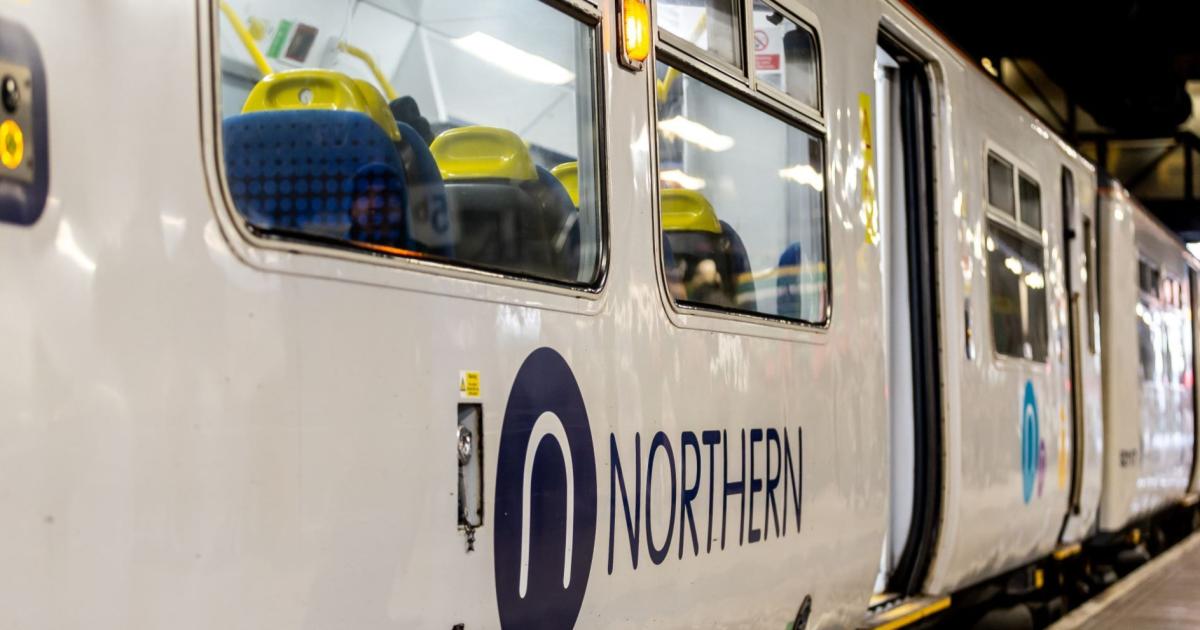
Northern trains between York and Blackpool North will terminate and start in Leeds, and trains between Halifax and Hull will run between Halifax and Leeds and between Selby and Hull.

Replacement bus services will operate between Leeds and York, and Leeds and Selby.

National Rail said: “Except for trains which start or terminate at Leeds, CrossCountry services will not call at Leeds or Wakefield Westgate.

“Trains will be diverted to run via Doncaster, additionally calling there.

Advertisement

“You can use alternative train services at no extra cost for travel to/from Leeds and Wakefield Westgate.”

Other services affected include those travelling between Manchester Airport and York and Manchester Victoria and Scarborough.

You can plan your journey using the National Rail Planner – here.

If you need to travel on a rail replacement service, please see here for advice and information.

Advertisement

Source link

Continue Reading

NewsBeat

The bicentennial brought fireworks, a Freedom Train and Farrah

Published

on

The bicentennial brought fireworks, a Freedom Train and Farrah

WASHINGTON (AP) — In 1976’s “ Rocky,” heavyweight champion Apollo Creed arrives for the title fight dressed as George Washington, reenacting the crossing of the Delaware as models costumed as the Statue of Liberty lead the way.

After entering the ring, Apollo switches into an Uncle Sam costume. “I want YOU!” he roars as he points to Rocky Balboa, the far less flamboyant palooka he’s chosen for this bicentennial bout in Philadelphia.

Then the two boxers pound the daylights out of each other.

It’s as accurate a representation of the American bicentennial vibe as has ever been put on film — plenty of fireworks, but not much thought about how 200 years of independence led to this.

Advertisement

I was 13 years old in 1976. Kids my age — the tail end of the Baby Boom, or the vanguard of Generation X — grew up skeptical of the government. We had outlasted the Vietnam War and the Watergate scandal, with the occasional moment of joy — the moon landing, say — to break the gloom. The state of the union was intact, even if many Americans were still on edge.

My family lived in Newport News, Virginia, not far from the Historic Triangle of Jamestown, Yorktown and Williamsburg. So there was plenty of buzz surrounding the bicentennial. President Gerald Ford and his wife, Betty, took a carriage ride through Colonial Williamsburg, foreign leaders came to visit, and the living museum regularly staged reenactments of the events leading up to the signing of the Declaration of Independence.

Ford and plenty of other dignitaries went to New York for what the president called “the greatest Fourth of July any of us will ever see.” Operation Sail was a floating parade of 16 tall ships and more than 100 smaller vessels from around the world — including, even, the Soviet Union. It was a boon for the beleaguered Big Apple, proving that “New Yorkers could get along, even during difficult times,” according to the Gotham Center for New York History.

All aboard the Freedom Train

For history buffs who couldn’t make the trip east, there was the American Freedom Train, a 26-car behemoth that toured all 48 contiguous states. It displayed two centuries of artifacts like George Washington’s copy of the Constitution, the original Louisiana Purchase, Judy Garland’s dress from “The Wizard of Oz” and a moon rock. Merle Haggard even released a song about it.

Advertisement

I had a nifty 3D poster of the Freedom Train on my bedroom wall. A different poster captured everyone’s eye later in 1976 — one featuring “Charlie’s Angels” star Farrah Fawcett-Majors.

It’s patriotic in its own way. There’s Farrah, sporting big hair, a blinding white smile and a red swimsuit, posed in front of a red, white and blue blanket. The color scheme may not have been intentional, but it might as well be titled “All-American Girl” for its presentation of what much of society saw as one.

There were plenty of more deliberate anniversary collectibles out there. A quick search of eBay in 2026 digs up hundreds of collectible plates, glasses, beer mugs and bumper stickers. The government unleashed special quarters, stamps and license plates. And of course Madison Avenue jumped in, selling bicentennial cereal, candy, beer and soda. You could get a different 7-Up can for each of the 50 states.

Even the creator of the Pet Rock — the preposterous 1975 phenomenon that was, yes, a rock in a box — tried to get in on the act. That fad, alas, had run its course, and the Bicentennial Pet Rock flopped. You’d have been better off buying a Pez dispenser with the head of Paul Revere or Betsy Ross.

Advertisement

Broadcast television — remember, we only had three networks — was more subdued. For kids, ABC’s beloved “Schoolhouse Rock!” spun off “America Rock.” But while that cartoon did include some history, it’s best remembered for the mournful civics lesson “I’m Just a Bill.”

More prominent was CBS News’ “Bicentennial Minute.” Starting July 4, 1974, barely a month before President Richard Nixon resigned, it ran every night in prime time, presenting the news from 200 years earlier. It was so unavoidable that sitcoms like “All in the Family” referred to it; “Saturday Night Live,” which debuted in 1975, paid tribute with a “Bisexual Minute.”

Still, all three networks pulled out the stops on July 4, 1976. Walter Cronkite led the pack with 16 hours of coverage on CBS, while “Bob Hope’s Bicentennial Star-Spangled Spectacular” (“the show that took 200 years to produce”) on NBC celebrated with Sammy Davis Jr., Captain & Tennille and Donny and Marie Osmond.

The bad news bearers

Certainly, not everyone was in the mood to celebrate. Richard Pryor released an influential album whose title was “Bicentennial,” followed by an ethnic slur. The title track is a monologue from a 200-year-old slave; it ends with “I ain’t gonna never forget it.” In the same album’s ”Bicentennial Prayer,” Pryor proclaims, “We are celebrating 200 years of white folks kickin’ ass.”

Advertisement

Popular music wasn’t in a particularly patriotic mood either. Elton John’s 1975 hit “Philadelphia Freedom” became a de facto anthem of sorts, even though it’s barely about Philadelphia and is more about individual independence.

Indeed, the prevailing pop attitude was: Let’s forget about this mess we’ve left behind and go to the disco. So the Billboard singles charts were topped by the likes of Johnnie Taylor’s “Disco Lady,” The Sylvers’ “Boogie Fever,” The Bee Gees’ “You Should Be Dancing” and KC and the Sunshine Band’s “(Shake Shake Shake) Shake Your Booty.”

On the album charts, California’s hippie culture was shaking off its hangover with haunted LPs like the Eagles’ “Hotel California” and Jackson Browne’s “The Pretender.” Something else was breaking loose in New York, though, with aggressive debuts from the Ramones and Blondie. The Ramones’ logo included an eagle holding an olive branch and a baseball bat, and their repertoire included the future stadium anthem “Blitzkrieg Bop.” What could be more American?

Speaking of America’s pastime, I’d be remiss if I didn’t bring up the year’s funniest movie, “The Bad News Bears.” It’s baseball the way it was meant to be played — by a bunch of foul-mouthed juvenile delinquents coached by a surly, alcoholic has-been embodied by Walter Matthau. Double 50-year-old spoiler alert: Like Rocky, the Bears don’t win in the end. But they do have fun.

Advertisement

The same can’t be said for the characters in most of 1976’s dramatic films. Hollywood did its best to get a patriotic movie — the World War II epic “Midway” — in theaters in June, but it quickly fizzled. The top box office draw on July 4th was “The Omen,” about an angelic-looking boy who turns out to be the Antichrist.

More prestigious films continued to wrestle with the paranoia of the Nixon era. “All the President’s Men” dramatized The Washington Post’s investigation of the Watergate scandal. In “Taxi Driver,” a Vietnam War veteran plots to assassinate a presidential contender. In “Network,” a TV anchorman urges his viewers to open their windows and scream, “I’m mad as hell and I’m not going to take it anymore!”

All three are undisputed classics. All three were nominated for the Best Picture Oscar. All three lost to “Rocky.”

Advertisement

Source link

Continue Reading

NewsBeat

The now-demolished former military hospital where WWII casualties were treated

Published

on

Cambridgeshire Live

No trace remains of the building where injured soldiers were once taken to recover

Cambridgeshire is typically known for its rich history, particularly with many former RAF and military bases dotted across the county. One site holds the memory of a former military hospital used to treat casualties during the Second World War.

Advertisement

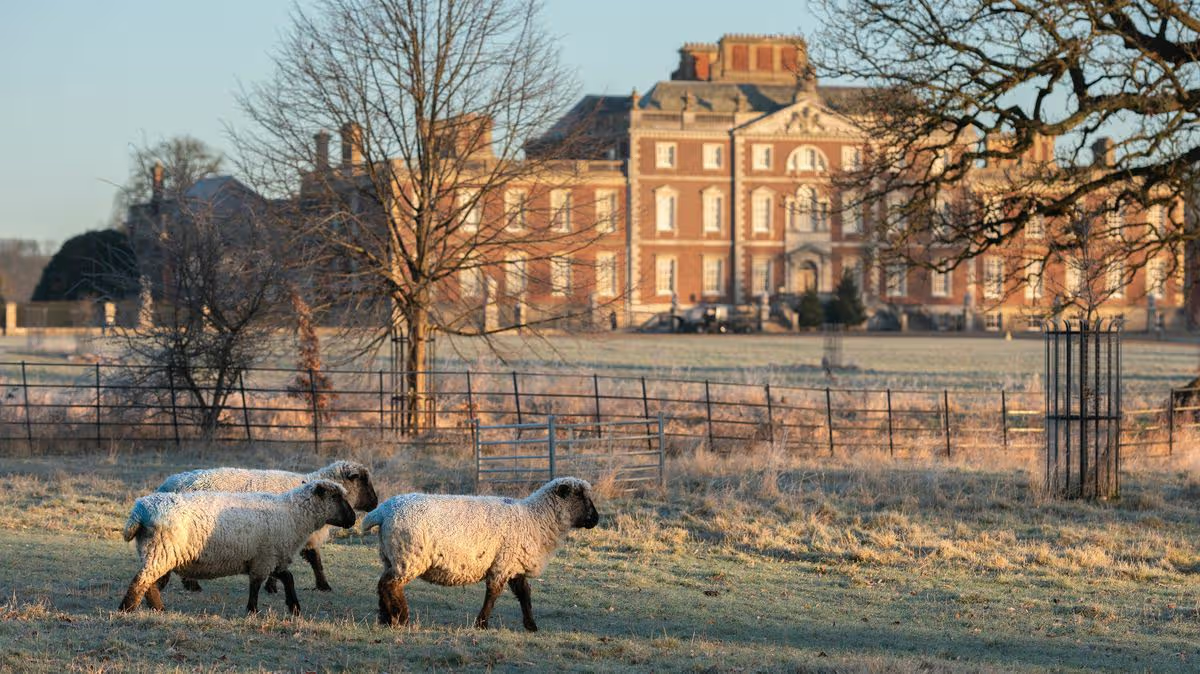
The site in Wimpole had a number of uses, ranging from a World War II casualty hospital known as “Wimpole Park Hospital” to a teacher training college.

In 1943, the British army requisitioned land from the owners of Wimpole Hall in order to build a large hospital. Located to the north east of the Arrington Gates in Wimpole, the hospital site was built to treat casualties from an expected future invasion of Europe, according to Imperial War Museums.

The site was initially planned to be used as a United States general hospital for the casualties expected from the Normandy Beach landings in 1944. It is thought that the hospital was also expected to act as a holding hospital for injured men waiting to be transferred to the United States.

Situated near Bassingbourn airfield and Melbourn railway station, the hospital was ideally located to receive injured soldiers from Europe and allow them to recover over time. This hospital continued to operate until 1946 before closing down.

Advertisement

After its use as a hospital, the buildings were then used for a training college, a school, and for emergency housing. It later returned to use as a hospital in 1952. This time, it was used as a United States Air Force Hospital before the land was finally restored to the Wimpole Estate in 1960.

The Wimpole Estate is managed by the National Trust. The National Trust states: “On the flat ground looking towards the Arrington gates, was the site of an American military hospital built during the Second World War. After the war, it was used for a short time as a teacher training college before it was demolished in the 1950s.”

There is no trace visible today of its former uses other than the flatness of the location compared with the rest of Wimpole park.

Source link

Advertisement
Continue Reading

NewsBeat

Anthropic says it has taken its latest AI models offline

Published

on

Anthropic says it has taken its latest AI models offline

WASHINGTON (AP) — AI giant Anthropic said Friday it has taken its latest artificial intelligence models, known as Fable 5 and Mythos 5, offline to comply with a directive from the Trump administration to prevent their use by foreign nationals.

The export controls mark the U.S. government’s most significant step to date to restrict access to the most advanced AI models. Anthropic released Fable widely this week. That model is a limited version of the even more advanced Mythos, to which the company has tightly limited access due to cybersecurity fears.

In a statement, Anthropic said it disagrees with the government’s handling of the matter, saying it received the directive from the U.S. government Friday afternoon and it did not specify the national security concerns. “We believe the government should have the ability to block unsafe deployments, as part of a statutory process that is transparent, fair, clear, and grounded in technical facts,” the company said. “This action does not adhere to those principles.”

Anthropic called it a “misunderstanding” and said it hopes to restore access to the models “as soon as possible.”

Advertisement

The Commerce Department did not immediately respond to a request for comment.

The action comes 10 days after President Donald Trump signed an executive order to establish a framework for the federal government to vet the national security risks of the most advanced AI systems for up to a month before their public release. Participation by AI developers would be voluntary, the order said.

Advertisement

Source link

Continue Reading

Trending

Copyright © 2025