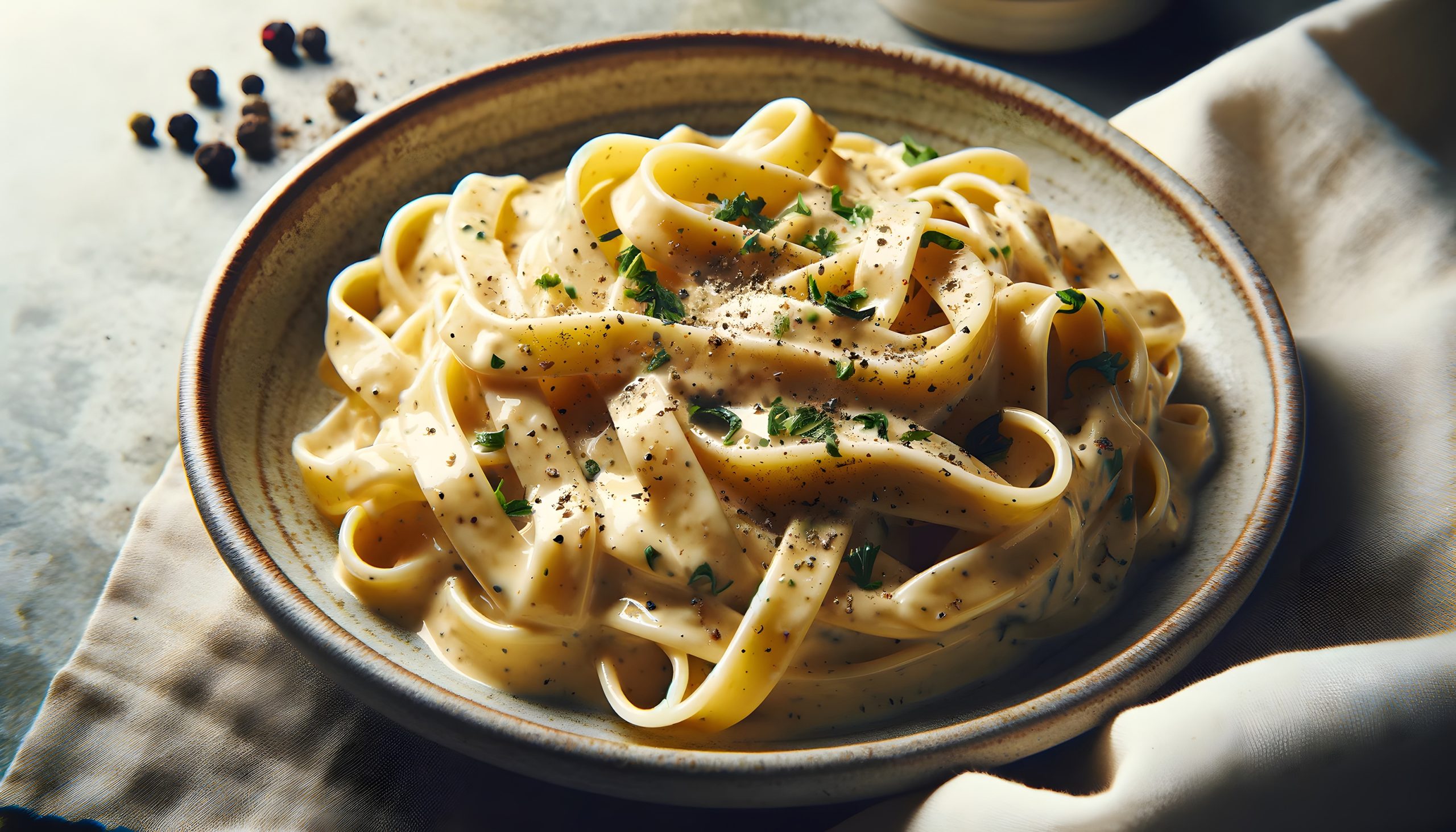
WASHINGTON — The U.S. Food and Drug Administration has classified a voluntary recall of more than 900 cases of Alfredo sauce as a Class I event, its highest-risk category, due to potential salmonella contamination from a dry milk powder ingredient supplied to The Coffee Connexion Co., Inc.
The Tennessee-based company initiated the recall on May 6 after its supplier recalled the ingredient, prompting swift action to protect public health. The FDA assigned the recall its most serious classification on June 4, indicating a reasonable probability that use of or exposure to the product could cause serious adverse health consequences or death.
The affected product consists of 913 cases of Alfredo sauce packaged in 3-pound, 7-ounce sealed poly bags, with 12 bags per case. It was distributed primarily to food service operations rather than direct retail consumers, meaning it may have been used in institutional kitchens, restaurants and other commercial settings across a wide geographic area.
Specific batches include those with UPC 0039954921963 and the following identifiers: batches 046188 through 046193 with a best-by date of Jan. 12, 2028; batches 047290 through 047296 with a best-by date of Feb. 16, 2028; batches 048029 through 048034 with a best-by date of March 9, 2028; and batches 049089 through 049094 with a best-by date of April 20, 2028.
The sauce reached customers in 41 states: Alabama, Arkansas, Arizona, California, Colorado, Florida, Georgia, Illinois, Indiana, Iowa, Kansas, Kentucky, Louisiana, Massachusetts, Maryland, Maine, Michigan, Minnesota, Missouri, Mississippi, Montana, North Carolina, Nebraska, New Hampshire, New Jersey, New Mexico, New York, Ohio, Oklahoma, Oregon, Pennsylvania, Rhode Island, South Carolina, South Dakota, Tennessee, Texas, Utah, Virginia, Washington, Wisconsin and Wyoming.
Health Risks and Salmonella Concerns
Salmonella is a common bacterial cause of foodborne illness. According to health authorities, it can lead to serious and sometimes fatal infections, particularly in young children, older adults, and individuals with weakened immune systems. Healthy people infected may experience fever, diarrhea, nausea, vomiting and abdominal pain, with symptoms typically appearing within hours to days after consumption.
The FDA has not reported any confirmed illnesses linked to this specific recall as of the latest enforcement update. No press release was issued by the company at the time of initiation, and the recall remains ongoing with efforts focused on removing the product from circulation in commercial channels.
This incident highlights the complexities of the modern food supply chain, where ingredients sourced from multiple suppliers can introduce risks even in finished products like sauces. The dry milk powder in question was previously flagged, triggering a cascade of recalls across affected items.
Company and Distribution Details
The Coffee Connexion Co., Inc., based in Lebanon, Tennessee, produces various food service items. The Alfredo sauce was distributed through channels including Aramark, a major provider of institutional food services. Because it is a commercial product, it is less likely to appear on grocery store shelves but could have been served in cafeterias, hospitals, schools and other large-scale operations.
Representatives for the company did not immediately respond to requests for comment. The FDA’s enforcement report emphasizes that consumers and food service operators should check inventory against the listed batch codes and best-by dates.
What Consumers and Operators Should Do
The FDA advises anyone who may have the recalled Alfredo sauce to stop using it immediately. Food service establishments are urged to dispose of the product safely or return it to their distributor. Individuals who have consumed the sauce and experience symptoms should contact their healthcare provider.
This recall serves as a reminder for vigilance in food safety. Experts recommend that commercial kitchens maintain detailed records of suppliers and lot numbers to facilitate rapid response in such situations. Households that receive catered or institutional meals should inquire about ingredients when concerns arise.
Broader Context of Food Recalls
Food recalls for potential salmonella contamination occur periodically across the industry, often tied to ingredients like powdered milk, spices or produce. The FDA’s recall classification system helps prioritize public health responses: Class I for high-risk situations, Class II for temporary or reversible adverse effects, and Class III for unlikely health consequences.
In recent years, the agency has strengthened oversight through improved traceability requirements and partnerships with state regulators. This Alfredo sauce recall, identified as FDA recall number H-0909-2026, fits into ongoing efforts to minimize risks in the dairy supply chain.
Salmonella outbreaks linked to dairy products have historically affected hundreds, underscoring the importance of pasteurization and rigorous testing. While dry milk powder undergoes processing, contamination can still occur at various points in production, storage or transportation.
Impact on Food Service Industry
For operators relying on bulk supplies, this recall may necessitate menu adjustments or sourcing alternatives on short notice. Aramark and similar providers are likely coordinating with clients to ensure compliance and transparency. The scale — 913 cases equating to thousands of individual servings — illustrates the potential reach even in a non-retail product.
Public health officials encourage reporting any suspected adverse events to the FDA’s MedWatch program. While no illnesses have been publicly linked, proactive monitoring remains essential, especially for vulnerable populations in institutional settings.
Preventing Future Incidents
Industry best practices include supplier verification programs, regular testing of incoming ingredients, and robust hazard analysis under systems like HACCP (Hazard Analysis and Critical Control Points). The FDA continues to collaborate with manufacturers to enhance these protocols following high-profile recalls.
Consumers can protect themselves by staying informed through official channels like the FDA website or state agriculture departments. Apps and email alerts from recall tracking services provide timely notifications for food safety issues.
This event also spotlights the role of dry ingredients in prepared foods. Milk powder is a common component in sauces for its convenience and shelf stability, but it requires careful handling to prevent bacterial growth.
Looking Ahead
As the recall progresses, the FDA will monitor effectiveness through audits and effectiveness checks. The Coffee Connexion Co. is expected to provide updates on retrieval rates and any further actions. For now, the focus remains on removing potentially affected product from the supply chain.
Food safety remains a shared responsibility among regulators, manufacturers, distributors and consumers. Incidents like this reinforce the need for continuous improvement in supply chain transparency and rapid response mechanisms.
The Alfredo sauce recall, while limited in scope compared to nationwide consumer products, carries significant implications for commercial food operations in 41 states. Awareness and swift compliance are key to mitigating any potential health risks associated with the Class I designation.























































You must be logged in to post a comment Login