

Business
Takeaways aims to make savory the new sweet in protein bars




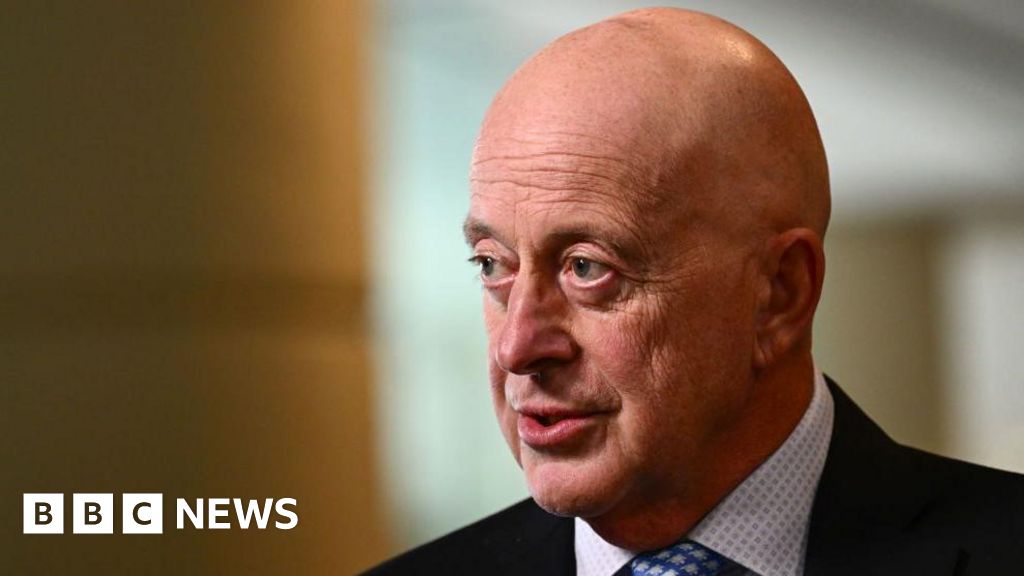
Mondelez boss Dirk Van de Put says it was the “right decision” to remain after the war with Ukraine.
SlateStone Wealth chief market strategist Kenny Polcari discusses whether investors are too dependent on AI, Space X’s IPO and his outlook for the markets on ‘Varney & Co.’
Verizon is looking to attract and retain customers by offering new, simpler plans that will drop activation and upgrade fees while also rolling out a new loyalty program offering discounts and other perks.
The company is competing aggressively with AT&T and T-Mobile in the telecoms market, with rivals looking to gain an edge with consumers and have extended device subsidies, added plan discounts and proposed increased spending on network infrastructure.
The new “Simplicity” plan drops network tiers and will combine Mobility and Home on one bill, with taxes and fees included.
Verizon said the new loyalty program will offer customers 3% back on bills from July that can be used to buy new phones or at consumer brands such as Sephora, Hilton, Marriott and Starbucks.
VERIZON CUSTOMERS FACE 35-DAY WAIT TO UNLOCK PAID-OFF PHONES UNDER POLICY CHANGE
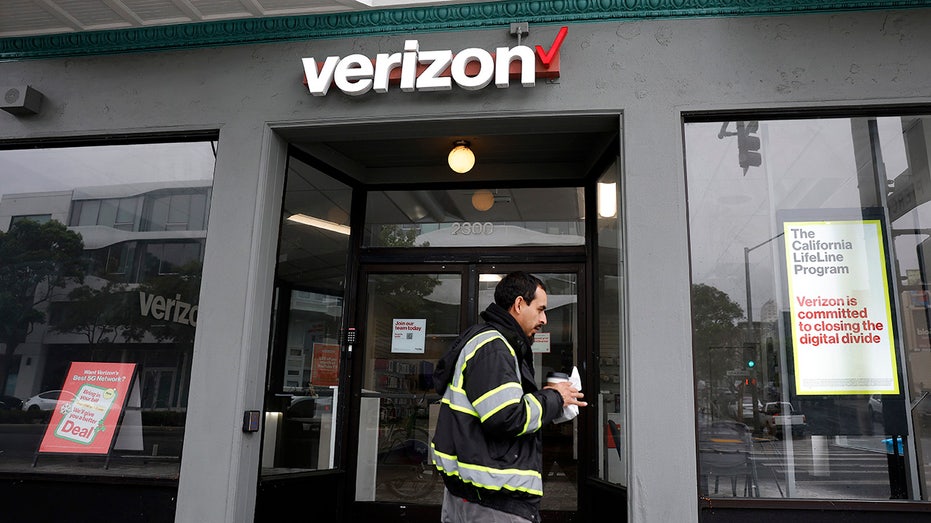
Verizon believes the new initiatives will help with retaining customers. (Justin Sullivan/Getty Images)
Alfonso Villanueva, interim CEO of Verizon Consumer Group and Verizon chief transformation officer, told Reuters the move is about making it simpler and more flexible for customers.
“How do we create a value proposition that makes sense for every cohort?” Villanueva told the outlet in an interview.
“We are convinced that our retention will be even higher,” he added.
VERIZON NAMES FORMER PAYPAL BOSS DAN SCHULMAN AS CEO
| Ticker | Security | Last | Change | Change % |
|---|---|---|---|---|
| VZ | VERIZON COMMUNICATIONS INC. | 46.74 | -0.33 | -0.69% |
| TMUS | T-MOBILE US INC. | 184.36 | -4.50 | -2.38% |
| T | AT&T INC. | 23.16 | -0.14 | -0.58% |
Verizon said postpaid customers on all phone and connected device plans can opt into its loyalty programs and avoid activation and upgrade fees. It is also offering perks like free Starbucks coffee, a Dunkin’ Donuts treat or FIFA World Cup 2026 merchandise.
Verizon in April raised its annual profit forecast under new CEO Dan Schulman. The company declined to say how much the changes announced on Tuesday would cost, but they are expected to be accretive to revenue.
The company also said that the new program wouldn’t change its 2026 financial guidance.
FANATICS AND AT&T ANNOUNCE EXCLUSIVE MULTI-YEAR PARTNERSHIP TO CONNECT MORE FANS TO SPORTS MOMENTS
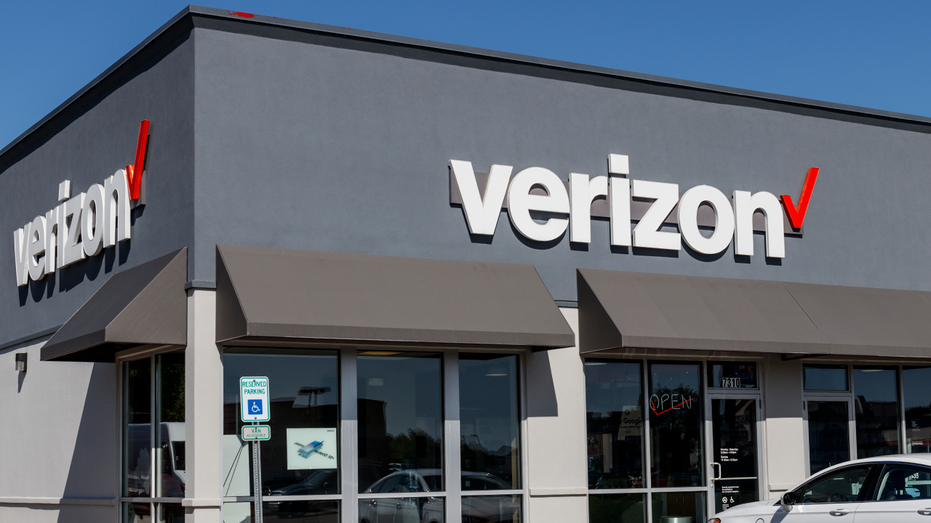
Verizon is vying with rivals like AT&T and T-Mobile for business in the highly competitive cellular service market. (iStock)
Like its rival AT&T, Verizon has leaned into discounted bundles combining high-speed broadband and wireless plans as part of a strategy to boost customer retention.
T-Mobile has had success with its loyalty programs offering perks and aggressive marketing along with its plans which bundle Netflix, Apple TV and Hulu with five-year price guarantees.
Last month, Verizon cut several hundred jobs after it said in November it was cutting more than 13,000.
GET FOX BUSINESS ON THE GO BY CLICKING HERE
Reuters contributed to this report.

.webp?t=1781626530)
David Portalatin explains how economic pressure is driving value optimization and shifting consumption habits.
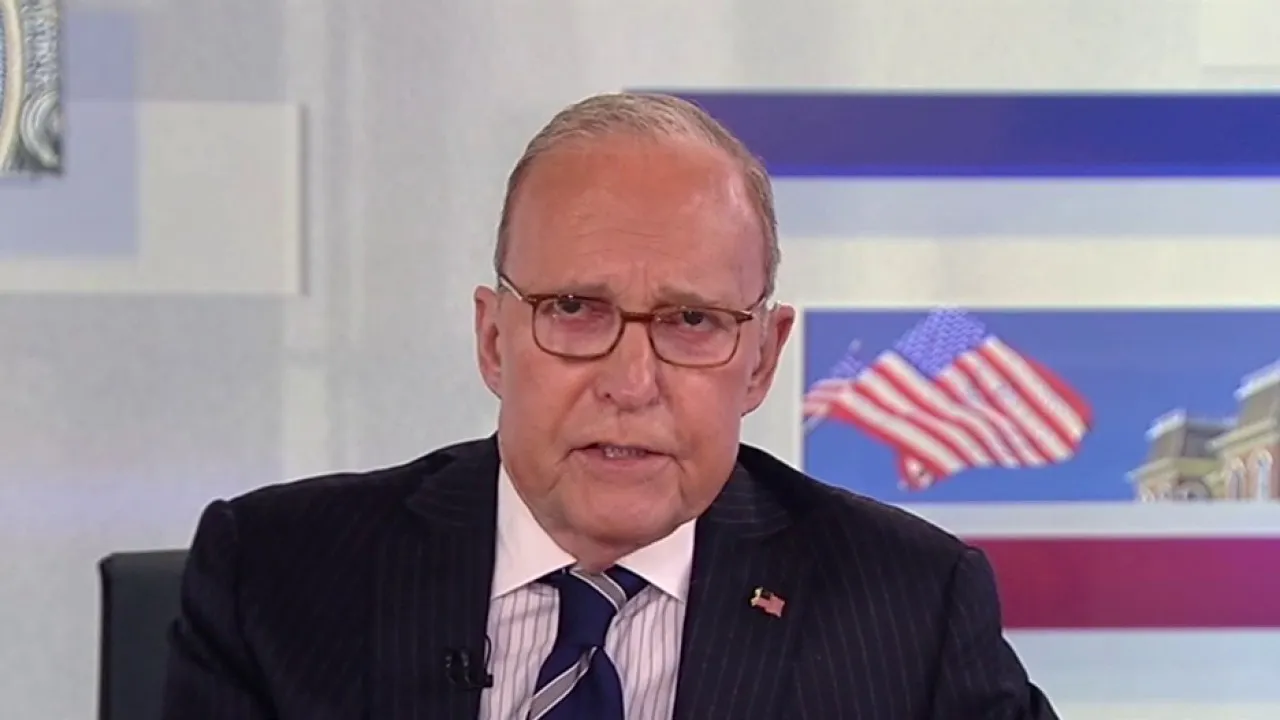
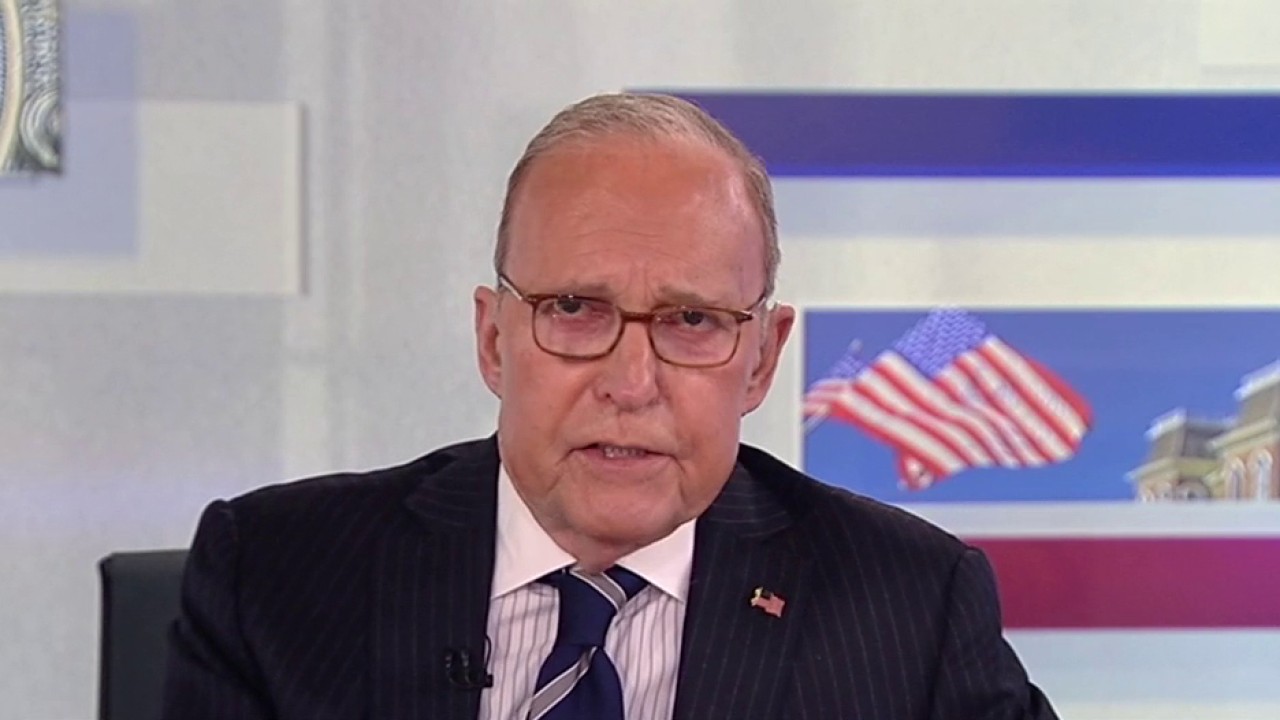
FOX Business host Larry Kudlow discusses what is next in efforts to end the Iran conflict on ‘Kudlow.’
With all the fake news about some kind of $300 billion reparations fund for Iran, and President Obama’s inane remarks that nothing’s changed and nothing’s going change regarding Iran, it’s important to remember how badly America has crippled Iran’s military and its economy.
Here’s President Trump on this fake news fund: “We are not investing any money in Iran, by the way. That rumor got out there yesterday, it was ridiculous. We have the right to go in some day and do if I want to do something or if somebody wants to do something, but we are not investing any money. We have no obligation to invest any money in Iran.”
Mr. Trump added: “We don’t pay them — there was some statement” that “we’re going to spend $300 billion. No, we’re allowed to go and invest if we wanted to. Someday, in the future. We have no obligation whatsoever.”
Between the incredible B-2 bunker-busting bombers dropped a year ago in Operation Midnight Hammer, and the incredible devastation wreaked on Iran’s military, and industrial complex from Operation Epic Fury, and the enormous economic and financial hardship imposed on Iran by Economic Fury, the simple straightforward fact is that Iran capabilities to do anything have been virtually obliterated.
The Heritage Foundation’s Victoria Coates and Ronald Reagan Institute Director Roger Zakheim compare the Trump administration’s deal with Iran to the Obama-era JCPOA on ‘Kudlow.’
And that includes their nuclear capabilities. Their navy is sitting at the bottom of the Arabian Gulf. The country has no air defense. Essentially no radar. All of this with no boots on the ground. The currency is worthless. The economy is shrinking rapidly. The inflation is a couple of hundred percent. If nothing else ever happened by way of deals or arrangements, or penalties, or whatever, Mr. Trump has taken them out probably for twenty years. And that could be an understatement.
Now, if we end their nuclearization altogether, if we get our hands on the enriched uranium, and destroy it, that will be a wonderful gift to the Middle East and the rest of human kind. Even if all the Trumpian red line objectives are not fully met, though, we have still knocked Iran from its Middle East pedestal. They are not the country that Mr. Obama was caving in to.
What Mr. Trump and Prime Minister Benjamin Netanyahu have done with their decapitations and their bombing obliterations, has at a minimum ended Iranian hegemony in the Middle East. That country, even with its crazy radical Islamists still running at least part of it, is nonetheless a tiny shadowy sliver of its former self because of what America has done to it.
So, as we await the outcome of the memo of understanding and the subsequent technical flushing out of this memo, where I still believe Mr. Trump will make good on his red line pledges and promises, let us not forget how far down Iran has been brought in the past year since the president began his campaign to truly crush Iranian evil.
Business
SpaceX to Acquire AI Coding Startup Cursor in $60 Billion Deal to Strengthen Tech Capabilities

SpaceX announced Tuesday it has agreed to acquire the artificial intelligence coding startup Cursor in a $60 billion all-stock transaction, a major move that bolsters the rocket company’s expanding role in AI development and positions it to compete more directly with rivals like Anthropic and OpenAI.
The deal, expected to close in the third quarter of 2026 subject to regulatory approvals, comes just days after SpaceX’s record-breaking initial public offering. Cursor, founded in 2022, has built a popular AI-powered coding tool that helps developers generate, edit and review code, experiencing rapid growth with annualized revenue surpassing $1 billion by November 2025.
SpaceX President and Chief Operating Officer Gwynne Shotwell described the acquisition as a logical step forward. The company said in a statement on X that it looks forward to working closely with the Cursor team to advance its frontier AI capabilities.
The transaction represents a 3.4% dilution at SpaceX’s IPO valuation. Shares of SpaceX rose roughly 16% on Tuesday, pushing its market capitalization higher and briefly surpassing Amazon and Microsoft to become the fourth most valuable company in the U.S.
Strategic Fit and Competitive Edge
The acquisition aligns with SpaceX’s recent merger with Elon Musk’s xAI startup and integration with his social media platform X. By adding Cursor’s AI coding expertise, SpaceX gains tools to accelerate internal software development for complex projects like Starship and Starlink infrastructure while expanding its presence in the broader AI ecosystem.
Cursor’s tool has gained traction among developers for its ability to streamline coding workflows. The startup ranked No. 37 on the annual CNBC Disruptor 50 list in 2026, reflecting its rapid rise in the competitive AI coding space. However, its market share in the category had declined from 41% in June 2025 to about 26% in May, according to spending data from Ramp, as competitors like Anthropic gained ground.
For SpaceX, the deal provides access to specialized AI technology that can enhance its engineering processes and potentially open new revenue streams. Musk has long emphasized the importance of AI in SpaceX’s operations, from autonomous flight systems to data analysis for satellite networks.
Venture capital firm Thrive Capital, which holds positions in both SpaceX and Cursor, sees its combined stake now valued at more than $10 billion, according to a source familiar with the figure.
Deal Structure and Financial Details
Under the agreement, Cursor shareholders will receive SpaceX Class A common stock. If the deal is not consummated for some reason, SpaceX has agreed to pay a $1.5 billion termination fee plus $8.5 billion in computing resources, according to IPO filings.
Cursor CEO Michael Truell expressed excitement about the partnership. “A meaningful step on our path to build the best place to code with AI,” he posted on X at the time of the initial agreement announcement in April.
The all-stock nature of the transaction allows SpaceX to preserve cash while integrating Cursor’s technology and talent. The deal is expected to close during the third quarter, pending requisite regulatory approvals.
Market Reaction and Valuation Context
SpaceX’s shares have maintained strong momentum since its IPO, which raised $75 billion and became the largest in history. The company’s valuation has soared on the back of its reusable rocket technology, Starlink satellite internet service and growing AI infrastructure initiatives.
The acquisition news further boosted investor confidence, with shares climbing in trading. The move comes as SpaceX continues to diversify beyond traditional aerospace into high-growth areas like AI and global connectivity.
Analysts view the deal as a strategic expansion that leverages SpaceX’s scale and resources to accelerate Cursor’s development. While specific financial projections were not disclosed, the $60 billion valuation reflects high expectations for Cursor’s potential within SpaceX’s ecosystem.
Broader Industry Implications
The transaction highlights the intensifying competition in the AI coding and developer tools market. Companies like Anthropic and OpenAI have also introduced popular coding assistants, driving rapid innovation and investment in the space.
SpaceX’s entry through the Cursor acquisition could intensify rivalry while bringing unique advantages, such as integration with its satellite network for distributed computing or AI applications in space operations. The deal underscores how established technology leaders are acquiring specialized startups to build comprehensive AI capabilities.
For the startup ecosystem, the $60 billion price tag sets a new benchmark for AI coding companies, potentially encouraging further investment and innovation in the sector. Cursor’s growth trajectory from founding in 2022 to billion-dollar revenue demonstrates the explosive potential of AI-powered development tools.
Challenges and Risks Ahead
While the deal appears transformative, challenges remain. Integrating Cursor’s technology and team into SpaceX will require careful management to preserve innovation while aligning with larger corporate goals. Regulatory scrutiny of large technology acquisitions continues to be a factor, though the companies expect approval in the third quarter.
SpaceX’s heavy focus on capital-intensive projects like Starship development means the acquisition must deliver tangible benefits to justify the valuation. Execution on AI initiatives and maintaining Cursor’s momentum will be critical success factors.
Musk’s involvement across multiple companies adds another layer of complexity, with potential synergies but also divided attention. The lock-up periods on shares following the IPO could influence trading dynamics as more shares become eligible in coming months.
Future Outlook
As the deal moves toward closing, SpaceX and Cursor are expected to provide more details on integration plans and product roadmaps. The combined entity could accelerate development of AI tools tailored for engineering, simulation and data analysis — areas critical to SpaceX’s ambitious goals.
The acquisition reinforces SpaceX’s position as a multifaceted technology leader, extending beyond rockets and satellites into software and AI. For investors, it adds another growth vector to an already compelling story, though valuation and execution risks remain key considerations.
The SpaceX-Cursor deal represents a significant moment in the convergence of space technology and artificial intelligence. As both fields continue rapid advancement, such strategic combinations are likely to shape the competitive landscape for years to come.
SpaceX’s bold expansion through the Cursor acquisition highlights the company’s vision for integrating AI across its operations. With the deal expected to close in the third quarter, attention will turn to how the new capabilities enhance SpaceX’s core missions and open new opportunities in the evolving technology sector.

Yalla Group: An Asymmetric Tech Bet Trading At The Ultimate Cash Floor
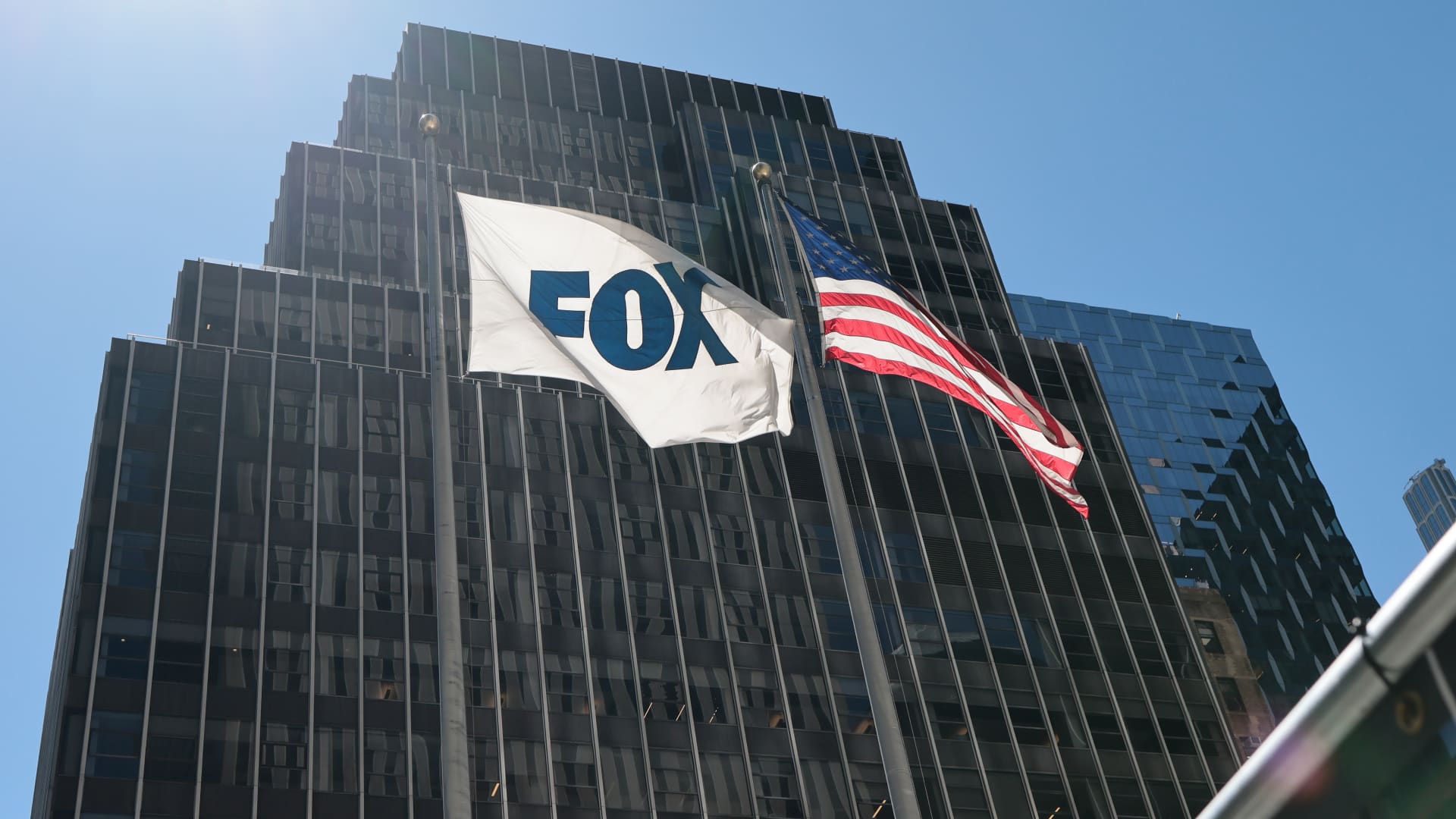
The Fox Corp. headquarters are seen on June 15, 2026, in New York City.
Michael M. Santiago | Getty Images
The media industry has long been preparing for consolidation and mega deals. And yet Fox Corp.’s acquisition of Roku seems to have taken the market by surprise.
On Monday, Fox said it would acquire Roku for $22 billion, bringing a streaming tech platform — in addition to a second free, ad-supported streaming service — into its portfolio of linear TV networks and Tubi.
While analysts lauded the deal as a strategic pivot for the legacy media company, Fox shareholders received the news differently. Its stock traded down 16% on Monday, hitting a 52-week low. Shares fell another 4% on Tuesday.
“We view this as a strategic fit. Fox marries its strong content with Roku’s leading distribution platform and first party data that add scale and can enhance the value proposition with advertisers,” Piper Sandler analyst Thomas Champion wrote in a note on Monday.
Champion highlighted Fox’s long list of sports rights and Roku’s position as the leading streaming platform — offered on both dedicated devices and smart TVs — as “highly complementary.”
“The combined company will be the third largest player in the U.S. by share of viewing, spanning broadcast, cable, local and streaming,” he said.
Some industry analysts and insiders — who didn’t want to comment publicly on market reaction — attributed the sharp stock reaction to the new debt that Fox would be taking on as part of the deal. Still, the company’s leverage will be relatively low after the deal’s expected close in the first half of next year.
One industry insider noted that Fox is also likely to spend more when the NFL reopens media rights negotiations, which have already begun for CBS owner Paramount Skydance.
Mike Proulx, Forrester’s vice president and research director, told CNBC in an email that it was too early to take this as a negative market reaction and noted that big media deals “often get punished in the short term because they introduce uncertainty.”
“In this case investors are likely questioning the near-term cost-benefit. But what the market is missing is the long-term strategic importance of this deal. It’s a must for Fox,” Proulx said. “It’s far from just a content play. The long-term value is in owning the platform, the data, and the ad stack. That’s what this deal gives Fox and helps the company to future proof.”
‘Strategic pivot’
In a MoffettNathanson note on Monday, the analyst firm called the deal “an unexpected strategic pivot.” LightShed Partners called it a “bold move.”
“Legacy media has long suffered from the innovator’s dilemma, with most players allergic to risk,” LightShed analysts said in a note. “Fox has repeatedly talked about using its financial strength to make acquisitions and was routinely criticized for being underlevered, but Roku is a far larger acquisition than any Fox investor expected.”
While Fox’s peers have been in the thick of the streaming wars — working to hit profitability for fledgling services, fending off competition and exploring deals to bulk up their content portfolios — Fox has largely stayed on the sidelines.
Earlier this year, Paramount, Comcast and Netflix were among the major media players chasing Warner Bros. Discovery’s assets in a bid to bulk up and better compete. Paramount emerged the winner, with a pending transaction that’s working its way through regulators.
But the battle left many in the industry wondering what comes next for competitors.
Fox executives have been vocal about looking at deal opportunities, but have said they wouldn’t jump at every chance — particularly when it comes to adding the same assets it hived off not too long ago.
In 2019, the company offloaded its entertainment assets to Disney in a blockbuster deal that left Fox with live sports and news TV networks.
Fox is perhaps best known for its Fox News Channel, one of the highest-rated networks in the cable TV bundle. But that bundle continues to bleed customers, while live sports like NFL games and the FIFA World Cup drive viewership and advertising revenue for Fox.
And as more viewing — even for marquee live events and global sports — moves to streaming, Fox has remained largely on the sidelines.
The company acquired Tubi in 2020 for less than $1 billion. Since then the free, ad-supported service has been its biggest streaming priority. Tubi touts the largest library of licensed content and has also been building out originals with content creators from social media platforms.
Last year the company launched Fox One, a direct-to-consumer option that offers all of Fox’s content, including sports and news.
But even with Fox One and Tubi, Fox hasn’t found itself in the same playing field as subscription-based streamers. And with growing competition for a still-burgeoning segment of digital advertising dollars, Fox has lagged its legacy media peers in establishing a streaming foothold.
The Roku acquisition changes that.
On the platform
Roku products are displayed for sale at a Target store on June 15, 2026, in New York City.
Michael M. Santiago | Getty Images
In addition to marrying itself to the top hardware maker in streaming, Fox’s acquisition brings in another free, ad-supported streamer with The Roku Channel.
MoffettNathanson noted that the acquisition puts Fox in the “upper end of streaming viewership” with Tubi and Roku combined. The combined viewership share edges outs Disney’s Disney+, Hulu and ESPN, per MoffettNathanson’s estimates.
The firm’s analysts added that the deal makes sense from a strategic perspective, giving each company “an immediate boost to reposition their future outlooks” — more scale for Fox and more content and ad capabilities for Roku.
MoffettNathanson added that the deal helps Fox “better compete for future premium sports rights.”
The combination also gives Fox more leverage, according to LightShed Partners, when it comes to carriage negotiations.
Roku negotiates with media companies to make their apps available on its platform. It also has considerable control over how content and media players are surfaced on its home screen. In addition, other streamers — from Disney+ to HBO Max — share a portion of their ad revenue with Roku when it’s viewed on the platform.
That gives Fox a much-needed stake in the streaming ecosystem — right at the platform level.
For Roku, the deal means a partnership with some of the highest-rated sports and news content in the industry, and a likely boost to engagement. It also puts together two advertising platforms at a time when media companies have leaned heavily into the area as a revenue driver.
Roku has recently returned to shareholder favor following a rocky period. It now breaks out revenue specifics that have reinforced its position in the market.
Roku shares hit a 52-week high on Friday after initial reports of a potential sale. Its stock was up about 50% for the year through last week, even prior to the deal reports.
But its trajectory is not ironclad, and some have questioned the timing of the deal given Roku’s current positive momentum.
MoffettNathanson called out two specific weak points for Roku — one being industry consolidation, and the second being Walmart’s 2024 acquisition of smart TV maker Vizio.
Walmart, the top seller of smart TVs like those powered by Roku, has been slower than some expected to expand its market share via Vizio, but that could change sooner than later and Roku would need similar scale on its side.

With this, total outflows by Foreign Portfolio Investors (FPIs) from the equity market have reached Rs 2.2 lakh crore in 2026, higher than the Rs 1.66 lakh crore pulled out during the entire 2025, according to data with the NSDL.
FPIs were net sellers in all months of 2026, except February. They withdrew Rs 35,962 crore in January before turning net buyers in February, when they invested Rs 22,615 crore, the highest monthly inflow in 17 months.
However, the trend reversed in March, when foreign investors pulled out a record Rs 1.17 lakh crore. The selling continued in April with net outflows of Rs 60,847 crore and extended into May with withdrawals of over Rs 27,000 crore so far.
Himanshu Srivastava, Principal – Manager Research at Morningstar Investment Research India, said the latest outflow trend reflected persistent uncertainty surrounding global growth, elevated geopolitical tensions across key regions and volatility in crude oil prices, which continued to weigh on risk appetite towards emerging markets, including India.

He added that a stronger US dollar and elevated US bond yields remained key drivers behind the selling activity, as higher returns in developed markets improved the relative attractiveness of safer assets and prompted investors to adopt a more defensive stance.
Srivastava further said concerns over the trajectory of global inflation and uncertainty regarding the pace and timing of future interest rate cuts by major central banks continued to influence capital allocation decisions globally.Geojit Investments Chief Investment Strategist V K Vijayakumar said sustained FPI selling, coupled with a widening current account deficit, has exerted pressure on the rupee.
“At the beginning of the year, the rupee was at 90 to the US dollar. On May 15, it breached the 96-mark to touch 96.14,” he said.
Vijayakumar said the rupee could weaken further if FPI outflows persist and crude oil prices remain elevated. He also noted that the continuing flow of capital into artificial intelligence-focused companies globally has led to some diversion of funds away from markets such as India, which are seen as lagging in the AI space.
“This trend could reverse when the AI trade, which appears to be in bubble territory, eventually cools off,” he added. PTI


New doughnuts include strawberry cake and lemon bar.
Business
10 Fun Facts About DoorDash in 2026 Highlighting Record Growth, Tech Innovations and Market Impact

DoorDash has solidified its position as a leader in the on-demand delivery industry in 2026, expanding its services, embracing new technologies and adapting to shifting consumer habits in a competitive market. As the company continues to evolve, here are 10 intriguing facts that illustrate its remarkable trajectory this year.
DoorDash reported more than 2.5 billion deliveries in the first half of 2026 alone, marking a significant increase from previous years. The surge reflects growing consumer reliance on convenient delivery options for everything from restaurant meals to grocery items and retail goods. The platform’s ability to scale operations efficiently has been a key factor in maintaining its market dominance.
The company has invested heavily in artificial intelligence to optimize delivery routes and predict demand patterns. In 2026, DoorDash introduced advanced AI-driven features that reduced average delivery times by nearly 15% in major metropolitan areas. These improvements have enhanced customer satisfaction while helping drivers maximize efficiency during peak hours.
Sustainability efforts have become a central focus for DoorDash. The company expanded its fleet of electric delivery vehicles to more than 50,000 units across the United States, reducing carbon emissions associated with its operations. Partnerships with vehicle manufacturers and charging infrastructure providers have accelerated this transition, positioning DoorDash as a leader in eco-friendly delivery practices.
DoorDash’s expansion into new service categories has diversified its revenue streams. Beyond food delivery, the platform now handles significant volumes of pharmacy prescriptions, pet supplies and home essentials. This broadening of offerings has helped the company maintain growth even as restaurant dining patterns fluctuate.
The company has strengthened its relationships with small businesses. In 2026, DoorDash onboarded more than 150,000 new merchant partners, many of them independent restaurants and local retailers. Specialized support programs and marketing tools have helped these businesses increase visibility and sales through the platform.
DoorDash has made notable strides in worker benefits and support programs. The company introduced enhanced health care options and flexible scheduling tools for its network of independent contractors. These initiatives have improved driver retention rates and contributed to more stable service levels during high-demand periods.
International growth has accelerated significantly. DoorDash expanded into several new markets in Europe and Asia, adapting its platform to local preferences and regulatory requirements. The company now operates in more than 30 countries, with international revenue contributing a growing share of its overall business.
Technological innovation remains a priority. DoorDash has integrated augmented reality features that allow customers to preview menu items and restaurant interiors before placing orders. This immersive experience has boosted order conversion rates and enhanced user engagement on the app.
The company has committed to community support initiatives. DoorDash launched expanded hunger relief programs in 2026, partnering with food banks and nonprofits to distribute millions of meals to vulnerable populations. These efforts have strengthened the company’s reputation and fostered goodwill in the communities it serves.
Financial performance has been robust. DoorDash reported strong revenue growth and improving profitability metrics in its latest quarterly results. The company’s ability to balance growth investments with operational efficiency has impressed investors and analysts tracking the on-demand economy.
DoorDash’s success in 2026 demonstrates the enduring appeal of convenient delivery services in a fast-paced world. As consumer expectations continue to evolve, the company’s focus on technology, sustainability and customer experience positions it well for sustained leadership in the sector.
The platform’s expansion into non-food categories has broadened its appeal and reduced reliance on restaurant partnerships. Grocery and retail deliveries now account for a substantial portion of orders, providing stability during periods when dining trends shift. This diversification strategy has proven effective in maintaining consistent growth.
Driver support programs have evolved to address feedback from the independent contractor community. Features like real-time earnings estimators and improved communication tools have made the platform more attractive for workers seeking flexible opportunities. These enhancements have contributed to a more reliable delivery network.
Global market entry has required careful adaptation to local cultures and preferences. In new regions, DoorDash has customized its offerings to include popular local cuisines and payment methods. The company’s ability to localize while maintaining core platform functionality has been key to successful international expansion.
Sustainability commitments extend beyond vehicle electrification. DoorDash has implemented packaging reduction initiatives and partnered with restaurants to minimize single-use plastics. These efforts align with growing consumer demand for environmentally responsible delivery options.
The integration of artificial intelligence has transformed operational efficiency. Predictive analytics help anticipate demand surges, while route optimization algorithms reduce fuel consumption and delivery times. These technological investments have delivered measurable benefits for both the company and its users.
Community engagement initiatives have strengthened DoorDash’s local presence. The company supports small business development programs and participates in disaster relief efforts by providing free deliveries during emergencies. These activities have enhanced brand loyalty and corporate reputation.
Financial discipline has been evident in DoorDash’s approach to growth. The company has balanced aggressive expansion with careful cost management, resulting in improved margins and positive cash flow trends. This prudent strategy has earned praise from investors monitoring the competitive delivery landscape.
Looking ahead, DoorDash is expected to continue innovating in areas such as autonomous delivery vehicles and enhanced personalization features. The company’s ability to adapt to changing consumer behaviors and technological advancements will determine its trajectory in the years to come.
DoorDash’s 2026 performance highlights the dynamic nature of the on-demand economy. As the company navigates opportunities and challenges, its focus on customer satisfaction, driver support and sustainable practices positions it as a key player in shaping the future of delivery services.
The platform’s growth reflects broader societal shifts toward convenience and digital solutions. With millions of users depending on its services daily, DoorDash’s innovations and strategic decisions will continue to influence how people access goods and meals in an increasingly connected world.
As the year progresses, industry observers will watch closely to see how DoorDash builds on its momentum. The company’s ability to balance growth, profitability and social responsibility will be critical as it competes in a rapidly evolving market. For now, DoorDash’s 2026 achievements demonstrate the potential for technology-driven services to transform everyday experiences while addressing important societal needs.

Cambridgeshire Police officer accused of using ‘bounce back’ loan for non-business purposes

Cadbury chocolate-owner Mondelez defends staying in Russia

USMNT’s Sebastian Berhalter reflects on his full-circle World Cup moment — ‘4 years ago I was in the stands’


-

 Business2 days ago
No Jackpot Winner as $257 Million Prize Rolls Over to $269 Million Monday Draw
-

 Crypto World5 days ago
Oppenheimer backs SpaceX as $70 billion retail frenzy builds
-

 Fashion4 days ago
Weekend Open Thread: Tuckernuck – Corporette.com
-

 Crypto World5 days ago
Markets Rally as SpaceX IPO Looms Amid Iran Tensions and Inflation Surge
-
 Crypto World2 days ago
Zimbabwe Requires Crypto Businesses to Register Annually Under New FIU Regulations
-

 Tech4 days ago
NanoClaw integrates JFrog registries to secure AI agent downloads
-

 Business7 days ago
Thailand Ranks Second Worldwide for AI Adoption Growth, Microsoft Reports
-

 Tech4 days ago
This Week In Security: Microsoft On Microsoft, Register Your Domains, Linux On ARM, And FreeBSD Joins The File Cache Club
-

 Crypto World4 days ago
Bitget enters Argentina’s regulated crypto market through PSAV registration
-
 Tech5 days ago
Dutton Ranch star claims they ‘didn’t see any disruption’ on set following Chad Feehan’s exit from Yellowstone spinoff fueled by Taylor Sheridan clash rumors
-

 NewsBeat5 days ago
El Nino has formed in the Pacific and could set records, forecasters say
-

 Politics5 days ago
Politics Home | Healey Resignation Is “Colossal Failure Of Government”, Says Former Labour Defence Secretary
-

 Tech7 days ago
‘This is Seattle’s position on AI’: City Council votes unanimously to pause big new data centers
-
 Entertainment5 days ago
Donnie Wahlberg & More Heat Up Las Vegas at Circa’s Barry’s Downtown Prime
-
 Tech5 days ago
Opendoor Ends India Operations, Fueling a Bigger Conversation About AI and Outsourcing
-

 Sports5 days ago
First Time Since 1971: Australia Register Historic Low In ODI Cricket
-

 Politics5 days ago
Belfast burns, while Met chief points finger at Iran and Russia
-

 NewsBeat4 days ago
FBI searches office of Ohio voter registration group
-

 Business5 days ago
AT&T: Verizon's 27% Outperformance Sets Up A Solid Entry Point
-

 Politics5 days ago
Modi thanks Trump for wishes as US attacks Indian seafarers
You must be logged in to post a comment Login