Connect with us
DAPA Banner
DAPA Coin
DAPA
COIN PAYMENT ASSET
PRIVACY · BLOCKDAG · HOMOMORPHIC ENCRYPTION · RUST
ElGamal Encrypted MINE DAPA
🚫 GENESIS SOLD OUT
DAPAPAY COMING

Business

AWS Down Today? AWS Experiences Widespread Outage Disrupting Cloud Services for Businesses and Developers

Published

on

iPhone 18 Pro Max

Amazon Web Services faced significant service disruptions on Tuesday, with users across multiple regions reporting problems accessing storage, computing and database functions, as the cloud giant’s platform experienced one of its more notable outages of the year.

The issues began gaining attention around 10:26 a.m. ET, quickly drawing thousands of reports on Downdetector and other tracking sites. Customers described difficulties logging into the AWS Management Console, launching instances and retrieving data from S3 buckets, while some applications hosted on the platform became unresponsive or slow.

The outage appeared to affect several core services, particularly in the US East region, a major hub for AWS operations. While not a complete system failure, the problems impacted a wide range of businesses, from startups relying on cloud infrastructure for daily operations to larger enterprises using AWS for critical workloads.

Amazon has not yet released a detailed statement on the cause, but users reported various error messages, including authentication failures and timeout issues. The company’s service health dashboard showed degraded performance for several services, with error rates elevated in affected regions.

Advertisement

Impact on Customers and Operations

Businesses dependent on AWS for e-commerce, streaming, data analytics and other functions reported immediate disruptions. Some companies activated backup systems or shifted workloads to alternative cloud providers, while others faced delays in customer-facing services.

Developers and IT teams described challenges deploying code, accessing databases and managing resources. The timing during business hours amplified the impact, with many organizations in the midst of daily operations when services became unreliable.

Delivery and logistics companies using AWS for backend systems reported secondary effects, as did financial services firms relying on the platform for transaction processing. The outage highlighted the extent to which modern businesses have become intertwined with cloud infrastructure.

Advertisement

Technical Details and Possible Causes

Initial reports pointed to potential issues with authentication systems or internal networking components. DNS-related errors were mentioned by some users attempting browser access, suggesting a possible problem in how requests were being routed or resolved.

AWS typically maintains high redundancy across availability zones to prevent widespread outages. When disruptions do occur, they often stem from unexpected interactions between services during scaling events or configuration changes. The company has invested heavily in automated monitoring and failover systems, but complex interdependencies can still create vulnerabilities.

Past AWS outages have been linked to similar technical factors, with the company usually providing post-incident analyses to explain root causes and preventive measures. Customers are advised to check the AWS Service Health Dashboard for real-time status updates.

Advertisement

User and Community Response

Social media platforms filled with reports from affected users, many expressing frustration over lost productivity and potential revenue impact. Hashtags like #AWS and #AWSDown trended as businesses and developers shared experiences and sought workarounds.

Some users found temporary relief by switching regions or using cached data where available, but these options offered limited help for real-time applications. Enterprise customers with dedicated support contracts reported reaching out to account teams for assistance, though response times were slower than usual due to the volume of inquiries.

The incident has renewed discussions about cloud resilience and the risks of relying heavily on a single provider. Many organizations use multi-cloud strategies precisely to mitigate such events, though migrating workloads during an active outage can be challenging.

Advertisement

Company Background and Reliability Record

AWS remains the dominant cloud infrastructure provider globally, powering a vast array of websites, applications and services. The company has generally maintained strong uptime records, but periodic outages continue to draw attention due to the scale of its customer base.

Amazon has consistently invested in expanding capacity and improving redundancy, yet the growing complexity of cloud services makes absolute prevention difficult. The current outage, while disruptive, appears less severe than some previous incidents that affected larger portions of the internet.

AWS typically issues service credits to affected customers based on the severity and duration of disruptions. The company also conducts thorough post-mortems to identify improvements, sharing findings publicly to help customers better prepare.

Advertisement

Recommendations for Affected Users

Customers experiencing problems are encouraged to check the AWS Service Health Dashboard and follow official status updates. Basic troubleshooting steps such as clearing browser cache, trying different regions or using VPN connections may help in some cases.

For critical applications, organizations with multi-region architectures should activate failover plans if not already underway. Documenting the impact, including estimated downtime and business effects, will assist when requesting service credits after resolution.

Individual users facing login or access issues can try alternative devices or networks while awaiting restoration. Avoiding speculative social media posts helps prevent the spread of misinformation during technical incidents.

Advertisement

Broader Industry Implications

The outage underscores the increasing dependence on cloud infrastructure for modern business operations. As more companies migrate critical systems to providers like AWS, even brief disruptions can have significant economic consequences.

Competitors such as Microsoft Azure and Google Cloud may see temporary interest as businesses evaluate redundancy options. The event also highlights the importance of robust disaster recovery planning and multi-cloud strategies for organizations with high availability requirements.

Industry analysts note that cloud outages are relatively infrequent but tend to generate significant attention due to the number of dependent services. AWS’s market leadership means its reliability directly influences perceptions of cloud computing as a whole.

Advertisement

What to Expect Next

Amazon is expected to provide more details on the cause and resolution timeline once services are fully restored. The company’s engineering teams are working to identify and address the underlying issue, with updates likely to be posted on official channels.

For customers, the focus remains on minimizing impact through contingency measures while awaiting full restoration. Once resolved, AWS will likely offer apologies and compensation to affected accounts in line with its service level agreements.

The incident serves as a timely reminder of the need for preparedness in cloud-dependent operations. As reliance on these services grows, maintaining backup systems and testing failover procedures becomes increasingly important for businesses of all sizes.

Advertisement

Users are encouraged to remain patient as Amazon works toward resolution. The current outage, while inconvenient, is receiving full attention from the company’s technical staff, with restoration efforts prioritized across impacted services. Further updates will be provided as more information becomes available.

Continue Reading
Click to comment

You must be logged in to post a comment Login

Leave a Reply

Business

Renishaw plc (RNSHF) Analyst/Investor Day Transcript

Published

on

OneWater Marine Inc. (ONEW) Q1 2026 Earnings Call Transcript

Renishaw plc (RNSHF) Analyst/Investor Day June 16, 2026 5:15 AM EDT

Company Participants

William Lee – CEO & Director
John Shipsey – CFO & Executive Director
Louise Callanan
Matt Parkes
Chris Pockett – Head of Communications
Marc Saunders – Director of Group Strategic Development

Conference Call Participants

Advertisement

Harry Philips – Peel Hunt LLP, Research Division
Michael Crawford
David Richard Farrell – Jefferies LLC, Research Division
Jamie Murray – BofA Securities, Research Division
Jonathan Hurn – Barclays Bank PLC, Research Division

Conversation

William Lee
CEO & Director

Advertisement

So good morning, everyone, and welcome to Renishaw Capital Markets Day. First of all, welcome to John, our new CFO.

John Shipsey
CFO & Executive Director

Thank you very much, Will. Good morning, everybody, and I’d like to add my own warm welcome. Good to see some familiar faces and looking forward to making some new introductions as well through the day. So thank you for coming.

Advertisement

William Lee
CEO & Director

Thanks, John. Yes, I love to see you all and thankfully, no train issues at this time around. First of all, just a big thank you to UBS for hosting us today and for your support as always. A great time for us to be hosting a Capital Markets Day. It feels like this is a really exciting time for Renishaw. We’ve got a really strong portfolio of core established businesses that are performing really well. We’re seeing a real acceleration in those emerging businesses, so key for our strategy.

And it feels like the decisions that we made a couple of years ago on focusing and direction, they are really starting to pay dividends. And you’ll hear firsthand on our AM story in a bit more detail later on today. We’ve got a really exciting innovation. Innovation is really part of us. And you’ll see there’s a strong portfolio coming through there, both on the

Advertisement
Continue Reading

Business

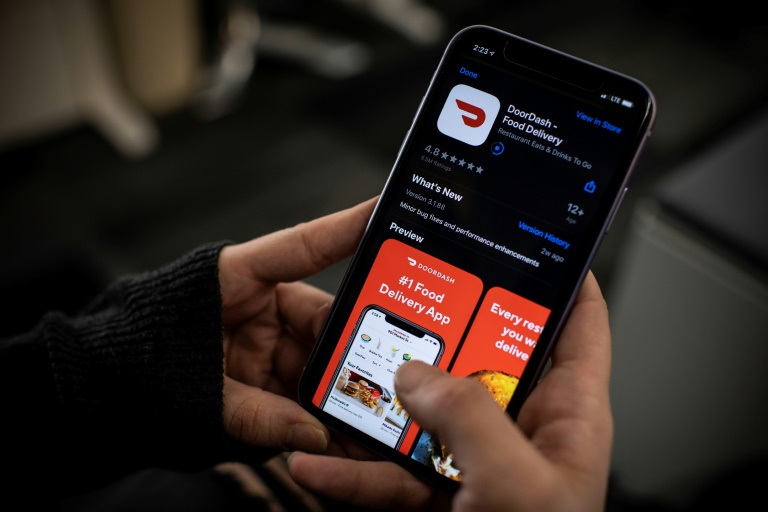
DoorDash Down Now? App Suffers Major Outage as App Crashes and Ordering Halts Nationwide

Published

on

Raptor 3 Engine Breakthrough: SpaceX's Most Advanced Rocket Engine as

DoorDash experienced widespread service disruptions Tuesday, with thousands of users reporting app crashes, login failures and inability to place orders, while delivery drivers also faced problems accessing the platform, causing significant inconvenience during peak meal times.

The outage began around 9:43 a.m. ET and quickly drew more than 10,000 reports on Downdetector, indicating a broad impact across the United States. Users attempting to log in or browse restaurants encountered error messages, including DNS-related issues, preventing normal functionality of the popular food delivery service.

DoorDash has not yet issued an official statement on the cause or expected resolution time, but the problems appear to affect both customer-facing apps and driver tools. The timing during lunch hours amplified frustration for customers expecting deliveries and drivers relying on the platform for income.

Scope of the Disruptions

Advertisement

Reports indicate issues with authentication systems, preventing users from signing in or completing orders. Some customers who had already placed orders reported that drivers were unable to accept or fulfill them, leading to cancellations and refunds. The outage seems to be nationwide, affecting major cities and suburban areas alike.

Delivery drivers have taken to social media to share screenshots of error messages and lost earnings opportunities. The dual impact on customers and workers highlights the platform’s central role in the gig economy and daily meal routines for millions of Americans.

Technical experts suggest the problems may stem from backend server issues or authentication failures, as evidenced by DNS error messages reported by users attempting to access the service through browsers. DoorDash’s app and website have shown inconsistent loading, with some features partially functional while core ordering capabilities remain unavailable.

Customer and Driver Frustration

Advertisement

Social media platforms filled with complaints from users unable to place lunch orders or track existing deliveries. Many expressed reliance on the service for work-from-home meals or family dinners, with the outage disrupting daily routines. Delivery workers reported being logged out or unable to see available orders, resulting in lost income during what is typically a busy period.

DoorDash’s customer support channels have been overwhelmed, with long wait times reported for chat and phone assistance. The company’s status page has not provided detailed updates, leaving users to rely on community reports and third-party outage trackers for information.

Company Background and Previous Issues

DoorDash, one of the largest food delivery platforms in the United States, has grown rapidly since its founding, serving millions of customers and partnering with thousands of restaurants. The company has faced occasional outages in the past, often attributed to high traffic or technical glitches during peak hours.

Advertisement

This latest disruption comes as the company continues to expand its services, including grocery delivery and convenience partnerships. Reliability has become increasingly important as consumers depend on the platform for everyday needs, particularly in urban areas with limited cooking time or mobility.

Previous outages have typically been resolved within a few hours, but the current incident’s impact on both customers and drivers has drawn heightened attention. The company is expected to provide compensation or credits to affected users once service is restored, following its standard policy for major disruptions.

Broader Implications for Gig Economy Platforms

The outage highlights vulnerabilities in gig economy platforms that millions rely on for income and convenience. When services like DoorDash experience downtime, it affects not only immediate transactions but also the livelihood of independent contractors who depend on consistent access to work opportunities.

Advertisement

Industry analysts note that as food delivery becomes more integrated into daily life, expectations for uptime and reliability have risen. Companies invest heavily in redundant systems and monitoring, but complex backend architectures can still fail under certain conditions.

Competitors such as Uber Eats and Grubhub may see temporary increased demand during DoorDash’s outage, though most users tend to return to their preferred platform once service resumes. The incident serves as a reminder of the importance of backup options for both customers and workers in the on-demand economy.

Troubleshooting Advice for Users

While waiting for official resolution, users can try basic troubleshooting steps such as restarting the app, clearing cache, or switching between Wi-Fi and mobile data. Checking Downdetector or social media for real-time updates can help gauge the outage’s scope and expected fix time.

Advertisement

Drivers are advised to log out and back in periodically or use alternative apps if available in their area. For customers with existing orders, contacting restaurants directly or monitoring app notifications for updates is recommended.

Once service is restored, DoorDash typically issues apologies and promotional credits to affected accounts. Users who experienced significant inconvenience are encouraged to reach out to support for potential compensation.

Company Response and Future Prevention

DoorDash has a dedicated engineering team focused on infrastructure reliability and rapid incident response. The company regularly conducts stress testing and maintains backup systems to minimize downtime. This latest outage may prompt a review of authentication and load-balancing systems to prevent similar issues in the future.

Advertisement

As the platform continues to grow, investing in more robust technical infrastructure becomes increasingly critical. Public transparency during outages, including estimated resolution times, can help maintain user trust during disruptions.

The current incident, while disruptive, appears to be technical in nature rather than a security breach or larger systemic failure. Users are encouraged to remain patient as DoorDash works to restore full functionality.

Looking Ahead

As the outage continues, both customers and drivers are adapting to alternative solutions. Many have turned to competing services or prepared meals at home, while drivers seek other gig opportunities during the downtime.

Advertisement

DoorDash is expected to provide a post-incident update once service is fully restored, including any root cause analysis and preventive measures. The company’s response will be closely watched by users and industry observers concerned about reliability in the on-demand economy.

For now, the focus remains on restoring normal operations as quickly as possible. The incident serves as a reminder of how dependent many have become on digital delivery platforms and the importance of redundancy in critical services.

DoorDash users are advised to check official channels for updates and prepare for potential delays in service restoration. The company’s track record suggests issues of this nature are typically resolved within hours, though the exact timeline remains uncertain.

Advertisement
Continue Reading

Business

Aldi announces 16 new UK store locations: Full list

Published

on

Business Live

Group investing £370m in new stores this year as part of plans to reach 1,500 UK sites

Supermarket Aldi aims to have 1,500 UK sites

Supermarket Aldi aims to have 1,500 UK sites(Image: Getty Images Europe)

Discount supermarket chain Aldi has announced plans to launch 16 new stores across the UK over the coming months.

Advertisement

The German-based retailer, which already operates more than 1,080 UK outlets, is pressing ahead with an ambitious expansion drive to grow its portfolio of shops throughout the country.

On Tuesday, the group announced the locations of 16 forthcoming supermarket sites.

New openings will include stores in Watford and Hoxton in London, Hattersley in Greater Manchester, and Balsall Common in the West Midlands.

The proposals form part of Aldi’s long-term ambition to extend its UK presence to 1,500 locations.

Advertisement

In January, Aldi revealed it was targeting the opening of approximately 40 new stores in 2026, in keeping with its long-term growth strategy.

The latest wave of new openings follows the launch of its newest store at Salford Quays last month, with the retailer committing £370 million to new store investment this year.

Jonathan Neale, managing director of national real estate at Aldi UK, said: “At Aldi, we’re committed to making high-quality, affordable food accessible to everyone, which is why we continue to invest in expanding our store network across the UK.

“Our £370 million investment in new stores this year will help us bring Aldi’s unbeatable value to even more communities, supporting local economies through our industry-leading pay for colleagues.”

Advertisement

Aldi’s new store locations include:.

  • Hattersley, Greater Manchester
  • Newport, Isle of Wight
  • Bishops Cleeve, Cheltenham, Gloucestershire
  • Newport, South Wales
  • Orpington, London
  • Hoxton, London
  • Ashford, Kent
  • Watford, London
  • Rayleigh, Essex
  • Balsall Common, West Midlands
  • Marble Arch, London
  • Malton, North Yorkshire
  • Port Talbot, Wales
  • Sutton Coldfield, West Midlands
  • Wigan, Greater Manchester
  • Sudbury, Suffolk
Continue Reading

Business

Cadbury chocolate-owner Mondelez defends staying in Russia

Published

on

Cadbury chocolate-owner Mondelez defends staying in Russia

Mondelez boss Dirk Van de Put says it was the “right decision” to remain after the war with Ukraine.

Continue Reading

Business

Verizon drops activation and upgrade fees with new simplified plans

Published

on

Verizon drops activation and upgrade fees with new simplified plans

Verizon is looking to attract and retain customers by offering new, simpler plans that will drop activation and upgrade fees while also rolling out a new loyalty program offering discounts and other perks.

The company is competing aggressively with AT&T and T-Mobile in the telecoms market, with rivals looking to gain an edge with consumers and have extended device subsidies, added plan discounts and proposed increased spending on network infrastructure.

Advertisement

The new “Simplicity” plan drops network tiers and will combine Mobility and Home on one bill, with taxes and fees included.

Verizon said the new loyalty program will offer customers 3% back on bills from July that can be used to buy new phones or at consumer brands such as Sephora, Hilton, Marriott and Starbucks.

VERIZON CUSTOMERS FACE 35-DAY WAIT TO UNLOCK PAID-OFF PHONES UNDER POLICY CHANGE

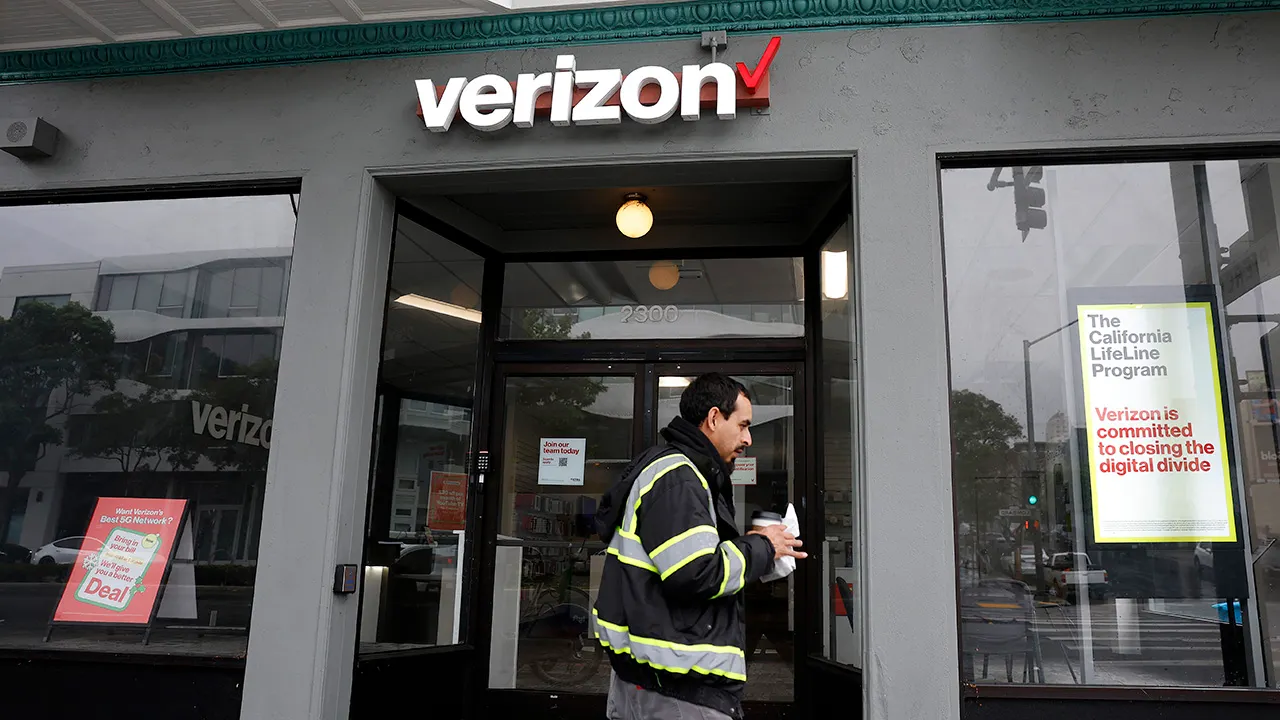
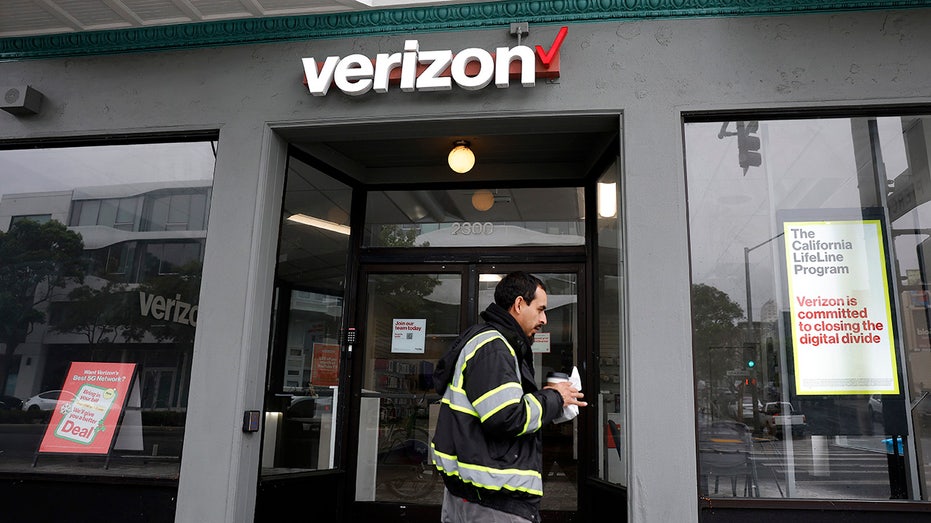
A man walking in front of a Verizon store

Verizon believes the new initiatives will help with retaining customers. (Justin Sullivan/Getty Images)

Alfonso Villanueva, interim CEO of Verizon Consumer Group and Verizon chief transformation officer, told Reuters the move is about making it simpler and more flexible for customers.

Advertisement

“How do we create a value proposition that makes sense for every cohort?” Villanueva told the outlet in an interview.

“We are convinced that our retention will be even higher,” he added.

VERIZON NAMES FORMER PAYPAL BOSS DAN SCHULMAN AS CEO

Ticker Security Last Change Change %
VZ VERIZON COMMUNICATIONS INC. 46.74 -0.33 -0.69%
TMUS T-MOBILE US INC. 184.36 -4.50 -2.38%
T AT&T INC. 23.16 -0.14 -0.58%

Verizon said postpaid customers on all phone and connected device plans can opt into its loyalty programs and avoid activation and upgrade fees. It is also offering perks like free Starbucks coffee, a Dunkin’ Donuts treat or FIFA World Cup 2026 merchandise.

Advertisement

Verizon in April raised its annual profit forecast under new CEO Dan Schulman. The company declined to say how much the changes announced on Tuesday would cost, but they are expected to be accretive to revenue. 

The company also said that the new program wouldn’t change its 2026 financial guidance.

FANATICS AND AT&T ANNOUNCE EXCLUSIVE MULTI-YEAR PARTNERSHIP TO CONNECT MORE FANS TO SPORTS MOMENTS

Verizon

Verizon is vying with rivals like AT&T and T-Mobile for business in the highly competitive cellular service market. (iStock)

Like its rival AT&T, Verizon has leaned into discounted bundles combining high-speed broadband and wireless plans as part of a strategy to boost customer retention.

Advertisement

T-Mobile has had success with its loyalty programs offering perks and aggressive marketing along with its plans which bundle Netflix, Apple TV and Hulu with five-year price guarantees.

Last month, Verizon cut several hundred jobs after it said in November it was cutting more than 13,000.

GET FOX BUSINESS ON THE GO BY CLICKING HERE

Reuters contributed to this report.

Advertisement
Continue Reading

Business

Trends expert discusses value optimization, shifting consumption rhythms

Published

on

Trends expert discusses value optimization, shifting consumption rhythms

David Portalatin explains how economic pressure is driving value optimization and shifting consumption habits.

Continue Reading

Business

LARRY KUDLOW: Trump has smashed Iran’s capabilities for decades

Published

on

LARRY KUDLOW: Hormuz will not stop history

With all the fake news about some kind of $300 billion reparations fund for Iran, and President Obama’s inane remarks that nothing’s changed and nothing’s going change regarding Iran, it’s important to remember how badly America has crippled Iran’s military and its economy.

Here’s President Trump on this fake news fund: “We are not investing any money in Iran, by the way. That rumor got out there yesterday, it was ridiculous. We have the right to go in some day and do if I want to do something or if somebody wants to do something, but we are not investing any money. We have no obligation to invest any money in Iran.” 

Advertisement

Mr. Trump added: “We don’t pay them — there was some statement” that “we’re going to spend $300 billion. No, we’re allowed to go and invest if we wanted to. Someday, in the future. We have no obligation whatsoever.”

Between the incredible B-2 bunker-busting bombers dropped a year ago in Operation Midnight Hammer, and the incredible devastation wreaked on Iran’s military, and industrial complex from Operation Epic Fury, and the enormous economic and financial hardship imposed on Iran by Economic Fury, the simple straightforward fact is that Iran capabilities to do anything have been virtually obliterated.

And that includes their nuclear capabilities. Their navy is sitting at the bottom of the Arabian Gulf. The country has no air defense. Essentially no radar. All of this with no boots on the ground. The currency is worthless. The economy is shrinking rapidly. The inflation is a couple of hundred percent. If nothing else ever happened by way of deals or arrangements, or penalties, or whatever, Mr. Trump has taken them out probably for twenty years. And that could be an understatement.

Advertisement

Now, if we end their nuclearization altogether, if we get our hands on the enriched uranium, and destroy it, that will be a wonderful gift to the Middle East and the rest of human kind. Even if all the Trumpian red line objectives are not fully met, though, we have still knocked Iran from its Middle East pedestal. They are not the country that Mr. Obama was caving in to.

What Mr. Trump and Prime Minister Benjamin Netanyahu have done with their decapitations and their bombing obliterations, has at a minimum ended Iranian hegemony in the Middle East. That country, even with its crazy radical Islamists still running at least part of it, is nonetheless a tiny shadowy sliver of its former self because of what America has done to it.

So, as we await the outcome of the memo of understanding and the subsequent technical flushing out of this memo, where I still believe Mr. Trump will make good on his red line pledges and promises, let us not forget how far down Iran has been brought in the past year since the president began his campaign to truly crush Iranian evil.

Advertisement
Continue Reading

Business

SpaceX to Acquire AI Coding Startup Cursor in $60 Billion Deal to Strengthen Tech Capabilities

Published

on

The combined DoorDash and Delivery food delivery service will have a presence in over 40 countries, serving around 50 million monthly active users

SpaceX announced Tuesday it has agreed to acquire the artificial intelligence coding startup Cursor in a $60 billion all-stock transaction, a major move that bolsters the rocket company’s expanding role in AI development and positions it to compete more directly with rivals like Anthropic and OpenAI.

The deal, expected to close in the third quarter of 2026 subject to regulatory approvals, comes just days after SpaceX’s record-breaking initial public offering. Cursor, founded in 2022, has built a popular AI-powered coding tool that helps developers generate, edit and review code, experiencing rapid growth with annualized revenue surpassing $1 billion by November 2025.

SpaceX President and Chief Operating Officer Gwynne Shotwell described the acquisition as a logical step forward. The company said in a statement on X that it looks forward to working closely with the Cursor team to advance its frontier AI capabilities.

The transaction represents a 3.4% dilution at SpaceX’s IPO valuation. Shares of SpaceX rose roughly 16% on Tuesday, pushing its market capitalization higher and briefly surpassing Amazon and Microsoft to become the fourth most valuable company in the U.S.

Advertisement

Strategic Fit and Competitive Edge

The acquisition aligns with SpaceX’s recent merger with Elon Musk’s xAI startup and integration with his social media platform X. By adding Cursor’s AI coding expertise, SpaceX gains tools to accelerate internal software development for complex projects like Starship and Starlink infrastructure while expanding its presence in the broader AI ecosystem.

Cursor’s tool has gained traction among developers for its ability to streamline coding workflows. The startup ranked No. 37 on the annual CNBC Disruptor 50 list in 2026, reflecting its rapid rise in the competitive AI coding space. However, its market share in the category had declined from 41% in June 2025 to about 26% in May, according to spending data from Ramp, as competitors like Anthropic gained ground.

For SpaceX, the deal provides access to specialized AI technology that can enhance its engineering processes and potentially open new revenue streams. Musk has long emphasized the importance of AI in SpaceX’s operations, from autonomous flight systems to data analysis for satellite networks.

Advertisement

Venture capital firm Thrive Capital, which holds positions in both SpaceX and Cursor, sees its combined stake now valued at more than $10 billion, according to a source familiar with the figure.

Deal Structure and Financial Details

Under the agreement, Cursor shareholders will receive SpaceX Class A common stock. If the deal is not consummated for some reason, SpaceX has agreed to pay a $1.5 billion termination fee plus $8.5 billion in computing resources, according to IPO filings.

Cursor CEO Michael Truell expressed excitement about the partnership. “A meaningful step on our path to build the best place to code with AI,” he posted on X at the time of the initial agreement announcement in April.

Advertisement

The all-stock nature of the transaction allows SpaceX to preserve cash while integrating Cursor’s technology and talent. The deal is expected to close during the third quarter, pending requisite regulatory approvals.

Market Reaction and Valuation Context

SpaceX’s shares have maintained strong momentum since its IPO, which raised $75 billion and became the largest in history. The company’s valuation has soared on the back of its reusable rocket technology, Starlink satellite internet service and growing AI infrastructure initiatives.

The acquisition news further boosted investor confidence, with shares climbing in trading. The move comes as SpaceX continues to diversify beyond traditional aerospace into high-growth areas like AI and global connectivity.

Advertisement

Analysts view the deal as a strategic expansion that leverages SpaceX’s scale and resources to accelerate Cursor’s development. While specific financial projections were not disclosed, the $60 billion valuation reflects high expectations for Cursor’s potential within SpaceX’s ecosystem.

Broader Industry Implications

The transaction highlights the intensifying competition in the AI coding and developer tools market. Companies like Anthropic and OpenAI have also introduced popular coding assistants, driving rapid innovation and investment in the space.

SpaceX’s entry through the Cursor acquisition could intensify rivalry while bringing unique advantages, such as integration with its satellite network for distributed computing or AI applications in space operations. The deal underscores how established technology leaders are acquiring specialized startups to build comprehensive AI capabilities.

Advertisement

For the startup ecosystem, the $60 billion price tag sets a new benchmark for AI coding companies, potentially encouraging further investment and innovation in the sector. Cursor’s growth trajectory from founding in 2022 to billion-dollar revenue demonstrates the explosive potential of AI-powered development tools.

Challenges and Risks Ahead

While the deal appears transformative, challenges remain. Integrating Cursor’s technology and team into SpaceX will require careful management to preserve innovation while aligning with larger corporate goals. Regulatory scrutiny of large technology acquisitions continues to be a factor, though the companies expect approval in the third quarter.

SpaceX’s heavy focus on capital-intensive projects like Starship development means the acquisition must deliver tangible benefits to justify the valuation. Execution on AI initiatives and maintaining Cursor’s momentum will be critical success factors.

Advertisement

Musk’s involvement across multiple companies adds another layer of complexity, with potential synergies but also divided attention. The lock-up periods on shares following the IPO could influence trading dynamics as more shares become eligible in coming months.

Future Outlook

As the deal moves toward closing, SpaceX and Cursor are expected to provide more details on integration plans and product roadmaps. The combined entity could accelerate development of AI tools tailored for engineering, simulation and data analysis — areas critical to SpaceX’s ambitious goals.

The acquisition reinforces SpaceX’s position as a multifaceted technology leader, extending beyond rockets and satellites into software and AI. For investors, it adds another growth vector to an already compelling story, though valuation and execution risks remain key considerations.

Advertisement

The SpaceX-Cursor deal represents a significant moment in the convergence of space technology and artificial intelligence. As both fields continue rapid advancement, such strategic combinations are likely to shape the competitive landscape for years to come.

SpaceX’s bold expansion through the Cursor acquisition highlights the company’s vision for integrating AI across its operations. With the deal expected to close in the third quarter, attention will turn to how the new capabilities enhance SpaceX’s core missions and open new opportunities in the evolving technology sector.

Continue Reading

Business

Yalla Group: An Asymmetric Tech Bet Trading At The Ultimate Cash Floor

Published

on

Yalla Group: An Asymmetric Tech Bet Trading At The Ultimate Cash Floor

Yalla Group: An Asymmetric Tech Bet Trading At The Ultimate Cash Floor

Continue Reading

Business

Fox agrees to buy Roku. Here’s what investors are missing

Published

on

Fox agrees to buy Roku. Here's what investors are missing

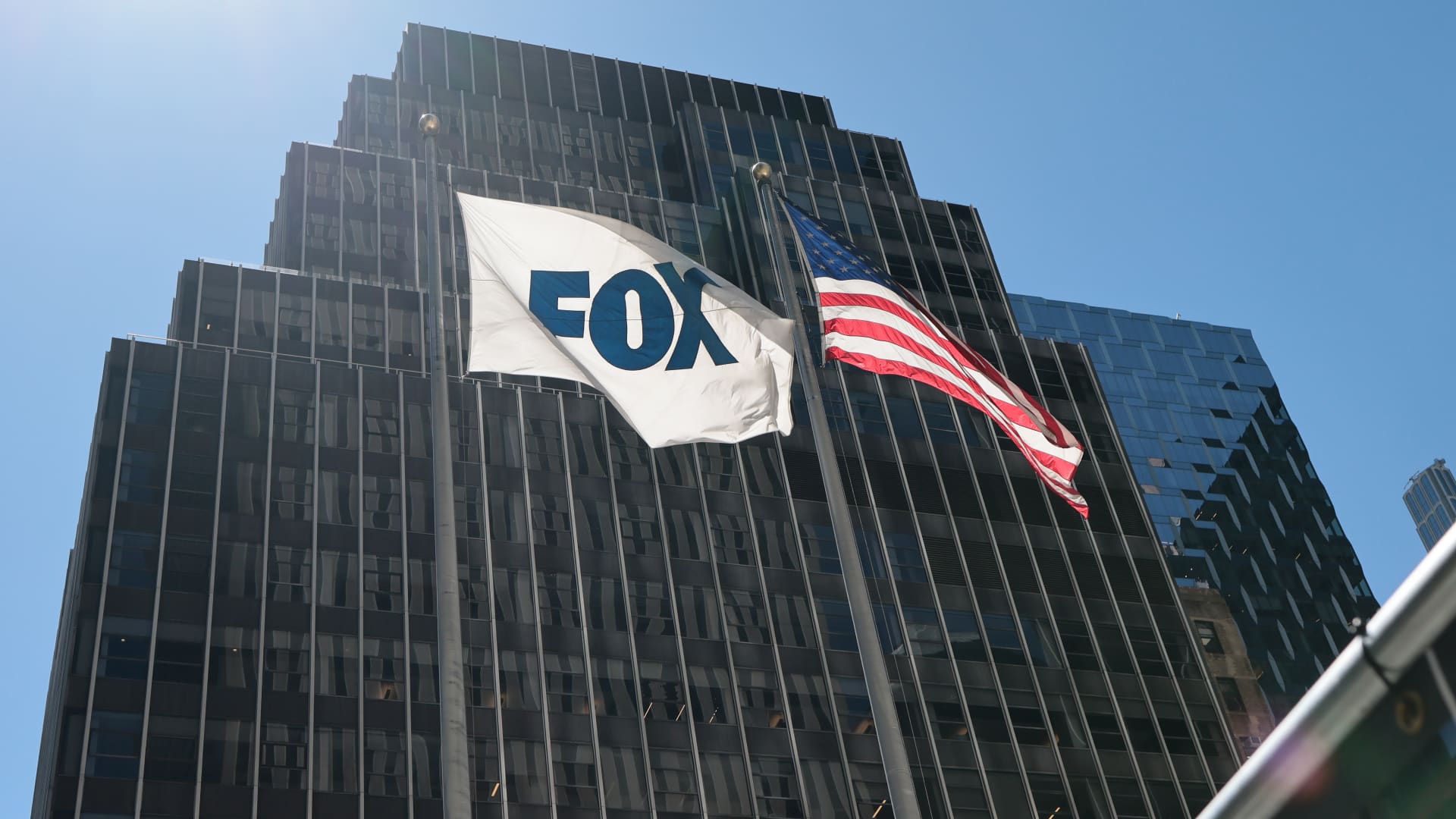
The Fox Corp. headquarters are seen on June 15, 2026, in New York City.

Michael M. Santiago | Getty Images

The media industry has long been preparing for consolidation and mega deals. And yet Fox Corp.’s acquisition of Roku seems to have taken the market by surprise. 

Advertisement

On Monday, Fox said it would acquire Roku for $22 billion, bringing a streaming tech platform — in addition to a second free, ad-supported streaming service — into its portfolio of linear TV networks and Tubi. 

While analysts lauded the deal as a strategic pivot for the legacy media company, Fox shareholders received the news differently. Its stock traded down 16% on Monday, hitting a 52-week low. Shares fell another 4% on Tuesday. 

“We view this as a strategic fit. Fox marries its strong content with Roku’s leading distribution platform and first party data that add scale and can enhance the value proposition with advertisers,” Piper Sandler analyst Thomas Champion wrote in a note on Monday. 

Champion highlighted Fox’s long list of sports rights and Roku’s position as the leading streaming platform — offered on both dedicated devices and smart TVs — as “highly complementary.” 

Advertisement

“The combined company will be the third largest player in the U.S. by share of viewing, spanning broadcast, cable, local and streaming,” he said.

Some industry analysts and insiders — who didn’t want to comment publicly on market reaction — attributed the sharp stock reaction to the new debt that Fox would be taking on as part of the deal. Still, the company’s leverage will be relatively low after the deal’s expected close in the first half of next year.

One industry insider noted that Fox is also likely to spend more when the NFL reopens media rights negotiations, which have already begun for CBS owner Paramount Skydance

Mike Proulx, Forrester’s vice president and research director, told CNBC in an email that it was too early to take this as a negative market reaction and noted that big media deals “often get punished in the short term because they introduce uncertainty.”

Advertisement

“In this case investors are likely questioning the near-term cost-benefit. But what the market is missing is the long-term strategic importance of this deal. It’s a must for Fox,” Proulx said. “It’s far from just a content play. The long-term value is in owning the platform, the data, and the ad stack. That’s what this deal gives Fox and helps the company to future proof.”

‘Strategic pivot’

In a MoffettNathanson note on Monday, the analyst firm called the deal “an unexpected strategic pivot.” LightShed Partners called it a “bold move.” 

“Legacy media has long suffered from the innovator’s dilemma, with most players allergic to risk,” LightShed analysts said in a note. “Fox has repeatedly talked about using its financial strength to make acquisitions and was routinely criticized for being underlevered, but Roku is a far larger acquisition than any Fox investor expected.” 

While Fox’s peers have been in the thick of the streaming wars — working to hit profitability for fledgling services, fending off competition and exploring deals to bulk up their content portfolios — Fox has largely stayed on the sidelines. 

Advertisement

Earlier this year, Paramount, Comcast and Netflix were among the major media players chasing Warner Bros. Discovery’s assets in a bid to bulk up and better compete. Paramount emerged the winner, with a pending transaction that’s working its way through regulators. 

But the battle left many in the industry wondering what comes next for competitors. 

Fox executives have been vocal about looking at deal opportunities, but have said they wouldn’t jump at every chance — particularly when it comes to adding the same assets it hived off not too long ago. 

In 2019, the company offloaded its entertainment assets to Disney in a blockbuster deal that left Fox with live sports and news TV networks. 

Advertisement

Fox is perhaps best known for its Fox News Channel, one of the highest-rated networks in the cable TV bundle. But that bundle continues to bleed customers, while live sports like NFL games and the FIFA World Cup drive viewership and advertising revenue for Fox.

And as more viewing — even for marquee live events and global sports — moves to streaming, Fox has remained largely on the sidelines. 

The company acquired Tubi in 2020 for less than $1 billion. Since then the free, ad-supported service has been its biggest streaming priority. Tubi touts the largest library of licensed content and has also been building out originals with content creators from social media platforms. 

Last year the company launched Fox One, a direct-to-consumer option that offers all of Fox’s content, including sports and news. 

Advertisement

But even with Fox One and Tubi, Fox hasn’t found itself in the same playing field as subscription-based streamers. And with growing competition for a still-burgeoning segment of digital advertising dollars, Fox has lagged its legacy media peers in establishing a streaming foothold.  

The Roku acquisition changes that.

On the platform

Roku products are displayed for sale at a Target store on June 15, 2026, in New York City.

Michael M. Santiago | Getty Images

Advertisement

In addition to marrying itself to the top hardware maker in streaming, Fox’s acquisition brings in another free, ad-supported streamer with The Roku Channel.

MoffettNathanson noted that the acquisition puts Fox in the “upper end of streaming viewership” with Tubi and Roku combined. The combined viewership share edges outs Disney’s Disney+, Hulu and ESPN, per MoffettNathanson’s estimates.

The firm’s analysts added that the deal makes sense from a strategic perspective, giving each company “an immediate boost to reposition their future outlooks” — more scale for Fox and more content and ad capabilities for Roku.

MoffettNathanson added that the deal helps Fox “better compete for future premium sports rights.”

Advertisement

The combination also gives Fox more leverage, according to LightShed Partners, when it comes to carriage negotiations.

Roku negotiates with media companies to make their apps available on its platform. It also has considerable control over how content and media players are surfaced on its home screen. In addition, other streamers — from Disney+ to HBO Max — share a portion of their ad revenue with Roku when it’s viewed on the platform.

That gives Fox a much-needed stake in the streaming ecosystem — right at the platform level.

For Roku, the deal means a partnership with some of the highest-rated sports and news content in the industry, and a likely boost to engagement. It also puts together two advertising platforms at a time when media companies have leaned heavily into the area as a revenue driver.

Advertisement

Roku has recently returned to shareholder favor following a rocky period. It now breaks out revenue specifics that have reinforced its position in the market.

Roku shares hit a 52-week high on Friday after initial reports of a potential sale. Its stock was up about 50% for the year through last week, even prior to the deal reports.

But its trajectory is not ironclad, and some have questioned the timing of the deal given Roku’s current positive momentum.

MoffettNathanson called out two specific weak points for Roku — one being industry consolidation, and the second being Walmart’s 2024 acquisition of smart TV maker Vizio.

Advertisement

Walmart, the top seller of smart TVs like those powered by Roku, has been slower than some expected to expand its market share via Vizio, but that could change sooner than later and Roku would need similar scale on its side.

Choose CNBC as your preferred source on Google and never miss a moment from the most trusted name in business news.
Continue Reading

Trending

Copyright © 2025