

Business
GameStop CEO Ryan Cohen’s $35 Billion Pay Package Faces Lawsuit While Hostile eBay Bid Stalls

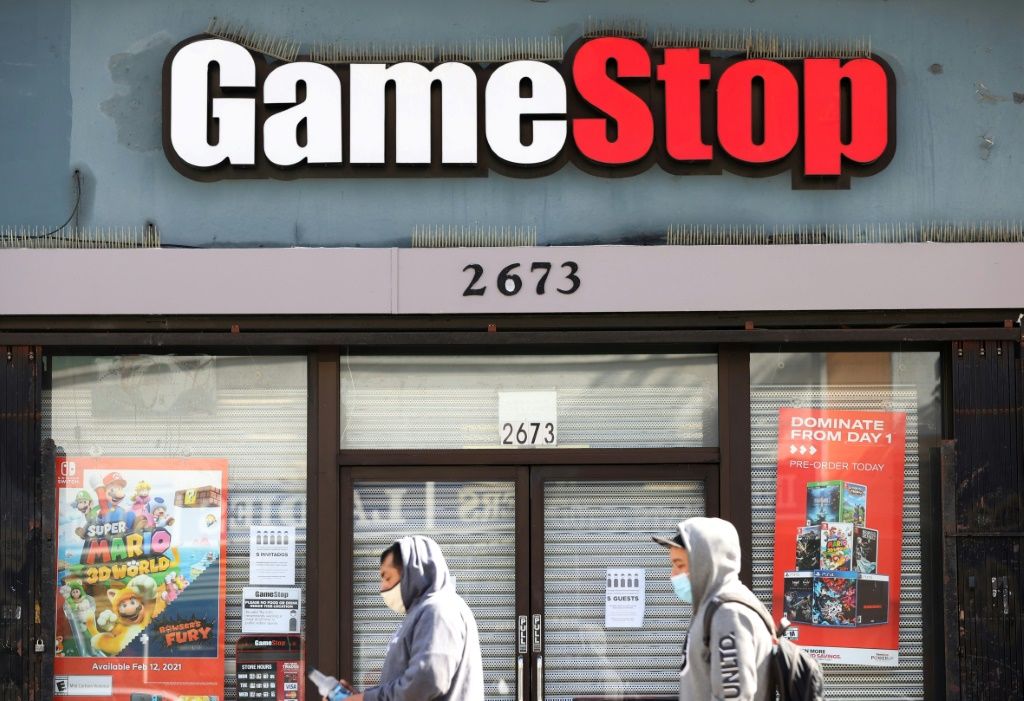
GameStop Corp. finds itself at one of the most turbulent crossroads in its already chaotic modern history. The company that became the defining symbol of the retail investor revolution is simultaneously grappling with a shareholder lawsuit seeking to block what would be one of the largest executive compensation packages ever proposed, a stalled hostile takeover attempt against a company five times its own size, and a stock price that continues to trade modestly while analysts and investors try to price in an extraordinarily uncertain future.
Shares of GameStop traded at $21.54 on Thursday morning, up a modest 0.12%, as the company’s many moving parts continued to generate headlines without delivering the transformational momentum Chief Executive Ryan Cohen has spent years promising.
The Lawsuit: Shareholders Push Back on a Historic Pay Package
A GameStop investor has filed a lawsuit seeking to block a vote on Cohen’s proposed $35 billion compensation package, arguing that investors haven’t been given enough information to understand exactly what they’re being asked to approve.
According to Bloomberg, the lawsuit centers on disclosure concerns. The shareholder claims key details about the structure, valuation, and long-term consequences of the package were not adequately explained in materials distributed ahead of the vote. The suit seeks to halt or postpone the shareholder meeting until additional information is provided.
A $35 billion compensation package would rank Cohen’s potential payout among the largest ever put before shareholders. Corporate governance experts have long argued that mega-pay plans require extensive disclosures so investors can determine whether executive rewards are truly tied to company performance.
The compensation structure itself is tied to performance milestones. Under his January compensation package, Cohen stands to receive options on more than 171 million GameStop shares if he manages to push the company’s market capitalization to $100 billion — a tenfold increase from current levels. That target is staggering given GameStop’s current trajectory, and the lawsuit reflects growing shareholder skepticism that the plan’s terms have been adequately disclosed or justified.
The eBay Gambit: Bold, Rejected, and Still Unresolved
The compensation lawsuit arrives in the direct wake of Cohen’s most audacious and publicly humiliating strategic setback: a $56 billion hostile takeover bid for eBay that the e-commerce giant’s board rejected swiftly and sharply.
In a letter sent in May, GameStop proposed to acquire all common stock of eBay at $125.00 per share, comprising 50% cash and 50% GameStop common stock, representing a 46% premium to eBay’s unaffected closing price and a 27% premium to the 30-day volume-weighted average price. The aggregate undiluted equity value was approximately $55.5 billion.
On May 12, 2026, eBay officially rejected Ryan Cohen’s aggressive takeover attempt. In a sharply worded letter to Cohen, eBay Chairman Paul Pressler called the unsolicited offer “neither credible nor attractive.”
Cohen did not retreat quietly. After the board rejected the proposal, Cohen launched a hostile bid, taking the offer directly to eBay shareholders. In a television interview, Cohen addressed the financing skepticism directly, telling interviewers the cash consideration would be funded from GameStop’s balance sheet and a highly confident letter from TD Securities for up to $20 billion in third-party acquisition financing.
The strategic logic Cohen has advanced is a vision of GameStop as an e-commerce and collectibles powerhouse. GameStop projected it would deliver $2 billion of annualized cost reductions within twelve months of closing, including approximately $1.2 billion from sales and marketing, $300 million from product development, and $500 million from general and administrative expenses. The company also argued its approximately 1,600 U.S. locations would give eBay a national network for authentication, intake, fulfillment, and live commerce.
Record Earnings, Massive Cash, and a Pivot to Collectibles
What makes GameStop’s position unusual is that beneath the drama of hostile bids and compensation fights sits a company that has, by conventional financial metrics, performed remarkably well in recent quarters.
GameStop reported first-quarter 2026 results showing net sales rose 14% year-over-year to $835.3 million, driven by collectibles. Net income reached a record $389.6 million, and operating income was $143.3 million, the highest first-quarter level on record. Liquidity totaled $9.7 billion, including $8.4 billion in cash, cash equivalents and marketable securities.
On June 2, 2026, the board approved a new $2.0 billion share repurchase authorization through June 2, 2029, replacing the 2019 program. That buyback, funded from the company’s enormous cash reserves, represents a direct return of capital to shareholders — a conventional move that stands in stark contrast to the unconventional eBay gambit playing out simultaneously.
GameStop launched Power Packs, a digital trading card platform, in April 2026, with packs starting at $25 and ranging up to $2,500. Cards are PSA-graded, stored in the PSA Vault, and can be sold back instantly, shipped home, or added to a collection. Launch categories include Pokémon, Football, Basketball, and Baseball. The launch signals that Cohen’s collectibles strategy is not merely rhetoric — it is being built out with specific product lines that give GameStop a credible presence in one of retail’s fastest-growing categories.
Bitcoin, Warrants, and a Company Still Reinventing Itself
GameStop’s balance sheet transformation extends to cryptocurrency. GameStop renewed an options deal that ties up nearly all its Bitcoin, with a covered-call strategy attached to its holdings. The Bitcoin position, which had been valued at hundreds of millions of dollars in prior quarters, represents yet another dimension of the company’s ongoing experiment in nontraditional asset deployment.
The company also distributed warrants to shareholders in October 2025. Eligible holders of record as of October 3, 2025 received one warrant per 10 shares. Each warrant permits the purchase of one share at a $32.00 exercise price and is exercisable through October 30, 2026.
What Comes Next
The intersection of the $35 billion compensation lawsuit, the ongoing eBay hostile campaign, record earnings, a $2 billion buyback, and a collectibles-driven transformation makes GameStop one of the most complex and contested investment narratives on Wall Street.
GameStop’s $8.4 billion cash position covers most of its market cap, offering significant downside protection and acquisition optionality, according to analysts, who note that the company’s core fundamentals have improved dramatically even as its strategic ambitions remain deeply polarizing.
For retail investors who drove GameStop’s original short squeeze in 2021, the company’s current chapter offers something simultaneously familiar and strange: a CEO willing to swing for the fences, a market that isn’t sure what to make of it, and a stock that is, for now, waiting for clarity.

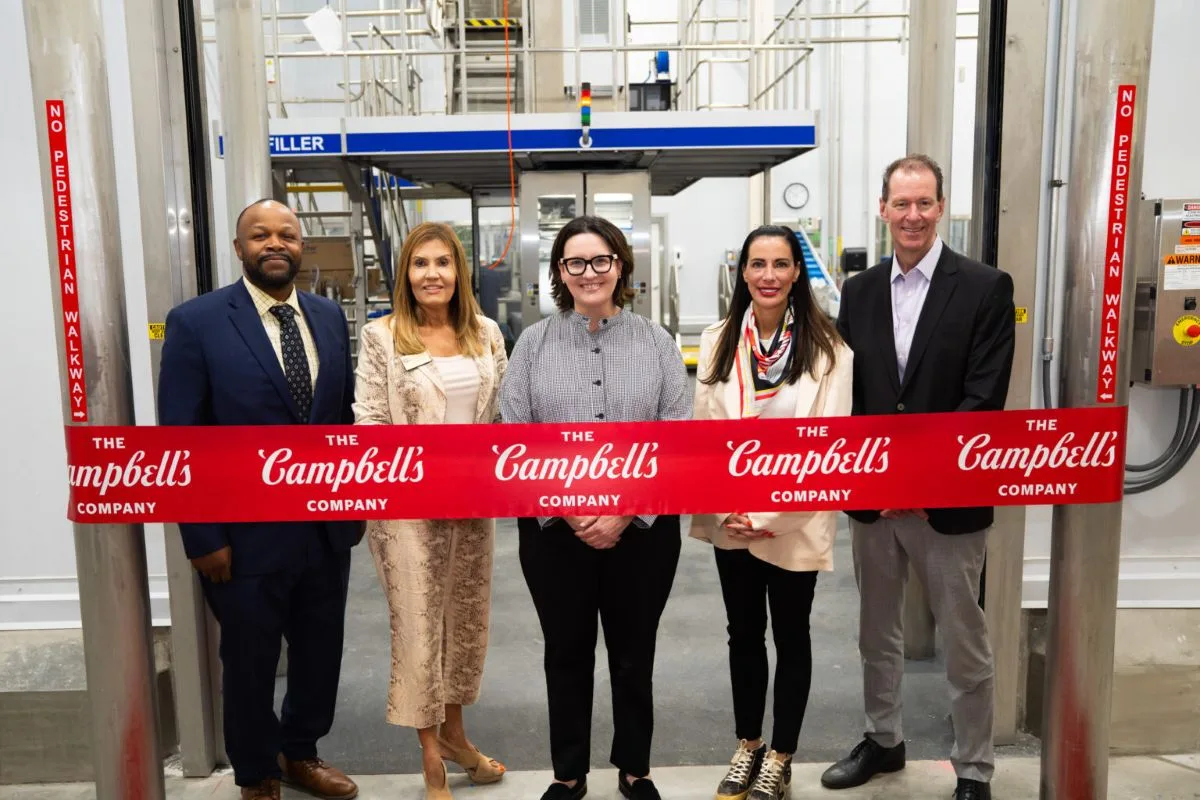

Maxton, NC., facility expansion will increase production capacity by 20%.
Kevin Warsh Is Taking Over the Fed. Why His First Meeting Could Slam the Stock Market.
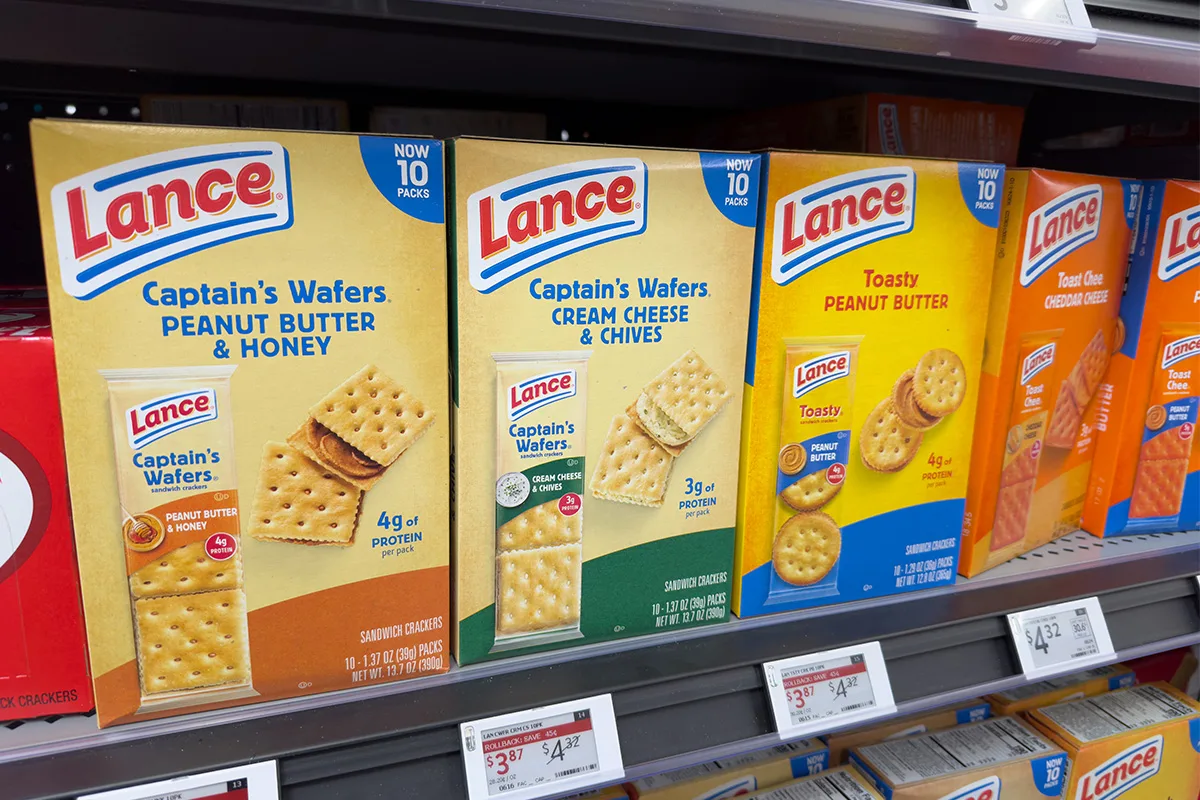

Lance crackers and V8 Splash latest brands to transition.

Accenture: The Market Is Pricing-In An Existential Crisis

As operators ridicule the Chancellor’s giveaway, one Kensington venue is touting a £25 “kids” menu of burgundy snails and anchovy butter toast
Pubs and restaurants are expected to dream up increasingly inventive ways to milk a tax break on meals for under-18s, after a London venue unveiled a “children’s” menu featuring wild burgundy snail salad and anchovy butter toast.
Rachel Reeves last month announced a temporary cut in VAT on children’s meals, from 20 per cent to 5 per cent, running between 25 June and 1 September. The reduction forms part of a “Great British summer savings scheme” pitched as relief for hard-pressed venues and a sweetener for families. – Business Matters has explained how the Great British summer savings scheme works here.
The Chancellor flagged the policy in a video address to last week’s UKHospitality trade conference, where it landed to a notably muted reception.
Afterwards, senior figures across the trade added their voices to a growing chorus of derision, branding the scheme “laughable” and contrasting it with the roughly £5bn in extra costs piled onto pubs, bars, hotels and restaurants since Labour returned to power in 2024.
Chris Jowsey, chief executive of the 1,300-strong pub group Admiral Taverns, called the measure a “joke”, arguing that the resulting discount was “so small it’s embarrassing” and would do nothing for pubs that do not serve food.
He likened the VAT cut to the pandemic-era rules that, at one point, effectively allowed venues to serve alcohol only if it arrived alongside a scotch egg. “I suspect you’ll get some enterprising interpretations of children’s menus,” he said.
One restaurant in Kensington, in affluent west London, has already worked out how to wring maximum value from the policy.
The Blue Stoops has launched a £25 menu aimed at any “children” with an appetite for wild burgundy snails with bacon, anchovy butter toast, and beef and oyster pie. The line-up includes a pudding christened The Tax Break Tart. A non-alcoholic beer is bundled in, meaning the entire package qualifies for the summer reduction from 20 per cent to 5 per cent.
“We’re not expecting queues of children demanding snails and anchovy toast, but it has started the right conversations in the pub about why VAT support for hospitality needs to go much further,” the venue said.
Crucially, restaurants and pubs are under no obligation to verify that anyone ordering a discounted children’s meal is in fact a minor.
Clement Ogbonnaya, who owns the Prince of Peckham in south London, dismissed the discount as a “token gesture” that would achieve little without a permanent cut to the headline rate. “We’re all going to be faking our IDs to show we’re under 18,” he joked.
At the UKHospitality conference, operators lined up behind a call to slash VAT on hospitality from 20 per cent to 10 per cent. A parliamentary petition backing the move has already gathered more than 200,000 signatures, and can be found on the UK government petitions site. The campaign is supported by celebrity chefs including Tom Kerridge and Yotam Ottolenghi, and by the potential Labour leadership contender Andy Burnham, who has thrown his weight behind a hospitality VAT cut. Estimates of the annual cost to the Treasury range from about £10.5bn to £13bn.
The case rests partly on international comparison. While the UK rate sits at 20 per cent, the European average is 12.8 per cent. France, Spain and Italy all levy 10 per cent, and Germany charges 7 per cent. UKHospitality, which is co-ordinating the campaign, argues the gap leaves British venues at a structural disadvantage.
In her video message, Reeves insisted the government was backing the industry. The reception on the conference floor suggested otherwise. The hospitality investor and former Dragons’ Den panellist Sarah Willingham told delegates that when the Chancellor described Labour as pro-growth, she “nearly spat out my water”. The chief executive of Nightcap, owner of the Dirty Martini and Piano Works chains, described the UK investment climate as a “shitshow”.
Operators, grappling with soaring energy bills in the fallout from the Iran war, have rounded on a string of Labour measures, among them the higher national minimum wage, increased national insurance contributions and changes to business rates. The squeeze is already showing in the closure data, with three pubs and restaurants now shutting every day as costs and tax rises bite.
“They say they’re doing it for workers, but what they’re doing is making it impossible to employ workers because it’s so expensive,” said Matt Francis, owner of the Planet of the Grapes wine bar chain in London. “They think all people who own a business are driving around in a Ferrari with wedges of cash in our pocket.”
Francis added that he had only just repaid a government loan taken out when he was forced to close during the pandemic. “My reward is to pay even more tax. I will never vote for them again.” Of the summer discount, he was blunt: “We’ve got to the point where it’s laughable, not funny. And there’s a big difference.”
A government spokesperson said: “Businesses across the country have welcomed the Great British summer savings scheme, which will slash VAT from 20 per cent to 5 per cent on children’s meals, cinema and theatre tickets, and family attractions this summer. This will help families enjoy days out for less while boosting footfall for businesses across the hospitality and leisure sector.
“We’re also backing hospitality by reforming business rates, including a £4.3bn support package to limit bill rises, capping corporation tax at 25 per cent, cutting red tape and taking action on the cost of living. We have the right plan to grow the economy and support families and businesses with rising costs.”

Jamie Young
Jamie is Senior Reporter at Business Matters, bringing over a decade of experience in UK SME business reporting.
Jamie holds a degree in Business Administration and regularly participates in industry conferences and workshops.
When not reporting on the latest business developments, Jamie is passionate about mentoring up-and-coming journalists and entrepreneurs to inspire the next generation of business leaders.


The company announced the first deployment of 100% biodiesel-fueled trucks in the US livestock sector.

Dollar hits one-year high on Fed hike bets; Japan warns on yen

SlateStone Wealth chief market strategist Kenny Polcari discusses whether investors are too dependent on AI, Space X’s IPO and his outlook for the markets on ‘Varney & Co.’
Government regulations now add roughly $132,000 to the cost of a typical newly built home, according to a new study from the National Association of Home Builders (NAHB), as industry leaders warn that mounting costs are worsening the nation’s housing affordability challenges.
The NAHB study found that regulations imposed by federal, state and local governments account for 26.4% of the final price of a new single-family home. Applied to the average sales price of a new home in January, the regulatory burden totals approximately $131,734 per house.
The estimate is based on Census Bureau data showing the average sales price of a newly built home sold in January was $499,500.
The report comes as housing affordability remains a challenge for many Americans amid elevated mortgage rates and persistently high home prices.

The NAHB study found that regulations imposed by federal, state and local governments account for 26.4% of the final price of a new single-family home. (I RYU/VCG via Getty Images)
NAHB’s analysis found regulatory costs have increased sharply in recent years. The group estimated that regulations added $93,870 to the cost of a new home in 2021, compared with $131,734 today – an increase of roughly 40% over five years.
Among the various regulatory costs examined in the report, changes to building codes over the past decade represented the largest burden. NAHB estimated those changes add approximately $40,288 to the cost of a typical newly built home.
OIL PRICES PLUNGE TO LOWEST LEVELS SINCE EARLY MARCH AFTER TRUMP SIGNS IRAN DEAL
The study also found that builders face costs associated with zoning approvals, permit and inspection fees, environmental and traffic studies, land-use requirements, labor regulations and delays in obtaining approvals.
“Costly and inefficient regulatory policy is clearly impeding the ability of builders to increase the housing supply,” NAHB Chief Economist Robert Dietz said in a statement. “According to a new NAHB study, government regulation, taxes, fees and other costs add more than 26% to the price of an average single-family home. Easing permitting bottlenecks, density limits and inefficient zoning rules would help reduce costs and support the housing growth the nation needs.”
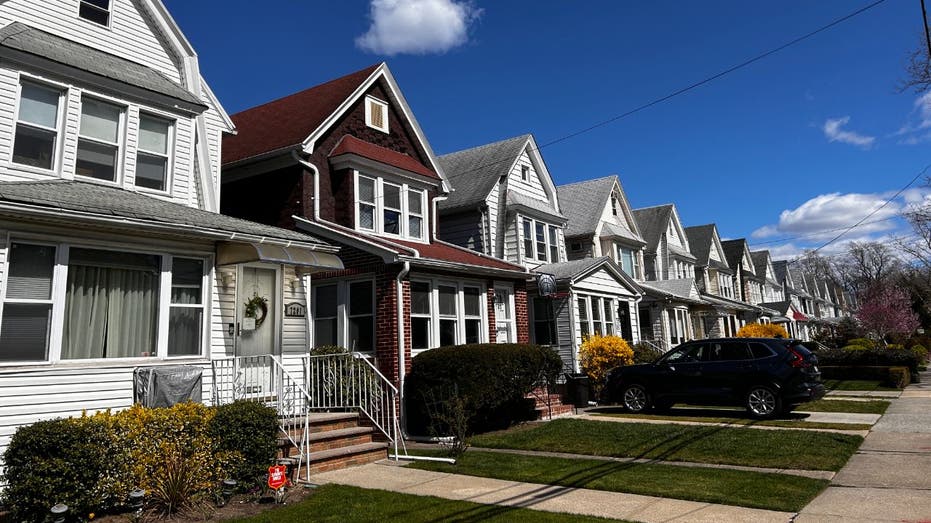
NAHB’s analysis found regulatory costs have increased sharply in recent years. (Lindsey Nicholson/UCG/Universal Images Group via Getty Images)
According to the report, 94.2% of developers surveyed said regulations typically cause project delays, while 88.2% reported facing development standards that go beyond what they would ordinarily build.
NAHB Chairman Bill Owens said the nation remains short roughly 1.2 million homes and argued that reducing barriers to construction could help boost housing supply.
“With the nation short about 1.2 million homes, builder sentiment will remain soft until barriers are eased and conditions improve for home building,” Owens said in a statement released alongside the latest NAHB/Wells Fargo Housing Market Index.
Builder confidence remains subdued. The latest NAHB/Wells Fargo Housing Market Index showed builder sentiment fell to 35 in June, marking the 14th consecutive month below 40. The survey also found that 35% of builders cut prices in June, while 62% offered sales incentives to attract buyers.

The NAHB estimated that regulations added $93,870 to the cost of a new home in 2021, compared with $131,734 today. (Nathan Howard/Bloomberg via Getty Images)
The NAHB study was based on surveys of 54 land developers and 337 single-family builders conducted in March. Researchers combined the survey responses with Census Bureau housing data and other industry cost assumptions to estimate the aggregate impact of regulations on home prices.
CLICK HERE TO GET FOX BUSINESS ON THE GO
The report noted that it does not argue all regulations should be eliminated, but said quantifying their cost is important as policymakers consider ways to improve housing affordability and increase homebuilding nationwide.

Bayer appoints Kacy Perry to lead Crop Science Canada unit

The Federal Reserve’s policy decision at could test the dollar’s resilience to lower oil prices after the U.S. and Iran agreed an interim peace deal, ING’s Francesco Pesole said in a note.
The dollar needs confirmation that policymakers, especially new Fed Chairman Kevin Warsh, are open to raising rates in future even if rates are held steady Wednesday, he said.
“If Warsh or the broader Federal Open Market Committee signal a stance that is clearly at odds with market pricing, the dollar would sell off sharply.” However, removing the policy easing bias should be enough to support the currency, he said.
Man attacked neighbour after parking dispute and beat woman with her own crutch

Facility expansion boosts broth, soup production for Campbell’s
CME Group to Sue CFTC Over Approval of Bitcoin Perpetual Futures


-

 Business4 days ago
No Jackpot Winner as $257 Million Prize Rolls Over to $269 Million Monday Draw
-

 Fashion6 days ago
Weekend Open Thread: Tuckernuck – Corporette.com
-
 Crypto World4 days ago
Zimbabwe Requires Crypto Businesses to Register Annually Under New FIU Regulations
-

 Crypto World6 days ago
Bitget enters Argentina’s regulated crypto market through PSAV registration
-

 Tech6 days ago
NanoClaw integrates JFrog registries to secure AI agent downloads
-

 Tech6 days ago
This Week In Security: Microsoft On Microsoft, Register Your Domains, Linux On ARM, And FreeBSD Joins The File Cache Club
-

 NewsBeat7 days ago
El Nino has formed in the Pacific and could set records, forecasters say
-

 NewsBeat6 days ago
FBI searches office of Ohio voter registration group
-
 Tech7 days ago
Anthropic is spending $150M to embed 1,000 AI fellows inside nonprofits. No degree required.
-
 Entertainment7 days ago
‘The Pitt’s Fan-Favorite Doctor Confirms Noah Wyle Gave His Blessing to Return [Exclusive]
-

 Tech7 days ago
Former AWS CEO Adam Selipsky to lead new $10B AI data center venture
-
 Crypto World7 days ago
Ripple and Bitso Bring MXNB Stablecoin to XRP Ledger
-
 Entertainment4 days ago
Matt Damon’s Viral Sci-Fi Thriller Has Taken Over HBO Max
-

 Business4 days ago
Anthropic staff to meet White House officials next week, Axios reports
-

 Business7 days ago
Justin Bieber Prepares for 2026 Tour Return with New Music and Promoter Talks
-

 Tech4 days ago
As AI companies race to go public, who else is along for the ride?
-
 Crypto World4 days ago
Bitcoin could crash to $48,000, if this historical pattern is triggered
-
 Tech7 days ago
Euro-Office 1.0 Arrives To Open-Source Infighting: ‘Compatibility Is Not Sovereignty’
-

 Politics4 days ago
“Israel’s” ban on ICRC visits ruled illegal, but Knesset moves to stop them permanently
-
Entertainment7 days ago
Ana Navarro unleashes explosive tirade on ex-Trump aide, Disney Channel star in epic on-air fight: 'Have you no shame?'
You must be logged in to post a comment Login