Connect with us
DAPA Banner
DAPA Coin
DAPA
COIN PAYMENT ASSET
PRIVACY · BLOCKDAG · HOMOMORPHIC ENCRYPTION · RUST
ElGamal Encrypted MINE DAPA
🚫 GENESIS SOLD OUT
DAPAPAY COMING

Sports

A Vikings Weapon Looks Like a True Spark Plug

Published

on

Advertisement

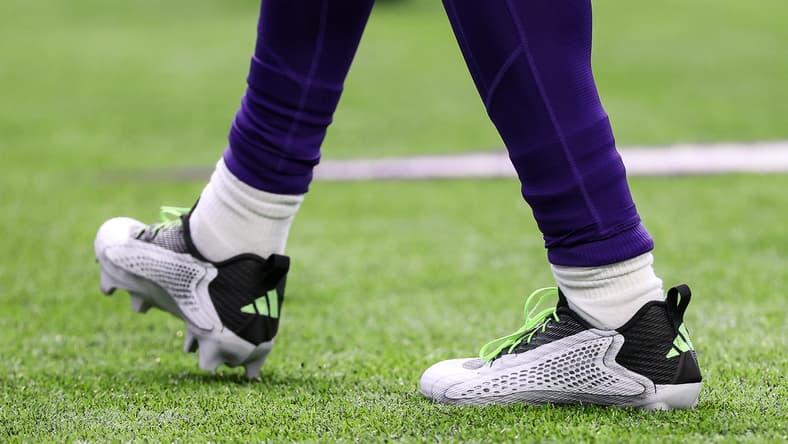
NFL: Atlanta Falcons at Minnesota Vikings
Credit: USA TODAY Sports via Reuters Connect

In Dillon Bell, the Vikings appear to have scooped up a spark plug.

Admittedly, the young Vikings weapon still has much to prove, going undrafted despite playing his college ball at Georgia. He secured reasonably promising money — $272,500, per Over the Cap — suggesting he inspires some promise (albeit with no true job security). There’s quite a lot of optimism about where he can push his game.

At minicamp, Bell was evident. Sounds like a basic criteria, but it’s important. The worst thing for an undrafted depth guy is to be boring, easily forgotten as the calendar hastens toward September. Much better, of course, to stand out from among one’s peers.

Advertisement

Based purely on the early portion of the summer, Dillon Bell looks like somebody who is going to make the 53-man roster.

Vikings Weapon Dillon Bell Looks Like a Spark Plug

The upside has been evident for a little while.

Consider the analysis from the NFL’s Lance Zierlein: “Big, strong, explosive receiver requiring specific usage on the next level. Bell is top-notch with the ball in his hands on reverses, jet-sweeps and quick hitches. He has the ability to create chunk runs after breaking tackles. Bell lacks ideal route savvy to uncover underneath and can be too easy for cornerbacks to read. He’s a body-catcher with below-average hands, but he did have better catch tape in 2023 with Carson Beck at quarterback. Bell’s game lacks well-rounded qualities and position-specific skill, but his traits, manufactured-touch talent and kick-return potential should give him a chance to make it as a WR5.”

Advertisement
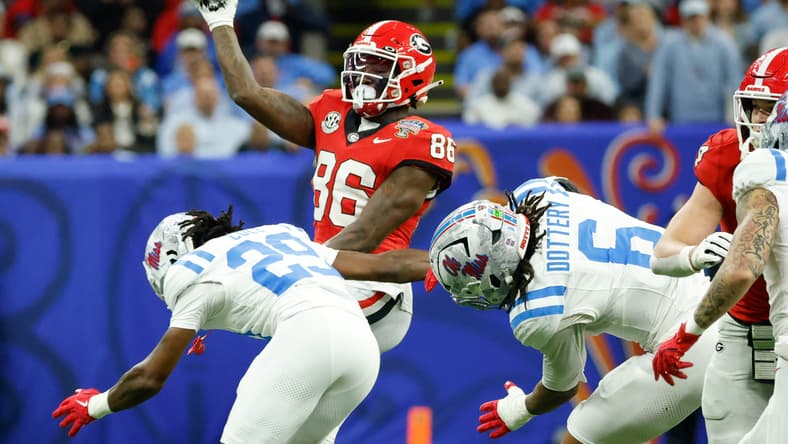
Jan 1, 2026; New Orleans, LA, USA; Georgia Bulldogs wide receiver Dillon Bell (86) passes the ball defended by Mississippi Rebels safety Nick Cull (29) and linebacker TJ Dottery (6) in the third quarter during the 2026 Sugar Bowl and quarterfinal game of the College Football Playoff at Caesars Superdome. Mandatory Credit: Amber Searls-Imagn Images

Per the draft nerd, Bell should have gone in the 6th Round of the 2026 NFL Draft. Instead, Bell was a priority for the Minnesota Vikings in the UDFA haul.

Part of the issue for Bell is that he didn’t toss up huge production in his collegiate career. His talent and potential are undeniable. Seeing him produce much more statistically would have led to him getting chosen quite high in the draft. After all, that’s what occurs for a receiver with great size and who played at Georgia.

Instead, he’s in Minnesota looking to show he’s capable of making it as a pro.

During the 2025 season, Dillon Bell turned 27 catches into 268 yards and 2 touchdowns. So, too, did he earn 17 carries for 109 yards and a pair of scores. Georgia tasked him with passing the ball a pair of times, but neither were completed.

Think intriguing talent without offering superhuman talent. More polish appears to be the prescription.

Advertisement
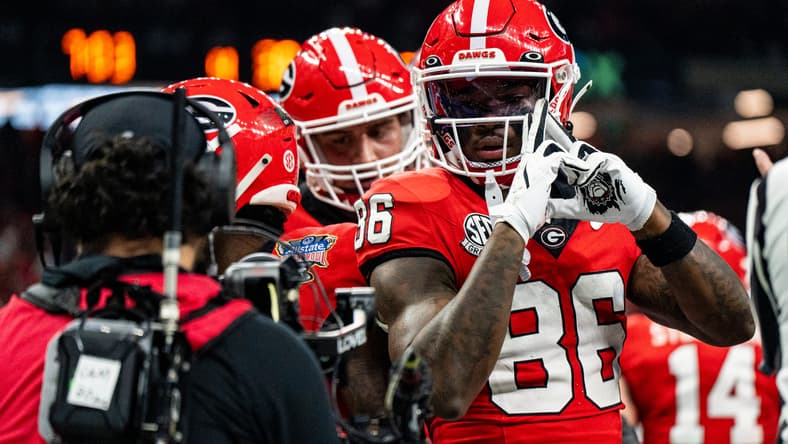
Georgia wide receiver Dillon Bell (86) celebrates after wide receiver Zachariah Branch (1) scored a touchdown during the Sugar Bowl and College Football Playoff quarterfinals at Caesars Superdome in New Orleans, La., on Thursday, Jan. 1, 2026. Ole Miss defeated Georgia 39-34. © Ayrton Breckenridge/Clarion Ledger / USA TODAY NETWORK via Imagn Images.

Best case for Dillon Bell with the Vikings is a job as the WR4. Even that spot, though, appears somewhat unlikely since Tai Felton (read more) and Jeshaun Jones (read more) are around. If, however, he does get onto the team — maybe even as the WR4 — then he’ll be offering a few abilities.

Start off on special teams. Bell, quite possibly, needs to solidify the kickoff returner position while functioning as the backup punt returner (overcoming Myles Price appears unlikely). He can then show some value as a tackler in the coverage units.

On offense, Kevin O’Connell will want to see a yards-after-the-catch merchant. Be somebody who can turn a bubble screen into an explosive gain. Every coach loves safe explosion, so Bell would be wise to show that he can break tackles (and ankles) as a depth guy who makes the most out of modest chances.

Dillon Bell, 22, stands at 6’0″ and 210 pounds.


avatar

Senior Editor for Vikings Territory & PurplePTSD . Twitter & Bluesky: @VikingsGazette. Email: k.joudry[at]vikingsterritory[dot]com. Canadian. Jude 1:24-25.

Advertisement

Source link

Continue Reading
Click to comment

You must be logged in to post a comment Login

Leave a Reply

Sports

Protect College Sports Act passes Senate committee amid Big Ten, SEC opposition

Published

on

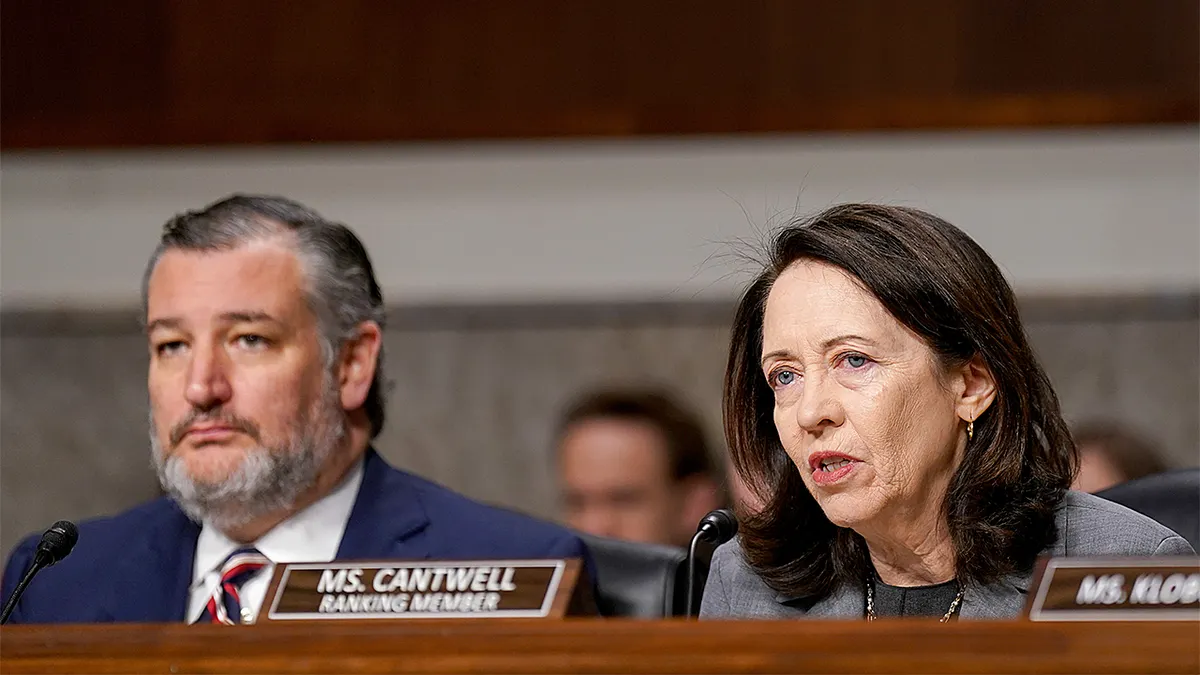
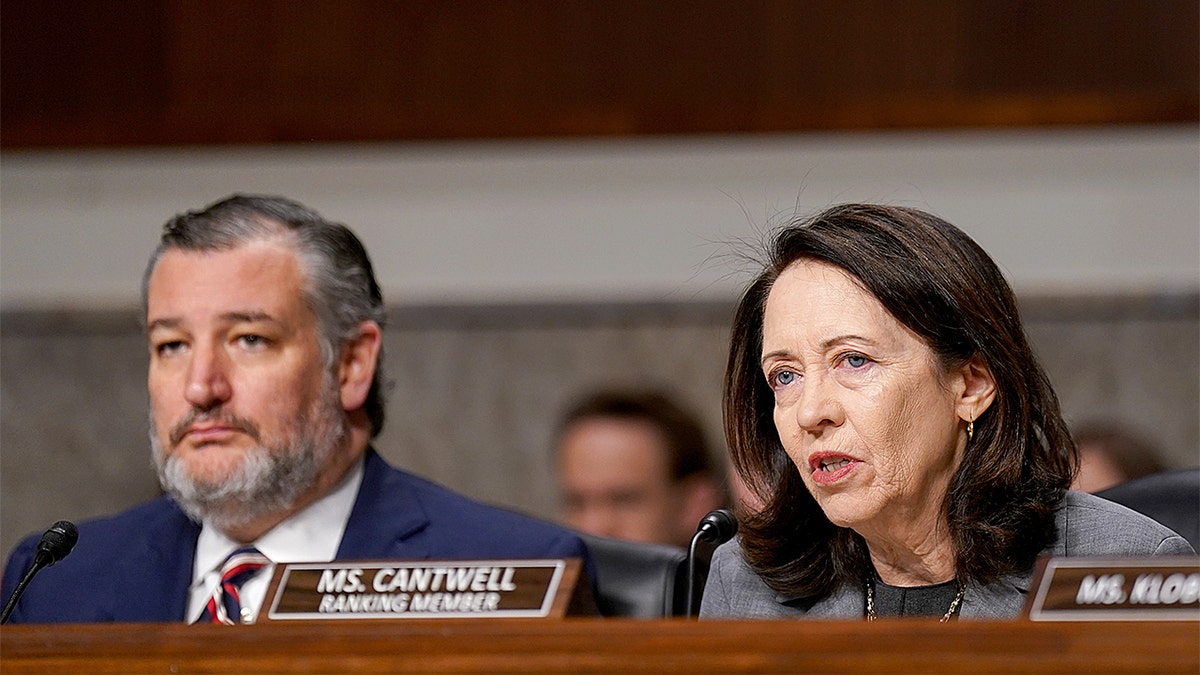
The bipartisan Protect College Sports Act cleared the Senate Commerce Committee 19-9 on Thursday, marking the first time a college sports reform bill has advanced this far in the Senate and setting up a potential floor vote before the August recess.

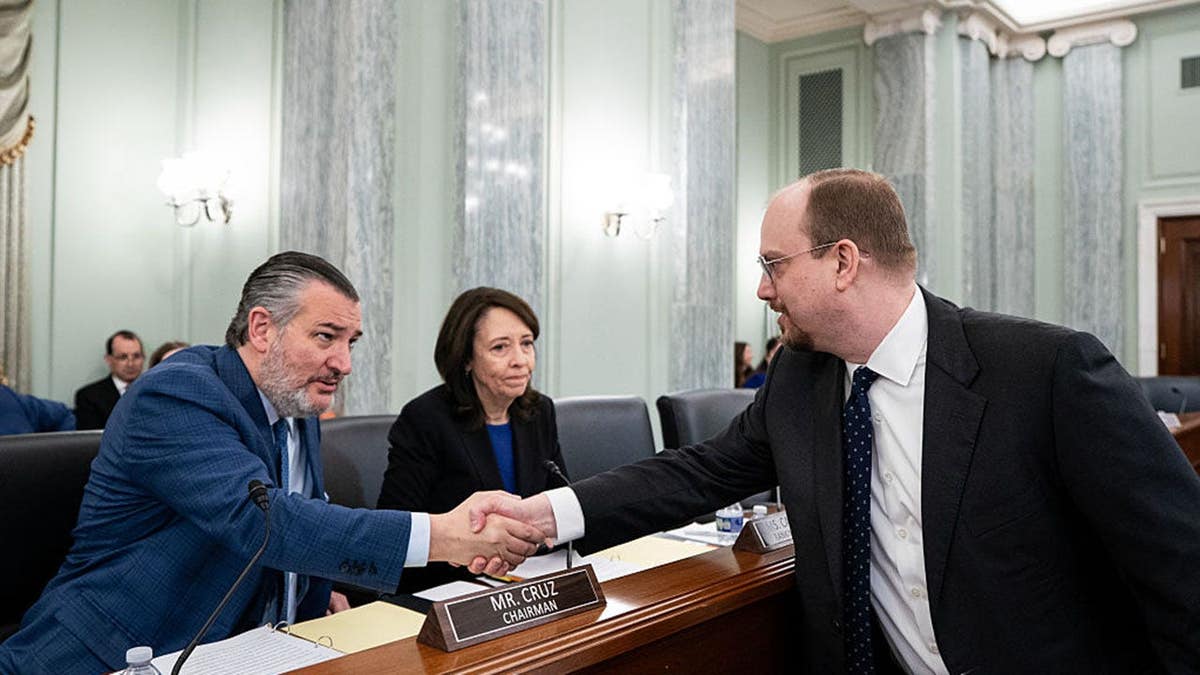
Committee Chairman Ted Cruz (R-Texas) and Ranking Member Maria Cantwell (D-Wash.), who co-wrote the legislation with Sens. Eric Schmitt (R-Mo.) and Chris Coons (D-Del.), have been pushing to get the bill to President Trump’s desk this summer. Trump urged Congress in early June to pass it “this summer,” and Cruz has said he wants it done before the fall season kicks off.

After Thursday’s vote, Cruz told reporters that Senate Majority Leader John Thune “intends” to bring the Protect College Sports Act to the Senate floor, and Cruz believes that will happen in July, according to Yahoo Sports. The Senate’s scheduled summer recess runs from Aug. 10 through Sept. 11, leaving a narrow window to reach the 60 votes needed for passage.

Advertisement

SEC warns Protect College Sports Act will trigger more lawsuits, not fewer

Brandon Marcello

SEC warns Protect College Sports Act will trigger more lawsuits, not fewer
Advertisement

The bill would establish the first comprehensive federal framework for college athletics, codifying NIL rights into law, replacing the current state-by-state patchwork with a single national standard. It sets a five-year eligibility window beginning at age 19 or high school graduation, guarantees athletes one transfer without losing eligibility and requires a second transfer to sit out a year with limited exceptions, caps agent fees at 5% and gives athletes a private right of action to sue schools over NIL rights, health and safety standards and scholarship protections.

The biggest revenue play: an amendment to the Sports Broadcasting Act of 1961 that would allow schools to voluntarily pool and jointly negotiate their media rights, similar to the NFL’s model. Proponents say that could generate an additional $4 to $8 billion for college athletics, money backers want directed toward women’s and Olympic sports. The bill also bans the formation of a super conference, effectively blocking any potential SEC-Big Ten breakaway league.

More than 20 conferences, including the ACC and the Big 12, representing 228 colleges across 46 states, have publicly backed the legislation, along with the NFL, NFLPA, NBPA and the U.S. Olympic and Paralympic Committee.

Advertisement

“Today’s vote is a powerful statement to the growing bipartisan support for targeted intervention from Congress to stabilize college sports’ transfer, eligibility and agent rules,” NCAA president Charlie Baker said in a statement. “The NCAA looks forward to building on this important development to pass the most effective bill for all 550,000 student-athletes.”

Big Ten, SEC still not on board

The two most powerful conferences in college football remain opposed. In a joint statement released Thursday morning, the Big Ten and SEC said that despite “sustained engagement and good faith efforts,” their critical revisions to the bill had not been accepted. 

“From the outset, we identified a set of essential revisions to the PCSA necessary for the long-term sustainability of college athletics,” the statement read. “We have worked with both majority and minority staff to advance those revisions, which focus on better supporting student-athletes and stabilizing the college sports environment. We continue to believe revisions are needed to secure our support for the bill.”

The conferences said they are “encouraged that several Commerce Committee members share our concerns” and pledged to keep pushing for changes.

Advertisement

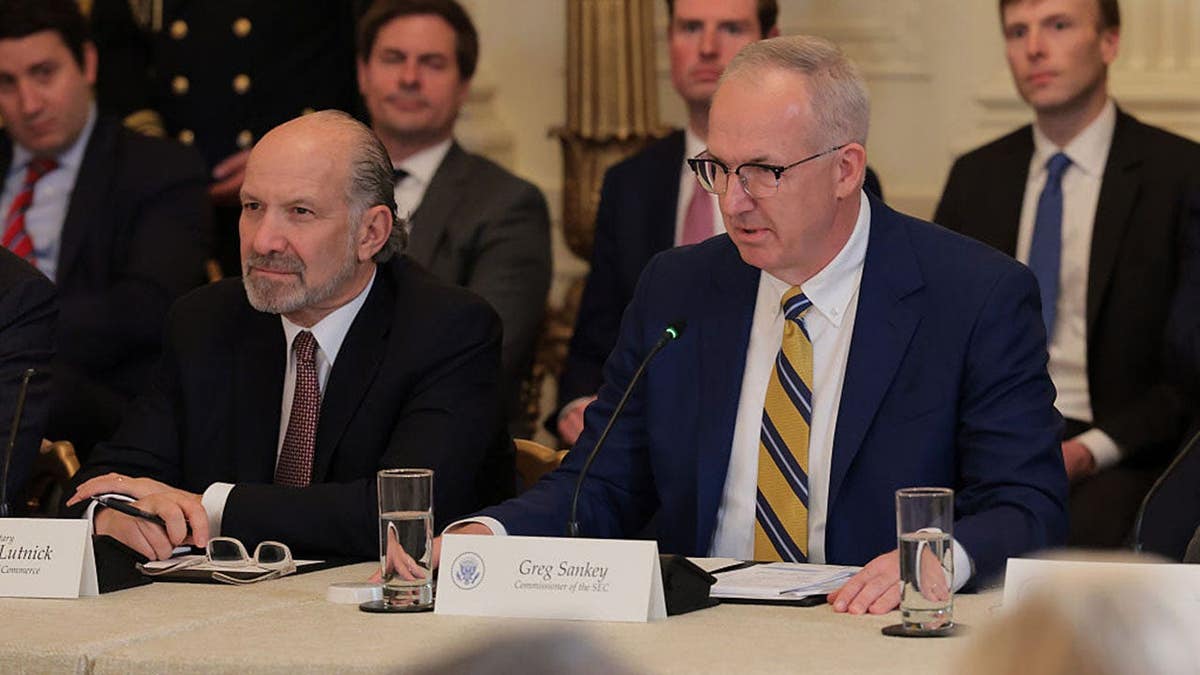
Their core objections center on the media-pooling provision, which SEC commissioner Greg Sankey has warned could expose the SEC to lawsuits and effectively force the conference out of the College Football Playoff if non-pooling schools are excluded from postseason play. The Big Ten holds a major deal with CBS and FOX; the SEC is locked into an exclusive agreement with ESPN. The private right of action provision — which both conferences called too broad — also remained intact in the final markup version.

On a teleconference with reporters, New York Yankees president Randy Levine, a leader on President Trump’s college sports committee, urged opponents of the bill to “come back into the tent with us and the Senate to work through all of the problems you have because this is the last, best effort. If this does not go forward, there will be nothing that goes forward …”

Sen. Tommy Tuberville (R-Ala.), a former college football coach who spent 14 seasons in the SEC at Ole Miss and Auburn, went to the Senate floor Tuesday to announce his opposition.

“Two weeks ago, my colleagues here rolled out a bipartisan bill that aims to fix some of these problems,” Tuberville said. “I respect the work that they put into it. I know it all too well. I know they’re trying to solve a serious and very, very hard problem. It’s almost impossible. But I think their bill goes too far.

Advertisement

“Trust me, if I thought it’d work, I’d support it. Unfortunately, it gets too deep into the businesses of universities, conferences and athletics departments while doing far too little to give the student-athlete the stability and clarity that, actually, they need.”

What the amendments changed

The most significant revision ahead of Thursday’s markup strengthened protections for non-revenue and Olympic sports. Under the amended bill, any Division I school reporting at least $80 million in annual athletic revenue must maintain current scholarship and roster levels for women’s and Olympic sports at or above the 2024-25 levels. The earlier version applied that requirement only to schools that opted into media rights pooling; the amendment extends it to all large-revenue programs regardless of whether they opted in.

Senators also pushed for language restricting mid-season coaching changes, a debate sparked in part by Lane Kiffin’s move from Ole Miss to LSU while the Rebels were still alive in last season’s College Football Playoff.

The bill now faces its biggest test. A Senate floor vote requires 60 votes in a chamber with 53 Republicans, making bipartisan support essential.

Advertisement

Source link

Advertisement
Continue Reading

Sports

“It is not good for KL Rahul”

Published

on

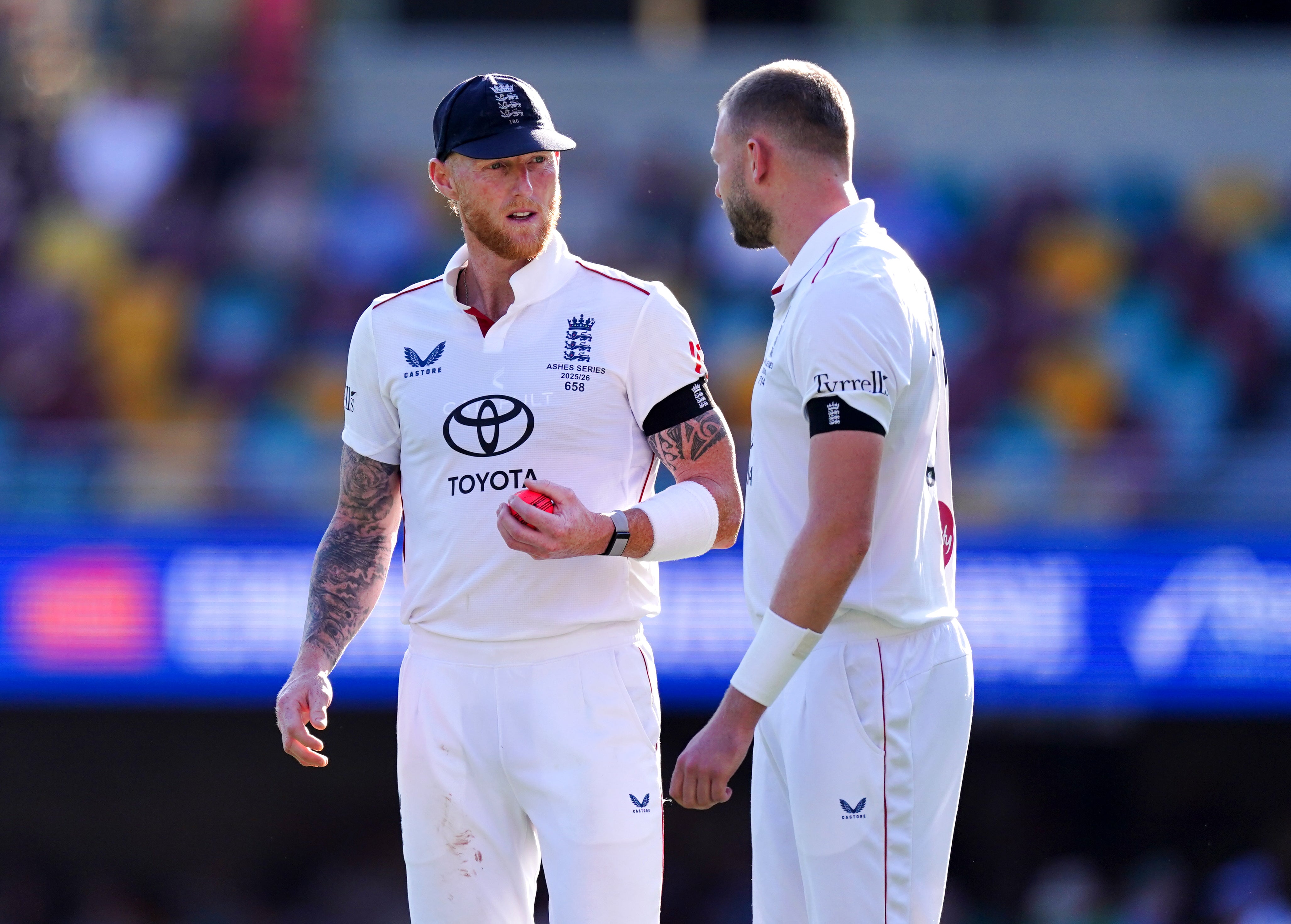
India’s 1983 World Cup winner Kris Srikkanth criticised the team management over KL Rahul’s batting position amid the ODI series against Afghanistan. The Men in Blue have already pocketed the series 2-0 with a game to go.

In the first ODI, KL Rahul batted at five and scored an unbeaten 39 off just 19 balls to help India win the game. However, in the second game, he was demoted to number six, where he failed to score, being dismissed for a duck. Srikkanth reckoned that Rahul batting at six was not good for him or the team either.

Further, talking about the World Cup squad and the experimentation in testing out players, Srikkanth suggested going by a rotation policy.

“It is not good for KL Rahul and the team if he is batting at six. In my opinion, he must bat at four or five max. I think they can go by rotation policy. Rest the certainties in some games, give chances, and then pick the side,” he said on his YouTube channel.

The final ODI of the three-match series will be played on Saturday, June 20, in Chennai. India will aim for a clean sweep and could look to further test their bench strength.


Kris Srikkanth believes the men’s cricket team should have had a break rather than playing the Afghanistan ODIs

Following the second ODI in Lucknow, which was played under extreme heat, Kris Srikkanth reckoned that the Indian men’s cricket team must have a break in June rather than playing a side like Afghanistan.

Advocating the importance of family time, time off, and mental breaks, he added that there should be no cricket for the men’s team for at least a month post the IPL.

Advertisement

“Afghanistan is not a great team really. It is sad. Now they are going to play in Chennai where it will be very hot. I don’t know how they will play there. It is not fair. I don’t think they should be playing in June. The T20 World Cup and IPL just got over. Give them a break and the Women’s T20 World Cup is going on, why don’t we focus on that? There should be a one month break after the IPL to be honest. There is no family time, no holiday, and most importantly no mental break,” he stated.

Post the Afghanistan series, the Men in Blue will travel to England for a multi-format white-ball series in July, which involves five T20Is and three ODIs.