Connect with us
DAPA Banner
DAPA Coin
DAPA
COIN PAYMENT ASSET
PRIVACY · BLOCKDAG · HOMOMORPHIC ENCRYPTION · RUST
ElGamal Encrypted MINE DAPA
🚫 GENESIS SOLD OUT
DAPAPAY COMING

Sports

The Numbers From Colombia’s 2026 FIFA World Cup Win Over Uzbekistan

Published

on

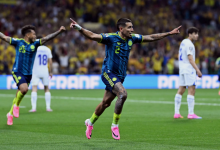
Colombia made an impressive start to their 2026 FIFA World Cup campaign with a convincing 3-1 victory over Uzbekistan in their opening Group K match at the iconic Estadio Azteca in Mexico City.

Backed by a crowd of 80,824 spectators, Néstor Lorenzo’s side combined possession, attacking quality and clinical finishing to overcome a spirited Uzbekistan team. Goals from Daniel Muñoz, Luis Díaz and substitute Jaminton Campaz sealed all three points, while Abbosbek Fayzullaev scored Uzbekistan’s only goal.

While the scoreline reflected Colombia’s superiority, the statistics behind the game further highlighted why the South Americans deserved the victory.

  • Can Bafana stay alive without Themba Zwane?Can Bafana stay alive without Themba Zwane?

Advertisement

Colombia Dominated Possession and Territory

One of the biggest differences between the two teams was Colombia’s control of the ball. Lorenzo’s men enjoyed 61 per cent possession and completed 445 of their 520 passes, compared to Uzbekistan’s 242 completed passes from 318 attempts.

The South Americans also spent more time in dangerous attacking areas. They recorded 56 final-third entries and 27 touches inside the opposition penalty box, while Uzbekistan managed just five touches in Colombia’s area.

Advertisement

The first half particularly belonged to Colombia. They controlled 72 per cent possession before the break and completed over 300 passes, constantly forcing Uzbekistan onto the defensive.

Better Chances, Better Finishing

Although Uzbekistan remained competitive throughout the match, Colombia created far more dangerous opportunities.

The South Americans attempted 15 shots compared to Uzbekistan’s eight and generated an expected goals (xG) figure of 1.61 against their opponents’ 1.14.

Advertisement

More importantly, Colombia created four big chances during the game, while Uzbekistan managed only one.

Ten of Colombia’s 15 shots came from inside the penalty area, showing their ability to penetrate Uzbekistan’s defence. In contrast, Uzbekistan produced only four efforts from inside the box.

The difference in finishing proved decisive. Colombia converted three of their four big chances, while Uzbekistan could not make the most of their limited opportunities.

Uzbekistan’s Brief Fightback

Advertisement

Fabio Cannavaro’s side showed plenty of character after the interval.

After trailing 1-0 at half-time following Daniel Muñoz’s 41st-minute opener, Uzbekistan improved significantly in the second half. They struck the woodwork twice and were rewarded in the 61st minute when Abbosbek Fayzullaev equalised with their first shot on target.

For a brief period, momentum appeared to be shifting.

However, Colombia responded like an experienced World Cup side. Just five minutes after conceding, Luis Díaz restored the lead with a composed finish following excellent work from Gustavo Puerta.

Advertisement

The quick response effectively ended Uzbekistan’s momentum and allowed Colombia to regain control.

Luis Díaz Delivered When It Mattered

Bayern Munich winger Luis Díaz was undoubtedly the star of the match.

The Colombian forward received an 8.5 Sofascore rating after producing both a goal and an assist.

Advertisement

Díaz supplied the pass for Muñoz’s opening goal before scoring the crucial second goal that put Colombia back in front after Uzbekistan’s equaliser.

His overall contribution went beyond goals.

The winger completed 19 of his 24 passes, created one big chance, delivered two key passes, won eight duels and drew five fouls. He also recorded a team-high expected assists (xA) figure of 0.65 and carried the ball nearly 180 metres throughout the contest.

His performance combined creativity, direct running and end product, making him the clear standout player on the pitch.

Advertisement

Strong Support Cast

While Díaz grabbed the headlines, several teammates also played key roles in the victory.

Daniel Muñoz not only opened the scoring but also completed 33 of his 39 passes and registered three interceptions from right-back.

Substitute Jaminton Campaz made a major impact after coming on. He scored Colombia’s third goal deep into stoppage time and earned a 7.7 match rating.

Advertisement

In midfield, Jefferson Lerma completed 61 passes and added five ball recoveries, helping Colombia maintain control in key moments.

At the back, Davinson Sánchez and Jhon Lucumí combined for 142 accurate passes, providing a solid foundation for Colombia’s build-up play.

Defensive Efficiency Made the Difference

Although Uzbekistan won more aerial duels and enjoyed greater success in one-on-one dribbles, Colombia’s defensive structure remained organised.

Advertisement

Uzbekistan were forced into making 26 clearances as they spent long periods defending. The Central Asian side also committed costly mistakes, including an error that directly contributed to a Colombian goal.

Goalkeeping statistics further highlighted the gap between both teams. Colombia goalkeeper Camilo Vargas recorded a positive goals-prevented figure despite being beaten once, while Uzbekistan finished with a negative goals-prevented rating of minus 1.70.

A Statement Victory

The final scoreline reflected Colombia’s overall dominance.

Advertisement

They controlled possession, created more chances, completed more passes and showed greater composure in front of goal.

While Uzbekistan produced encouraging moments, especially during their second-half spell, Colombia consistently looked the more dangerous side and deserved their 3-1 victory.

With Luis Díaz leading the attack and the team showing balance across all areas of the pitch, Colombia have sent an early warning to the rest of Group K that they could be one of the teams to watch at the 2026 FIFA World Cup.

Advertisement

Source link

Continue Reading
Click to comment

You must be logged in to post a comment Login

Leave a Reply

Sports

Protect College Sports Act passes Senate committee amid Big Ten, SEC opposition

Published

on

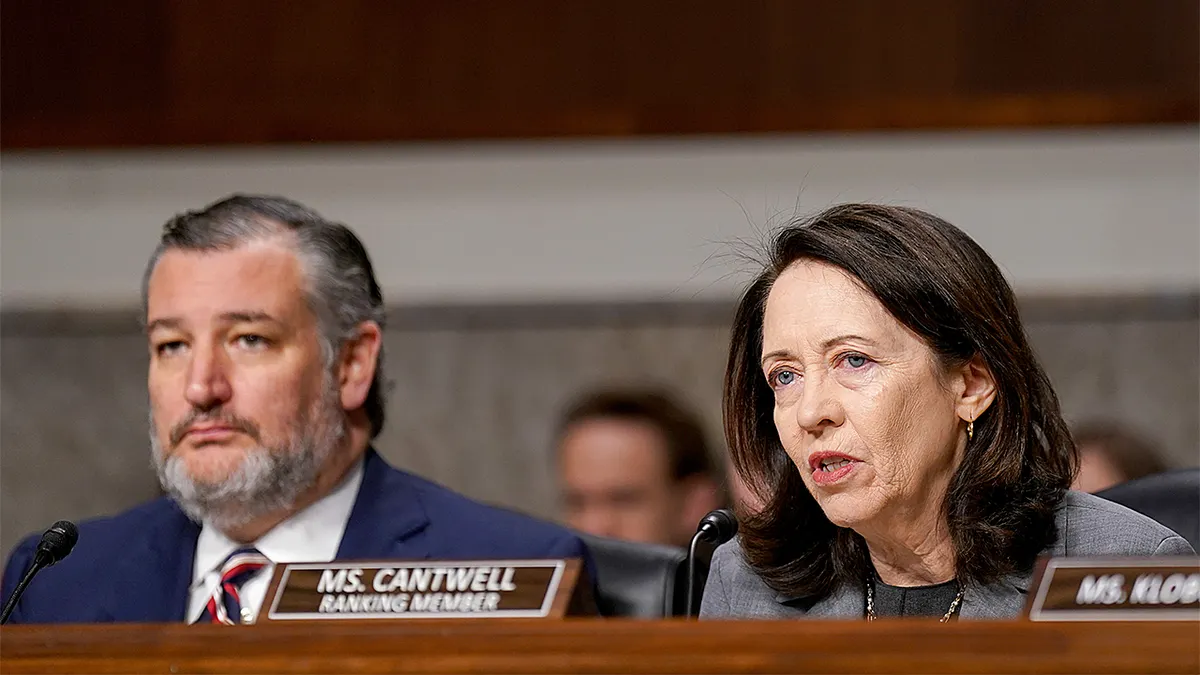
The bipartisan Protect College Sports Act cleared the Senate Commerce Committee 19-9 on Thursday, marking the first time a college sports reform bill has advanced this far in the Senate and setting up a potential floor vote before the August recess.

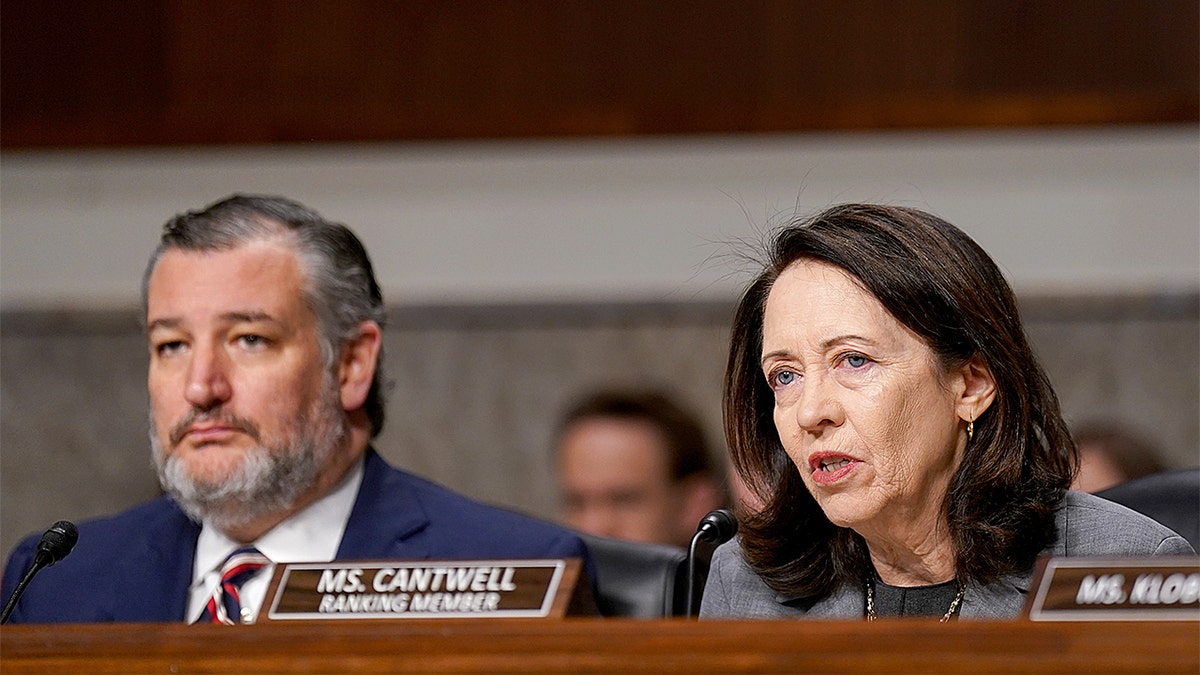
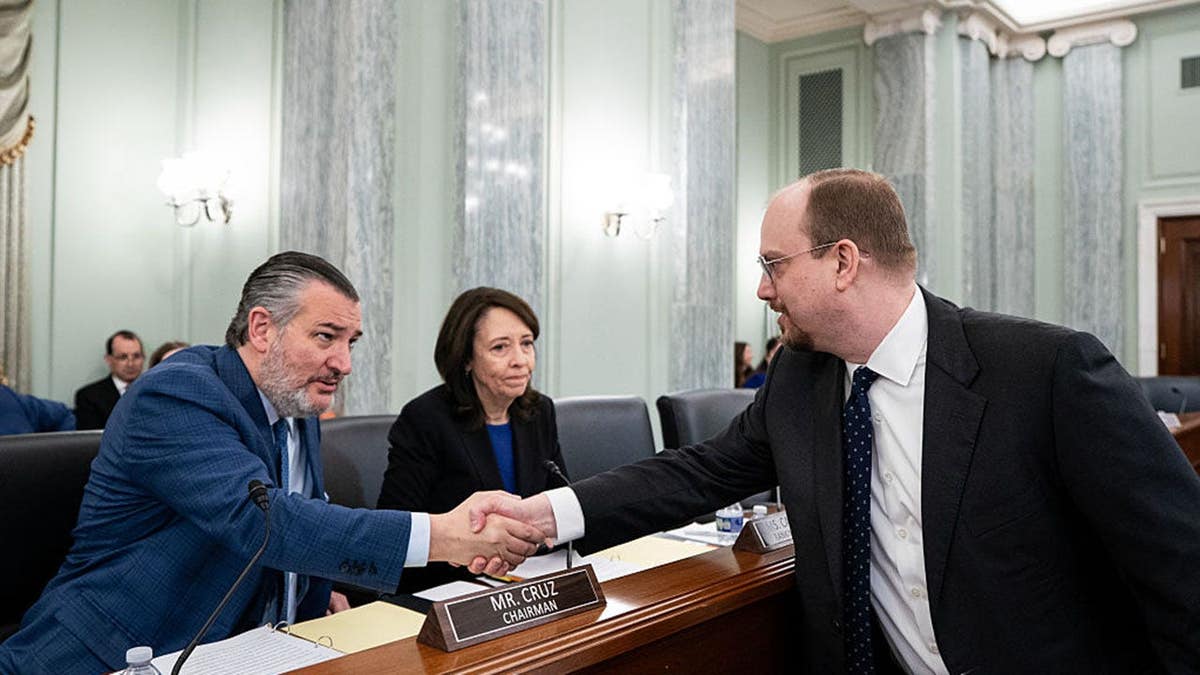
Committee Chairman Ted Cruz (R-Texas) and Ranking Member Maria Cantwell (D-Wash.), who co-wrote the legislation with Sens. Eric Schmitt (R-Mo.) and Chris Coons (D-Del.), have been pushing to get the bill to President Trump’s desk this summer. Trump urged Congress in early June to pass it “this summer,” and Cruz has said he wants it done before the fall season kicks off.

After Thursday’s vote, Cruz told reporters that Senate Majority Leader John Thune “intends” to bring the Protect College Sports Act to the Senate floor, and Cruz believes that will happen in July, according to Yahoo Sports. The Senate’s scheduled summer recess runs from Aug. 10 through Sept. 11, leaving a narrow window to reach the 60 votes needed for passage.

Advertisement

SEC warns Protect College Sports Act will trigger more lawsuits, not fewer

Brandon Marcello

SEC warns Protect College Sports Act will trigger more lawsuits, not fewer
Advertisement

The bill would establish the first comprehensive federal framework for college athletics, codifying NIL rights into law, replacing the current state-by-state patchwork with a single national standard. It sets a five-year eligibility window beginning at age 19 or high school graduation, guarantees athletes one transfer without losing eligibility and requires a second transfer to sit out a year with limited exceptions, caps agent fees at 5% and gives athletes a private right of action to sue schools over NIL rights, health and safety standards and scholarship protections.

The biggest revenue play: an amendment to the Sports Broadcasting Act of 1961 that would allow schools to voluntarily pool and jointly negotiate their media rights, similar to the NFL’s model. Proponents say that could generate an additional $4 to $8 billion for college athletics, money backers want directed toward women’s and Olympic sports. The bill also bans the formation of a super conference, effectively blocking any potential SEC-Big Ten breakaway league.

More than 20 conferences, including the ACC and the Big 12, representing 228 colleges across 46 states, have publicly backed the legislation, along with the NFL, NFLPA, NBPA and the U.S. Olympic and Paralympic Committee.

Advertisement

“Today’s vote is a powerful statement to the growing bipartisan support for targeted intervention from Congress to stabilize college sports’ transfer, eligibility and agent rules,” NCAA president Charlie Baker said in a statement. “The NCAA looks forward to building on this important development to pass the most effective bill for all 550,000 student-athletes.”

Big Ten, SEC still not on board

The two most powerful conferences in college football remain opposed. In a joint statement released Thursday morning, the Big Ten and SEC said that despite “sustained engagement and good faith efforts,” their critical revisions to the bill had not been accepted. 

“From the outset, we identified a set of essential revisions to the PCSA necessary for the long-term sustainability of college athletics,” the statement read. “We have worked with both majority and minority staff to advance those revisions, which focus on better supporting student-athletes and stabilizing the college sports environment. We continue to believe revisions are needed to secure our support for the bill.”

The conferences said they are “encouraged that several Commerce Committee members share our concerns” and pledged to keep pushing for changes.

Advertisement

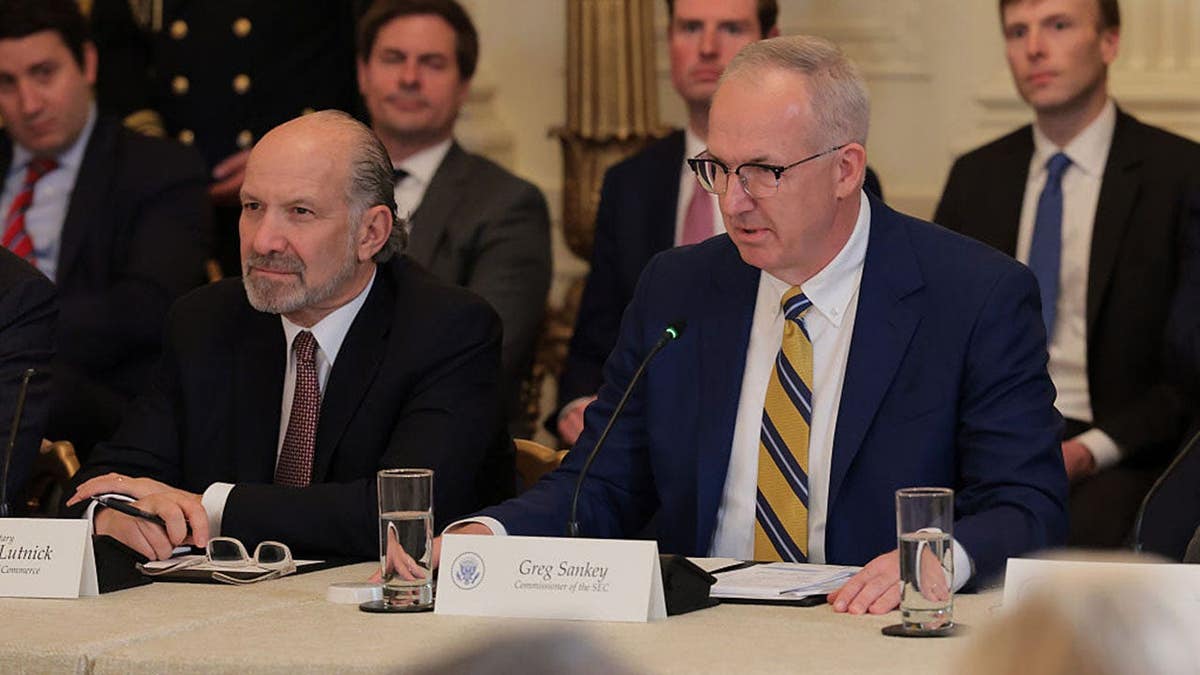
Their core objections center on the media-pooling provision, which SEC commissioner Greg Sankey has warned could expose the SEC to lawsuits and effectively force the conference out of the College Football Playoff if non-pooling schools are excluded from postseason play. The Big Ten holds a major deal with CBS and FOX; the SEC is locked into an exclusive agreement with ESPN. The private right of action provision — which both conferences called too broad — also remained intact in the final markup version.

On a teleconference with reporters, New York Yankees president Randy Levine, a leader on President Trump’s college sports committee, urged opponents of the bill to “come back into the tent with us and the Senate to work through all of the problems you have because this is the last, best effort. If this does not go forward, there will be nothing that goes forward …”

Sen. Tommy Tuberville (R-Ala.), a former college football coach who spent 14 seasons in the SEC at Ole Miss and Auburn, went to the Senate floor Tuesday to announce his opposition.

“Two weeks ago, my colleagues here rolled out a bipartisan bill that aims to fix some of these problems,” Tuberville said. “I respect the work that they put into it. I know it all too well. I know they’re trying to solve a serious and very, very hard problem. It’s almost impossible. But I think their bill goes too far.

Advertisement

“Trust me, if I thought it’d work, I’d support it. Unfortunately, it gets too deep into the businesses of universities, conferences and athletics departments while doing far too little to give the student-athlete the stability and clarity that, actually, they need.”

What the amendments changed

The most significant revision ahead of Thursday’s markup strengthened protections for non-revenue and Olympic sports. Under the amended bill, any Division I school reporting at least $80 million in annual athletic revenue must maintain current scholarship and roster levels for women’s and Olympic sports at or above the 2024-25 levels. The earlier version applied that requirement only to schools that opted into media rights pooling; the amendment extends it to all large-revenue programs regardless of whether they opted in.

Senators also pushed for language restricting mid-season coaching changes, a debate sparked in part by Lane Kiffin’s move from Ole Miss to LSU while the Rebels were still alive in last season’s College Football Playoff.

The bill now faces its biggest test. A Senate floor vote requires 60 votes in a chamber with 53 Republicans, making bipartisan support essential.

Advertisement

Source link

Advertisement
Continue Reading

Sports

“It is not good for KL Rahul”

Published

on

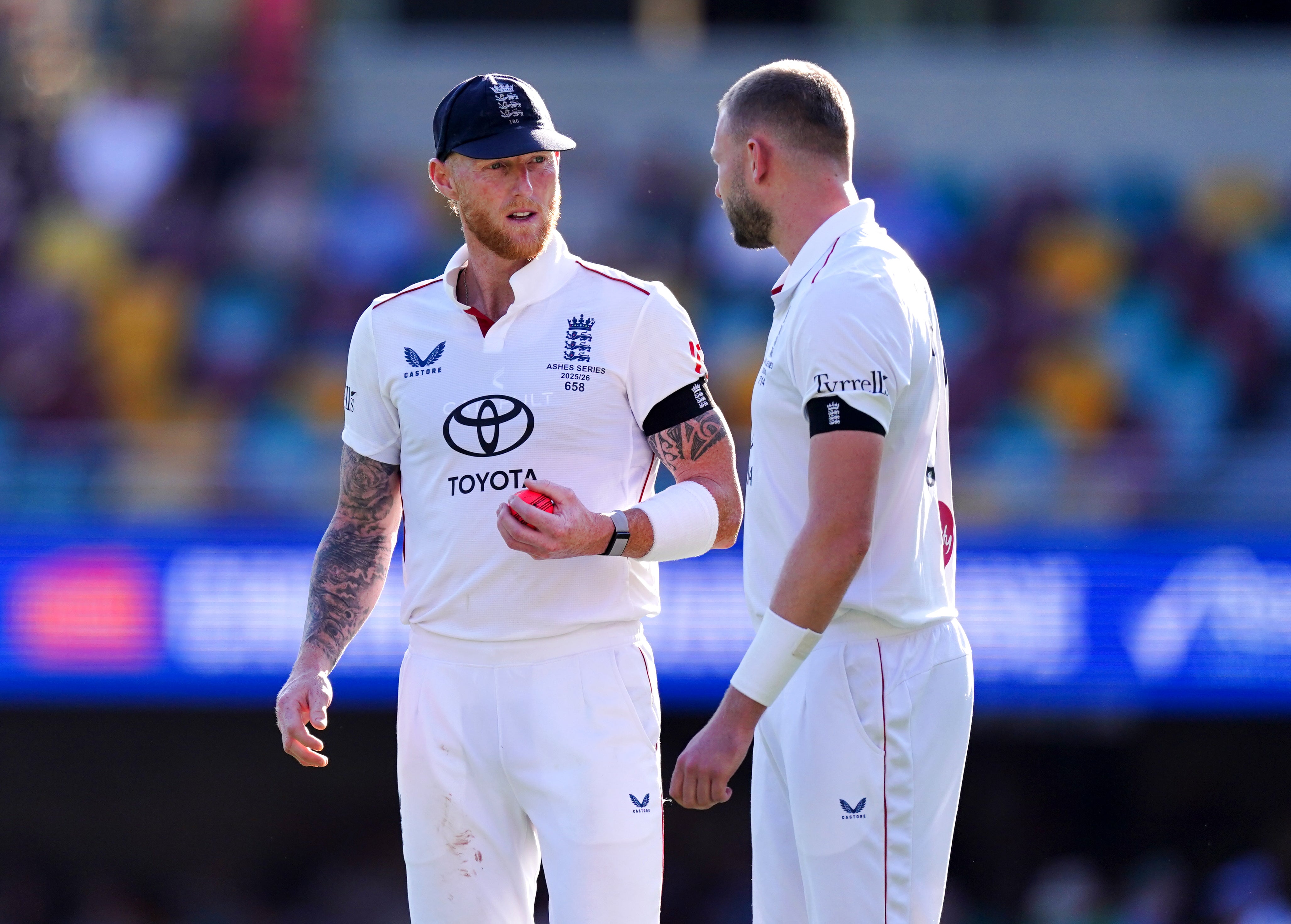
India’s 1983 World Cup winner Kris Srikkanth criticised the team management over KL Rahul’s batting position amid the ODI series against Afghanistan. The Men in Blue have already pocketed the series 2-0 with a game to go.

In the first ODI, KL Rahul batted at five and scored an unbeaten 39 off just 19 balls to help India win the game. However, in the second game, he was demoted to number six, where he failed to score, being dismissed for a duck. Srikkanth reckoned that Rahul batting at six was not good for him or the team either.

Further, talking about the World Cup squad and the experimentation in testing out players, Srikkanth suggested going by a rotation policy.

“It is not good for KL Rahul and the team if he is batting at six. In my opinion, he must bat at four or five max. I think they can go by rotation policy. Rest the certainties in some games, give chances, and then pick the side,” he said on his YouTube channel.

The final ODI of the three-match series will be played on Saturday, June 20, in Chennai. India will aim for a clean sweep and could look to further test their bench strength.


Kris Srikkanth believes the men’s cricket team should have had a break rather than playing the Afghanistan ODIs

Following the second ODI in Lucknow, which was played under extreme heat, Kris Srikkanth reckoned that the Indian men’s cricket team must have a break in June rather than playing a side like Afghanistan.

Advocating the importance of family time, time off, and mental breaks, he added that there should be no cricket for the men’s team for at least a month post the IPL.

Advertisement

“Afghanistan is not a great team really. It is sad. Now they are going to play in Chennai where it will be very hot. I don’t know how they will play there. It is not fair. I don’t think they should be playing in June. The T20 World Cup and IPL just got over. Give them a break and the Women’s T20 World Cup is going on, why don’t we focus on that? There should be a one month break after the IPL to be honest. There is no family time, no holiday, and most importantly no mental break,” he stated.

Post the Afghanistan series, the Men in Blue will travel to England for a multi-format white-ball series in July, which involves five T20Is and three ODIs.