
Security teams log 54% of successful attacks and alert on just 14%. The rest move through your environment unseen.
The Picus whitepaper shows how breach and attack simulation tests your SIEM and EDR rules so threats stop slipping by detection.



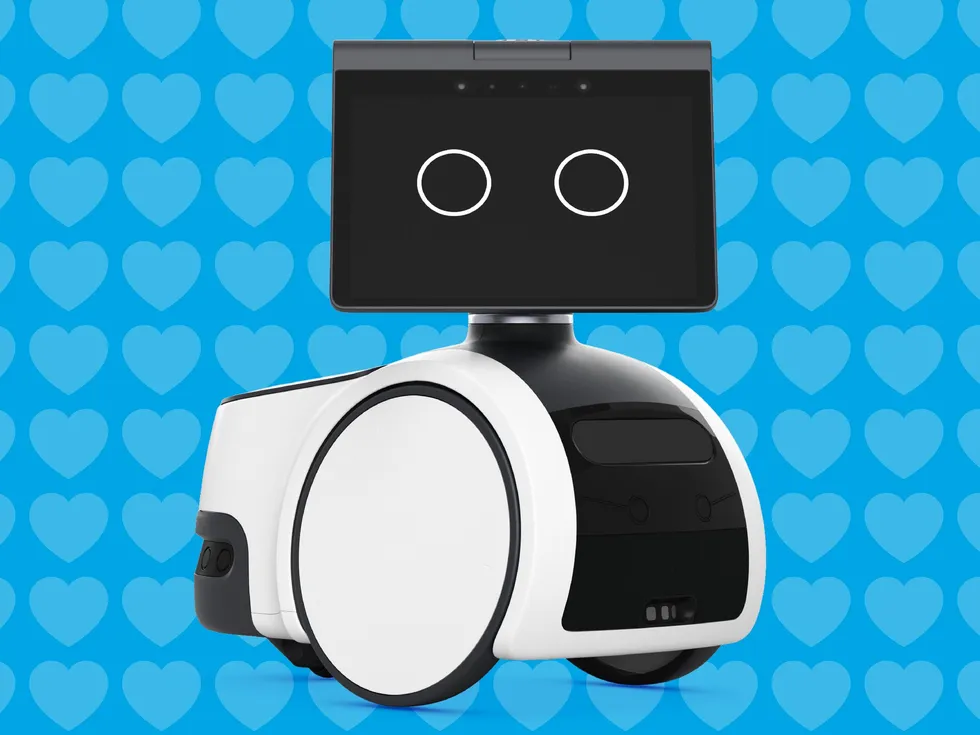

In 2018, Amazon brought me in as the lead UX Sound Designer for Astro, their first consumer home robot. Astro used cameras and other sensors to map and navigate your home and workplace, and could proactively patrol, check up on loved ones, and transport small items using its built-in cargo bin. While there was a well-defined feature set and form factor, initially there was no character direction. In fact, even before Astro had a name, there were two main questions—was it simply Alexa on wheels, or was it a robot with its own character?
The Astro team was divided. One option was to focus on Alexa, and treat the mobile robot simply as an added utility. I argued for Astro to not focus on Alexa, along with the majority of the UX team. Our belief was that a thing that moves through your home and turns toward you with intent can never be just an appliance. People would ascribe character to whether we wanted them to or not, and so the only question was whether we shaped that character or let it happen by accident.
Ultimately, Astro became Astro rather than Alexa, and user testing backed up our decision. People didn’t see the robot as Alexa. They saw it as its own character, and that’s what they wanted it to be. Alexa on the device felt somewhat strange and creepy, but building Astro its own voice was too slow and expensive in 2018. So, we settled on Alexa as a supporting character that handled any actual talking, while Astro was the main character, communicating as much as it could without words, through sound, motion, and facial expressions.
I had been brought on to the Astro team to define the robot’s sound design language and voice. But there was no one to flesh out the robot’s actual character. You cannot make a single real decision about a character without defining it first. Every choice about how Astro moved, sounded, paused, or reacted was a character choice, and those choices required all disciplines working together. As Sound Lead, I was weaving together sound, motion, and character, and how they played together inside each story moment. The animators, who programmed Astro’s motion and facial expressions, were extraordinary at what they did, but the emotional arc they were animating came from the sound (and therefore character) work first. So I stepped into that role, which is where my real work started. What I learned about building character for robots applies to nearly everything being built in embodied AI right now.
Developing a character for Astro meant answering questions that had never been asked about a product at Amazon: What is the emotional range of this robot’s baseline state? How does this robot communicate uncertainty without eroding trust? Where is the line between being expressive and annoying? What are the vulnerabilities of this device’s character?
These are design questions. They have real answers, and every team working on the product has to build from them. For example, Astro’s emotional range was designed to be relatively small at first. We never wanted Astro to get too sad or too angry. It could play sad, but would snap out of it quickly and end the reaction on a high note to keep things positive.
Character leaks out of every seam and can create a disjointed experience if not defined correctly. Even if it’s just animation timing that’s slightly off, or a response that’s technically correct but contextually tone-deaf, users feel every one of these inconsistencies, even if they can’t name them. Watch what happens at the beginning and end of this Sing sequence:
Astro goes from nothing, into the emotional moment, and then lands back on nothing. No build up, no cool down, no sense that the feeling came from somewhere or had anywhere to go. I pushed hard for better character stitching, the transitions in and out of expressive moments that make a performance feel continuous rather than assembled, but it never got implemented. The moment itself works. But without the stitching, it reads as a clip playing on a robot rather than coming from within the robot character itself.
We had decided that Astro would have no spoken dialogue, but it had something that functioned the same way: a vocabulary of sounds, tones, and rhythms that acted as its voice. This vocabulary became the leading output of the character’s personality. The robot’s motion and facial expressions were built around it.
Astro’s wake-up sequence is a great example. Waking wasn’t just a boot animation on the screen; it was an entire performance. Slow and humble at first, the robot oriented itself quietly, then stretched its screen, checked its wheels, and finally, with an upward gesture toward its telescoping mast, it popped it up slightly, and did a little dance of joy. Sound, motion, and eyes hit every beat together in full choreography.
The character’s output in that sequence was first written as a story. Astro is waking up in its new home for the first time. Its main aspiration is to be part of a family, so this is the moment it has been waiting for, this is its purpose. Being the responsible character that it is, it wants to make sure everything is good to go before it introduces itself and starts learning its new home.
This narrative came first because it drove every other decision that we made. After the story was written, sound gave that story a metaphorical voice: the excited tones, the pacing as it checked its wheels, and the bright melodic phrase as Astro looked up at its new family for the first time and introduced itself. Once the sound was laid down, animation did their thing with motion and facial expressions, taking cues from the emotional arc the sound had established. Motion didn’t lead—it followed the feeling of the story and the sounds, the same way an animator follows a recorded vocal take.
That wake up sequence became one of the most-discussed moments in early user testing. People described it as “alive.” What they were responding to wasn’t any single element. It was all three channels (sound, motion, and facial expressions) expressing the same defined character in harmony.
The most compelling characters are defined not by a fixed disposition but by how they respond to their environments and the people in them. They’re still recognizably themselves even as they adapt. This is what I call contextual character. A robot living in a home doesn’t occupy a single emotional state. It moves through rooms with different energy, encounters people in different moods, operates at different times of day, and responds to an endless range of social situations it was never explicitly designed for.
We got close to a contextual character output with Astro’s sound. When a specific piece of environmental context was fed in, the system adapted beautifully, and Astro felt completely alive. But every state like this was still a prediction we made by hand—a situation we had to imagine in advance and design a response for. A random home throws more situations at a robot than anyone can possibly predict, so there was always a longer tail of moments the system was never prepared for.
The difference between a product people describe as “smart” and one they describe as “aware” often comes down to this. Smartness is capability. Awareness is context. Presence is character. And character is always in reaction to the people around it, to its environment, to its own evolving state. That’s what makes it feel like something is emotionally present with you.
This is where AI changes the game for character design in ways that go well beyond what was possible with Astro. AI-driven adaptation doesn’t require the contextual predictions that we relied on. It learns the specific rhythms, preferences, and emotional context of the people it lives and works with. The character doesn’t just respond to context. It grows into it.
The character and soul of the impending wave of embodied AI products appears to almost always be an afterthought. And character defined late is character defined by default. It becomes the sum of a thousand small decisions made by different people thinking about anything but character. People project character onto devices whether you plan for it or not, especially if those devices move—a robot that moves is already a character. If nobody has designed this character, the result will be products that feel like nothing, or worse, feel confusing and not trustworthy. Technically impressive, but lifeless.
We did not get this fully right with Astro. So many things were moving in parallel that character was rarely treated as a utility, and it made sense why. When you are building a first-of-its-kind product, the things that are the loudest are the ones that break, the deadlines, the costs, the features a customer can point to on a box. Character is quieter than all of that. It’s easy to assume it can come later. On a team as large as the Amazon Astro team, it’s lucky to get any idea onto the roadmap when it is competing with a hundred others that all feel more urgent in the moment. None of this came from people not caring. It came from character being the kind of thing that is hard to prioritize until you see what its absence costs you.
If you are building a product that will share physical or conversational space with people, three things are worth considering:
Define character before you define interactions. You need a defensible character with enough emotional logic to answer hard questions consistently. Find answers to character questions early, and have every discipline build from the same foundation.
Build story and sound into the character pipeline, not the production pipeline. Story and sound developed alongside character definition has the chance to inform motion, expression, and interaction logic. This requires a different kind of collaboration, and a different kind of hire.
Design for adaptation, not just consistency. A consistent character is necessary, but the products that will matter most in people’s lives are the ones that deepen through use. The infrastructure to support that is more and more accessible, but the design thinking to take advantage of it is still rare.
An unabridged version of this story can be read on Medium.
From Your Site Articles
Related Articles Around the Web
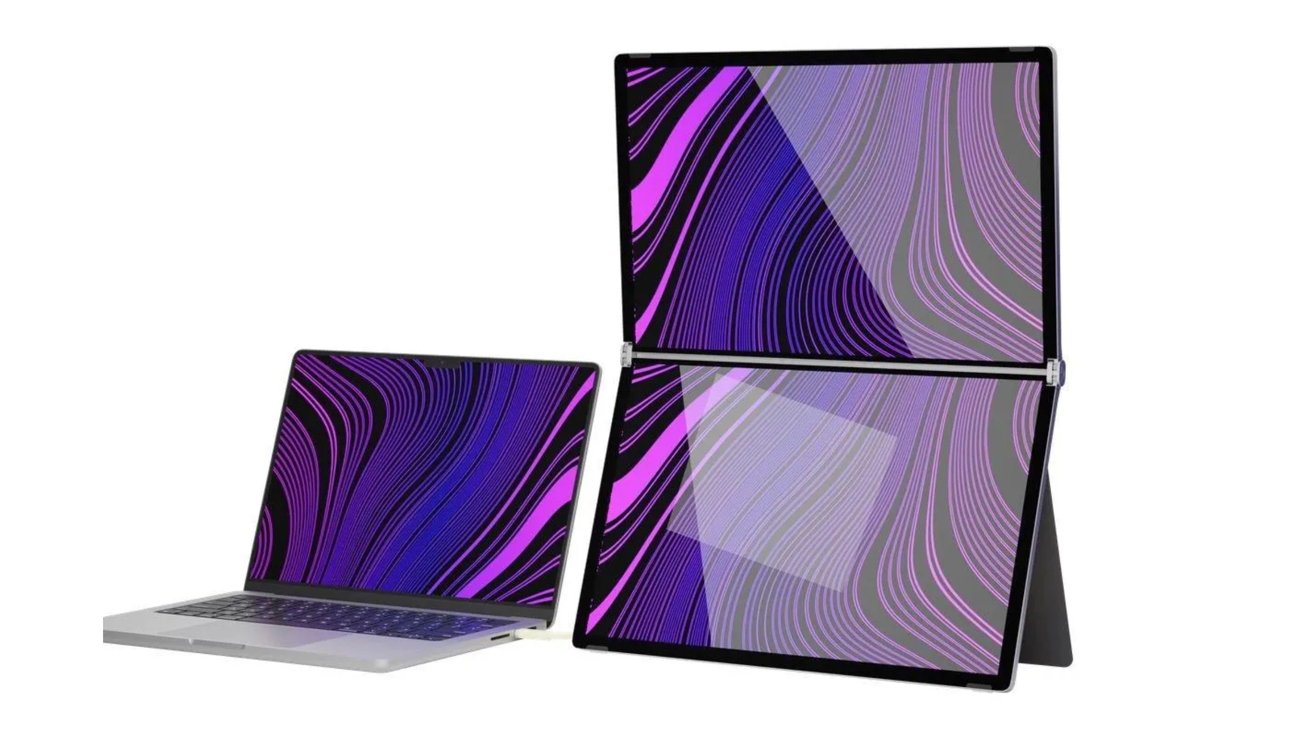
Alogic is bringing more touch and stylus input options to Mac with a new desktop monitor and portable displays, expanding a lineup that adds a feature Apple doesn’t offer on its own hardware yet.
The company unveiled the Aspekt Touch 27 and Folio portable displays at InfoComm 2026, expanding its lineup of touch-enabled hardware for Mac users. Both products let users interact directly with apps, documents, presentations, and creative projects through touch and stylus input.
Alogic is one of the few monitor makers offering touchscreen hardware for Macs. The company uses its own software to enable touch gestures, navigation, annotation, and drawing on macOS.
The Aspekt Touch 27 is a smaller version of Alogic’s existing 32-inch model. The new display combines a 27-inch 4K IPS touchscreen with a 60Hz refresh rate, 600 nits of brightness, a 1000:1 contrast ratio, and support for 97% of the DCI-P3 color space, 93% Adobe RGB, and 100% sRGB.
Alogic pairs the display with its Active Stylus, which offers 4,096 levels of pressure sensitivity. The monitor supports 10-point multitouch input and MPP 2.0 styluses, while a magnetic holder wirelessly charges the stylus between uses.
The monitor also functions as a docking station with HDMI 2.0, DisplayPort 1.4, USB-C, Gigabit Ethernet, and a 3.5mm headphone jack. Three USB-C ports, two USB-A ports, dual 5W speakers, and up to 150W of total charging output are built into the display, including up to 90W of USB-C power delivery for a connected laptop.
The Aspekt Touch 27 is available in Silver and Space Black, and buyers can choose from a Raise Stand, a Fold Stand, or an Omni Fold Stand. The Fold Stand lowers the display into a drafting position for stylus use, while the Omni Fold Stand includes an integrated mount for an M4 Mac mini.
Alogic also introduced the Folio and Folio Duo portable touchscreen displays for users who need a secondary screen away from a desk. The standard Folio features a 16-inch QHD IPS touchscreen, while the Folio Duo combines two 16-inch panels into a folding design that can be used side by side or stacked vertically.
A fabric cover doubles as a stand and allows the displays to fold flat for travel.
 The Folio Duo
Both models deliver 400 nits of brightness, a 1000:1 contrast ratio, and 100% sRGB color coverage. The displays support 10-point multitouch interaction, stylus input, and full gesture controls on both Mac and Windows.
The portable displays operate over a single USB-C connection and support up to 45W of passthrough charging. A magnetic attachment point wirelessly charges the Active Stylus. The Folio weighs about 1 kilogram, while the dual-screen Folio Duo weighs about 1.2 kilograms.
Alogic says the Folio lineup is the first portable display series to bring full gesture controls and 10-point multitouch support to both Mac and Windows. The company says users can draw, annotate, and edit content directly on screen without moving projects between a computer and tablet.
Alogic has spent years targeting users who want touch and stylus input on macOS. The Aspekt Touch 27 and Folio lineup expand those options with both desktop and portable designs.
The Aspekt Touch 27 starts at $1,799 and will be available beginning in July. The Folio is priced at $899, while the Folio Duo costs $1,299. Both portable displays are expected to launch around September.
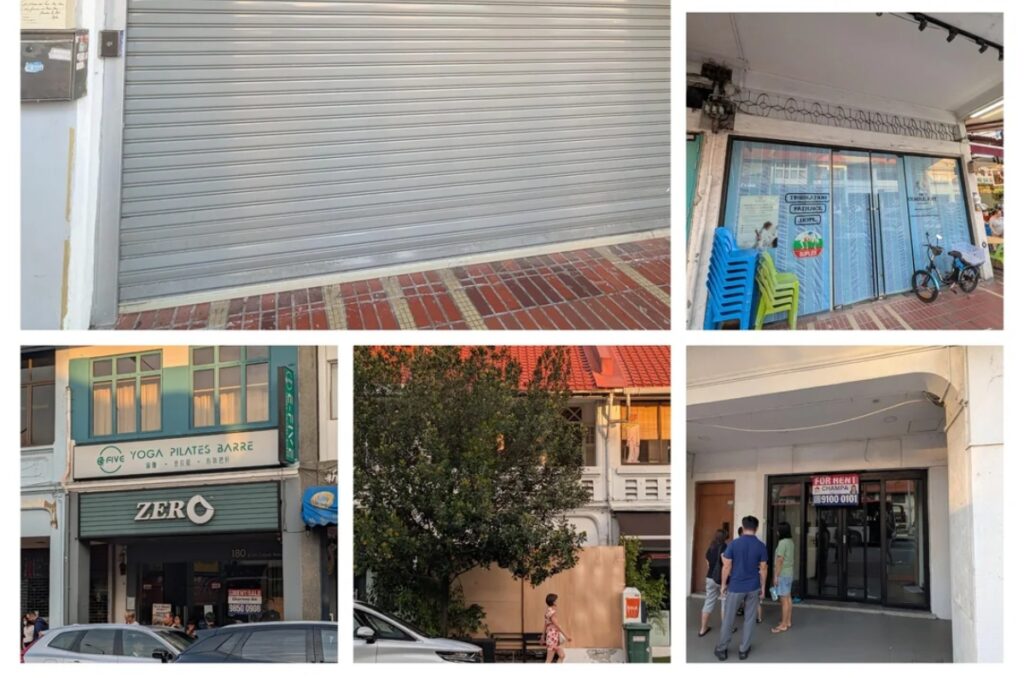
Walk down East Coast Road on a weekday afternoon, and you might notice something that doesn’t quite fit the postcard image of Katong: shuttered shopfronts, darkened interiors, and “For Rent” signs that have clearly been hanging there a while.
Katong is the area where Joo Chiat Road meets East Coast Road, and it’s known for its hipster vibes—heritage shophouses, popular cafés, and a neighbourhood energy that earned it a spot on Time Out‘s list of the world’s coolest streets in 2025.
But that reputation is increasingly at odds with what people are actually seeing on the ground.
The unexpected side of Katong finally spilt into public view when a Reddit post on r/singapore gained traction. User u/HB_SG asked a simple question: has anyone else noticed the growing number of vacant shop units around Katong?

What the discussion made clear is that the vacancies aren’t new.
Residents and visitors pointed to a growing number of units that have sat empty for extended periods, including several within i12 Katong.
The mall, located at the junction of East Coast Road and Joo Chiat Road, closed for renovations in 2020 and only reopened in 2022. Yet years later, some retail spaces remain unoccupied, while others have seen a steady churn of tenants come and go with little fanfare.
One commenter described it as an “endless parade of opening and closing.” Among the apparent casualties are Zero Healthcare, which relocated its East Coast Road showroom to Parkway Parade, and fried chicken brand Frosti Fck, whose last social media activity was a Nov 2025 post and whose Google listing now shows as closed.
Vulcan Post has reached out to both businesses for further comment, but has not received a response at the time of publication.
The Reddit thread kept circling back to one word: rent. One Redditor summed up the prevailing sentiment bluntly: “Rents, rents, rents, rents—no vacancy tax. If rents were halved, everything will be occupied.”
Others pointed to specific examples. One commenter claimed that several shophouses along Koon Seng Road have remained vacant for years despite strong demand in the area, arguing that landlords are holding out for rents that many businesses simply cannot afford.
The issue also appears to extend beyond Katong. In other parts of the East Coast region, including Siglap, rising rents have become a growing concern for business owners. In 2025, it even pushed out several long-running businesses, including Flor Patisserie.
The frustration about retail rents has even reached Parliament. In Apr 2026, Member of Parliament Elysa Chen raised the issue in the House, asking how the government reconciles official data which suggests rent has actually fallen as a share of business costs, with what retailers on the ground are experiencing.
DPM and MTI Minister Gan Kim Yong acknowledged the gap in his written reply: while aggregate rental costs for F&B dropped from 26% to 17% of total business costs between 2019 and 2024, he noted that “at the local level, rental costs can vary for retailers due to attributes such as proximity to key transport nodes or estates with high population density.”
In other words, national averages may look fine, but they reveal little about what an individual business owner is paying for a shophouse in a highly sought-after neighbourhood.
ERA’s 1H 2025 shophouse market report also noted that more F&B operators were shutting down, and that a weaker rental outlook might push some landlords, particularly those with less holding power, or private equity investors looking to exit, to start accepting lower rents.
But for many, that moment hasn’t come yet.

The vacant units around Katong are not the result of a single problem. Beyond rental costs, Redditors highlighted a range of factors that may be contributing to the area’s retail struggles.
Firstly, parking is a nightmare on Katong’s roads. The streets around the area are notoriously narrow—barely two car-widths in places—and roadside parking creates its own bottleneck. On weekends, cars are often caught waiting for a spot to free up, which puts people off before they’ve even stepped out of the vehicle.
Then there’s the heat. Katong’s charm is mostly outdoors, but the dense rows of shophouses create a concrete warming effect that traps heat and humidity. Browsing around on foot in the middle of the day is genuinely unpleasant for most of the year.
The layout of buildings themselves doesn’t help either. Narrow footprints, tight staircases, and without the climate-controlled comfort of a mall, browsing on foot in Singapore’s heat is already a hard sell. Moreover, bus services through the smaller back streets are also sparse, limiting how easily people can get there without a personal vehicle.
Lastly, the gradual gentrification has narrowed the appeal of Katong. Several commenters pointed out that the shop mix has drifted toward expensive, Instagram-friendly concepts—the kind of places influencers visit once for the photo, not twice for the overpriced food. When the locals themselves don’t want to patronise the local shops, the foot traffic problem starts to make a lot more sense.
On top of all that, these aren’t units you can just slap a fresh coat of paint on and hand to a tenant. Shophouses fall under conservation rules, meaning any renovation requires engaging a qualified person, submitting drawings to URA, getting conservation approval, and then separate BCA permits for structural work.
Restoring a “shell” unit can run between S$700 and S$1,000 psf before a single tenant moves in. With shophouses in Katong and Joo Chiat now trading at S$3,000 to S$5,000 psf and heritage-restored stock commanding roughly a 10% premium on top of that, many landlords simply cannot afford to drop rents without the entire investment falling apart.

This is where the broader market context matters.
ERA’s data shows that landed shophouse transactions fell to just 34 in H1 2025, totalling S$234.7 million—the lowest half-year figure since 1998, and a steep fall from the peak of 245 transactions worth S$1.8 billion in 2021. District 15, which covers Katong and Joo Chiat, saw only four transactions in that period.
Many of the landlords sitting on empty units aren’t being stubborn for no reason—they’re caught in a bind.
For owners who bought at high prices, the rent they collect helps determine the property’s investment returns. Accepting a significantly lower rent may reduce their yield and potentially affect how the property is valued when they refinance or sell.
That creates a difficult trade-off: some landlords may prefer to wait for a tenant willing to pay closer to their asking price rather than lock in a lower rent that changes the financial assumptions behind the investment.
The problem is that prolonged vacancies carry their own costs. Empty storefronts can weaken a street’s vibrancy, reduce foot traffic, and eventually make it harder for landlords to attract the quality tenants needed to revive the area.
What the Reddit thread captured, more than any single data point, is a lived sense of mismatch: a neighbourhood with genuine heritage value and cultural cachet that isn’t consistently translating into a viable environment for the businesses trying to operate there.
Whether the fix requires lower rents, a vacancy tax to nudge landlords off the sideline, better infrastructure, or pedestrianising the area altogether, locals are clearly paying attention, and the patience for empty units is wearing thin.
For now, the “For Rent” signs stay up.
Featured Image Credit: u/HB_SG via Reddit/ Visit Singapore


The UK’s top data and AI regulator has resigned. It is the first time it has ever happened.
John Edwards stepped down as information commissioner on Friday, with immediate effect. His exit followed a months-long workplace investigation. He said his position had become “untenable”.
Edwards was careful in his statement, posted on LinkedIn. He said there had been “occasions where I exercised poor judgement and made attempts at humour that were inappropriate and caused offence”. He also said he disagreed with how the investigation had been run.
Crucially, the details remain hidden. Neither the regulator nor the government has said what the conduct actually was. The probe began in February over unspecified “HR matters”, and concluded this month with a finding that there was “a case to answer”.
The job matters more than the man. The Information Commissioner’s Office oversees data protection, freedom of information and AI in Britain. It can fine companies up to £17.5mn, or 4 per cent of global turnover. It also sets the rules on how companies handle Britons’ personal data, and recently hit Reddit with a £14mn penalty over children’s data.
His departure is also a historic first. The office has existed since 1984, and no commissioner had ever resigned before, one data-protection lawyer noted. So Britain’s data and AI watchdog is now without a permanent chief, while a deputy keeps things running.
The timing is awkward. Campaigners have been attacking the ICO as toothless, accusing it of brushing aside thousands of public complaints. One group called Edwards’s exit a chance to appoint “a regulator with teeth”.
The post is also about to change shape. Under new UK law, the role is being folded into a wider Information Commission, and Edwards was expected to leave later this year anyway. His abrupt resignation simply brings that reset forward, in far less flattering circumstances.
Edwards used his farewell to look ahead, not back. “As the AI tsunami breaks over us, we must redouble … our collective efforts to ensure safety, accountability, and trust online,” he wrote. He added that “no single organisation or country can address these challenges alone”.
For the tech industry, the real question is who governs AI and data in Britain next. The answer is suddenly unclear, just as governments everywhere fight over how to rule AI, and even as the EU’s own AI rulebook keeps slipping. A strong successor could sharpen enforcement. A weak one could prove the critics right. Either way, Britain has lost its data chief at an inconvenient moment.

Once the purview of crime labs and TV shows, DNA tests have instead become common gifts for birthdays, holidays and special occasions like Mother’s Day and Father’s Day. Quick tests like 23andMe and AncestryDNA have made the process of learning more about your family history easier, cheaper and faster than ever.
But in her new book, The Psychology of Genealogy, psychologist Susan Moore warns that you should consider all the risks before undergoing a test.
“Should you give DNA kits as gifts? It can be fun; it can be risky,” Moore said.
Beyond the safety concerns of a company having your DNA on file with the potential of data breaches and privacy concerns, emotional fallout can be an unexpected — yet not uncommon — result of these DNA tests. While genetic testing promises answers and connection, those findings can upend long-held beliefs about your identity and family.
With over 30 million users and a multibillion-dollar industry, surprising matches and results are common. Misattributed paternity, donor-conception discoveries, late-found adoptions and unknown family members have all emerged from growing databases. For people unprepared for these outcomes, the psychological effects can be severe, according to Moore.
Moore calls it “identity disruption” when new genetic information can undermine a person’s sense of self and belonging. She says some integrate the news and move on, while others face betrayal, mistrust and grief.
There are many practical, real risks when it comes to DNA testing. So why do millions of people still purchase them and send in their swabs?
Moore points to a few basic drives, such as curiosity, a need for rootedness and the intellectual thrill of uncovering family lore as to why people still undergo genetic tests. Genealogy can bring joy when people find long-lost relatives or overcome research barriers. Yet, curiosity often meets hard, unexpected truths.
“DNA gives you some new and interesting clues to your family tree structure, but the hard work of making sense of those clues must still be done,” Moore said.
If you’re still interested in pursuing genetic testing anyway, Moore offers some simple advice: Test only if you want to explore ancestry and are ready to learn how to interpret results and contact matches ethically. Do not gift a kit without asking first, and make sure recipients are emotionally prepared and aware of privacy risks.
TL;DR: ASML’s most advanced chipmaking tools have become the focus of a renewed dispute in Washington over how far the US should go to keep cutting-edge semiconductor technology out of China. In recent months, the Trump administration has pressed ASML over whether one of its extreme ultraviolet (EUV) lithography machines may have slipped past export controls and ended up in China. According to people familiar with the talks, Commerce Secretary Howard Lutnick raised the issue directly with ASML’s senior leadership, asking whether a machine that has never been approved for export to China could have nonetheless reached the country.
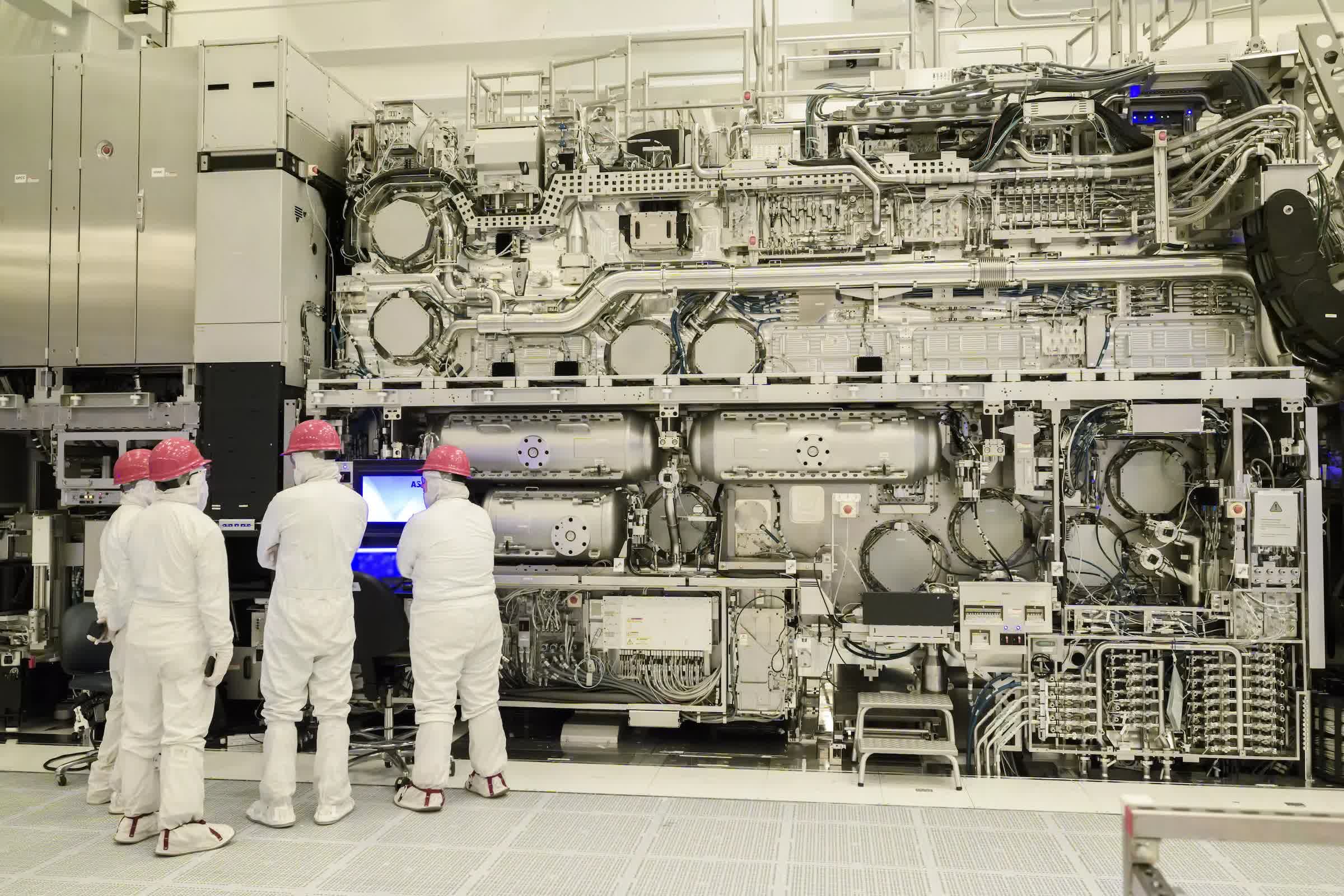
EUV is the technology that underpins today’s most advanced processors. The machines are used by companies such as TSMC to manufacture high-performance chips for Nvidia and Apple. They are roughly the size of a school bus, are produced in limited quantities, and require constant maintenance from ASML engineers.
US export rules have long barred ASML from selling EUV tools to China, and the company says it complies with those restrictions. In its discussions with Lutnick, ASML pushed back on the suggestion that an EUV system could be operating in China, according to people familiar with the talks.
A company spokesperson, responding to questions about those meetings, said ASML has never shipped an EUV machine to China and stressed that it regularly engages with governments worldwide while adhering to export regulations.
The conversation has taken on a sharper edge in Washington. Multiple senior Trump administration officials, speaking on condition of anonymity, said they believe ASML is not acting in good faith, citing exports to China of equipment they say is specifically related to EUV tools.
They declined to provide documentation, citing the sensitivity of the information, and did not say they had proof of an actual EUV machine operating in China. ASML, for its part, denied to Bloomberg that it has shipped any EUV-specific equipment to China.
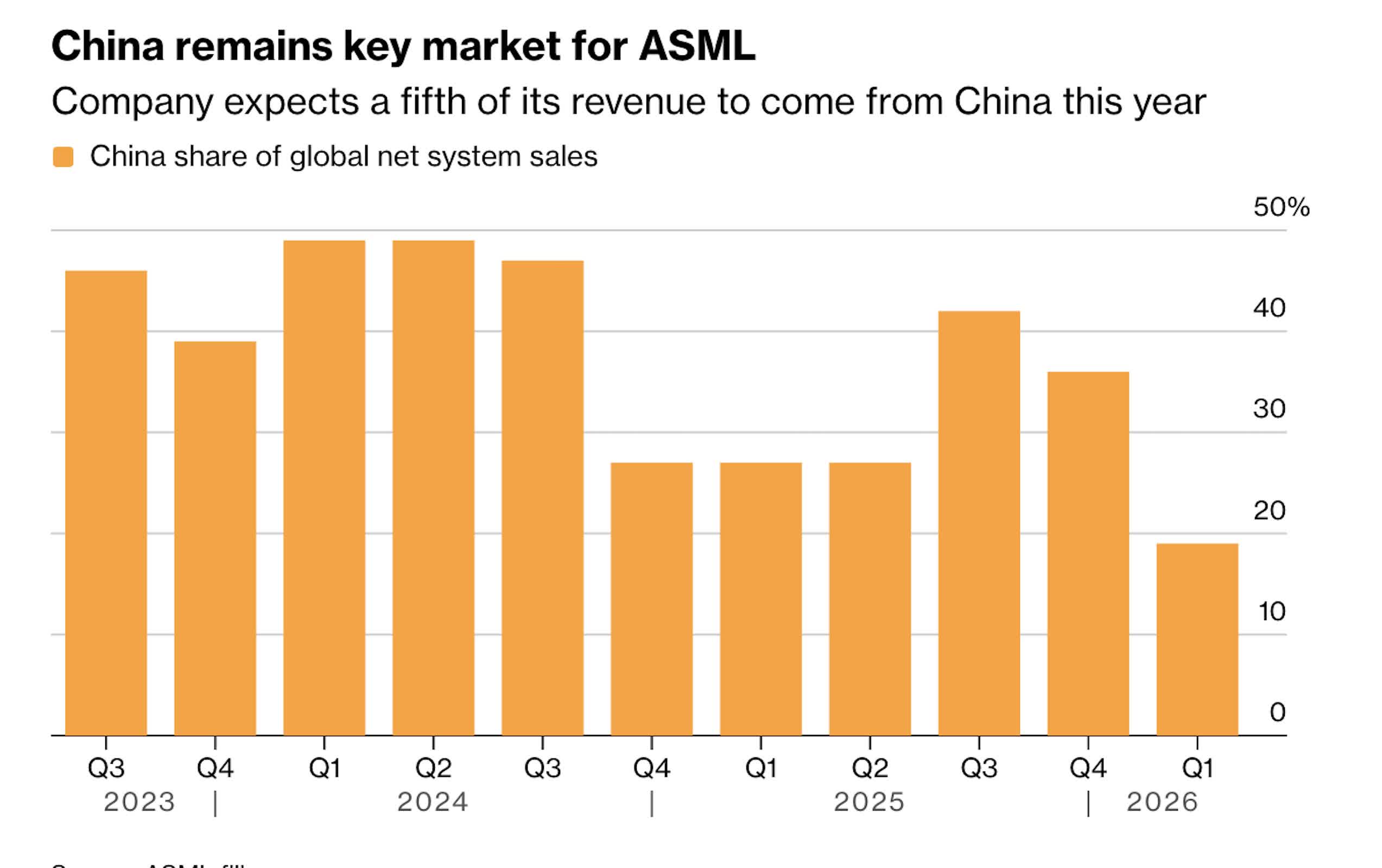
Behind the scenes, the pressure has triggered an internal scramble at ASML. After Lutnick’s April meeting, the company prepared a document titled “No Indication of Any ASML EUV System in China” and circulated it among officials in Washington, according to people familiar with the situation.
The document, reviewed by Bloomberg, says there are 314 EUV machines in use worldwide and 26 that have been decommissioned, with none located in China. It also states that ASML can automatically detect “any interruption, abnormal behavior, or loss of connectivity” across its EUV fleet, and that customers “cannot remove, transport, or relocate EUV systems without ASML involvement due to specialized handling procedures.”
Those technical constraints are central to ASML’s argument. EUV tools are so complex that they effectively remain under the company’s oversight throughout their operational life. ASML says customers cannot remove, transport, or relocate EUV systems without its involvement because of specialized handling requirements.
Yet skepticism within the Trump administration persists. Senior officials say they have evidence that ASML shipped specialized transport equipment and other components for use with EUV systems to Chinese customers, though they have declined to provide supporting records.
The technology at the heart of the dispute is critical to China’s AI ambitions. Huawei Technologies, which has been cut off from EUV tools, has made progress in producing advanced chips without ASML’s most sophisticated equipment, narrowing the gap with TSMC. That absence of EUV capability is widely seen as one of the most significant constraints on Huawei’s ability to mass-produce cutting-edge AI chips.
If investigators were ever to confirm that a full EUV system had reached China, it would amount to one of the most serious known breaches of the US-led export control regime designed to limit Beijing’s access to high-end AI hardware. For now, officials have declined to explain why, if they suspect such a violation, they have not brought public enforcement actions or further tightened restrictions.
ASML’s broader China business is already constrained. The Netherlands has blocked EUV sales to Chinese chipmakers and, under US pressure, has also restricted certain types of immersion deep ultraviolet tools. Washington has been frustrated that ASML accelerated shipments of some DUV systems before the newer rules took effect.
Senior Trump administration officials say those episodes, along with alleged EUV-related exports, point to a company that is too willing to prioritize short-term revenue over national security.
The dispute over EUV is unfolding as Washington debates how far to extend its export control regime. The US has effectively severed Huawei from most foreign technology and has used extraterritorial measures to draw companies such as ASML into that effort.
At the same time, gaps remain in how allied controls are applied and how far they extend to maintenance, servicing, and support for restricted Chinese firms such as SwaySure Technology, which US officials say has received technological support from ASML. The administration has tools to halt those relationships outright but has not done so, and negotiations with the Netherlands and Japan over tighter rules have yet to produce a decisive outcome.
In Congress, lawmakers are pushing a bill that would bring foreign suppliers, including ASML and Tokyo Electron, under restrictions more closely aligned with those on US firms, and would effectively ban ASML’s shipments of immersion DUV tools to China.
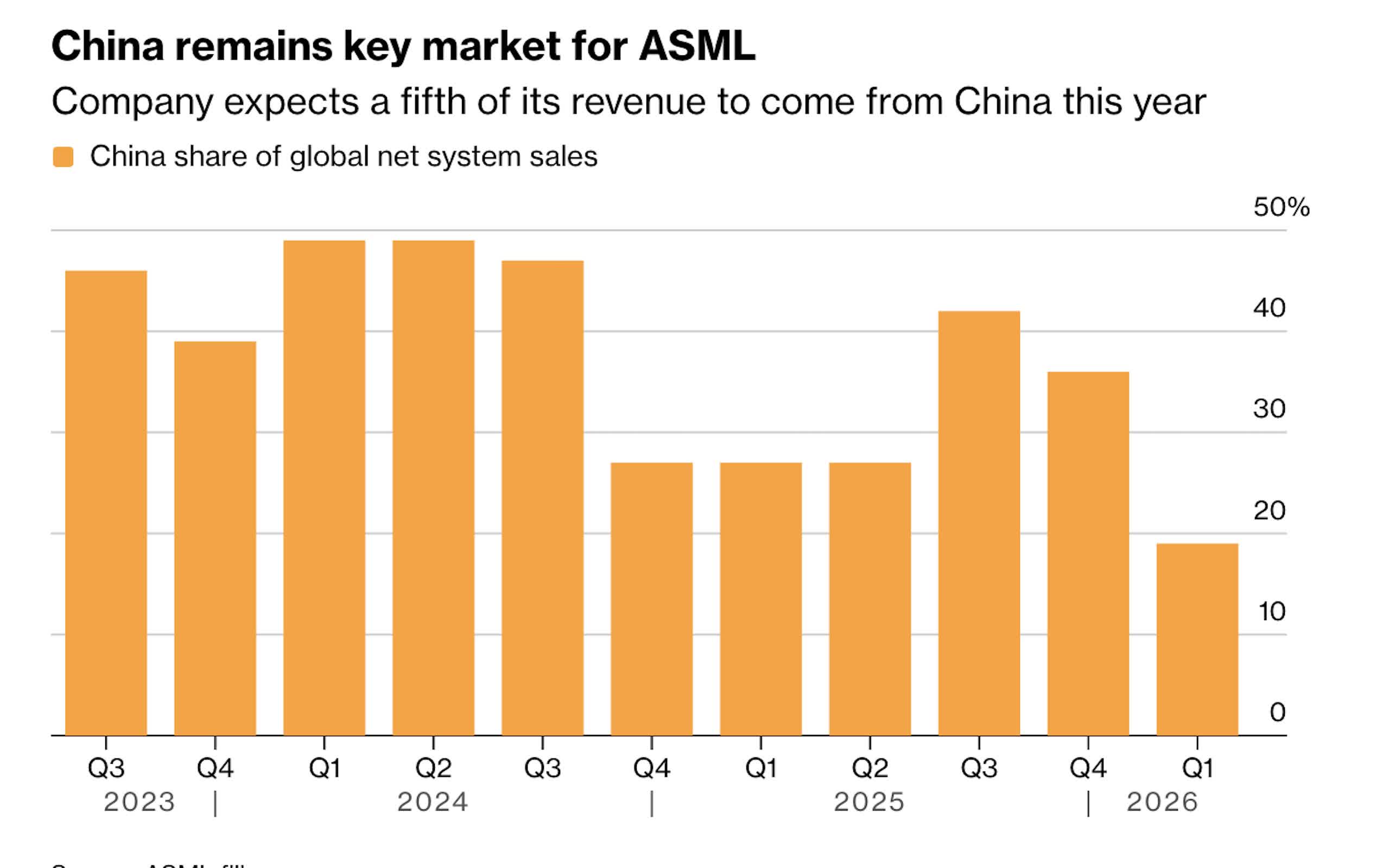
That shift would hit a business ASML expects to generate about one-fifth of its 2026 revenue. The Trump administration has not taken a formal position on the legislation, and US diplomats have suggested that a broader US-EU trade deal could reduce momentum behind the bill, which several European governments oppose.
The Texas Parks and Wildlife Department (TPWD) disclosed a data breach at its license system vendor that exposed personal information for more than three million individuals.
The Texas Cyber Command discovered the intrusion and launched an investigation to determine the extent and impact of the unauthorized access. The state authority found that Social Security Numbers (SSNs), dates of birth, or any financial information, such as credit cards, have not been impacted.
However, the threat actor may have obtained personally identifiable information that includes the following data types associated with 3,087,721 Texas hunting and fishing license customers:

The exposed data set is sufficient for hackers to target impacted individuals in phishing and social engineering attacks that lead to web pages distributing malware or seeking more sensitive information.
“There is no evidence that customers under the age of 18 were involved or that any specific group was targeted,” TPWD says in the data breach notification.
TPWD is the Texas state agency responsible for managing wildlife and fisheries, state parks, conservation programs, hunting and fishing regulations, boating registration, and enforcement by Texas Game Wardens.
The Texas state agency also issues hunting and fishing licenses and permits, which are sold through an external vendor.
BleepingComputer contacted TPWD for more information about the incident and the name of the third-party service provider, but we have not yet received a statement.
The agency says that it is “working closely with the license system vendor to implement new safeguards and enhanced monitoring services.”
TPWD advises customers to monitor their credit reports and financial statements. Impacted individuals are eligible for one year of free credit monitoring and should consider placing a credit freeze or fraud alert with major credit bureaus as an added protection against identity thieves.
It is also strongly recommended to remain vigilant for phishing and impersonation scams, as threat actors may try to send communication posing as a company or an official.

Security teams log 54% of successful attacks and alert on just 14%. The rest move through your environment unseen.
The Picus whitepaper shows how breach and attack simulation tests your SIEM and EDR rules so threats stop slipping by detection.
Jon Prosser, the leaker Apple is currently suing for allegedly leaking iOS 26 trade secrets, has published yet another video on his YouTube channel called Front Page Tech, showing what he says could be the final design of the purported iPhone Ultra.
Along with slightly different renders from last time, Prosser also points to iOS 27 developer code to back up his claims, particularly regarding the existence of the iPhone Ultra and a new feature that iOS users have been requesting for years.

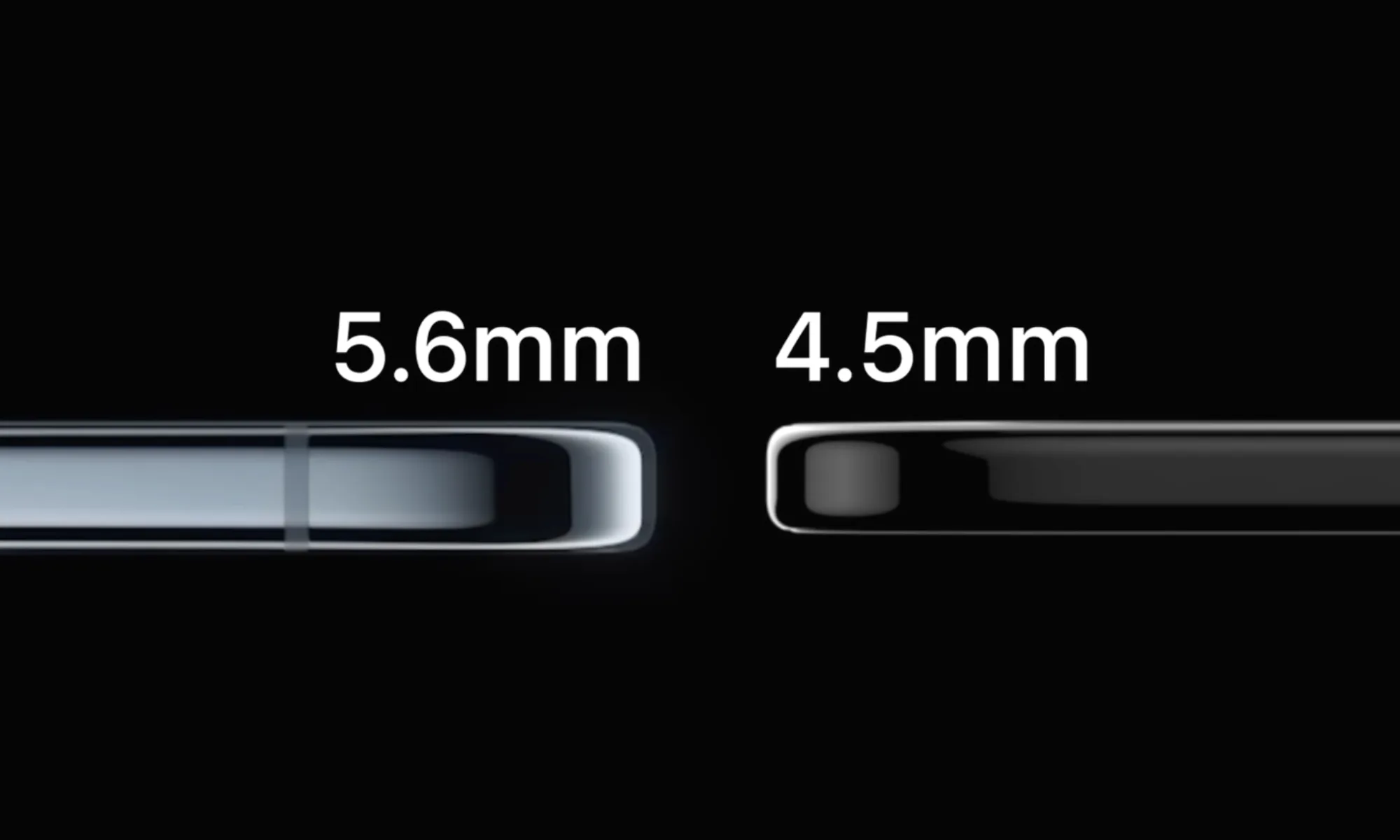
The renders show a book-style foldable that Prosser describes as a “chunky iPhone” when closed and an “iPad” when opened, something we’ve already known for a while. When unfolded, the phone could measure just 4.5 mm, making it slimmer than the iPhone Air at 5.6 mm.
The titanium body pairs with what the host calls an “over-engineered hinge” designed to produce a near-creaseless display. Apple has reportedly been developing the technology for quite some time and has also faced a couple of setbacks.

As seen in the video, the purported iPhone Ultra could come in two colors: white and black (or a dark gray finish). Most of these details aren’t entirely new and have been echoed by several different sources.
What stood out to me, however, were a few smaller details that didn’t get much attention in the video.

Front Page Tech also uploaded a similar video in December 2025, calling the foldable the “iPhone Fold” instead of iPhone Ultra. After watching both videos side by side, here are some changes that I’ve noticed.
While the previous video had the power button (with integrated Touch ID) at the top of the smartphone, right above the camera bar (with the display facing you), the new renders show volume buttons in that position instead. There’s also a speaker grille on the top frame.


The power button is now located on the right frame, where it normally sits on an iPhone, but on the bottom half of the foldable. This isn’t the typical iPad button layout everyone is used to, and it may take some adjustment.
The elephant in the room is the new, more compact camera visor. Instead of covering the entire width of the rear panel, it extends only around the dual rear-facing camera module, elevating the sensors above an otherwise flat panel and creating a more seamless look.


Prosser claims the iPhone Ultra will bring split-screen multitasking to iOS, though it would reportedly be exclusive to the foldable. That means your current iPhone likely won’t get it, even though it supports iOS 27.
Apple appears to be laying the groundwork in iOS 27 code, with strings like “fold state” and “angle degrees” surfacing in the developer beta.
Following WWDC 2026, Apple also instructed developers to prepare for a dynamic range of screen sizes and aspect ratios. If Prosser is right, the iPhone Ultra would be the first iPhone to properly run two apps side by side.

Other claims about the phone, such as the A20 chip, the C2 modem with satellite-based 5G connectivity, and a price tag north of $2,000, remain similar. Whether the iPhone Ultra will ship with Touch ID and a Camera Control button remains unclear, but a September 2026 launch alongside the iPhone 18 Pro and iPhone 18 Pro Max seems likely.
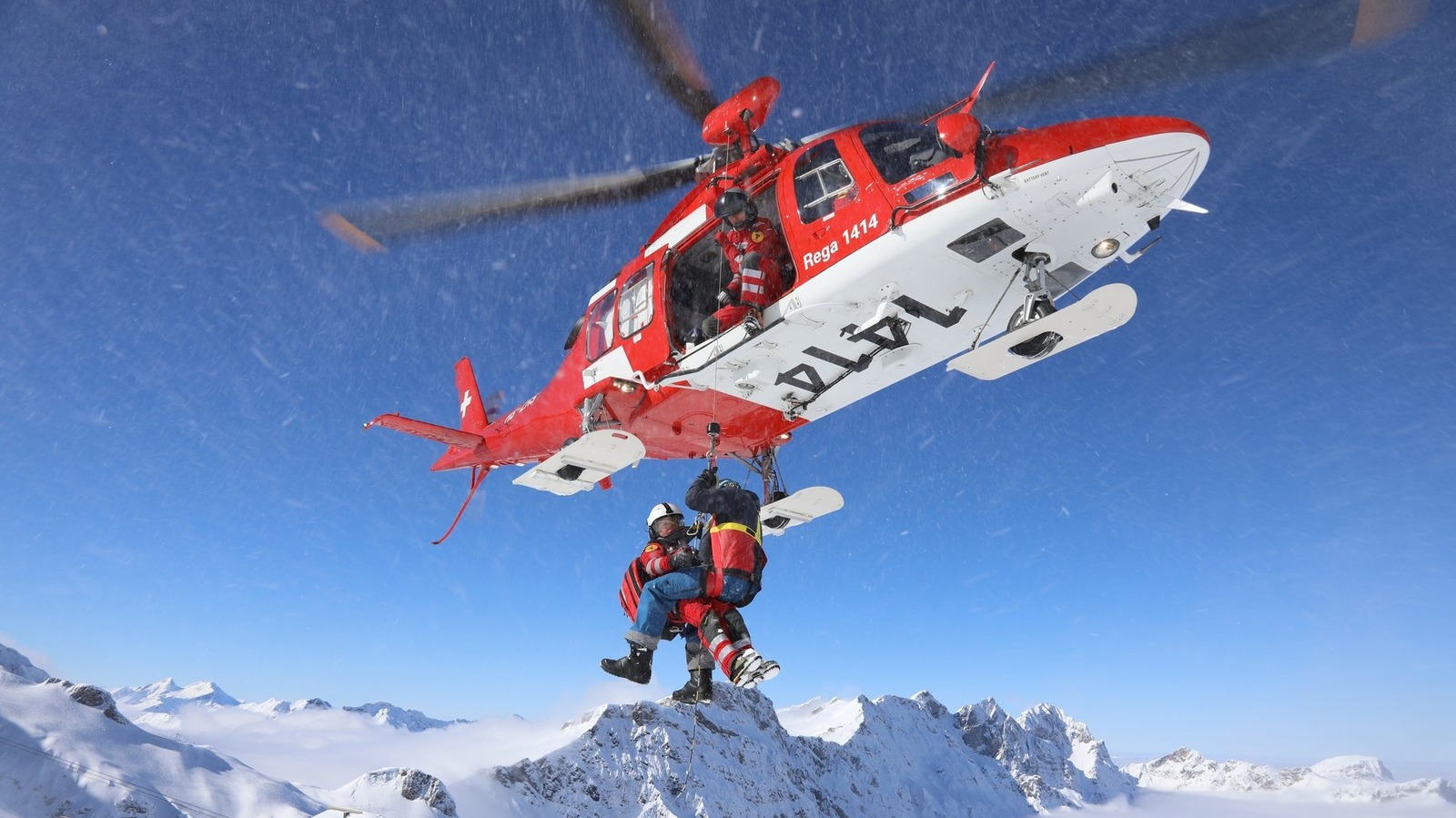
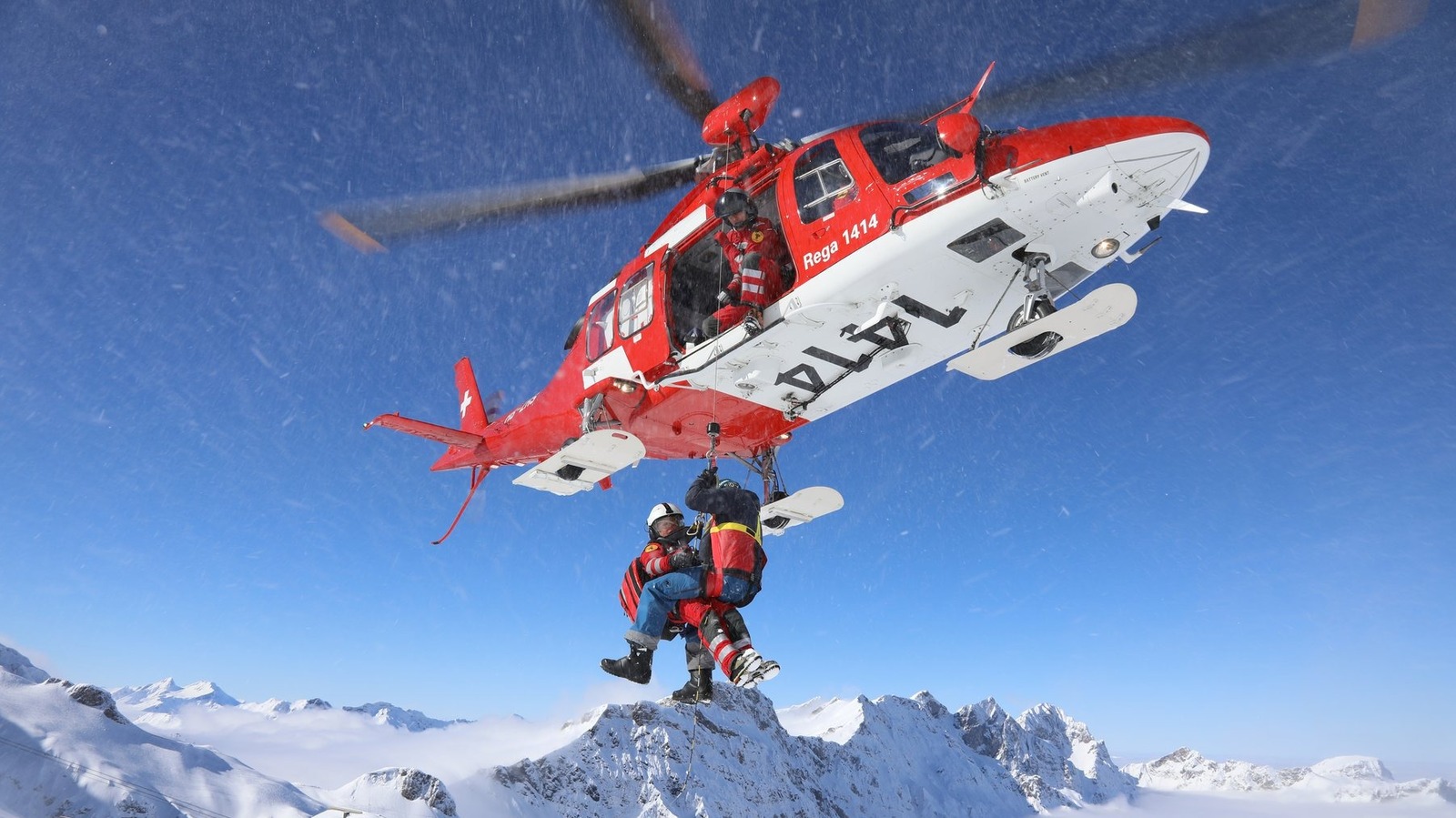
A clip of a helicopter landing has gone viral following an incredibly precise landing. In the video, first posted by the YouTube channel Rescue -Helispotter Pipo St.Gallen Switzerland, a red Rega rescue helicopter lands on the roof of the St. Gallen Cantonal Hospital in Switzerland, but it’s not just any helicopter landing. The speed and angle the pilot takes are what make the video impressive, with the pilot neatly drifting into the landing rather than the usual slow turn pilots make from further out.
Rega helicopters are on standby at 14 locations in Switzerland, including its towns and mountains. The rescue helicopter in the viral clip is an AgustaWestland Da Vinci, used on all of Rega’s mountain bases due to its aerodynamics and power. What allows the Da Vinci helicopter to land so precisely, like in the video, even on mountains? It has landing gear rather than skids. It can land just about anywhere, perfect for mountain rescues or racing to hospital landing pads.
The Da Vinci helicopter has four main rotor blades and two tail rotor blades. These tail rotor blades counteract the rotational torque of the main blades, keeping the helicopter stable and providing the pilot with more pitch control. The Da Vinci’s dual duplex four-axis digital Automatic Flight Control System offers incredible stability by adjusting all its rotor blades simultaneously. A four-axis system also handles the vertical motion during climbs and descents, allowing control during hovering and any significant altitude changes.
The autopilot system has altitude hold, which reduces the vibration. The autopilot also has various modes for approach, making the descent a lot smoother. Approach to hover allows the pilot to predict the final hover point and adjust the descent slope as needed. All of this is very important since the Da Vinci is designed specifically for critical tasks such as emergency medical services and search and rescue. Rega’s other helicopter, the Airbus H145, is additionally used by law enforcement and for military rescue missions.
It’s unclear what prompted this particular viral landing, but it wouldn’t be shocking if the pilot was rushing a person from the Swiss Alps to the hospital’s ER. That’s not an uncommon occurrence: According to Swiss Alpine Club data (via Swissinfo), nearly 4,000 people had to be rescued from the Alps in 2025, primarily due to falls and getting lost.
These mountain rescues are performed by helicopters like the Da Vinci, as they are well-suited to the requirements of high-altitude flights. Think about it: The helicopter crew must search for the rescue location, with mountainous terrain possibly requiring the pilot to land on cramped or uneven surfaces. If the pilot can’t land the helicopter, they must have a chopper that will hover steadily as the rescue specialist descends, so they can hitch the injured hiker and lift them back up. None of this would be possible with airplanes, of course — and maybe not with a more conventional helicopter, either.
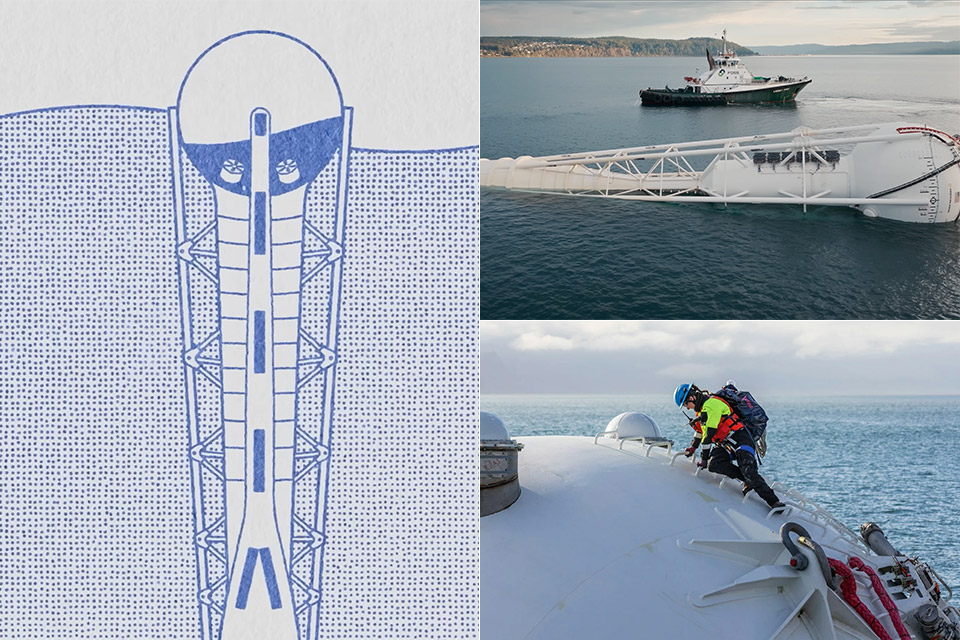
Demand for artificial intelligence compute continues to rise, necessitating the search for new sources of reliable power and effective cooling. Facilities built on land frequently face opposition from communities concerned about electricity bills, noise, and water consumption. Panthalassa, a Pacific Northwest-based company, has spent the last decade developing floating platforms that generate power straight from ocean waves while staying cool in the surrounding waters. Data is transmitted to and from the platforms via satellite links rather than undersea cables. The strategy isolates operations far from shore and takes advantage of wave energy that is available around the clock in strategically chosen places.
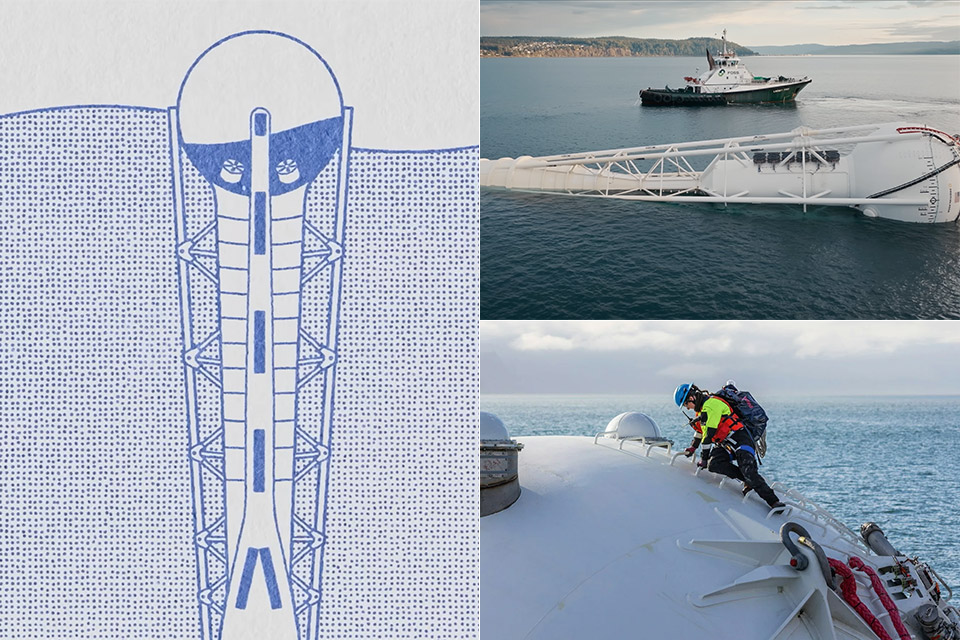
Current prototypes for continuous wave power resemble large steel barges that sit primarily at the ocean’s bottom, with only a small portion visible above the water. Since 2025, the Ocean-2 test unit has been located off the coast of Washington state. It is around 70 metres long and produces a full megawatt of power when the waves are perfect. Waves shaking the floating part of the item push all of the water down a conduit into a reservoir underwater, where gravity simply allows it to drop into a unique water-tight turbine that generates energy. They’ve engineered it such that strong ocean conditions can’t get in and cause damage, and there are no exposed bits to break.
Sale

Photos of the Ocean-2 in the ocean reveal a plain steel construction with scale markings, antennae protruding out, and a few other components visible above the waves. Engineers made the prototypes out of thick steel coated with zinc or aluminum to prevent rusting, and they expect them to last at least 15 years. The compute bits that will be added when they go commercial will be in sealed containers with cold saltwater circulating inside, as they picked this design because the seawater will absorb the heat for them without the need for mechanical cooling or large fans to blast the moisture away.
The larger commercial ones they’re planning on are about 85 meters long and will have some AI components in those seawater-cooled containers, allowing numerous ones to work together as a larger data center. The results will be sent back to the control center via SpaceX Starlink satellites, eliminating the need to connect to the grid or run cables all the way back to the shore. They believe this technology is best suited for large, time-consuming operations that do not require immediate results.
Setting it all up begins on the beach or in a secluded body of water. Then they pull the object out to deeper water and let it sit up, as it will go from there on its own or with a little aid from a crew to its eventual destination. Targets are stretches of the Southern Ocean away from all maritime lines. The first commercial one with all of the AI gear is scheduled for 2027 and will be constructed at a new plant in the United States.
[Source]


security
Owners of affected iPhones can stop checking for patches now: the fix for this SecureROM bug comes in a new handset
A newly disclosed BootROM exploit affecting Apple’s A12 and A13 chips gives researchers a way to break the secure boot chain on millions of iPhones and other Apple devices.
The exploit, dubbed “usbliter8” by security researchers at Paradigm Shift, targets a flaw in the SecureROM code found on the iPhone XS, XR, 11, and 11 Pro models, plus other devices powered by Apple’s A12 and A13 processors. Because the vulnerability resides in immutable BootROM code burned into silicon during manufacturing, it cannot be patched.
The researchers traced the issue to the Synopsys DesignWare USB controller used by Apple. A flaw in how the hardware handles certain USB setup packets allows attackers to corrupt memory during Device Firmware Update (DFU) mode, and ultimately gain control of SecureROM itself.
That might sound like an unremarkable minor moment in boot process, but SecureROM sits at the very bottom of Apple’s chain of trust. If an attacker can compromise it, they can interfere with everything that comes afterward.
For ordinary iPhone owners, there is little reason to panic. Exploitation requires physical access to a device and the ability to place it into DFU mode, which means this isn’t the sort of bug criminals are likely to weaponize in phishing campaigns or drive-by attacks.
For security researchers, however, BootROM vulnerabilities are the gift that keeps on giving. Unlike software flaws that disappear after the next patch Tuesday, these bugs remain exploitable for the lifetime of the hardware.
Paradigm’s proof-of-concept demonstrates the ability to run unsigned code during the boot process, load custom iBoot images without signature checks, and modify DFU behavior. The exploit also marks compromised devices with the traditional “PWND” – a string familiar to anyone who spent time around the jailbreaking community over the last decade.
Not every generation of iPhone has the flaw. According to the researchers, Apple’s A11 chips dodge the issue thanks to a different USB implementation, while A14 and later hardware appears to have fixed the conditions that make the exploit possible in the first place.
“While newer generations have addressed the underlying issue, affected A12 and A13 devices will carry it for the remainder of their lifetime,” said Paradigm researchers. “For those who have followed the history of iPhone exploitation and jailbreaking, this research is a reminder that the BootROM still occasionally has a surprise left to give.
The team said it disclosed the findings to Apple before publication and coordinated the release of the research with the company. Apple did not respond to The Register’s request for comment.
The exploit doesn’t directly compromise Apple’s Secure Enclave Processor, which remains responsible for protecting passcodes, encryption keys, and other sensitive data. Still, gaining control of SecureROM is about as close as researchers can get to the keys to the kingdom without crossing that final boundary.
There’s no fix, but a remedy is simple, if somewhat expensive: buy a new iPhone. ®




No Jackpot Winner as $257 Million Prize Rolls Over to $269 Million Monday Draw

Zimbabwe Requires Crypto Businesses to Register Annually Under New FIU Regulations


Bitget enters Argentina’s regulated crypto market through PSAV registration


NanoClaw integrates JFrog registries to secure AI agent downloads


FBI searches office of Ohio voter registration group

Matt Damon’s Viral Sci-Fi Thriller Has Taken Over HBO Max


Anthropic staff to meet White House officials next week, Axios reports


As AI companies race to go public, who else is along for the ride?

Bitcoin could crash to $48,000, if this historical pattern is triggered


“Israel’s” ban on ICRC visits ruled illegal, but Knesset moves to stop them permanently

Warning of disruption as Cardiff Crossrail works to start


Financial Accounting | Last Day Revision Strategy and Booster | CMA Inter – June 2026

Tributes to former deputy head teacher at Cambridge school among death and funeral notices

what doctors are seeing in ebike crashes


Deion Sanders Shares Powerful Post After Viral Advice To Deiondra

Kate Middleton Glare Goes Viral After Kids Booed At Royal Event


XRP ETFs Outperform As Bitcoin And Ethereum Funds Extend Outflow Trend

Market Preview: SpaceX (SPCX) IPO Record, Federal Reserve Meeting, and Iran Nuclear Agreement


Invesco Quality Income Fund Q1 2026 Commentary


Over 400 Arch Linux packages compromised to push rootkit, infostealer


You must be logged in to post a comment Login