

Business
10 Reasons Why SpaceX Spent $60 Billion to Acquire AI Coding Startup Cursor

SpaceX said it will acquire Anysphere, the company behind the popular AI coding assistant Cursor, in a $60 billion deal that marks one of Elon Musk’s most aggressive moves yet into the enterprise artificial intelligence market. The announcement comes just days after SpaceX’s blockbuster Nasdaq debut, which valued the company at more than $2 trillion. Here are 10 reasons behind one of the largest startup acquisitions in history.
1. xAI’s coding tools were falling badly behind rivals
The most immediate driver behind the deal was a glaring weakness in Musk’s existing AI division. Musk has previously expressed frustration that xAI was not “built right the first time around” and with its subpar coding product, which lags behind popular coding tools such as Anthropic’s Claude Code and OpenAI’s Codex. The company’s most recent model, Grok 4.3, placed at number 33 on AI benchmarking startup Vals.AI’s proprietary vibe coding benchmark, well below older models from OpenAI, Anthropic, and Google.
2. xAI was in genuine crisis when the deal came together
Beyond the coding gap, xAI faced a broader leadership exodus that made an external acquisition more urgent. While SpaceX was rocketing toward an IPO, its AI arm, xAI, was struggling. By the end of March, all 11 co-founders who helped build xAI alongside Elon Musk had quit the company.
3. The deal had already been quietly in motion for months
The acquisition was not a snap decision but rather the exercise of an option negotiated earlier in the year. In April, SpaceX said it had obtained the right to acquire Cursor for $60 billion later this year. The transaction materializes an option SpaceX unveiled in April, which gave the aerospace-and-AI giant the choice to either buy the San Francisco-based startup for $60 billion or pay $10 billion to work with it through a partnership.
4. Musk had already been poaching Cursor’s talent
Months before the formal acquisition, Musk had begun siphoning resources directly from the startup. The Tesla CEO had been gradually siphoning resources away from Cursor, one of the first startups to go all-in on AI-generated coding. In March, Musk confirmed that he had hired two product and engineering leads away from Cursor.
5. Cursor’s revenue growth was simply too attractive to ignore
Cursor’s underlying business performance gave SpaceX a financially compelling target regardless of the broader strategic rationale. Cursor built a popular AI coding tool that helps software developers generate, edit and review code, and the company has experienced explosive growth since its founding in 2022. In November, Cursor said it crossed $1 billion in annualized revenue. According to more recent reporting, the AI startup’s latest annualized recurring revenue has since surpassed $2.6 billion.
6. The acquisition fits SpaceX’s broader vertical-integration strategy
In its IPO prospectus, SpaceX said it sees its compute deal with Cursor as a natural extension of its strategy to vertically integrate compute infrastructure, AI models, and applications. In its own regulatory filing, SpaceX said Cursor fits its strategy to vertically integrate “compute infrastructure, models, and applications” — positioning the purchase not as a side bet, but as a core piece of the company’s long-term technology stack.
7. Cursor’s developer data could directly improve Grok
Beyond the product itself, SpaceX is targeting the enormous trove of usage data Cursor generates from its developer base. “The depth of Cursor’s integration with a high-frequency coding workflow generates valuable developer interaction data, including coding generation prompts, iteration cycles, and software architecture decisions,” SpaceX said. “We expect that access to this data will enhance our model training and inference, including with respect to Grok.”
8. It supports Musk’s broader ambitions for autonomous, agentic AI
The deal also ties directly into Musk’s stated vision for a fully self-directed AI ecosystem capable of supporting SpaceX’s manufacturing operations. According to disclosures in SpaceX’s S-1 IPO prospectus, the company has outlined a strategy called Macrohard, aiming to build a next-generation, fully autonomous agentic AI ecosystem platform to facilitate the manufacturing, testing, and orbital docking of future Starships. The acquisition of Cursor will primarily help accelerate the construction of the Macrohard platform’s core, bypassing the need to develop underlying tools from scratch.
9. The all-stock structure made the deal financially efficient
The transaction’s structure allowed SpaceX to make an enormous acquisition without touching cash reserves, a dynamic analysts say was central to the deal’s logic. The $60 billion in Class A common stock that SpaceX has agreed to pay to acquire Cursor represented a 3.4% dilution at the aerospace and technology conglomerate’s IPO valuation. Under the agreement, Cursor common and preferred stock will convert into SpaceX Class A common stock, with the exact exchange ratio determined by the volume-weighted average closing price of SpaceX stock over the seven trading days prior to closing.
10. It positions SpaceX to compete directly against Anthropic and OpenAI
Ultimately, the acquisition gives SpaceX a recognizable, developer-favored product to compete head-on in one of the fastest-growing corners of the AI market. The Cursor deal could bolster SpaceX efforts to compete with rivals like Anthropic and OpenAI, which offer popular coding tools. If completed, the $60 billion purchase would give SpaceX one of the most recognizable AI coding products in the market, a developer-heavy customer base, and a direct weapon in its race against Anthropic and OpenAI.
A Joint Model Already in Development
Beyond the strategic rationale, SpaceX confirmed that work between the two companies was already well underway before the acquisition was even finalized. “For the past few months, SpaceXAI has been jointly training a model with Cursor, which will be released in Cursor and Grok Build soon,” SpaceX said in a post on X announcing the deal.
Cursor CEO Michael Truell welcomed the acquisition publicly, framing it as a natural next step for his company’s product ambitions. “Excited to partner with the SpaceX team to scale up Composer,” Truell said in a post on X, referring to his company’s AI model. “A meaningful step on our path to build the best place to code with AI.”
What Happens if the Deal Falls Through
The acquisition agreement also included specific financial protections in case the transaction does not ultimately close. If, for some reason, the deal is not consummated, SpaceX had agreed to pay Cursor a “termination fee” of $1.5 billion, and $8.5 billion in computing resources, according to its IPO filings — terms that underscore just how seriously both companies treated the binding nature of their original April agreement.
The deal is expected to close in the third quarter of 2026, subject to regulatory approvals, with Cursor becoming a wholly owned subsidiary of SpaceX once the transaction is finalized. Industry analysts have framed the acquisition as a signal that the broader AI coding tools market is consolidating rapidly, noting that GitHub Copilot has always been a Microsoft play, while Windsurf was acquired by OpenAI earlier this year — leaving Cursor as one of the last major independent players in the space before SpaceX’s purchase. With the deal expected to close within months, attention now turns to how quickly SpaceX can integrate Cursor’s technology and developer base into its broader Grok and Macrohard ambitions, and whether the acquisition meaningfully closes the coding-capability gap that helped trigger the deal in the first place.

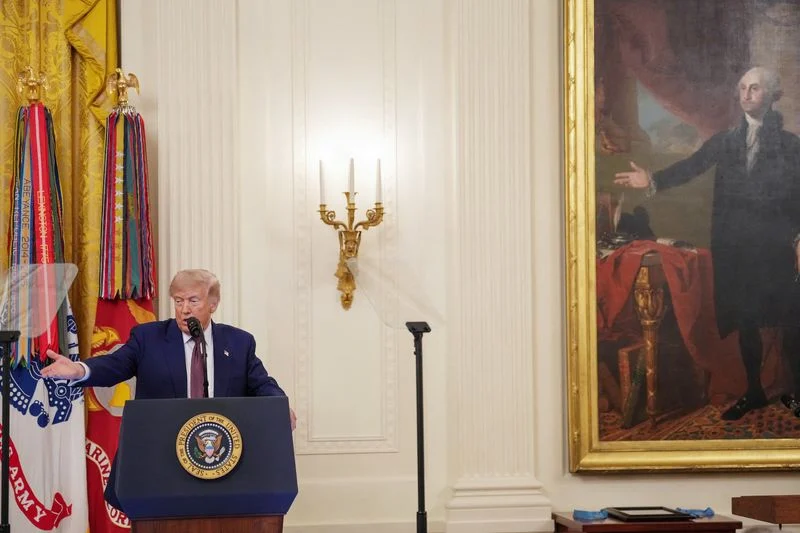

Trump says no toll on Strait of Hormuz unless US imposes one


Fredrik Arnold is a former quality service analyst. He is now reporting investment ideas with a primary focus on dividend yields by utilizing free cash flow and one-year total returns as trading indicators. He is the leader of the investing group The Dividend Dog Catcher, where he shares a minimum of one new dividend stock idea per week with focus on yield or extraordinary financial circumstances. All ideas are archived and available after weekly announcement. Learn more.
Analyst’s Disclosure: I/we have a beneficial long position in the shares of PFE, T either through stock ownership, options, or other derivatives. I wrote this article myself, and it expresses my own opinions. I am not receiving compensation for it (other than from Seeking Alpha). I have no business relationship with any company whose stock is mentioned in this article.
Seeking Alpha’s Disclosure: Past performance is no guarantee of future results. No recommendation or advice is being given as to whether any investment is suitable for a particular investor. Any views or opinions expressed above may not reflect those of Seeking Alpha as a whole. Seeking Alpha is not a licensed securities dealer, broker or US investment adviser or investment bank. Our analysts are third party authors that include both professional investors and individual investors who may not be licensed or certified by any institute or regulatory body.

My Top Energy Stocks For 2026 Mid Year Update


Italy’s Meloni tells Trump to focus on his own popularity as row rumbles on


Ukraine’s Zelenskiy says he returned state decoration to Polish president
Will the end of the US-Iran war boost Republicans in the midterms?
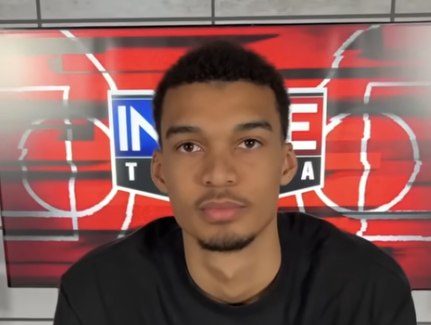
NEW YORK — As thousands gathered for the New York Knicks’ championship parade, fans directed chants against San Antonio Spurs star Victor Wembanyama, reflecting lingering emotions from the NBA Finals series.
The celebration honoring the Knicks’ first title since 1973 featured massive crowds lining the parade route. Two hours before the official start, supporters began chanting against Wembanyama, who became a focal point of fan frustration after a physical playoff series.
Wembanyama’s strong performance in the Knicks’ lone Finals loss, where he recorded 32 points, eight rebounds, six assists and three blocks, contributed to the animosity. A notable shove against Knicks captain Jalen Brunson in Game 3 further intensified fan sentiments.
The chants continued during Game 4 at Madison Square Garden and resurfaced during Thursday’s parade festivities. A doll dressed as the 7-foot-4 Frenchman was reportedly passed around among the crowd, highlighting the playful yet pointed nature of the fan reaction.
When asked about the vilification, Wembanyama responded with characteristic composure. “I guess,” he said. “I’m nowhere near Trae Young-level, though.”
New York City officials described the event as potentially the largest parade in the city’s history. Mayor Zohran Mamdani noted the overwhelming turnout, with viewing areas reaching capacity well before the scheduled 10 a.m. start.
The parade showcased floats carrying championship team members, coaching staff and legendary Knicks figures including Walt “Clyde” Frazier and Patrick Ewing. Celebrity attendees added to the festive atmosphere along the route.
The Knicks’ victory capped an impressive playoff run that saw them overcome strong Western Conference opponents before defeating the young Spurs team in the Finals. Jalen Brunson’s leadership and clutch performances earned him Finals MVP honors.
Wembanyama and the Spurs exceeded expectations by reaching the Finals as one of the league’s youngest rosters. The 20-year-old phenom’s individual brilliance provided glimpses of future stardom despite the series outcome.
The fan reaction reflects the passionate nature of Knicks supporters, who have waited decades for another championship. Similar sentiments have targeted rival players in past playoff series, becoming part of the city’s sports culture.
League officials monitor fan behavior during major events, though such chants fall within accepted expressions of support for home teams. The Knicks organization has not commented on the specific chants directed at Wembanyama.
The parade route featured heavy police presence to manage crowds and ensure safety. New York Police Department officials coordinated with city agencies to accommodate the massive turnout while maintaining public order.
For many fans, the celebration represented validation after years of rebuilding and playoff disappointments. The team’s resilience throughout the postseason created lasting memories and renewed excitement for the franchise’s future.
Wembanyama’s comments suggest an understanding of playoff intensity and fan passion. His focus remains on continued development as he enters his third NBA season with high expectations for the Spurs.
The Knicks’ front office faces important decisions this offseason regarding roster construction around their championship core. Maintaining competitiveness while managing contracts and draft assets will determine their ability to defend the title.
As the parade concluded, fans continued celebrating into the evening. The event marked a memorable chapter in Knicks history, with the city embracing its champions after a long wait.
The contrast between the joyful celebration and targeted fan chants illustrates the complex emotions inherent in professional sports rivalries. While Wembanyama became a temporary villain, the focus remained on honoring the Knicks’ achievement.
League-wide, such incidents rarely escalate beyond verbal expressions during victory parades. Officials emphasize sportsmanship while acknowledging the emotional investment of dedicated fan bases.
The 2026 NBA season provided compelling storylines from start to finish. The Knicks’ championship run and the emergence of young talent like Wembanyama highlighted the league’s competitive depth and exciting future.
As summer league and free agency approach, attention shifts to roster building and preparation for the next campaign. Both the Knicks and Spurs face distinct challenges in sustaining their recent success.


US forces monitoring Strait of Hormuz to ensure it stays open
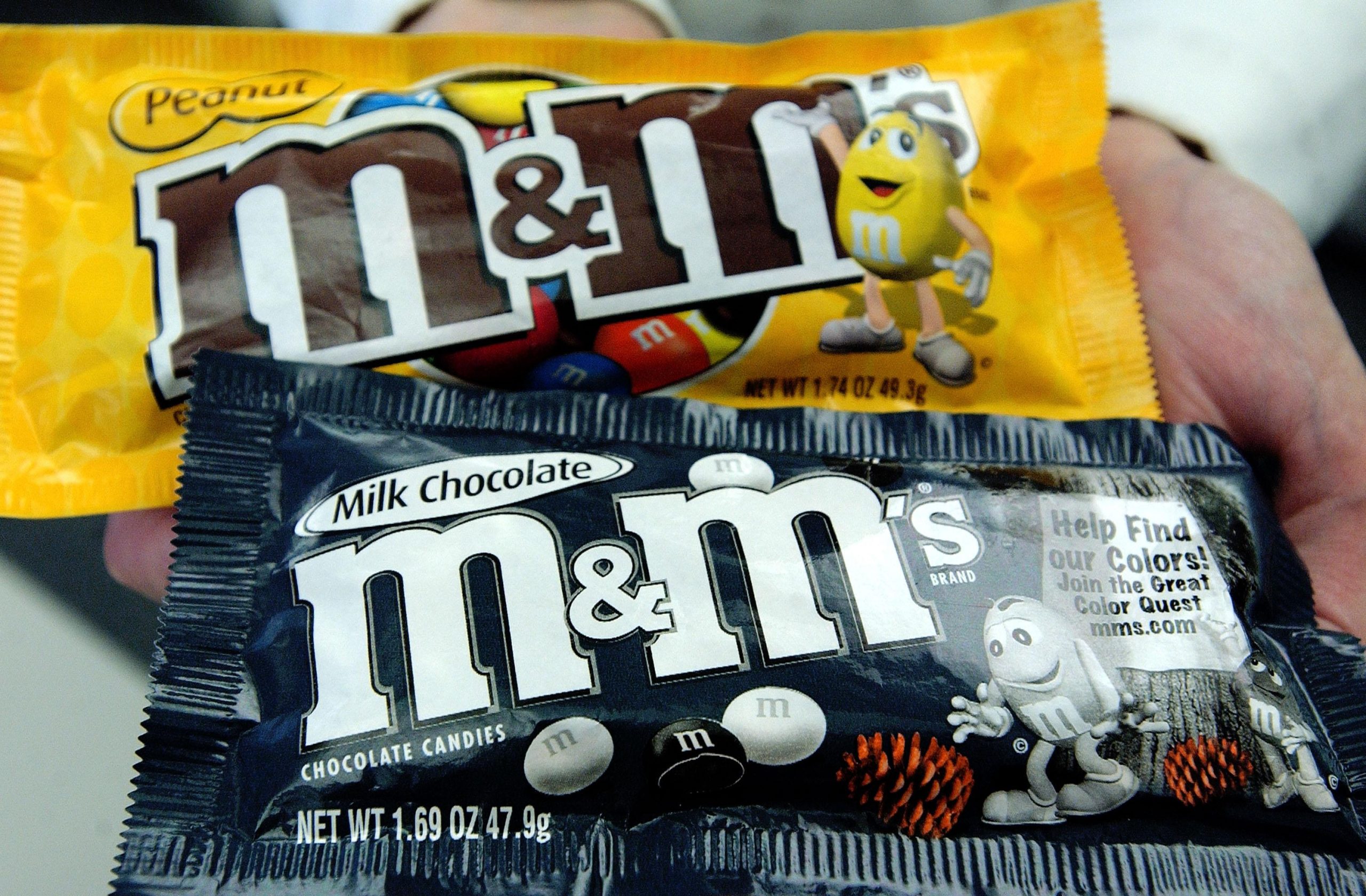
WASHINGTON — Mars Inc., the company behind M&M’s, plans to eliminate blue and brown from its iconic candy lineup as part of a broader initiative to remove artificial dyes from the product, according to multiple reports.
The changes coincide with the candy’s 85th anniversary in August, marking a significant evolution for one of the world’s most recognized confectionery brands. The company has been working to develop naturally colored alternatives for several years, facing technical and cost challenges in replicating certain hues.
Blue and brown have proven particularly difficult to produce without synthetic additives. Mars has successfully recreated red and yellow using natural ingredients such as turmeric and beets. However, achieving stable blue requires spirulina extract, a concentrated blue-green algae powder that presents manufacturing complications.
Spirulina does not fully dissolve in water, potentially causing clogs in spray nozzles and buildup in production equipment. The ingredient also carries a significantly higher cost compared to traditional dyes, ranging from $20 to $100 per pound versus approximately $10 per pound for turmeric.
Company executives reportedly considered limiting colors to red, orange and yellow, evoking a sunset theme, but ultimately decided against that approach. The transition will initially launch on Amazon before broader distribution. Mars aims to offer all six original colors using natural dyes by 2028.
Brown requires blue coloring to achieve its distinctive shade, explaining its temporary removal alongside blue. The company will continue offering products with artificial dyes while expanding natural alternatives across its portfolio, including Skittles, Extra Gum and Starburst.
Health advocates have long pushed for the elimination of synthetic dyes, citing studies linking them to potential neurobehavioral issues such as hyperactivity and attention problems in some children. The Food and Drug Administration maintains that approved dyes are safe for most consumers when used as directed.
In April 2025, Health Secretary Robert F. Kennedy Jr. and FDA Commissioner Marty Makary announced plans to phase out synthetic dyes by the end of 2026, primarily through voluntary industry efforts rather than mandatory regulations. Mars’ initiative aligns with this broader industry trend toward cleaner ingredient formulations.
The decision reflects evolving consumer preferences and regulatory pressures surrounding food additives. Many manufacturers have begun reformulating products to address concerns about artificial colors, flavors and preservatives while maintaining visual appeal.
M&M’s distinctive colorful appearance has been central to its brand identity since its introduction in 1941. The candies were originally created to provide soldiers with chocolate that would not melt in their hands during World War II. The colorful shell coating became an instant success and defining characteristic.
Industry analysts expect the changes to have minimal long-term impact on sales given Mars’ strong brand loyalty and marketing capabilities. Temporary removal of certain colors may even generate consumer interest and media attention during the transition period.
The company has not officially confirmed the exact timeline or details of the color changes. Reports suggest initial availability of the reformulated products will be limited, allowing Mars to gather consumer feedback before full rollout.
Spirulina’s use as a natural blue dye has gained attention in recent years across the food industry. While effective, its cost and processing requirements present challenges for large-scale production. Alternative natural blue sources remain under development but have not yet achieved commercial viability.
Consumer reactions to the potential changes have been mixed on social media platforms. Some express disappointment over losing familiar colors, while others support the move toward more natural ingredients. The company’s strong brand presence suggests it can navigate the transition successfully.
Mars joins other major food manufacturers in responding to demands for cleaner labels. The trend reflects broader shifts in consumer awareness regarding food ingredients and their potential health impacts. Companies balance these concerns with maintaining product appeal and affordability.
The M&M’s reformulation represents part of Mars’ ongoing commitment to product innovation and sustainability. The company has invested in various initiatives to reduce environmental impact and improve ingredient sourcing across its global operations.
As the August anniversary approaches, Mars will likely provide more details about its plans. The changes could influence other confectionery manufacturers to accelerate their own efforts to remove artificial additives from popular products.
The food industry’s response to calls for natural ingredients continues evolving. While challenges remain in achieving consistent colors and flavors without synthetics, technological advances offer promising solutions for the future.
M&M’s enduring popularity demonstrates the strength of its brand despite periodic changes to its formula and appearance. The upcoming modifications represent another chapter in the candy’s long history of adaptation to consumer preferences and industry standards.
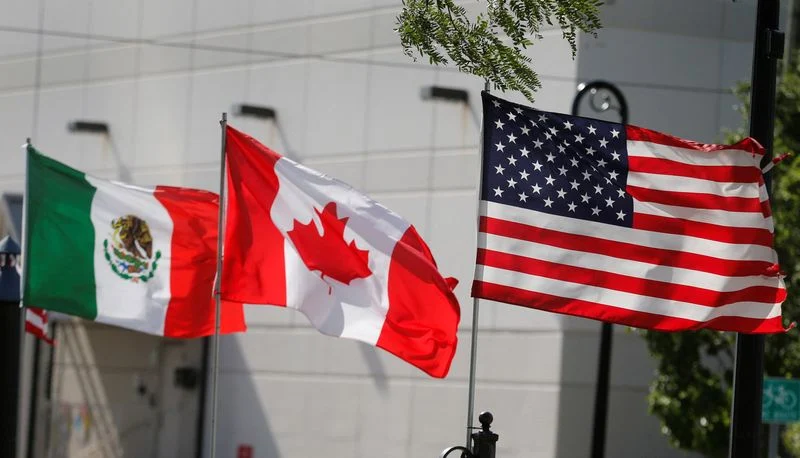

Trilateral meeting for USMCA trade deal review scheduled for July 1, CTV News reports
New Viking Named Dark Horse for MVP Award

THX Deep Note ‘Spark’ Trailer Debuts in HDR10+ and Eclipsa Audio: The Cinema Logo Roars Back

Ben Stokes: Josh Tongue admits England have missed absent captain in second New Zealand Test

No Jackpot Winner as $257 Million Prize Rolls Over to $269 Million Monday Draw

Blockchain.com files with SEC for U.S. IPO

Israel says it has killed new Hamas military leader in Gaza City airstrikes

XRP To $100: The Three Things That Had To Happen ALL Just Happened This Week?

WHEN YOU GET WEALTHY FROM XRP KEEP IT! – WHO PAYS FOR THE XRP FUD? – USDT IS DONE IN THE EU!

Always broke before payday? Try this. #moneytips #finance #catpodcast
-
 Business6 days ago
No Jackpot Winner as $257 Million Prize Rolls Over to $269 Million Monday Draw
-

 Fashion1 day ago
Weekend Open Thread: Miami – Corporette.com
-
 Crypto World6 days ago
Zimbabwe Requires Crypto Businesses to Register Annually Under New FIU Regulations
-
 Business17 hours ago
Wall Street Week Ahead: Investors see Micron earnings as pulse check of AI rally momentum
-
 Entertainment6 days ago
Matt Damon’s Viral Sci-Fi Thriller Has Taken Over HBO Max
-

 Tech6 days ago
As AI companies race to go public, who else is along for the ride?
-

 Business6 days ago
Anthropic staff to meet White House officials next week, Axios reports
-
 Crypto World6 days ago
Bitcoin could crash to $48,000, if this historical pattern is triggered
-
 NewsBeat6 days ago
what doctors are seeing in ebike crashes
-

 Entertainment7 days ago
Deion Sanders Shares Powerful Post After Viral Advice To Deiondra
-
 NewsBeat6 days ago
Warning of disruption as Cardiff Crossrail works to start
-

 Politics6 days ago
“Israel’s” ban on ICRC visits ruled illegal, but Knesset moves to stop them permanently
-
 NewsBeat6 days ago
Tributes to former deputy head teacher at Cambridge school among death and funeral notices
-

 Crypto World18 hours ago
HIVE shares jump as $220M AI deal speeds Bitcoin mining pivot
-

 News Videos6 days ago
Financial Accounting | Last Day Revision Strategy and Booster | CMA Inter – June 2026
-
 Entertainment6 days ago
Kate Middleton Glare Goes Viral After Kids Booed At Royal Event
-

 NewsBeat6 days ago
Singer Oliver Tree dies aged 32 in helicopter crash in Brazil
-

 Tech6 days ago
Over 400 Arch Linux packages compromised to push rootkit, infostealer
-

 Crypto World6 days ago
XRP ETFs Outperform As Bitcoin And Ethereum Funds Extend Outflow Trend
-

 Sports6 days ago
Dick Advocaat’s Curacao scores first-ever World Cup goal against Germany
You must be logged in to post a comment Login